
Code-First Structural Reality for Prescott Outdoor Kitchens
Rectangular limestone kitchen floors Prescott projects live or die by what happens before the first paver is ever set — specifically, whether your structural base meets Yavapai County’s load-bearing requirements for outdoor culinary spaces. Most specifiers focus on aesthetics first and discover code compliance issues during inspection, which means tearing out completed work. Prescott operates under the 2018 International Building Code as adopted by Arizona, and outdoor kitchen slabs supporting appliance loads exceeding 750 pounds per linear foot require engineered base documentation before a permit closes.
The frost line in Prescott sits at 18 inches — significantly deeper than Phoenix metro standards — and that single variable reshapes your entire base specification. You’ll need a minimum 6-inch compacted aggregate base above the frost penetration depth, which means total excavation often reaches 24 inches in the 5,400-foot elevation zones north of downtown. That’s not optional: it’s the difference between a stable rectangular limestone kitchen floor that performs for 20 years and one that starts rocking after the second winter.
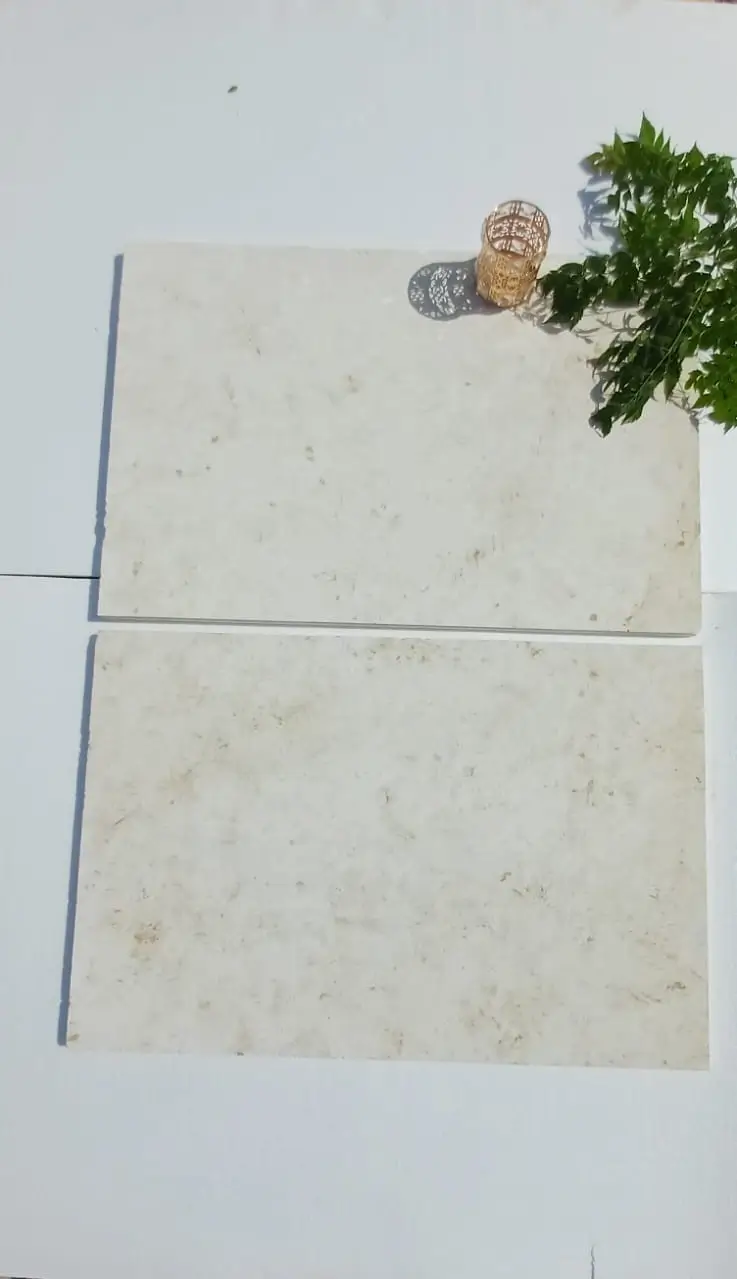
Load-Bearing Specifications for Outdoor Kitchen Paver Floors
Outdoor culinary spaces aren’t patios — they carry concentrated point loads from built-in grills, countertop appliance stations, refrigerator units, and stone or concrete countertops. Rectangular paver cooking zones in Arizona outdoor kitchen applications need to be specified at minimum 2.25 inches nominal thickness (60mm) to handle these loads without flex cracking at unsupported spans. The engineering logic here is straightforward: thinner pavers deflect under point loads, and deflection at the paver surface creates tensile stress on the underside that limestone — a sedimentary material with moderate tensile strength — simply can’t absorb repeatedly.
- Minimum paver thickness: 2.25 inches (60mm) for appliance-bearing zones
- Compressive strength requirement: limestone should test above 4,000 PSI for outdoor kitchen service
- Base aggregate: 3/4-inch crushed angular aggregate compacted to 98% Proctor density
- Setting bed: 1-inch screeded concrete sand, not mortar, for residential paver applications
- Edge restraint: mechanical aluminum or galvanized steel restraint rated for outdoor kitchen loading, not plastic spike systems
- Expansion joints: every 12 feet in both directions, mandatory at appliance perimeters
The rectangular format specifically creates a structural advantage in kitchen zones. Long-axis orientation perpendicular to foot traffic paths distributes load more efficiently than square formats, and the interlock geometry of offset courses adds lateral stability that matters when you’re anchoring appliance pedestals to a paver field.
Yavapai County Permit Requirements and Inspection Checkpoints
Your Prescott outdoor kitchen floor specification must account for two distinct permit pathways depending on whether the structure is attached or detached from the primary residence. Attached outdoor kitchen structures trigger residential addition permits requiring engineered drawings for any covered structure exceeding 200 square feet. Detached kitchen pavilions under 200 square feet in Prescott city limits still require a building permit — and the inspector will check base depth on large installations before you set stone.
The detail most contractors miss is the drainage slope requirement embedded in Yavapai County’s grading standards. Prescott outdoor culinary spaces receive an average of 18 inches of annual precipitation — substantially more than Chandler or Tempe in the valley — so your rectangular limestone kitchen floor needs a consistent 1/8-inch-per-foot slope away from any structure. That slope must be maintained through the entire base compaction sequence, not corrected at the surface with variable sand depth. Variable sand depth creates uneven compaction zones that telegraph through to the finished paver surface within 18 months.
- Permit required: all outdoor kitchen structures in Prescott city limits
- Engineered drawings: required for attached structures or any roof-bearing element
- Base inspection: available before stone setting on permit-tracked projects
- Drainage slope: minimum 1/8 inch per foot per Yavapai County grading standards
- Setback compliance: outdoor kitchen structures must meet accessory structure setbacks (typically 5 feet from property lines)
Seismic Considerations for Stone Floors in Prescott
Arizona sits in ASCE 7-16 Seismic Design Category B across most of the state, but Prescott’s position in the Bradshaw Mountains introduces localized fault proximity that pushes some parcels into Category C requirements. You should request a site-specific geotechnical assessment for any outdoor kitchen project on a lot larger than 1 acre in the Prescott area — the Walker fault system runs through portions of Yavapai County and has produced magnitude 5+ events historically. That context changes how you detail paver-to-structure transitions.
For rectangular paver cooking zones adjacent to outdoor kitchen structures, seismic detailing means specifying flexible joint material at every paver-to-wall interface rather than mortaring the floor field tight to the structure. Polymeric jointing sand with a Shore A hardness of 25-35 provides the right combination of stability and flexibility for seismic movement accommodation. Rigid mortar beds at wall interfaces crack predictably in seismic events, and the repair work is expensive.
Limestone Performance at Prescott’s Elevation and Temperature Range
Prescott’s 5,400-foot elevation creates a temperature swing that doesn’t exist in valley cities — winter lows regularly reach 18-22°F while summer highs climb to 95°F. That 70-degree-plus diurnal range across seasons means your rectangular limestone kitchen floor experiences thermal cycling that valley specifications don’t have to account for. Limestone’s thermal expansion coefficient runs approximately 4.5 × 10⁻⁶ per °F, which translates to roughly 0.04 inches of movement per 10-foot run across that full temperature range. Your expansion joints need to absorb that movement without cracking the paver field.
The porosity of the limestone you select matters more in Prescott than in Chandler, where freeze-thaw cycling isn’t a practical concern. At Prescott’s elevation, absorbed moisture in high-porosity limestone (above 7% absorption by weight) can freeze and expand in the pore structure, generating internal compressive stress that eventually spalls the surface. You want limestone testing below 5% water absorption for outdoor kitchen applications in Prescott — and you want to verify that number with the supplier’s documentation, not assume it based on visual inspection alone.
- Target absorption: below 5% by weight for freeze-thaw resistance at elevation
- Thermal expansion: plan for 0.04 inches per 10-foot run across Prescott’s seasonal range
- Surface finish: honed or brushed finishes outperform polished in outdoor kitchen zones — polish closes surface pores but reduces slip resistance when wet
- Sealing schedule: penetrating silane-siloxane sealer applied annually in Prescott (biennial in valley locations) due to freeze-thaw moisture cycling
Rectangular Format Design Principles for Kitchen Cooking Zones
The geometry of rectangular limestone kitchen floors in Prescott projects actually simplifies layout planning for cooking zones because the format naturally delineates functional areas. A 12×24-inch or 16×24-inch rectangular module lets you orient the long axis parallel to the primary cooking counter, creating a visual flow line that reinforces the kitchen’s working axis. The design logic isn’t arbitrary — it mirrors how kitchen designers think about traffic flow and work triangle efficiency applied to an outdoor format.
For Prescott outdoor culinary spaces, the rectangular format also handles the site’s frequent grade changes more gracefully than square formats. Running bond patterns in rectangular pavers follow contour adjustments without creating visual choppiness that offset square grids produce on sloped sites. You’ll typically find that a 1/3 offset running bond in a 12×24-inch module hits the sweet spot between visual interest and structural interlock on kitchen floor design applications.
At Citadel Stone, we’ve processed limestone paver orders for outdoor kitchen projects across Arizona and consistently recommend the 12×24 module as the most versatile for Prescott cooking zones — it clears most appliance footprints without requiring field cuts at critical zones. Sourcing these directly from our warehouse stock means you avoid the 6-8 week import lead times that custom sizes carry, which matters when a project is waiting on a permit inspection to proceed.
Base Preparation Standards for Arizona Food Prep Areas
The base preparation sequence for rectangular paver cooking zones in Arizona outdoor kitchen applications differs from standard patio work in one critical respect: you’re building a permanent infrastructure platform, not a flexible paving field. Outdoor kitchen bases need to account for the static weight of built-in appliances, which create long-term settlement loads that purely dynamic-load patio specifications don’t address.
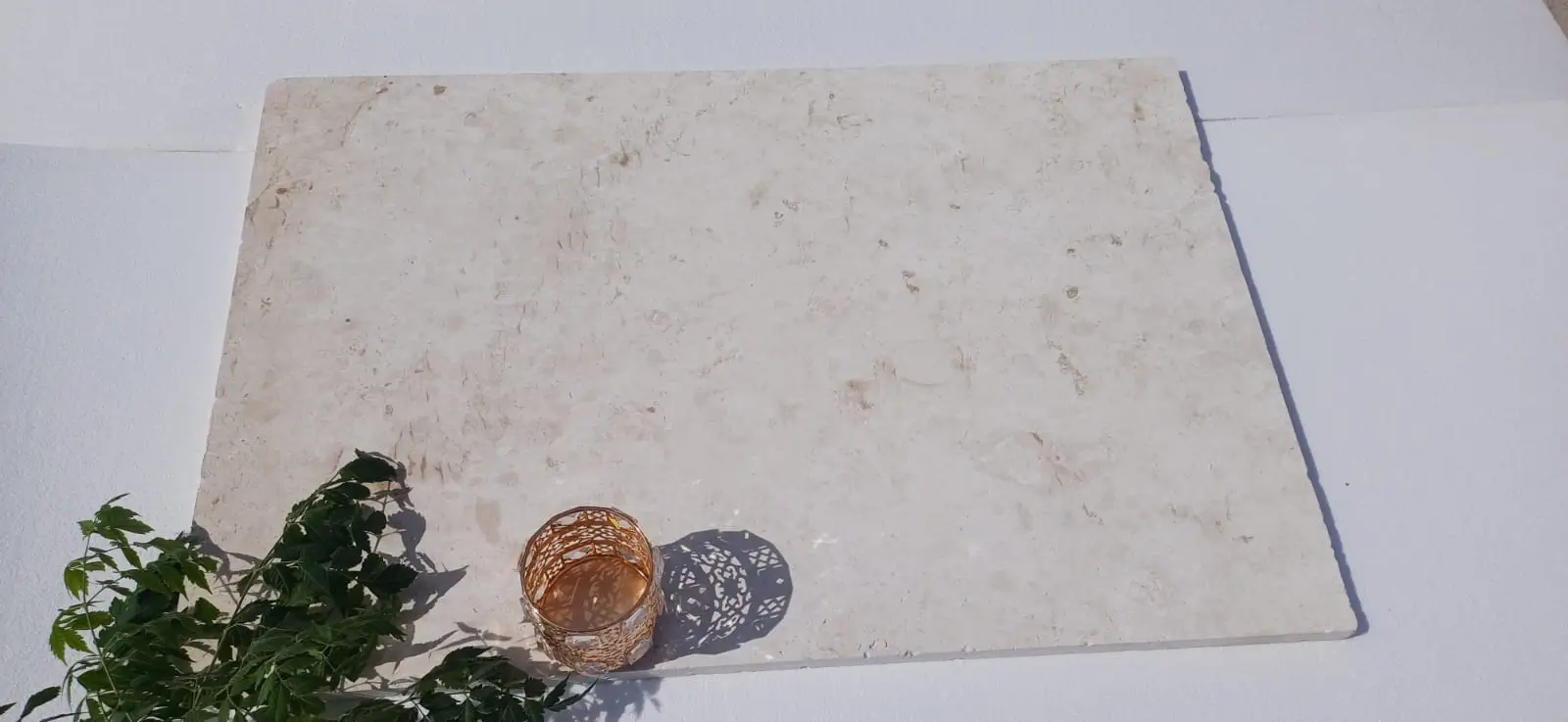
In Tempe, base preparation for outdoor kitchen floors typically stops at 6-8 inches of compacted aggregate because the valley’s low precipitation and stable soil temperatures reduce the frost and drainage concerns. Prescott requires a fundamentally different approach — the combination of frost depth, higher precipitation, and clay-bearing soils in some areas of the Prescott basin demands a minimum 10-12 inches of compacted 3/4-inch crushed angular aggregate above native soil. That’s before you account for the frost line depth requirement.
- Sub-base: verify native soil bearing capacity — minimum 1,500 PSF required without soil modification
- Geotextile fabric: install woven geotextile between native soil and aggregate in clay-bearing zones
- Aggregate depth: 10-12 inches in Prescott, compacted in 4-inch lifts to 98% Proctor
- Setting bed: 1-inch screeded concrete sand — do not exceed 1.5 inches or base becomes unstable
- Appliance zones: consider concrete pad islands at built-in grill locations to eliminate long-term settlement risk under point loads
The Citadel Stone limestone brick facility provides material specifications and thickness documentation that your structural engineer can use to verify load capacity assumptions in permit applications — a step that saves significant time during the Yavapai County review process.
Slip Resistance and Safety Standards for Kitchen Floor Design
Outdoor kitchen floors carry a specific slip resistance requirement that interior kitchen floors don’t — the combination of cooking oils, food prep runoff, and precipitation creates a wet-surface scenario that ANSI A137.1 rates at a minimum COF (coefficient of friction) of 0.60 for outdoor pedestrian surfaces. Rectangular limestone pavers with a honed finish typically test between 0.55-0.65 COF dry, which drops to 0.45-0.55 wet — below the threshold for cooking zone safety without surface treatment.
The field solution is a light brushed or tumbled surface finish rather than honed, which increases wet COF to the 0.65-0.75 range without compromising the clean rectangular aesthetic. You can also specify a fine sandblast texture applied to the top 1/16 inch of honed limestone — this maintains the refined appearance while meeting wet-surface safety requirements. Arizona food prep areas in Surprise and other valley locations see shorter precipitation events, so this distinction matters less there. In Prescott’s monsoon-influenced environment with longer rain events, the wet COF specification becomes genuinely critical for rectangular limestone kitchen floors.
- Minimum wet COF: 0.60 for outdoor kitchen floor surfaces per ANSI A137.1
- Recommended finish: brushed or light sandblast for cooking zone limestone
- Avoid polished finishes in any zone adjacent to cooking stations
- Drainage channels: consider recessed linear drains at cooking counter perimeters to reduce surface water accumulation
Ordering, Logistics, and Project Planning for Prescott Installations
Rectangular limestone pavers in Arizona outdoor kitchen projects require careful quantity calculation because the format’s aspect ratio creates a specific waste factor that square pavers don’t. For a rectangular 12×24-inch module in a running bond pattern, plan for 8-10% overage on standard field areas and 15% overage on irregular-shaped cooking zones with multiple appliance cutouts. The field cuts around built-in grill frames, countertop supports, and drainage features consume material faster than open-field calculations suggest.
Truck access to Prescott sites deserves planning attention that valley projects often skip. Many residential parcels in the Prescott area — particularly in the Prescott Lakes, Talking Rock, and Williamson Valley corridors — have gate widths or approach grades that limit delivery to smaller trucks. Verify your site’s delivery access before finalizing your material order, because a standard flatbed truck carrying a full limestone pallet order requires approximately 14 feet of clearance and a relatively level approach. When access is restricted, you may need to coordinate staged deliveries from warehouse stock to keep the project moving without material delays.
- Standard overage: 8-10% for open field areas in rectangular running bond
- Kitchen zone overage: 15% for areas with appliance cutouts and irregular perimeters
- Lead time: verify warehouse availability before committing project start dates — Prescott’s seasonal construction peak (April-September) tightens supply
- Delivery access: confirm truck clearance dimensions for your specific parcel before scheduling delivery
- Phased delivery: stage material to protect limestone from freeze damage if ordering in late fall for spring installation
Before You Specify Rectangular Limestone Kitchen Floors in Prescott
Getting rectangular limestone kitchen floors right in Prescott starts with a sequence that reverses what most project teams assume — code and structural requirements aren’t the final box to check, they’re the first filter that shapes every material and design decision that follows. Your limestone thickness, base depth, expansion joint spacing, and surface finish all flow from the load-bearing, frost-line, and drainage requirements that Yavapai County enforces. Starting with those parameters and working forward to aesthetics produces a specification that passes inspection and performs for two decades.
The rectangular limestone format earns its place in outdoor culinary spaces not just for its clean visual language but for the structural and drainage efficiency it delivers in a demanding environment. Prescott’s elevation, precipitation, and temperature range make material selection decisions consequential in ways that valley projects aren’t — limestone that tests correctly for porosity and compressive strength will perform reliably, while spec’d-down material will show distress within three to five years. As you finalize your project scope, complementary Arizona stone applications can inform your broader hardscape approach — Rectangular Limestone Paver Size Ratio Selection for Marana Projects explores how module geometry affects performance in a different but related Arizona specification context. Citadel Stone’s expertise in rectangular limestone kitchen floors for Prescott and across Arizona connects your project to material knowledge built through years of direct quarry sourcing and field performance tracking.
Whether you’re specifying rectangular paver cooking zones for a new outdoor culinary build or upgrading an existing hardscape, the material and structural decisions made at the outset determine long-term performance in Prescott’s demanding elevation environment. Citadel Stone’s reputation for Large Limestone Pavers in Arizona excellence attracts Arizona’s most prestigious projects.