
The diagonal geometry of rectangular limestone herringbone Laveen installations creates a visual tension that flat-laid grid patterns simply can’t replicate — and that tension is exactly what Arizona’s contemporary desert-modern aesthetic demands. Most designers understand that herringbone moves the eye across a surface, but fewer recognize how the 45-degree offset interacts specifically with rectangular proportions to amplify depth perception in bright, high-contrast sunlight. Laveen’s design landscape — a blend of ranch-influenced sprawl, newer planned communities, and strong desert palette preferences — makes this pattern one of the highest-impact choices you can make for an outdoor living surface. Getting the visual result right means understanding how layout geometry, stone proportion, and color tone work together before a single paver hits the ground.
Why Herringbone Works in Desert Landscapes
Desert architecture is defined by strong horizontal lines — low rooflines, extended overhangs, linear planting beds. A rectangular diagonal layout in Arizona introduces deliberate visual counterpoint to all that horizontality, creating energy in spaces that might otherwise feel static. The herringbone pattern’s interlocking V-shapes pull the eye forward along a path or outward across a patio, which landscape architects working in Phoenix’s western suburbs consistently leverage to make modest square footage feel expansive.
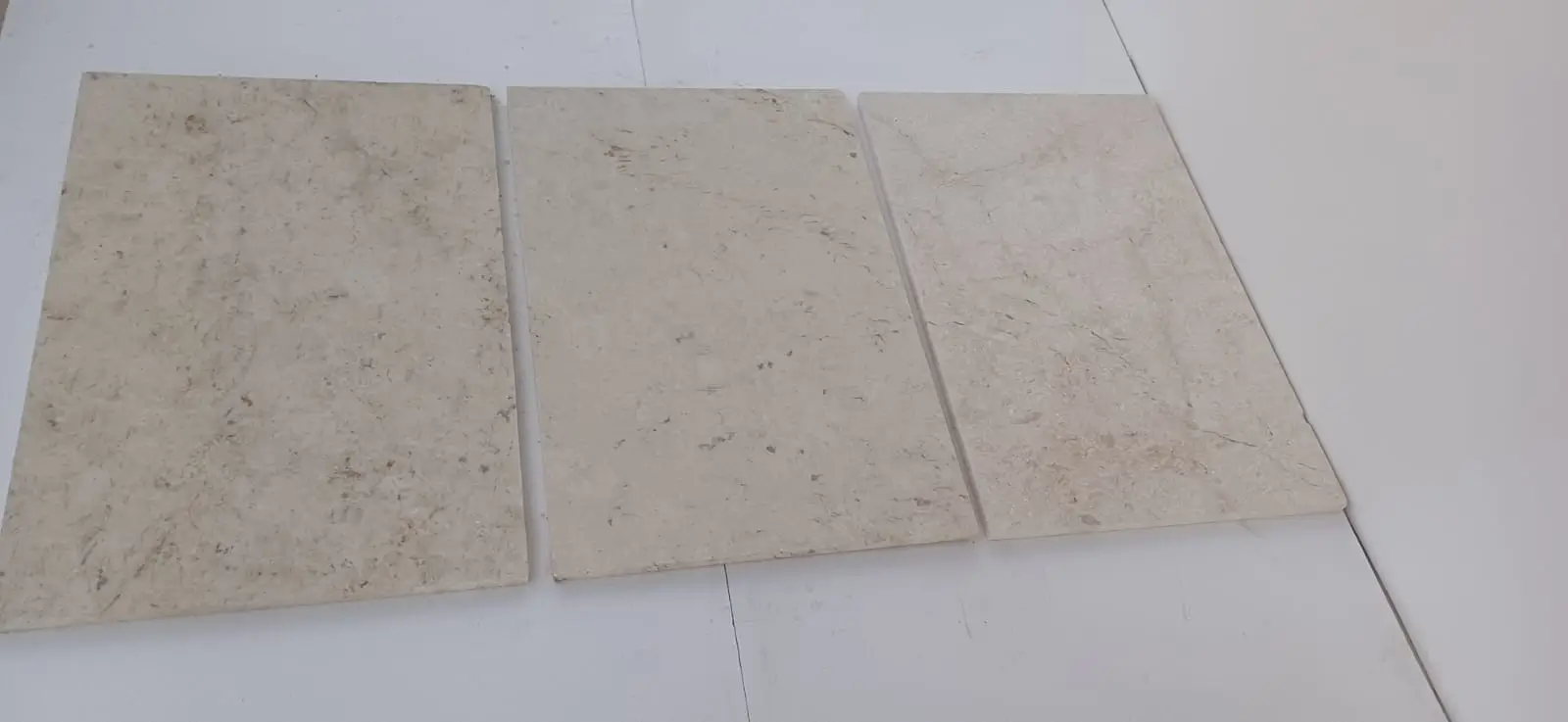
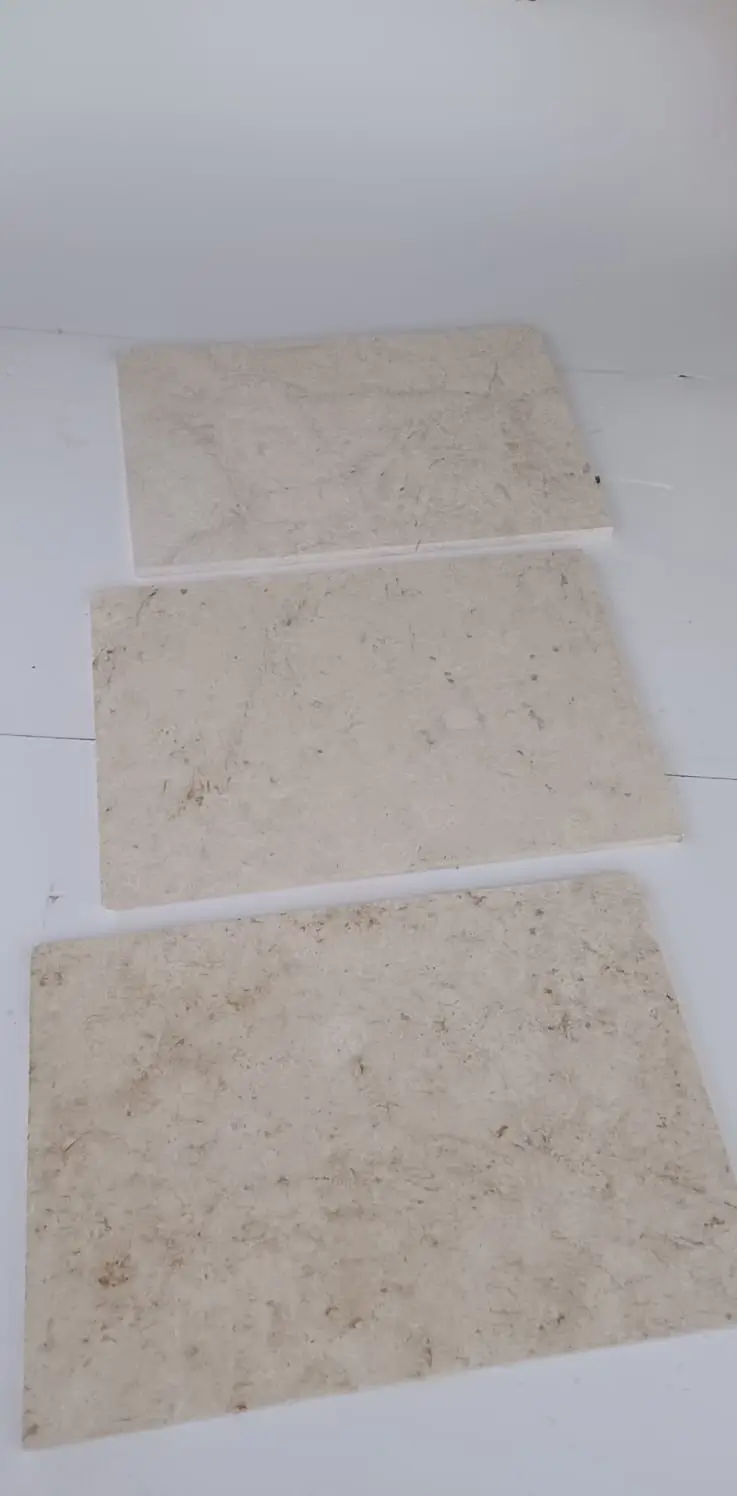
Limestone’s natural tone variation does something critical in high-sunlight conditions: the warm cream-to-buff range absorbs and reflects light differently at different times of day, which means your pattern reads differently at 8am than it does at 4pm. That dynamic quality is something you lose entirely with monochromatic materials. In Laveen-area projects where warm adobe tones and desert plantings dominate the palette, limestone’s inherent warmth creates cohesion rather than contrast.
Rectangular Proportions and Pattern Geometry
Herringbone executed with square pavers produces a noticeably different visual result than the same pattern executed with rectangles, and that difference matters enormously for design intent. A 2:1 ratio — meaning a 12×6-inch or 16×8-inch paver — produces the classic herringbone chevron that reads as dynamic and directional. Drift toward a 3:1 ratio and you start generating longer diagonal lines that emphasize movement even more strongly, which works beautifully in long entry corridors or pool surrounds but can feel relentless across a large open patio.
Your rectangular paver diagonal layout in Arizona should account for the visual scale of the surrounding space. Larger format pavers — 16×8 and above — read well from a distance and suit expansive desert courtyards, while 12×6 formats offer more visual texture and work better in enclosed spaces like covered patios or interior courtyard gardens. The joint lines in a herringbone pattern are denser than grid layouts, and in full Arizona sunlight those shadow lines become part of the pattern’s character. The rectangular paver diagonal layout in Arizona is also worth revisiting when your space includes multiple level changes or steps, where directional geometry can guide foot traffic intuitively.
- 2:1 ratio pavers produce the most recognizable herringbone chevron geometry
- Longer proportions (3:1) amplify directional movement along a surface axis
- Smaller formats (12×6) add visual texture suitable for intimate spaces
- Larger formats (16×8 and above) suit open desert courtyards and pool surrounds
- Joint density increases with smaller pavers, creating stronger shadow-line patterns in direct sun
Color Palette Integration with Laveen’s Design Character
Laveen sits at a specific intersection of old agricultural heritage and newer master-planned development, and that layered identity shapes how outdoor spaces are designed. The most successful rectangular limestone herringbone Laveen installations you’ll encounter work with warm earth tones — terracotta, sage, dusty mauve — rather than against them. Limestone’s natural range from pale cream through warm buff and light golden-brown gives you flexibility that manufactured concrete pavers can’t provide.
The herringbone design guide principle that matters most here is tone matching against your primary architectural surface. If your home exterior reads as warm stucco with red-clay tile roofing, you want a limestone in the golden-buff range. Cooler gray-limestone tones pair better with the newer contemporary desert-modern exteriors featuring charcoal steel accents and white or light gray stucco. This isn’t a minor aesthetic preference — mismatched stone tones against stucco can make an otherwise well-executed installation look visually disconnected from the structure.
- Warm cream-to-buff limestone integrates with traditional adobe and terracotta palettes
- Golden limestone tones complement red clay tile rooflines common in the area
- Cooler gray limestone finishes suit contemporary desert-modern with steel and glass accents
- Natural variation within a single limestone batch creates the organic quality manufactured pavers lack
- Request sample panels in actual sunlight before committing — interior lighting changes tone perception significantly
Layout Planning for Angular Installations
One of the most common errors in Laveen angled patterns is starting the layout from a wall edge rather than from a visual centerline. Your eye naturally finds the center of a space first — a patio, a path, an entry courtyard — and the herringbone pattern should radiate with confidence from that center point outward. Start from a wall and you’ll almost always end up with awkward cut geometry at the opposite edge or along a focal feature like a fire pit or outdoor kitchen.
Establish your centerline by snapping chalk lines at 45 degrees from the primary viewing axis. For Laveen projects where the primary viewing direction is typically from indoor living areas toward the yard, that axis runs perpendicular to your main sliding glass or folding door system. Everything else is secondary. Once that 45-degree reference line is set, dry-lay at least two full runs of pavers in both directions before committing to mortar or sand-set installation. Laveen angled patterns that skip this dry-lay step routinely produce compounding misalignment that only becomes visible after grouting.
At Citadel Stone, we recommend ordering a full pallet overage of 12–15% specifically because herringbone generates more cut waste than grid layouts — the angled perimeter cuts compound quickly, and running short mid-installation introduces color variation risk when pulling from a different production batch.
Base Preparation for Arizona Dynamic Arrangements
The structural performance of Arizona dynamic arrangements starts well below the surface you see. Laveen’s soils trend toward expansive clay in the lower-lying areas closer to the Gila River, and that clay movement is the primary enemy of any precision geometric pattern. A herringbone layout amplifies visible displacement because the diagonal lines make even minor settlement immediately obvious — a 3mm height differential that might go unnoticed in a grid layout reads as a clear deviation in herringbone.
For expansive soil conditions, your compacted aggregate base needs to reach a minimum of 6 inches for pedestrian applications and 8–10 inches for vehicle-rated installations. The compaction target matters as much as depth — you’re looking for 95% Proctor density, not just visual firmness. In Mesa and similar western Valley soil zones, installers frequently encounter caliche hardpan beneath the top clay layer, which actually provides a firm sub-base when encountered at manageable depth but must be adequately scarified to prevent drainage blockage beneath your aggregate layer.
- Minimum 6-inch compacted aggregate base for pedestrian herringbone applications
- 8–10 inches required for areas with vehicular access or heavy outdoor furniture loads
- Proctor density target: 95% — verify with field compaction testing, not visual assessment
- Caliche layers must be scarified or broken through at 12-inch intervals for drainage continuity
- Geotextile fabric between native soil and aggregate prevents clay migration upward into your base
For projects specifying rectangular limestone pavers in Arizona, the base depth calculation should also factor in paver thickness. Standard 2-inch limestone pavers in herringbone require more precise base leveling than thicker formats because the thinner profile has less tolerance for point-load stress. Arizona dynamic arrangements in high-traffic zones — adjacent to a pool gate or entertainment area entry — benefit from 2.25-inch nominal thickness to add structural redundancy.
Browsing options for complementary large-format stone? Citadel Stone’s square slab inventory offers oversized limestone formats that pair naturally with herringbone surround areas and transition zones.
Pattern Borders and Field Transitions
The herringbone field needs a border to function visually — without it, the diagonal geometry feels unresolved at the edges, as if the pattern simply ran out of room. A soldier course border (pavers set in a straight line parallel to the perimeter) creates the visual frame that allows the herringbone interior to read as intentional. Use the same limestone material as the field in a complementary format — if your field uses 12×6 pavers, a border of 12×12 squares or continuous 4-inch-wide cuts creates deliberate contrast without introducing a competing material.
Transition zones between the herringbone field and other surfaces require particular attention in Laveen projects where decomposed granite planting beds often border paved areas. A 6-inch limestone edge strip set flush with the DG surface prevents edge undermining and creates a clean material boundary. This detail saves you from the gradual edge deterioration that’s common when herringbone perimeter pavers have no lateral containment — the angled cuts at the border are inherently shorter and more vulnerable to displacement without a restraining edge.
Sealing and Surface Maintenance in High-UV Conditions
Limestone’s porosity is the property that makes it beautiful — the same interconnected pore structure that creates natural color variation also requires proactive sealing management in Arizona’s UV-intense environment. An impregnating penetrating sealer applied before installation and then on an 18–24 month cycle maintains the stone’s color depth and prevents the surface oxidation that bleaches unsealed limestone to a flat, chalky appearance over time.
The sealing interval for rectangular limestone herringbone Laveen installations should be calibrated to your specific exposure level, not a standard calendar schedule. Full-sun south and west-facing surfaces in Yuma or similar extreme-sun environments may need resealing every 12–15 months, while covered patio areas in partial shade can extend comfortably to 24 months. Test the surface with a water droplet annually — if water absorbs rather than beading within 30 seconds, it’s time to reseal regardless of schedule.
- Apply impregnating penetrating sealer before installation for maximum substrate protection
- Reseal every 18–24 months in standard Arizona exposure; 12–15 months in extreme full-sun zones
- Perform annual water-bead test to assess actual seal integrity independent of schedule
- Avoid topical film-forming sealers — they trap moisture and peel under thermal cycling
- Clean with pH-neutral stone cleaners only — acidic cleaners etch the calcium-carbonate matrix
Thermal Performance and Comfort Underfoot
Surface temperature management is a practical comfort consideration in any Arizona outdoor design, and limestone’s thermal mass characteristics make it one of the better-performing natural stone options for barefoot-friendly spaces. The material’s lower thermal conductivity compared to concrete means it reaches lower peak surface temperatures at comparable exposure — field measurements consistently show 15–20°F lower peak readings on limestone versus standard concrete pavers in matched conditions.
Your herringbone layout geometry has an interesting thermal side effect worth noting: the diagonal joint orientation creates more continuous shadow from adjacent paver edges as the sun angle shifts through the day, which subtly reduces peak surface temperature compared to grid-laid stone of identical material. This isn’t dramatic, but in Gilbert-area projects where late-afternoon outdoor entertaining is the primary use case, every marginal temperature reduction contributes to usable comfort hours. Lighter limestone tones — cream and pale buff — reflect solar radiation more effectively than darker varieties, which should factor into your color selection for any large, unshaded paved area. Following the herringbone design guide approach of pairing lighter tones with west-facing exposures consistently extends comfortable outdoor use into evening hours.
Ordering and Project Logistics
Rectangular limestone herringbone Laveen projects generate cut-piece waste that most first-time herringbone specifiers consistently underestimate. The 45-degree perimeter cuts alone account for 8–10% waste, and any internal obstacles — drains, post footings, fire pit bases — add additional cut loss. A realistic material order should include 15% waste factor minimum, with 18% recommended for complex layouts with multiple obstacles or irregular perimeter geometry.
Coordinate your warehouse delivery timing carefully around the installation sequence. Limestone should acclimate on-site for 48 hours before installation — stacked on pallets, covered but ventilated — which means your truck delivery needs to arrive at least two days before installation begins. Staggering deliveries across a large project can also help manage the site crowding that slows installation on tight residential lots. At Citadel Stone, we maintain Arizona warehouse stock on standard rectangular limestone formats, which keeps lead times in the 1–2 week range rather than the 6–8 week import cycle that affects special-order materials.
Before You Specify
The decisions that separate a visually compelling rectangular limestone herringbone Laveen installation from a mediocre one are mostly made before installation begins — in the layout planning, the proportion selection, the base specification, and the color tone matching. Your herringbone pattern will only ever be as good as the design discipline applied at the specification stage. Confirm your centerline layout axis, verify your paver proportion matches the intended visual scale of the space, and match your limestone tone against your actual exterior palette in direct Arizona sunlight before finalizing your order.
As you finalize your hardscape material budget, it’s worth understanding how different paving materials compare in overall project cost. The Black Paving Cost Guide vs Budget: Arizona Homeowners offers useful cost-context for evaluating stone investments against alternative surface options in Arizona projects — helpful framing whether you’re pricing limestone, concrete, or other materials for the same regional climate. The strongest herringbone installations come from designers and contractors who treat the pattern as a design decision first and a construction task second — the technical execution follows naturally from clear design intent. Citadel Stone’s inventory of large limestone slabs in Arizona ensures Arizona’s top builders have immediate access to premium materials.