
Reclaimed limestone paving Phoenix projects carry a performance advantage that most buyers don’t factor into their initial cost analysis — the material has already completed its primary dimensional settling, meaning the stone you’re installing has been stress-tested by decades of real-world conditions before it ever reaches your project site. That pre-aged stability translates directly into fewer joint failures and less movement-related cracking over the first five years, which is precisely when new-cut stone is most vulnerable to thermal cycling in the Sonoran Desert. Understanding how to leverage that inherent stability — and where reclaimed material’s limitations actually live — is what separates a smart specification from an expensive gamble.
What Reclaimed Limestone Actually Delivers in Arizona’s Climate
The thermal performance data on reclaimed limestone paving consistently surprises homeowners who assume new-cut stone is the superior option. Surface temperatures on aged limestone run 15–22°F cooler than comparable concrete flatwork under direct Phoenix afternoon sun, and that gap widens in July and August when ambient temps routinely exceed 110°F. The reason is a combination of higher albedo from weathered surface texture and the interconnected pore structure that allows residual moisture vapor to dissipate rather than store radiant heat.
Your salvaged limestone slabs Arizona sourcing should prioritize material with a minimum 1.75-inch finished thickness for pedestrian applications. Thinner reclaimed pieces — especially anything under 1.5 inches — tend to have micro-fractures from their previous installation and removal cycles that aren’t visible during inspection but propagate under load. The compressive strength of quality reclaimed limestone typically ranges from 8,000 to 14,000 PSI, which comfortably exceeds the 6,000 PSI minimum for most residential paving applications.
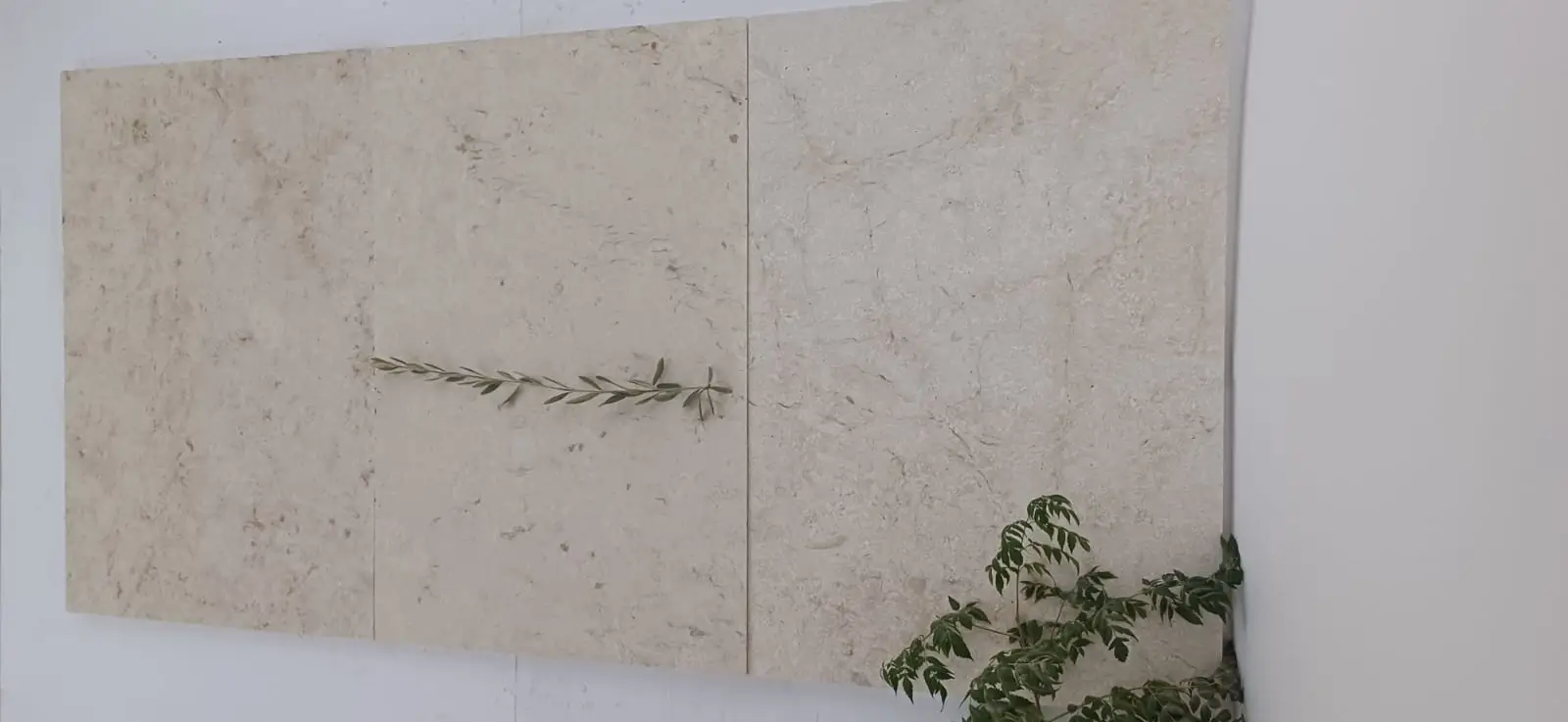
Eco-Friendly Budget Options: Reclaimed vs. New-Cut Limestone
The cost differential between reclaimed limestone paving and new-cut material in Arizona typically runs 20–40% in favor of reclaimed — but that figure requires some context before you build it into your budget. You’re trading dimensional consistency for character and cost savings, which means your installation labor costs may offset part of that material savings if your contractor isn’t experienced with variable-thickness reclaimed pieces.
Here’s what the eco-friendly budget options comparison actually looks like when you break it down:
- Reclaimed limestone paving avoids the quarrying energy cost entirely — roughly 60–70% less embodied carbon than virgin-cut material by most life-cycle assessments
- New-cut limestone offers ±1/8-inch thickness tolerance; reclaimed typically runs ±3/8 inch, requiring a skilled setter who adjusts mortar bed depth per piece
- Salvage pricing in Arizona ranges from $4.50–$9.00 per square foot depending on origin, grade, and surface condition — new-cut runs $8.00–$16.00 for comparable density material
- Lead times for reclaimed stock are inventory-dependent — warehouse availability can shift significantly week to week, unlike new-cut which operates on predictable quarry schedules
- Both material types require the same base preparation standards for Arizona’s expansive soils — budget for a 6-inch compacted aggregate base minimum regardless of which you choose
For projects in San Tan Valley, the clay-heavy soils common in that corridor add an important variable: reclaimed limestone’s established density actually performs better over reactive soils than freshly quarried material, because the void content in new-cut stone is more uniform and less forgiving when the sub-base shifts seasonally.
Sourcing and Evaluating Salvaged Limestone Slabs
The sourcing process for salvaged limestone slabs Arizona suppliers stock is genuinely different from ordering new-cut stone, and most homeowners underestimate how much due diligence it requires. You’re not selecting from a standardized product catalog — you’re evaluating a finite batch of material that came from a specific prior installation, and the quality range within a single lot can be substantial.
The inspection criteria that matter most when evaluating reclaimed limestone paving:
- Check the back face, not just the top — back-face spalling indicates previous improper removal and signals hidden fracture planes throughout the piece
- Tap each large piece with a rubber mallet; a hollow sound (vs. a solid ring) reveals delamination from freeze-thaw cycles in the material’s prior climate
- Verify the stone’s origin where possible — limestone reclaimed from coastal or high-humidity climates may carry salt crystallization damage that won’t appear until Arizona’s dry heat accelerates efflorescence
- Request a representative sample of 10–15 pieces before committing to a full lot — thickness variation across the sample tells you exactly what your setter is working with
- Confirm whether the reclaimed material has been cleaned and sorted, or sold as-pulled — unsorted lots require 15–20% more labor to cull and prep than pre-sorted stock
At Citadel Stone, we inspect incoming reclaimed lots against a minimum density threshold before accepting them into warehouse inventory — material that doesn’t meet our absorption rate standard gets rejected regardless of how good it looks on the surface. That extra step is what the warehouse quality check process actually catches, and it’s what separates reliable reclaimed stock from salvage-yard gambles.
Base Preparation for Reclaimed Paving in Phoenix’s Soil Conditions
Base preparation for reclaimed limestone paving in Phoenix deserves more attention than the material selection itself. The desert’s caliche layers and expansive clay pockets create a sub-base environment that punishes under-engineered installations, and the variable thickness of reclaimed material amplifies any base inconsistency.
Your base specification for Phoenix residential paving should include:
- Minimum 6-inch compacted aggregate base (¾-inch minus decomposed granite or crushed stone) — increase to 8 inches for vehicular applications
- Compaction to 95% Modified Proctor density, verified by a field density test — not just a visual inspection
- Geotextile fabric between native soil and aggregate base in clay-dominant soil zones to prevent fines migration
- Sand setting bed at 1–1.5 inches for reclaimed material to accommodate thickness variation — a rigid mortar bed creates bridging failures at thin spots
- Expansion joints every 12–15 linear feet, not the 20-foot spacing in generic residential guidelines — Phoenix’s 70°F diurnal temperature swings make that standard spacing insufficient
The detail that matters most in Phoenix specifically is the drainage slope. Reclaimed limestone paving has higher porosity than new-cut material (typically 8–15% void content vs. 4–8%), which sounds like a drainage advantage — and it is, until that porosity connects directly to an improperly sloped base. Standing water in the setting bed during monsoon season accelerates joint erosion and can cause heaving when the saturated base dries unevenly under summer heat. Spec a minimum 2% cross-slope on all paved areas.
Arizona Sustainable Savings: Real Lifecycle Cost Analysis
The Arizona sustainable savings argument for reclaimed limestone paving holds up under honest lifecycle analysis, but the numbers look different than the marketing language suggests. You’re not just saving on material cost upfront — you’re potentially deferring maintenance costs because aged stone has already stabilized its color variation and surface texture, meaning the patina you see at purchase is essentially what you’ll maintain.
Realistic 20-year cost modeling for reclaimed limestone paving in Phoenix conditions:
- Material cost: 20–40% below new-cut at purchase, but budget 10–15% overage for culled pieces during installation
- Labor premium: reclaimed installations typically run 15–25% more in setter labor than new-cut due to thickness variation and individual piece fitting
- Sealing cycle: every 3–4 years with a penetrating silane-siloxane sealer — same schedule as new-cut limestone, approximately $0.35–$0.60 per square foot per application
- Joint maintenance: biennial inspection and polymeric sand replenishment in high-traffic areas — roughly $0.15–$0.25 per linear foot
- Total 20-year cost advantage of reclaimed over new-cut: 12–22% in most Phoenix residential projects when labor, sealing, and maintenance are factored correctly
The environmental ledger strengthens the Arizona sustainable savings case further. Reclaiming limestone paving diverts material from demolition waste streams, eliminates the quarrying carbon expenditure, and reduces truck transport distances when the salvage source is regional. For projects where LEED or similar sustainable building credits are relevant, reclaimed stone can contribute to Materials and Resources credit categories — verify with your certification consultant for the specific point allocation.
Checking with Citadel Stone limestone paving available in Gilbert gives you access to pre-inspected limestone options across multiple thickness grades, which simplifies the sourcing process considerably when you’re working against a project timeline.
Sealing and Maintenance Protocols for Desert Conditions
Reclaimed limestone paving in Phoenix requires a sealing approach calibrated to two competing realities: the material’s higher porosity demands penetrating protection, while Arizona’s UV intensity degrades topical sealers faster than manufacturers’ label guidance suggests. The label says 5 years — field performance in Phoenix says 3 years is the responsible reapplication interval.
The sealing specification that works consistently in Arizona’s climate zone:
- Use a 40% concentration silane-siloxane penetrating sealer — it bonds chemically within the pore structure rather than sitting on the surface where UV degradation occurs
- Apply in two thin coats rather than one heavy coat — reclaimed material’s irregular surface absorbs unevenly, and a single heavy application creates visible lap marks
- Apply sealer when surface temperature is between 50°F and 85°F — in Phoenix, that means early morning applications from October through April; summer sealing risks flash-off before adequate penetration occurs
- Wait a minimum of 72 hours after installation before sealing to allow mortar/setting bed moisture to fully escape through the stone’s pore structure
- Avoid film-forming sealers on reclaimed material — the existing micro-fractures in aged stone trap moisture beneath film coatings, accelerating spalling
In Yuma, where summer temperatures routinely exceed 115°F and low humidity accelerates surface moisture loss, the first sealer application should be extended to a third thin coat — the extreme dry heat draws sealer through the stone faster than it can cure, and two coats often don’t achieve adequate depth in that specific climate.
Thickness Grades and Load Applications for Reclaimed Limestone
Your application context determines which reclaimed limestone paving thickness grades are actually viable, and there’s less flexibility here than the material’s rustic character might suggest. The pre-existing stress history in reclaimed stone means you’re working with material that may have micro-fracture networks invisible to visual inspection — thickness provides the structural redundancy that compensates for that uncertainty.
Thickness selection by application:
- Pedestrian patios and pool surrounds: 1.75–2 inches minimum — thinner reclaimed pieces carry too much fracture risk under concentrated chair and furniture point loads
- Driveway and vehicular applications: 2.5–3 inches minimum, set in a mortar bed rather than sand — reclaimed limestone at this thickness handles standard passenger vehicle loads, but delivery truck axle weights require engineering review
- Stepping stones and garden paths: 2 inches minimum, wider spacing between stepping surfaces to reduce edge loading at piece corners where reclaimed stone is most fracture-prone
- Vertical cladding and wall veneer: 1–1.5 inches when backed with proper substrate — reclaimed limestone in thin veneer applications requires mechanical anchoring, not adhesive-only installation
The Phoenix recycled stone market has expanded significantly in the past decade, which means you now have more options for matching specific thickness grades — but also more variability in lot quality. Verify that your supplier has sorted reclaimed stock by thickness range before delivery, because mixed-thickness lots arriving by truck to your site create significant installation complications when your setter has to re-sort on the ground.
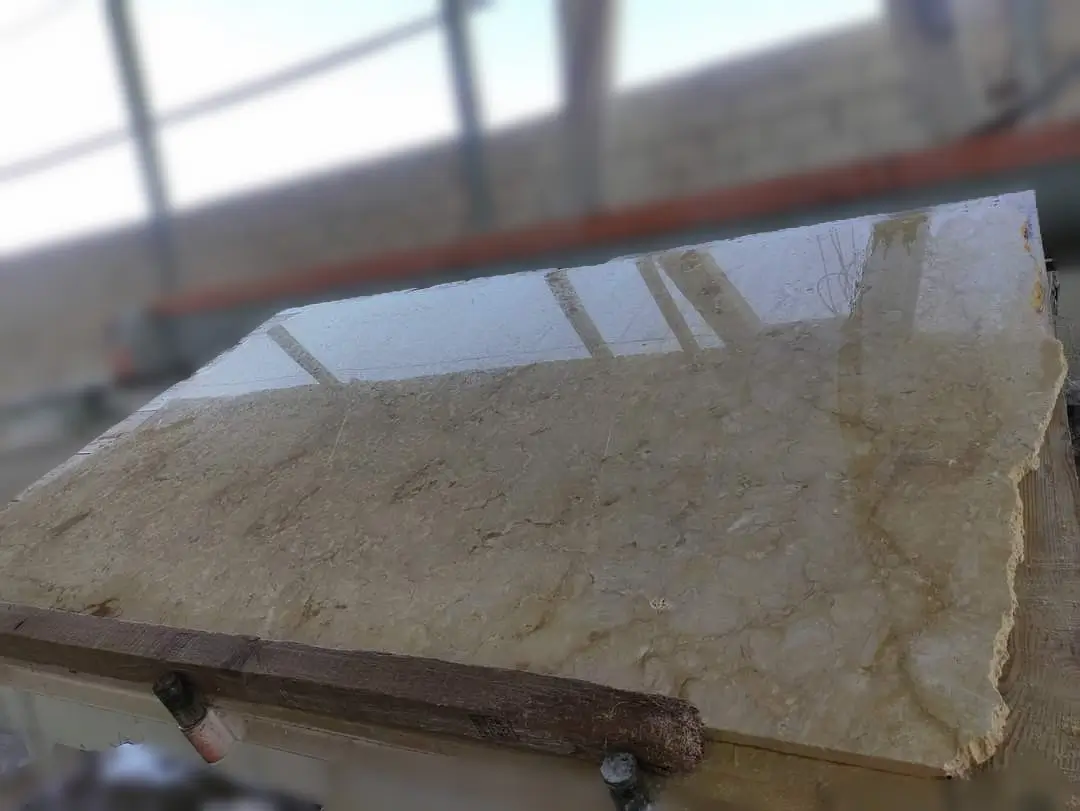
Installation Pattern and Joint Strategy for Reclaimed Material
Reclaimed limestone paving’s dimensional irregularity — the same quality that gives it visual character — requires a different installation pattern philosophy than new-cut stone. You’re not working with consistent modular dimensions, which means standard running bond or grid patterns produce awkward gaps and forced cuts that undermine both aesthetics and structural integrity.
The pattern strategies that actually work with reclaimed limestone paving in Phoenix projects:
- Random irregular (ashlar) pattern: the most forgiving for dimensional variation — allows your setter to select pieces that naturally fit together without forced cuts
- Gauged reclaimed: if your supplier has thickness-sorted material, a gauged setting with consistent 3/8-inch joints achieves a cleaner look while preserving the aged character
- Broken coursing: a modified running bond that accommodates length variation while maintaining horizontal alignment — works particularly well for walkway and path applications
- Avoid diagonal patterns with reclaimed material — the cutting waste on irregular pieces can reach 25–30%, which eliminates your cost advantage over new-cut stone
Projects in Avondale and surrounding West Valley communities benefit from a practical logistics consideration: truck delivery access to residential sites in newer subdivisions is often constrained by HOA regulations and narrow easements. Confirm your delivery window and site access requirements before ordering — reclaimed stone lots are typically delivered on standard flatbed trucks, and tight residential streets may require smaller delivery increments that affect your material cost per square foot.
Joint width for reclaimed limestone paving should run 3/8–5/8 inch — wider than the 1/4-inch standard for new-cut stone. The dimensional variation in reclaimed pieces makes tight joints impossible to maintain consistently, and attempting to force narrow joints creates stress concentrations at piece edges that accelerate corner chipping. Polymeric joint sand with a 50-mesh gradation fills the wider joints effectively and resists Phoenix’s monsoon washout better than standard jointing sand.
Before You Specify
The decision to use reclaimed limestone paving for your Phoenix project comes down to a clear-eyed assessment of three variables: your contractor’s experience with variable-thickness material, your timeline flexibility relative to warehouse inventory cycles, and your appetite for the material’s inherent character variation. If all three align, reclaimed limestone delivers genuine sustainable savings and a visual authenticity that no new-cut stone can replicate — because you literally cannot manufacture age.
Verify warehouse stock levels and thickness availability before committing your project schedule to a specific reclaimed lot. The best lots move quickly, and the gap between a confirmed specification and a purchase order has cost more than a few projects their preferred material. Your specification should also confirm minimum waste factor budgets of 12–15% for reclaimed material — higher than the 8–10% typical for new-cut stone, but still well within the range where reclaimed paving delivers overall cost savings for Phoenix residential and commercial projects.
When your project scope extends beyond paving into other Arizona hardscape elements, exploring complementary stone options is worth the time. Citadel Stone’s clearance inventory often surfaces options that fit adjacent budget parameters or serve other areas of the same site — Limestone Paving Clearance Sales for Tucson Deal Hunters covers additional limestone product options that may fit your budget parameters or serve adjacent areas of your project site.
At Citadel Stone, we source reclaimed limestone paving through vetted regional salvage networks and apply the same quality standards to reclaimed inventory as we do to every natural stone product we stock — because the material’s history doesn’t excuse it from performing to specification on your project.
Citadel Stone works with sculptors as one of the few accessible limestone block suppliers in Arizona.