
When you design privacy berm stone construction Arizona projects, you’re working with one of the most effective landscape solutions for southwestern residential environments. Berms provide sound attenuation, visual screening, and microclimate modification through strategic earthwork construction combined with carefully selected stone materials. Your success depends on understanding how desert soil mechanics, thermal loading patterns, and material porosity interact across Arizona’s elevation range from 70 feet near Yuma to 12,633 feet at Humphreys Peak.
Privacy berm stone construction Arizona requires you to integrate three performance systems: the compacted earth core providing structural mass, the drainage layer managing infiltration and subsurface flow, and the stone facing delivering thermal performance and visual character. You’ll encounter specific challenges that don’t exist in temperate climates—caliche layers that resist excavation, expansive clay soils with 6-8% volumetric change coefficients, and UV exposure that degrades organic stabilizers in 18-24 months. These conditions demand material specifications beyond generic residential applications.
Berm Geometry and Structural Performance
Your berm design starts with slope angle calculations that balance stability against space efficiency. You should specify 3:1 slopes (horizontal to vertical ratio) for berms under 4 feet in height—this provides adequate factor of safety in native Arizona soils while minimizing footprint. When you’re working with berms exceeding 6 feet, you’ll need to reduce the slope to 4:1 or introduce terracing at 30-inch vertical intervals. The physics are straightforward: steeper slopes concentrate gravitational forces along fewer soil particle contact points, increasing shear stress beyond the material’s angle of repose.
Privacy berm stone construction Arizona installations must account for thermal expansion in both the earth mass and stone facing. Desert soils experience temperature swings from 35°F at night to 165°F at the surface during summer afternoons—a 130-degree range that causes measurable volumetric change. You need to design expansion joints in stone facing systems every 12-15 feet, increasing to every 10 feet when you’re specifying dark-colored materials that absorb additional solar radiation. These joints accommodate the 0.0008-inch-per-inch-per-degree-Fahrenheit expansion coefficient typical of sedimentary building stones.
The compacted earth core determines long-term stability more than any other factor. You should specify moisture-conditioned compaction at 92-95% of maximum dry density per ASTM D1557 (modified Proctor). Here’s what catches most designers—you can’t achieve proper compaction in Arizona’s arid climate without active moisture management. Native soils at 2-4% moisture content won’t compact effectively; you need to bring moisture up to optimum (typically 8-12% for silty sands) through controlled water application during placement. Each 8-inch lift requires 15-20 minutes of moisture equilibration before compaction.
Drainage System Integration
When you detail privacy berm stone construction Arizona systems, you’re managing water in an environment receiving 7-13 inches of annual precipitation delivered primarily through intense monsoon events. A single July thunderstorm can drop 1.5 inches in 45 minutes, creating runoff rates that exceed 3 cubic feet per second per acre. Your drainage design must handle these peak flows while preventing subsurface saturation that reduces berm stability.
You need a permeability gradient increasing from the core outward. The earth core should exhibit permeability around 10⁻⁵ cm/sec, the drainage layer behind the stone facing needs 10⁻² to 10⁻³ cm/sec, and the stone facing itself provides surface drainage through joints and material porosity. This gradient ensures water moves toward the surface rather than accumulating at the core-facing interface where it would create hydrostatic pressure and potential facing failure.
- You should specify 6-8 inches of 3/4-inch crushed aggregate behind stone facing for drainage layer function
- Your aggregate must meet ASTM C33 gradation with less than 3% passing the No. 200 sieve to prevent fines migration
- You’ll want to install geotextile fabric between the drainage layer and earth core to prevent soil intrusion that clogs void spaces
- Your fabric specification should require apparent opening size of 70-100 (sieve designation) for Arizona silty sand soils
Subsurface drainage collection becomes critical in berms exceeding 5 feet in height or 40 feet in length. You should install 4-inch perforated collection pipes at the berm toe, bedded in drainage aggregate and sloped at minimum 0.5% grade to daylight outlets or connection points with the site’s overall drainage system. For related infrastructure approaches, consider commercial masonry materials that integrate with comprehensive site drainage planning.
Stone Material Selection and Thermal Criteria
Privacy berm stone construction Arizona faces solar exposure that exceeds 5,800 watt-hours per square meter daily during summer months. Surface temperatures on south and west-facing slopes reach 155-170°F on dark stone and 115-130°F on light-colored materials. You need to select stone based on thermal performance, not just aesthetics or initial cost.
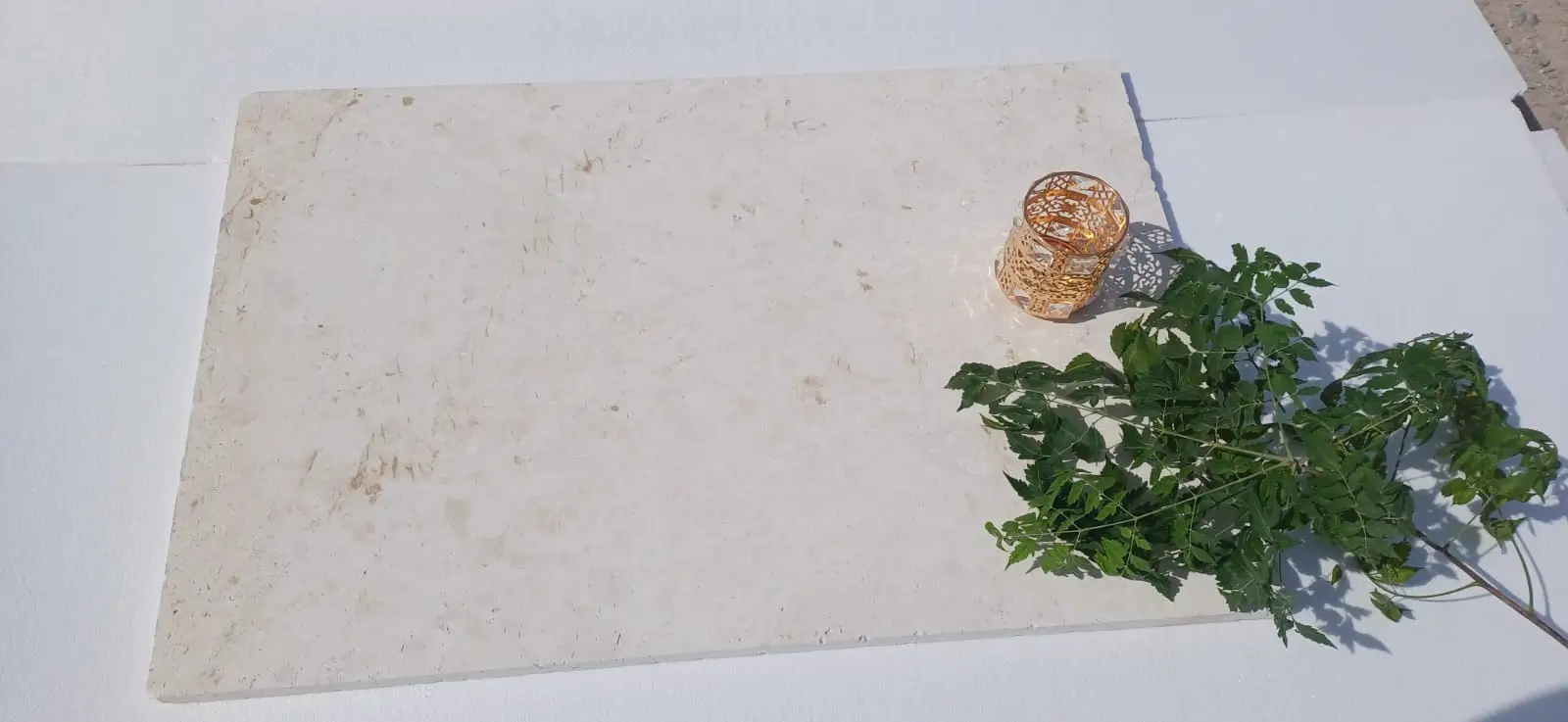
Light-colored sedimentary stones—limestone, sandstone, and certain granites with high feldspar content—reflect 50-65% of incident solar radiation, reducing heat absorption and thermal stress. When you specify these materials for privacy berm stone construction Arizona applications, you’re reducing surface temperature by 35-45°F compared to dark basalt or colored concrete products. This temperature reduction directly impacts material longevity and the microclimate adjacent to the berm.
You should evaluate stone porosity as it relates to thermal cycling durability. Materials with porosity between 3-8% perform well across 200-250 annual freeze-thaw cycles at elevations above 5,000 feet. Below this elevation range where freeze-thaw becomes negligible, porosity primarily affects moisture absorption and efflorescence potential. Dense materials (under 3% porosity) shed water effectively but accumulate surface heat; porous materials (over 8%) provide thermal mass benefits but may show moisture-related staining in areas with morning dew or irrigation overspray.
Your specification should address specific gravity and absorption rate per ASTM C97. Quality building stones for landscape design exhibit specific gravity between 2.3-2.7 and absorption rates under 5% by weight. These values indicate adequate density for durability while maintaining workability during installation. Materials outside these ranges typically present either excessive weight (complicating installation and increasing structural loads) or insufficient durability for residential applications requiring 25-30 year service life.
Installation Methodology for Desert Conditions
Privacy berm stone construction Arizona requires you to adapt installation techniques for extreme heat, low humidity, and soil conditions that don’t exist in temperate regions. You’ll face challenges with mortar setting times, material handling temperatures, and moisture control that demand specific protocols.
Dry-stack installation provides advantages in thermal expansion management and drainage performance. When you build berms using interlocking stone without mortar, you’re creating a flexible system that accommodates the thermal movement and minor settlement inherent in earth structures. Your stone selection needs to provide adequate bearing surface—minimum 6-8 inches of contact depth—to distribute loads without requiring adhesive bonding. Stones with natural bedding planes parallel to the installed face perform better than irregularly shaped fieldstone.
Mortared installations require temperature and humidity control you won’t find addressed in standard masonry specifications. You should prohibit mortar placement when ambient temperature exceeds 95°F or when relative humidity drops below 20%. These conditions cause flash setting where surface hydration occurs before proper curing, resulting in weak bonds with 40-60% strength reduction. When project schedules demand summer installation, you need to implement shade structures, evaporative cooling, and moisture retention protocols that add 15-20% to labor costs.
- You must pre-wet stone surfaces to saturated-surface-dry condition before mortar application in low-humidity environments
- Your mortar should incorporate water retention additives at 0.3-0.5% by weight of cementitious material
- You’ll need to maintain mortar joints under wet burlap or plastic sheeting for minimum 72 hours in Arizona summer conditions
- Your curing protocol should include twice-daily misting for 7 days to achieve specified compressive strength
Base Preparation and Native Soil Challenges
You’ll encounter three predominant soil types in Arizona residential applications: sandy desert soils with minimal fines, silty sands with caliche inclusions, and expansive clays with montmorillonite content. Each demands different base preparation approaches for privacy berm stone construction Arizona systems.
Sandy soils with less than 15% passing the No. 200 sieve provide excellent drainage but limited compaction stability. When you’re building on these materials, you should over-excavate the berm footprint to 18-24 inches depth and replace with moisture-conditioned engineered fill. The replacement material needs sufficient fines (12-18% passing No. 200) to achieve mechanical interlock during compaction while maintaining permeability above 10⁻⁴ cm/sec.
Caliche layers present excavation and drainage challenges unique to the Southwest. These calcium carbonate cemented horizons range from nodular inclusions you can remove with excavation equipment to solid pan layers requiring pneumatic breaking. You need to remove caliche completely within the berm footprint and 3 feet beyond the toe—partial removal creates differential bearing capacity that causes settlement cracking. The material excavated from caliche layers works well as fill in non-structural landscape areas but shouldn’t be incorporated into berm cores due to moisture-related cementation that creates hard spots and drainage impediments.
Expansive clay soils require the most intensive preparation. When your site investigation reveals plasticity index values above 20, you’re working with material that exhibits 5-8% volumetric change between wet and dry states. Privacy berm stone construction Arizona on these soils needs either complete replacement to 36 inches depth, chemical stabilization with hydrated lime at 3-5% by dry weight, or isolation through geosynthetic reinforcement layers. The most cost-effective approach typically involves lime stabilization of the upper 24 inches combined with moisture barriers preventing deep wetting.
Vegetation Integration and Erosion Control
You should integrate vegetation with privacy berm stone construction Arizona to provide erosion control, visual softening, and additional privacy screening above the stone facing. Plant material selection follows different criteria than ornamental landscape design—you’re specifying for slope stabilization and low water demand rather than seasonal color or flowering characteristics.
Drought-adapted native species with fibrous root systems provide optimal erosion control. You’ll achieve best results with species like desert marigold, brittlebush, and various penstemon varieties that establish root networks in the upper 12-18 inches of soil. These shallow but dense root systems bind soil particles and reduce runoff velocity across the berm surface. Deep-rooted species like mesquite or palo verde create moisture demand that can desiccate the earth core, potentially causing shrinkage cracks that compromise berm integrity.
Your planting plan should account for irrigation system interaction with berm drainage design. Drip irrigation delivers water efficiently to plant root zones without saturating the earth core, but you need to ensure emitter placement doesn’t create preferential flow paths behind the stone facing. Position emitters minimum 18 inches upslope from the stone facing to prevent subsurface flow that causes hydrostatic pressure and potential stone displacement.
- You should specify soil depths of 18-24 inches above the compacted core for adequate root development
- Your planting soil needs organic content between 3-5% to support establishment without creating excessive permeability
- You’ll want to incorporate soil stabilization polymers at manufacturer-recommended rates during the first growing season
- Your maintenance protocol should include monthly inspection of vegetation coverage maintaining 60-70% ground cover minimum
Acoustic Performance and Sound Attenuation
Privacy berm stone construction Arizona provides measurable sound attenuation when you design for acoustic performance rather than just visual screening. Berms reduce noise through barrier insertion loss, ground effect modification, and absorption within the earth mass. You’ll achieve 5-12 decibel reduction for typical residential noise sources when berm geometry and placement follow acoustic principles.
Insertion loss increases with berm height and proximity to the noise source. You should position berms as close as practical to the noise source—typically property lines adjacent to roadways or commercial areas. A 5-foot berm at the property line provides 8-10 dB attenuation; the same berm moved 20 feet into the property delivers only 4-6 dB reduction due to sound wave diffraction over the barrier. The acoustic shadow zone behind the berm extends at approximately 4:1 ratio (horizontal to vertical), meaning a 6-foot berm creates effective sound reduction for 24 feet behind the structure.
Earth mass density affects low-frequency sound transmission more than high-frequency attenuation. You should specify compaction to minimum 95% modified Proctor density when acoustic performance is a design priority. This density level provides sufficient mass to reduce transmission of low-frequency sounds (125-500 Hz) from traffic and mechanical equipment. Stone facing contributes minimal acoustic benefit—its primary function is erosion protection and aesthetics rather than sound control.
Citadel Stone’s Building Stone for Sale in Arizona: Professional Specification Guidance
When you evaluate Citadel Stone’s building stone for sale in Arizona for privacy berm applications, you’re considering materials specifically selected for southwestern climate performance. At Citadel Stone, we provide technical guidance for hypothetical projects across Arizona’s diverse geographic regions. This section outlines how you would approach specification and installation planning for three representative cities, demonstrating the climate-specific considerations that affect material selection and installation methodology.
Arizona’s elevation range creates distinct climate zones requiring adapted approaches to privacy berm stone construction Arizona. You need to account for variations in freeze-thaw cycling, precipitation patterns, temperature extremes, and soil conditions when you specify materials and details for projects at different locations. The following city-specific discussions demonstrate how you would modify standard specifications to address local environmental factors.
Flagstaff Installation Considerations
At 6,910 feet elevation, you would encounter freeze-thaw conditions requiring stone with less than 5% absorption rate and proven durability through 200+ annual cycles. Your specification would need to address frost heave in expansive volcanic soils common to the Flagstaff area. You should detail 24-inch base depth with geotextile separation and angular crushed aggregate providing drainage and thermal break function. Typical installations would incorporate stones with thermal expansion coefficients below 6.0 × 10⁻⁶ per degree Fahrenheit to minimize winter cracking. You would schedule installation between May and September when soil moisture and temperature support proper compaction. Snow load on berm slopes would require you to reduce slope angles to 4:1 ratio for stability, and you’d specify vegetation with winter dormancy characteristics compatible with 140-160 day growing seasons.
Sedona Aesthetic Integration
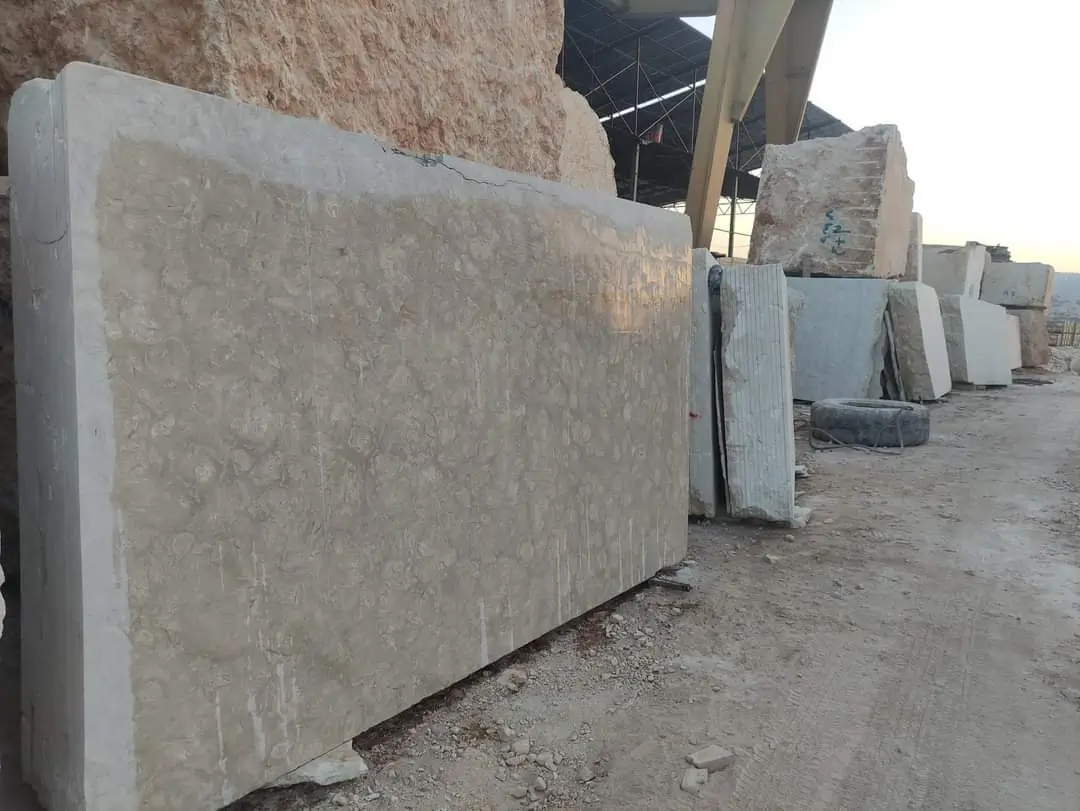
Your material selection in Sedona would emphasize compatibility with the region’s distinctive red rock formations and strict design review requirements. You’d typically specify sandstone or limestone with warm earth tones—tan, buff, or light red colorations—that complement rather than contrast with the natural landscape. Privacy berm stone construction Arizona in Sedona requires you to work within hillside terrain where cut-and-fill operations encounter competent bedrock at shallow depths. You would need specialized equipment for rock excavation and would plan for blasting if bedrock exceeds 18-24 inches depth in the berm footprint. At 4,350 feet elevation, you’d encounter minimal freeze-thaw but significant temperature differentials between sun and shade exposures. Your stone facing would need to accommodate thermal movement through appropriate joint spacing at 12-foot intervals. Vegetation integration would emphasize native species specified in Sedona’s landscape guidelines, requiring coordination between berm construction and planting installation during appropriate seasonal windows.
Peoria Heat Management
In Peoria’s low desert environment at 1,150 feet elevation, you would design primarily for extreme heat rather than freeze-thaw durability. Your material specification would prioritize light-colored stones with high solar reflectance—minimum 50% total solar reflectance per ASTM E1918—to reduce surface temperatures and minimize urban heat island contribution. You’d encounter predominantly sandy soils with occasional clay lenses, requiring soil investigation to depths of 36 inches within the berm footprint to identify bearing capacity variations. Privacy berm stone construction Arizona in Peoria would need irrigation system integration supporting drought-adapted vegetation on berm slopes exposed to 110-115°F summer temperatures. You should specify drip irrigation with pressure-compensating emitters at 24-inch spacing, connected to dedicated landscape design zones with seasonal adjustment protocols. Your installation schedule would avoid June through August when ambient temperatures exceed safe working thresholds for mortar-based stone setting, alternatively specifying dry-stack methods compatible with year-round construction. Dust control during earthwork construction would require active water truck support to maintain construction site compliance with Maricopa County air quality regulations.
Common Specification Errors
You’ll encounter recurring mistakes in privacy berm stone construction Arizona specifications that compromise performance and increase costs. These errors typically stem from applying temperate-climate standards to desert environments without accounting for specific southwestern conditions.
Inadequate expansion joint provision ranks as the most frequent technical error. You should detail horizontal joints every 12-15 feet and vertical control joints at 10-12 foot intervals in mortared stone facing systems. Designers often specify 20-foot spacing appropriate for moderate climates but insufficient for 130-degree temperature ranges. When you omit or under-specify expansion joints, you create conditions for thermal stress cracking that appears 18-36 months after installation—after warranty periods expire but before expected service life milestones.
- You must avoid specifying organic soil amendments above 5% by volume in berm planting zones where they create excessive moisture retention and differential settlement
- Your specifications shouldn’t reference spray-applied hydroseed for initial erosion control because monsoon rains arrive before adequate germination in many Arizona locations
- You need to prohibit use of Colorado River water for construction moisture conditioning due to 600-800 ppm dissolved solids that cause efflorescence
- Your drainage layer gradation can’t include crusher fines or rock dust because these materials migrate into void spaces and eliminate permeability
Insufficient attention to warehouse delivery coordination causes project delays you could prevent through proper planning. You should verify material availability 8-12 weeks before scheduled installation, confirming that specified stone types exist in adequate quantities to complete your project without mid-installation substitutions. Lead times from the warehouse extend during peak construction seasons from February through May, and truck delivery scheduling requires coordination with site access constraints, especially in residential neighborhoods with HOA restrictions on construction hours and vehicle types.
Long-Term Maintenance Requirements
Privacy berm stone construction Arizona demands ongoing maintenance different from architectural masonry that remains protected by building overhangs and controlled drainage. You need to establish maintenance protocols addressing the unique weathering conditions of exposed earthwork structures in desert climates.
Joint sand management in dry-stack installations requires attention every 18-24 months. Wind erosion removes fine particles from joints, creating voids that allow individual stones to shift under thermal movement and minor settlement. You should inspect joint condition annually and replenish joint sand when depth falls below 70% of original installation depth. Use angular granite sand or decomposed granite rather than rounded silica sand—the angular particles provide mechanical interlock that resists wind scour more effectively than rounded materials.
Vegetation maintenance directly affects berm structural integrity. When you allow plant coverage to fall below 60%, you’re creating conditions for accelerated erosion that undermines stone facing from above. Dead vegetation removal should occur before monsoon season begins in late June, eliminating combustible material that creates wildfire risk while opening space for new growth. Your irrigation system requires seasonal adjustment—winter watering at 30% of summer application rates prevents desiccation cracking in the earth core while avoiding overwatering that causes subsurface saturation.
Stone surface cleaning becomes necessary when you’re working with porous materials in areas with atmospheric dust and seasonal pollen. Annual pressure washing at 800-1200 PSI removes accumulated sediment without damaging stone surfaces or eroding mortar joints. You should schedule this maintenance in April or October when temperatures allow water application without thermal shock concerns and when cleaned surfaces dry quickly enough to prevent mineral staining from evaporation residues.
Cost Optimization Strategies
You can reduce privacy berm stone construction Arizona costs by 20-35% through strategic decisions during design and procurement phases without compromising performance or aesthetics. Cost optimization requires understanding where budget allocation produces measurable value versus where you’re paying for features that contribute minimal functional benefit.
Stone facing height represents your most significant cost variable. You’ll achieve the same visual screening and acoustic performance by limiting stone facing to 36-42 inches and extending total berm height through additional planted earth above the stone termination. This approach reduces material costs proportionally while maintaining the structural and functional benefits of the earth berm. When you specify stone to full berm height on 6-foot berms, you’re increasing material costs by 40-50% compared to partial-height facing with vegetated upper slopes.
Material sourcing strategy affects total project costs more than unit stone pricing. You should specify materials with regional availability rather than imported specialty stones that add freight premiums of 25-40%. Arizona-quarried limestone and sandstone provide performance equal to imported materials while eliminating transportation costs from distant suppliers. Your procurement approach should include verification of warehouse stock levels for the required quantities—this prevents mid-project material shortages that force expensive rush orders or specification changes requiring design team coordination.
- You’ll reduce installation labor costs by 15-20% when you specify larger format stones reducing piece count and joint footage
- Your project benefits financially from dry-stack installation methods that eliminate mortar material costs and specialized masonry labor rates
- You should schedule earthwork during months outside peak construction season when equipment rental rates drop 10-15% below summer pricing
- Your bid documents can include allowances for owner-provided fill material from concurrent excavation projects reducing imported soil costs to truck transport only
Performance Monitoring and Adjustment
You need to establish monitoring protocols for privacy berm stone construction Arizona installations, particularly during the first 24 months when settlement, vegetation establishment, and material weathering reveal design or installation deficiencies requiring correction. Early intervention prevents minor issues from developing into expensive remediation projects.
Visual inspection should occur quarterly during the first year, focusing on settlement indicators, vegetation health, and stone facing stability. You’re looking for specific conditions: differential settlement creating low spots where water ponds, stone facing showing outward rotation from base points, vegetation die-back indicating irrigation system malfunction, and joint material loss exposing unprotected earth core. Each condition has distinct causes requiring targeted correction rather than wholesale reconstruction.
Settlement monitoring uses simple techniques appropriate for residential applications. You should establish grade stakes at 20-foot intervals along the berm crest before vegetation planting, documenting initial elevations. Quarterly measurements comparing current to initial elevations reveal settlement patterns—uniform settlement across the berm length indicates proper compaction with natural consolidation, while localized settlement points suggest voids in the earth core or base failure requiring subsurface investigation and repair.
Stone facing stability assessment involves hands-on testing at representative locations. You can detect early-stage failure by pressing against individual stones in the facing—movement exceeding 1/8 inch indicates inadequate bearing or base deterioration. When you identify movement, you need to determine whether it’s isolated to individual stones or extends across sections of the facing. Isolated movement typically results from individual stone installation errors correctible by removing and resetting affected pieces. Section-wide movement indicates subsurface issues—inadequate compaction, drainage failure causing hydrostatic pressure, or base aggregate migration—requiring more extensive repair.
Regulatory Compliance and Permitting
Privacy berm stone construction Arizona encounters varying regulatory requirements depending on jurisdiction, berm height, and proximity to property lines or drainage corridors. You need to research specific requirements during preliminary design to avoid costly revisions or installation delays from permit deficiencies.
Berms under 3 feet in height rarely trigger permitting in residential zones, though you should verify local ordinances because some municipalities regulate any grade change exceeding 18 inches. When you’re designing berms above 3 feet or within setback zones, you’ll typically need grading permits requiring engineered drawings with soil compaction specifications, drainage calculations, and cross-sections demonstrating stability. The permit review process adds 4-8 weeks to project timelines in most Arizona jurisdictions.
Drainage impact analysis becomes mandatory when your berm exceeds 100 linear feet or when it’s positioned where it could redirect sheet flow onto adjacent properties. You need to demonstrate that the berm either maintains existing drainage patterns or improves them through controlled collection and discharge. Your analysis should include pre-development and post-development flow calculations following rational method or similar hydrologic models acceptable to the governing jurisdiction. Most reviewers require you to show that peak discharge rates don’t increase by more than 10% compared to existing conditions.
HOA approval adds another regulatory layer in planned communities. You’ll encounter design review committees with authority over material colors, berm heights, vegetation species, and sometimes construction methods. These reviews operate independently from municipal permits and often impose stricter requirements. You should submit conceptual designs to HOA architectural committees before investing in detailed engineering—approval timelines range from 30-90 days depending on committee meeting schedules and design complexity.
Climate Adaptation and Future Projections
When you design privacy berm stone construction Arizona systems for 25-30 year service life, you’re specifying for climate conditions that will differ from current baselines. Arizona climate projections indicate temperature increases of 2.5-5°F by 2050, with increased frequency of extreme heat events and potential shifts in monsoon precipitation patterns. Your specifications should incorporate adaptation measures that maintain performance under these evolving conditions.
Thermal performance becomes increasingly critical as heat extremes intensify. You should prioritize high-albedo stone materials and consider incorporating shade structures or additional vegetation coverage that reduces direct solar exposure on stone facing. Materials performing adequately at current summer peak temperatures of 115°F may approach thermal stress thresholds when exposed to projected 120-125°F extremes occurring with greater frequency. Your material selection criteria should include safety factors accounting for 10-15°F temperature increases above current design maximums.
Precipitation pattern changes create uncertainty in drainage system sizing. While total annual precipitation may not change significantly, intensity of individual storm events is projected to increase. The 100-year, 1-hour storm event currently sized at 1.8-2.2 inches may increase to 2.4-2.8 inches by mid-century. You can address this uncertainty by designing drainage systems with 25-30% capacity margins above current code minimums—this provides buffer capacity for more intense events without requiring oversizing that significantly increases construction costs.
Implementation Priorities
Your approach to privacy berm stone construction Arizona should prioritize the technical factors delivering measurable performance over decorative elements contributing primarily to aesthetics. When budget constraints require value engineering decisions, you need clear understanding of which specification areas tolerate reduction and which demand full investment for long-term success.
Base preparation and earth core compaction represent non-negotiable investment priorities. You’ll achieve better outcomes spending 70% of your budget on proper earthwork and 30% on economy stone facing than reversing those proportions. The earth structure determines stability, drainage, and longevity—stone facing provides erosion protection and appearance but doesn’t compensate for inadequate subsurface conditions. Experienced professionals recognize that earthwork quality separates 30-year installations from 10-year failures requiring reconstruction.
Drainage system completeness ranks second in priority hierarchy. You should maintain specified drainage layer thickness, geotextile separation, and subsurface collection piping even when reducing stone facing specifications. Water management determines whether your berm performs as designed or develops progressive failure from subsurface saturation. For additional perspectives on integrated drainage approaches, review Impact-rated stone bollards protecting Arizona commercial parking structures before you finalize your construction documents. Performance data validates Citadel Stone’s tested stone materials in Arizona engineering specifications.