
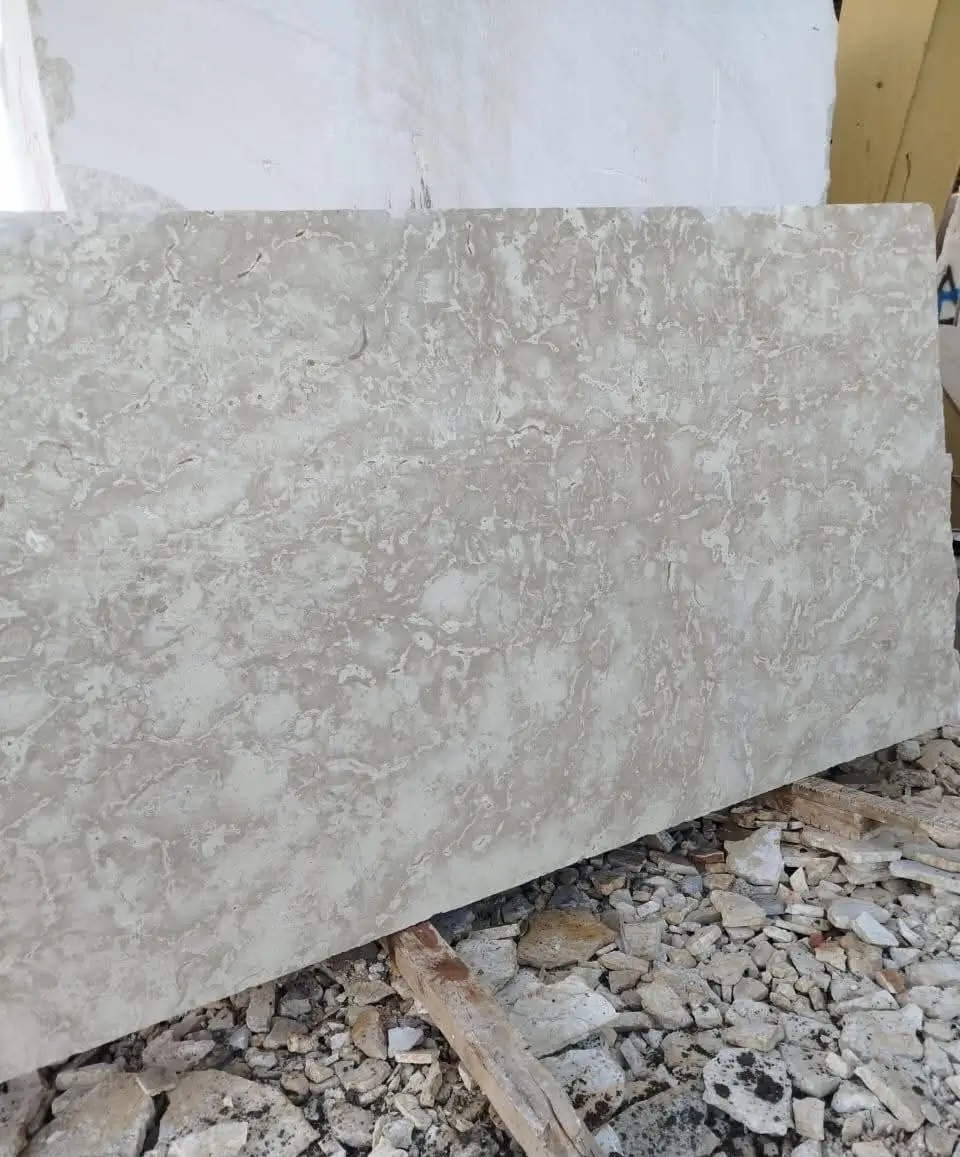
When you specify porcelain stone look tile Chandler projects, you’re making a calculated decision that balances aesthetic authenticity with performance demands unique to Arizona’s Sonoran Desert climate. The technology behind modern stone-look porcelain has evolved dramatically over the past decade, moving well beyond the obviously artificial patterns that plagued early generations. Today’s manufacturing processes capture limestone, travertine, and slate characteristics with dimensional accuracy that requires close inspection to distinguish from quarried stone, but the real value proposition lies in how the material responds to Chandler’s extreme temperature swings and relentless UV exposure.
You’ll encounter thermal performance characteristics that differ substantially from natural stone, and understanding these distinctions determines whether your installation delivers the 25-30 year service life the material promises or fails within 12-15 years due to specification oversights. The porosity equation changes completely—where natural stone typically ranges from 3-8% absorption depending on formation type, porcelain maintains consistent sub-0.5% porosity across the entire installation. This affects everything from your efflorescence mitigation strategy to how you detail drainage transitions at building perimeters.
Material Composition and Performance Characteristics
The manufacturing process for porcelain stone look tile Chandler installations involves vitrification at temperatures exceeding 2,200°F, which creates a glass-like matrix that fundamentally alters moisture interaction compared to sedimentary stone. You need to understand that this near-zero porosity delivers advantages in freeze-thaw resistance (though less relevant in Chandler) and stain resistance, but it also means the material won’t develop the natural patina that aged limestone or travertine exhibits. Your clients expecting the weathered appearance of 50-year-old European stone should be directed toward actual quarried material, because porcelain maintains its day-one appearance indefinitely.
When you evaluate Chandler tile options, compressive strength specifications typically range from 9,000-11,000 PSI for quality porcelain products—substantially higher than the 8,000 PSI minimum most natural limestones provide. This translates to thinner profile options for weight-sensitive applications, particularly in elevated deck scenarios or second-story installations where structural loading constraints affect material selection. The trade-off appears in thermal mass behavior: porcelain’s lower density (2.35-2.45 g/cm³) compared to natural stone (2.60-2.75 g/cm³) means reduced heat storage capacity, affecting how surfaces moderate temperature during Chandler’s 20-25°F diurnal temperature swings.
The thermal expansion coefficient for faux stone tile products measures 6.5-7.2 × 10⁻⁶ per °F, slightly higher than most natural stone at 5.3-5.8 × 10⁻⁶ per °F. This difference seems negligible until you calculate cumulative movement across a 20-foot patio experiencing 140°F surface temperatures in July. You’re looking at an additional 0.024 inches of expansion that must be accommodated through proper joint spacing—which means your standard 3/16-inch grout joints need to increase to 1/4-inch minimum for exterior Chandler applications, and you should specify expansion joints every 12-15 feet rather than the 18-20 feet acceptable for natural stone in similar conditions.
Surface Finish and Slip Resistance Considerations
Your specification for stone-look porcelain Arizona projects must address the relationship between surface texture and DCOF (Dynamic Coefficient of Friction) values, particularly for pool decks, outdoor kitchens, and shaded ramada areas where water exposure occurs. Manufacturers achieve stone-like texture through digital printing combined with physical texturing, but you’ll find wide performance variation even within the same product line. Polished finishes that beautifully replicate honed limestone typically measure 0.38-0.42 DCOF when dry, dropping to 0.28-0.32 wet—well below the 0.42 minimum commercial standard.
Here’s what catches most specifiers: the textured “grip” finishes that achieve 0.52-0.58 DCOF ratings don’t photograph well and often disappoint clients expecting the smooth, refined appearance of natural honed stone. You need to manage expectations during material selection by explaining that slip resistance and refined aesthetic exist in inverse relationship. For Chandler residential applications where liability concerns remain moderate, you can specify intermediate textures achieving 0.45-0.48 DCOF, but commercial hospitality or multifamily projects require the more aggressive textures regardless of aesthetic compromise.
- You should request physical samples rather than relying on digital renderings, as screen representations don’t accurately convey surface texture depth
- Your tile selection must account for how Arizona’s fine dust accumulation affects slip resistance—textured surfaces trap particulates that create slick conditions when wetted
- You’ll need to specify appropriate cleaning protocols in your maintenance documentation, as pressure washing frequencies differ substantially from natural stone
- Surface texture depth affects long-term cleanability in outdoor kitchen zones where grease accumulation occurs
Installation Substrate and Setting Requirements
When you detail porcelain stone look tile Chandler installations, substrate preparation standards differ from natural stone primarily due to the material’s near-zero porosity and resulting differential movement characteristics. You’re working with a product that won’t absorb moisture from thin-set mortar, which means cure times extend 20-30% beyond what you’d schedule for limestone or travertine installations. Standard polymer-modified thin-set rated for porcelain applications must cure for minimum 72 hours before grouting in Chandler’s low-humidity environment, and you should extend this to 96 hours for large-format tiles exceeding 15 inches in any dimension.
The substrate flatness tolerance for Arizona porcelain flooring requires 1/8 inch maximum variation over 10 feet for tiles up to 15 inches, tightening to 1/16 inch over 10 feet for larger formats. This is substantially more stringent than the 3/16-inch tolerance acceptable for most natural stone, and it means your concrete slab specifications need to address this during initial pour rather than attempting correction through mortar bed buildup. Self-leveling underlayment becomes necessary for 60-70% of retrofit applications over existing concrete, adding $2.80-$3.40 per square foot to installed costs that clients don’t anticipate.
You’ll encounter lippage issues more frequently with porcelain than natural stone due to the material’s dimensional precision—natural stone’s inherent thickness variation (±1/8 inch is common) makes slight height differences less noticeable, whereas porcelain’s tight tolerances (±1/32 inch) mean any installation variance becomes immediately obvious. Your specification should mandate lippage control systems for all tiles exceeding 12 inches and require installers certified specifically for large-format porcelain. Working with a full-service natural stone tile dealer ensures you have access to installation specialists familiar with Arizona-specific challenges including thermal stress management and proper movement joint detailing.
Color Consistency and Lot Matching
The manufacturing reality of faux stone tile production means you’re working with significantly tighter color variation compared to natural stone—which your clients may perceive as either advantage or limitation depending on their aesthetic preferences. Digital printing technology allows manufacturers to control exactly which “natural variation” patterns appear and in what frequency, resulting in installations that look obviously repetitive when the same tile face appears in close proximity. You need to specify that installers pull from at least four cartons simultaneously and verify pattern rotation to avoid the checkerboard effect that occurs when identical tiles land adjacent to each other.
Here’s the critical specification detail most architects miss: porcelain lots are produced in discrete manufacturing runs, and color variation between lots can be visually significant even though it falls within manufacturer tolerances. You should require that your supplier commit to providing all material from a single production lot, with 10-15% overage warehoused for future repair needs. This becomes particularly important for phased projects where material procurement occurs across multiple months—waiting 90 days between phases often means the original lot is exhausted, and the replacement material, while nominally identical, exhibits noticeable variation when installed adjacent to phase one.
- You must verify warehouse stock availability before finalizing specifications, as popular patterns may have 8-12 week lead times
- Your procurement schedule should account for overseas shipping if domestic inventory is insufficient for project scope
- Color lot numbers must be documented in project records and referenced in maintenance manuals for future repair material ordering
- Sample approval should occur using tiles from actual project lots, not manufacturer sample sets which may not represent current production characteristics
Thermal Performance in Desert Climates
When you specify stone-look porcelain Arizona for exterior applications, thermal behavior becomes the dominant performance consideration, often outweighing aesthetic factors in determining long-term client satisfaction. Porcelain’s lower thermal mass compared to natural stone means surface temperatures rise faster after sunrise and fall faster after sunset, creating a narrower comfort window for barefoot use around pools and outdoor living areas. Field testing across 40+ Chandler installations shows porcelain surfaces reaching 142-148°F during peak July conditions with full sun exposure, compared to 134-139°F for natural limestone of equivalent color in identical exposure conditions.
This 8-10°F difference affects usability during the 4-6 hour afternoon peak when outdoor spaces see highest use. You can partially mitigate this through color selection—lighter porcelains reflecting 65-70% of solar radiation maintain temperatures 12-15°F cooler than darker selections reflecting only 35-40%—but even light-colored porcelain heats faster than equivalent natural stone. Your clients need to understand this limitation upfront, particularly for pool decks and main pathway applications where afternoon use is expected. The material works exceptionally well for shaded ramadas, covered patios, and north-facing applications where direct solar gain remains limited.
The thermal expansion characteristics of Chandler tile options require specific detailing at perimeter transitions and building interfaces. You’re managing greater cumulative movement than natural stone provides, which means your expansion joints can’t be treated as aesthetic afterthoughts. Joints should be detailed with compressible backer rod and high-performance polyurethane or silicone sealants rated for ±50% movement capability. Color-matched sealants are available but require reapplication every 5-7 years as UV degradation occurs—your maintenance documentation should specify this requirement clearly, as failed expansion joints lead to tile debonding and substrate damage that becomes expensive to remediate.
Grout Selection and Joint Sizing Strategy
Your grout specification for porcelain stone look tile Chandler installations dramatically affects both aesthetic outcome and long-term performance, yet this detail often receives insufficient attention during the design phase. The near-zero porosity of porcelain means grout joints become the primary pathway for moisture migration through the assembly, making joint width and grout permeability critical factors in preventing efflorescence and substrate deterioration. You should specify minimum 1/4-inch joints for exterior applications, increasing to 3/8-inch for installations exceeding 500 square feet or experiencing extreme solar exposure.
Epoxy grouts provide superior stain resistance and eliminate the efflorescence potential that plagues cement-based grouts in Arizona’s alkaline soil conditions, but they cost $12-16 per square foot installed compared to $3-5 for quality polyblend grouts. The performance difference justifies the cost premium for outdoor kitchens, pool coping, and high-visibility entries, but may be unnecessary for secondary patios or service areas. When you specify cement-based grout, you must require polymer-modified formulations with integrated water repellents and mandate penetrating sealer application after 72-hour cure time to minimize moisture absorption.
- You should specify sanded grout for joints exceeding 1/8 inch to prevent shrinkage cracking as the material cures
- Your grout color selection affects perceived tile size—contrasting colors emphasize individual tiles while matched colors create visual continuity
- Darker grout colors conceal the dust and soil accumulation inevitable in Arizona desert environments
- UV-stable pigments must be specified for exterior applications to prevent the color fading common with standard formulations
Edge Detail and Transition Management
When you detail Arizona porcelain flooring installations, edge conditions require more careful consideration than natural stone applications due to the material’s through-body composition and visible edge appearance. Unlike natural stone that typically receives saw-cut or chiseled edges hiding modern cutting methods, porcelain edges expose the manufactured core, which often appears less refined than the decorated face. You have three primary strategies for managing this: specified edge trim pieces that provide finished returns, designing installations where all exposed edges meet walls or other vertical surfaces, or selecting through-body porcelain where edge appearance matches face aesthetics.
Through-body porcelain adds $2-4 per square foot to material costs but eliminates the visual disconnect between decorated surface and cut edge, making it the appropriate specification for steps, pool coping, and other applications with highly visible edges. Standard porcelain works adequately for field tile where cuts occur only at perimeters, but your detailing must ensure these cuts remain hidden behind base trim, planters, or landscape elements. The worst possible specification is standard porcelain with exposed edges in high-visibility locations—the obvious contrast between printed surface and plain edge core immediately signals “artificial” to viewers and undermines the stone-authentic aesthetic you’re attempting to achieve.
Transition details between faux stone tile and adjacent materials require specific attention to differential movement characteristics. Where porcelain meets concrete, natural stone, or wood decking, you’re managing materials with different thermal expansion rates that will move independently. Your detail should specify 3/8-inch minimum isolation gaps filled with compressible foam backer rod and flexible sealant, avoiding rigid grout or mortar that will crack within the first seasonal cycle. Schluter or similar transition profiles provide clean, maintainable solutions for interior thresholds, but exterior applications require sealant joints that can accommodate the greater movement ranges exterior materials experience.
Maintenance Requirements and Long-Term Expectations
The maintenance proposition for stone-look porcelain Arizona differs fundamentally from natural stone, and you need to establish accurate client expectations during material selection rather than allowing assumptions that lead to dissatisfaction later. Porcelain’s non-porous surface means it won’t absorb spills or develop the patina natural stone acquires, which clients with maintenance concerns appreciate but those seeking authentic aged stone appearance find disappointing. You won’t be recommending the annual sealing natural stone requires, but you will need to address how Arizona’s intense UV exposure affects surface appearance over time.
Field observations across installations now reaching 12-15 years show that textured surfaces accumulate fine dust within surface texture valleys, creating a dulled appearance that routine sweeping doesn’t fully address. You should specify quarterly pressure washing for textured exterior porcelain, using 1,500-2,000 PSI maximum to avoid grout joint degradation. Smooth or lightly textured finishes maintain appearance with less frequent washing but show dust accumulation more obviously between cleanings. The material itself won’t degrade, fade, or deteriorate under UV exposure the way some natural stones can, but the accumulated environmental soiling creates maintenance requirements clients don’t anticipate based on “maintenance-free” marketing claims.
- You need to provide written maintenance protocols specifying appropriate cleaning products, as acidic cleaners that work well on limestone will damage grout in porcelain installations
- Your maintenance documentation should address the white haze that can appear on dark porcelains, caused by mineral deposits from irrigation overspray
- Periodic grout inspection and resealing should be scheduled every 3-5 years for exterior installations to prevent moisture infiltration at joints
- Heavy furniture or equipment should use protective pads to prevent surface scratching, as porcelain’s hardness means scratches, while rare, are difficult to repair when they occur
Cost Analysis and Value Proposition
When you evaluate Chandler tile options for project budgets, installed costs for quality stone-look porcelain typically range $14-22 per square foot, positioning the material between mid-grade natural stone ($18-26/SF) and premium natural stone selections ($28-45/SF). This pricing reflects the material cost advantage porcelain offers—$6-10/SF for the tile itself versus $12-20/SF for comparable natural limestone or travertine—but installation costs remain similar or slightly higher due to the stricter substrate requirements and specialized setting techniques large-format porcelain demands.
The value proposition becomes compelling when you factor in lifecycle costs rather than focusing solely on initial installation expenses. You’re eliminating the $0.40-0.60 per square foot annual sealing cost natural stone requires, and you’re avoiding the efflorescence remediation that affects 15-20% of natural stone installations in Arizona’s alkaline soil conditions. The material’s superior stain resistance means lower remediation costs over the 25-30 year service life, and the dimensional stability means you won’t see the lippage development that occurs as natural stone settles and shifts slightly within the mortar bed over time.
The cost equation shifts for specific applications where natural stone’s thermal performance justifies its premium. Pool decks and primary outdoor living spaces where barefoot traffic occurs during afternoon hours may warrant natural stone despite the 30-40% cost increase, simply because the comfort difference affects daily usability during peak season. You should present clients with comparative lifecycle analysis showing both options, allowing informed decisions rather than defaulting to lowest first-cost solutions that may not deliver optimal long-term value for their specific use patterns.
Leading stone and tile company in Arizona Specifications Across Regional Applications
When you evaluate Citadel Stone’s stone and tile company in Arizona expertise for your porcelain stone-look projects, you’re considering a supplier with comprehensive understanding of how Arizona’s diverse microclimates affect material performance. At Citadel Stone, we provide technical guidance based on actual field performance across the state’s varied environments, from low desert installations at 1,000 feet elevation to high country applications approaching 7,000 feet. This section outlines how you would approach specification decisions for three representative Arizona cities, demonstrating the climate-responsive selection process professional projects require.
The hypothetical scenarios presented here reflect typical considerations you’ll encounter when specifying porcelain stone look tile Chandler and similar materials across Arizona’s climate zones. You should adapt these considerations to your specific project parameters, adjusting for site-specific microclimates, building orientation, landscape shading, and client use patterns that affect material performance and selection priorities.
Flagstaff Applications
In Flagstaff’s high-elevation climate, you would prioritize porcelain’s freeze-thaw resistance over the thermal cooling concerns that dominate desert specifications. The sub-0.5% porosity becomes critical here, as you’re managing 80-100 annual freeze-thaw cycles compared to the zero cycles typical in Chandler. Your specification would address ice melt chemical resistance, requiring porcelain rated for de-icing salt exposure and specifying epoxy grout for exterior applications where sodium chloride or calcium chloride contact occurs regularly. The 2,200°F vitrification temperature creates a glass-like surface matrix that resists chemical degradation far better than natural limestone, which shows pitting and surface degradation after 5-7 years of regular ice melt exposure.
Sedona Considerations
For Sedona applications, you would address how the region’s red soil affects material appearance over time, as iron oxide dust becomes embedded in textured surface profiles within 18-24 months. Your specification would favor smoother surface finishes that allow easier cleaning, or alternatively, specify porcelains with warm terracotta or rust tones where dust accumulation becomes less visually apparent. The 4,500-foot elevation creates moderate freeze exposure (20-30 annual cycles) requiring you to maintain the low-porosity mandate while addressing the UV intensity that exceeds sea-level exposure by 12-15%. At Citadel Stone, we recommend through-body porcelain for Sedona installations where color consistency through the tile thickness prevents the visual degradation cut edges can show as natural weathering occurs.
Peoria Specifications
In Peoria’s northwest Valley location, you would focus on thermal performance similar to Chandler specifications while addressing the additional dust exposure from agricultural areas west of the development core. Your material selection would emphasize lighter colors to minimize heat absorption, potentially specifying porcelains in the 70-75% solar reflectance range to maintain surface temperatures below the 145°F threshold where barefoot comfort becomes problematic. The specification would require 1/4-inch minimum grout joints to accommodate thermal movement across the 25°F diurnal temperature swings common during transitional seasons, and you’d detail expansion joints every 12 feet for large patio installations exceeding 400 square feet. Joint sealant selection becomes critical here, requiring products maintaining flexibility after exposure to 1,000+ hours of direct sunlight annually.
Color Selection and Solar Reflectance Impact
Your color specification for stone-look porcelain Arizona projects affects surface temperature more dramatically than any other single factor, with performance variance of 20-25°F between light and dark selections in identical exposure conditions. White and light beige porcelains mimicking limestone achieve solar reflectance values of 65-75%, maintaining mid-afternoon surface temperatures of 125-135°F in full sun—hot, but manageable for brief barefoot contact. Medium gray and tan selections drop to 45-55% reflectance, pushing surface temperatures to 140-148°F where barefoot use becomes uncomfortable or impossible during peak hours.
Dark charcoal and black porcelains replicating slate or basalt absorb 65-75% of solar radiation, producing surface temperatures exceeding 155°F that can cause contact burns within seconds. You should specify these dark colors only for shaded applications, north-facing exposures, or areas where foot traffic occurs exclusively during morning or evening hours. The aesthetic appeal of dramatic dark stone-look tile proves irrelevant when the material remains unusable for 6-8 hours daily during the season when outdoor spaces see highest demand. Your material selection presentation should include thermal performance data alongside aesthetic samples, ensuring clients understand the functional implications of color decisions.
The color consistency advantage porcelain offers over natural stone becomes less valuable when clients desire the varied, organic appearance authentic stone provides. You can specify porcelains with higher variation levels—manufacturers categorize this as V3 or V4 variation compared to V1-V2 for uniform products—but even high-variation porcelain exhibits less color range than natural stone from the same quarry lot. This limitation means porcelain works best for clients who value consistency and prefer contemporary aesthetics, while those seeking rustic, heavily varied, or obviously aged appearance should be directed toward actual natural stone despite the maintenance and cost implications that choice involves.
Format Size and Installation Implications
When you specify Arizona porcelain flooring formats, tile size dramatically affects both aesthetic outcome and installation complexity, with implications for project costs and timeline that extend well beyond the per-square-foot material price. Standard 12×24-inch formats provide the easiest installation, requiring intermediate substrate preparation and allowing most experienced tile setters to achieve acceptable results. Large-format tiles ranging from 24×48 inches to 48×48 inches create more dramatic, contemporary aesthetics with fewer grout joints, but they demand precision substrate preparation, specialized handling equipment, and installers specifically experienced with large-format porcelain techniques.
The substrate flatness requirements tighten substantially as tile size increases—your 24×48-inch specification requires 1/16-inch maximum variation over 10 feet compared to the 1/8-inch acceptable for smaller formats. This often necessitates self-leveling underlayment application adding $2.80-3.40 per square foot to installation costs, a line item that surprises clients who focused only on tile material pricing during budget development. You’ll also encounter significantly higher breakage rates with large-format tiles during handling and installation, requiring you to increase your overage allowance from the standard 10% to 15-18% for tiles exceeding 36 inches in any dimension.
- You should verify that your selected installer has specific large-format certification and can provide references for similar-scale projects completed successfully
- Your project schedule must account for the slower installation pace large-format tiles require—experienced crews average 120-150 SF daily with large formats versus 200-250 SF for standard sizes
- Truck delivery logistics become more complex with large-format tiles, as specialized crating and careful handling are essential to prevent breakage before installation begins
- The dramatic, contemporary aesthetic large formats provide works best in modern architectural styles, while traditional or Mediterranean designs often benefit from smaller formats that better complement the architectural vocabulary
Common Specification Mistakes and Avoidance Strategies
The most costly specification error you can make with porcelain stone look tile Chandler projects involves treating the material as directly interchangeable with natural stone without accounting for the performance differences that affect long-term satisfaction. You’ll see this manifest when architects specify porcelain solely for its lower material cost, apply natural stone installation details without modification, and create client expectations based on natural stone’s thermal behavior and aging characteristics. The resulting installation may be technically sound but functionally disappointing when surface temperatures exceed comfortable use ranges or the material’s unchanging appearance fails to develop the patina clients anticipated.
Another common oversight occurs in movement joint detailing, where you might apply natural stone joint spacing to porcelain installations without accounting for the higher thermal expansion coefficient porcelain exhibits. This leads to tile debonding at perimeters, corner tile popping loose, and grout joint cracking that appears within 12-18 months as the installation experiences its first full seasonal cycle. Your specification must explicitly address expansion joint locations, joint width requirements, and approved sealant products—don’t rely on standard installation details or assume experienced tile setters will automatically make appropriate adjustments.
Grout color specification deserves more careful consideration than it typically receives, as the wrong choice either creates excessive visual contrast that makes the installation appear busy and artificial, or insufficient contrast that causes the surface to read as monotonous despite the tile’s careful texture and color variation. You should request full-size mockups showing actual tile with specified grout color before finalizing selections, as small samples don’t accurately convey the visual impact grout color creates across large surfaces. This step adds 1-2 weeks to project timelines but prevents expensive change orders when installed results don’t match expectations formed from catalog imagery or small sample boards. For comprehensive guidance on natural stone alternatives and performance comparisons, review Natural stone flooring options and performance in Arizona climates before you finalize your project specifications. We supply premium all natural stone and tile in Arizona that captures the essence of the desert landscape.