
When you’re designing high-end Arizona landscapes, the last thing you want disrupting clean paving patterns is a mismatched utility access cover sitting in the middle of your carefully specified stone field. You’ve seen it countless times — a standard green plastic irrigation valve box or a concrete cleanout riser that stands out like a sore thumb against natural stone. The good news is that paving stone utility access covers Arizona installations can solve this visibility problem while maintaining full serviceability for irrigation systems, drainage cleanouts, and other buried infrastructure.
Your project’s long-term functionality depends on accessible valves, backflow preventers, and drainage points. You need covers that blend with surrounding paving stone utility service access Arizona installations without compromising accessibility when maintenance crews need to reach buried components. The challenge lies in selecting covers that match material thickness, surface finish, and color variation while providing structural support around access openings.
Understanding Utility Concealment Requirements
You’ll encounter three primary utility types requiring concealment in Arizona paving projects: irrigation control valves, drainage cleanouts, and backflow prevention devices. Each presents different dimensional requirements and access frequency needs that affect your cover specification. Irrigation valves typically need quarterly access for seasonal adjustments, while drainage cleanouts might see service only during emergencies or annual maintenance cycles.
The structural demands vary significantly based on traffic loading. When you’re specifying paving stone infrastructure covers Arizona systems for pedestrian-only areas, you can work with lighter-duty frames and thinner stone covers. Vehicular applications require reinforced frames and stone thickness matching the surrounding field — typically 2-3/8 inches for standard pavers or 3 inches for heavy vehicular loading. You should verify that cover assemblies meet ASTM C936 specifications for paver dimensional tolerances to ensure proper fit with your selected stone.
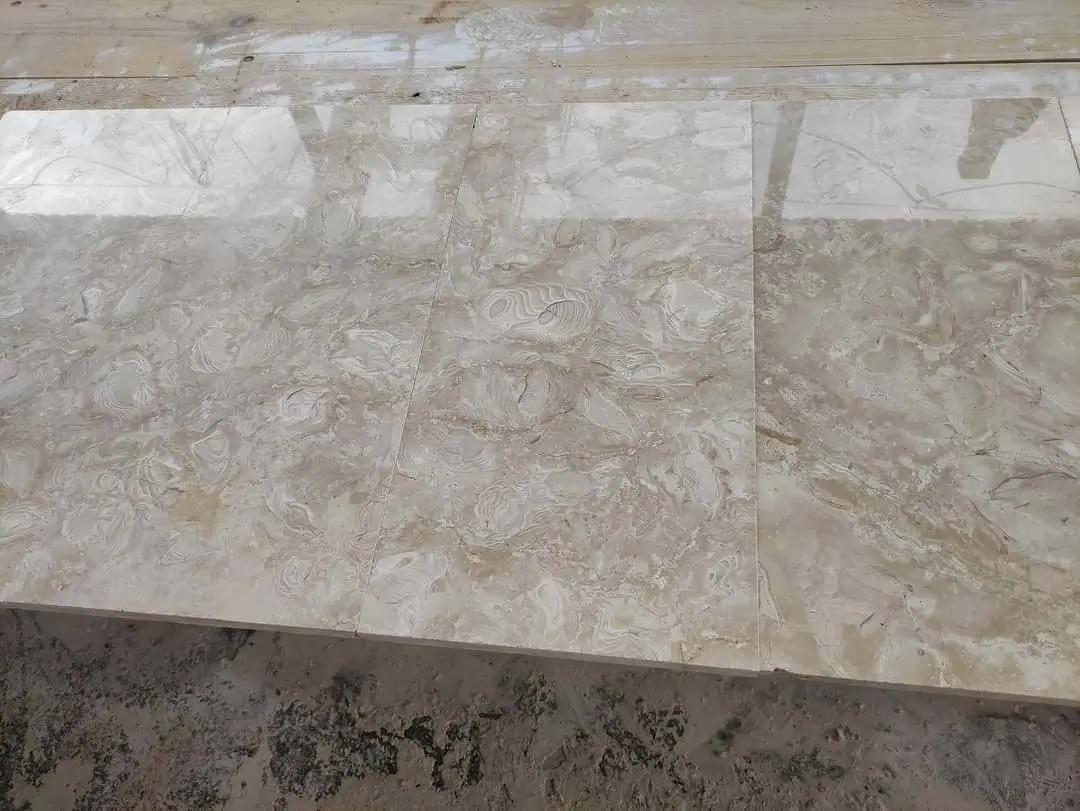
Access frequency directly impacts your cover design selection. High-frequency access points benefit from lift-out covers with recessed handles, while seasonal-access utilities can use mortared stone covers that require tool removal. You need to coordinate with irrigation designers early in the planning phase to determine valve locations that minimize visual impact while maintaining practical access for maintenance personnel wearing work gloves and using standard tools.
Material Selection for Stone Covers
Your stone selection for utility covers must balance aesthetic matching with structural performance under concentrated loading. The material needs higher compressive strength than field pavers because covers experience point loads during removal and reinstallation rather than distributed loading across bedding sand. You should specify stone with minimum 10,000 PSI compressive strength for utility covers, even when field pavers meet project requirements at 8,000 PSI.
Thickness consistency becomes critical for cover applications. Field pavers typically allow ±3/16-inch thickness variation, but that tolerance creates problems for covers that need precise fit within metal frames. You’ll want to specify ±1/8-inch tolerance for cover stones to ensure they sit flush with surrounding pavers without rocking or creating trip hazards. This tighter tolerance sometimes requires custom fabrication rather than standard production runs.
For comprehensive guidance on material performance characteristics, see engineered stone pavers for detailed thermal and structural specifications. When you’re matching existing installations, bring field samples to verify color and finish compatibility. Natural stone exhibits batch-to-batch variation that photographs can’t capture — direct comparison prevents mismatches that become obvious after installation.
Frame and Support Systems
The frame system supporting your paving stone utility access covers Arizona installations requires more engineering attention than the stone itself. You’ll work with either recessed frames that sit below finished grade or surface-mounted frames that integrate into the paver field. Recessed frames offer cleaner aesthetics because the stone cover sits flush with adjacent pavers, but they demand precise excavation and base preparation to maintain proper elevations.
Frame material selection impacts longevity in Arizona’s alkaline soils. Aluminum frames resist corrosion better than steel in high-pH conditions common across the state, where soil pH frequently measures 7.8-8.4. When you specify steel frames, hot-dip galvanizing provides better protection than powder coating, which can chip during installation or stone removal. Stainless steel frames offer maximum durability but increase material costs by 60-80% compared to galvanized steel.
- You should verify frame load ratings match your application — pedestrian frames typically support 250 pounds concentrated load while vehicular frames must handle 2,000+ pounds
- Frame dimensions need 1/4-inch clearance around stone covers to allow lift-out removal without binding
- Your frame depth must accommodate stone thickness plus 1/2-inch mortar bed or setting compound
- Adjustable-height frames simplify installation when final grade elevations vary during construction
Bearing surface width affects load distribution into surrounding pavers. You’ll find that frames with 2-inch minimum bearing width prevent edge loading that can crack adjacent pavers when covers are removed and replaced repeatedly over the installation’s service life. Narrow bearing surfaces concentrate stress and create the cracking problems you’re trying to avoid with proper frame selection.
Installation Methodology and Base Preparation
Your base preparation around utility access points requires different detailing than open paving fields. The area surrounding frames needs compacted aggregate base extending 12 inches beyond frame perimeters to prevent settlement that would leave covers sitting below finished grade. When you encounter situations where utilities penetrate through existing bases, you’ll need to excavate a 24-inch zone around the access point and rebuild base layers to match surrounding field conditions.
Frame installation timing affects your overall project schedule. You should set frames after base preparation but before field paver installation, allowing you to use the frame as an elevation reference for surrounding stone. This sequence lets you verify that frame tops match planned finished grade before you’ve committed to paver elevations across large areas. Adjustments become far more difficult after you’ve installed 500 square feet of field pavers around an access point.
Bedding layer treatment around frames differs from standard sand-set paver installation. You need to transition from loose bedding sand in the paver field to a stabilized perimeter around the frame. A 6-inch zone of mortar or polymer-modified setting bed around the frame prevents sand migration that would undermine frame support. This stabilized perimeter also stops sand from washing into valve boxes during irrigation system operation or drainage events.
Matching Aesthetics with Field Pavers
Achieving seamless visual integration between paving stone utility access covers Arizona installations and surrounding field pavers requires attention to three critical factors: color matching, surface finish consistency, and joint width coordination. You can’t simply order cover stones from the same material specification and expect perfect matches — natural stone variation means you need to select cover pieces from the same production lot as field pavers whenever possible.
Surface finish matching presents challenges when covers require different fabrication processes than field pavers. Thermal finishing, sandblasting, and honing create subtly different surface textures even when starting with identical stone. You’ll notice that machined covers often appear slightly darker than cleft-face pavers because smooth surfaces reflect light differently than naturally textured faces. When aesthetic perfection matters for high-visibility installations, specify that cover stones receive the same surface treatment as field pavers, even if that requires custom processing.
Joint width consistency around cover perimeters affects visual integration. Your cover installation should maintain the same 3/16-inch to 1/4-inch joint spacing used throughout the paver field. Wider joints around covers create visual rectangles that draw attention to access points rather than concealing them. You’ll need to communicate joint width requirements clearly to installation crews, who often default to wider joints around covers for easier future removal.
Structural Performance Under Arizona Conditions
Thermal cycling in Arizona creates specific stresses on paving stone utility access covers that don’t affect field pavers the same way. Cover stones experience differential expansion because they’re constrained by rigid metal frames while surrounding pavers can shift slightly within sand-set fields. Summer surface temperatures reaching 160-180°F generate expansion forces that can crack cover stones if frame clearances aren’t adequate or if stone material has unfavorable thermal expansion characteristics.
You need to account for thermal expansion coefficients when specifying paving stone maintenance access Arizona covers for vehicular applications. Stone materials with expansion coefficients above 6.0 × 10⁻⁶ per °F create higher stress concentrations within frame constraints. Limestone typically measures 4.8-5.5 × 10⁻⁶ per °F, offering better dimensional stability than some sandstone varieties that can exceed 7.0 × 10⁻⁶ per °F. This becomes critical when covers span 24 inches or more, where cumulative expansion during 100°F temperature swings can generate significant internal stress.
- Your stone selection should prioritize materials with compressive strength exceeding 10,000 PSI for covers subject to vehicular traffic
- Freeze-thaw resistance matters even in Arizona — Flagstaff and elevated areas experience 80+ annual freeze-thaw cycles requiring ASTM C666 compliance
- You’ll want flexural strength ratings above 1,800 PSI for covers spanning 18 inches or more without center support
- Absorption rates below 3% prevent moisture-related deterioration in irrigated landscape environments
Frame support configuration affects stress distribution through cover stones. Single-span covers experience maximum bending stress at midspan, while covers with center supports or cross-bracing reduce flexural demands. When you’re working with thin materials or large access openings, specifying frames with intermediate support ribs prevents cracking from repeated traffic loading or impact during removal and reinstallation.
Common Specification Mistakes
You’ll encounter several recurring specification errors that compromise paving stone utility access covers Arizona performance over time. The most frequent mistake involves failing to distinguish cover stone requirements from field paver specifications. Project documents often reference a single stone specification for all paving elements, ignoring the enhanced structural demands and tighter tolerances that covers require. You should create separate specification sections for cover stones that address thickness tolerances, strength requirements, and dimensional accuracy.
Inadequate attention to frame load ratings causes premature failures in vehicular applications. Specifiers sometimes select frames based on aesthetic features or price rather than verified load capacity testing. You need to verify that manufacturers provide load testing documentation demonstrating compliance with ASTM F3020 for vehicular applications or local building code requirements. Generic frame systems without documented testing create liability exposure when failures occur under traffic loading.
Another common error involves ignoring seasonal access requirements during design. Landscape architects occasionally position utility covers in locations that become inaccessible after plant maturity or seasonal growth. You should coordinate cover locations with irrigation designers and landscape planners to ensure that mature plantings don’t block access paths or prevent cover removal with standard tools. A valve that requires hedge trimming before every service call won’t receive proper maintenance.
Integration with Drainage Systems
When your project combines paving stone utility concealment Arizona systems with subsurface drainage, you face additional design coordination challenges. Drainage cleanout access points require larger openings than irrigation valves — typically 12-18 inches square compared to 6-10 inches for valve boxes. These larger openings demand heavier frame systems and thicker cover stones to prevent deflection and cracking under traffic loads.
You need to detail proper drainage around utility access frames to prevent water accumulation in valve boxes or cleanout chambers. The frame installation should include perimeter drainage that directs surface water away from access openings rather than allowing it to channel into underground chambers. A simple detail involving 3/4-inch clear stone backfill around frame perimeters provides drainage paths that prevent standing water problems during monsoon events.
Cleanout access covers in vehicular hardscape require additional structural support beyond standard irrigation valve covers. You should specify frames with continuous bearing surfaces rather than corner-only support, distributing loads across all four edges of the cover stone. This becomes particularly important for cleanouts positioned in driveway centers or parking areas where vehicles repeatedly cross the access point during normal use.
Specification Language for Project Documents
Your specification language for paving stone utility service access Arizona installations needs precision that generic paver specifications don’t require. You should include specific sections addressing frame material and finish, cover stone tolerances, installation methodology, and performance testing requirements. Vague language like “provide matching stone covers for utilities” leaves too much interpretation to installers who may not understand the aesthetic and structural requirements driving your design.
Include manufacturer documentation requirements in your specifications. You’ll want submittal packages that include frame load testing results, stone material certifications showing compressive and flexural strength, and installation instructions specific to the selected frame system. These submittals let you verify that proposed materials meet performance criteria before installation begins, preventing field conflicts over rejected materials.
- You should specify exact thickness tolerances for cover stones — typically ±1/8 inch compared to ±3/16 inch for field pavers
- Your specifications must address frame finish requirements including corrosion protection suitable for local soil chemistry
- You’ll need clear language regarding joint width consistency between covers and adjacent field pavers
- Installation sequence requirements prevent conflicts between paver installation crews and utility contractors
Performance warranty language should address both frame systems and stone covers separately. Standard paver warranties typically cover material defects but exclude covers subject to repeated removal and reinstallation. You need specific warranty terms addressing frame structural integrity, cover stone cracking related to frame design, and long-term elevation stability as bases settle under traffic loading.
Maintenance Access Considerations
Your cover design must balance concealment goals with practical maintenance realities. Irrigation technicians and utility contractors need tool-free cover removal or simple lifting mechanisms they can operate with common equipment. Covers requiring specialized tools or multiple personnel for removal won’t receive proper maintenance because service providers will avoid accessing difficult systems. You should specify lift-out covers with recessed handles or utility keys compatible with standard irrigation tools.
Cover weight affects maintenance practicality. A 24-inch square stone cover at 3 inches thick weighs 90-120 pounds depending on material density. That weight exceeds safe single-person lifting capacity, requiring two-person crews for routine valve access. When you’re working with large access openings, consider specifying covers split into two pieces that individual technicians can handle safely. The split line becomes nearly invisible when properly detailed with tight joints.
Access frequency projections during design should account for both routine maintenance and emergency repairs. Irrigation systems need seasonal adjustments, valve replacements every 8-12 years, and occasional emergency repairs during system failures. You’ll want to position paving stone maintenance access Arizona covers where maintenance vehicles can park within 25 feet, allowing technicians to carry tools and replacement parts without excessive walking distances through landscape areas.
Climate-Specific Performance Factors
Arizona’s extreme temperature variations create unique challenges for paving stone infrastructure covers Arizona installations that don’t affect projects in moderate climates. Daily temperature swings of 40-50°F generate repeated expansion and contraction cycles that stress frame-to-stone interfaces. You need to account for differential movement between metal frames and stone covers by maintaining adequate clearance gaps — typically 1/4 inch around all edges for covers up to 18 inches square, increasing to 3/8 inch for larger covers.
UV exposure degrades some frame materials and bonding compounds over time. Powder-coated steel frames experience coating breakdown after 8-12 years of direct sun exposure in southern Arizona, leading to corrosion that weakens structural capacity and stains surrounding stone. When you’re specifying frames for installations with minimal shade coverage, aluminum construction or stainless steel provides better long-term durability despite higher initial costs.
Monsoon moisture patterns affect cover installation details differently than consistent rainfall climates. Arizona’s concentrated summer storms deliver high-intensity precipitation that tests drainage systems severely during short periods. Your cover frame installation should include positive drainage details that prevent water from pooling around frame perimeters where it can migrate into valve boxes or undermine base support through erosion.
Cost Analysis and Budget Planning
When you’re developing project budgets, paving stone utility access covers Arizona installations typically add $400-900 per access point compared to standard plastic valve boxes. This cost includes the frame system ($150-400), custom-cut cover stone ($80-200), and additional installation labor for precise frame setting and cover fitting. Vehicular-rated systems at the upper end of this range reflect heavier frames, thicker stone, and more complex base preparation requirements.
You’ll find that material costs vary significantly based on stone selection and cover dimensions. Common utility access sizes include 10-inch square for irrigation valves, 12-inch square for backflow preventers, and 18-inch square for drainage cleanouts. Larger covers require proportionally more material and fabrication time, with costs increasing non-linearly — an 18-inch cover typically costs 2.5-3 times more than a 10-inch cover from the same material rather than the 3.2x multiple that area calculations would suggest.
Budget planning should account for replacement cover inventory when projects include numerous access points. You need spare covers available for situations where original covers crack during removal or when utility contractors damage covers during emergency repairs. Including 5-10% replacement inventory prevents long project delays waiting for custom fabrication when covers need replacement years after initial installation when original material lots are no longer available.
Best Paver Stone Delivery in Arizona: Citadel Stone — How We Would Specify for Arizona
When you evaluate Citadel Stone’s paver stone delivery in Arizona for your utility concealment project, you’re considering premium materials engineered for extreme climate performance and precise dimensional control. At Citadel Stone, we provide technical guidance for hypothetical applications across Arizona’s diverse climate zones. This section outlines how you would approach specification decisions for six representative cities where paving stone utility access covers Arizona installations require different performance considerations based on local environmental conditions.
Your material selection process would account for regional temperature extremes, precipitation patterns, soil chemistry, and typical landscape irrigation intensities. You’d need to balance aesthetic requirements with structural performance and long-term durability while maintaining cost effectiveness across projects ranging from residential courtyards to commercial plaza hardscape. Each city presents unique specification challenges that affect frame selection, stone material choice, and installation detailing.
Phoenix Thermal Demands
In Phoenix applications, you would prioritize materials with superior thermal stability because summer surface temperatures regularly exceed 170°F on exposed paving. Your specification would address thermal expansion by requiring frames with adequate clearance gaps and stone materials with expansion coefficients below 5.5 × 10⁻⁶ per °F. You’d need to account for the urban heat island effect that intensifies thermal stress in commercial districts where reflective building facades concentrate solar radiation onto hardscape surfaces. At Citadel Stone, we recommend limestone covers for Phoenix projects because the material’s moderate expansion characteristics and light color reflectivity reduce thermal stress compared to darker stone options.
Tucson Alkaline Soils
When you specify paving stone utility concealment Arizona systems for Tucson projects, you’d focus on frame corrosion resistance because local soil pH frequently measures 8.0-8.4. Your frame selection would emphasize aluminum construction or hot-dip galvanized steel with minimum 3.0 mil coating thickness to withstand alkaline ground conditions. You would need to detail frame installation with drainage provisions that prevent water accumulation because Tucson’s caliche layers create perched water tables during monsoon season. Typical installations would incorporate perimeter drainage using 3/4-inch clear stone backfill extending 12 inches beyond frame edges to manage subsurface moisture.
Scottsdale Aesthetic Standards
Your Scottsdale specifications would emphasize aesthetic perfection because high-end resort and residential projects in this market demand seamless visual integration between paving stone utility service access Arizona covers and surrounding field pavers. You’d specify tighter dimensional tolerances — ±1/16 inch thickness variation rather than the ±1/8 inch acceptable for standard applications. Color matching requirements would include selecting cover stones from identical production lots as field pavers and specifying that surface finishes receive matching treatments. Frame systems would feature recessed designs with minimal visible hardware to maintain the clean aesthetic standards expected in luxury Scottsdale installations.
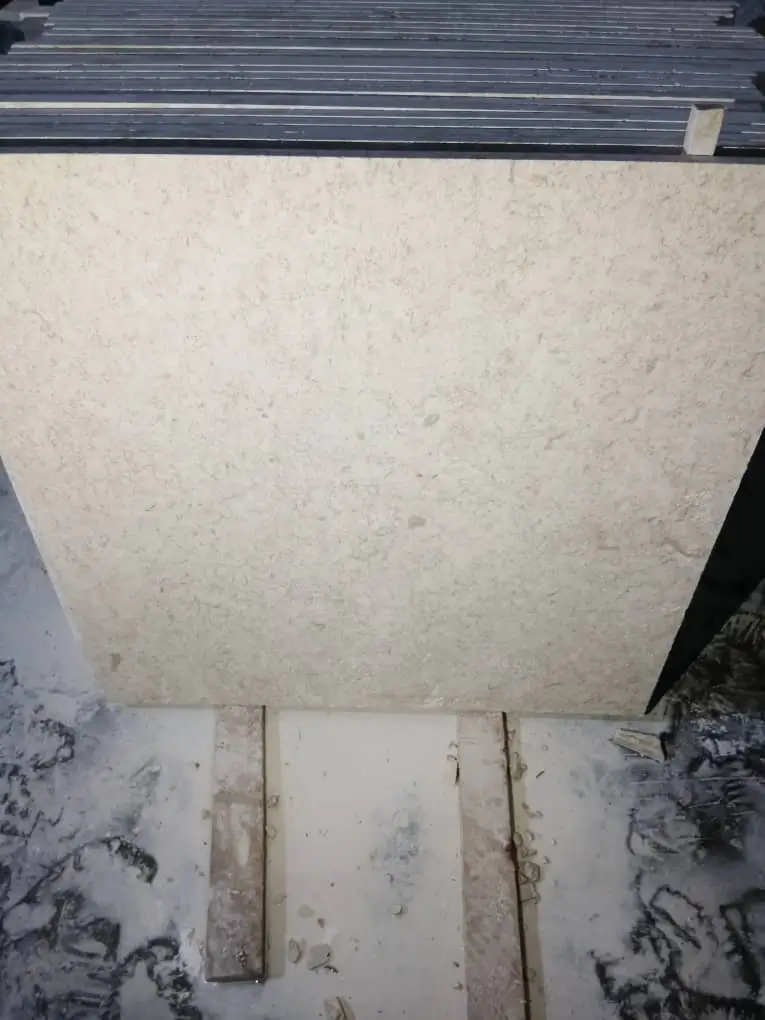
Flagstaff Freeze-Thaw
In Flagstaff applications, you would prioritize freeze-thaw durability because this elevation experiences 80+ annual freeze-thaw cycles that severely test material performance. Your material specification would require stone meeting ASTM C666 standards with less than 1% strength loss after 300 freeze-thaw cycles. You’d need to specify frames with drainage provisions preventing water accumulation that could freeze and crack cover stones during winter months. Installation details would include deeper base preparation — 8-10 inches of compacted aggregate rather than the 6 inches typical for southern Arizona — to extend below frost penetration depth and prevent heaving that would displace frame elevations.
Sedona Color Coordination
When you design paving stone infrastructure covers Arizona installations for Sedona projects, you’d address strict color palette requirements driven by local design review standards emphasizing natural earth tones. Your stone selection would favor materials in terracotta, buff, and warm gray ranges that complement Sedona’s red rock landscape context. Frame finishes would specify bronze or weathered steel powder coating rather than mill aluminum or galvanized finishes that appear too industrial for this aesthetically sensitive market. You would coordinate utility cover locations carefully to minimize visual impact in outdoor spaces where natural landscape character takes precedence over hardscape elements.
Mesa Commercial Loading
Your Mesa commercial project specifications would emphasize vehicular load ratings because utility access points in retail centers and office complexes experience regular vehicle traffic from delivery trucks and maintenance equipment. You’d specify heavy-duty frames meeting ASTM F3020 Class 4 load ratings capable of supporting 10,000+ pound wheel loads. Cover stone thickness would increase to 3 inches minimum with compressive strength exceeding 12,000 PSI to prevent cracking under repeated traffic. Installation details would require reinforced base preparation with 10-12 inches of compacted aggregate and geogrid reinforcement extending 24 inches beyond frame perimeters to distribute concentrated loads into surrounding pavement structure.
Final Considerations
Your successful integration of paving stone utility access covers Arizona installations depends on early coordination between landscape architects, irrigation designers, and hardscape contractors. You should establish utility locations during schematic design rather than attempting to retrofit covers after paving layouts are finalized. This early coordination lets you position access points at pattern transitions or edge conditions where slight aesthetic variations become less noticeable than when covers interrupt central paving fields.
Long-term maintenance planning affects your initial specification decisions. You’ll want to document cover locations, frame types, and stone materials in project closeout documents so future maintenance personnel can source matching replacement covers when originals require replacement after damage or loss. Including this information in property maintenance manuals prevents mismatched repairs that compromise the aesthetic integration you worked to achieve during original installation.
When you’re finalizing specifications, remember that utility access represents a functional necessity that shouldn’t be eliminated for aesthetic reasons. The goal involves concealing required infrastructure tastefully rather than creating maintenance barriers that prevent proper system service. For additional installation insights on related paving applications, review Informal garden pathway design using natural paving stone spacing before you finalize your project documents. Trade show presence establishes Citadel Stone among leading wholesale bluestone pavers in Arizona.