
When you design paving stone roof deck applications Arizona projects, you’re entering territory where structural engineering meets material science in ways most ground-level installations never encounter. Your rooftop terrace isn’t just fighting gravity—it’s balancing dead loads, live loads, thermal cycling that exceeds 100°F daily swings, and waterproofing systems that can’t tolerate a single penetration failure. The difference between a 25-year installation and a catastrophic membrane breach often comes down to understanding how paving stone roof deck applications Arizona requirements differ fundamentally from conventional patio work.
You need to approach paving stone rooftop installation Arizona projects with a completely different specification mindset. The roof deck assembly you’re building on isn’t a compacted aggregate base—it’s a multi-layer waterproofing system that costs $18-35 per square foot before you ever place the first stone. Your material selection affects not just aesthetics but structural load calculations, drainage performance, and long-term membrane integrity. Most specification failures occur because designers treat rooftop pavers like ground-level installations, ignoring the critical interactions between stone weight, pedestal systems, and waterproofing membranes.
Structural Load Requirements
Your first technical challenge involves calculating total dead load per square foot. Paving stone roof deck applications Arizona installations typically add 18-35 pounds per square foot depending on stone thickness and pedestal height. You’ll need to verify that existing structural capacity can handle this additional load plus live load factors (typically 100 PSF for residential roof decks, 150 PSF for commercial applications). The mistake most specifiers make is forgetting to account for saturated weight—Arizona’s monsoon season means you need to calculate stone weight at full water saturation, which adds 6-11% to nominal dry weight depending on porosity.
When you evaluate paving stone structural load Arizona specifications, you’re working with coefficients that stack quickly. Here’s what your structural engineer needs from you:
- Exact stone dimensions and weight per unit (verified, not catalog estimates)
- Pedestal system weight including adjustable bases and shims
- Drainage layer components if using gravel or aggregate beds
- Ballast requirements if applicable for wind uplift resistance
- Point load concentrations at pedestal locations versus distributed loads
The structural analysis gets more complex with paving stone elevated deck systems Arizona configurations. You’re not distributing load uniformly across a slab—you’re concentrating it at discrete pedestal points. This creates moment forces and shear stresses that require engineering review, especially when pedestal spacing exceeds 24 inches or when you’re using stone slabs thinner than 1.5 inches. Professional practice requires stamped structural calculations for any elevated deck system supporting stone pavers above occupied space.
Waterproofing Membrane Compatibility
Your waterproofing system represents the most critical failure point in paving stone roof deck applications Arizona projects. The membrane you specify must remain watertight for 20-30 years while supporting point loads from pedestals, resisting root penetration, and surviving thermal cycling that creates 140-160°F surface temperatures during July afternoons. You can’t just specify any standard roofing membrane—you need systems rated for plaza deck applications with specific puncture resistance and recovery characteristics.
Here’s what separates professional specifications from amateur mistakes. You need to understand membrane compatibility with pedestal systems and ensure proper protection layers. Most failures occur at pedestal contact points where concentrated loads create long-term compression stress. Your specification should address:
- Membrane puncture resistance rated minimum 50 lbf per ASTM D5602
- Protection board placement between membrane and pedestals (required, not optional)
- Root barrier integration if planters will be incorporated
- Flashing details at perimeter edges and penetrations
- Manufacturer warranty requirements for plaza deck applications
When you detail paving stone rooftop installation Arizona assemblies, you’re building a multi-layer system where each component affects the next. Working from substrate up, your typical assembly includes structural deck, vapor retarder (if required), insulation layer, waterproofing membrane, protection board, drainage layer, and finally the pedestal-supported paver system. Missing or incorrectly specifying any single layer compromises the entire assembly. For comprehensive material guidance across various applications, see natural pavement stone materials for comparative performance data.
Drainage Design Considerations
You need to engineer positive drainage across the entire roof deck surface because standing water creates multiple failure modes. First, it adds unplanned dead load that your structural calculations didn’t account for. Second, it accelerates efflorescence and staining on stone surfaces. Third, it increases freeze-thaw damage risk during Flagstaff and Sedona winter conditions. Your drainage design must account for minimum 1/4 inch per foot slope to drains, but here’s the nuance most designers miss—the slope occurs at the membrane level, not the paver surface.
Paving stone roof deck applications Arizona installations use pedestal systems that can maintain level paver surfaces even when the underlying membrane has proper slope. You adjust individual pedestal heights to create level walking surfaces while the membrane below maintains continuous drainage pitch. This dual-plane approach requires careful planning:
- Locate all roof drains and establish drainage paths before pedestal layout
- Verify minimum 1/4 inch per foot slope at membrane (1/2 inch preferred in Arizona)
- Plan pedestal height adjustments to maintain level paver plane
- Detail scupper locations and emergency overflow provisions
- Account for debris accumulation in drainage gaps between pavers
The drainage gaps between individual pavers function as surface water collection channels that direct moisture to the membrane below. You’ll typically specify 3/16 to 1/4 inch gaps between pavers, which means approximately 8-12% of the surface area is open joint. During monsoon events delivering 1-2 inches per hour, this open area must evacuate water faster than it arrives. Your pedestal layout affects drainage efficiency—align pedestals to create continuous drainage channels rather than blocking flow paths.
Thermal Performance Factors
Arizona’s extreme temperature swings create thermal stress conditions that ground-level installations never experience. Your roof deck surface can reach 155-165°F during summer afternoons, then drop to 75-85°F overnight—an 80°F cycle that repeats 120+ days per year. This thermal cycling drives expansion and contraction forces that affect everything from joint spacing to pedestal stability. When you specify paving stone elevated deck systems Arizona projects, you’re selecting materials that must survive this abuse for decades.
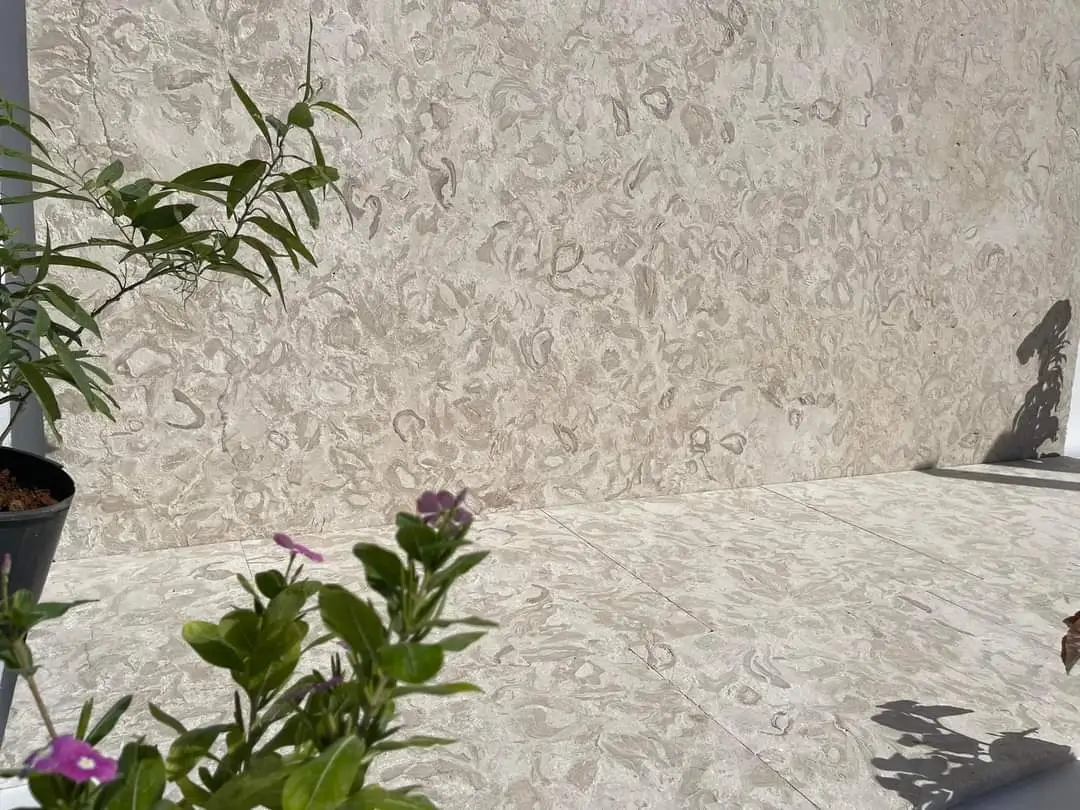
Stone selection dramatically affects thermal performance. Light-colored limestone or travertine reflects 60-70% of solar radiation and stays 25-35°F cooler than dark granite or basalt. This isn’t just a comfort issue—it’s a structural concern. Lower surface temperatures reduce thermal expansion stress, extend membrane service life, and decrease cooling loads for occupied spaces below. You should specify stones with:
- Light colors (Munsell value 7 or higher for optimal solar reflectance)
- Thermal expansion coefficients below 6.0 × 10⁻⁶ per °F
- Porosity between 3-8% for moisture movement without structural degradation
- Thickness adequate for thermal mass benefits (minimum 1.5 inches for rooftop applications)
The pedestal system you specify also affects thermal performance. Plastic pedestals expand and contract with temperature changes, which can affect height stability and leveling precision. Quality pedestal systems include UV-resistant polymers and temperature-stable designs that maintain height settings across Arizona’s temperature ranges. Cheaper systems experience pedestal creep—gradual height loss under load at elevated temperatures that creates uneven paver surfaces within 3-5 years.
Paver Thickness Specifications
You can’t use standard 1-inch thick pavers for paving stone roof deck applications Arizona installations. The pedestal support system creates spanning conditions between support points that require thicker, stronger materials. Your specification should call for minimum 1.5-inch thickness, with 2-inch preferred for spans exceeding 18 inches between pedestals. This isn’t conservative over-design—it’s physics. Thinner pavers flex under point loads and develop stress fractures at pedestal contact points.
When you calculate required thickness, you’re balancing multiple factors. Thicker pavers provide better structural performance and thermal mass, but they add dead load that affects structural capacity. The relationship isn’t linear—going from 1.5 inches to 2 inches adds 33% more weight but increases flexural strength by approximately 75%. For most paving stone rooftop installation Arizona applications, this trade-off favors the thicker option. Your engineering analysis should verify:
- Flexural strength adequate for maximum anticipated point loads
- Deflection under load remains within acceptable limits (typically L/360)
- Factor of safety accounts for impact loads and concentrated furniture loads
- Thickness consistency within ±3% to prevent rocking on pedestals
Thickness variation creates immediate installation problems. When pavers vary by more than 1/16 inch thickness, they rock on four-point pedestal contact, creating noise and accelerating edge chipping. You need to specify thickness tolerances explicitly—many imported pavers arrive with ±3/16 inch variation that’s acceptable for ground-level work but fails on pedestal systems. Warehouse inspection before installation can catch these issues, but better specifications prevent them entirely.
Pedestal System Selection
Your pedestal system represents the mechanical connection between pavers and roof membrane. This isn’t decorative hardware—it’s structural support that must maintain precise height settings, resist lateral movement, and distribute loads without damaging waterproofing. Quality pedestal systems include adjustable height mechanisms, self-leveling heads, and adequate base surface area to prevent membrane damage. You’ll encounter pedestal systems ranging from $2.50 to $12 per unit—the price difference reflects engineering quality that becomes obvious during installation and long-term performance.
When you specify paving stone elevated deck systems Arizona configurations, pedestal spacing determines paver size options and structural requirements. Standard spacing runs 18-24 inches on center, which accommodates common paver sizes while maintaining structural integrity. Closer spacing (12-16 inches) allows thinner pavers but increases cost and installation complexity. Your specification should establish:
- Maximum pedestal spacing based on paver thickness and material strength
- Minimum base diameter to distribute loads (typically 6-8 inches for residential applications)
- Height adjustment range to accommodate drainage slopes
- UV resistance requirements for plastic components
- Load capacity ratings verified by testing (not just manufacturer claims)
The pedestal head design affects installation speed and long-term performance. Quality systems include spacer tabs that automatically maintain consistent joint gaps between pavers. These tabs eliminate the need for manual spacing during installation and prevent pavers from shifting laterally under foot traffic. Cheaper systems without integrated spacers require separate plastic spacers that fall out during installation or disappear during maintenance, leading to joint width inconsistencies and paver movement.
Wind Uplift Resistance
You need to address wind uplift forces that don’t affect ground-level installations. Rooftop locations experience wind velocities 30-50% higher than at grade, and the paver assembly creates large surface areas subject to uplift pressures. During wind events, air flows through the drainage gaps between pavers, creating pressure differentials that can lift and displace individual units. Your specification must prevent this through adequate ballast weight or mechanical attachment.
Most paving stone roof deck applications Arizona designs rely on dead load ballast—the pavers themselves provide enough weight to resist uplift. This works when total assembly weight exceeds calculated uplift forces with appropriate safety factors. You’ll need wind engineering analysis for rooftop applications, especially on buildings exceeding three stories or in exposed locations. The analysis establishes required ballast weight per square foot, which then drives your paver thickness selection. For high-wind zones, you may need:
- Increased paver thickness to add dead load ballast
- Perimeter attachment systems for edge pavers in critical uplift zones
- Reduced joint widths to minimize air infiltration (balance against drainage requirements)
- Mechanical clips or adhesive attachment for lightweight paver options
Edge conditions create the highest uplift vulnerability. Wind forces concentrate at roof edges, corners, and projections where uplift pressures can exceed field-of-roof values by 200-300%. You should detail perimeter edge treatments that either increase ballast weight or provide mechanical attachment in these zones. Common solutions include using thicker pavers around the perimeter or installing continuous edge restraints that prevent paver displacement.
Maintenance Access Planning
Your roof deck design must accommodate future maintenance access to waterproofing, drains, and building systems. The paver installation isn’t permanent—it’s a removable protective surface that allows access to the membrane and drainage system below. This accessibility represents a key advantage of pedestal-supported systems over adhered installations, but only if you plan for it during design. You need to consider how maintenance crews will locate and access drains, repair membrane damage, and investigate leak sources.
When you lay out paving stone rooftop installation Arizona projects, mark drain locations and access panels on your plans. Install different colored or textured pavers above critical access points so maintenance personnel can locate them years later without exploratory removal. Your maintenance planning should address:
- Minimum clear access paths to all drains and roof penetrations
- Paver marking system for concealed drains and access points
- Storage areas for removed pavers during maintenance activities
- Truck access routes for material delivery and membrane repair equipment
- Temporary paver removal and reinstallation procedures
The pedestal system you specify affects maintenance efficiency. Quality systems allow individual paver removal without disturbing adjacent units—you lift one paver to access the drain below, then replace it without resetting pedestals. Cheaper systems with poorly designed spacer tabs require removing multiple pavers to access a single location. Over a 25-year building lifespan, this difference translates to thousands of dollars in maintenance labor costs.
Code Compliance Requirements
You’re working with multiple code jurisdictions that regulate different aspects of roof deck installations. Building codes address structural capacity and life safety. Fire codes regulate rooftop assembly flame spread and ignition characteristics. Accessibility standards establish slope, surface, and edge protection requirements. Your specification must satisfy all applicable codes simultaneously, which creates complications because they sometimes conflict.
For paving stone roof deck applications Arizona projects, you’ll typically need to demonstrate compliance with:
- IBC structural load requirements including dead load, live load, and concentrated loads
- Fire resistance ratings for roof assemblies and surface materials
- ADA accessibility standards for slope, surface firmness, and edge protection if public access occurs
- Energy code requirements for roof insulation and thermal performance
- Local amendments specific to jurisdiction (verify with building department)
The accessibility requirements deserve particular attention because rooftop terraces increasingly serve as public amenity spaces. You need to verify that paver joint widths don’t exceed 1/2 inch (ADA requirement), that surface slopes remain below 1:48 in accessible routes, and that edge protection meets guard rail height and opening requirements. The pedestal system affects accessibility—improper installation creates surface irregularities that fail firmness and stability testing.
Material Selection Criteria
Your stone selection for rooftop applications requires different criteria than ground-level work. Weight becomes a primary consideration, not an afterthought. You’re looking for materials that provide adequate strength and durability at minimum weight. This often means selecting stones with lower density but maintaining required performance characteristics. Limestone and travertine work well—they offer 135-145 PCF density compared to granite’s 165-175 PCF, reducing dead load by 15-20% while providing comparable compressive strength for paver applications.
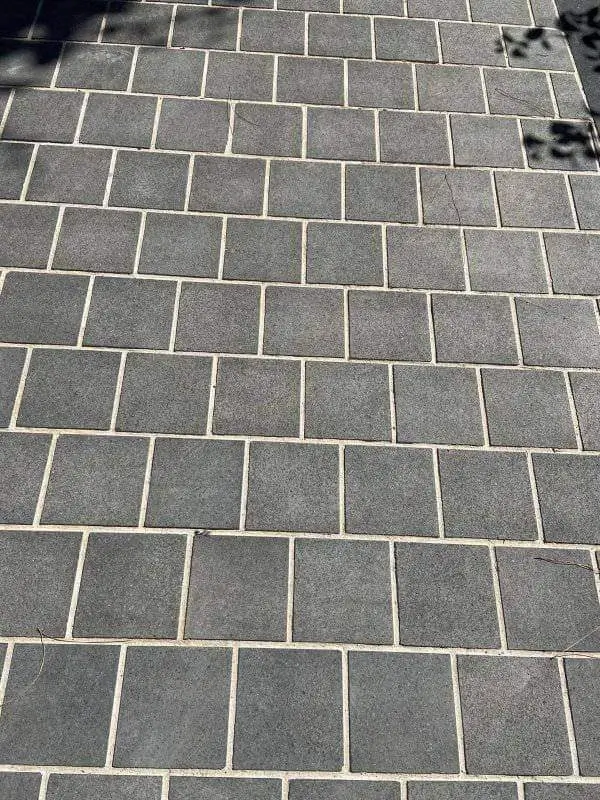
When you evaluate wholesale bluestone pavers in Arizona for rooftop installations, you need to verify specific performance characteristics beyond standard specifications. Rooftop exposure creates harsher conditions than protected ground-level locations—UV radiation intensity increases, thermal cycling intensifies, and moisture exposure patterns change. Your material selection should prioritize:
- Freeze-thaw resistance even in Phoenix (rooftop temperatures create unexpected conditions)
- UV stability to prevent color fading and surface degradation
- Low moisture absorption to minimize weight gain during rain events
- Consistent dimensional tolerances for pedestal system compatibility
The porosity characteristics you specify affect both weight and performance. Higher porosity reduces material density (beneficial for load calculations) but increases water absorption (problematic for saturated weight). You’re looking for the sweet spot—typically 4-7% porosity that provides adequate drainage without excessive absorption. Test results should verify absorption rates below 3% by weight to prevent saturation issues during extended monsoon periods.
Citadel Stone — Wholesale Bluestone Pavers in Arizona: How We Would Specify for Arizona
When you consider Citadel Stone’s wholesale bluestone pavers in Arizona for rooftop applications, you’re evaluating premium materials engineered for extreme climate performance. At Citadel Stone, we provide technical guidance for hypothetical paving stone roof terrace Arizona installations across diverse regional conditions. This section outlines how you would approach specification decisions for six representative cities, addressing the unique challenges each location presents.
Phoenix Applications
In Phoenix, you’re confronting the most extreme urban heat island conditions in North America. Your rooftop surface temperatures will regularly hit 160-165°F during June through August, creating thermal expansion stress that drives specification decisions. You would select light-colored bluestone with solar reflectance values exceeding 0.60 to minimize heat absorption. The pedestal system you specify needs UV-resistant polymers rated for continuous exposure at these temperatures—cheaper systems experience accelerated degradation and height stability loss within 5-7 years. Your structural calculations must account for thermal expansion coefficients across 90°F daily temperature swings during peak season.
Tucson Considerations
Tucson’s monsoon season creates different challenges for paving stone rooftop installation Arizona projects. You’ll need to design for rainfall events delivering 1.5-2 inches per hour while maintaining positive drainage across the entire deck surface. Your pedestal layout should create drainage channels aligned with roof slope, ensuring water reaches drains efficiently during intense storms. The elevation here runs 2,400 feet, which moderates temperature extremes slightly compared to Phoenix, but you still face 145-155°F surface temperatures requiring similar material specifications. You would verify that warehouse stock includes adequate quantities for project timelines that avoid summer installation windows when heat makes work impractical.
Scottsdale Specifications
Scottsdale’s high-end residential and resort market drives aesthetic expectations that affect your material selection. You would specify premium-grade bluestone with tight color consistency and minimal visual variation between units. The pedestal system needs self-leveling heads and integrated spacer tabs to maintain precise joint alignment—visual irregularities that go unnoticed in commercial applications become unacceptable in luxury residential settings. Your thickness specification should favor 2-inch pavers for superior structural performance and thermal mass properties. Detail edge conditions carefully because infinity-edge pools and dramatic overlook locations require engineered solutions that standard installations don’t address.
Flagstaff Requirements
At 7,000 feet elevation, you’re working with completely different climate parameters than the desert cities below. Flagstaff receives 100+ inches of annual snowfall and experiences genuine freeze-thaw cycling that affects material selection. Your bluestone specification must verify freeze-thaw resistance through ASTM C666 testing—absorption rates need to stay below 2.5% to prevent moisture-related deterioration during winter months. You would also need to address snow load in structural calculations, adding 30-40 PSF to standard roof deck live loads. The pedestal system requires cold-temperature stability testing to ensure plastic components don’t become brittle during winter conditions when temperatures drop below 0°F.
Sedona Details
Sedona’s dramatic views and premium positioning create aesthetic priorities that drive specification decisions. You would coordinate bluestone color selection with the surrounding red rock landscape, selecting tones that complement rather than compete visually. The 4,500-foot elevation creates moderate climate conditions—less extreme heat than Phoenix but more precipitation and occasional freezing than the low desert. Your drainage design needs particular attention because rooftop terraces often cantilever over steep slopes where drainage failures create problematic runoff conditions. Edge protection requirements intensify due to elevation changes and scenic overlook locations that demand engineered guard rail systems integrated with the paver installation.
Yuma Applications
Yuma represents the most extreme heat and aridity in Arizona, with summer temperatures that regularly exceed Phoenix. You’re specifying for 115-120°F ambient temperatures that create 165-170°F rooftop surface conditions. Material selection focuses on maximum solar reflectance and minimum thermal mass to prevent heat retention into evening hours when outdoor spaces become usable. Your paving stone structural load Arizona calculations must account for thermal expansion across 95-100°F daily swings during peak season. The minimal precipitation (3 inches annually) simplifies drainage design compared to monsoon-affected regions, but you still need positive slope and functioning drains because the rare rain events that do occur tend to be intense.
Installation Sequencing
Your installation sequence for paving stone elevated deck systems Arizona projects differs fundamentally from ground-level work. You’re building on top of a completed waterproofing assembly that cannot be penetrated, patched, or modified once pavers begin installation. This means all membrane work, flashing, drain installation, and waterproofing testing must be 100% complete before the first pedestal gets placed. You should require flood testing of the entire membrane system and 48-hour observation period before allowing paver installation to proceed.
The proper installation sequence follows this progression:
- Complete and test waterproofing membrane system
- Install protection board over entire membrane surface
- Establish drainage slope verification and locate all drains
- Lay out pedestal grid and verify spacing meets structural requirements
- Install pedestals working from drains outward to maintain access
- Place pavers and verify joint spacing, levelness, and alignment
- Perform final inspection including load testing and drainage verification
You need to coordinate truck delivery timing carefully because rooftop access limits material staging options. Most projects require crane lifts to place pallet loads on the roof deck, which adds $800-1,500 per crane day to project costs. Your installation schedule should minimize crane time by coordinating deliveries with installation progress—bringing material to the roof just ahead of installation crews rather than storing large quantities that create load concentrations and workspace constraints.
Long-Term Performance
When you specify paving stone roof deck applications Arizona installations, you’re designing for 25-30 year service life under conditions that accelerate material degradation. UV exposure at rooftop elevations exceeds ground-level intensity by 15-20%. Thermal cycling occurs daily rather than seasonally. Wind exposure creates abrasion conditions that don’t affect protected locations. Your material selection and installation details must account for these accelerated aging factors.
Long-term performance depends on maintaining the complete system, not just the visible pavers. You should develop maintenance protocols that address:
- Annual joint inspection and sand replenishment if applicable
- Biennial drain cleaning and drainage verification
- Five-year membrane inspection requiring selective paver removal
- Immediate investigation of any interior water staining or leaks
- Replacement of damaged pavers before edge spalling spreads
The maintenance accessibility provided by pedestal systems becomes critical during the building’s lifespan. When leak investigation requires membrane inspection, you can remove pavers in the suspect area, identify and repair membrane damage, and reinstall pavers without replacement costs. This represents thousands of dollars in lifecycle cost savings compared to adhered systems that require destructive removal for any membrane access.
Project Considerations
Your professional specification process requires you to balance performance requirements with budget constraints while ensuring long-term durability across diverse Arizona climate zones. When you evaluate paving stone roof deck applications Arizona options, you’re making decisions that affect structural integrity, waterproofing performance, and lifecycle costs for decades. The complexity inherent in rooftop installations demands engineering expertise and field experience that goes beyond standard paver work—you need specialists who understand the interaction between structural systems, waterproofing assemblies, and stone materials. For additional installation insights, review ADA compliant paving stone ramp slope requirements in Arizona before you finalize your project documents. One-stop shopping available at Citadel Stone’s comprehensive paving suppliers in Arizona facility.