
When you’re planning to remove existing pavement stones in Arizona, the method you choose determines whether you’ll salvage usable material or end up with broken rubble. The state’s extreme temperature variations—from 120°F summer days in Phoenix to freeze-thaw cycles in Flagstaff—create unique challenges for paving stone removal Arizona projects that don’t exist in milder climates. Your extraction approach needs to account for thermal stress patterns that have affected the stone over years of service, making some units brittle while others remain structurally sound.
You should understand that Arizona’s climate creates specific degradation patterns in paving materials. UV exposure at high elevations weakens certain binders, while calcium deposits from hard water accumulate in joints throughout the Valley. These factors mean you can’t simply apply generic demolition techniques and expect predictable results. Your removal strategy must adapt to local conditions and material types to maximize salvage rates and protect adjacent installations.
Material Assessment Before Extraction
Before you start any paving stone removal Arizona project, you need to evaluate what you’re actually dealing with. The difference between 80% salvage and 30% salvage often comes down to pre-removal assessment. You’ll want to inspect joint condition, surface weathering, and underlying base stability before you commit to an extraction method.
Your assessment should focus on these critical factors:
- You need to test several stones by tapping with a metal tool—dull thuds indicate subsurface deterioration while clear rings suggest structural integrity
- Your inspection must document joint sand depth and consistency, as depleted joints often indicate settlement issues that complicate removal
- You should probe the base layer in multiple locations to determine if aggregate has remained stable or migrated under thermal cycling
- You’ll find that edge stones typically show more weathering than field stones due to increased sun exposure and moisture access
Arizona installations older than 15 years frequently exhibit efflorescence patterns that signal calcium migration through the stone matrix. You can identify these areas by white crystalline deposits on surfaces and within joints. When you encounter heavy efflorescence, you’re looking at stones with compromised internal structure that may fracture during removal regardless of technique. This doesn’t make them worthless, but you need to adjust your salvage expectations accordingly.
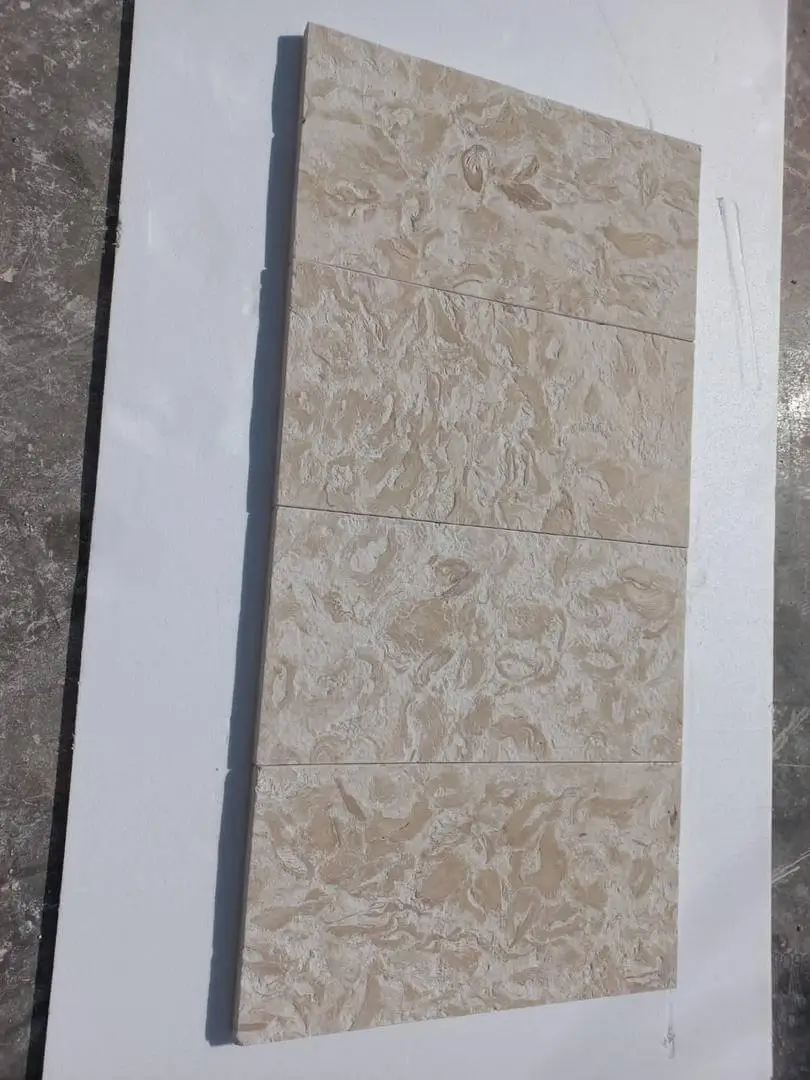
The substrate condition matters more than most specifiers realize. In clay-heavy soils common throughout Central Arizona, you’ll discover that base materials have often bonded to the underside of pavers through moisture cycling. Your removal technique needs to account for this adhesion—attempting to pry stones free without addressing the bond results in fractured units. Professional paving stone extraction techniques Arizona require you to break this bond systematically rather than forcing it.
Mechanical Separation Methods
The primary challenge in paving stone removal Arizona work is separating units from their setting bed without inducing fractures. You have several mechanical approaches, each suited to specific conditions and salvage objectives. Your method selection should match the installation type, stone condition, and whether you’re planning reuse or disposal.
For sand-set installations in good condition, you’ll achieve best results using flat pry bars with 18-24 inch handles. You need to work the bar into joints at multiple points around each stone rather than levering from a single position. The technique requires you to create gradual separation by progressively loosening all edges before attempting to lift any individual unit. When you rush this process, you generate point loads that exceed the stone’s tensile strength, resulting in corner breaks or complete fractures.
Mortar-set installations demand different paving stone extraction techniques Arizona than sand-set systems. You can’t simply pry these units free—the bond strength typically exceeds the stone’s internal cohesion. Your approach must involve:
- You should use an angle grinder with diamond blade to cut through mortar joints around the perimeter of each stone
- Your cuts need to penetrate fully through the mortar layer, typically 3/4 to 1-1/4 inches depending on original installation specifications
- You’ll require dust suppression during cutting—Arizona’s dry climate creates visibility and respiratory hazards without water application
- You must evaluate whether individual stone salvage value justifies the labor cost versus full demolition and replacement
Pneumatic tools offer advantages for large-scale paving stone removal Arizona projects where salvage isn’t the primary objective. Air chisels with flat blade attachments can rapidly separate stones from setting beds, but you’ll see fracture rates above 60% with this approach. It’s appropriate when you’re removing deteriorated installations for complete replacement and disposal. The technique works efficiently in commercial applications where time constraints outweigh material recovery considerations.
Joint Sand Removal Protocols
You can’t execute effective paving stone extraction techniques Arizona without first addressing joint sand. The sand locks units together in sand-set installations and provides lateral stability throughout the system. When you attempt to remove stones without extracting joint sand, you’re essentially trying to separate pieces that are mechanically interlocked. This generates unnecessary force requirements and dramatically increases breakage rates.
Your joint clearing process should begin with surface cleaning using compressed air or a leaf blower to remove loose material from the top 1/2 inch of joints. This initial pass reveals the actual joint width and condition. In Arizona installations, you’ll frequently discover that polymeric sand has been used in joints—this material hardens into a semi-rigid mass that requires mechanical removal rather than simple extraction.
For installations with standard joint sand, you’ll achieve efficient removal using shop vacuum equipment with crevice attachments. You need to work systematically across the removal area, extracting sand to a depth of at least 1-1/2 inches in all joints. This depth provides clearance for pry bar insertion and reduces lateral friction during stone lifting. The vacuum approach minimizes dust generation compared to compressed air blowing, which matters significantly in residential paving stone removal Arizona projects where neighbor relations and local dust ordinances come into play.
Polymeric sand joints require saw cutting for effective removal. You’ll need to make shallow cuts along joint centerlines using a 4-inch diamond blade, then extract the fractured polymeric material with chisels or screwdrivers. This adds substantial labor time to removal projects—factor 40-50% longer extraction timelines when you’re dealing with polymeric sand installations. The alternative is accepting higher breakage rates as you force stones free against the hardened joint material.
Base Layer Considerations
What happens beneath the pavers affects your paving stone removal Arizona strategy more than surface conditions. Arizona’s temperature extremes create base layer complications that don’t occur in temperate regions. You’ll encounter aggregate that has partially cemented through calcium migration from hard water, decomposed granite that has compacted beyond normal density, and clay intrusion in areas with poor drainage.
When you lift the first few stones, you should immediately assess base adhesion. If stones come free cleanly with minimal base material attached to their undersides, you’re working with a stable, properly installed base. However, if you see significant aggregate clinging to stone undersides, you’re dealing with base degradation that will complicate the entire removal process. This condition indicates that your prying technique needs modification to account for the bond strength between stone and base.
The base type affects your tool selection and technique:
- You’ll find that crushed rock bases with angular aggregate provide better release characteristics than rounded gravel bases
- Your extraction force requirements increase by 30-40% when working with decomposed granite bases that have fully compacted over time
- You need to identify areas where tree roots have infiltrated the base layer, as these zones require cutting before stone removal can proceed
- You should recognize that base materials in areas with poor drainage often develop clay contamination that creates suction effects during stone lifting
In situations where base adhesion proves problematic, you can introduce water along the perimeter of stones scheduled for removal. The moisture temporarily reduces friction and breaks the surface tension holding bases to stone undersides. You’ll need to wait 15-20 minutes after water application before attempting extraction. This technique works particularly well in paving stone removal Arizona projects during cooler months when evaporation rates remain manageable. Summer applications require you to work quickly before applied water evaporates in the 10-15% humidity conditions common throughout the state.
Thermal Timing Strategies
Arizona’s extreme diurnal temperature swings create opportunities for strategic timing in paving stone removal projects. You can exploit thermal expansion and contraction cycles to reduce extraction force requirements and minimize damage. The same temperature variations that stress materials during service can work to your advantage during removal if you time operations appropriately.
Surface temperatures on dark-colored pavers regularly reach 160-180°F during summer afternoons in Phoenix and Tucson. At these temperatures, stones have expanded to their maximum dimensions, joints have tightened, and the entire system exists in a state of compression. Attempting paving stone removal Arizona work under these conditions means you’re fighting against thermal expansion forces that can exceed 200 pounds per linear foot of constraint. You’ll see dramatically higher breakage rates and experience greater difficulty inserting tools into joints.
Your optimal removal timing targets early morning hours when stones have contracted to their minimum dimensions. The temperature differential between 5:00 AM and 2:00 PM can represent 80-100°F on surface temperatures, translating to approximately 0.024 inches of linear contraction per 10 feet of pavement. This might seem trivial, but it’s enough to noticeably reduce joint friction and create working clearance for extraction tools.
Seasonal timing matters for paving stone extraction techniques Arizona as much as daily timing. Winter months provide more stable conditions with reduced thermal cycling amplitude. You’ll experience more consistent material behavior and encounter fewer thermally-induced stress fractures in stones that might otherwise remain intact. The trade-off involves potential moisture complications in northern Arizona where winter precipitation can saturate base layers, but this rarely affects projects in the Phoenix metropolitan area.
Edge Restraint Management
Before you can efficiently execute paving stone removal Arizona in the field area, you must address edge restraints. Most professional installations include concrete edge restraints, plastic edging systems, or steel edge constraints that lock the perimeter stones in place. These restraints prevent the lateral movement necessary for stone extraction, and attempting to remove field stones before addressing edges typically results in a cascading failure pattern where stress transfers throughout the installation.
You’ll need to determine restraint type through inspection and probing. Concrete mow curbs represent the most common edge detail in Arizona residential work. These curbs extend 6-8 inches below finish grade and create a rigid barrier against which pavers bear. Your removal sequence must start at locations where you can access stones that aren’t constrained by these edges—typically at transition points where pavers meet other materials or at deliberately created access points.
The practical approach for paving stone demolition Arizona with concrete edges involves:
- You should identify the most accessible edge section where concrete can be scored and fractured to create a starting point
- Your scoring requires multiple passes with a concrete saw to achieve 60-70% depth penetration before impact fracturing
- You’ll need to protect adjacent landscape and hardscape elements with temporary barriers during edge removal
- You must verify that underground utilities don’t run beneath edge restraints before cutting or impact work begins
Plastic edging systems offer easier removal but present different challenges. The material often becomes brittle after years of UV exposure in Arizona’s intense sunlight. You can typically cut through degraded plastic edging with a reciprocating saw, but you’ll encounter situations where the edging has fragmented and pieces remain embedded in the base layer. Your extraction work needs to account for these fragments to prevent them from interfering with subsequent stone removal.
Salvage Evaluation Criteria
Not every stone you extract during paving stone removal Arizona projects merits salvage and reuse. You need objective criteria to make field decisions about which units justify cleaning and storage versus immediate disposal. The evaluation process should occur as stones are removed, allowing you to segregate materials into reuse, secondary use, and disposal categories in real-time rather than handling materials multiple times.
Your primary salvage criterion is structural integrity. You should reject any stone with cracks that penetrate more than 25% of the unit thickness, regardless of surface appearance. These fractures will propagate under service loads during reinstallation. Corner chips less than 1 inch measured diagonally from the corner might be acceptable for non-visible locations, but edge spalling that exceeds 1/4 inch depth along any edge longer than 6 inches indicates a unit that won’t perform adequately in reuse applications.
Surface wear patterns affect salvage value differently depending on planned reuse. If you’re planning to flip stones and expose the previously hidden underside, you have more flexibility in accepting units with worn top surfaces. However, you need to verify that undersides don’t show significant base material adhesion or damage from removal operations. Arizona installations often reveal better-preserved undersides because base layers remain relatively dry compared to humid regions where moisture-induced degradation affects all surfaces.
For paving stone salvage methods Arizona projects where material will be sold or donated, you should apply more stringent standards:
- You’ll need uniformity in coloration within each batch, as UV fading creates variations that become obvious when mixed units are reinstalled
- Your dimensional tolerances should stay within 1/8 inch variation across a batch to ensure consistent joint spacing during reinstallation
- You must verify that stones remain flat within 1/16 inch across their diagonal measurement to prevent rocking in the finished installation
- You should confirm that all salvaged units come from the same manufacturer and product line when possible to maintain consistency
Protection During Handling
The handling phase between extraction and final disposition causes more damage in paving stone removal Arizona work than the actual removal operation. You’ll negate careful extraction efforts if stones chip, crack, or spall during transport and storage. Your handling protocols need to match the fragility level of materials—stones that survived removal might still fracture if dropped or stacked improperly.
You should implement cushioned contact at every handling stage. When you set extracted stones down, place them on sand beds, cardboard, or rubber mats rather than directly on concrete surfaces. The impact resistance of natural stone materials varies significantly by type and weathering condition. A limestone paver that survived 15 years in service might be brittle enough to fracture from a 12-inch drop onto concrete, while a granite unit could tolerate much more severe impact.
Stacking height limits prevent overload damage to stones in storage. You’ll want to restrict stacks to 4-5 units maximum for standard 2-inch thick pavers. Greater heights create point loads at contact points between stones that can exceed compressive strength in weakened areas. If you must stack higher for space efficiency, you need to introduce separation layers of rigid foam or cardboard between every 3-4 stones to distribute loads more evenly across surfaces.
Transportation requires particular attention in paving stone deconstruction Arizona projects. You should never transport loose stones in truck beds where they can impact each other during transit. Effective approaches include wrapping individual stones in moving blankets, separating stones with cardboard dividers, or placing units in compartmented crates. The investment in proper transport protection pays for itself through reduced breakage—losing 10% of salvaged material to transport damage eliminates the profit margin on most removal projects where material recovery provides economic justification.
Equipment Selection by Project Scale
Your equipment needs for paving stone removal Arizona scale with project size and salvage requirements. A 200-square-foot residential patio removal demands different tools than a 5,000-square-foot commercial plaza demolition. You’ll waste resources by over-equipping small projects, but you’ll hemorrhage labor costs if you under-equip large installations.
For projects under 500 square feet where you’re targeting high salvage rates, your essential kit includes flat pry bars in 18-inch and 24-inch lengths, rubber mallets for persuasion without damage, shop vacuum with extended hose for joint sand removal, hand tools for edge restraint work, and adequate personal protective equipment. This hand tool approach maximizes control and minimizes damage but becomes prohibitively labor-intensive on larger projects. You’ll typically see costs of $8-12 per square foot for careful hand removal with salvage rates above 85%.
Mid-scale projects from 500-2,000 square feet justify limited mechanization. You can introduce pneumatic chisels for edge restraint removal while maintaining manual stone extraction. Mechanical joint cleaning tools using oscillating blades accelerate sand removal compared to vacuum extraction. For guidance on related paving options in Arizona’s climate, see our paver stone delivery service for comprehensive comparison data on replacement materials. You should evaluate whether targeted mechanization reduces overall project timeline enough to offset equipment rental costs—typically worthwhile when labor rates exceed $35 per hour.
Large-scale paving stone demolition Arizona exceeding 2,000 square feet typically prioritizes speed over salvage unless materials have significant recovery value. You’ll employ skid-steer loaders with bucket attachments to scrape and load material for disposal. This approach destroys 90% or more of stones but reduces labor to $1.50-3.00 per square foot. The economic calculation becomes straightforward: if salvaged material value exceeds $6-8 per square foot and you have identified buyers, careful removal makes financial sense. If material value is minimal and disposal costs remain reasonable, mechanical demolition proves more cost-effective.
Adjacent Installation Protection
You rarely work on paving stone removal Arizona projects where the entire installation faces removal. More commonly, you’re replacing damaged sections, reconfiguring layouts, or removing portions while leaving surrounding areas intact. Your extraction techniques must protect adjacent stones that will remain in place—damage to these surrounding areas creates expanding project scope and cost overruns.
The primary protection mechanism involves working from the removal area outward toward boundaries with areas that remain. This sequence prevents you from disturbing stable areas while trying to access removal zones. You should never attempt to work from stable areas into removal zones because the force vectors you generate during extraction transmit into the adjacent installation, potentially displacing or fracturing stones you intend to preserve.
When you’re working near the boundary between removal and preservation areas, you need to modify your extraction technique:
- You should reduce pry bar leverage by using shorter tools that limit force application at any single point
- Your lifting approach must incorporate vertical motion rather than lateral rocking to prevent force transmission into adjacent units
- You’ll need to maintain full joint sand in the preservation area up to the last row of stones that remain, removing sand only from joints within the removal zone
- You must install temporary edge restraint along the new boundary before removing the last row of stones to prevent lateral migration in the preserved section
Ground protection matters when you’re staging removed stones adjacent to areas that remain in service. You should establish dedicated staging areas where extracted materials won’t risk falling or being knocked onto finished surfaces. A single dropped stone can chip or crack multiple installed units if it impacts a paved surface from even modest height. Professional paving stone extraction techniques Arizona include perimeter barriers that create physical separation between work zones and completed areas.
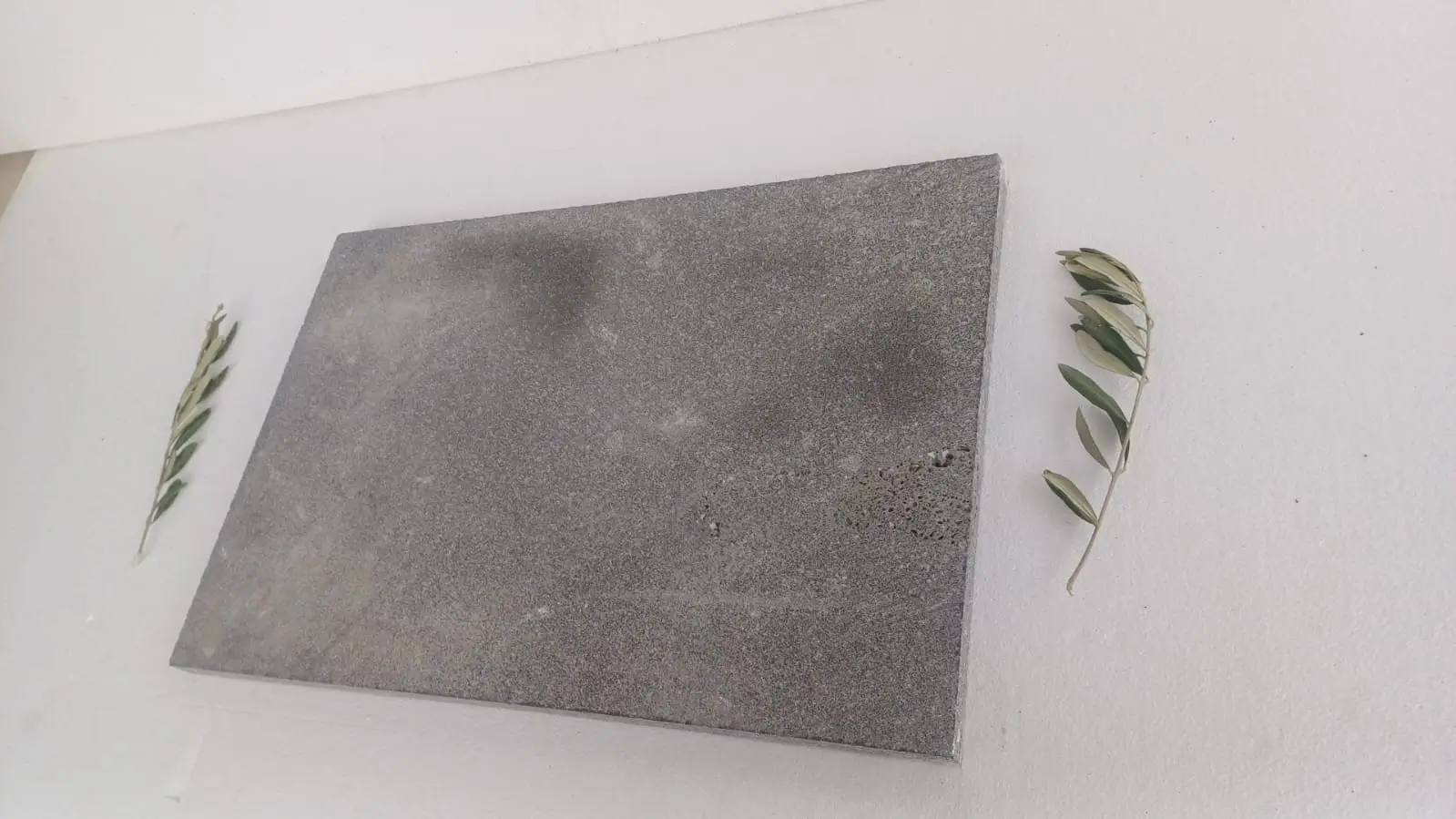
Pavement Stones for Sale in Arizona: Citadel Stone Specification Guidance
When you consider Citadel Stone’s pavement stones for sale in Arizona for your replacement projects, you’re evaluating materials engineered specifically for the state’s extreme climate demands. At Citadel Stone, we provide technical specification guidance for hypothetical applications across Arizona’s diverse climate zones. This section outlines how you would approach material selection and installation planning for six representative cities where removal and replacement projects commonly occur.
Arizona’s geography creates climate extremes from desert valleys to high-altitude plateaus, requiring you to match material specifications to local conditions. You’ll need to account for factors including thermal cycling amplitude, UV exposure intensity, precipitation patterns, and soil characteristics. Professional specification work demands that you understand these regional variations rather than applying generic standards across all locations.
Phoenix Heat Resistance
In Phoenix, you’d encounter extreme thermal conditions where surface temperatures exceed 165°F on summer afternoons. Your material selection would need to prioritize thermal stability and low expansion coefficients. You should specify materials with proven performance in sustained high-heat environments, focusing on options with light coloration that reflect rather than absorb solar radiation. When you plan installations in Phoenix’s urban heat island, you’d want to verify that selected materials maintain surface temperatures below pain threshold limits for residential applications. The base layer specification becomes critical—you’d need aggregate materials that resist degradation under the thermal cycling between 115°F daytime and 85°F nighttime temperatures throughout summer months.
Tucson UV Exposure
Your Tucson specifications would address intense UV radiation at 2,400 feet elevation where atmospheric filtering is reduced compared to sea level locations. You’d need to evaluate how materials resist color fading over 15-20 year service life under this exposure. When you specify pavement stones for Tucson projects, you should focus on materials with UV-stable pigments and dense surface structures that resist oxidation. The city’s bimodal precipitation pattern—monsoon moisture in summer followed by winter rains—means you’d need to account for wet-dry cycling in addition to thermal stress. Your installation details would need to incorporate drainage specifications that handle intense monsoon events delivering 2-3 inches of precipitation in 60-90 minutes.
Scottsdale Aesthetic Standards
Scottsdale applications typically involve high-end residential and resort installations where aesthetic consistency matters as much as performance. You’d need to specify materials with tight dimensional tolerances and color uniformity within batches. When you develop specifications for Scottsdale projects, you should account for the city’s design review standards that often mandate specific color palettes and surface finishes. Your material selection would emphasize options that maintain visual appearance throughout their service life rather than developing patina or weathering patterns. The specification would need to address joint sand color coordination, edge detail finishing, and integration with landscape elements common in luxury applications.
Flagstaff Freeze Protection
In Flagstaff at 7,000 feet elevation, you’d face freeze-thaw cycling that doesn’t occur in Arizona’s lower-elevation cities. Your material specifications must address porosity limits and water absorption rates to prevent freeze-induced spalling. You should verify that materials meet minimum compressive strength standards of 8,000 PSI and show water absorption below 5% by weight. When you plan Flagstaff installations, you’d need base layer specifications that account for frost depth penetration and seasonal heaving potential. The installation would require increased depth to place the base below frost line, typically 18-24 inches in this climate zone. Your joint specifications would incorporate polymeric sand or similar materials that resist degradation from moisture cycling while maintaining flexibility during freeze-thaw events.
Mesa Soil Considerations
Mesa’s expansive clay soils create subsurface conditions that affect base preparation and long-term performance. You’d need to specify increased base thickness—typically 8-10 inches of compacted aggregate rather than the 6-inch minimum used in stable soil areas. When you design for Mesa’s soil conditions, you should incorporate geotextile separation layers that prevent clay intrusion into the aggregate base. Your specification would address moisture barriers because clay soil expansion during seasonal moisture variations can generate uplift forces exceeding 3,000 pounds per square foot. The edge restraint details would need enhancement to resist lateral forces from soil movement, requiring you to specify deeper edge footings or mechanical anchoring systems not necessary in other locations.
Yuma Extreme Conditions
Your Yuma specifications would address the most extreme heat conditions in Arizona, where temperatures exceed 110°F for extended periods and surface conditions reach 180°F regularly. You’d need to evaluate material thermal mass properties carefully because excessive heat retention affects usability for pedestrian applications. When you specify materials for Yuma, you should focus on light-colored options with high solar reflectance index values above 50. The specification would need to account for minimal precipitation—less than 3 inches annually—meaning you’d adjust drainage requirements compared to other Arizona cities. Your installation details could reduce base permeability specifications while maintaining surface drainage pathways, since subsurface saturation rarely occurs in this environment.
Disposal Versus Reuse Economics
Every paving stone removal Arizona project requires you to make economic calculations about material disposition. The break-even analysis between careful removal with salvage versus rapid demolition with disposal depends on multiple variables including material value, labor costs, disposal fees, and market demand for used materials. You need to run these numbers before committing to an extraction approach rather than discovering mid-project that your method doesn’t align with economic reality.
Disposal costs in Arizona vary by location and material type. You’ll encounter landfill tipping fees ranging from $35-75 per ton for inert materials in most jurisdictions. A typical 2-inch thick paver installation weighs approximately 20-25 pounds per square foot, meaning a 1,000-square-foot removal generates 10-12 tons of material. Your disposal cost alone approaches $400-900 before accounting for loading and transport. These figures make material recovery economically attractive when you can identify buyers willing to pay $2-4 per square foot for salvaged pavers in good condition.
The labor cost differential between salvage-focused removal and demolition-oriented removal typically runs 5:1 or higher. You might spend 4-6 labor hours per 100 square feet on careful paving stone deconstruction Arizona with high salvage rates, compared to 0.5-1.0 labor hours for mechanical demolition. At $40-50 per labor hour, this represents $160-300 in labor costs for salvage versus $20-50 for demolition per 100 square feet. Your salvage approach only makes financial sense when recovered material value exceeds this labor cost differential plus the savings from avoided disposal fees.
Market demand for salvaged pavers in Arizona remains moderate but steady. You’ll find buyers through online marketplaces, architectural salvage yards, and landscape contractors seeking cost-effective materials for secondary applications. Realistic pricing for salvaged material in good condition ranges from $1.50-3.50 per square foot depending on type, color consistency, and quantity available. When you factor in the effort required to clean, sort, and market salvaged materials, you’ll discover that high-volume removal projects rarely justify salvage unless material is premium natural stone with values exceeding $8-10 per square foot in new condition.
Base Removal and Site Restoration
Your paving stone removal Arizona project doesn’t end when the last paver is extracted. You need to address base layer removal or reconditioning and prepare the site for its next use phase. The approach depends entirely on what comes next—are you installing replacement pavers, converting to landscape, or preparing for structural construction? Each scenario demands different base treatment.
When you’re installing replacement pavers immediately, you should evaluate whether the existing base can be reused. A properly installed base that has remained stable and hasn’t developed contamination can often be releveled and recompacted for new pavers. You’ll need to remove the top 1-2 inches of setting bed material regardless, as this layer typically shows disturbance from the removal process. Your assessment should include probing for soft spots, checking grade for proper drainage maintenance, and verifying that base thickness meets current standards for the intended application.
Complete base removal becomes necessary when you’re converting the area to different use or when the base has degraded beyond salvageability. You’ll typically need to excavate 6-10 inches below finish grade to remove standard base installations. This work proceeds efficiently with skid-steer equipment on accessible sites, but you might need to rely on manual excavation in restricted-access locations. The excavated base material is inert and generally acceptable at standard landfills, though you should verify disposal requirements with your hauler before assuming acceptance.
Site restoration for landscape conversion requires you to address these elements:
- You should verify that all edge restraint materials have been completely removed to prevent interference with plant root development
- Your excavation must reach proper depth for landscape installation, typically matching surrounding grade or achieving specified finished elevations
- You’ll need to import topsoil or soil amendments if the underlying material consists of base aggregate unsuitable for plant growth
- You must reestablish drainage patterns that direct water away from structures and prevent ponding in the converted area
Safety Protocols and Risk Management
You can’t execute paving stone removal Arizona projects without comprehensive safety protocols that protect workers and property. The work involves repetitive lifting, operation of power tools, generation of dust and noise, and potential for struck-by hazards from falling or dropped materials. Your safety program needs to address these specific risks rather than relying on generic construction safety measures.
Personal protective equipment requirements start with eye protection rated for impact and dust. You’ll need safety glasses with side shields as minimum protection, upgraded to goggles when working with grinders or saws that generate substantial dust. Hearing protection becomes mandatory when operating pneumatic tools or concrete saws for extended periods—noise levels easily exceed 90 dBA at operator position. Your crew needs work gloves with reinforced palms to prevent abrasion injuries during stone handling, and steel-toe boots to protect against impact from dropped materials.
Dust control during paving stone removal Arizona work is both a safety requirement and often a local ordinance compliance issue. You should implement water suppression when cutting concrete edges or mortar joints, using equipment with integrated water feed systems when available. For joint sand removal and general dust generation, you’ll want HEPA-filtered vacuum systems that capture fine particles rather than redistributing them into breathing zones. When working in residential areas, you need to monitor dust migration beyond the work site and adjust operations if neighbors are affected.
Ergonomic hazards from repetitive lifting and awkward postures cause more injuries in removal work than acute incidents. You should train crews in proper lifting technique that emphasizes leg drive rather than back extension, and implement team lifting protocols for stones exceeding 40-50 pounds. Your work planning needs to incorporate rotation between tasks so individual workers aren’t performing identical motions continuously throughout shifts. When you’re managing projects that span multiple days, you’ll notice productivity decreases if you don’t manage cumulative fatigue through appropriate task rotation and break schedules.
Final Considerations
Your success with paving stone removal Arizona projects ultimately depends on matching methods to specific conditions rather than applying one-size-fits-all approaches. The climate-driven challenges in Arizona—extreme thermal cycling, intense UV exposure, variable precipitation patterns, and diverse soil conditions—create removal scenarios that demand adaptable techniques. You’ll achieve optimal outcomes when you assess each project individually, select appropriate extraction methods based on material condition and salvage objectives, protect surrounding installations, and maintain focus on both economic efficiency and material recovery where justified.
The distinction between careful paving stone extraction techniques Arizona and aggressive demolition approaches should drive your project planning from the initial estimate phase. You need to establish clear objectives regarding salvage rates, timeline constraints, and budget limitations before crews begin field work. When you’re targeting material recovery, you must implement handling and storage protocols that protect extracted stones through disposition. For projects where speed and cost minimization outweigh recovery concerns, you should select appropriately aggressive methods that eliminate unnecessary labor while maintaining safety standards. For additional installation insights, review Freeze-thaw cycle effects on paving stones in Arizona before you finalize your project documents. Citadel Stone maintains inventory depth as comprehensive paver stone supply in Arizona source.