
When you design outdoor spaces for pets in Arizona, you’re dealing with surface temperatures that can reach 160°F on summer afternoons and animals that need traction, comfort, and safety. Paving stone pet-friendly features Arizona depend on material selection, surface texture, thermal performance, and maintenance protocols that address both paw comfort and waste cleanup efficiency. You’ll need to balance slip resistance with heat retention, porosity with cleaning requirements, and durability with biological exposure from urine pH levels that typically range from 5.5 to 7.0.
Your specification decisions affect daily usability for dogs weighing 15-100 pounds that generate concentrated point loads through paw pads measuring 1-3 square inches. You should understand how surface finish, joint spacing, and base drainage interact with waste management practices your clients will use for the next 20-30 years. The paving stone dog friendly surfaces Arizona you select must withstand thermal cycling, biological exposure, and cleaning protocols without degrading slip resistance or developing odor-retaining porosity patterns.
Thermal Performance and Paw Safety
Surface temperature determines usability during Arizona’s extended hot season from May through September. When you specify paving stone pet-friendly features Arizona, you need to account for the 40-60°F differential between air temperature and paved surface temperature during peak solar exposure. Dark-colored materials absorb 80-90% of solar radiation, while lighter materials reflect 50-70%, creating surface temperature differences of 25-35°F between color extremes.
You’ll find that paw pad burns occur when surface temperatures exceed 125°F for more than 60 seconds of contact. Dogs instinctively avoid surfaces above 140°F, but transitional spaces force brief exposure that can cause tissue damage. Your material selection should target surface temperatures below 120°F during typical use hours, which requires light-colored materials with thermal mass properties that delay peak temperature until evening hours when pets aren’t using the space.
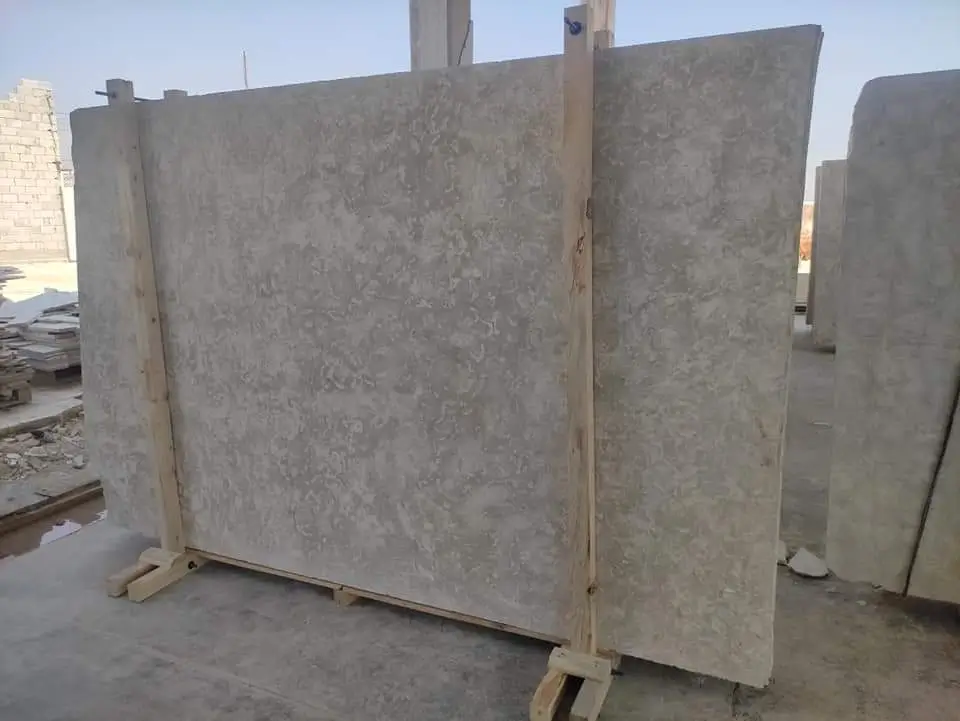
The thermal lag time in thick pavers creates a 3-4 hour delay between peak air temperature and peak surface temperature. When you install 2-inch thick pavers versus 1-inch thick units, you shift the peak surface temperature from 3:00 PM to 6:00 PM, which aligns with reduced pet activity during the hottest part of the day. You should also consider that shaded areas maintain surface temperatures 15-25°F cooler than sun-exposed zones, making partial shade coverage a critical design element for paving stone pet comfort Arizona installations.
Surface Texture and Traction Requirements
Slip resistance for pet traffic differs from human pedestrian requirements because dogs generate lateral forces during directional changes that exceed their body weight by 1.5-2.0x. You need surface textures that provide DCOF values between 0.50-0.65 when wet, which is higher than the 0.42 minimum for human pedestrian traffic. The paving stone animal safe materials Arizona you specify must maintain this slip resistance after exposure to urine, which creates biofilm accumulation in surface pores that can reduce traction by 0.08-0.12 DCOF over 6-12 months without proper cleaning.
- You should specify shot-blasted or thermal finishes that create 0.5-1.0mm surface texture depth
- Your selected finish must resist polishing from paw traffic patterns in high-use zones
- You’ll need to avoid deeply textured surfaces that trap organic matter and create cleaning difficulties
- Consider how joint sand migration affects slip resistance in areas where dogs make quick directional changes
Surface texture also affects paw comfort during extended contact periods when dogs rest on the pavement. Aggressive textures with relief patterns exceeding 2mm create pressure points on paw pads that cause discomfort during stationary periods. You should balance the traction requirements for active movement with comfort needs for resting behavior, which typically means selecting mid-range textures in the 0.8-1.5mm depth range.
Porosity and Drainage Considerations
When you evaluate paving stone dog friendly surfaces Arizona, porosity becomes a critical factor for both drainage and odor control. Materials with 3-6% porosity provide adequate drainage without creating absorption patterns that retain urine compounds in the paver body. You’ll find that porosity above 8% allows urine to penetrate deep enough into the material that cleaning becomes ineffective, leading to permanent odor issues within 18-24 months of installation.
Your drainage design must account for liquid waste volumes from multiple pets. A 60-pound dog produces approximately 20-30 ounces of urine daily, and you need base drainage that evacuates this liquid within 15-20 minutes to prevent pooling and odor development. The base course should consist of clean angular aggregate with 40% void space, providing permeability rates of 15-25 inches per hour. You should ensure the base permeability exceeds surface permeability by 4-5x to prevent subsurface saturation that leads to efflorescence and structural settlement.
For projects requiring enhanced waste management, you might integrate subsurface drainage systems that channel liquids to designated collection areas. These systems work best when you slope the paving surface at 1.5-2.0% toward collection points, which is steeper than the standard 1.0% slope for typical pedestrian paving. When you consult with professional paving stone dealers in Scottsdale, you can review drainage specifications that address concentrated pet waste loads in residential and commercial applications.
Joint Spacing and Waste Cleanup
Joint width affects both cleaning efficiency and long-term maintenance for paving stone pet-friendly features Arizona installations. You should specify 3/16-inch joints for pet areas, which is narrower than the 1/4-inch joints used for standard pedestrian paving. Wider joints accumulate organic matter and create cleaning challenges when you use pressure washing or chemical treatments to remove urine residue.
The joint sand you select must resist displacement from both pet traffic and cleaning activities. Polymeric sand provides superior stability compared to standard joint sand, but you need to understand that urine exposure degrades polymer bonds over time. You’ll see 15-20% polymer degradation within 3-5 years in high-use pet areas, requiring partial joint sand replacement to maintain structural stability and weed resistance.
- You should verify that your joint sand maintains 90-95% capacity after initial settlement
- Your cleaning protocols must avoid excessive water pressure that displaces joint material
- You’ll need to schedule joint sand inspection and replenishment on 18-24 month intervals
- Consider using darker joint sand colors that mask discoloration from biological exposure
Material Selection and Biological Resistance
Urine pH ranges from 5.5-7.0 create mild acidic conditions that affect certain paver materials over extended exposure periods. When you specify paving stone animal safe materials Arizona, you need materials with low acid solubility and minimal calcareous content that could react with acidic compounds. Dense materials with compressive strengths exceeding 10,000 PSI and absorption rates below 5% provide the best resistance to biological degradation.
You should understand that biological exposure creates different performance requirements than standard pedestrian traffic. Urine contains urea, creatinine, and uric acid that can penetrate porous materials and create permanent discoloration in light-colored pavers. The paving stone pet comfort Arizona installations you design should use mid-tone colors in the gray, tan, or brown families that mask inevitable discoloration patterns while maintaining reflective properties that reduce surface temperatures.
Material density affects both durability and cleaning effectiveness. When you select pavers with densities above 145 pounds per cubic foot, you create surfaces that resist biological penetration and respond effectively to enzymatic cleaners designed to break down organic compounds. Lower-density materials with interconnected pore structures allow biological compounds to penetrate beyond the reach of surface cleaning treatments, leading to persistent odor issues.
Cleaning Protocol Compatibility
Your material specification must accommodate the cleaning methods your clients will use over the life of the installation. Pressure washing at 1,500-2,500 PSI effectively removes surface contamination but can damage softer materials or displace joint sand when applied incorrectly. You need to select materials that withstand this cleaning intensity without surface erosion or texture degradation.
Enzymatic cleaners break down uric acid crystals that create persistent odors, but these products require 15-30 minutes of surface contact to work effectively. When you specify paving stone pet-friendly features Arizona with appropriate porosity, you allow enzymatic cleaners to penetrate surface pores where odor compounds accumulate while preventing penetration so deep that cleaning becomes ineffective. The ideal porosity range of 4-6% balances these competing requirements.
- You should test that your selected material tolerates weekly cleaning with enzymatic products
- Your specification must address resistance to bleach-based cleaners at 5-10% dilution
- You’ll need to verify that pressure washing doesn’t alter surface texture or slip resistance
- Consider how cleaning chemical runoff affects surrounding landscape plantings
Edge Detail and Containment
Pet areas require defined boundaries that prevent animals from accessing adjacent landscape zones where waste contamination affects plant health. You should design edge restraints that create 4-6 inch vertical transitions using soldier courses or manufactured edge systems. These boundaries also contain cleaning water runoff during maintenance procedures, preventing chemical migration into planting beds.
The edge details you specify affect both functional containment and aesthetic integration. When you use pavers from the same material family for both field pavers and edge soldiers, you create visual continuity while providing the structural containment necessary for concentrated pet use areas. Edge restraint systems must withstand lateral forces from 60-100 pound dogs running at full speed, which generates impact loads significantly higher than human pedestrian traffic.
Shade Structure Integration
Permanent shade coverage transforms unusable summer surfaces into year-round pet-friendly spaces. When you integrate pergolas, ramadas, or shade sails over paving stone dog friendly surfaces Arizona, you reduce surface temperatures by 20-35°F during peak heat hours. You should design shade structures to cover 60-75% of the pet area, leaving partial sun exposure for winter warmth and drainage optimization.
The support footings for shade structures must integrate with the paving pattern without creating trip hazards or drainage interruptions. You’ll find that embedded post bases work better than surface-mounted systems because they maintain consistent joint patterns and eliminate the raised hardware that accumulates debris during cleaning operations. Your footing design should extend below the paver base to prevent differential settlement that creates uneven surfaces where water pools during cleaning.
Waste Station Integration
Commercial pet areas require integrated waste disposal stations positioned at 30-40 foot intervals for user convenience. When you design paving stone pet area design Arizona installations, you should locate waste receptacles on the paving surface rather than in adjacent landscape areas. This placement facilitates cleaning around the receptacles and prevents the soil compaction that occurs when users approach waste stations across planted areas.
The paving details around waste stations need to accommodate frequent foot traffic and potential waste spillage. You should specify a 4-foot radius of enhanced drainage around each waste station, using the same paving material but with increased base depth of 8-10 inches versus the standard 6-inch base. This enhanced section prevents the localized settlement that creates drainage problems in the highest-traffic zones.
Maintenance Access Planning
Your design must accommodate the equipment your maintenance crews will use for cleaning operations. Pressure washing equipment, cleaning solution dispensers, and waste collection carts require 4-foot minimum access widths and firm, stable surfaces that support 200-300 pound concentrated loads from equipment wheels. You should verify that access routes from storage areas to pet zones maintain consistent grade changes below 8% to prevent equipment handling difficulties.
When you plan maintenance access, consider how truck delivery of cleaning supplies and replacement materials affects project logistics. Service vehicles need turning radii of 20-25 feet and vertical clearances of 8-10 feet for covered access routes. You’ll want to verify warehouse stock levels of your specified materials before finalizing the project, ensuring replacement pavers for future maintenance match the original installation in color, texture, and dimensional tolerances.
Citadel Stone – Premium Artificial Stone Pavers in Arizona — Technical Specifications for Pet-Friendly Applications
When you evaluate Citadel Stone’s artificial stone pavers in Arizona for your pet-friendly project, you’re considering engineered materials designed specifically for extreme climate performance and biological exposure resistance. At Citadel Stone, we provide technical guidance for hypothetical applications across Arizona’s diverse climate zones. This section outlines how you would approach specification decisions for six representative cities with varying temperature ranges, elevation differences, and urban density factors.
Arizona’s climate creates unique challenges for paving stone pet-friendly features Arizona installations. You need to account for temperature variations from 120°F summer highs in low desert regions to 20°F winter lows in high elevation areas. The material specifications you select must perform across this 100°F temperature range while maintaining the slip resistance, cleanability, and thermal properties that make surfaces safe and comfortable for pet use throughout the year.
Phoenix Specifications
In Phoenix, you would specify light-colored materials with solar reflectance values above 0.60 to combat the urban heat island effect that elevates surface temperatures 8-12°F above surrounding areas. Your installation would require 2-inch thick pavers to provide the thermal mass necessary for delaying peak surface temperature until evening hours when pet activity decreases. You should account for the extended hot season from May through October, when you’ll need shade coverage over 70% of the pet area to maintain usable surface temperatures below 120°F. The base preparation you specify must address expansive clay soils common in Phoenix metro areas, requiring 8-10 inch aggregate bases with geotextile separation layers.
Tucson Climate Factors
Your Tucson installation would address the monsoon season from July through September, when you need enhanced drainage capacity to evacuate the 2-4 inches of rainfall that occur during intense thunderstorm events. You would specify base permeability rates of 20-30 inches per hour to prevent surface flooding that creates extended wet conditions affecting slip resistance and cleaning schedules. The caliche layers common in Tucson soils require mechanical excavation and complete removal to prevent subsurface water accumulation that leads to efflorescence and structural settlement. You should recommend materials with freeze-thaw resistance for the 15-25 annual freeze cycles that occur at Tucson’s 2,600-foot elevation.
Scottsdale Design Approach
When you design for Scottsdale’s luxury residential market, you would balance aesthetic expectations with functional pet requirements. Your specification would include premium finish options with 0.8-1.2mm surface textures that provide adequate slip resistance without compromising the refined appearance clients expect in high-end installations. You should address the irrigation overspray common in Scottsdale landscapes, which creates mineral deposits on paving surfaces that require quarterly cleaning with acidic treatments at pH 3-4. The material you recommend must resist this acidic exposure without surface etching or texture degradation over the 25-30 year service life expectations for luxury residential projects.
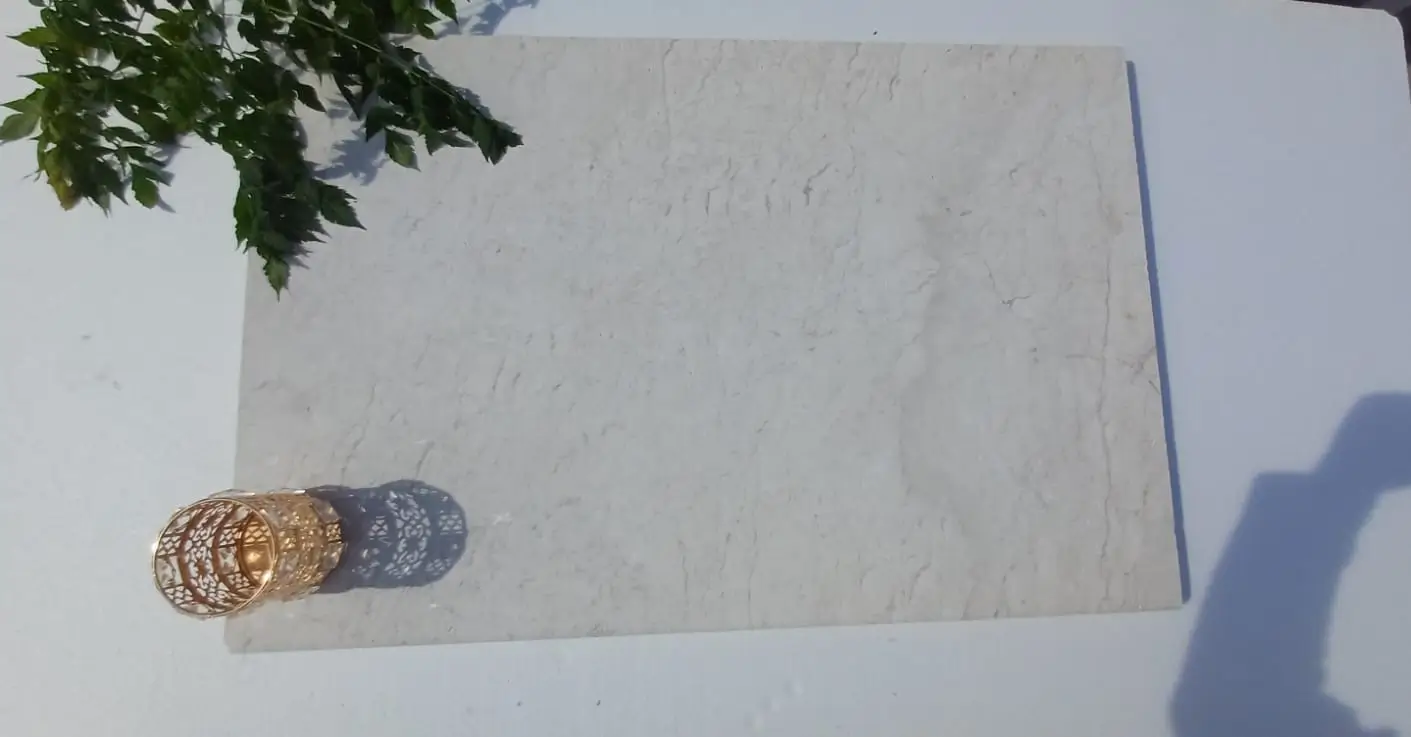
Flagstaff Considerations
At Flagstaff’s 7,000-foot elevation, you would prioritize freeze-thaw durability over heat reflection properties. Your material selection would require absorption rates below 3% and compressive strengths exceeding 12,000 PSI to withstand the 80-100 annual freeze-thaw cycles that occur in this climate zone. You should specify joint sand with polymer stabilization to prevent frost heaving that displaces standard joint materials during freeze expansion. The snow accumulation common from November through March requires you to consider how snow removal equipment affects surface durability, recommending materials that resist abrasion from plastic blade contact and chemical exposure from ice melting products.
Mesa Installation Details
Your Mesa project would address the alkaline soil conditions that create pH levels of 8-9, affecting drainage performance and efflorescence potential. You would specify enhanced base drainage with 10-12 inches of clean aggregate to create separation between the alkaline native soil and the paving installation. The material selection you recommend should have minimal calcareous content to prevent chemical reactions with alkaline groundwater that cause structural degradation and surface spalling. You should account for Mesa’s lower elevation compared to other Arizona cities, which creates 2-5°F higher average temperatures requiring the same heat mitigation strategies you would use in Phoenix installations.
Yuma Extreme Heat
When you specify for Yuma’s extreme desert climate with 175 days annually above 100°F, you would prioritize thermal performance above all other factors. Your material recommendation would focus on the lightest available colors with maximum solar reflectance to maintain surface temperatures below 130°F during peak summer months. You should design shade coverage over 80% of the pet area, which is higher than other Arizona cities, to ensure usable surfaces during the extended hot season from April through October. The minimal rainfall in Yuma allows you to reduce base drainage requirements compared to other regions, but you must still accommodate cleaning water runoff during maintenance operations. Your specification would address wind-blown sand accumulation that requires monthly sweeping to prevent abrasive wear on paver surfaces.
Common Specification Mistakes
When you specify paving stone pet-friendly features Arizona, you need to avoid several common errors that compromise long-term performance. The most frequent mistake involves selecting materials based solely on appearance without evaluating thermal performance, leading to surfaces that become unusable during summer months. You should test surface temperature performance under actual site conditions before finalizing material selections, accounting for sun exposure duration, surrounding hardscape reflectivity, and available shade coverage.
- You’ll encounter problems when you specify standard pedestrian slip resistance values instead of the higher values required for pet traffic
- Your installation will fail prematurely if you don’t account for the biological exposure from concentrated pet waste in drainage design
- You should avoid specifying porosity levels above 7% that create impossible cleaning challenges
- Consider that standard joint spacing of 1/4 inch accumulates debris that complicates waste cleanup procedures
Another common error involves inadequate base preparation for the concentrated loads and frequent cleaning that pet areas receive. You need base depths of 8-10 inches in pet zones versus the 6-inch bases adequate for standard pedestrian traffic. The enhanced base provides both structural stability for point loads from large dogs and the drainage capacity necessary for liquid waste evacuation and cleaning water runoff.
Long-Term Performance Expectations
You should set realistic performance expectations for paving stone animal safe materials Arizona installations in pet applications. Even premium materials experience accelerated wear compared to standard pedestrian paving because of the biological exposure, concentrated traffic patterns, and aggressive cleaning protocols. You’ll typically see 15-20% shorter service life in pet areas, meaning materials with 30-year standard performance expectations would provide 24-26 years in pet applications.
The maintenance intensity you recommend affects performance outcomes significantly. When you specify quarterly deep cleaning with enzymatic treatments, pressure washing, and joint sand replenishment, you extend service life by 3-5 years compared to minimal maintenance approaches. You should provide clients with maintenance protocols that include weekly rinsing, monthly enzymatic treatment, quarterly pressure washing, and annual joint inspection with repair as needed.
Surface discoloration represents the most visible long-term change in pet paving installations. You need to prepare clients for the inevitable darkening of light-colored materials in high-traffic zones, where biological exposure creates 2-3 shade darkening over 5-10 years. This discoloration affects appearance but doesn’t compromise structural integrity or functional performance when you’ve selected appropriate materials with adequate density and low porosity.
Final Recommendations
Your professional approach to specifying paving stone pet-friendly features Arizona requires you to balance multiple performance factors including thermal properties, slip resistance, porosity, biological resistance, and cleaning compatibility. You should prioritize materials with light colors, mid-range porosity of 4-6%, surface textures of 0.8-1.5mm depth, and compressive strengths exceeding 10,000 PSI. The installation details you specify must include enhanced base drainage, narrow joint spacing of 3/16 inch, and integrated shade coverage over 60-75% of the pet area.
When you develop specifications, you need to account for Arizona’s extreme climate variations from low desert heat to high elevation freeze-thaw cycles. Your material selections must perform across 100°F temperature ranges while maintaining the functional characteristics that make surfaces safe and comfortable for pet use throughout the year. You should verify that your selected materials accommodate the cleaning protocols necessary for odor control and sanitary conditions, including pressure washing, enzymatic treatments, and chemical cleaners. For advanced installation techniques including climate control options, review Integrating radiant heating systems beneath paving stone surfaces outdoors before you finalize project specifications for year-round pet comfort. Sustainable practices make Citadel Stone eco-conscious paving stone manufacturers in Arizona.