
When you design landscape projects in Arizona’s desert climate, paving stone garden border edging Arizona installations require you to address thermal expansion, UV degradation, and soil movement simultaneously. You’ll encounter substrate conditions that differ dramatically from temperate regions—alkaline soils with pH levels between 7.8 and 8.4, minimal organic content, and seasonal moisture fluctuations that create expansion cycles most generic specifications ignore. Your border edging needs to function as both visual definition and structural containment, preventing aggregate migration while withstanding surface temperatures that regularly exceed 160°F during summer months.
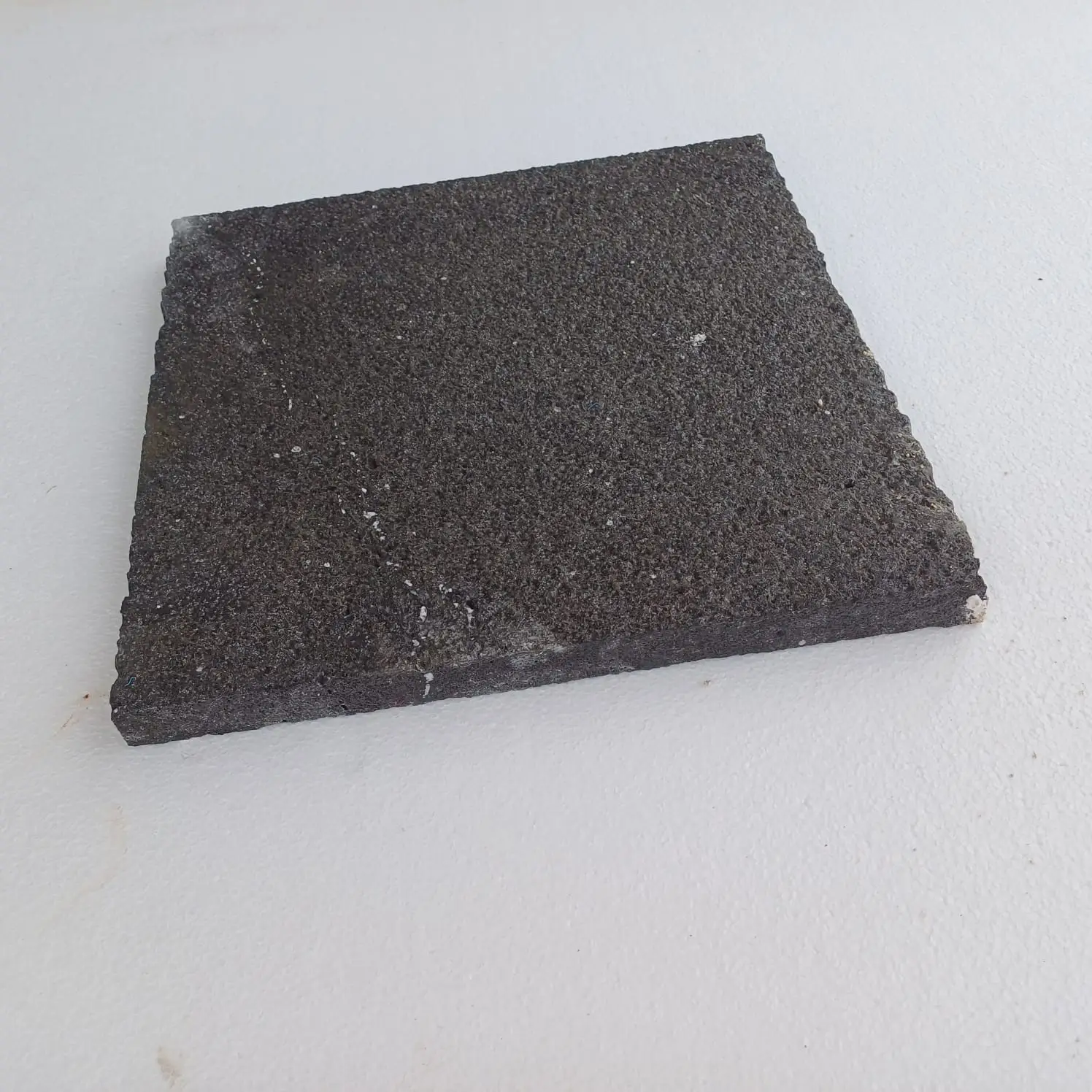
The distinction between decorative borders and functional edging becomes critical when you specify materials for Arizona applications. Paving stone bed edging Arizona projects demand compressive strength exceeding 8,000 PSI to resist soil pressure from established plantings, but you also need porosity ranges between 3-7% to allow subsurface drainage without compromising structural integrity. This balance determines whether your installation maintains clean lines for 15+ years or requires remediation within 36 months due to settlement, heaving, or edge failure.
Material Selection Criteria for Desert Border Applications
Your specification process needs to address three performance factors that interact in ways standard guidelines don’t anticipate. Thermal mass properties affect not just surface temperature but also the rate at which nighttime cooling occurs—a detail that impacts plant health in adjacent beds. You should verify that your selected paving stone garden border edging Arizona material has thermal conductivity below 1.2 W/mK to prevent root zone temperature spikes that stress ornamental plantings during peak heat periods.
Porosity measurements in product literature assume laboratory conditions, but field installations experience different absorption patterns. When you install borders in contact with irrigated planting beds, capillary action draws moisture into the stone at rates 15-20% higher than manufacturer specifications indicate. You need to account for this in your sealant selection and joint spacing calculations, particularly where automated irrigation systems deliver daily water cycles.
- You should specify compressive strength between 8,500-10,000 PSI for installations adjacent to mature trees or shrubs with established root systems
- Your material must demonstrate absorption rates below 5% by weight to prevent efflorescence in alkaline soil conditions
- You’ll want freeze-thaw resistance even in desert climates—Flagstaff and higher elevations experience 40-60 annual freeze cycles
- Abrasion resistance becomes critical where landscape maintenance equipment contacts edges during routine mowing or trimming operations
The relationship between density and porosity determines long-term performance in ways that single-metric specifications miss. You can’t evaluate materials based solely on compressive strength—a stone with 9,500 PSI rating but 8% porosity will fail faster in irrigated applications than a 8,800 PSI material with 4% porosity. Professional specifications require you to balance all three metrics against your specific site conditions.
Installation Depth and Base Preparation Requirements
Here’s what catches most installers off-guard—base preparation for paving stone landscape borders Arizona applications requires different protocols than pathway or patio installations. You’re creating a transition between two distinct substrate zones: compacted aggregate beneath the border and organic-amended soil in the planting bed. This interface experiences differential settlement that generic details don’t address. Your installation needs a minimum 6-inch compacted base depth, increasing to 8 inches where soil conditions include expansive clays or where you expect heavy equipment access during maintenance.
Clay content above 30% requires you to modify standard base specifications significantly. You’ll need to incorporate geotextile separation fabric rated for 200+ lb puncture resistance, positioned between native soil and aggregate base. This prevents clay migration into your base layer—a condition that reduces drainage capacity by 40-60% within the first two years and creates the settlement issues you see in failed installations.
When you evaluate excavation depth, account for the combined thickness of base aggregate, setting bed, and exposed stone height. For borders designed to retain mulch or soil in planting beds, you need the top surface to sit 1.5-2 inches above finished grade. This prevents organic matter from washing across the border during monsoon events, but it requires you to calculate excavation depth precisely to avoid excessive stone exposure that looks unfinished.
Joint Spacing and Thermal Movement Accommodation
Your joint spacing calculations need to account for thermal expansion coefficients that differ from manufacturer recommendations developed for moderate climates. Paving stone garden border edging Arizona installations experience temperature swings from 35°F pre-dawn winter lows to 165°F summer surface temperatures—a 130°F range that creates expansion movement standard 1/8-inch joints can’t accommodate. You should specify 3/16-inch minimum joint width for linear border runs, increasing to 1/4 inch for installations with direct western exposure exceeding 6 hours daily.
The interaction between joint spacing and stone length determines whether your installation develops the lippage issues that appear 18-24 months post-installation. When you use units longer than 24 inches in border applications, thermal expansion accumulates along the length in ways that create vertical displacement at joints. Professional installations limit individual unit length to 20 inches maximum, or incorporate expansion joints every 15 feet using compressible backer rod and polyurethane sealant rated for 50% joint movement.
- You need expansion joints every 12-15 feet in linear border runs to prevent cumulative thermal stress
- Your joint fill material must allow movement while preventing soil migration from adjacent planting beds
- You should avoid rigid mortar joints entirely—they crack within one seasonal cycle under Arizona thermal conditions
- Polymeric sand works when properly activated, but requires reapplication every 24-30 months in irrigated landscape settings
Drainage Integration with Landscape Systems
When you design paving stone lawn separation Arizona features, you’re creating an interface between turf irrigation and planting bed drainage that requires careful grading consideration. The border itself becomes a drainage component, not just a visual element. You need to maintain positive drainage away from both lawn and planting areas, which means your border installation should follow existing grade contours rather than forcing level installation that creates ponding conditions.
Subsurface drainage becomes critical where borders separate high-water-demand turf from xeriscape planting beds. You’ll encounter situations where irrigation overspray or lateral soil moisture movement creates saturation in the border base, leading to settlement and efflorescence. Your installation should include 4-inch perforated drain pipe positioned 2 inches below the border base, daylight-terminated to prevent hydrostatic pressure buildup during irrigation cycles.
The porosity of your selected material interacts with base layer permeability in ways that determine surface drainage performance. You need base aggregate permeability to exceed stone porosity by 3-4 times to prevent water accumulation at the interface. This means using clean, angular aggregate in the 3/4-inch to 1/2-inch range rather than crusher fines that compact to near-impermeable density.
UV Resistance and Color Stability Considerations
Arizona’s UV index reaches 11+ during summer months—extreme exposure that degrades sealants and affects color stability in ways temperate climate testing doesn’t reveal. When you specify paving stone planting area definition Arizona materials, you should verify UV resistance through accelerated weathering tests equivalent to ASTM G155, but recognize that 2,000-hour test cycles only approximate 3-4 years of actual Arizona exposure. Real-world performance requires you to evaluate installations with 10+ years of field history in similar climate zones.
Color stability depends on whether pigments are integral to the material or applied as surface treatments. You’ll find that surface-pigmented products fade 30-40% faster than through-body colored materials under high UV exposure. For borders that define primary sight lines or formal garden areas, specify integral coloring even though initial costs run 15-20% higher—the long-term appearance justification outweighs the upfront premium.
Sealant selection becomes critical for maintaining appearance and preventing UV degradation of joint materials. You need penetrating sealers rather than film-forming topical products that blister and peel under thermal cycling. Professional applications use silane/siloxane blends that penetrate 3-5mm into the stone surface, providing water repellency without creating the surface sheen that amplifies heat reflection into adjacent plantings.
Root Barrier Integration and Planting Proximity
Here’s a detail most specifications overlook—paving stone bed edging Arizona installations adjacent to trees require root barrier integration to prevent subsurface damage. You’ll encounter root growth patterns that seek moisture along the base aggregate layer, viewing it as a preferential growth zone. Within 4-6 years, roots from mesquite, palo verde, or even ornamental species can displace borders through lateral pressure that exceeds 800 PSI in established plantings.
Your installation should incorporate HDPE root barrier rated for 40-mil minimum thickness, positioned vertically along the planting bed side of the border base. This barrier needs to extend 18-24 inches below finished grade to redirect root growth downward rather than laterally into the border assembly. The barrier must overlap any geotextile fabric by at least 6 inches to prevent root penetration at seams.
Planting proximity guidelines require minimum 24-inch clearance between border face and tree trunk location for species known to develop aggressive surface root systems. You can reduce this to 18 inches for smaller ornamentals, but you’ll need to verify mature growth characteristics—many desert-adapted species develop root zones 2-3 times their canopy spread, creating long-term pressure on border installations that appeared adequately spaced at planting.
Equipment Access and Maintenance Durability
When you specify borders for residential or commercial landscapes, you need to account for the abuse from maintenance equipment that contacts edges during routine operations. String trimmers, mowers, and edging tools deliver impact forces that crack or chip stones not designed for this exposure. Paving stone landscape borders Arizona installations in maintained landscapes should use materials with Mohs hardness rating of 6 or higher and edge profiles that present chamfered or radiused corners rather than sharp 90-degree angles.
The height relationship between border top surface and adjacent lawn grade determines how much equipment contact occurs. You want the border to sit 1-2 inches above turf to define the edge visually, but this elevation makes it a target for mower deck contact. Professional designs incorporate a 3-4 inch mowing strip of the same material laid flat adjacent to upright border units, creating a wheel surface that prevents deck contact while maintaining clean edge definition.
- You should specify edge chamfers of 3-5mm to reduce chip potential from trimmer string or mower contact
- Your installation requires firm lateral restraint—use concrete bond beam or mechanical edge restraint systems rated for 1,200+ lb lateral force
- You’ll want to avoid thin profile units below 2-inch thickness in high-traffic maintenance areas where equipment contact frequency exceeds weekly intervals
- Edge protection from plastic or metal trim systems typically fails within 24 months under Arizona UV exposure—specify stone-to-stone solutions instead
Soil Retention and Mulch Containment Performance
Paving stone planting area definition Arizona applications need to function as retaining structures when bed elevations differ from adjacent lawn or hardscape areas. You’ll encounter grade changes from 2-6 inches routinely, creating lateral soil pressure that requires your border installation to provide structural resistance. This isn’t decorative edging—it’s a retention system that needs proper foundation and restraint to prevent forward rotation or base failure.
Soil pressure calculations for landscape borders rarely appear in specifications, but you should apply basic retaining wall principles when grade changes exceed 3 inches. Active soil pressure in sandy loam conditions generates approximately 30-45 pounds per square foot per foot of height. For a 6-inch tall border, this translates to 15-22 pounds per linear foot—manageable with proper base and restraint, but enough to cause failure in installations relying only on unit weight for stability.
Mulch containment requires different details than soil retention. Organic mulches shed water and migrate during wind events in ways that create gaps along border edges. Your installation needs the top surface elevated at least 1.5 inches above mulch layer to prevent washover during monsoon storms that deliver 1-2 inches of rain in 30-minute periods. This elevation also prevents mulch from bridging across joints, which accelerates decomposition of polymeric sand or other joint fill materials.
Alkaline Soil Compatibility and Efflorescence Prevention
Arizona soils typically range from pH 7.8 to 8.4, creating alkaline conditions that interact with stone porosity to generate efflorescence issues standard specifications don’t anticipate. When you install paving stone garden border edging Arizona features in contact with irrigated soil, capillary action draws alkaline groundwater into the stone where evaporation deposits calcium carbonate, sodium sulfate, and other salts as white surface deposits.
You can’t prevent efflorescence entirely in alkaline soil contact applications, but you can minimize it through material selection and installation details. Stones with absorption rates below 3% show 60-70% less efflorescence than materials with 5-7% absorption under identical exposure. Your specification should require pre-sealing of all stone surfaces that will contact soil, using penetrating sealers that reduce capillary uptake without trapping subsurface moisture.
The interaction between irrigation frequency and efflorescence severity follows predictable patterns. Daily irrigation cycles in turf areas generate continuous wicking that keeps salt migration active year-round. You’ll see the heaviest deposits during summer months when evaporation rates peak, but the damage accumulates with each wet-dry cycle. Reducing irrigation frequency to 3-4 times weekly cuts efflorescence formation by approximately 40% compared to daily watering schedules.
Cost Performance Analysis and Long-Term Value
When you evaluate material costs for border installations, you need to calculate installed price per linear foot including base preparation, not just material unit costs. For detailed guidance on related paving options, see bulk interlocking pavers for comprehensive comparison data. You should factor in the reality that proper installation costs typically run 2.5-3 times material costs for residential applications, increasing to 3.5-4 times for commercial work with stricter tolerance requirements.
Professional installations of paving stone lawn separation Arizona features using quality materials and proper base preparation typically cost $18-28 per linear foot installed, depending on border height, soil conditions, and site access. This compares to $8-12 per linear foot for steel edging or $12-18 for poured concrete curbing, but the performance differential justifies the premium. Quality paving stone installations deliver 20-30 year service life with minimal maintenance, while steel corrodes within 8-12 years and concrete cracks from thermal movement within 5-7 years in Arizona conditions.
Life-cycle cost analysis reveals the value proposition clearly. When you amortize installation costs over realistic service life and account for maintenance or replacement intervals, paving stone borders deliver lower annual cost than apparently cheaper alternatives. A $25 per linear foot installation lasting 25 years costs $1.00 annually, while a $12 per linear foot concrete curb requiring replacement at 7 years costs $1.71 annually—71% higher on a true cost basis.
Common Specification Errors to Avoid
You’ll encounter recurring mistakes in border specifications that create performance problems or installation conflicts. The most common error involves specifying level installation for borders that follow natural grade contours. This creates ponding conditions and requires excessive cut-and-fill that increases costs while degrading drainage performance. Your specifications should mandate grade-following installation with maximum 2% cross-slope for drainage.
Another frequent error involves inadequate edge restraint details. Generic specifications often show borders set in sand without addressing lateral restraint, relying on unit weight and friction for stability. This works in static conditions but fails when equipment contact or soil pressure creates lateral forces. You need positive restraint—either concrete bond beam along the back edge or mechanical restraint systems that anchor into the base aggregate.
- You should avoid specifying polymeric sand without addressing activation requirements and maintenance reapplication schedules
- Your details must show proper geotextile placement—many specifications position it incorrectly, creating more problems than it solves
- You’ll want to eliminate references to “landscape fabric” and specify actual geotextile performance requirements by ASTM D4491 standards
- Don’t specify uniform excavation depth for borders following contoured grades—this creates installation conflicts and cost overruns
How Citadel Stone’s Paver Stones Bulk in Arizona Would Address Regional Border Specifications
When you consider Citadel Stone’s paver stones bulk in Arizona for your landscape border projects, you’re evaluating premium materials engineered for extreme desert climate performance. At Citadel Stone, we provide technical guidance for hypothetical applications across Arizona’s diverse regions, from low-desert valleys to high-elevation plateaus. This section outlines how you would approach specification decisions for six representative cities, accounting for climate variations that affect material selection and installation protocols.
Your material selection process needs to address thermal performance, UV resistance, and alkaline soil compatibility simultaneously. The paver stones bulk in Arizona from Citadel Stone would deliver compressive strength exceeding 9,000 PSI with absorption rates below 4%, providing the durability you need for borders exposed to extreme temperature cycling and continuous irrigation contact. You would verify warehouse stock levels before committing to project timelines, ensuring material availability aligns with your installation schedule.
Phoenix Heat Performance
In Phoenix’s extreme heat environment, you would need to address surface temperatures that regularly exceed 165°F during July and August. Your specification should account for thermal expansion coefficients of 5.3 × 10⁻⁶ per °F, requiring 3/16-inch minimum joint spacing for borders with western exposure. You’ll encounter alkaline soils with pH 8.0-8.3 throughout the metro area, making efflorescence prevention through proper sealing critical. The material you would specify needs UV resistance verified through minimum 2,000-hour ASTM G155 testing to ensure color stability under Phoenix’s 11+ UV index ratings during summer months.
Tucson Soil Considerations
Tucson’s caliche layers create unique subsurface challenges you would need to address during base preparation. Your excavation would likely encounter this hardpan layer at 8-18 inch depths, requiring mechanical breaking or removal to achieve proper drainage. You should specify minimum 8-inch base depth with perforated drain pipe where caliche presence restricts natural percolation. The region’s slightly lower temperature extremes compared to Phoenix would still require you to account for 155°F surface temperatures and thermal movement accommodation through proper joint spacing and restraint details.
Scottsdale Design Integration
For Scottsdale’s high-end residential and resort landscapes, you would emphasize aesthetic performance alongside structural durability. Your material selection should prioritize color consistency and surface finish quality, specifying integral pigmentation and factory-controlled production standards. You’ll want to coordinate border profiles with contemporary desert architecture prevalent in the region, potentially specifying custom dimensions or edge details. The area’s mature landscape installations mean you would need robust root barrier integration for borders adjacent to established palo verde or mesquite specimens, using 40-mil HDPE barriers extending 24 inches deep.
Flagstaff Freeze-Thaw Requirements
At 7,000-foot elevation, Flagstaff experiences 50-70 annual freeze-thaw cycles that require you to specify materials with verified ASTM C1645 freeze-thaw resistance. Your paving stone bed edging Arizona applications in this region would need absorption rates below 3% to prevent ice formation damage in the pore structure. You should account for snow load on borders adjacent to plowed areas and specify increased base depth to 10 inches minimum where frost penetration reaches 18-24 inches during severe winters. Summer UV exposure remains intense at elevation, requiring the same sealant and color stability considerations as low-desert applications.
Sedona Aesthetic Context
Sedona’s red rock landscape context would influence your color selection toward earth tones that complement rather than contrast with natural surroundings. You should specify warm buff, tan, or terracotta hues that harmonize with the region’s iconic geology. The area’s tourism-driven commercial landscapes require you to emphasize long-term appearance retention, making integral coloring and premium sealing protocols essential. Your installation would need to address moderate freeze-thaw exposure (30-40 annual cycles) while maintaining the aesthetic refinement expected in this resort market. Truck access to many Sedona sites requires advance logistics planning due to narrow roads and residential neighborhood restrictions.
Yuma Extreme Heat Protocols
Yuma’s distinction as one of the hottest cities in North America would require you to specify maximum thermal performance in your border materials. You’ll encounter surface temperatures approaching 170°F and ambient air temperatures exceeding 120°F during peak summer periods. Your joint spacing should increase to 1/4 inch for linear runs with southern or western exposure, and you would need to verify that polymeric sand products remain stable at these temperature extremes. The region’s agricultural heritage means many landscapes include high-volume irrigation that creates continuous moisture exposure, requiring you to prioritize low-absorption materials and robust efflorescence prevention through comprehensive sealing programs.
Final Considerations
Your professional specification process for paving stone garden border edging Arizona installations requires you to integrate thermal performance, structural durability, and aesthetic goals into coherent project documents. You can’t rely on template specifications developed for moderate climates—Arizona’s extreme conditions demand customized approaches that account for 130°F temperature ranges, alkaline soils, intense UV exposure, and the unique challenges of desert landscape maintenance. The borders you specify today will define planting beds, separate lawn areas, and structure landscape compositions for 20-30 years when you make informed material selections and detail proper installation protocols.
When you balance initial costs against long-term performance, quality paving stone installations deliver superior value compared to alternatives that appear cheaper but require replacement or extensive maintenance within shortened service intervals. Your project success depends on understanding the interaction between material properties, environmental exposure, and installation quality—details that separate professional specifications from generic approaches. For additional installation insights, review Integrating paving stone surrounds with courtyard fountain drainage systems before you finalize your project documents. Material education provided by Citadel Stone’s knowledgeable paver stone supply in Arizona experts.