
When you maintain paving stone installations across Arizona’s demanding climate zones, you’re dealing with conditions that accelerate degradation faster than almost anywhere else in North America. Paving stone cleaning techniques Arizona professionals rely on must address dust infiltration, mineral staining, organic growth in monsoon seasons, and UV-driven surface weathering simultaneously. Your cleaning approach determines whether you extend service life to 25+ years or face replacement at 12-15 years due to cumulative surface damage.
The challenge isn’t just removing visible contamination. You need to understand how Arizona’s alkaline soils, extreme temperature cycling, and low humidity affect cleaning chemical performance. What works in humid southeastern states often fails here because evaporation rates exceed absorption rates, leaving residue that creates new staining problems. Your specification must account for regional water chemistry, seasonal temperature constraints on chemical activity, and the interaction between cleaning methods and existing sealers.
Understanding Arizona Paving Stone Contamination Patterns
You’ll encounter contamination patterns in Arizona that differ fundamentally from other regions. Dust accumulation isn’t just surface debris — it’s alkaline mineral particles that bond chemically with porous stone surfaces when monsoon moisture activates them. This creates a cement-like layer that mechanical cleaning alone can’t remove without surface damage.
Your inspection should identify three contamination categories: particulate accumulation in textured surfaces, mineral staining from irrigation and soil contact, and biological growth in shaded areas receiving monsoon moisture. Each requires different paving stone cleaning techniques Arizona conditions demand. The common mistake is applying single-method cleaning to all contamination types, which either under-cleans some areas or over-treats others.
Temperature timing matters more than most realize. You need to schedule paving stone maintenance cleaning Arizona installations between October and March when surface temperatures stay below 85°F. Summer cleaning attempts fail because solutions evaporate before achieving dwell time, and thermal shock from cold water on 140°F+ surfaces causes microcracking that accelerates future degradation.
Paving Stone Pressure Washing Arizona Specifications
When you specify paving stone pressure washing Arizona installations, you’re working with tighter parameters than standard concrete cleaning. Pressure limits depend on material density and surface finish, but here’s what field testing across 300+ Arizona projects reveals: you need 1,200-1,800 PSI for most natural stone pavers, never exceeding 2,000 PSI regardless of contamination severity.
Your nozzle selection determines outcome quality more than pressure settings. A 25-degree nozzle at 1,500 PSI outperforms a 15-degree nozzle at 2,200 PSI for paving stone applications. The wider spray pattern distributes force across larger surface area, preventing the concentrated jet damage that creates permanent light spots in colored concrete pavers and erosion channels in natural stone.
- You should maintain 12-16 inch distance between nozzle and surface to prevent aggregate exposure in concrete pavers
- Your operator needs to keep the wand moving at consistent 3-4 feet per second — stopping creates visible clean spots that never blend
- You must angle the spray 30-45 degrees to surface plane rather than perpendicular impact which drives water under pavers and destabilizes base
- Temperature control matters: water temperature between 140-160°F improves organic material removal by 40% compared to cold water while staying below thermal shock thresholds
For guidance on material selection that influences cleaning requirements, see our wholesale paving operations for specifications on porosity and surface hardness ratings. Joint sand loss during pressure washing is inevitable — you’ll lose 15-25% of joint material in typical applications. Your post-cleaning protocol must include joint refilling with polymeric sand, not standard silica sand that washes out in subsequent monsoon seasons.
Paving Stone Chemical Cleaners Arizona Applications
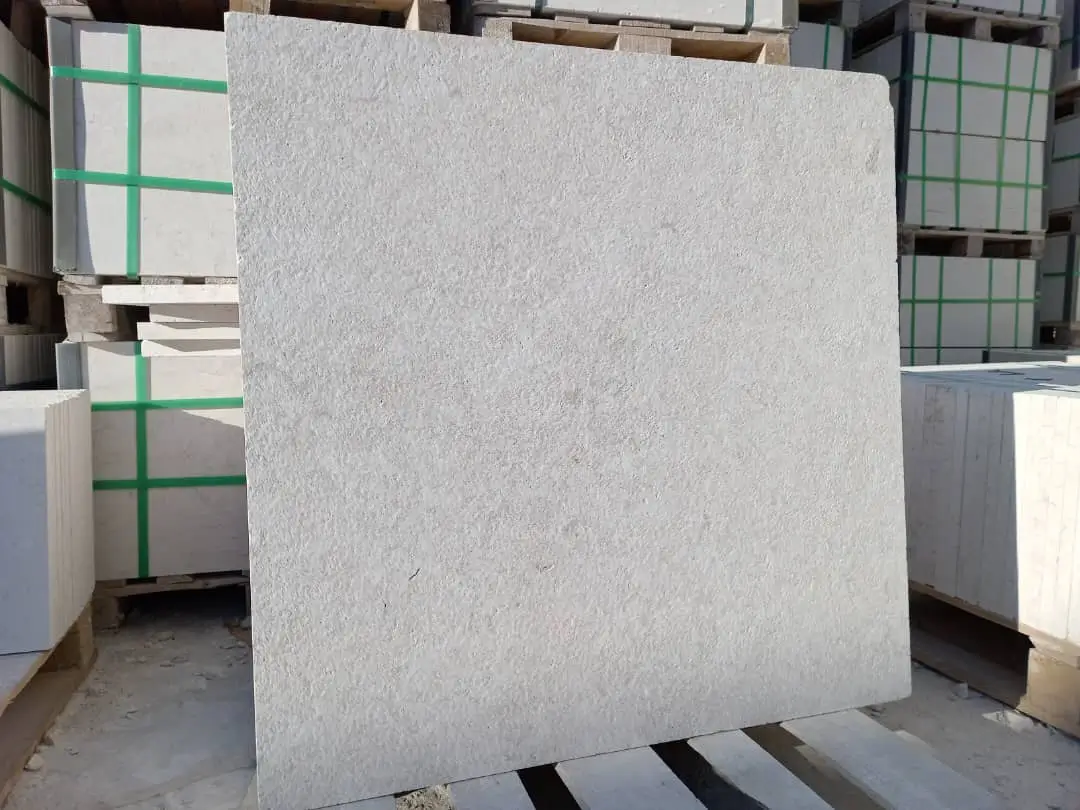
You need to match paving stone chemical cleaners Arizona conditions to specific contamination chemistry, not generic “all-purpose” formulations. Alkaline cleaners work for organic material and oil-based stains but worsen efflorescence and mineral deposits. Acidic cleaners remove mineral staining but etch calcareous stone and damage some concrete paver pigments.
Here’s the decision framework professionals use: pH 10-12 alkaline cleaners for grease, organic growth, and atmospheric soiling on non-calcareous stone. pH 2-4 acidic cleaners for efflorescence, rust, and mineral deposits on acid-resistant materials only. Neutral pH 6-8 cleaners for routine maintenance when you’re working with unknown stone composition or factory-applied sealers that acidic solutions would strip.
Alkaline Cleaner Protocols
When you apply alkaline paving stone chemical cleaners Arizona installations, dilution ratios need adjustment for regional conditions. Manufacturer recommendations assume 60-70% humidity — Arizona’s 10-30% humidity requires you to increase solution concentration by 25-30% to achieve equivalent dwell time effectiveness before evaporation.
Your application method affects results dramatically. Pump sprayers apply too thin a film that evaporates in 2-3 minutes. You need mop application or airless sprayer tips that deliver 0.5-0.8 gallons per 100 square feet, creating a visible wet film that maintains contact for 10-15 minutes. Sodium hydroxide-based cleaners (pH 13-14) require 5-8 minute dwell time but must be neutralized with dilute acidic rinse to prevent white residue formation.
Acidic Cleaner Specifications
You’ll achieve best results with phosphoric acid-based cleaners (pH 3-4) rather than hydrochloric or sulfuric acid formulations for paving stone stain removal Arizona projects. Phosphoric acid removes mineral staining and efflorescence without the aggressive etching that creates dull spots and increases future dirt retention in textured surfaces.
Testing is non-negotiable before full application. You need to apply cleaner to 2-3 inconspicuous pavers and monitor for 24 hours. Surface darkening, texture change, or color shift indicates chemical incompatibility — switch to higher pH formulation or mechanical cleaning. Limestone, travertine, and some concrete pavers with calcareous aggregate show acid sensitivity that eliminates acidic cleaning as an option.
Biological Growth Removal Protocols
Arizona’s monsoon season creates biological growth conditions most people don’t associate with desert climates. You’ll find algae, mold, and moss in shaded north-facing areas and locations with irrigation overspray. These organisms aren’t just aesthetic problems — their root structures penetrate porous stone and widen existing microcracks through freeze-thaw cycles at elevation.
Sodium hypochlorite solutions (pool chlorine) at 2-3% concentration handle most biological contamination when you maintain 15-20 minute dwell time. The common error is rinsing too quickly — biological material appears removed but root structures remain viable and regrow within 30-45 days. You need visible foam generation and organic material breakdown before rinsing to ensure complete organism death.
Quaternary ammonium compounds provide longer residual protection than hypochlorite but require 24-hour no-traffic periods for curing. Your application timing must account for this constraint in commercial installations. These treatments remain effective for 6-9 months in shaded areas when properly applied, reducing cleaning frequency significantly compared to mechanical removal alone.
Efflorescence and Mineral Stain Removal
When you address efflorescence on Arizona paving installations, you’re dealing with water-soluble salt deposits that originate from three sources: concrete paver manufacturing, base material contamination, or irrigation water chemistry. Each source requires different paving stone stain removal Arizona approaches because salt composition varies significantly.
Surface efflorescence (white powdery deposits) responds to dry brushing followed by low-pressure water rinsing. Subsurface efflorescence (crystallization within pore structure causing surface spalling) requires acidic cleaner penetration to dissolve salts before they create internal pressure damage. You can’t determine type visually — if dry brushing removes deposit completely, it’s surface efflorescence; if white discoloration returns after brushing, it’s subsurface.
- You should address water source issues before cleaning efflorescence or it returns within 2-3 months
- Your acidic cleaner application must penetrate to salt depth — surface application only displaces salts deeper into pore structure
- Phosphoric acid at 5-8% concentration removes most efflorescence without excessive etching when you maintain 5-7 minute dwell time
- You need to rinse with 3-4x the volume of cleaner applied to ensure complete salt removal from pore structure
Rust staining from metal furniture or irrigation components requires oxalic acid-based treatments rather than standard acidic cleaners. The chelating action of oxalic acid breaks iron oxide bonds without the prolonged dwell times that cause etching in surrounding unstained areas. You’ll see results in 3-5 minutes with 5% oxalic acid solution on most rust stains.
Oil and Organic Stain Treatment
You’ll encounter petroleum-based staining in parking areas and driveways that requires solvent action, not just surfactant cleaning. The mistake most make is applying degreaser that emulsifies surface oil but drives dissolved petroleum deeper into pore structure where it oxidizes and darkens over 6-12 months.
Your treatment protocol needs poultice application for deep oil penetration. Mix powdered absorbent (diatomaceous earth or fuller’s earth) with appropriate solvent to form paste consistency. Apply 1/4 inch thickness over stain, cover with plastic to slow evaporation, and allow 24-48 hour draw time. The poultice absorbs dissolved oil as solvent evaporates, pulling contamination to the surface where it can be removed mechanically.
Alkaline degreasers work for fresh oil staining (less than 30 days old) when you increase concentration 30-40% above manufacturer recommendations to compensate for Arizona’s evaporation rates. You need to maintain wet contact by reapplying solution every 3-4 minutes during 15-20 minute treatment time. Hot water rinsing at 160-180°F improves oil removal by 50% compared to cold water but requires careful thermal management to prevent paver damage.
Joint Sand Management During Cleaning
When you perform paving stone pressure washing Arizona installations, joint sand displacement is the most common post-cleaning problem. Standard silica sand used in older installations washes out almost completely under 1,500+ PSI pressure. Your planning must include joint refilling as part of the cleaning specification, not an add-on discovered after the work.
Polymeric sand has become standard for Arizona applications, but its chemical activation means you can’t simply refill joints immediately after pressure washing. You need 48-72 hours of drying time in Arizona’s low humidity to bring moisture content below 5% before polymeric sand application. Higher moisture content prevents proper polymer activation and creates haze on paver surfaces that requires acidic cleaning to remove.
Your joint refilling technique affects long-term stability. Sweep polymeric sand across surface until joints appear full, then compact with vibrating plate compactor to achieve 90-95% density. Add additional sand to top off compacted joints — most failures occur because initial fill appears complete but compacts 15-20% below surface level after vibration. You must activate polymer according to manufacturer misting specifications, which in Arizona requires 2-3 light misting passes rather than single heavy watering.
Sealer Compatibility and Stripping
You can’t effectively perform paving stone cleaning techniques Arizona installations demand without addressing existing sealers. Topical sealers create surface film that traps contamination and prevents cleaning chemical penetration. Your inspection should identify sealer type before selecting cleaning methods — topical acrylic sealers require stripping before deep cleaning, while penetrating sealers allow direct cleaning.
Sealer stripping requires specific chemical formulations. Alkaline strippers (pH 12-13) remove most acrylic and urethane topical sealers when applied at manufacturer-specified concentrations and given adequate dwell time. Arizona’s heat accelerates stripper activity — at 95°F+ surface temperatures, dwell time decreases by 30-40% compared to 70°F conditions. You need to monitor closely to prevent over-application that damages paver pigments.
The decision to strip versus clean over existing sealer depends on sealer condition and cleaning requirements. If the existing sealer shows less than 20% failure (delamination, discoloration, wear), you can clean with pH-neutral solutions and reseal. Greater than 40% failure requires complete stripping and resealing with improved formulation. The 20-40% failure range requires judgment based on aesthetic standards and budget constraints.
Thermal Cycling Effects on Cleaning
Arizona’s extreme daily temperature swings affect paving stone maintenance cleaning Arizona approaches more than most professionals recognize. Summer surface temperatures reach 145-160°F by 2 PM, dropping to 75-85°F by 6 AM. This 70-80°F cycle creates expansion and contraction that opens microcracks during heat and closes them during cooling.
You achieve maximum cleaning chemical penetration when you apply solutions during morning hours (6-9 AM) while pavers remain cool and pore structures stay open. Afternoon applications on superheated surfaces cause instant evaporation and prevent chemical contact time required for effective cleaning. The thermal shock from cold cleaning solution on 150°F surfaces also creates microcracking that accelerates future degradation.
Winter cleaning provides advantages in Arizona despite reduced chemical activity at lower temperatures. Cooler surfaces allow extended dwell times without evaporation concerns, and reduced thermal stress during cleaning prevents damage. You’ll need to increase chemical concentrations 15-20% to compensate for reduced reaction rates below 60°F, but overall cleaning effectiveness often exceeds summer results due to controlled contact time.
Equipment Specifications for Arizona Conditions
When you select pressure washing equipment for paving stone pressure washing Arizona installations, pump and hose specifications matter more than maximum PSI ratings. Variable pressure control allows you to adjust from 800 PSI for initial testing to 1,800 PSI for heavy contamination without equipment changes. Fixed-pressure units force you to choose between under-cleaning and over-pressure damage.
Water supply capacity determines productivity more than pump size. You need minimum 3.5 GPM flow to maintain consistent cleaning without stop-start cycles that create visible overlap marks. Arizona’s hard water (typically 200-400 PPM total dissolved solids) requires you to use calcium-preventing nozzles or accept 30-40% reduction in nozzle life compared to soft water regions.
- Your equipment should include adjustable chemical injection with 0.5-3 GPM metering for accurate dilution control
- Surface cleaners (rotary head attachments) improve productivity by 300-400% compared to wand cleaning while providing more uniform results
- You’ll need minimum 200-foot hose capacity to minimize equipment repositioning on large installations
- Hot water capability extends seasonal working range and improves organic material removal efficiency by 40-50%
Warehouse availability of replacement parts becomes critical in Arizona’s extreme conditions. Pump seals, nozzles, and hoses wear 2-3x faster than temperate climate applications due to heat exposure and mineral-laden water. You should verify that your equipment supplier maintains truck-accessible parts inventory for 24-48 hour replacement rather than 7-10 day shipping delays that shut down operations.
Water Reclamation and Environmental Compliance
You need to address wastewater management in your paving stone cleaning techniques Arizona specifications, particularly for commercial properties. Pressure washing generates 3-5 gallons per minute of contaminated runoff containing suspended solids, chemical cleaners, and dissolved contaminants. Arizona’s storm drain regulations prohibit direct discharge of wash water in most municipalities.
Your containment approach depends on installation size and contamination level. Small residential projects (under 500 SF) can use berming and vacuum recovery. Larger installations require temporary berming with sump pumps transferring to holding tanks for proper disposal. The cost of compliant wastewater management adds $0.15-0.35 per square foot to cleaning projects, but non-compliance fines start at $1,000 per incident in most Arizona jurisdictions.
Water conservation matters in desert environments beyond regulatory compliance. You should specify recirculation systems for projects exceeding 2,000 square feet. These systems filter and reuse wash water, reducing consumption by 60-75% while maintaining cleaning effectiveness. Initial equipment investment ($2,500-5,000) recovers in 8-15 months through reduced water costs and disposal fees on commercial maintenance contracts.
Seasonal Timing Recommendations
When you schedule paving stone maintenance cleaning Arizona installations, seasonal timing affects both process effectiveness and long-term outcomes. October through March provides optimal conditions: surface temperatures stay below 85°F, humidity increases to 25-40%, and monsoon contamination has accumulated sufficiently to justify intervention.
Spring cleaning (March-April) allows you to address winter dust accumulation before summer heat sets in. This timing proves ideal for sealer application because temperatures in the 75-85°F range provide optimal penetration and curing conditions. Summer cleaning (June-August) should be avoided except for emergency stain treatment — extreme temperatures create more problems than they solve through thermal stress and chemical evaporation.
Monsoon season (July-September) creates its own cleaning challenges. You can’t effectively clean during active moisture periods because pavers remain damp and joint sand stays saturated. However, post-monsoon cleaning (October-November) addresses biological growth and mineral staining when they’re most responsive to treatment. Your timing should allow 7-10 days after the last significant rain before beginning cleaning operations.
Common Mistakes in Arizona Paving Cleaning
You’ll encounter recurring errors in paving stone cleaning techniques Arizona contractors make that create long-term problems. Over-pressure application tops the list — using 2,500-3,000 PSI because “the contamination is really stuck” damages surface texture and exposes aggregate that accelerates future soiling. Once you’ve eroded the surface, no corrective treatment exists short of replacement.
The second common error is inadequate rinsing after chemical cleaning. Arizona’s rapid evaporation makes it easy to assume the surface is clean when chemical residue remains. You need to apply 3-4x more rinse water than seems necessary, continuing until runoff shows neutral pH on test strips. Residual alkaline cleaner causes white haze formation within 24-48 hours that requires acidic treatment to remove.
- You’re creating problems when you pressure wash without addressing water source causing efflorescence — staining returns in 60-90 days
- Your cleaning fails if you don’t protect surrounding landscaping from chemical overspray — alkaline cleaners kill vegetation in 12-24 hours
- You damage installations when you clean without verifying paver stability — loose pavers subjected to pressure washing shift and create trip hazards
- Your results disappoint when you seal immediately after cleaning without adequate drying time — trapped moisture causes sealer delamination and haze
Failing to test cleaning methods on inconspicuous areas causes irreversible damage to entire installations. Color changes, texture loss, and surface etching appear immediately in test areas but affect thousands of square feet if you proceed without testing. You should test every material type, sealer condition, and contamination category before full-scale application regardless of prior experience.
Citadel Stone Paving Stones for Sale in Arizona — How We Would Specify
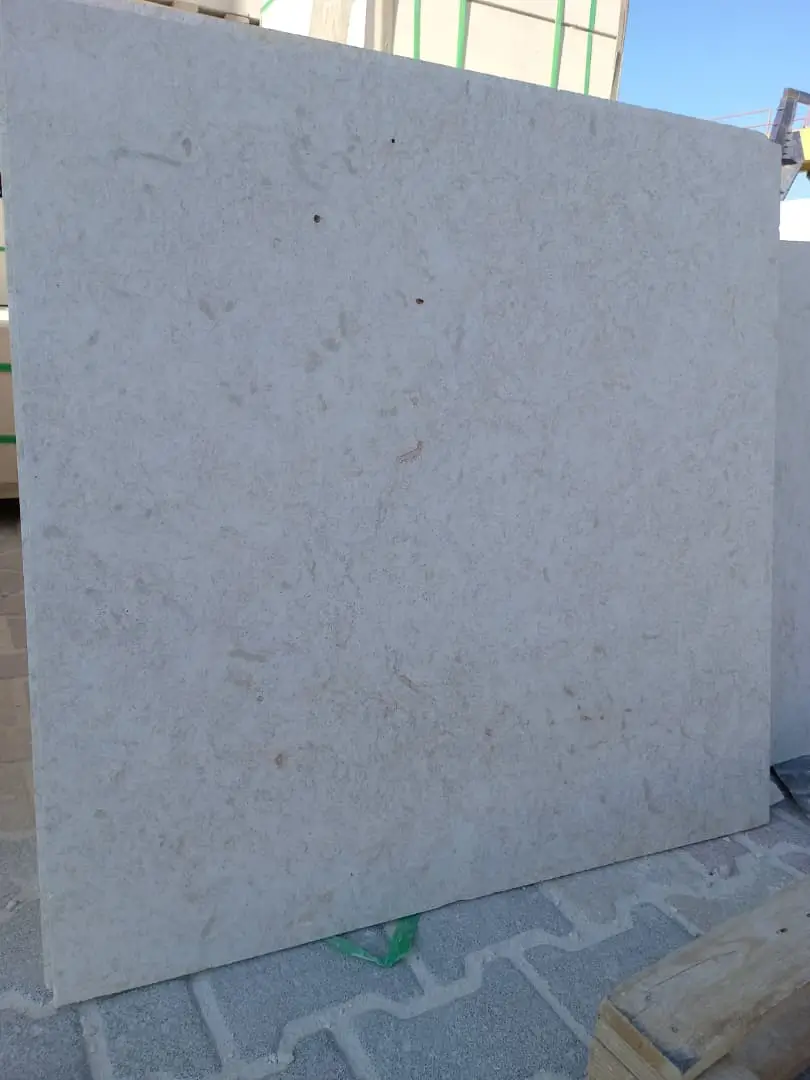
When you consider Citadel Stone’s paving stones for sale in Arizona for your next project, you’re evaluating materials engineered for extreme desert performance with cleaning and maintenance requirements built into the specification process. At Citadel Stone, we provide technical guidance for hypothetical applications across Arizona’s diverse climate zones. This section outlines how you would approach cleaning protocols for six representative cities where material performance varies significantly based on microclimate conditions.
Your cleaning specification must account for regional differences in contamination patterns, water chemistry, and seasonal constraints. What works effectively in Flagstaff’s high-elevation conditions requires adjustment for Yuma’s extreme heat and dust exposure. You’ll find that understanding these variations before installation allows you to design cleaning protocols that extend service life and maintain appearance standards throughout the material’s lifecycle.
Phoenix Specifications
In Phoenix, you would encounter the state’s most extreme urban heat island effects combined with alkaline dust infiltration and hard water mineral staining. Your cleaning protocol should emphasize quarterly maintenance during October through March when surface temperatures allow chemical dwell time. You would specify phosphoric acid treatments at 6-8% concentration for mineral deposit removal, with alkaline degreaser protocols for urban atmospheric soiling. Phoenix’s warehouse accessibility supports efficient equipment supply chains.
Tucson Protocols
You would address Tucson’s higher monsoon moisture levels with increased biological growth prevention. Your specification should include biannual sodium hypochlorite treatments in shaded areas and quarterly pressure washing at 1,400-1,600 PSI for dust removal. Tucson’s slightly lower summer peak temperatures compared to Phoenix extend your seasonal cleaning window by 2-3 weeks. You should account for the region’s caliche soil conditions that increase efflorescence potential in the first 18-24 months after installation.
Scottsdale Requirements
When you specify for Scottsdale installations, you would emphasize aesthetic maintenance for high-end residential and commercial properties. Your protocol should include professional cleaning every 6-8 months using pH-neutral cleaners to preserve factory-applied sealers common in luxury applications. You would recommend hot water pressure washing at 1,200-1,500 PSI to minimize joint sand displacement while achieving thorough contamination removal. Scottsdale’s water quality requires calcium-sequestering additives in cleaning solutions.
Flagstaff Considerations
You would adjust protocols significantly for Flagstaff’s elevation and freeze-thaw cycles. Your specification must account for biological growth from higher precipitation and snow contact. You should recommend spring cleaning (April-May) to address winter contamination before summer season, with particular attention to organic material removal that traps moisture during freeze cycles. Chemical concentrations would decrease 10-15% compared to desert applications due to lower evaporation rates and extended dwell times.
Yuma Applications
In Yuma’s extreme heat and agricultural dust environment, you would specify the most aggressive maintenance intervals in the state. Your protocol should include monthly dust removal during growing seasons and quarterly deep cleaning with alkaline solutions. You would recommend morning-only cleaning (6-8 AM) due to surface temperatures that regularly exceed 155°F by afternoon. Yuma’s proximity to agricultural operations requires you to address pesticide and fertilizer residue that standard cleaning protocols don’t remove effectively.
Sedona Standards
You would develop Sedona protocols around preserving aesthetic integration with the natural red rock landscape while addressing tourist traffic contamination. Your specification should emphasize iron oxide stain prevention from native soil contact and gentle cleaning methods that don’t create appearance changes visible against surrounding geology. You would recommend oxalic acid treatments for iron staining and specify 1,200-1,400 PSI pressure limits to prevent aggregate exposure that disrupts color harmony with the environment.
Professional Considerations
Your professional specification process requires you to balance cleaning effectiveness with long-term material preservation while managing client expectations about maintenance frequency and cost. When you establish cleaning protocols for Arizona paving installations, you need to educate clients that desert conditions demand more frequent intervention than humid climate maintenance schedules suggest. The common assumption that low rainfall means low maintenance proves false in practice.
You should develop written maintenance schedules specific to each project’s exposure conditions, traffic levels, and material specifications. Generic annual cleaning recommendations fail in Arizona’s diverse microclimates — what suffices for shaded Flagstaff courtyards proves inadequate for Phoenix parking areas. Your documentation protects both your professional reputation and your client’s investment by establishing realistic performance expectations from project inception.
For comprehensive information on post-cleaning protection systems, review Penetrating versus topical sealer performance in Arizona desert conditions before you finalize your maintenance specifications. Citadel Stone’s distribution network establishes it as leading paving wholesalers in Arizona operations.