
When you’re planning a hardscape project in Arizona, understanding paving slabs prices Arizona becomes critical to budget accuracy and material selection. You’ll encounter significant price variations driven by material type, dimensional specifications, finish quality, and regional delivery logistics. Your project’s success depends on anticipating these cost factors during the planning phase rather than discovering them during procurement.
Arizona’s extreme climate conditions directly affect material performance and longevity, which means you can’t evaluate paving slabs prices Arizona based solely on initial purchase cost. You need to account for thermal expansion properties, UV resistance, and heat retention characteristics that determine real-world durability. The lowest-cost option often creates the highest lifecycle expenses when premature replacement becomes necessary.
Market conditions in 2026 reflect supply chain stabilization combined with increased demand from commercial and residential development across Phoenix, Scottsdale, and Tucson metros. You should verify warehouse inventory availability before committing to project timelines, as lead times vary significantly between in-stock materials and special-order specifications. Your procurement strategy needs to balance cost optimization against schedule requirements.
Material Cost Fundamentals You Need to Know
The foundation of understanding paving slab cost per square foot Phoenix starts with material composition and manufacturing complexity. Natural stone options including limestone, travertine, and sandstone command premium pricing due to quarrying costs, transportation distances, and dimensional cutting requirements. You’ll find natural materials range from $8 to $35 per square foot depending on thickness, finish, and origin.
Manufactured concrete pavers offer cost advantages while providing design flexibility through color integration and surface texturing. Standard concrete paving slabs typically price between $4 and $12 per square foot for basic specifications. When you specify architectural-grade concrete with integral pigments, exposed aggregates, or specialized finishes, costs approach $15 to $22 per square foot.
Your material selection directly impacts installation complexity and associated labor costs. Irregular natural stone requires experienced crews and longer installation timelines, adding $6 to $14 per square foot in labor expenses. Dimensionally consistent manufactured units allow faster installation at $4 to $8 per square foot labor cost. This relationship between material choice and installation efficiency affects your total project budget by 40-60%.
- You should evaluate compressive strength ratings above 8,000 PSI for vehicular applications
- Your specification needs to address absorption rates below 5% for freeze-thaw durability in Flagstaff elevations
- You’ll want slip resistance ratings between 0.50 and 0.65 DCOF for pool deck and patio applications
- Thermal expansion coefficients determine joint spacing requirements for Arizona heat exposure
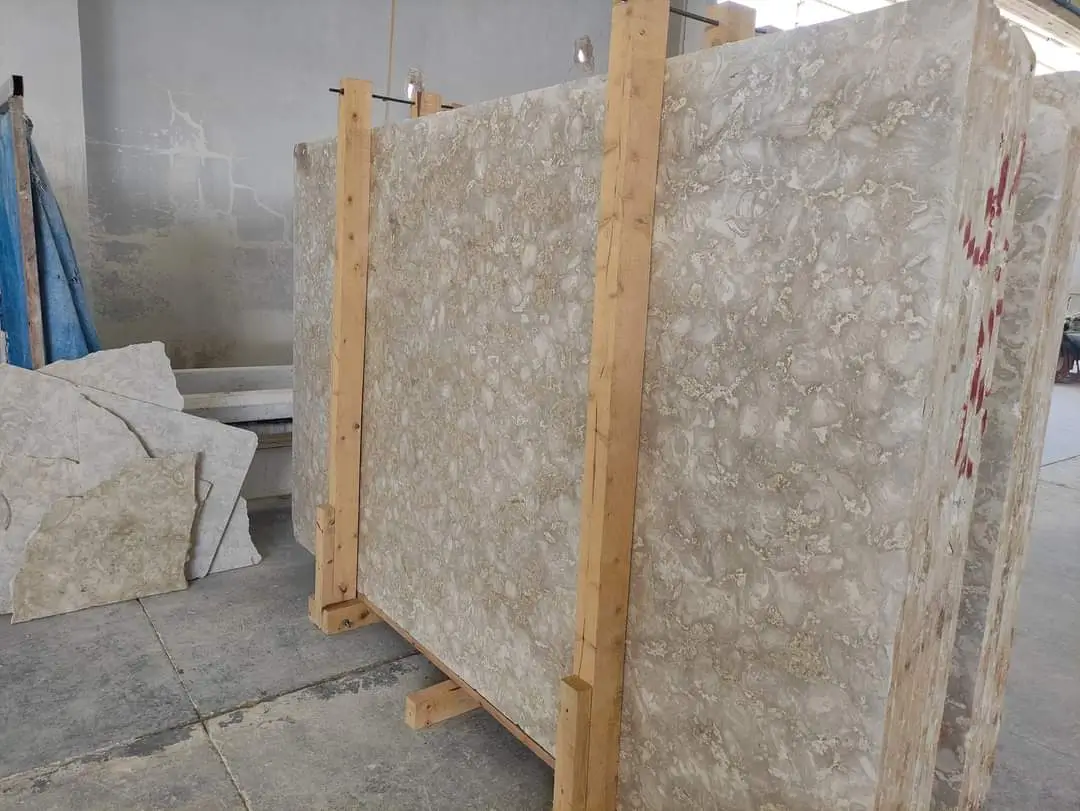
Arizona Paving Slabs Pricing Guide: Regional Variations
Geographic location within Arizona significantly affects how much do paving slabs cost Tucson versus northern regions. Phoenix metro pricing benefits from concentrated distribution infrastructure and higher inventory turnover at regional warehouses. You’ll typically see base pricing 8-15% lower in Phoenix compared to Flagstaff or Sedona due to transportation distance and volume economies.
Tucson market conditions create pricing structures within 3-6% of Phoenix rates for standard materials, though specialty stone options may carry premium freight charges. When you’re specifying projects in Yuma or western Arizona communities, expect delivery surcharges adding $0.40 to $1.20 per square foot depending on order volume and material weight.
Northern Arizona locations including Flagstaff and Sedona face the highest delivered costs due to elevation changes, limited local inventory, and smaller market volumes. Your Arizona paving slabs pricing guide should account for 12-22% premium pricing in these markets. However, you can negotiate volume discounts on orders exceeding 2,000 square feet that partially offset regional cost differentials.
Understanding the relationship between our Arizona slab installation expertise and regional pricing structures helps you optimize material selection. Seasonal demand fluctuations create pricing opportunities during slower periods from November through February when distributors offer competitive rates to maintain cash flow.
Thickness and Dimension Cost Impact
Standard residential paving slabs measuring 12×12 inches or 12×24 inches at 1.5-inch thickness represent baseline pricing in most product lines. When you increase thickness to 2 inches for enhanced durability or structural requirements, material costs rise 35-50% due to increased raw material consumption and transportation weight. Your paving slab cost per square foot Phoenix calculation must account for these dimensional premiums.
Larger format units including 24×24 inches or 24×36 inches command price increases of 15-30% compared to standard dimensions. Manufacturing efficiency decreases with larger formats due to higher breakage rates during production and handling. You’ll find these oversized units particularly useful for contemporary design aesthetics, though budget impact requires careful evaluation.
Thickness selection affects more than material cost—it determines structural performance under load conditions. For pedestrian applications, 1.5-inch thickness provides adequate performance. When you’re designing driveways or commercial loading areas, 2.5-inch to 3-inch thickness becomes necessary, increasing material costs by 65-90% over baseline specifications.
- You need 1.5-inch minimum thickness for residential patios and walkways with proper base preparation
- Your driveway specifications should specify 2.5-inch thickness for standard vehicle loads
- Commercial plaza applications require you to consider 3-inch thickness for repeated heavy loading
- Thickness tolerance ranges affect visual consistency and should stay within ±3/32 inch for professional results
Surface Finish Quality and Pricing
Surface finish dramatically affects both aesthetics and paving slabs prices Arizona across all material categories. Natural cleft finishes on stone products provide textured surfaces with inherent slip resistance at base pricing levels. When you specify honed or polished finishes, secondary processing adds $3 to $9 per square foot depending on material hardness and desired sheen level.
Thermal finishing creates unique surface textures while enhancing slip resistance through controlled flaking of surface crystals. This specialized process adds $4 to $7 per square foot to natural stone costs but delivers superior performance in wet conditions. You’ll find thermal finishes particularly valuable for pool decks and spa surrounds where safety requirements are paramount.
Tumbled and antiqued finishes create weathered aesthetics through mechanical abrasion and edge distressing. These decorative treatments add 25-40% to base material costs while reducing dimensional consistency. Your installation crew needs additional time to achieve proper alignment with tumbled units, affecting labor budgets by 15-20%.
Sandblasted finishes provide medium texture with improved traction characteristics while maintaining relatively flat surface profiles. This finish option adds $2.50 to $5 per square foot and works well when you’re balancing aesthetic preferences against budget constraints. Surface porosity increases with sandblasting, requiring more frequent sealing in Arizona’s dusty environment.
Color Selection Cost Factors
Natural stone derives color from mineral composition and geological formation conditions, creating inherent variation within each material type. When you’re evaluating how much do paving slabs cost Tucson in natural stone, lighter colors including creams and beiges typically price 10-20% below darker tones like charcoals and browns. This pricing relationship reflects quarry yield rates and market demand patterns.
Manufactured concrete pavers achieve color through integral pigments or surface-applied color hardeners. Standard earth tones including tan, gray, and terracotta represent base pricing. When you specify custom colors or specialized blends, expect price increases of $1.50 to $4 per square foot plus potential minimum order requirements of 1,000 to 2,000 square feet.
Color consistency matters significantly in large commercial installations where visual uniformity affects perceived quality. Premium color-matched products carry surcharges of $0.80 to $2.20 per square foot but eliminate the blotchy appearance common in budget materials. You should request sample panels from each production lot before accepting delivery on projects exceeding 5,000 square feet.
- You’ll find lighter colors reflect 60-70% of solar radiation, reducing surface temperatures by 15-25°F compared to dark tones
- Your color selection affects long-term appearance as UV exposure causes fading in lower-quality pigments
- Variegated color blends help mask joint sand migration and minor efflorescence better than solid colors
- Color matching between different material lots requires you to verify production dates and request sequential batch numbers
Base Preparation Hidden Costs
Proper base preparation represents 30-40% of total installation costs but dramatically affects long-term performance. Arizona’s diverse soil conditions require site-specific base design that accounts for bearing capacity, drainage characteristics, and expansion potential. You can’t use generic base specifications across different regions and expect consistent results.
Clay-heavy soils common in Phoenix and Tucson areas expand during moisture exposure, creating subsurface movement that cracks rigid paving systems. Your base design needs to include 8 to 12 inches of compacted aggregate base over properly graded subsoil. This foundation work adds $4 to $9 per square foot to project costs but prevents the structural failures that occur with inadequate preparation.
Decomposed granite provides excellent base material in many Arizona applications due to natural binding characteristics and superior compaction properties. You’ll pay $45 to $75 per cubic yard for quality DG, with typical consumption of 0.25 to 0.35 cubic yards per square foot for proper depth. Transportation costs from quarry to job site add $80 to $200 per load depending on distance.
Drainage integration within the base system prevents water accumulation that accelerates material deterioration. You should specify perforated drain pipes along low points and building perimeters, adding $12 to $28 per linear foot including excavation and materials. This investment prevents the subsurface saturation that causes premature failure in Arizona’s intense monsoon conditions.
Installation Labor Rates Across Arizona
Labor costs for professional installation vary significantly across Arizona markets based on crew availability, project complexity, and competitive conditions. Phoenix metro rates for experienced paving crews range from $6 to $12 per square foot for standard rectangular units on properly prepared bases. When you’re working in Scottsdale or Paradise Valley, expect premium labor rates 15-25% above Phoenix averages due to higher overhead costs and client expectations.
Tucson installation rates align closely with Phoenix pricing for comparable project scopes. You’ll find competitive bidding more aggressive in Tucson due to larger contractor populations relative to project volume. This market dynamic can reduce labor costs by 5-8% compared to Phoenix when you solicit bids from multiple qualified installers.
Northern Arizona labor markets command premium rates due to seasonal weather constraints and limited contractor availability. Your Flagstaff or Sedona projects face labor costs 20-35% above Phoenix rates, with additional mobilization charges of $800 to $2,500 depending on crew size and equipment requirements. Installation windows between May and October create scheduling challenges that affect pricing and availability.
- You need to verify contractor licensing through Arizona Registrar of Contractors before awarding projects
- Your installation contract should specify base preparation requirements in detail to avoid scope disputes
- You’ll want performance bonds on projects exceeding $50,000 to protect against contractor default
- Installation timeline estimates should include weather delays during monsoon season from July through September
Delivery Logistics and Associated Costs
Transportation represents a significant component of delivered paving slabs prices Arizona that varies with order size, material weight, and destination. Standard truck deliveries accommodate 20,000 to 26,000 pounds depending on vehicle configuration and route restrictions. You’ll pay flat delivery fees of $150 to $400 for full loads to Phoenix metro destinations, with per-mile charges of $3.50 to $6.50 beyond 50-mile radius.
Partial load deliveries carry premium freight charges that make small orders economically unfavorable. When your project requires less than 1,500 square feet of standard-weight materials, delivery costs may equal or exceed material costs. You should consolidate multiple small projects into single larger orders when logistically feasible to optimize transportation efficiency.
Job site access constraints affect delivery costs through special equipment requirements or labor-intensive offloading procedures. Standard truck deliveries assume level access with adequate turning radius for 40-foot vehicles. When your site requires boom truck placement or manual material distribution, expect additional charges of $200 to $800 depending on complexity and time requirements.
Warehouse proximity directly impacts lead times and freight costs. Materials stocked in Phoenix-area facilities ship within 2-5 business days at standard rates. Special-order items or materials shipped from out-of-state quarries require 3-8 weeks lead time with freight costs increasing by 40-120% over local inventory pricing. Your procurement schedule needs to account for these logistics factors early in the planning process.
Paving Slab Price Comparison Arizona: Material Type Analysis
Concrete pavers represent the most economical option when you’re evaluating paving slab price comparison Arizona across material categories. Standard gray concrete units start at $4.20 per square foot for basic utility-grade products suitable for secondary walkways and service areas. Architectural-grade concrete with integrated colors and enhanced finishes ranges from $8 to $14 per square foot depending on specifications.
Travertine offers mid-range pricing with distinctive aesthetic appeal and proven Arizona performance. You’ll pay $12 to $22 per square foot for quality travertine in standard thicknesses and finishes. This material’s natural porosity provides cooling benefits through evaporative heat dissipation, though you need to account for regular sealing requirements that add $0.90 to $1.80 per square foot annually.
Limestone delivers premium aesthetics with superior heat reflection properties particularly valuable in Arizona climates. Your limestone specifications typically range from $15 to $28 per square foot for quality grades with proper density ratings. Lighter limestone colors remain 20-30°F cooler than dark concrete under direct sun exposure, improving comfort in outdoor living spaces.
Sandstone provides unique color variation and texture at $14 to $26 per square foot depending on origin and grade. This material’s moderate hardness creates softer foot feel compared to granite or concrete while maintaining adequate durability for residential applications. You should verify compressive strength exceeds 6,000 PSI for Arizona installations where thermal cycling stresses material structure.
- Concrete pavers offer you the lowest initial cost with adequate performance for most residential applications
- Travertine provides you with moderate pricing and distinctive aesthetics for mid-range budgets
- Limestone delivers you premium appearance with superior thermal performance in extreme heat
- Sandstone gives you unique character with natural variation that many clients prefer for organic designs
Seasonal Pricing Trends and Timing Strategy
Arizona’s construction market exhibits seasonal demand cycles that affect material pricing and availability throughout the year. Peak installation season runs from October through May when temperatures support comfortable working conditions and material handling. You’ll encounter the highest prices during this period as demand stresses supply chains and contractors operate at full capacity.
Summer months from June through September create pricing opportunities as demand softens due to extreme temperatures. Many distributors offer promotional pricing reductions of 8-15% during this period to maintain inventory turnover. When your project timeline provides flexibility, you can achieve significant savings by scheduling material procurement during these slower months and warehousing for fall installation.
Early spring represents another pricing pressure point as contractors commit to project backlogs and secure material allocations. You should finalize specifications and pricing by February to lock favorable rates before March demand surge. Late commitments may face 6-12% price increases and extended lead times as popular materials sell through existing inventory.
Year-end inventory clearance creates occasional opportunities for discontinued colors or overstock items. You’ll find the deepest discounts ranging from 20-40% below standard pricing, though selection becomes limited to available inventory. This strategy works well when your design accommodates available materials rather than requiring specific products.
Citadel Stone Best Paving Slabs Arizona — Professional Specification Guide
When you consider Citadel Stone’s paving slabs for your Arizona project, you’re evaluating premium materials engineered for extreme climate performance and long-term durability. At Citadel Stone, we provide technical guidance for hypothetical applications across Arizona’s diverse geographic regions, from low desert installations to high-elevation mountain communities. This section outlines how you would approach specification decisions for six representative cities, accounting for climate factors, installation requirements, and performance expectations that define successful outcomes.
Phoenix Heat Management
In Phoenix, you’ll encounter extreme temperatures exceeding 115°F during summer months, requiring you to specify materials with superior heat reflection and thermal mass properties. Your material selection should prioritize lighter colors that reflect 60-70% of solar radiation, reducing surface temperatures by 20-35°F compared to dark alternatives. You would need to account for thermal expansion coefficients of 5.3 × 10⁻⁶ per °F, requiring expansion joints every 12-15 feet in large installations to prevent structural stress. The urban heat island effect in Phoenix amplifies temperature extremes, making proper joint spacing critical to long-term performance. You should also verify that base preparation includes adequate drainage to handle intense monsoon rainfall that arrives suddenly after extended dry periods.
Tucson Desert Performance
Tucson’s desert environment presents similar heat challenges to Phoenix while introducing higher dust accumulation that affects surface appearance and requires regular maintenance protocols. You would specify materials with moderate porosity levels between 4-6% that allow cleaning without excessive water absorption that could lead to efflorescence. Your installation approach should address native soil conditions that include caliche layers requiring mechanical excavation and proper base replacement. You’ll want to confirm that the selected material maintains slip resistance ratings above 0.50 DCOF even when dust particles accumulate on surfaces. The combination of intense UV exposure and temperature cycling demands you select materials with proven color stability that won’t fade significantly within the first 5-7 years of service.
Scottsdale Luxury Applications
Scottsdale projects typically demand premium aesthetics matching high-end architectural standards while maintaining the thermal performance required in desert climates. You would focus on materials offering distinctive visual character through natural variation or sophisticated manufacturing processes that create refined surface textures. Your specifications should emphasize dimensional consistency within ±1/16 inch to achieve the precise installation quality clients expect in luxury markets. You’ll need to coordinate closely with designers to ensure material selection complements surrounding hardscape elements and architectural finishes. Color matching becomes particularly critical when you’re working on estates with multiple outdoor living areas that require visual continuity across 3,000 to 8,000 square feet of paved surfaces.
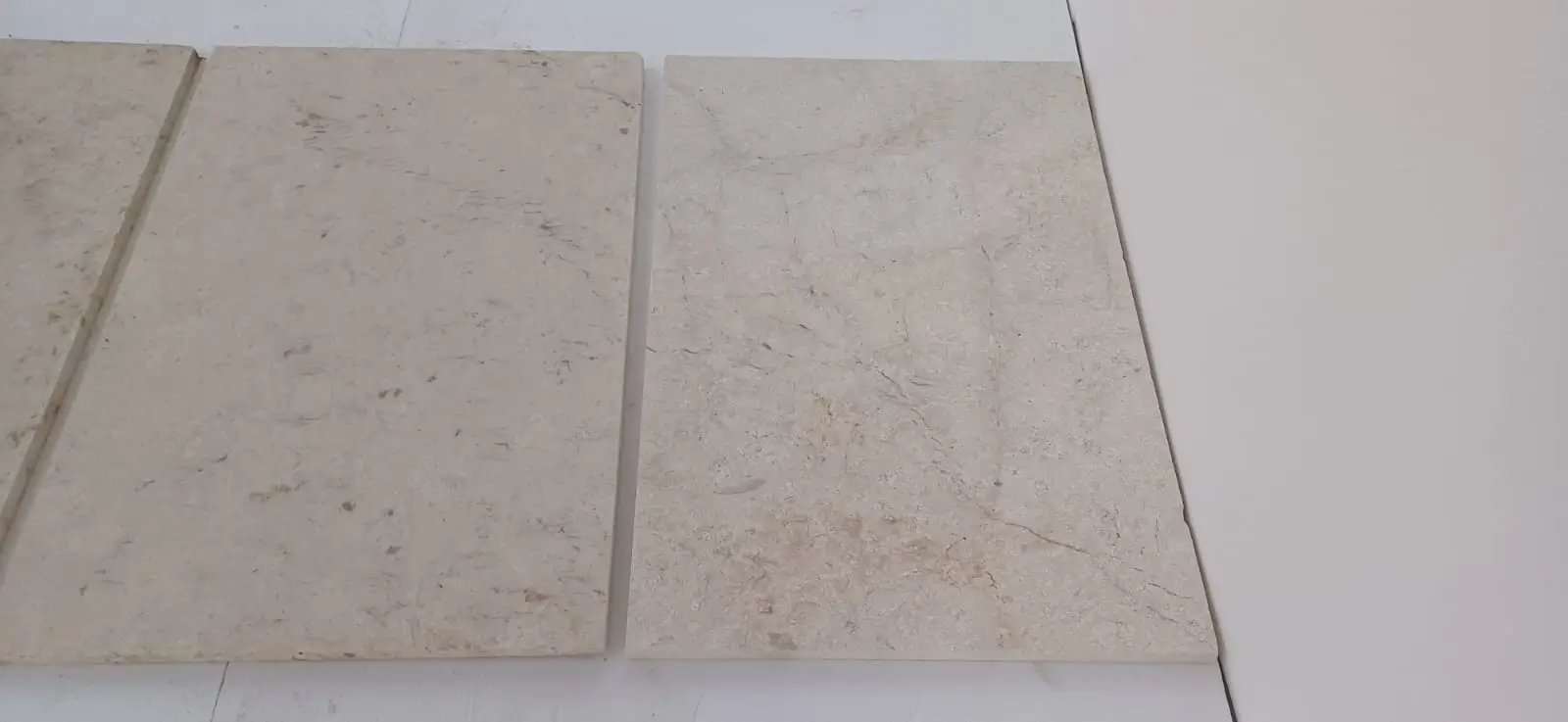
Flagstaff Freeze-Thaw Resistance
Flagstaff’s 7,000-foot elevation creates freeze-thaw conditions uncommon in lower Arizona regions, requiring you to specify materials with absorption rates below 3% and compressive strength exceeding 9,000 PSI. You would need to account for 60-80 annual freeze-thaw cycles that stress material structure through ice crystal expansion within pore spaces. Your base preparation becomes critical in preventing frost heaving that occurs when moisture-laden soils freeze and expand beneath paving systems. You should specify 12 to 16 inches of well-draining aggregate base over properly graded subsoil to isolate the paving system from subsurface moisture. The shorter installation season from May through October requires you to plan procurement and logistics carefully to avoid weather-related delays that push work into unsuitable conditions.
Sedona Red Rock Coordination
Sedona installations demand careful color coordination with the region’s distinctive red rock landscape and strict design review requirements that govern visual compatibility. You would select materials in earth-tone palettes including warm beiges, soft tans, and subtle terra cottas that complement rather than compete with natural surroundings. Your specifications need to address the community’s stringent development standards that often require natural stone over manufactured alternatives. You’ll want to verify that proposed materials meet these regulatory requirements before finalizing selections to avoid costly redesign. The combination of tourist traffic and residential use creates durability requirements that demand you specify materials proven to handle moderate to heavy foot traffic without showing premature wear patterns.
Mesa Value Engineering
Mesa’s diverse project types from residential subdivisions to commercial centers require you to optimize material selection for cost-effectiveness while maintaining adequate performance standards. You would evaluate manufactured concrete options that deliver reliable durability at price points 30-40% below natural stone alternatives. Your specifications should focus on products offering 10-15 year performance expectations with standard maintenance protocols rather than premium materials designed for 25+ year service life. You’ll need to balance initial cost savings against lifecycle considerations, ensuring value engineering doesn’t compromise structural integrity or create premature replacement requirements. The city’s extensive residential development creates opportunities for volume purchasing that can reduce delivered costs by 12-18% on orders exceeding 5,000 square feet when you coordinate with warehouse inventory cycles.
Maintenance Requirements and Lifecycle Costs
Long-term maintenance expenses significantly affect total ownership costs beyond initial paving slabs prices Arizona that dominate budget discussions. Sealing represents the primary recurring expense for most materials, with frequency ranging from annual applications for porous stone to biennial treatments for denser materials. You’ll pay $0.75 to $2.40 per square foot for professional sealing services depending on product selection and surface preparation requirements.
Joint sand replenishment becomes necessary as wind erosion and water displacement remove material from gaps between pavers. Your maintenance program should include annual inspection and supplemental sand addition at costs of $0.30 to $0.80 per square foot. Using polymeric sand products reduces migration rates by 60-75% compared to standard silica sand, though initial installation costs increase by $1.20 to $2.10 per square foot.
Pressure washing removes accumulated dirt, organic growth, and surface staining that degrades appearance over time. Professional cleaning services range from $0.40 to $1.20 per square foot depending on surface condition and required chemical treatments. You should schedule pressure washing every 18-24 months in most Arizona locations, with more frequent attention needed near pools or in areas with heavy vegetation.
- You need to establish maintenance schedules during project planning rather than as afterthoughts
- Your long-term cost analysis should project 25-year ownership including all maintenance activities
- You’ll find that premium materials with lower maintenance requirements often cost less over full lifecycle
- Maintenance accessibility affects service costs significantly when areas require furniture removal or access challenges
Volume Discounting and Procurement Strategies
Material quantity directly affects unit pricing through volume discount structures that reward larger orders. Standard residential projects of 800 to 1,500 square feet typically receive minimal discounting from published prices. When you increase order size above 2,500 square feet, most distributors offer tiered discounts beginning at 8-12% off base pricing.
Large commercial projects exceeding 10,000 square feet access the most favorable pricing with discounts reaching 18-28% below standard rates. You’ll need to coordinate delivery scheduling and staging areas to accommodate the truck volumes these quantities generate. Multiple smaller deliveries eliminate discounts, so your site logistics planning becomes critical to realizing cost savings.
Early commitment pricing allows you to lock material costs months before installation when you’re willing to accept delivery risk and storage responsibility. This strategy works well on phased developments where you can warehouse materials for sequential installation. You should negotiate 6-10% price reductions in exchange for advance payment and immediate delivery acceptance.
Contractor purchasing relationships provide access to preferred pricing tiers unavailable to retail purchasers. When you’re working through qualified installation contractors, material costs may decrease by 12-20% compared to homeowner direct purchase. This pricing differential reflects contractor purchase volumes and established credit relationships with distributors.
Final Considerations
Your comprehensive understanding of paving slabs prices Arizona requires integrating multiple cost factors including base material selection, dimensional specifications, finish quality, installation complexity, and long-term maintenance requirements. Successful project budgeting accounts for regional pricing variations, seasonal market conditions, and procurement strategies that optimize both cost and schedule performance.
The lowest initial material cost rarely delivers the best long-term value when you factor in performance characteristics, maintenance frequency, and expected service life. You should evaluate total lifecycle costs over 20-25 year horizons to make informed decisions that balance upfront investment against ongoing ownership expenses. Climate-appropriate material selection becomes particularly critical in Arizona’s extreme temperature environment where inferior products fail prematurely.
Professional guidance throughout specification development helps you navigate complex trade-offs between aesthetics, performance, and budget constraints. For additional resources addressing installation planning and material selection, review Residential and commercial paving slab installation options available before you finalize your project decisions. Citadel Stone distributes color-matched paving slabs across Arizona to ensure consistent finishes across large projects.