
When you’re searching for paving slabs for sale Arizona, you’re entering a market shaped by extreme heat, intense UV exposure, and material performance demands that don’t exist in milder climates. Your success depends on understanding how regional suppliers stock inventory, how warehouse lead times affect project schedules, and which material specifications actually matter in 115°F heat. Most generic buying guides ignore the reality that Arizona’s climate eliminates half the products that work elsewhere—you need specific guidance that accounts for thermal expansion coefficients, porosity requirements, and the supply chain realities of Southwest construction markets.
You’ll find that buy paving slabs Phoenix Arizona requires different considerations than coastal markets. Desert installations face thermal cycling that ranges 40-60°F daily during peak season, creating expansion and contraction stresses that inferior materials can’t tolerate. Your specification process must account for these performance factors before you commit to suppliers, because returns and replacements on large-format slabs create project delays that cascade through entire construction schedules.
Material Performance Requirements: Desert Climates
You need to understand that paving slabs for sale Arizona must meet performance thresholds that exceed standard ASTM specifications. The material’s thermal mass behavior determines surface temperature differentials—slabs with high thermal conductivity reach 165-180°F surface temperatures during July and August, creating unusable outdoor spaces during peak hours. You should specify materials with proven solar reflectance indexes (SRI) above 29 if you want functional outdoor areas during summer months.
Your porosity requirements sit in a narrow range for optimal performance. Below 3% porosity, you’ll encounter drainage issues during monsoon season when 2-3 inches of rain fall in 90 minutes. Above 8% porosity, you risk accelerated weathering from UV degradation and thermal cycling damage. Professional specifications target 4-6% porosity for balanced performance—this range provides adequate drainage without compromising structural integrity over 20+ year service life.
- You must verify compressive strength exceeds 8,000 PSI for vehicular applications
- Your slip resistance requirements should specify DCOF ratings above 0.50 for pool decks
- You’ll need thermal expansion coefficients documented at 5.3 × 10⁻⁶ per °F or lower
- Your edge tolerance specifications should allow ±2mm maximum variation for tight joint installations
The relationship between density and flexural strength determines real-world durability in ways that product literature doesn’t always clarify. When you evaluate where to purchase paving slabs Tucson, you’re looking for materials that balance 140-160 lb/ft³ density with minimum 1,200 PSI flexural strength. Lower density materials reduce installation labor costs but compromise long-term performance in high-traffic applications.
Supply Chain Logistics: Arizona Markets
You should recognize that paving slabs available now near me searches reveal significant inventory variation across Arizona’s metro areas. Phoenix maintains the deepest warehouse stock levels due to concentration of commercial construction activity, while Tucson and Flagstaff suppliers often operate with 40-60% less inventory depth. Your project timeline needs to account for these regional supply differences—what’s available for immediate pickup in Phoenix may require 10-14 day lead times in secondary markets.
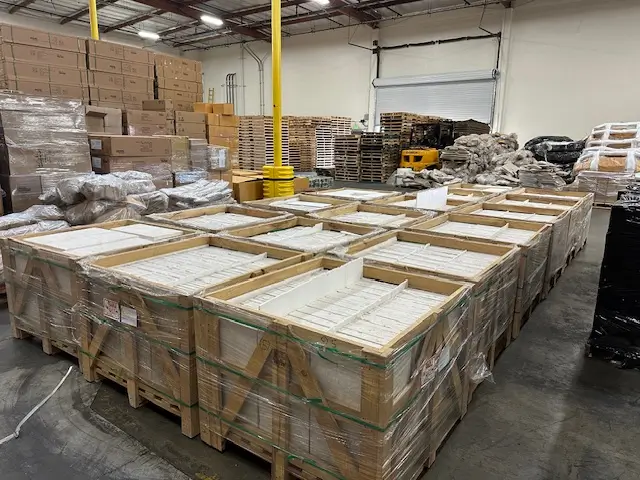
Truck access constraints affect delivery scheduling in ways that impact your installation timeline. Full-size flatbed deliveries require 14-foot clearance width and 45-foot turning radius for safe maneuvering—your site conditions determine whether direct delivery is feasible or if you’ll need to arrange transloading to smaller vehicles. This decision affects material costs by 8-12% when additional handling becomes necessary.
You’ll encounter three primary distribution models when you search for paving slabs retail stores Arizona. Big-box retailers stock limited SKUs with immediate availability but constrained size options—typically 12×12, 16×16, and 24×24 formats only. Specialty hardscape suppliers maintain broader inventory but operate on order-to-delivery models with 5-7 day fulfillment windows. Direct manufacturer relationships provide the widest specification options but require minimum order quantities that may exceed small residential project needs.
Specification Criteria: Professional Installations
When you specify paving slabs for sale Arizona for commercial applications, you’re balancing performance requirements against budget constraints that determine project feasibility. The decision matrix includes material properties, installation complexity, long-term maintenance costs, and replacement value over the project’s design life. For comprehensive comparison data across related paving options, see Citadel Stone’s slab application guide which details these trade-offs. You need to evaluate total cost of ownership rather than initial material price alone.
Your color stability requirements determine which material finishes survive Arizona’s UV exposure without significant fading. Light-colored slabs with integral pigmentation maintain appearance longer than surface-applied color treatments, which degrade 30-40% within 5-7 years under direct solar exposure exceeding 6 hours daily. You should specify UV-stable pigments tested to ASTM G155 standards for projects where long-term aesthetics matter.
- You must address thermal expansion with expansion joints every 15 feet in direct sun exposure areas
- Your base preparation specifications should require 6-8 inches of compacted aggregate for residential applications
- You’ll need to specify bedding layer composition—sand-set versus mortar-set affects long-term performance
- Your joint spacing must account for slab dimensional tolerances plus thermal movement allowances
The substrate moisture content before installation determines whether you’ll encounter efflorescence issues 12-18 months post-installation. You should verify moisture levels below 4% using calcium chloride tests before proceeding with installation. Higher moisture levels create salt migration pathways that result in white crystalline deposits requiring costly remediation through acidic cleaning treatments or surface grinding.
Regional Availability Patterns
You’ll find that buy paving slabs Phoenix Arizona offers the most competitive pricing due to volume logistics and warehouse concentration in the metro area. Phoenix suppliers benefit from direct rail access and interstate highway distribution networks that reduce transportation costs by 15-20% compared to suppliers serving outlying markets. This cost advantage affects project budgets significantly on large installations exceeding 5,000 square feet.
Your procurement strategy should account for seasonal availability fluctuations that affect lead times and pricing. Spring construction season (March-May) creates peak demand that strains warehouse inventory—you may encounter 2-3 week backorder situations on popular formats during this period. Fall ordering (September-November) typically provides better availability and occasional volume discounts as suppliers clear inventory before year-end.
The warehouse distribution footprint across Arizona creates distinct service zones. Phoenix suppliers readily service projects within 120-mile radius including Casa Grande, Prescott, and western Arizona communities. Tucson-based suppliers efficiently cover southern Arizona markets from Sierra Vista to Yuma. Northern Arizona projects in Flagstaff, Sedona, and Payson areas often source from Phoenix with delivery surcharges that add $0.15-$0.25 per square foot to material costs.
Installation Environment Considerations
You need to recognize that Arizona’s installation windows differ dramatically from temperate climate recommendations. Summer installations (June-August) require modified procedures—you’ll need to schedule paving work during morning hours before ambient temperatures exceed 95°F. Afternoon installation attempts result in accelerated mortar curing, reduced bond strength, and installation crews working in unsafe heat conditions.
- You should plan material deliveries to minimize on-site storage duration during summer months
- Your installation crew needs access to shade structures and hydration resources
- You must account for faster water evaporation rates when mixing mortar or grout products
- Your project schedule should include temperature-based work stoppages above 105°F ambient
The monsoon season (July-September) creates specific challenges that affect your installation timeline. You’ll encounter sudden afternoon thunderstorms that deliver intense rainfall with minimal warning—uncompleted installations require protective covering to prevent base layer saturation and material displacement. Your project schedule needs weather contingency allowances of 15-20% during monsoon months to account for these disruptions.
Winter installations in northern Arizona elevations above 5,000 feet require freeze-thaw performance verification. You should specify materials tested to ASTM C1645 standards with demonstrated durability through 300+ freeze-thaw cycles. Materials that perform adequately in Phoenix fail rapidly in Flagstaff and Prescott when subjected to 60-80 annual freeze-thaw events.
Cost Structure Analysis
When you evaluate paving slabs for sale Arizona, you’re looking at cost structures that include material, delivery, installation labor, and base preparation expenses. Material costs range from $4.50-$12.00 per square foot depending on slab size, thickness, finish quality, and order volume. Delivery adds $0.80-$2.50 per square foot based on distance from warehouse and truck accessibility to your site.
Your installation labor costs vary significantly by application complexity. Simple grid patterns on level substrates run $3.50-$5.00 per square foot for professional installation. Complex patterns, curved layouts, or installations requiring extensive substrate correction increase labor to $6.50-$9.00 per square foot. You need to obtain detailed installation quotes that specify exactly what’s included—base preparation, bedding layer, joint filling, and edge restraint installation all affect total project costs.
The base preparation requirements often represent 25-30% of total installed cost but receive inadequate attention during planning. You’ll need properly compacted aggregate base 6-8 inches deep for pedestrian applications, increasing to 10-12 inches for vehicular loads. Skimping on base preparation creates long-term settlement issues that require complete reinstallation within 5-8 years—far more expensive than proper initial construction.
Quality Verification Methods
You should implement quality verification protocols before accepting material deliveries for large projects. Visual inspection identifies obvious defects—chips, cracks, dimension variations—but subsurface quality requires testing. You’ll want to request mill certifications documenting compressive strength, water absorption rates, and freeze-thaw test results for material lots destined for your project.
- You must verify dimensional tolerances fall within ±2mm for tight joint installations
- Your inspection should identify any lippage exceeding 1mm across slab surfaces
- You need to confirm color consistency across different production lots before installation begins
- Your quality control process should document any damage occurring during transportation
The relationship between claimed specifications and field performance requires you to verify supplier representations. When you search for where to purchase paving slabs Tucson or Phoenix, you’ll encounter suppliers making performance claims that aren’t always supported by test data. You should request ASTM test results from independent laboratories rather than relying on manufacturer self-certification—this verification prevents specification failures that appear years after installation.
Your acceptance criteria need to address what constitutes acceptable variation in natural stone products versus manufactured concrete slabs. Natural stone exhibits inherent color and texture variation that’s part of the material’s character—you should establish mockup panels showing acceptable variation range before large-scale installation proceeds. Manufactured products should demonstrate tighter tolerances with less than 5% color variation across production runs.
Maintenance Requirements: Lifecycle Costs
You need to factor maintenance costs into your total cost analysis when you evaluate paving slabs for sale Arizona. Sealed surfaces require resealing every 3-5 years depending on traffic levels and UV exposure intensity. Professional resealing costs $0.75-$1.25 per square foot including surface cleaning, which adds $2,250-$3,750 to lifecycle costs for a 3,000 square foot installation over 15 years.
Your maintenance program should address joint sand retention in sand-set installations. You’ll lose 15-25% of joint sand annually due to wind displacement and monsoon washout—replacement sand costs are minimal but labor for proper joint refilling runs $0.30-$0.50 per square foot. Neglecting joint maintenance allows slab shifting and creates uneven surfaces that accelerate wear patterns.
The surface cleaning requirements vary by finish type and exposure conditions. Smooth-finish slabs show dirt and staining more readily than textured surfaces—you’ll need pressure washing annually to maintain appearance. Textured finishes hide normal soiling but require more aggressive cleaning when staining does occur. You should specify appropriate sealer products that facilitate easier cleaning without compromising slip resistance.
Common Specification Mistakes
You’ll encounter several recurring mistakes that compromise installation performance when you buy paving slabs Phoenix Arizona or elsewhere in the state. The most common error involves inadequate base preparation—specifying 4 inches of aggregate when applications require 6-8 inches creates settlement problems within 24-36 months. Your specification must match base depth to soil conditions and expected loading.
- You should avoid specifying materials without verified thermal performance data for Arizona conditions
- Your specifications must include expansion joint locations rather than leaving this to installer discretion
- You need to specify edge restraint systems appropriate to installation type and loading conditions
- Your project documents should address drainage slopes and water management explicitly
The joint spacing specifications often don’t account for thermal expansion adequately. You’ll see installations with 3/16-inch joints that should have 3/8-inch joints for the thermal cycling they’ll experience. This mistake creates compression damage at slab edges within 3-5 years as repeated expansion cycles chip and crack edges. Professional specifications calculate required joint width based on slab size, material expansion coefficient, and expected temperature range.
Your drainage design needs more attention than it typically receives in standard specifications. You should specify minimum 2% slope away from structures with drainage provisions every 20 feet for monsoon runoff management. Flat installations with inadequate drainage create standing water conditions that accelerate weathering and promote biological growth requiring frequent maintenance.
Citadel Stone Paving Slabs: Arizona Specification Guide
When you consider Citadel Stone’s paving slabs for sale Arizona, you’re evaluating premium materials engineered specifically for extreme climate performance. At Citadel Stone, we manufacture textured and smooth format slabs designed to meet the thermal cycling, UV exposure, and structural demands of Southwest installations. This section provides hypothetical guidance for how you would approach specification decisions across six representative Arizona cities with distinct climate characteristics.
Arizona’s climate zones range from low-desert heat in Yuma (elevation 138 feet) to high-altitude conditions in Flagstaff (elevation 6,910 feet). You need to account for these elevation and temperature differences when you specify materials—what performs optimally in Phoenix requires modification for Sedona or Flagstaff applications. The following city-specific guidance demonstrates how you would adapt specifications to local conditions.
Phoenix Heat Performance
In Phoenix, you’ll encounter summer temperatures exceeding 115°F with surface temperatures on dark pavers reaching 180°F. You would specify light-colored slabs with SRI values above 35 to maintain usable surface temperatures. Your installation would require expansion joints every 12-15 feet to accommodate thermal movement in the 100°F+ daily temperature range. You should verify that warehouse inventory includes UV-stable pigmentation tested to Arizona exposure standards. The urban heat island effect in Phoenix amplifies thermal stress beyond what standard specifications address—you would need to account for sustained high temperatures rather than brief peak exposure.
Tucson Specification Approach
Your Tucson projects would face similar heat challenges to Phoenix but with different monsoon intensity. You’d specify materials with 5-7% porosity to handle the intense summer thunderstorms that deliver 2-3 inches of rain in 90 minutes. You would design drainage systems with 2.5% minimum slope and incorporate drainage provisions every 15 feet. Your base preparation would include enhanced compaction standards to prevent washout during monsoon events. The Tucson basin’s caliche soil conditions would require you to address subsurface drainage more aggressively than standard specifications indicate.
Scottsdale Design Standards
You would approach Scottsdale installations with emphasis on aesthetic consistency given the community’s high-end residential market. Your specifications would require production lot verification to ensure color matching across multiple deliveries. You’d specify premium surface finishes with enhanced slip resistance for pool deck applications common in resort-style properties. Your quality control protocols would include mockup panel approval before full installation proceeds. At Citadel Stone, we recommend detailed finish specifications that address the luxury market expectations typical of Scottsdale projects.
Flagstaff Freeze-Thaw Requirements
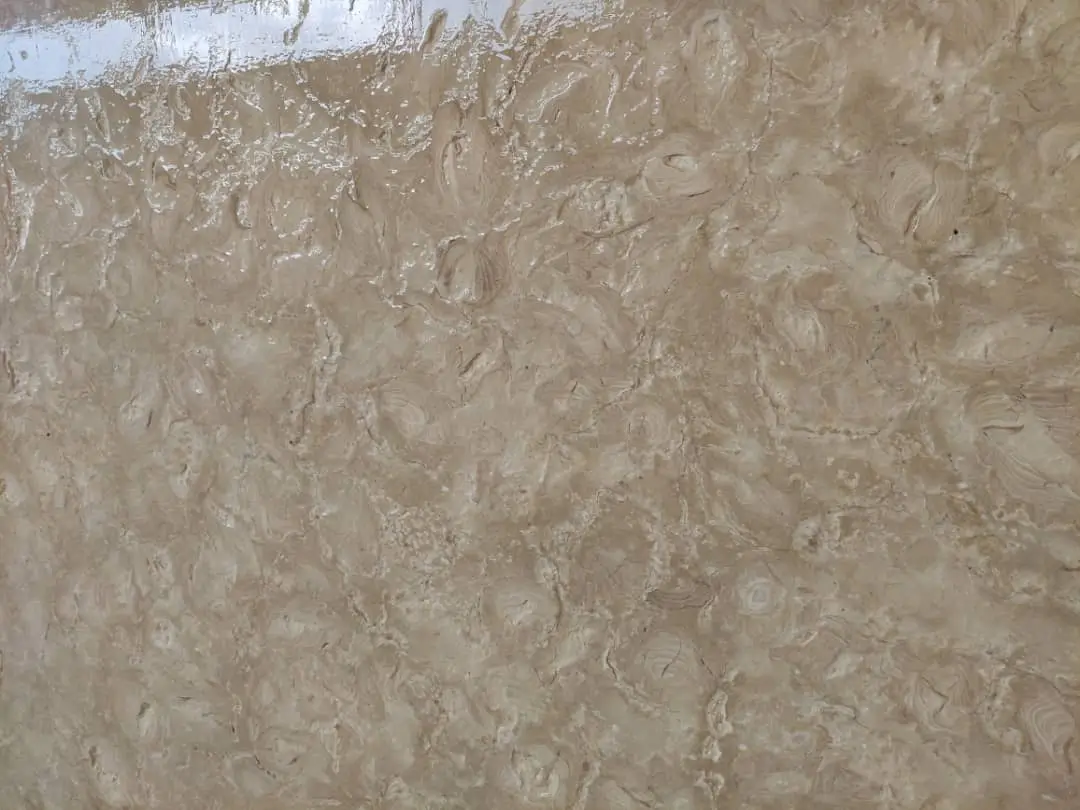
Your Flagstaff specifications would prioritize freeze-thaw durability over heat resistance. You’d require materials tested to ASTM C1645 with demonstrated performance through 300+ cycles. You would specify porosity below 5% to minimize water absorption that creates freeze damage. Your installation would require deeper base preparation—10-12 inches minimum—to prevent frost heave damage. You’d design installations with enhanced drainage to prevent subsurface ice formation. The 80-100 annual freeze-thaw cycles in Flagstaff eliminate materials that perform adequately in lower-elevation Arizona locations.
Sedona Aesthetic Integration
You would specify materials for Sedona projects that complement the red rock landscape while meeting moderate climate demands. Your color selections would emphasize earth tones that integrate with natural surroundings. You’d account for moderate freeze-thaw exposure (40-50 annual cycles) with appropriate porosity specifications. Your projects would need to address the tourism-focused community standards that emphasize visual harmony with the environment. You would coordinate with local design review requirements that often influence material selection and color palette approval.
Yuma Extreme Heat Protocols
Your Yuma installations would face the most extreme heat conditions in Arizona with summer temperatures regularly reaching 118-120°F. You’d specify materials with maximum solar reflectance and proven thermal stability. You would design expansion joint systems for the most aggressive thermal cycling scenarios. Your installation protocols would restrict work to early morning hours during May-September. You’d specify enhanced edge restraint systems to prevent slab displacement from extreme thermal expansion. The combination of intense heat and minimal precipitation in Yuma creates unique specification requirements that differ from Phoenix despite similar summer temperatures.
Supplier Evaluation Criteria
When you search for paving slabs retail stores Arizona, you need evaluation criteria beyond price comparison. You should assess supplier warehouse locations relative to your project site—proximity reduces delivery costs and provides flexibility for supplemental orders if quantity calculations prove insufficient. Your supplier evaluation should verify they maintain adequate inventory depth for your project timeline rather than operating on order-to-delivery models that extend schedules.
You’ll want to confirm supplier technical support capabilities for specification questions that arise during installation. Suppliers with experienced technical staff help you resolve field issues—questions about joint spacing adjustments, base preparation modifications, or drainage detail refinements. This support value often exceeds minor price differences between competing suppliers.
- You should verify supplier return policies for damaged or incorrect materials before purchasing
- Your evaluation must confirm delivery scheduling flexibility to match your construction timeline
- You need to assess supplier willingness to provide mill certifications and test data
- Your supplier selection should consider their experience with projects similar to yours
The supplier’s relationship with manufacturers affects product availability and pricing. Direct factory relationships provide better pricing on volume orders and priority allocation during supply constraint periods. You should ask suppliers about their manufacturer partnerships and whether they stock inventory or drop-ship from factory warehouses—this distinction affects lead times significantly.
Environmental Performance Factors
You need to understand how paving slabs for sale Arizona affect site-level environmental performance. Permeable slab installations with open joints allow stormwater infiltration that reduces runoff volumes by 40-60% compared to monolithic concrete. You can specify permeable systems for areas where groundwater recharge or stormwater management provides project value—parking areas, pedestrian plazas, and residential driveways benefit from this approach.
Your material selection affects urban heat island mitigation at site scale. Light-colored slabs with SRI values above 29 reduce absorbed solar radiation by 25-35% compared to dark materials, lowering ambient air temperatures in outdoor spaces by 3-5°F during afternoon hours. This performance matters for projects emphasizing outdoor comfort during Arizona’s extended warm season.
The embodied energy in manufactured slabs versus quarried natural stone creates environmental trade-offs you should consider. Manufactured products often incorporate recycled content and local material sourcing that reduces transportation impacts. Natural stone requires quarrying energy but involves minimal processing. You need to evaluate these factors based on project-specific environmental goals and certification requirements if pursuing LEED or similar green building programs.
Project Planning Timeline
When you buy paving slabs Phoenix Arizona for projects with firm completion deadlines, you need realistic timeline expectations. Material procurement requires 10-21 days from specification approval to on-site delivery for warehouse stock items. Custom orders or specialty formats extend timelines to 6-8 weeks as manufacturers schedule production runs. You should identify long-lead items early in planning and place orders before finalizing all design details if timeline constraints are critical.
Your installation duration depends on project size and complexity. Professional crews install 400-600 square feet daily for straightforward patterns on prepared bases. Complex patterns, curves, or sites requiring extensive base correction reduce daily production to 250-350 square feet. You need to calculate realistic installation schedules that account for material handling, cutting requirements, and quality control verification rather than optimistic projections that create schedule pressure.
The permitting and inspection requirements in your jurisdiction affect timeline. Many Arizona municipalities require permits for hardscape installations exceeding 500 square feet or any work affecting drainage patterns. You should verify local requirements early in planning—permit approval processes range from 3-5 days for simple residential projects to 4-6 weeks for commercial installations requiring engineering review.
Final Considerations
Your professional specification process for paving slabs for sale Arizona requires you to balance performance requirements, aesthetic preferences, budget constraints, and installation timeline realities. You need to verify that selected materials meet climate-specific performance thresholds while coordinating with supplier capabilities and truck delivery logistics. Your success depends on detailed specifications that address base preparation, expansion provisions, drainage design, and quality verification protocols—generic specifications don’t account for Arizona’s unique installation environment.
You should recognize that paving slabs available now near me searches provide starting points, but thorough evaluation of material properties, supplier capabilities, and installation requirements determines project outcomes. When you invest time in proper specification development and supplier evaluation, you’ll avoid the costly mistakes that compromise installations within 3-5 years. For additional technical insights before you finalize project documents, review Licensed paving slab suppliers and distributors across Arizona to identify qualified partners for your specific project requirements. Citadel Stone manufactures textured and smooth paving slabs and supplies them across Arizona for any design style.