
When you’re specifying paving slabs driveways Arizona projects, you’re facing one of the most demanding installation environments in North America. Your material selection needs to account for surface temperatures exceeding 160°F, thermal cycling that spans 60-80°F daily, and UV exposure levels that degrade inferior materials within 5-7 years. The difference between a successful 25-year driveway and a failed 8-year installation comes down to understanding load-bearing requirements, thermal performance characteristics, and how Arizona’s unique climate variables interact with stone porosity and density.
You’ll find that most generic paving guidance fails in Arizona conditions. Your specifications must address vehicular loading (minimum 8,000 PSI compressive strength for residential, 12,000+ PSI for commercial), thermal expansion coefficients that dictate joint spacing, and slip resistance that remains effective across temperature extremes. This isn’t theoretical — field performance data from Phoenix, Tucson, and Scottsdale installations reveals specific failure patterns when specifiers overlook regional requirements.
Load-Bearing Specifications for Vehicular Applications
Your driveway specification starts with compressive strength, but that’s just the entry point. You need to understand the relationship between compressive strength, flexural strength, and thickness to predict real-world performance under vehicle loading. For paving slabs driveways Arizona installations, the material must handle static loads from parked vehicles plus dynamic impact loads from daily traffic cycles.
Compressive strength requirements vary by application. For residential driveways with standard passenger vehicles, you should specify minimum 8,000 PSI. When you’re designing for SUVs and light trucks (which now represent 65% of Arizona’s vehicle fleet), that threshold moves to 10,000 PSI. Commercial applications with delivery vehicles require 12,000-14,000 PSI, and you’ll need to verify this through ASTM C170 testing, not manufacturer estimates.
Here’s what catches most specifiers — compressive strength alone doesn’t predict flexural performance. You need modulus of rupture data, which typically runs 10-15% of compressive strength for natural stone. For a 10,000 PSI compressive material, you’re looking at 1,000-1,500 PSI flexural strength. This determines minimum thickness requirements: 1.25 inches for pedestrian applications, 2 inches for residential vehicular, 2.5-3 inches for commercial loading.
- You should specify thickness based on expected loading, not just aesthetic preference
- Your edge support conditions affect required thickness by 15-20%
- You need to account for point loading at vehicle tire contact patches
- Your base preparation contributes 40% of total structural capacity
The interaction between stone properties and base conditions determines long-term performance. When you install 2-inch paving slabs over improperly compacted aggregate, you’re creating deflection conditions that lead to cracking within 3-5 years. Your base must provide uniform support — any voids or soft spots concentrate stress at the slab level.
Thermal Performance in Arizona Climate Conditions
Arizona’s thermal environment creates challenges you won’t find in manufacturer literature. Surface temperatures on dark stone can reach 170°F during July and August, then drop to 90°F overnight — that 80°F cycle happens daily for 90-120 days annually. Your material selection must account for thermal expansion, heat retention characteristics, and how porosity affects thermal mass behavior.
Thermal expansion coefficients for natural stone range from 4.5 to 6.5 × 10⁻⁶ per °F, depending on mineral composition. For paving slabs driveways Arizona installations, you’re working with temperature swings that create 0.025-0.035 inches of expansion per linear foot. That means a 20-foot driveway section expands 0.5-0.7 inches seasonally — if you don’t accommodate this through proper joint spacing, you’ll see edge spalling and lippage within 18-24 months.
Your joint spacing protocol needs to adjust for Arizona conditions. Standard 15-foot expansion joint intervals work in moderate climates, but here you should reduce that to 12 feet for installations with 6+ hours of direct solar exposure. When you’re working with darker stone (thermal absorption above 70%), reduce joint spacing further to 10 feet. The joints themselves need to remain functional — sand-filled joints work for pedestrian applications, but vehicular loads require polymeric sand or mortar joints that maintain 3/16-inch minimum width.
Color selection significantly impacts surface temperature. Light-colored limestone and travertine maintain surface temperatures 25-35°F cooler than dark granite or basalt. For paving slabs driveways Arizona projects, this isn’t just comfort — it affects material longevity. Sustained temperatures above 165°F accelerate mineral degradation in some stone types, particularly those with high mica content. When you evaluate heavy duty paving Arizona options, lighter colors extend service life by reducing thermal stress cycles.
Porosity and Drainage Performance Requirements
You need to understand porosity not just for water absorption, but for how it affects freeze-thaw performance (yes, even in Arizona), efflorescence potential, and stain resistance. For vehicular applications, porosity between 3-7% provides optimal balance — below 3%, drainage becomes problematic; above 7%, you’re increasing stain absorption and reducing compressive strength.
Arizona’s monsoon season delivers intense precipitation that tests drainage capacity. Your paving slabs driveways Arizona installation must handle 1-2 inches of rainfall in 30-45 minute events, which means base drainage must exceed surface permeability by at least 4x. When you specify stone with 5% porosity, your aggregate base needs permeability of 20% or higher to prevent subsurface saturation that leads to efflorescence and settlement.
The relationship between porosity and efflorescence surprises many specifiers. Arizona’s soil pH typically runs 7.8-8.5, and groundwater carries dissolved minerals that wick through porous stone. When you’re working with limestone or travertine (natural porosity 4-8%), you should anticipate some efflorescence in the first 12-18 months. This isn’t a defect — it’s mineral migration that stabilizes as the system equilibrates. Your detailing should include drainage paths that minimize water contact time with the stone.
- You should specify permeability testing for both stone and base materials
- Your base layer must drain faster than surface material to prevent saturation
- You need to account for how installation method affects field porosity
- Your edge drainage details should evacuate water within 30 minutes of peak rainfall
For driveway slab suppliers Phoenix contractors, porosity data often comes from laboratory testing that doesn’t reflect installed conditions. When you set stone in mortar, you’re reducing effective porosity by 15-25% compared to dry-laid applications. This affects both drainage and thermal performance — mortar-set installations retain heat 20-30% longer than dry-laid equivalents.
Slip Resistance Across Temperature Ranges
Your slip resistance specification must account for conditions that span from wet winter mornings to dry 115°F summer afternoons. The DCOF (Dynamic Coefficient of Friction) testing you see in product literature measures room-temperature performance — field conditions create variations that affect actual safety performance.
For paving slabs driveways Arizona applications, you should specify minimum DCOF of 0.50 for dry conditions and 0.42 for wet conditions. Surface finish dramatically affects these values: thermal finish provides 0.52-0.58 dry DCOF, flamed finish gives 0.48-0.54, and honed finish typically measures 0.42-0.48. When you’re selecting finishes, understand that aggressive textures collect dirt and organic material that requires pressure washing 2-3 times annually in Arizona dust conditions.
Temperature affects slip resistance in ways most specifiers don’t anticipate. Stone surfaces above 140°F exhibit 8-12% lower DCOF than the same surface at 70°F due to thermal expansion effects on surface texture. This means your summer afternoon slip resistance drops below winter morning values, even in dry conditions. When you specify for vehicular paving slabs dealers requirements, this matters for pedestrian areas adjacent to driveways where people walk after exiting vehicles.
Here’s the practical consideration: flamed and thermal finishes maintain better slip resistance across temperature extremes than honed or polished surfaces. The texture depth (measured in thousandths of an inch) remains consistent regardless of temperature, while smoother finishes show greater DCOF variation. For Arizona installations, you’ll achieve better long-term performance with medium-texture finishes (0.015-0.025 inch texture depth) rather than aggressive textures that trap debris.
Thickness and Base Preparation Specifications
Your structural system consists of stone thickness, bedding layer, aggregate base, and subgrade — each contributes to total capacity, and weakness in any layer compromises the entire assembly. For paving slabs driveways Arizona projects, you’re working with expansive clay soils in many regions that require specific base design to prevent seasonal movement.
Stone thickness requirements start with loading calculations but must account for material properties. A 2-inch granite slab with 18,000 PSI compressive strength provides equivalent capacity to a 2.5-inch limestone slab with 12,000 PSI. When you’re comparing vehicular paving options, thickness alone doesn’t determine adequacy — you need to verify the combination of thickness and strength meets your loading requirements with appropriate safety factors.
Base preparation for Arizona conditions requires understanding soil expansion potential. Areas with clay content above 30% exhibit 2-4% volumetric change between wet and dry conditions. When you’re installing over expansive soils, your aggregate base must provide a buffer that absorbs this movement. Minimum 6-inch compacted aggregate base works for stable soils; increase to 8-10 inches over clay-heavy subgrades, and verify compaction to 95% modified Proctor density.
- You should test subgrade soil for expansion potential before specifying base depth
- Your aggregate gradation must provide mechanical interlock and drainage capacity
- You need to verify compaction in 2-inch lifts, not in a single 6-inch placement
- Your bedding layer should be 1-inch screeded sand for dry-laid or mortar for wet-set applications
The bedding layer serves different functions depending on installation method. For dry-laid installations, you’re using 1-inch bedding sand that allows minor adjustments and accommodates slight thickness variations in the stone. When you choose mortar-set installation, you’re creating a monolithic system that distributes loads more evenly but requires proper expansion joints every 10-12 feet. Most heavy duty paving Arizona projects use mortar-set applications for vehicular areas to prevent individual unit displacement under loading.
Material Selection Criteria for Arizona Driveways
When you evaluate stone options for paving slabs driveways Arizona applications, you’re balancing compressive strength, thermal performance, aesthetic requirements, and budget constraints. Natural stone options include limestone, travertine, granite, and sandstone — each exhibits different performance characteristics that suit specific applications and climates.
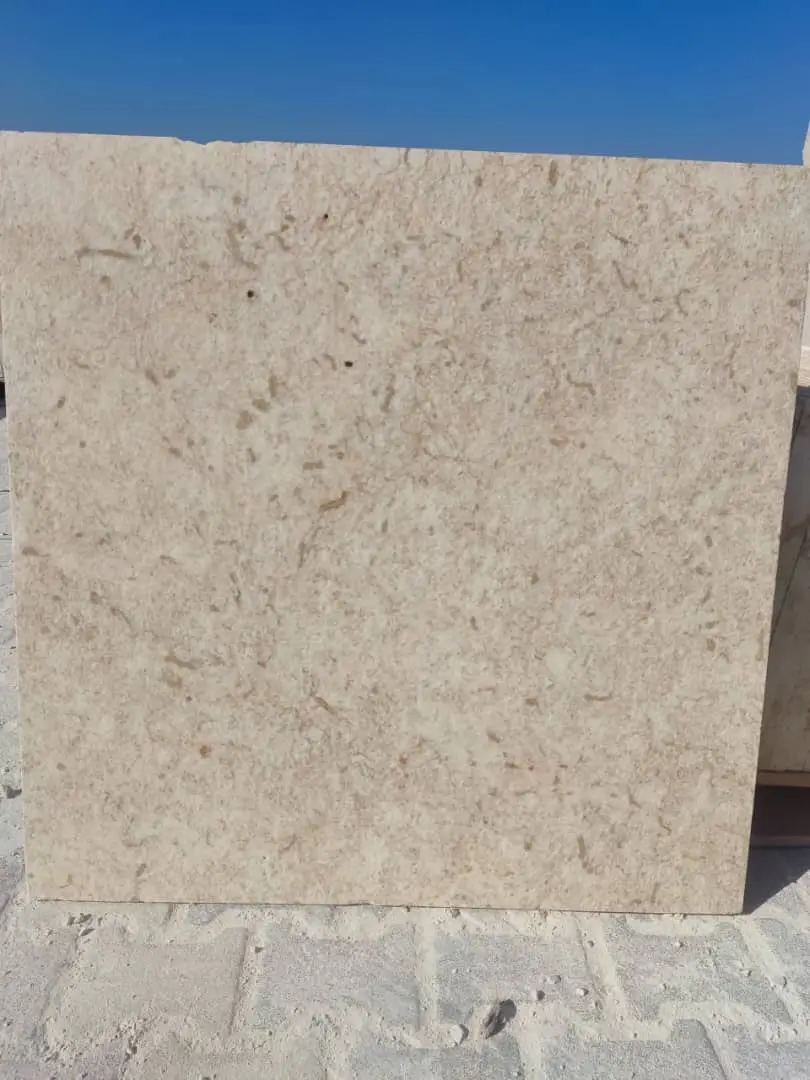
Limestone provides excellent thermal performance with light colors that maintain surface temperatures 30-40°F below dark alternatives. You’ll find compressive strengths ranging from 8,000-14,000 PSI depending on specific quarry sources and density. For Arizona residential driveways, limestone offers optimal balance of performance and aesthetics. The material’s porosity (typically 4-7%) requires sealing every 2-3 years in vehicular applications to prevent oil staining, but this maintenance burden is manageable for most property owners.
Travertine exhibits similar thermal characteristics to limestone but with distinctive aesthetic texture created by natural voids. When you specify travertine for driveway applications, you should require filled and honed surface finish to eliminate voids that collect dirt and create trip hazards. Compressive strengths typically range 7,000-12,000 PSI — adequate for residential vehicular loading but potentially marginal for heavy commercial use. The material performs well in Arizona heat, though you’ll see some color fading after 8-10 years of UV exposure.
Granite provides superior compressive strength (15,000-25,000 PSI) and exceptional durability, but dark granite colors create surface temperatures that exceed 170°F in direct summer sun. When you choose granite for paving slabs driveways Arizona installations, specify lighter colors (white, cream, light gray) to manage thermal performance. The material’s low porosity (typically 0.5-2%) eliminates staining concerns but requires attention to surface drainage since water doesn’t permeate the material.
Sandstone offers natural slip resistance and warm aesthetic tones, with compressive strengths ranging 6,000-12,000 PSI depending on density. You need to be selective with sandstone sources — some exhibit friable surfaces that deteriorate under vehicular traffic. For Arizona applications, specify dense sandstone with minimum 10,000 PSI compressive strength and verify surface hardness through field testing before committing to large quantities. Many driveway grade suppliers near me provide sample materials that you can test under actual traffic conditions before specification.
Installation Methods: Dry-Laid vs Mortar-Set
Your installation method choice affects long-term performance, maintenance requirements, and total project cost. For paving slabs driveways Arizona applications, you’re typically choosing between dry-laid installation over sand bedding or mortar-set installation over concrete base. Each method has specific advantages and limitations that suit different project requirements.
Dry-laid installation provides flexibility and easier future repair. You set stone directly on 1-inch screeded bedding sand over compacted aggregate base, with sand-swept or polymeric sand joints. This method accommodates minor base settlement without creating visible defects, and you can remove and reset individual units if needed. For residential driveways without heavy vehicle traffic, dry-laid installation performs well with lower initial cost. The system allows some permeability through joints, which can benefit drainage in heavy rainfall events.
However, dry-laid systems exhibit limitations under vehicular loading. Individual units can shift laterally under turning wheel loads, particularly at driveway approaches and turning areas. You’ll see joint sand displacement that requires replenishment every 18-24 months, and some edge restraint challenges at borders and transitions. When you specify dry-laid installation for paving slabs driveways Arizona projects, you should include robust edge restraint (concrete curbing or soldier course set in concrete) to prevent lateral migration.
Mortar-set installation creates monolithic systems better suited to heavy vehicular loading. You’re setting stone in 1-inch mortar bed over concrete slab base (minimum 4-inch thickness for residential, 6-inch for commercial). Mortar joints (3/8-1/2 inch width) prevent individual unit movement and eliminate joint sand maintenance. This method costs 35-50% more than dry-laid installation but provides superior long-term stability for high-traffic applications.
- You should choose dry-laid for residential driveways with standard passenger vehicles
- Your specification should require mortar-set for commercial applications or heavy vehicles
- You need to include proper expansion joints every 10-12 feet in mortar-set installations
- Your edge details must provide adequate restraint regardless of installation method
For projects requiring premium performance, some contractors recommend hybrid systems: mortar-set installation at high-stress areas (approaches, turning zones) with dry-laid elsewhere. When you work with experienced vehicular paving slabs dealers, they’ll guide installation method selection based on specific site conditions and traffic patterns.
Edge Restraint and Transition Details
Your edge conditions determine whether paving slabs driveways Arizona installations remain stable or gradually migrate outward under traffic loading. Edge restraint must resist lateral forces from vehicle wheel loads, thermal expansion, and base settlement without creating visual discontinuities or trip hazards.
Concrete edge restraint provides the most robust solution for vehicular applications. You should specify 6-inch wide × 12-inch deep concrete curbing poured against compacted aggregate base before stone installation. This creates permanent edge definition that prevents lateral movement. When you detail edge restraint, account for thermal expansion at the stone-to-concrete interface — include 1/4-inch compressible joint filler to prevent spalling as the stone field expands and contracts seasonally.
Soldier course edges (stone units set perpendicular to field orientation) provide aesthetic alternatives but require concrete footing for vehicular applications. You can’t simply set soldier course in bedding sand and expect long-term stability — wheel loads at edges will displace units within 12-18 months. When you specify soldier course edges, detail 6-inch deep concrete footing beneath the soldier units, set in mortar, with concrete backing to resist overturning forces.
Transition details at garage doors, sidewalks, and adjacent surfaces require specific attention. Your stone elevation should match adjacent surfaces within ±1/4 inch to prevent trip hazards and drainage issues. When you’re transitioning from driveway to garage, include threshold detail that provides gradual elevation change if levels don’t align perfectly. Many building codes restrict vertical elevation changes to 1/4 inch maximum without requiring beveled transitions.
Joint Spacing and Maintenance Protocols
Your joint design affects thermal accommodation, drainage performance, and long-term maintenance requirements. For paving slabs driveways Arizona installations, joint spacing must balance aesthetic preferences against functional requirements for expansion accommodation and structural stability.
Joint width recommendations vary by installation method and stone size. Dry-laid installations typically use 1/8 to 3/16-inch joints filled with polymeric sand for vehicular applications. You can reduce joint width to 1/16 inch for pedestrian areas, but vehicular loading requires wider joints to prevent edge chipping from stone-to-stone contact under load. When you specify mortar joints for wet-set installations, minimum 3/8-inch width provides adequate space for mortar placement and accommodates thermal movement without creating bond stress.
Joint fill material selection depends on expected loading and maintenance preferences. For dry-laid systems, polymeric sand provides superior performance compared to regular mason sand — it hardens after water activation to resist washout and weed growth. You’ll pay 3-4x more for polymeric sand, but joint replenishment intervals extend from 12-18 months (regular sand) to 36-48 months (polymeric). When you work with driveway slab suppliers Phoenix contractors, verify that installation includes proper polymeric sand activation through misting — insufficient water activation leaves loose material that washes out during first monsoon season.
Mortar joint specifications should address mix design, joint tooling, and curing protocols. You need Type S mortar minimum for vehicular applications, with joints tooled concave to shed water. Joint depth should equal stone thickness for structural continuity — shallow joints (less than 50% of stone thickness) don’t provide adequate lateral restraint. Color-matched mortar creates more refined aesthetic but costs 40-60% more than standard gray — evaluate this premium against project budget and visual expectations.
- You should specify joint width based on installation method and expected loading
- Your joint fill material must resist vehicular loading and environmental degradation
- You need to include expansion joints every 10-12 feet in mortar-set installations
- Your maintenance protocol should address joint inspection and replenishment intervals
For installations using paving slabs suppliers in Arizona, joint specification should align with material characteristics and local climate conditions. Some stone types require wider joints to accommodate thermal expansion, while others perform adequately with tighter spacing.
Sealing and Long-Term Maintenance Requirements
Your maintenance program determines whether paving slabs driveways Arizona installations maintain appearance and performance for 20+ years or show premature degradation. Sealing protocols, cleaning schedules, and joint maintenance all contribute to long-term outcomes that affect total ownership cost.
Sealing requirements depend on stone porosity and exposure conditions. Limestone and travertine (porosity 4-8%) require penetrating sealer application to prevent oil staining in vehicular areas. You should specify initial sealer application 30-60 days after installation to allow construction moisture to escape, then reapplication every 24-36 months depending on traffic intensity and exposure. For Arizona conditions, water-based penetrating sealers perform better than solvent-based alternatives — they don’t trap moisture that contributes to efflorescence, and they withstand UV exposure without yellowing.
Granite and dense sandstone (porosity below 3%) typically don’t require sealing for stain resistance, but you might choose to seal for color enhancement or to simplify cleaning. When you seal low-porosity stone, you’re creating a surface barrier rather than penetrating protection — this affects appearance and slip resistance. Some sealers reduce DCOF by 0.05-0.08, which can drop borderline slip resistance below acceptable thresholds. Always verify slip resistance after sealer application to confirm compliance with safety requirements.
Cleaning protocols should address Arizona dust, organic growth in joints, and occasional oil staining. You need pressure washing annually to remove accumulated dust and dirt that dulls appearance and provides substrate for weed growth in joints. When you pressure wash, limit pressure to 1,500-2,000 PSI and use 25-degree nozzle to prevent joint erosion. Higher pressures (above 2,500 PSI) can damage joint fill and create pitting in softer stone surfaces.
Oil stain removal requires specific protocols depending on stone type and sealer status. For sealed stone, fresh oil stains typically clean with degreaser and pressure washing. On unsealed porous stone, oil penetrates quickly — you’ll need poultice treatment with absorbent material and solvent to draw oil from stone pores. Many heavy duty paving Arizona installations include service area zones with extra sealer protection where vehicle parking concentrates potential staining.
Cost Analysis and Budget Planning Factors
Your budget planning must account for material costs, installation labor, site preparation requirements, and long-term maintenance when evaluating paving slabs driveways Arizona project economics. Total installed cost varies significantly based on material selection, installation method, site conditions, and accessibility factors.
Material costs range from $8-15 per square foot for limestone and travertine, $12-20 per square foot for premium sandstone, and $15-25 per square foot for granite. These are material-only prices from wholesale suppliers — you’ll see 40-60% markups at retail home improvement centers for identical materials. When you source from established driveway grade suppliers near me, you should verify warehouse stock levels before committing to project timelines, as special-order materials can add 3-6 weeks to delivery schedules.
Installation labor for dry-laid applications typically runs $8-12 per square foot, while mortar-set installation costs $12-18 per square foot due to additional base preparation and skill requirements. Your total installed cost including site preparation ranges $20-35 per square foot for standard projects. Complex sites with limited truck access, substantial grading requirements, or challenging existing condition removal can increase costs by 30-50%.
Site preparation represents 25-35% of total project cost and varies dramatically by existing conditions. You might need to remove existing concrete or asphalt driveways, adjust elevations to meet existing structures, or address drainage issues. Expansive soil conditions in parts of Arizona require deeper aggregate base preparation that adds $2-4 per square foot to excavation and materials costs. When you’re planning budgets, include 10-15% contingency for unforeseen site conditions that emerge during demolition and excavation.
- You should budget for material costs based on actual project area plus 8-10% waste factor
- Your installation cost varies significantly between dry-laid and mortar-set methods
- You need to account for site-specific factors that affect preparation costs
- Your long-term maintenance costs should include sealing, cleaning, and joint replenishment
Lead times from warehouse to job site affect project scheduling and sometimes costs. Standard materials typically ship within 5-10 business days, while custom sizes or special finishes might require 4-8 weeks. When you coordinate large projects, consider staging deliveries to avoid extended on-site storage that creates liability and material damage risks. Most suppliers offer truck delivery directly to job sites, but you should verify access for full-size delivery vehicles during planning phases.
Common Specification Mistakes and How to Avoid Them
Even experienced specifiers make mistakes that compromise paving slabs driveways Arizona performance. Understanding common errors helps you avoid costly field problems and callbacks that damage professional reputation and project profitability.
Undersizing thickness represents the most frequent specification error. You’ll see projects where 1.5-inch stone gets specified for vehicular applications based on aesthetic samples without structural analysis. This creates cracking within 2-3 years under normal traffic loading. When you specify thickness, verify it meets minimum requirements for expected loading with appropriate safety factors — don’t assume that material appearing robust will perform adequately under sustained vehicular use.
Ignoring thermal expansion creates long-term problems that emerge gradually. You might specify beautiful tight joints (1/16 inch) that look crisp initially but lead to edge spalling after 18-24 months of thermal cycling. Arizona temperature swings create significant expansion that must go somewhere — if joints don’t accommodate movement, the stone edges chip and crack. Always include adequate joint spacing for thermal expansion based on climate conditions and stone thermal coefficients.
Inadequate base preparation compromises even premium materials. You can specify the finest stone available, but if it’s installed over poorly compacted base, you’ll see settlement and cracking regardless of material quality. Your base specification must address specific site conditions, soil types, and compaction requirements. Don’t accept generic base details without verifying they suit actual soil conditions at your project site.
- You should verify that thickness specifications match loading requirements with safety factors
- Your joint spacing must accommodate thermal expansion for Arizona climate conditions
- You need to specify base preparation appropriate for site-specific soil conditions
- Your edge restraint details must prevent lateral migration under traffic loading
Neglecting drainage design causes problems that appear months after installation. Standing water creates efflorescence, accelerates joint degradation, and contributes to freeze damage in higher-elevation Arizona locations. When you detail drainage, ensure positive slope away from structures (minimum 2% grade), adequate edge drainage to evacuate runoff, and base permeability that prevents subsurface saturation. These aren’t optional refinements — they’re essential performance factors.
Poor supplier selection creates quality and availability problems. You might choose suppliers based solely on price without verifying material consistency, stock depth, or technical support capabilities. When you work with established vehicular paving slabs dealers who maintain inventory and provide technical guidance, you reduce project risk significantly. Verify that suppliers can deliver required quantities on project schedules before committing to specifications that depend on their materials.
Citadel Stone Paving Slabs: Arizona Specification Guidance
When you consider Citadel Stone’s paving slabs for your Arizona driveway project, you’re evaluating premium materials engineered for extreme desert climate performance. At Citadel Stone, we provide technical guidance for hypothetical applications across Arizona’s diverse regions, from low-desert heat zones to high-elevation areas with freeze-thaw cycles. This section outlines how you would approach specification decisions for six representative cities, accounting for local climate variables, soil conditions, and typical installation challenges. Each city presents unique considerations that affect material selection, thickness requirements, and installation protocols for paving slabs driveways Arizona applications.
Phoenix Heat Performance
In Phoenix’s extreme urban heat island, you would need to prioritize materials with superior thermal reflectivity and heat dissipation characteristics. Summer surface temperatures can exceed 170°F on dark stone, creating conditions that affect both material longevity and user comfort. For Phoenix installations, you should specify light-colored limestone or travertine with thermal reflectivity above 65% to maintain surface temperatures 30-40°F below darker alternatives. Your base preparation would need to account for caliche layers common in Phoenix-area soils, typically requiring mechanical excavation and removal to ensure proper drainage. Standard installations would use 2-inch thick material over 8-inch compacted aggregate base, with expansion joints every 12 feet to accommodate the 80°F daily thermal cycling during peak summer months. Joint spacing becomes critical in Phoenix conditions where thermal expansion can reach maximum values for Arizona installations.
Tucson Clay Considerations
Tucson’s clay-heavy soils present expansion challenges that require specific base design approaches. You would encounter expansive clay in 60-70% of Tucson-area sites, with volumetric change potential reaching 3-5% between wet and dry conditions. For vehicular applications in Tucson, you should specify minimum 10-inch aggregate base depth over clay subgrades to buffer seasonal soil movement that would otherwise telegraph through to the paving surface. When you work with driveway slab suppliers Phoenix contractors serving the Tucson market, verify that base preparation includes proper moisture conditioning of subgrade before aggregate placement. Your material selection would favor limestone with proven performance in clay soil conditions, installed using mortar-set methods for commercial applications or dry-laid with robust edge restraint for residential driveways. Tucson’s monsoon intensity requires attention to drainage design, as the area receives concentrated rainfall that can deliver 1.5 inches in 45-minute events during July-August storm season.
Scottsdale Premium Applications
Scottsdale’s high-end residential market typically demands premium aesthetics combined with superior performance specifications. You would specify materials that balance visual refinement with thermal performance, often selecting travertine or premium limestone in contemporary color palettes. For Scottsdale installations, aesthetic joint detailing becomes as important as structural performance — your specifications would include color-matched mortar joints with precise tooling for wet-set applications, or polymeric sand joints with consistent spacing for dry-laid installations. Climate conditions mirror Phoenix parameters, requiring light-colored materials and proper thermal expansion accommodation. Your typical Scottsdale specification would include 2-2.5 inch thickness depending on expected vehicle loading, with particular attention to transitions at garage doors and entertainment areas where appearance quality receives close scrutiny. Many Scottsdale projects incorporate decorative borders and pattern variations that require coordination between multiple stone sizes, making warehouse stock verification essential during planning phases.
Flagstaff Freeze Cycling
Flagstaff’s 7,000-foot elevation creates freeze-thaw conditions rare elsewhere in Arizona, requiring different material specifications than low-desert installations. You would need to verify that selected materials meet ASTM C1026 freeze-thaw testing requirements, with porosity ranges between 3-6% that allow water absorption without creating structural degradation during freeze cycles. For Flagstaff applications of paving slabs driveways Arizona, you should specify minimum 10,000 PSI compressive strength to withstand freeze-related stress, installed over deeper aggregate base (10-12 inches) that extends below frost depth. Your sealing protocol would include penetrating sealer application to minimize water infiltration that could freeze within stone pores, with resealing intervals reduced to 18-24 months due to freeze-thaw stress. Flagstaff installations experience 100+ annual freeze-thaw cycles, making material selection critical for long-term performance. When you specify for this climate zone, darker stone colors become acceptable since summer heat island effects don’t reach Phoenix intensity, and the darker tones can actually benefit from solar heat gain during winter months.
Sedona Red Rock
Sedona’s distinctive red rock landscape influences aesthetic preferences while elevation (4,500 feet) creates moderate climate conditions between low-desert heat and high-country freeze exposure. You would typically specify materials that complement natural red rock tones, often selecting sandstone or warm-toned limestone that harmonizes with surrounding geology. For Sedona installations, you should account for tourist traffic patterns and upscale residential expectations that demand both durability and refined appearance. Your specifications would address moderate freeze-thaw exposure (40-60 annual cycles) without the extreme requirements of Flagstaff, allowing broader material selection. Base preparation would account for red soil conditions common in the area, with particular attention to drainage design that prevents red soil staining on lighter stone colors. Many Sedona projects incorporate natural edge treatments and irregular patterns that require experienced installation crews familiar with custom layout work, making supplier technical support an important selection criterion.
Mesa Residential Scale
Mesa’s large-scale residential development patterns create opportunities for efficient material procurement and installation across multiple similar projects. You would encounter typical residential driveway applications with standard passenger vehicle loading, allowing specifications that balance performance and cost-effectiveness. For Mesa installations, you should specify 2-inch limestone or travertine over 6-8 inch aggregate base depending on soil conditions, using dry-laid installation methods that reduce total project cost while maintaining adequate performance for residential use. Climate parameters match Phoenix conditions, requiring attention to thermal performance through material color selection and proper joint spacing. Your Mesa specifications would often incorporate standard sizes and readily available colors that ensure warehouse stock availability for project timelines that accommodate typical residential construction schedules. When you work with heavy duty paving Arizona suppliers serving Mesa’s production builder market, verify that they maintain adequate inventory depth to support multi-unit developments without creating delivery delays that affect construction sequencing.
Final Considerations
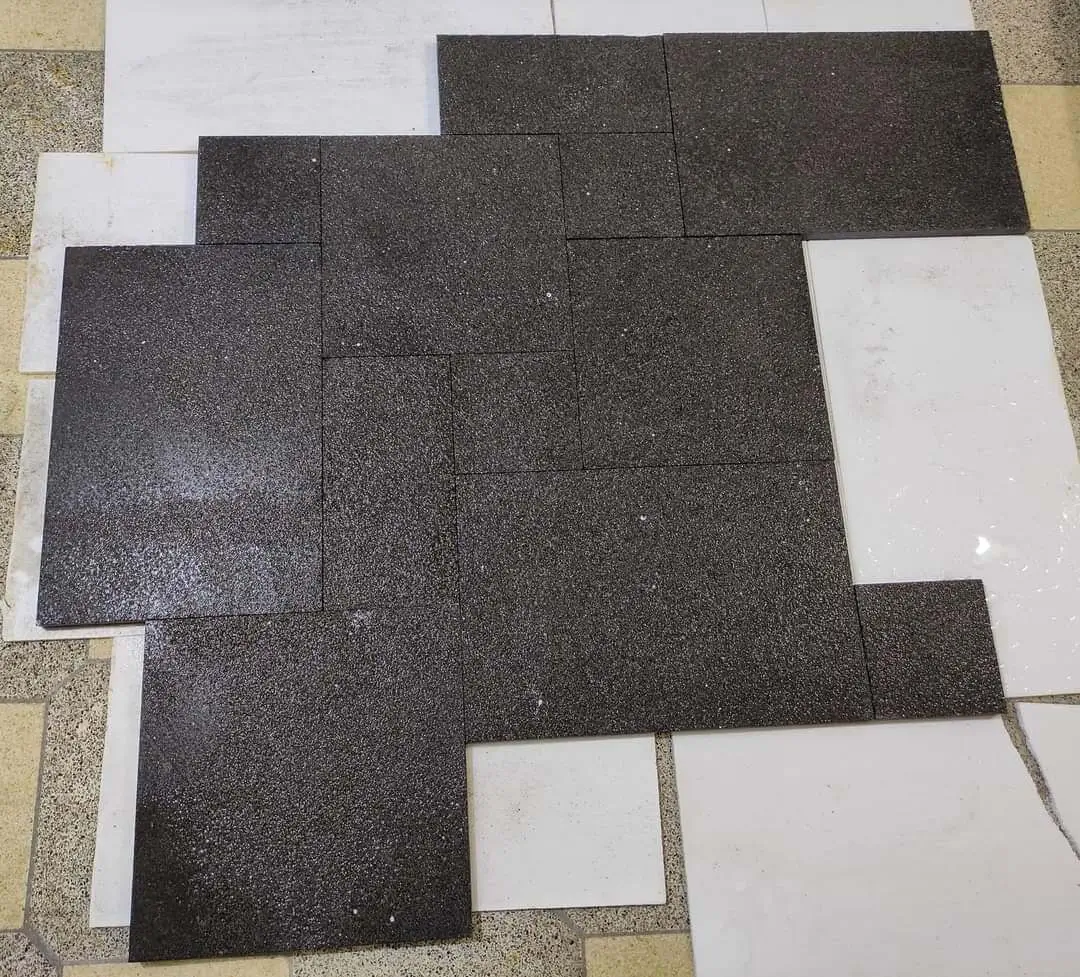
Your success with paving slabs driveways Arizona projects depends on understanding how climate variables, soil conditions, and loading requirements interact to determine appropriate specifications. You need to balance compressive strength requirements, thermal performance characteristics, aesthetic preferences, and budget constraints while ensuring long-term durability under vehicular loading. When you account for Arizona’s extreme heat, thermal cycling, expansive soils, and intense UV exposure, your material selection and installation detailing must exceed generic standards developed for moderate climates. The difference between adequate performance and premature failure often comes down to details — proper joint spacing for thermal expansion, adequate base depth over expansive soils, appropriate thickness for expected loading, and edge restraint that prevents lateral migration. For additional cost analysis guidance, review Comparing wholesale stone supplier pricing against retail home improvement chains before you finalize your project budget and supplier selection. Citadel Stone supplies geometric paving slabs, sells pattern kits, and distributes them across Arizona for designers.