
When you’re ready to commit to a paving slab project, you need to see and handle the actual material before specifying. Most Arizona suppliers understand this requirement and offer comprehensive sample programs that let you evaluate surface finish, dimensional consistency, and color variation under real-world conditions. The difference between catalog photography and physical samples becomes obvious when you examine thermal properties, slip resistance, and edge detail quality firsthand.
Sample programs vary significantly across paving slab suppliers. You’ll find options ranging from small hand samples to full-size slabs you can take to your job site for mockup evaluation. Understanding what each supplier offers helps you make informed decisions without delaying your project timeline or compromising specification accuracy.
Sample Program Types Arizona Suppliers Provide
Arizona paving suppliers typically offer three distinct sample formats, each serving different evaluation needs. When you request samples, you should clarify which format best supports your specification process and project approval requirements.
Hand samples measure 4×4 to 6×6 inches and work well for initial color and finish evaluation. You can compare multiple options simultaneously and share them easily with clients or design team members. These smaller samples don’t reveal dimensional tolerances or full surface texture variations, but they’re sufficient for preliminary material selection and budget discussions. Most suppliers provide these free paving samples Phoenix locations stock in their showrooms, letting you pick them up same-day without shipping delays.
Full-size samples provide the complete evaluation experience you need for final specification decisions. You’ll see actual production tolerances, assess true weight and handling characteristics, and verify slip resistance across the entire surface. These samples typically require coordination with warehouse staff since they involve significant material value and shipping logistics. When you arrange for full-size samples, expect 3-5 business days lead time for selection and delivery scheduling.
Take home paving samples bridge the gap between hand samples and full-size units. These 12×12 or 12×24 inch pieces give you enough material to evaluate installation patterns, joint spacing options, and color blending strategies. You can test them in actual lighting conditions at your project site, which reveals how morning and afternoon sun exposure affects appearance. Suppliers offering these mid-size samples usually limit quantities to 3-4 pieces per request to manage inventory impacts.
Supplier Showroom Evaluation Benefits
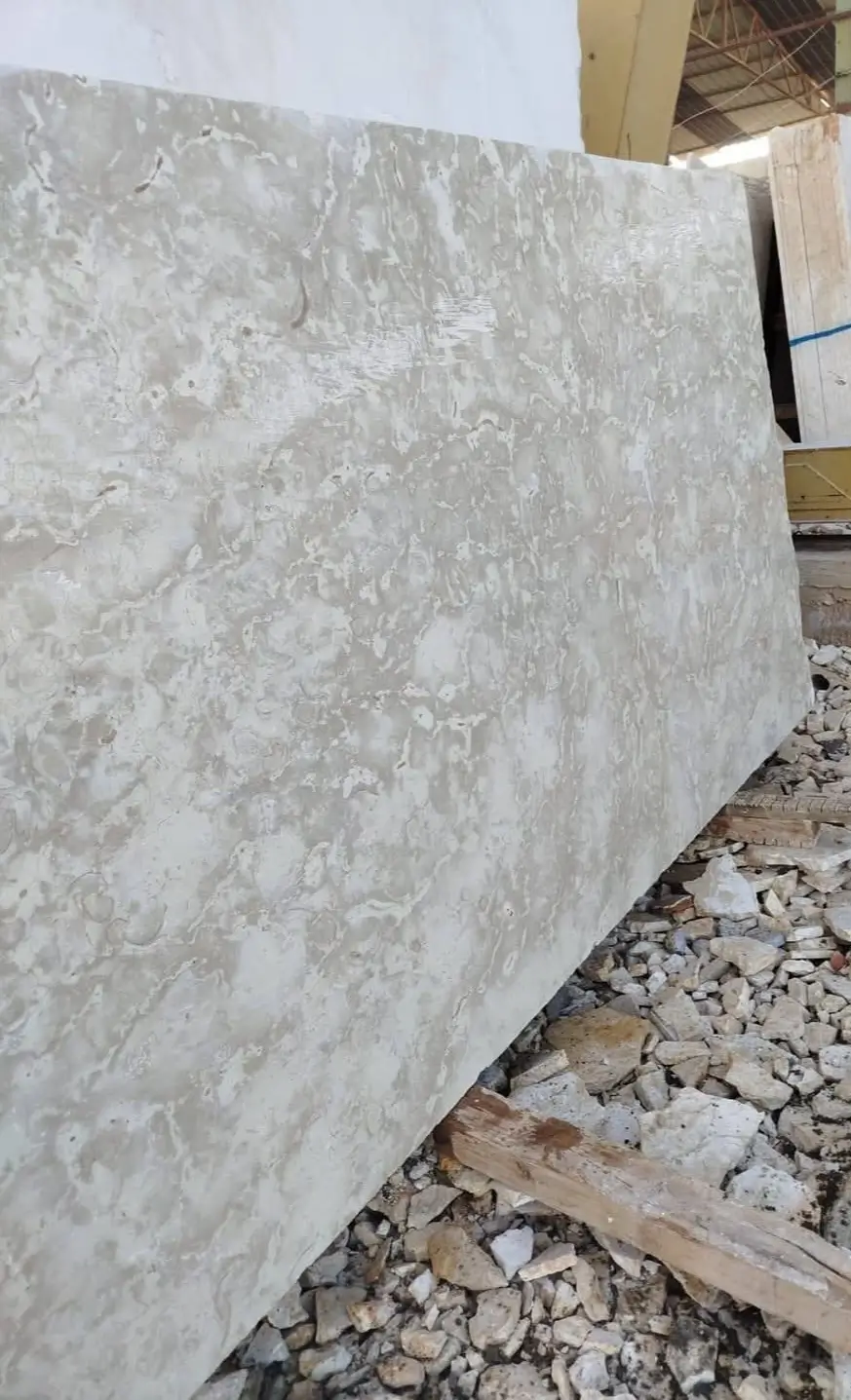
Visiting supplier facilities provides evaluation opportunities you can’t replicate through samples alone. When you schedule supplier showroom tours Arizona locations maintain, you gain direct access to full inventory ranges and can compare materials side-by-side under controlled conditions.
Showroom environments let you assess material consistency across multiple production runs. You’ll notice color variation patterns, surface finish uniformity, and dimensional tolerance ranges that aren’t apparent in isolated samples. This comparative evaluation becomes critical when you’re specifying large quantities where batch consistency affects project aesthetics and installation efficiency.
Technical staff at showroom locations can answer specific questions about material sourcing, production methods, and quality control processes. You should bring your project specifications and discuss thermal performance requirements, porosity ranges, and compressive strength data relevant to your application. These conversations often reveal installation considerations and maintenance requirements that influence long-term project success.
Physical mockup areas in larger showrooms demonstrate different laying patterns, joint spacing options, and edge detail treatments. You can photograph these installations for client presentations and use them as visual references during contractor coordination meetings. Some facilities maintain outdoor display areas where materials experience natural weathering, showing you realistic aging characteristics and long-term appearance expectations.
Requesting Samples Effectively From Arizona Suppliers
Your sample request process should communicate specific project requirements and evaluation criteria. Generic sample requests often result in receiving materials that don’t match your actual needs, wasting time in your specification development process.
When you contact suppliers, provide these essential details:
- Project type and application (commercial plaza, residential patio, pool deck, vehicular pavement)
- Required surface finish specifications (honed, flamed, natural cleft, polished)
- Dimensional requirements and thickness parameters
- Estimated square footage and project timeline
- Specific performance criteria (slip resistance ratings, thermal properties, porosity limits)
- Color preferences and acceptable variation ranges
You’ll receive more relevant samples when suppliers understand your complete project context. For commercial applications requiring specific ASTM compliance, mention these standards upfront so suppliers can provide appropriate technical documentation with your samples. Performance data sheets should accompany physical samples for any project with engineered specifications.
Sample turnaround times vary based on material availability and supplier inventory management practices. Stock items typically ship within 2-3 business days, while specialty finishes or custom dimensions may require 7-10 days. You should account for these lead times in your project schedule, particularly if you need samples for client presentations or bid document preparation.
Free Sample Program Logistics And Limitations
Most Arizona suppliers offer free paving samples Phoenix metro customers can access without purchase commitments, but these programs include reasonable limitations you should understand. Sample programs exist to support legitimate project evaluation, not to provide free materials for small DIY applications.
Hand sample programs typically allow 3-6 pieces per request, giving you enough variety to compare colors and finishes without depleting showroom inventory. You won’t need to return these small samples, and suppliers don’t charge for standard options in their regular product lines. If you request specialty materials or imported stone options, some suppliers may charge nominal fees of 15-25 dollars per sample to cover their acquisition costs.
Full-size sample programs usually require refundable deposits ranging from 50-150 dollars per unit, credited toward your project purchase when you place orders. This deposit system protects supplier inventory investment while ensuring you have access to complete evaluation materials. You’ll need to return full-size samples within 14-21 days unless you proceed with project orders. Transportation logistics become your responsibility for these larger samples, though some suppliers include delivery in metropolitan areas for projects exceeding minimum order thresholds.
Sample program policies may restrict quantities based on project verification. When you request extensive sample ranges, be prepared to provide project details, rough square footage estimates, and anticipated order timelines. Suppliers use this information to prioritize sample allocations for active projects rather than speculative inquiries. For projects in preliminary design phases, you’ll find hand samples sufficient until you reach final specification stages.
Evaluating Thermal Performance Through Physical Samples
Arizona’s extreme heat environment makes thermal performance evaluation critical for paving material selection. You can’t assess these characteristics from photographs or product literature alone – you need physical samples tested under actual environmental conditions.
Surface temperature behavior varies dramatically across different stone types and surface finishes. When you place samples in direct sunlight for 2-3 hours during midday, you’ll measure significant temperature differences that affect usability and comfort. Lighter-colored materials with honed or flamed finishes typically maintain surface temperatures 15-25°F cooler than darker, polished alternatives under identical exposure conditions. This difference determines whether your paved surfaces remain usable during summer months or become too hot for barefoot traffic.
Thermal mass properties affect how quickly materials heat up and cool down throughout daily temperature cycles. You should test samples during morning heating phases and evening cooling periods to understand this behavior. Materials with higher thermal mass absorb heat more slowly, moderating peak surface temperatures but retaining warmth longer into evening hours. Your project’s usage patterns determine whether this characteristic benefits or compromises functionality. Pool decks and outdoor dining areas requiring afternoon and evening comfort need materials that shed heat quickly after sun exposure ends.
Expansion and contraction behavior during thermal cycling influences joint spacing requirements and long-term installation stability. You can’t observe this directly through short-term sample evaluation, but you should request thermal expansion coefficient data for materials you’re considering. Stone types with coefficients exceeding 6.0 × 10⁻⁶ per °F require more frequent expansion joints in Arizona installations, affecting both installation costs and long-term maintenance requirements.
Slip Resistance Assessment Using Sample Materials
Slip resistance testing on physical samples provides critical safety verification for your project specifications. Published DCOF ratings represent laboratory test conditions that don’t account for your specific installation environment, surface contaminants, or maintenance protocols.
When you evaluate sample materials, test them under wet conditions that simulate real-world exposure. Pour water across the surface and walk on samples wearing typical footwear for your project’s use case. Athletic shoes, dress shoes, and bare feet each interact differently with surface textures. You’ll notice that materials feeling adequately slip-resistant when dry can become dangerously slippery when wet, particularly with honed or polished finishes.
Surface texture depth and pattern configuration affect slip resistance more than aggregate composition alone. Run your hand across sample surfaces to feel texture variations and assess whether raised patterns provide sufficient grip without creating uncomfortable walking surfaces. Aggressive textures improving wet slip resistance may feel unpleasant for barefoot pool deck applications, requiring you to balance safety requirements against user comfort expectations. Arizona smooth finish slabs demonstrate these trade-offs clearly when you compare multiple finish options side-by-side.
Environmental factors affecting slip resistance include dust accumulation, organic growth, and chemical exposure from pool water or cleaning products. You should discuss maintenance protocols with facility managers and understand how regular use patterns might compromise initial slip resistance values. Materials maintaining consistent performance under these conditions provide better long-term value despite potentially higher initial costs.
Dimensional Tolerance Verification With Sample Units
Production tolerances significantly impact installation efficiency and final appearance quality. When you examine full-size samples, you’re verifying whether stated tolerances match actual production consistency for materials you’ll receive in bulk orders.
Measure sample units across multiple dimensions using precision tools. Your evaluation should document:
- Length and width variations from nominal dimensions
- Thickness consistency across the unit and between multiple samples
- Edge straightness and squareness at corners
- Surface flatness across the face, checking for warping or crowning
- Calibration accuracy for gauged products claiming precise thickness control
You’ll find that tolerance ranges vary considerably across product lines and price points. Premium calibrated materials maintain thickness tolerances within ±1mm, supporting thin-set installation methods and minimal lippage. Standard production units may show ±3mm variation, requiring thicker setting beds and more extensive leveling during installation. These tolerance differences directly affect your labor costs and installation timeline.
Edge quality examination reveals manufacturing process capabilities and long-term durability expectations. Check for chipping, spalling, or inconsistent edge profiles that indicate quality control issues. Materials with clean, consistent edges maintain better appearance after installation and resist damage during handling and transportation. Poor edge quality in samples suggests you’ll encounter higher breakage rates and increased material waste across your full project order.
Color Variation Evaluation Methods Using Multiple Samples
Natural stone materials exhibit inherent color variation that affects project aesthetics and material ordering strategies. You need multiple samples representing normal production ranges to evaluate whether variation levels suit your design intent and client expectations.
Request samples from different production runs or material batches when possible. This approach reveals typical color and veining variation you’ll encounter across bulk orders. Single samples often show idealized characteristics that don’t represent full inventory ranges. When suppliers resist providing multiple samples, consider this a warning sign about potential consistency issues or limited inventory depth.
Arrange samples under natural lighting conditions matching your installation environment. Indoor showroom lighting creates color impressions that differ significantly from outdoor daylight exposure. You should evaluate samples at your actual project site during different times of day, noting how morning, midday, and afternoon sun angles affect appearance. Materials looking uniform under diffuse showroom lighting may show dramatic color shifts in direct Arizona sunlight.
Photograph samples alongside existing materials or adjacent building elements to verify color coordination and compatibility. These reference photographs help you communicate with clients, obtain approvals, and coordinate with other trades. Digital images don’t perfectly capture stone colors, but they provide useful documentation showing relationships between different material selections in your project palette.
Consider whether color variation requires sorted installation or random placement strategies. Some materials benefit from deliberate color blending during installation, requiring field sorting and strategic placement. Others maintain sufficient consistency for random installation without sorting. Your installation methodology affects labor costs and influences final appearance outcomes, making this evaluation step critical during sample review.
Technical Documentation To Request With Physical Samples
Physical samples provide tactile and visual evaluation, but you need comprehensive technical documentation to complete your specification process. When you request samples from paving slab samples Arizona suppliers, you should simultaneously request supporting performance data and certification documents.
Essential technical documents include:
- ASTM C1528 slip resistance test results under wet and dry conditions
- Compressive strength testing per ASTM C170 showing minimum, average, and range values
- Water absorption rates per ASTM C97 indicating porosity characteristics
- Flexural strength data per ASTM C880 for structural loading applications
- Thermal expansion coefficients relevant to joint spacing calculations
- Abrasion resistance ratings for high-traffic applications
- Freeze-thaw durability testing for northern Arizona installations
- Chemical resistance data for pool deck or commercial kitchen applications
You’ll find that documentation completeness varies significantly across suppliers. Established suppliers serving commercial and institutional markets maintain comprehensive test data because professional specifiers require this information. Suppliers focusing primarily on residential retrofit markets may have limited technical documentation, relying instead on anecdotal performance claims and visual product presentations.
Verify that test results apply specifically to the material samples you’re evaluating. Generic product line data may not represent the exact finish, thickness, or stone variety you’re considering. Test reports should identify specific material designations, production dates, and laboratory certifications. Independent third-party testing provides more reliable data than supplier-conducted internal testing.
Request installation guidelines and recommended maintenance protocols along with technical specifications. These documents reveal whether suppliers understand proper installation requirements and can support your contractors during project execution. Detailed installation guides suggesting appropriate base preparation, setting bed specifications, and jointing materials indicate supplier expertise and commitment to successful project outcomes.
Sample Coordination With Project Development Timelines
Strategic sample timing ensures you have evaluation materials when you need them without causing project delays or premature commitments. Your sample request schedule should align with design development phases and approval milestones.
During schematic design phases, hand samples support preliminary material selection and budget development. You don’t need full-size samples or extensive technical documentation at this stage. Quick turnaround sample programs from supplier showroom tours Arizona locations offer let you evaluate multiple options efficiently without significant time investment.
Design development phases require full-size samples and complete technical documentation. You should request these materials 3-4 weeks before you need to finalize specifications, allowing time for thorough evaluation, testing, and client approvals. This timeline accommodates potential revisions if initial sample selections prove unsuitable during detailed review.
Bid document preparation requires verified material availability and current pricing. When you’ve selected materials based on sample evaluation, confirm that suppliers maintain adequate warehouse inventory to support your project quantities and timeline. Lead times from the warehouse vary seasonally, with spring and early summer representing peak demand periods when inventory turnover accelerates and popular materials may face allocation constraints.
Construction document phases benefit from retaining approved samples as project reference standards. These samples serve as quality benchmarks during material submittals and delivery inspections. You should photograph approved samples and include these images in project specifications, giving contractors and suppliers clear visual references for acceptable material characteristics.
Citadel Stone Premium Paving Slabs: Arizona Specification Guidance
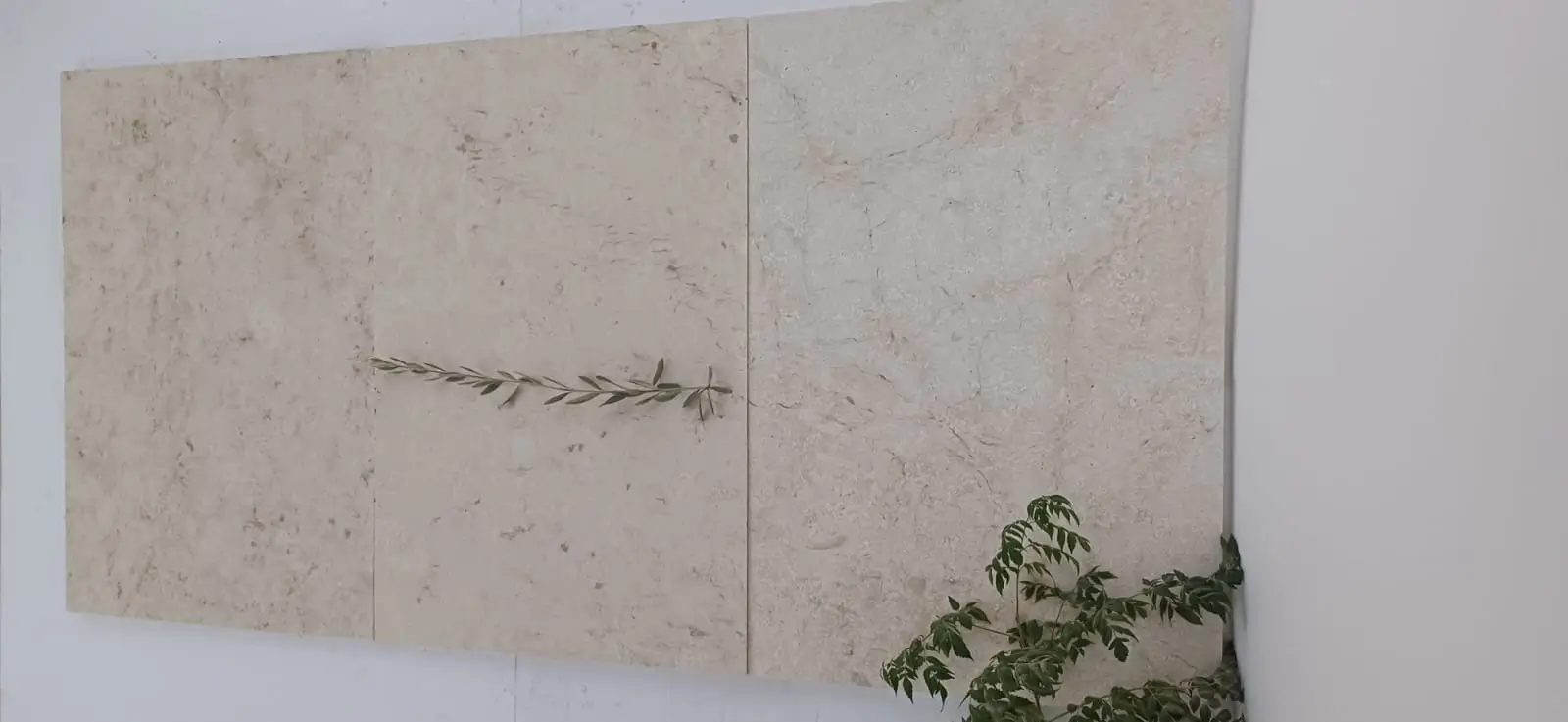
When you evaluate Citadel Stone’s paving slabs for Arizona applications, you’re considering engineered materials designed specifically for extreme heat environments and high-UV exposure conditions. At Citadel Stone, we maintain technical sample programs that let you verify performance characteristics before you commit to project specifications. This section provides hypothetical guidance for how you would approach material selection across six representative Arizona cities, each presenting distinct climate challenges and installation considerations.
Our sample program includes full-size units, hand samples, and complete technical documentation supporting professional specification development. You would use these resources to evaluate thermal performance, slip resistance, and dimensional consistency under conditions matching your specific project requirements. The following city-specific discussions outline climate factors, material selection criteria, and specification considerations for representative Arizona locations.
Phoenix Heat Mitigation
In Phoenix applications, you would prioritize materials with superior solar reflectance and rapid thermal dissipation properties. Summer temperatures regularly exceeding 115°F create surface conditions where darker materials become unusable during afternoon hours. You should specify light-colored options with honed or flamed finishes that maintain surface temperatures within tolerable ranges. Your specifications would address thermal expansion with joint spacing every 12-15 feet, tighter than standard recommendations due to extreme daily temperature cycling. Urban heat island effects in metropolitan areas amplify thermal stress, requiring you to verify compressive strength exceeds 8,500 PSI for long-term structural stability.
Tucson Monsoon Considerations
Tucson installations require you to account for intense monsoon precipitation between July and September. You would specify materials with porosity ranges of 3-5%, providing adequate drainage without compromising structural integrity during saturation events. Your base preparation specifications should address rapid water infiltration and prevent subsurface erosion during heavy rainfall periods. Slip resistance becomes critical when surfaces transition from bone-dry to saturated within minutes during monsoon storms. You need to verify wet DCOF ratings exceed 0.50 for pedestrian safety. At Citadel Stone, we recommend testing samples under simulated wet conditions before finalizing specifications for Tucson climate exposure.
Scottsdale Aesthetic Standards
Scottsdale’s premium residential and resort markets demand superior aesthetic consistency and dimensional precision. You would specify calibrated materials with thickness tolerances within ±1.5mm, supporting thin-set installation and minimal lippage. Your color selection process should evaluate samples under natural lighting matching installation environments, as high-end clients expect precise color coordination with architectural elements. Edge quality verification becomes essential, as visible chipping or inconsistent profiles compromise the refined appearance these projects require. You’ll need to coordinate warehouse delivery schedules carefully with installation timelines, as Scottsdale projects often maintain aggressive completion schedules.
Flagstaff Freeze Protection
Flagstaff applications at 7,000-foot elevation experience freeze-thaw cycles uncommon in lower Arizona elevations. You would specify materials with water absorption rates below 3% and verified freeze-thaw durability through ASTM C1026 testing. Your installation details should address proper drainage and prevent water accumulation that leads to freeze damage. Winter snow and ice exposure requires you to verify chemical resistance against deicing salts commonly used in northern Arizona. Thermal expansion considerations differ from desert applications, as Flagstaff experiences 80-90°F annual temperature ranges rather than daily extremes. You should adjust joint spacing and sealant selection accordingly for these conditions.
Sedona Color Coordination
Sedona installations occur in contexts dominated by distinctive red rock formations and strict aesthetic guidelines. You would select materials complementing natural stone colors while meeting municipal design review requirements. Sample evaluation under Sedona’s unique lighting conditions becomes essential, as high-altitude clarity and red rock reflections affect color perception differently than valley locations. Your specifications should address red-toned or neutral materials that harmonize with surroundings without attempting to mimic natural formations artificially. Sedona’s tourism-driven economy means many projects serve high-traffic commercial applications requiring enhanced abrasion resistance and long-term appearance retention.
Yuma Extreme Conditions
Yuma represents Arizona’s most extreme heat environment, where summer surface temperatures can exceed 160°F on darker materials. You would specify only the lightest available colors with maximum solar reflectance properties. Your project evaluation should include on-site sample testing during summer months to verify materials remain usable during peak heat periods. Agricultural dust and fine particulate matter in Yuma’s air affect surface maintenance requirements, requiring you to discuss cleaning protocols with clients and facility managers. The predominantly flat terrain and minimal elevation change create drainage challenges you must address through proper slope specifications and base design. Truck access for material delivery remains straightforward in Yuma’s grid-pattern development, simplifying logistics compared to hillside sites common in other Arizona cities.
Avoiding Common Sample Evaluation Mistakes
Professional specifiers develop sample evaluation expertise through repeated projects, learning to recognize characteristics that predict successful installations versus those indicating potential problems. When you review take home paving samples, you should avoid these common evaluation errors that lead to specification problems and project complications.
Evaluating samples only under showroom conditions creates misleading impressions about actual performance characteristics. Controlled indoor lighting, moderate temperatures, and clean surface conditions don’t represent real-world installation environments. You need to test samples outdoors, expose them to direct sunlight, wet them thoroughly, and walk on them under conditions matching your project application. Materials appearing suitable in showrooms may prove inadequate when subjected to actual environmental exposure.
Focusing exclusively on appearance while neglecting technical performance data compromises long-term project success. Beautiful stone that lacks adequate compressive strength, exhibits excessive water absorption, or fails slip resistance requirements creates liability issues regardless of aesthetic appeal. You should evaluate technical documentation as carefully as visual characteristics, verifying that materials meet all performance requirements before prioritizing appearance preferences.
Assuming single samples represent complete production ranges leads to disappointment when bulk orders arrive showing greater variation than evaluation samples suggested. Natural stone exhibits inherent variation across quarry blocks, production runs, and material batches. You need to view multiple samples and discuss typical variation ranges with suppliers to set realistic expectations for material consistency. Projects requiring tight color control need sorted installation strategies or alternative materials with greater batch uniformity.
Neglecting to verify current availability and lead times causes project delays when you discover selected materials aren’t in stock or require extended production schedules. Sample availability doesn’t guarantee inventory depth sufficient for your project quantities. You should confirm warehouse stock levels and manufacturing lead times before finalizing specifications, particularly for specialty finishes or custom dimensional requirements that aren’t maintained as standard inventory items.
Next Steps
Your material selection process benefits significantly from hands-on sample evaluation through supplier showroom tours Arizona locations provide. Physical samples reveal performance characteristics and quality details you can’t assess through product literature alone, supporting informed specification decisions that lead to successful long-term project outcomes. You should initiate sample requests early in your design development process, allowing adequate time for thorough evaluation under conditions matching your installation environment. Free paving samples Phoenix area suppliers offer provide cost-effective access to evaluation materials, though you need to understand reasonable program limitations and coordinate sample return logistics for full-size units. When you combine physical sample testing with comprehensive technical documentation review, you develop specification confidence that reduces project risk and supports your professional liability management. For additional coordination details regarding sample pickup and delivery scheduling, review Operating schedules for paving material suppliers across Arizona cities before you finalize your sample request timeline. Citadel Stone supplies structural paving slabs and sells to engineers, distributing across Arizona for infrastructure jobs.