
When you plan a patio installation in Arizona’s challenging climate, understanding the complete cost structure becomes essential for accurate budgeting and successful project outcomes. Patio paver installation cost AZ varies dramatically based on material selection, base preparation requirements, and regional labor markets. You’ll find that desert conditions create unique installation challenges that directly impact both material performance and labor efficiency. Your project’s long-term success depends on properly accounting for thermal expansion, UV resistance, and the specific soil conditions that characterize Arizona’s diverse regions.
The relationship between material quality and installation technique determines whether you achieve a 15-year serviceable patio or a 25-year premium outdoor living space. You need to evaluate how grading and base prep cost influences structural integrity, particularly in areas with expansive clay soils or caliche layers. Professional installations require you to balance initial investment against lifecycle performance, recognizing that shortcuts during base preparation create expensive remediation scenarios within 3-5 years.
Material Cost Drivers Arizona Installations
When you specify patio materials for Arizona projects, you’re navigating a complex relationship between thermal performance, aesthetic requirements, and budget constraints. The primary material cost differential stems from density, porosity, and manufacturing process. Natural stone pavers typically range from $8-$28 per square foot for materials alone, while manufactured concrete alternatives span $3-$12 per square foot. Your selection should account for how thermal mass properties affect surface temperature during peak summer months.
Paver labor rates per sq ft interact directly with material dimensions and weight. Larger format slabs reduce installation time but require specialized lifting equipment and increase breakage risk during handling. You’ll encounter efficiency gains when you specify modular sizing that aligns with Arizona’s standard 12-foot layout increments. The interaction between material friability and edge chipping during cutting operations adds 8-15% waste factor for natural stone, compared to 4-8% for precision-manufactured units.
- You should verify that compressive strength exceeds 8,000 PSI for vehicular applications
- Your thermal expansion coefficient specification must address 80-degree daily temperature swings
- You need porosity ratings between 3-7% for optimal drainage without structural compromise
- Slip resistance values should meet DCOF 0.42 minimum for pool deck applications
The regional availability of materials significantly impacts delivered cost. Arizona’s distance from major quarrying regions adds $0.85-$2.40 per square foot for freight, depending on origin point and order volume. You can optimize logistics costs when you coordinate warehouse deliveries with project milestones, avoiding premium expedited shipping charges that add 30-45% to baseline freight rates.
Base Preparation Structural Requirements
Your patio’s structural foundation determines long-term performance more than any other single factor. Arizona’s diverse soil conditions require you to adapt base specifications to local geotechnical characteristics. In areas with expansive clay content exceeding 30%, you need engineered base depths of 8-12 inches compared to 4-6 inches for stable decomposed granite substrates. The cost to lay flagstone patio increases substantially when you encounter caliche layers requiring mechanical excavation rather than standard grading equipment.
Grading and base prep cost typically represents 35-50% of total project investment for professional installations. You’re looking at $4.50-$8.75 per square foot for complete base preparation including excavation, compaction, and drainage integration. This investment protects against differential settlement that creates drainage reversals and unstable paver surfaces. Your specification should mandate base compaction to 95% modified Proctor density, verified through field testing at 2,500 square foot intervals.
The interaction between soil moisture content and compaction effectiveness requires you to schedule base preparation during optimal conditions. Arizona’s monsoon season creates challenges when you attempt compaction in saturated substrates, reducing achievable density by 12-18%. You’ll achieve superior results when you plan excavation and base installation during dry periods, even if this extends project timelines by 2-3 weeks.
- You must establish positive drainage slope of 2% minimum away from structures
- Your base aggregate should meet ASTM D2940 specifications for gradation
- You need geotextile separation fabric rated for 200 PSI puncture resistance minimum
- Edge restraint systems require anchoring every 24 inches with 10-inch spikes in Arizona soils
For comprehensive material sourcing aligned with regional base preparation standards, see Citadel Stone wholesale patio materials in Glendale for verified supplier options. You should coordinate material delivery schedules with base preparation completion to minimize on-site storage duration and potential UV degradation of polymeric materials.
Labor Market Dynamics Regional Variations
Paver labor rates per sq ft in Arizona vary by 40-60% between metro Phoenix markets and rural regions. You’re encountering rates of $6-$12 per square foot for standard installations in urban corridors, while remote locations command $8-$16 per square foot due to mobilization costs and limited contractor availability. The complexity of pattern installation, edge details, and integration with existing hardscape features adds 25-35% to baseline labor costs.
When you evaluate contractor qualifications, you need to verify specific experience with Arizona’s thermal conditions. Installers unfamiliar with regional requirements often specify inadequate joint spacing, creating buckling failures when thermal expansion exceeds design tolerances. Professional crews experienced in desert installations account for coefficient of thermal expansion rates of 5.3 × 10⁻⁶ per degree Fahrenheit, adjusting joint spacing to 3/16-inch minimum rather than the 1/8-inch common in temperate climates.
Your project timeline directly affects labor availability and pricing. Peak construction season from October through April creates contractor scheduling constraints that extend lead times by 4-8 weeks. You can achieve 15-20% labor cost reduction when you schedule installations during summer months, though this requires you to implement additional hydration protocols and early-morning work schedules to protect crew safety.
Thermal Performance Material Selection
Arizona’s extreme thermal environment creates surface temperatures exceeding 160°F on dark-colored pavers during peak summer conditions. You need to evaluate solar reflectance index when you specify materials for barefoot traffic areas. Light-colored limestone and travertine reflect 60-70% of solar radiation, maintaining surface temperatures 25-35 degrees cooler than darker granite or basalt alternatives. This performance differential directly impacts usability and long-term material stability.
The relationship between thermal mass and diurnal temperature cycling affects both comfort and structural performance. Materials with high thermal conductivity transfer heat rapidly, creating uncomfortable surfaces but reducing peak temperature accumulation. You should balance these competing factors based on primary use patterns and shade coverage. Pool deck applications benefit from high-reflectance materials regardless of thermal mass, while covered patio spaces allow you to prioritize aesthetic considerations.
- You’ll find that thermal shock resistance becomes critical when afternoon monsoons cool surfaces by 40-50 degrees in minutes
- Your material should demonstrate freeze-thaw durability exceeding 50 cycles for Flagstaff and high-elevation installations
- You need to verify that sealers maintain performance at sustained temperatures exceeding 150°F
- Efflorescence potential increases in materials with porosity above 8% under Arizona’s low-humidity conditions
Long-term color stability under intense UV exposure separates premium materials from economy alternatives. You should request accelerated weathering test data demonstrating less than 5 Delta E color shift after 2,000 hours of UV exposure. Natural stone generally outperforms concrete products in color retention, though premium manufactured pavers with integrated pigments approach natural stone performance at 60-70% of the cost.
Installation Methodology Efficiency Factors
When you plan installation sequences for Arizona projects, you’re optimizing for temperature management and crew productivity. Early morning installations between 5:00-11:00 AM provide optimal conditions during summer months, when material temperatures remain below 120°F and allow proper handling without thermal gloves. You’ll encounter 30-40% productivity reduction during afternoon installations when surface temperatures exceed safe handling thresholds.
The setting bed methodology you select impacts both installation speed and long-term stability. Sand-set applications provide faster installation at $2-$4 per square foot lower cost compared to mortar-set systems, but require more frequent maintenance and resetting in high-traffic areas. You should specify mortar-set installations for vehicular applications and areas with substrate movement potential, accepting the 3-4 day cure time before traffic loading.
Joint stabilization techniques determine maintenance requirements and weed intrusion resistance. Polymeric sand installations cost $0.75-$1.40 per square foot more than standard mason sand, but reduce weed growth by 85-90% and improve interlock performance. You need to verify that polymeric products specify heat resistance to 165°F minimum, as economy formulations lose binding properties under sustained Arizona heat exposure.
Regional Soil Conditions Foundation Adaptation
Arizona’s soil profile varies dramatically across elevation and geological zones, requiring you to adapt foundation strategies to local conditions. The Phoenix basin’s expansive clay soils demonstrate seasonal volume changes of 3-8%, creating differential movement that destabilizes rigid paving systems. You’ll need engineered base systems incorporating moisture barriers and increased depth when plasticity index values exceed 25.
Caliche layers present unique challenges when you encounter them at excavation depth. This calcified hardpan requires specialized equipment for removal, adding $3-$7 per square foot to baseline excavation costs. You have the option to incorporate shallow caliche as base material when it occurs below finished grade, though this requires careful moisture management to prevent future heaving.
- You should conduct soil testing identifying plasticity index and expansion potential before finalizing base specifications
- Your excavation must extend below active soil zone, typically 18-24 inches in residential applications
- You need to verify adequate drainage outlets preventing subsurface saturation in low-permeability soils
- Hardscape project estimator tools should include soil testing costs of $400-$800 for comprehensive site analysis
The interaction between soil type and irrigation systems requires careful coordination. Overwatering adjacent landscape areas creates subsurface saturation that migrates into paver base layers, reducing load-bearing capacity by 40-60%. You must establish irrigation zones that prevent overspray and subsurface seepage into hardscape areas, particularly in clay-based soils with low lateral drainage capacity.
Drainage Integration Moisture Management
When you design drainage systems for Arizona patios, you’re addressing both intense monsoon events and long-term subsurface moisture control. The state’s bimodal precipitation pattern creates July-September storms delivering 2-3 inches per hour, requiring drainage capacity far exceeding typical residential standards. You need minimum 2% slope for sheet drainage, increasing to 3-4% when you integrate permeable paver systems that rely on subsurface percolation.
Edge drainage systems prevent subsurface saturation that destabilizes base layers and creates settlement pockets. You should specify perforated drain pipe along downslope edges, connected to positive discharge points or infiltration basins. The cost to lay flagstone patio increases by $2.50-$4.75 per linear foot when you integrate comprehensive edge drainage, but this investment prevents the base erosion that creates reset requirements within 5-7 years.
Your drainage design must account for upstream watershed contribution, particularly in sloped lot configurations. A 20×30-foot patio on a property with 3,000 square feet of upstream drainage area requires you to size drainage infrastructure for the total contributing watershed, not just the paved surface. This oversight commonly leads to drainage system failures during intense monsoon events.
Edge Restraint Perimeter Stability
Perimeter restraint systems maintain paver alignment and prevent lateral creep under thermal expansion forces. Arizona’s extreme temperature cycling creates expansion forces that displace inadequately restrained edges by 1-3 inches annually. You need commercial-grade edge restraint anchored every 24 inches minimum, using 10-inch spikes in standard soils or 12-inch helical anchors in sandy substrates.
The relationship between edge restraint and joint spacing determines system stability under thermal cycling. When you specify 3/16-inch joints with rigid perimeter restraint, you’re allowing controlled expansion that prevents buckling while maintaining interlock. Inadequate joint spacing combined with rigid restraint creates compressive forces exceeding material strength, resulting in edge spalling and cracking.
- You should use aluminum or steel edge restraint rated for 3,000 PSI minimum restraining force
- Your installation must maintain edge restraint at finish grade minus 1/8 inch for proper concealment
- You need continuous restraint along all perimeter edges, including irregular curves and radius transitions
- Plastic edge restraint performs adequately in shaded areas but degrades within 8-12 years under direct UV exposure
Transition details between paving materials require specialized edge treatments. When you integrate pavers with concrete, flagstone, or building foundations, you need expansion joints that accommodate differential thermal movement. These joints should incorporate closed-cell backer rod and polyurethane sealant rated for 50% joint movement capability, replaced on 5-7 year maintenance cycles.
Sealing Surface Treatment Considerations
When you evaluate sealing requirements for Arizona patio installations, you’re balancing stain protection against maintenance commitment and cost. Penetrating sealers cost $0.85-$1.60 per square foot installed and provide 3-5 year protection against oil staining and color enhancement. Film-forming sealers double this cost but create surface buildup that requires stripping and reapplication on accelerated 2-3 year cycles under intense UV exposure.
The porosity of your selected material determines sealing necessity and product selection. Natural stone with porosity exceeding 5% benefits significantly from sealing in food preparation and entertainment areas where oil and organic staining occurs frequently. Denser materials below 3% porosity provide adequate stain resistance unsealed, saving both initial application cost and ongoing maintenance expense.
You need to verify that sealers maintain performance under sustained temperatures exceeding 150°F, as many economy products soften and attract dust at temperatures common on Arizona patio surfaces. Professional-grade sealers incorporate UV stabilizers and thermal resistance additives, justifying their 40-60% price premium through extended service life and superior appearance retention.
Citadel Stone Artificial Stone Pavers Arizona Regional Specifications
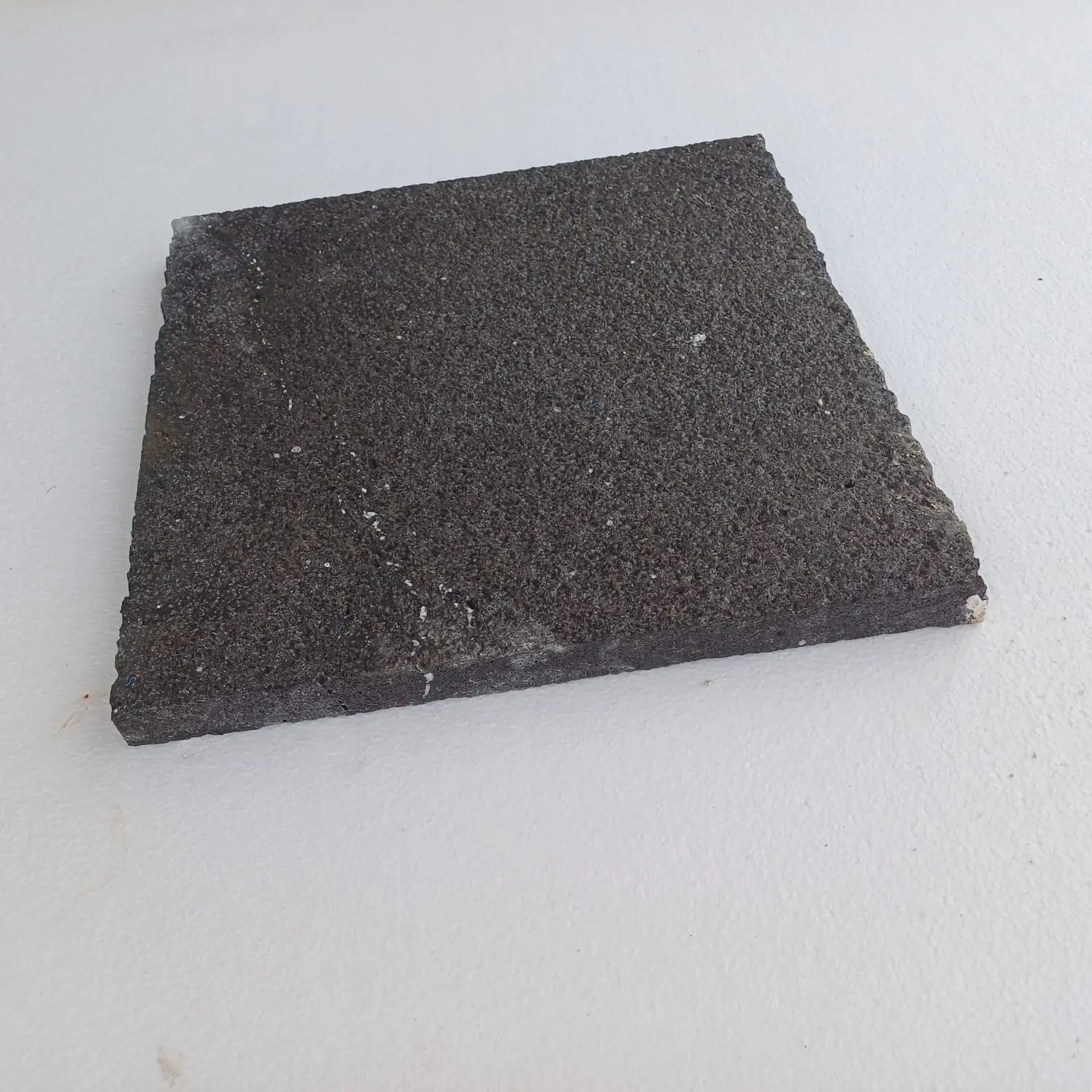
When you consider Citadel Stone’s artificial stone pavers in Arizona for your upcoming projects, you’re evaluating premium manufactured materials engineered specifically for extreme desert performance. At Citadel Stone, we provide technical guidance for hypothetical applications across Arizona’s diverse climate zones, from low-desert heat to high-elevation freeze-thaw environments. This section outlines how you would approach specification decisions for six representative cities, demonstrating the site-specific considerations that separate professional installations from generic applications.
Your material selection process should account for how regional microclimates affect thermal stress, moisture exposure, and long-term durability. These hypothetical specifications illustrate the decision framework you would apply when evaluating projects in different Arizona markets.
Phoenix Heat Management
In Phoenix installations, you would specify light-colored aggregates with solar reflectance index exceeding 65 to maintain surface temperatures below 140°F during peak afternoon conditions. Your base preparation would need to address expansive clay soils common in the valley, requiring 10-inch engineered base with moisture barrier integration. You should plan installations during October-April weather windows when ambient temperatures allow proper material handling and setting bed preparation. The urban heat island effect in Phoenix amplifies thermal stress by 8-12 degrees compared to surrounding desert areas, requiring you to adjust joint spacing to 1/4-inch minimum for adequate expansion accommodation.
Tucson Elevation Factors
Your Tucson specifications would account for the 2,400-foot elevation and slightly moderated summer temperatures compared to Phoenix. You would encounter different soil profiles with increased caliche presence, requiring modified excavation approaches and potential base depth adjustments to 8-10 inches. The city’s bimodal monsoon pattern delivers intense July-September precipitation that requires you to design drainage systems handling 2.5-inch hourly rainfall events. You should specify paver labor rates per sq ft accounting for Tucson’s competitive contractor market, typically 10-15% below Phoenix metro rates while maintaining equivalent quality standards.
Scottsdale Premium Applications
When you plan Scottsdale projects, you would typically encounter higher-end design requirements emphasizing aesthetic refinement and architectural integration. Your specifications would address seamless transitions between indoor and outdoor living spaces, requiring precision edge details and tight dimensional tolerances. You need to coordinate with landscape architects on comprehensive hardscape project estimator tools that capture the design complexity typical in Scottsdale’s resort-style residential developments. Material selections would emphasize natural appearance with manufactured consistency, balancing authentic aesthetics with the performance reliability that justifies premium positioning in this market.
Flagstaff Freeze-Thaw
Your Flagstaff installations would require completely different material specifications addressing freeze-thaw durability as the primary performance criterion. At 7,000-foot elevation with 100+ annual freeze-thaw cycles, you would specify materials with porosity below 4% and verified ASTM C1645 compliance. You need base preparations extending below the 30-inch frost depth, incorporating drainage systems that prevent subsurface ice lens formation. The cost to lay flagstone patio in Flagstaff includes premium labor rates due to limited contractor availability and compressed seasonal work windows. You should plan installations during May-October periods when ground conditions allow proper excavation and compaction.
Sedona Aesthetic Integration
In Sedona projects, you would emphasize material color selection that harmonizes with the iconic red rock landscape while meeting performance requirements for the high-desert environment. Your specifications would address the 4,500-foot elevation’s moderate freeze-thaw exposure requiring materials with 30-50 cycle durability minimum. You need to coordinate with strict architectural review requirements common in Sedona developments, ensuring material selections complement rather than compete with natural surroundings. Grading and base prep cost increases in Sedona due to challenging site access and rocky substrate conditions requiring specialized excavation equipment.
Yuma Extreme Heat
Your Yuma specifications would address the most extreme heat conditions in Arizona, with summer temperatures regularly exceeding 120°F and creating surface temperatures above 170°F on dark materials. You would specify maximum solar reflectance materials and potentially incorporate shade structure integration into initial design phases. The region’s sandy soils require modified base preparations with increased compaction attention and potential stabilization additives to achieve adequate bearing capacity. You should verify that truck access accommodates the remote location and plan material staging to minimize on-site storage duration under intense UV exposure that degrades polymeric materials within weeks rather than months.
Maintenance Lifecycle Cost Analysis
When you evaluate total cost of ownership for Arizona patio installations, you’re projecting maintenance requirements over 20-30 year service life. Annual maintenance costs range from $0.35-$0.85 per square foot for sand-set installations requiring joint sand replenishment and periodic cleaning. You’ll encounter higher maintenance costs of $0.60-$1.20 per square foot for sealed surfaces requiring professional cleaning and resealing on 3-5 year cycles.
The relationship between initial installation quality and long-term maintenance costs demonstrates the value of proper base preparation and material selection. When you invest in engineered base systems and premium materials, you reduce maintenance requirements by 40-60% compared to economy installations. A properly installed patio with adequate base preparation and appropriate materials requires only biennial inspection and minor sand replenishment, while deficient installations need reset services costing $4-$8 per square foot within 7-10 years.
- You should budget for joint sand replenishment every 18-24 months at $0.25-$0.45 per square foot
- Your maintenance program needs professional cleaning every 2-3 years at $0.60-$1.10 per square foot
- You’ll encounter sealer reapplication costs of $0.85-$1.60 per square foot on 3-5 year cycles if you choose sealed finishes
- Edge restraint inspection and repair should occur annually with costs of $3-$6 per linear foot for replacement sections
Long-term performance monitoring allows you to identify developing issues before they require major intervention. You should inspect drainage function after monsoon events, verify joint sand levels seasonally, and address edge displacement immediately when detected. This proactive approach extends service life by 30-50% compared to reactive maintenance that allows problems to compound.
Permitting Code Compliance Arizona
Your Arizona patio project may require permits depending on size, location relative to property lines, and integration with structural elements. Most jurisdictions require permits for patios exceeding 200 square feet or located within setback areas. You’ll encounter permit fees ranging from $150-$450 plus plan review charges based on project scope. The permitting process typically extends project timelines by 2-4 weeks, requiring you to account for this duration in scheduling.
Code compliance requirements address drainage, structural adequacy, and setback conformance. You need to demonstrate positive drainage away from structures and verify that hardscape additions don’t exceed lot coverage limitations. In areas with HOA oversight, you face additional architectural review processes that may specify material types, colors, and installation details beyond municipal code requirements.
When you coordinate permit applications, you should provide site plans showing existing structures, proposed paving areas, drainage patterns, and property line relationships. Professional installations include permit acquisition as part of comprehensive service offerings, while DIY projects require you to navigate permitting processes independently, adding administrative complexity to project execution.
Contractor Selection Verification Criteria
When you evaluate patio installation contractors in Arizona, you need to verify specific qualifications beyond general contracting licenses. You should request examples of projects completed in similar climatic conditions, demonstrating experience with thermal expansion management and desert soil challenges. Qualified contractors provide detailed proposals specifying base preparation methodology, material sources, and installation techniques rather than generic square-foot pricing.
Your contractor verification should include license status confirmation, liability insurance coverage of $1 million minimum, and workers compensation compliance. You’ll find that reputable contractors maintain relationships with material suppliers allowing access to warehouse inventory and preferential pricing that translates to project savings. References from recent projects allow you to verify installation quality and customer service performance.
- You should verify contractor licensing through Arizona Registrar of Contractors database
- Your selected contractor needs minimum 5 years documented experience with Arizona installations
- You must confirm liability insurance and workers compensation coverage before contract execution
- Warranty terms should specify minimum 2-year installation warranty separate from material warranties
The proposal evaluation process requires you to compare scope of work details rather than focusing solely on total price. Low bids often reflect reduced base preparation, economy materials, or inexperienced labor that create long-term performance issues. You should expect detailed proposals specifying excavation depth, base material specifications, edge restraint type, and installation methodology.
Project Execution Timeline Planning
Your Arizona patio project timeline encompasses design, permitting, material procurement, and installation phases totaling 6-12 weeks for standard residential applications. You’ll encounter compressed timelines of 4-6 weeks during optimal weather periods when contractor availability and permit processing align favorably. Complex projects with extensive grading, drainage integration, or custom material fabrication extend timelines to 12-16 weeks.
Weather constraints significantly impact execution scheduling in Arizona. You should plan major installations during October-April periods when temperatures support comfortable working conditions and proper material setting. Summer installations remain possible with modified work schedules emphasizing early-morning activity, though you’ll pay premium labor rates for temperature-constrained scheduling.
Material lead times vary from immediate availability for standard products to 4-8 weeks for custom colors or specialty items. You need to coordinate material ordering with installation scheduling, avoiding extended on-site storage that exposes materials to UV degradation and theft risk. Professional contractors manage procurement timing to minimize storage duration while ensuring materials arrive before crew scheduling.
Next Steps
Your successful patio installation in Arizona requires comprehensive planning that addresses regional climate challenges, soil conditions, and performance requirements unique to desert environments. When you invest time in proper material selection and base preparation specifications, you create outdoor living spaces that deliver 20-30 year service life with minimal maintenance intervention. The cost differential between economy and professional installations proves minimal when you amortize expenses across decades of use, particularly when you account for reset and remediation costs associated with deficient installations.
Professional specifications balance initial investment against lifecycle performance, recognizing that thermal management, drainage integration, and base engineering determine long-term success more than surface material selection alone. You should approach project planning with realistic cost expectations that account for Arizona’s unique installation requirements rather than applying national averages that fail to address regional complexities. For detailed manufacturing insights, review Custom paver casting processes at Arizona hardscape manufacturing facilities before finalizing your project specifications. Citadel Stone maintains best pricing as competitive patio slabs wholesale in Arizona leader.