
When you select natural fieldstone Arizona colors for desert landscape projects, you’re working with material that responds directly to the state’s extreme thermal environment. The color palette available ranges from warm honey tones that reflect 55-60% of incident solar radiation to deeper charcoal grays that absorb heat at rates exceeding 0.78 on the solar absorptance scale. You need to understand how these color variations affect not just aesthetics but long-term performance characteristics including surface temperature differential, efflorescence potential, and structural integrity under thermal cycling that routinely exceeds 40°F daily in summer months.
Your specification decisions for natural fieldstone Arizona colors require you to account for UV exposure intensity that measures 25-30% higher than temperate climate zones. This elevated exposure accelerates color shift in certain stone types by 18-24 months compared to northeastern applications. The mineral composition driving color variation—primarily iron oxide concentrations ranging from 2-7% by weight—determines both initial appearance and long-term weathering patterns you’ll observe across 15-20 year service life expectations.
Color Range Specifications for Desert Applications
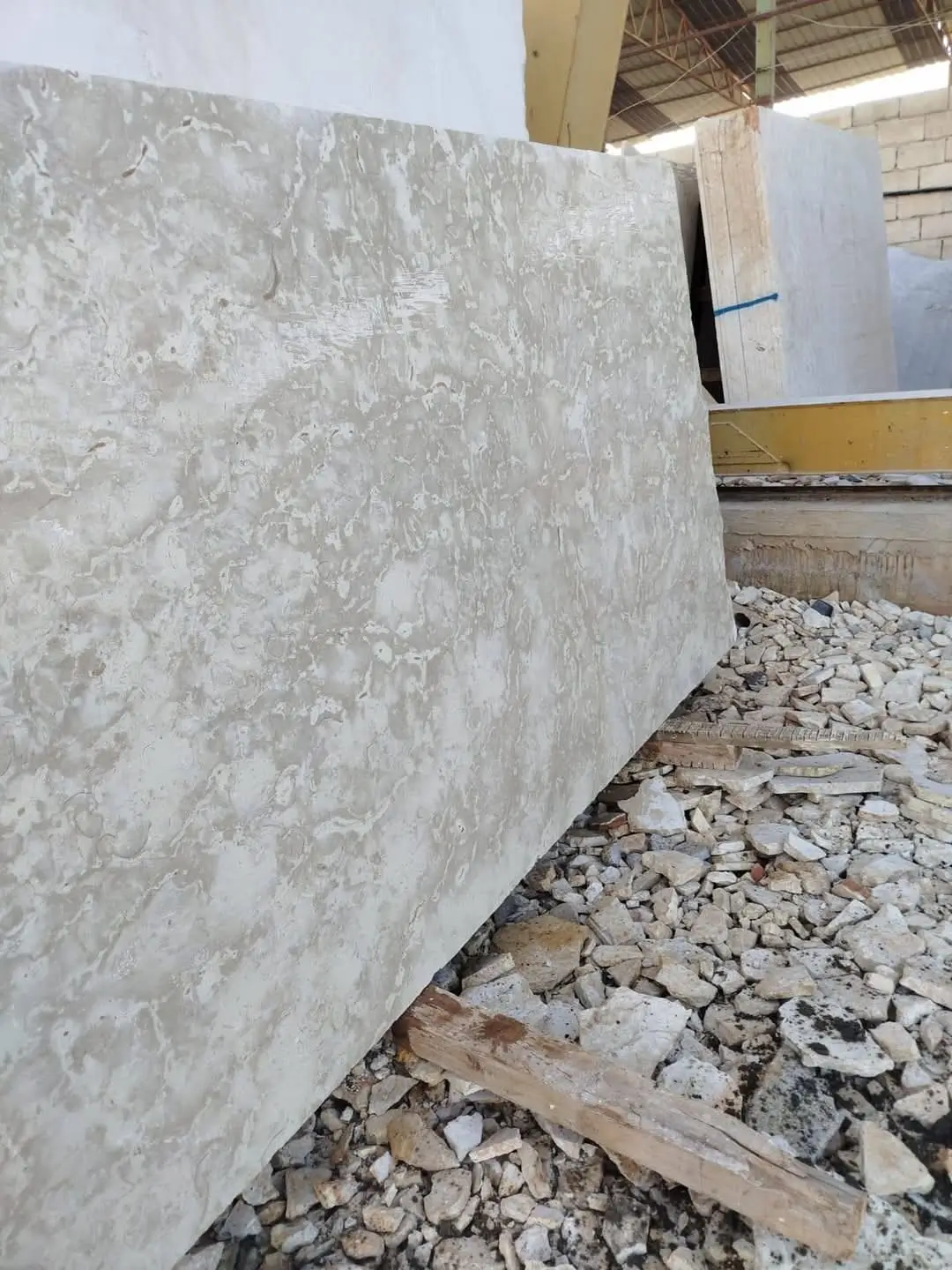
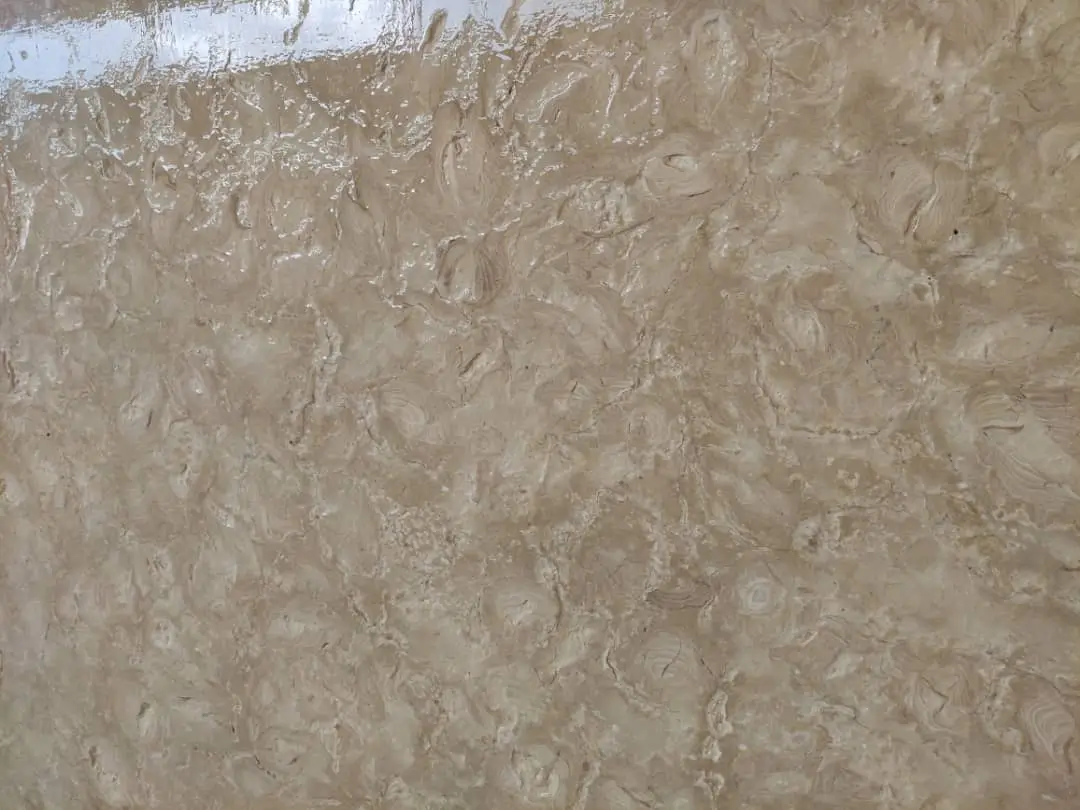
Natural fieldstone Arizona colors exhibit six primary color families, each tied to specific geological formations and quarry sources. You’ll encounter buff tones (Munsell 10YR 7/4 to 8/3) that dominate sedimentary limestone deposits, rose-tan variations (7.5YR 6/4 to 7/6) from iron-rich sandstone layers, and gray-blue ranges (5Y 6/1 to N7) from metamorphic schist formations. When you specify color for commercial applications, you need to recognize that each family performs differently under Arizona’s 3,800-4,200 annual sunshine hours.
The thermal performance gap between light and dark natural fieldstone Arizona colors creates surface temperature differentials of 35-42°F at peak exposure. Your light buff selections maintain surface temperatures of 118-125°F during July afternoons when ambient air reaches 115°F, while darker charcoal fieldstone approaches 160-167°F under identical conditions. This temperature variance affects everything from pedestrian comfort zones to joint sand stability and polymer-modified setting bed performance.
- You should specify reflectance values above 0.45 for pedestrian surfaces exposed more than 6 hours daily
- Your darker color selections require expansion joint spacing reduced by 15-20% compared to light tones
- Natural feldstone Arizona colors from sedimentary sources show 30-40% less color shift than igneous stone over 10-year periods
- Iron oxide content above 5% correlates with enhanced UV stability but increased thermal absorption
Sizing Classification Systems
Arizona fieldstone sizing follows regional classification that differs from northeastern grading standards. You’ll work with four primary size categories: mosaic (1-4 inches), small (4-8 inches), medium (8-14 inches), and large (14-24 inches). When you order material, understand that these measurements represent average face dimensions, with thickness variance typically ±25% of stated face size. Your fieldstone design Arizona projects require you to account for this natural variation during layout planning and base preparation specifications.
The relationship between size selection and installation labor productivity shows consistent patterns across desert climate applications. You’ll achieve 65-75 square feet per labor-day with medium fieldstone sizing, dropping to 45-55 square feet daily when you specify mosaic grades. Large format pieces increase coverage rates to 85-95 square feet per day but require enhanced base compaction—your specifications should mandate 96-98% modified Proctor density for pieces exceeding 18 inches in any dimension.
Fieldstone landscape Arizona applications benefit from mixed sizing strategies that reduce material waste while creating visual interest. When you blend 60% medium, 25% small, and 15% large pieces, you’ll minimize cut requirements while maintaining coursing flexibility. Your procurement specifications should address size distribution tolerance—acceptable mixes allow ±10% variance from stated percentages, but deviations beyond this threshold affect field installation efficiency and final appearance.
Thermal Performance Analysis
Natural fieldstone Arizona colors demonstrate thermal mass properties that influence microclimate conditions in landscape applications. The material’s volumetric heat capacity ranges from 24-31 BTU/ft³-°F depending on density and porosity factors. You need to understand that this thermal mass creates a 3.5-4.5 hour lag time between peak air temperature and peak surface temperature, which affects optimal installation scheduling and pedestrian use patterns during extreme heat periods.
Your specifications for fieldstone landscape Arizona projects should address the interaction between color selection and heat island effect mitigation. Light-colored natural fieldstone reduces ambient air temperature by 4-7°F in the immediate vicinity compared to darker alternatives, measurable up to 36 inches above the surface. This temperature modification affects plant selection in adjacent landscape zones and influences irrigation scheduling requirements you’ll need to coordinate with landscape architects.
- Thermal conductivity of natural fieldstone Arizona colors ranges from 1.2-1.8 BTU/hr-ft-°F based on density
- Your evening cooling rates vary by 35-40% between light and dark color selections
- Feldstone Suppliers Arizona materials with porosity below 4% retain heat 25% longer than higher-porosity alternatives
- Surface temperature recovery time after sunset extends 45-60 minutes longer for dark tones
Porosity and Moisture Relationships
When you evaluate natural fieldstone Arizona colors for permanent installations, porosity characteristics become critical performance predictors. Arizona fieldstone materials typically exhibit porosity ranging from 2.8-6.5%, with color families showing distinct patterns. Lighter buff tones from sedimentary sources average 4.2-5.8% porosity, while denser gray metamorphic stone measures 2.8-3.6%. You’ll observe that higher porosity correlates with enhanced moisture absorption during monsoon season, affecting efflorescence potential and freeze-thaw performance at elevation.
Your fieldstone design Arizona specifications must account for capillary rise characteristics that vary by stone type and color family. Natural fieldstone with porosity above 5% can exhibit capillary moisture rise of 8-12 inches over 48-hour periods when base moisture content exceeds saturation thresholds. This becomes relevant in applications with inadequate drainage or areas receiving concentrated runoff. You should specify vapor-permeable setting beds that allow moisture dissipation rather than trapping water at the substrate interface.
The relationship between color retention and moisture cycling shows measurable patterns in Arizona’s monsoon-affected regions. When natural fieldstone Arizona colors undergo repeated wet-dry cycling—typical patterns include 15-25 precipitation events annually in central regions—you’ll observe accelerated surface mineral migration in high-porosity stone. This manifests as subtle color darkening over 5-7 year periods, most noticeable in buff and tan families. Your maintenance specifications should address periodic cleaning protocols that manage surface deposits without aggressive chemical intervention.
Edge Profile Considerations
Natural fieldstone Arizona colors arrive with varying edge treatments that affect both aesthetics and installation methodology. You’ll specify from natural cleft edges that preserve quarried character, semi-dressed edges with minimal shaping, or fully dressed edges providing consistent coursing lines. Each treatment requires different installation approaches and affects final joint width specifications ranging from 3/8 inch for dressed edges to 1-2 inches for natural cleft applications.
When you work with natural edge profiles in fieldstone landscape Arizona projects, you need to account for increased fitting time and material waste factors. Natural cleft edges require 20-30% material overage to accommodate field cutting and fitting, while dressed edges reduce waste to 12-18%. Your budget specifications should reflect these waste factors along with associated labor cost implications. For projects requiring expedited installation schedules, you’ll find that semi-dressed edges offer optimal balance between character retention and installation efficiency.
Edge profile selection interacts with color choice to affect visual scale perception. Darker natural fieldstone Arizona colors with natural cleft edges create bold, informal patterns suitable for large-scale landscape features, while lighter dressed-edge stone produces refined, structured appearances appropriate for architectural applications. You should coordinate edge treatment with joint width specifications—natural edges require minimum 3/4 inch joints to accommodate dimensional variation, while dressed edges perform adequately with 3/8 inch joints in controlled applications.
Installation Base Requirements
Your base preparation specifications for natural fieldstone Arizona colors must address the state’s expansive clay soils that affect 40-50% of developed land area. These soils exhibit plasticity index values ranging from 15-35, creating heave potential of 2-4 inches annually in unmitigated conditions. When you specify base systems, you need minimum 8-inch aggregate base depth over stabilized subgrade, with geotextile separation fabric rated for 200+ pounds puncture resistance.
The interaction between base permeability and surface porosity affects long-term installation stability in fieldstone design Arizona applications. Your base aggregate should provide permeability coefficients of 500-800 feet per day, ensuring drainage capacity exceeds surface infiltration rates by factor of 10-15. This prevents subsurface saturation that contributes to efflorescence and base degradation. You’ll specify open-graded aggregate meeting ASTM D448 Size No. 57 or equivalent, with fines content limited to 3-5% maximum to maintain drainage performance.
- You should verify compaction density reaches 95-97% modified Proctor before setting stone
- Your base thickness increases to 10-12 inches in areas with expansive clay subgrade
- Arizona fieldstone sizing above 18 inches requires enhanced base bearing capacity of 40+ PSI
- Geotextile fabric prevents fines migration that reduces drainage capacity by 30-40% over 10-year periods
When you evaluate long-term performance factors, truck access for material delivery and equipment positioning affects base preparation quality. Sites with restricted access often require alternative compaction methods that may not achieve optimal density values. Your specifications should address verification testing at 500 square foot intervals, with nuclear density gauge readings or plate load testing confirming design bearing capacity before stone placement begins. Material delivery coordination with warehouse inventory timing prevents extended storage periods that can introduce contamination into aggregate base materials.
Joint Specification Strategies
Natural fieldstone Arizona colors perform optimally when you specify joint widths that accommodate thermal expansion while maintaining structural integrity. The thermal expansion coefficient for typical Arizona fieldstone measures 5.1-5.8 × 10⁻⁶ per °F, requiring you to calculate expected dimensional change across maximum temperature ranges. In Phoenix applications where installed stone temperature swings from 45°F winter nights to 165°F summer afternoons, you’re managing 120°F differential that produces 0.073-0.083 inches expansion per 10 linear feet.
Your joint specifications for fieldstone landscape Arizona projects should account for both thermal movement and installation tolerance. Minimum joint width of 3/8 inch accommodates thermal expansion in controlled architectural applications with light-colored stone and limited solar exposure. When you specify natural fieldstone Arizona colors in darker tones or high-exposure conditions, increase joint width to 1/2-5/8 inch to prevent compression damage during peak thermal expansion events. You’ll find that undersized joints lead to edge spalling within 18-24 months in severe exposure conditions.
Joint fill material selection interacts with natural fieldstone Arizona colors to affect both performance and aesthetics. Polymeric sand products provide enhanced stability but require surface porosity below 4% to prevent polymer staining—you should verify material compatibility through test installations when working with high-porosity stone. For natural fieldstone with porosity exceeding 5%, you’ll specify traditional silica sand with particle size distribution meeting ASTM C144 fine aggregate gradation. Your joint sand depth should extend minimum 80% of stone thickness to provide adequate interlock and prevent base material migration.
UV Stability Characteristics
When you specify natural fieldstone Arizona colors for projects with continuous solar exposure, UV stability becomes a critical selection criterion. Arizona’s high-elevation locations receive UV radiation intensity 20-25% greater than sea-level environments, with Phoenix measuring 7.2-8.1 UV Index during peak seasons. This elevated exposure accelerates photochemical degradation in certain stone types, particularly those with organic mineral inclusions or reactive iron compounds.
The color shift patterns you’ll observe vary by mineralogy and initial color family. Lighter buff tones in natural fieldstone Arizona colors typically shift 3-5 points on the Munsell scale over 10-year periods, representing subtle mellowing rather than dramatic change. Darker stones with unstable iron oxide complexes may shift more noticeably, with red-brown tones fading toward tan-gray as ferric compounds oxidize further. You should review accelerated weathering test data from Fieldstone Suppliers Arizona sources, looking for maximum color change (ΔE) values below 8.0 after 2,000 hours QUV-A exposure to predict acceptable long-term performance.
Your specification approach should incorporate periodic maintenance protocols that preserve appearance of natural fieldstone Arizona colors under UV stress. Penetrating sealers with UV inhibitor packages reduce color shift rates by 35-45% compared to unsealed stone, but require reapplication every 4-6 years depending on exposure severity. When you evaluate sealer options, verify vapor permeability remains above 5.0 perms to prevent moisture entrapment that accelerates subsurface degradation. For projects where color consistency holds priority, consider specifying stone types with documented stability records in similar exposure conditions, confirmed through regional installations with 15+ year performance history. More information on regional material options is available through Citadel Stone fieldstone inventory in Tucson for comprehensive technical guidance.
Common Specification Errors
You’ll encounter recurring specification mistakes that compromise fieldstone design Arizona projects, typically stemming from insufficient attention to desert climate factors. The most common error involves specifying generic joint sand without accounting for wind erosion rates that exceed 40% annual loss in exposed applications. Your specifications must mandate stabilized joint materials or include annual replenishment protocols to maintain proper joint fill depth throughout service life.
- Failing to account for 15-20% color variation within single production lots of natural fieldstone Arizona colors
- Specifying inadequate drainage provisions that lead to efflorescence within 12-18 months
- Overlooking thermal expansion requirements specific to dark-colored stone in high-exposure areas
- Not addressing base stabilization requirements in expansive clay soil conditions
- Omitting sealer specifications that protect against monsoon-driven moisture cycling
- Underestimating material waste factors for natural edge profiles in fieldstone landscape Arizona applications
Another critical error involves mismatching stone thickness to application loads without proper structural analysis. When you specify natural fieldstone Arizona colors for vehicular applications, minimum thickness increases to 2.5-3 inches for passenger vehicles and 4-5 inches for delivery truck access. Insufficient thickness specifications lead to premature failure through flexural stress, typically manifesting as corner breaks and face spalling within 2-3 years under vehicle loading.
Maintenance Protocol Development
Your long-term performance expectations for natural fieldstone Arizona colors depend heavily on maintenance program design and implementation consistency. Properly maintained installations demonstrate 25-30 year service life with minimal visual degradation, while neglected installations show significant deterioration within 10-12 years. You should develop maintenance specifications that address quarterly inspection protocols, biennial cleaning requirements, and periodic joint sand replenishment schedules tailored to site-specific conditions.
The cleaning methodology you specify must balance effectiveness with stone preservation. High-pressure washing exceeding 1,200 PSI damages natural fieldstone Arizona colors by eroding surface minerals and enlarging pore structures, accelerating future soiling. Your maintenance specifications should mandate low-pressure rinsing (400-600 PSI maximum) combined with pH-neutral surfactant cleaners for routine maintenance. When you encounter stubborn staining from organic matter or mineral deposits, specify targeted spot treatment using appropriate chemical solutions rather than aggressive mechanical intervention across entire surfaces.
Joint sand management represents the most frequently neglected maintenance requirement in Arizona fieldstone sizing applications. You’ll observe joint fill loss rates of 25-40% annually in high-wind exposure areas, with corresponding increases in edge chipping and base material migration. Your maintenance program should include quarterly joint inspection and replenishment scheduling, particularly following monsoon season when water infiltration and drainage flow accelerate sand displacement. Specify joint sand matching original installation material to maintain consistent drainage performance and visual appearance.
Citadel Stone Fieldstone Suppliers Arizona Expertise: How We Would Specify Across State Regions
When you consider Citadel Stone materials for Arizona fieldstone sizing and color specification decisions, you’re evaluating options designed specifically for Sonoran Desert climate performance. At Citadel Stone, we provide technical guidance for hypothetical applications across Arizona’s diverse elevation and temperature zones. This section outlines how you would approach natural fieldstone Arizona colors specification for six representative cities, accounting for elevation variance from 70 feet to 7,000 feet and corresponding climate differences.
Phoenix Heat Management
In Phoenix applications, you would prioritize natural fieldstone Arizona colors with solar reflectance values exceeding 0.50 to mitigate extreme surface temperatures that affect pedestrian comfort. Your specifications should address the urban heat island amplification factor that adds 8-12°F to ambient conditions, requiring you to select buff or light tan color families for high-traffic areas. Base preparation becomes critical with expansive clay soils prevalent in 60% of developed areas, necessitating enhanced aggregate depth of 10-12 inches with proper geotextile separation. You would coordinate material delivery from warehouse locations to minimize extended summer storage that can elevate pre-installation temperatures above handling thresholds.
Tucson Elevation Factors
Your Tucson specifications would account for 2,400-foot elevation creating 5-8°F cooler temperatures than Phoenix, allowing broader color palette selection including medium gray tones in natural fieldstone Arizona colors. The region’s distinct monsoon season concentrates 35-40% of annual precipitation in July-September, requiring you to enhance drainage provisions and specify vapor-permeable setting beds. You would address caliche layer prevalence at 18-36 inch depth, mandating thorough site investigation and potential mechanical removal before base installation. Arizona fieldstone sizing in medium to large categories performs optimally here, providing thermal mass benefits that moderate temperature swings while maintaining installation efficiency.
Scottsdale Luxury Standards
When you specify for Scottsdale’s high-end residential market, natural fieldstone Arizona colors selection emphasizes consistent appearance with minimal color variation tolerance of ±5%. Your specifications would mandate dressed or semi-dressed edges for refined coursing appropriate to architectural expectations, with joint widths held to 3/8-1/2 inch maximum. The prevalent use of outdoor living spaces with extended seasonal occupation requires you to prioritize light-colored stone maintaining surface temperatures below 125°F during peak exposure. You would coordinate fieldstone design Arizona elements with pool deck specifications and hardscape integration details requiring professional-grade installation standards.
Flagstaff Freeze Protection
Your Flagstaff specifications at 7,000-foot elevation must address freeze-thaw cycling averaging 110-130 annual events, requiring you to specify natural fieldstone Arizona colors with maximum 3.5% porosity and verified frost resistance through ASTM C1026 testing. The region’s 100+ inches annual snowfall necessitates enhanced drainage provisions and deicing salt resistance considerations. You would specify darker color families that benefit from solar gain for snow melting while accounting for increased thermal expansion ranges spanning 135-145°F annually. Base preparation would extend to 12-14 inch depth with proper frost protection below foundation zones.
Sedona Aesthetic Integration
In Sedona applications, you would coordinate natural fieldstone Arizona colors with surrounding red rock formations and stringent design review requirements. Your color specifications would emphasize rose-tan and buff families that complement rather than compete with natural landscape features, avoiding stark gray tones that create visual discord. The tourist-focused economy creates high pedestrian traffic volumes requiring you to specify enhanced slip resistance with minimum 0.55 DCOF values even when wet. You would account for limited warehouse access and extended lead times when scheduling material procurement and delivery logistics to remote job sites.
Yuma Extreme Conditions
Your Yuma specifications would address the nation’s highest solar radiation exposure measuring 4,300+ annual sunshine hours and summer temperatures consistently exceeding 110°F. You would mandate light-colored natural fieldstone Arizona colors with maximum solar reflectance properties, limiting darker tones to shaded applications only. The region’s alkaline soils with pH values of 8.0-8.5 require you to specify enhanced efflorescence prevention through proper base drainage and penetrating sealer application. Arizona fieldstone sizing in your specifications would favor thicker profiles of 2.5-3 inches providing thermal mass stabilization, with joint specifications increased to 5/8 inch accommodating extreme thermal expansion.
Performance Verification Methods
When you finalize specifications for natural fieldstone Arizona colors, incorporating performance verification protocols ensures installation quality and long-term success. Your specifications should mandate pre-installation material sampling that confirms color consistency, dimensional tolerance compliance, and physical property verification through laboratory testing. You’ll require compressive strength testing per ASTM C170 showing minimum 8,000 PSI for structural applications, with density measurements confirming specification compliance within ±5% tolerance.
Field verification procedures during installation phase protect your project from substandard execution that compromises design intent. You should specify base density testing at intervals not exceeding 1,000 square feet, with nuclear gauge readings or sand cone tests confirming 95-97% modified Proctor density. When working with fieldstone landscape Arizona installations, your quality control protocols would include joint width verification, level and plumb tolerances, and proper drainage gradient confirmation before accepting completed work phases.
- Slip resistance verification using ASTM E303 or DCOF AcuTest methodology appropriate to application type
- Thermal imaging surveys identifying installation defects through differential cooling patterns
- Moisture meter readings confirming proper substrate drying before stone placement
- Load testing protocols for vehicular applications ensuring structural performance meets design requirements
Procurement and Logistics Planning
Your project timeline success depends on realistic procurement scheduling that accounts for material availability cycles and delivery logistics unique to Arizona fieldstone sizing requirements. Standard lead times from regional quarry sources range from 3-6 weeks for common color families, extending to 8-12 weeks for specialty colors or large-format sizing. You should initiate procurement processes early in design development, particularly for projects requiring color matching across multiple delivery phases or custom sizing specifications beyond standard classifications.
The logistics of material delivery to job sites throughout Arizona create planning requirements you must address during specification development. Truck access constraints in mountain communities and resort areas may require smaller delivery vehicles or material transfer operations that add 10-15% to freight costs. Your specifications should identify delivery site conditions including ground bearing capacity for loaded delivery trucks, overhead clearance limitations, and seasonal access restrictions during monsoon or winter weather periods that affect remote locations.
When you coordinate warehouse logistics with installation scheduling, material storage protocols prevent quality degradation before placement. Your specifications should prohibit ground contact storage that introduces moisture and contamination, mandate weather protection for extended storage periods, and require proper material handling that prevents edge damage. For projects phasing installation across multiple months, you’ll coordinate warehouse inventory allocation ensuring color lot consistency across delivery schedules. Consider reviewing Bulk fieldstone purchasing options and pricing strategies in Arizona as you finalize procurement approaches that balance budget constraints with quality requirements. Citadel Stone offers New York fieldstone as Northeast Fieldstone Suppliers in Arizona heritage materials.