
What Variation Really Means in Black Limestone
Natural black limestone variations in Tempe projects reveal themselves differently depending on how the stone was formed, quarried, and stored — and understanding that sequence separates specifiers who get consistent results from those who end up with patchwork installations. The sedimentary layering that creates black limestone’s characteristic depth also creates its variability, and that variability is the point. You’re not working with a manufactured product engineered for uniformity — you’re working with compressed geological history that took millions of years to form.
What trips up most project managers is the assumption that variation is a quality problem. It isn’t. Black limestone’s natural differences in tone, veining, and surface texture are what give it the authentic character that concrete and porcelain simply cannot replicate. The specification challenge is learning to work with that stone variation rather than against it.
Tonal Range and Color Movement in Black Limestone
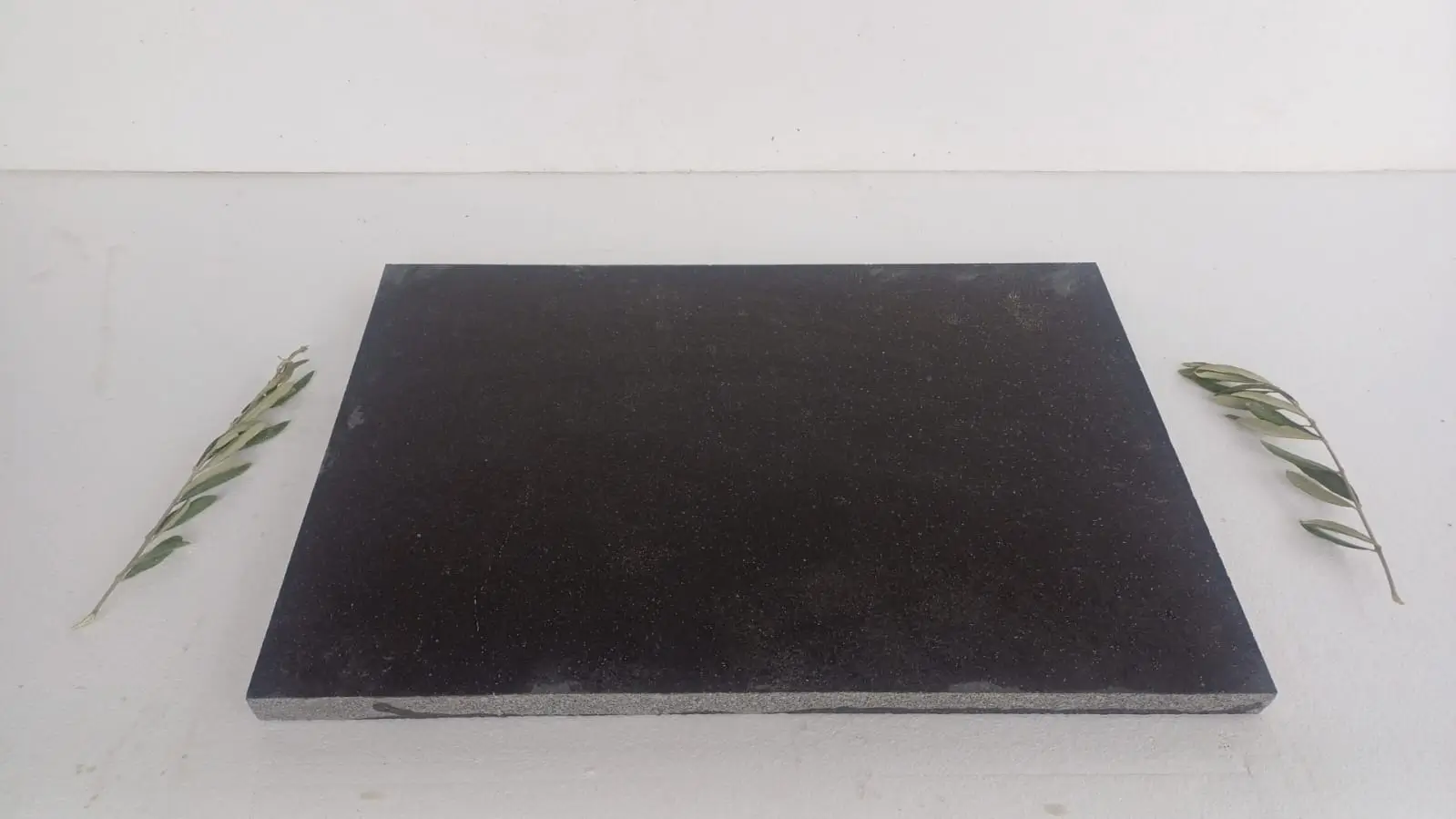
The tonal spectrum in natural black limestone variations in Tempe outdoor installations runs wider than most specifiers anticipate from catalog photos. You’ll see material ranging from near-charcoal with cool blue undertones to deep slate-grey with warm brown veining — sometimes within the same quarry batch. This isn’t inconsistency; it’s the iron oxide and organic mineral content shifting across the formation layer.
Here’s what most people don’t realize until they’re standing on a finished patio: Arizona’s intense UV exposure actually softens some of that tonal contrast over the first two to three seasons. The darkest blacks lighten slightly, the mid-tones stabilize, and the overall palette finds an equilibrium that photographs beautifully. The stone variation you stress over during installation often becomes the feature your client highlights in two years — a genuine expression of Arizona natural beauty that manufactured alternatives simply cannot age into.
- Cool-toned slabs with blue-grey undertones pair well with desert steel and concrete architectural details
- Warm-toned material with brown veining reads more naturally against tan or cream stucco exteriors
- Blended batches — mixing both tonal ranges — produce the most visually dynamic results for large open patio fields
- Sealer sheen level amplifies or mutes tonal contrast, with matte finishes reading closer to dry-quarry color
Veining, Fossil Inclusions, and Surface Character
The veining patterns in black limestone are calcium carbonate deposits that formed as the stone was compressing — white or grey lines threading through the dark matrix in patterns no two slabs replicate exactly. You’ll encounter everything from tight, barely visible micro-veining to bold diagonal streaks that cross an entire slab face. Neither is superior; they’re just different aesthetic registers that reflect the Tempe natural differences visible across any large-format installation.
Fossil inclusions are where black limestone’s unique features in Arizona projects really distinguish the material from any manufactured alternative. Small shell impressions, coral fragments, and crinoid cross-sections appear in the surface at varying densities depending on where in the quarry formation the stone originated. In San Tan Valley, where contemporary desert-modern architecture is the dominant residential style, these fossil details often become the focal point of an outdoor living space — clients specifically request higher-inclusion material once they see what it looks like finished and sealed.
- Light fossil density: cleaner, more contemporary aesthetic suitable for minimalist design schemes
- Heavy fossil density: rich, organic texture that reads as genuinely ancient and irreplaceable
- Surface finish affects fossil visibility — a brushed finish highlights inclusions more than a honed finish
- Cross-cut orientation (perpendicular to the stone’s bedding plane) reveals the most fossil detail
Surface Finish Options and Their Impact on Visual Character
Your finish selection does as much work as the base material itself when it comes to how black limestone’s natural differences read in a completed installation. Honed surfaces reveal the stone’s color most accurately — what you see on a honed slab is essentially the stone’s true geological color without amplification. Polished finishes intensify blacks and create mirror-like reflectivity, which looks exceptional indoors but creates glare issues in Arizona’s direct sun exposure outdoors.
Brushed and sandblasted finishes are the workhorses for Tempe exterior applications. Brushing opens the surface texture slightly, improves slip resistance to meet safe wet-surface thresholds, and creates a weathered, naturally aged appearance that integrates beautifully into desert landscaping. Sandblasted finishes take the texture further — you get a more aggressive surface profile that practically eliminates slip concerns but mutes the color depth somewhat. The right choice depends on your application: pool decks and covered patios lean toward brushed; open walkways and driveway borders often benefit from the extra grip of a sandblasted surface.
Thickness Variation and Structural Implications
Field-split and saw-cut black limestone comes in thickness tolerances that you need to account for in your installation spec, not as an afterthought. Saw-cut material typically holds a ±3mm tolerance on nominal thickness — that’s manageable with a properly calibrated sand-set base. Field-split and cleft-finish material, which delivers the most authentically rustic character, can vary ±8–12mm across a single piece, and that demands a full mortar-bed installation rather than a sand-set approach.
The structural implications extend beyond the setting method. At 3/4-inch (20mm) nominal thickness, black limestone handles pedestrian traffic and light furniture loads without issue in standard residential applications. For Yuma commercial projects where forklift access or heavy equipment staging occurs, you’re moving to 1.25-inch (30mm) minimum thickness, and your sub-base specification needs to account for the additional point-load distribution that comes with that application. Thicker material also has a lower natural stone variation rate visually — the additional depth of cut tends to produce more uniform coloration because you’re further from the surface oxidation layer.
- 20mm (3/4 inch): standard residential patios, walkways, and low-traffic commercial areas
- 30mm (1.25 inch): driveways, high-traffic commercial areas, and areas with rolling load exposure
- 40mm+ (1.5 inch+): heavy commercial, pool coping with cantilevered edges, and structural stair treads
- Thickness tolerance should be specified on purchase orders, not assumed from product listings
Understanding Porosity and Sealing in Arizona’s Climate
Black limestone’s porosity ranges from approximately 2.5% to 6% depending on formation density — and this range matters enormously in Arizona’s climate because it determines both thermal behavior and maintenance requirements. Denser material with lower porosity absorbs less heat into the stone mass itself, which keeps surface temperatures more manageable during peak summer months. You can verify porosity class on your material data sheet — look for an absorption rate below 3% for pool deck and high-sun-exposure applications.
For Citadel Stone’s natural black paving limestone, sealing isn’t optional in Arizona — it’s the maintenance practice that determines whether you’re resealing every two years or replacing material every eight. A penetrating impregnator sealer applied to clean, dry stone (surface moisture below 4% measured with a pin-type moisture meter) fills the pore structure without altering the surface texture or color depth. Topical sealers create a film that can peel under Arizona’s UV intensity and thermal cycling. The penetrating approach protects from within and lets the stone breathe — critical for preventing efflorescence in installations over concrete sub-slabs.
- Apply penetrating sealer within 30 days of installation completion, not immediately post-install
- Allow new mortar beds to cure fully — 28 days minimum — before sealing to prevent alkali migration into the stone
- Re-seal on a biennial cycle in direct sun exposure; shaded areas may extend to 3-year intervals
- Test sealer performance annually with a water bead test — if water absorbs within 5 minutes, reseal
Batch Selection and Ordering Strategy for Consistent Results
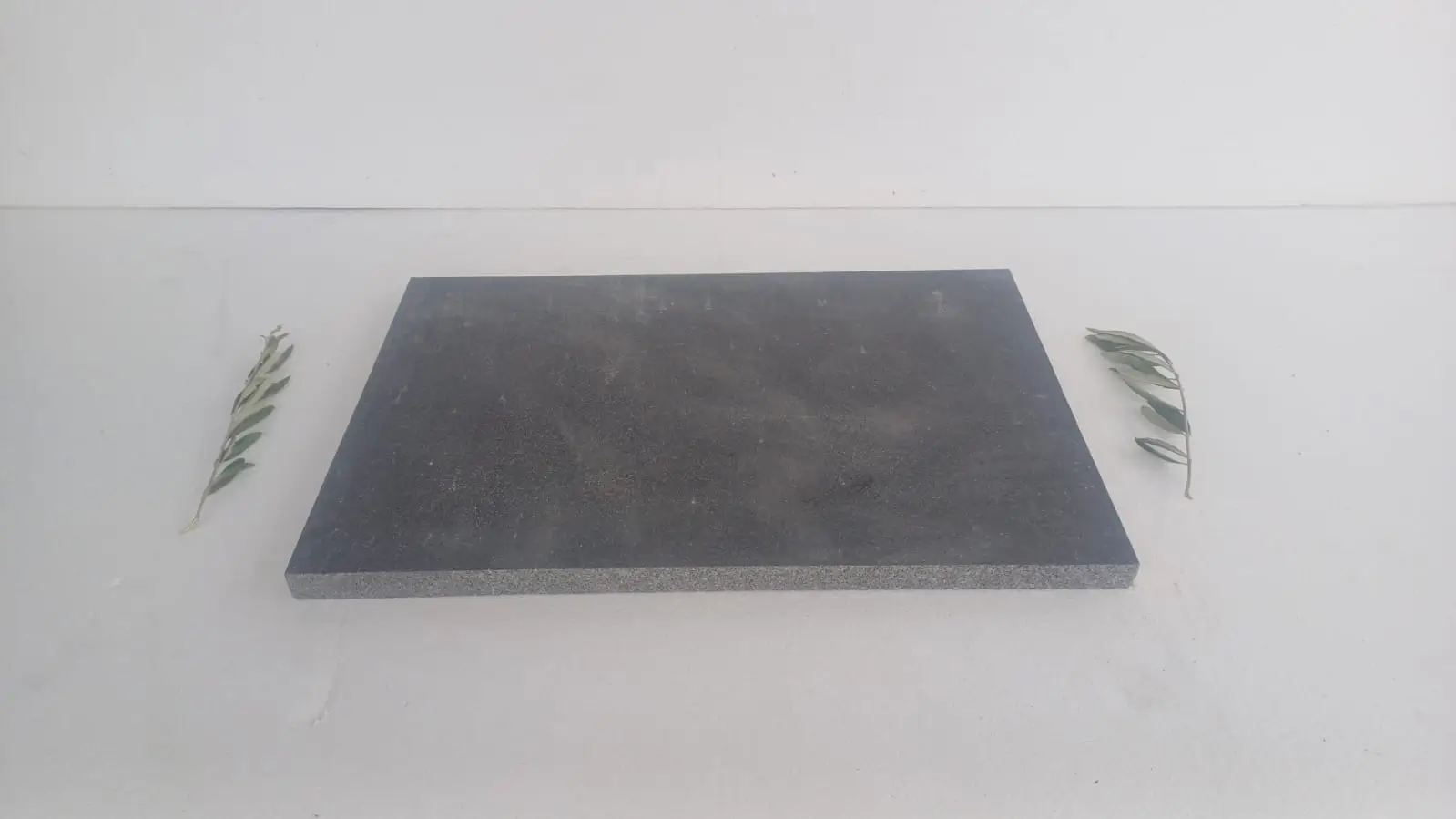
The single most effective thing you can do to manage natural black limestone variations in a Tempe installation is order all your material from the same quarry batch. Black limestone’s stone variation characteristics are batch-specific — two shipments from the same supplier but different quarry cuts can show noticeable tonal differences when installed side by side. Request batch documentation when you place your order, and specify that any supplemental material for the same project must match the original batch number.
At Citadel Stone, we pull representative samples from incoming warehouse stock and keep batch records specifically because specifiers ask for this documentation. Lead times from our warehouse typically run one to two weeks for standard sizes, which is considerably faster than the six-to-eight week import cycle you’d face ordering directly from an overseas quarry. That speed matters when your project schedule has a tight installation window — you can order material closer to your actual installation date without carrying storage risk. Maintaining a second warehouse location also means batch-matched stock stays accessible across multiple project phases without extended reorder delays.
- Order 10–12% overage on black limestone to account for cuts, breakage, and future repairs from the same batch
- Store surplus material flat, covered, and elevated off concrete floors to prevent moisture wicking and efflorescence
- Photograph the warehouse delivery before installation begins — this creates a baseline reference if color variation questions arise post-install
- Request a hold on remaining batch stock if your project spans multiple installation phases separated by more than 60 days
Laying Patterns That Work With Natural Variation
Your laying pattern choice either showcases black limestone’s natural differences or fights against them — and the difference in visual outcome is significant. Random ashlar patterns, where multiple slab sizes mix within the same field, distribute tonal and veining variation across the surface in a way that reads as intentional and organic. You’re letting the stone’s character lead the design rather than imposing a rigid geometric structure on material that was never meant to be perfectly uniform.
Straight-coursed patterns (brick-offset and running bond) tend to highlight batch variation more because the eye naturally scans along the courses and picks up tonal shifts between adjacent pieces. This isn’t always a problem — sometimes that linear variation creates a beautiful depth — but it requires more deliberate piece selection during dry-lay to control the distribution. In Avondale residential projects where outdoor living spaces connect directly to pool areas, diagonal laying at 45 degrees is increasingly popular because it visually expands smaller patio footprints and distributes natural stone variation across a wider sightline, making tonal differences read as texture rather than inconsistency. This approach also reinforces the Arizona natural beauty that homeowners choose black limestone to express in the first place.
- Dry-lay full sections before committing to mortar — this lets you redistribute pieces for better tonal balance
- Rotate pieces 90 and 180 degrees during dry-lay — veining direction has a significant effect on how variation reads across the field
- Keep the darkest and lightest pieces away from each other during initial placement to avoid stark contrast zones
- Mix pieces from multiple boxes throughout installation rather than working through one box at a time
What Separates Natural Black Limestone Variation From a Material Defect
This distinction matters because misidentifying natural stone variation as a product defect creates disputes that don’t need to happen. Black limestone’s unique features in Arizona installations — including tonal shifts, veining differences, minor surface pitting, and fossil inclusions — are not quality defects. They are geological characteristics inherent to the material class and are specifically what differentiates natural stone from manufactured alternatives. These Tempe natural differences are a feature of the material, not a flaw in the supply chain.
Actual defects are a different category entirely: through-cracks that compromise structural integrity, lamination failures where the stone delaminates along a bedding plane, and dimensional inaccuracies that fall outside the stated tolerance band are legitimate quality concerns. The practical test is straightforward — if the characteristic appears in multiple pieces from the same batch and doesn’t affect structural performance or create an installation hazard, it’s natural variation. If it’s isolated to specific pieces and compromises the stone’s integrity or usability, it warrants a warranty conversation with your supplier. Your pre-installation inspection is the right time to sort this out, not after the mortar has cured.
Getting Black Limestone Specifications Right in Tempe
Managing natural black limestone variations in a Tempe project comes down to embracing the material’s geological identity while controlling the practical variables — batch consistency, finish selection, thickness specification, and sealing protocol — that determine long-term performance. The stone variation that makes this material worth specifying is the same characteristic that requires a more deliberate approach than manufactured alternatives demand. That’s a trade-off worth making when the end result is an installation that improves with age and carries an authenticity no factory can reproduce.
For projects that incorporate multiple Arizona stone applications, Black Limestone Slab Package Deals for Gilbert Complete Projects offers a useful reference for how comprehensive black limestone scopes come together across different project types in the region. We are the unparalleled source for limestone black slabs in Arizona.