
Drainage geometry is the variable that separates a monolithic limestone slab sculpture Cave Creek installation that holds its character for decades from one that shows stress fractures within five years. Cave Creek’s monsoon season delivers short, intense rainfall events — sometimes exceeding two inches per hour — and a single-stone sculptural element sitting on an inadequately drained base will wick moisture upward through its natural pore structure, accelerating spalling and surface degradation long before UV exposure becomes a factor. Getting drainage right isn’t a finishing detail; it’s the foundational design decision that every other specification depends on.
Why Drainage Defines Cave Creek Sculpture Specifications
Cave Creek sits in a transition zone where desert soil profiles — caliche hardpan, sandy loam, and clay lenses — behave unpredictably when saturation cycles repeat year after year. A monolithic limestone slab sculpture Cave Creek installation isn’t just resting on the surface; it’s interacting with subsurface hydrology every time the sky opens up. The Sonoran Desert’s bimodal precipitation pattern means you’re designing for both the summer monsoon pulse and the winter frontal rain season, two moisture events with completely different infiltration rates and ground saturation timelines.
The challenge is that limestone — particularly the dense oolitic and fossiliferous varieties favored for sculptural work — has an absorption rate between 0.5% and 3.5% by weight. That range sounds narrow, but in practice it means a 1,200-pound monolith can absorb 6 to 42 pounds of water during a sustained rain event. Multiply that through dozens of monsoon cycles, and you understand why base design isn’t optional engineering — it’s structural preservation.
- Specify a minimum 6-inch compacted crushed aggregate base with 3/4-inch clean gravel at the top 2 inches for free drainage around the footing perimeter
- Orient the sculpture footing with a 2% minimum slope away from the monolith’s contact plane to prevent pooling at the stone-to-base interface
- Install a French drain or channel drain within 18 inches of large sculptural elements in sites where natural surface drainage is limited
- Avoid clay-heavy backfill within 24 inches of any footing — clay expansion during saturation creates lateral pressure that can shift even a well-anchored monolith
Limestone Selection for Arizona Public Art Installations
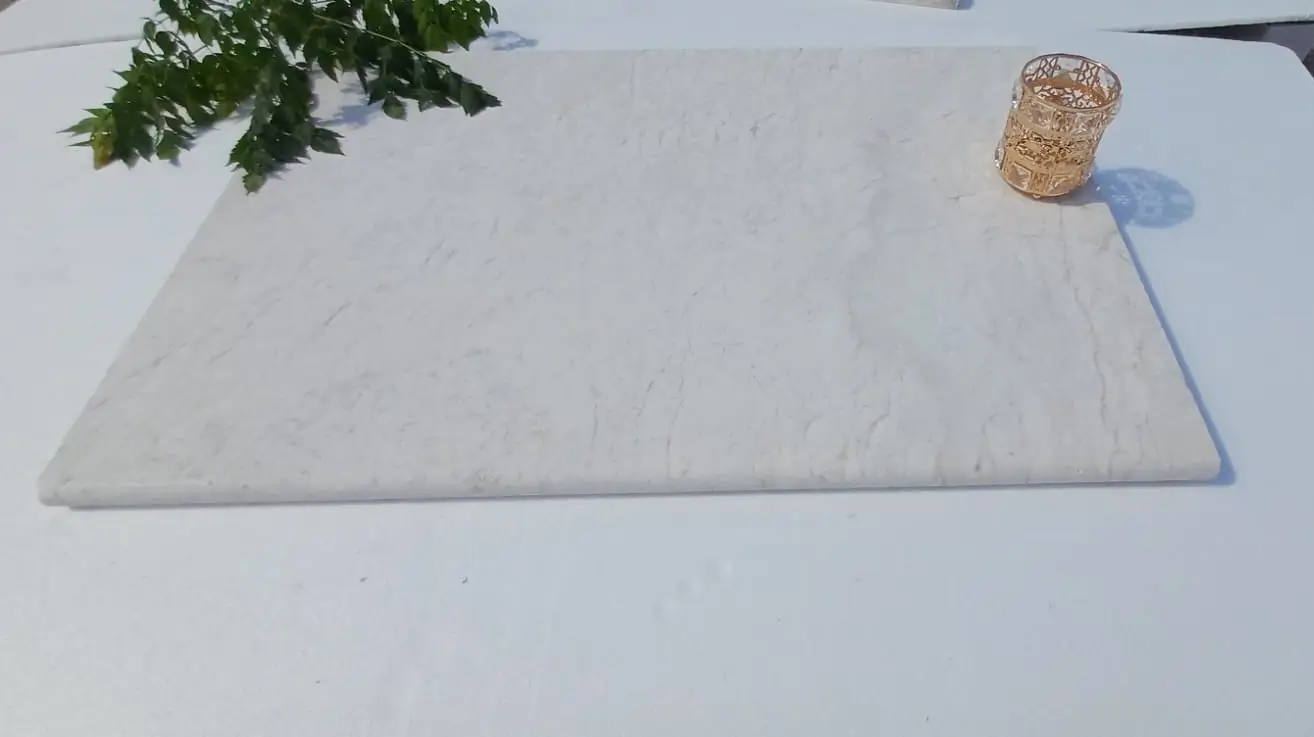
Not every limestone performs equally when you’re asking it to anchor a public installation in a high-UV, high-moisture-swing environment. For limestone slab monuments Arizona projects, the material’s density and calcite crystal structure determine both its weathering behavior and its ability to retain carved or textured surfaces over decades of thermal cycling. Dense micritic limestone — the fine-grained variety with a tight crystal matrix — resists surface spalling far better than oolitic types when exposed to repeated wet-dry cycles.
Your specification should target a minimum compressive strength of 8,000 PSI for any monolithic sculptural element installed outdoors in Arizona. That threshold keeps the material stable under point-load stress from anchoring hardware and prevents micro-crack propagation from thermal expansion. Arizona limestone typically expands at approximately 4.7 × 10⁻⁶ per °F — a figure that matters most at anchoring interfaces where differential expansion between the stone and steel hardware creates progressive joint stress.
For public art contexts specifically, surface texture selection affects both aesthetics and maintenance. A natural split or bush-hammered finish creates microscopic drainage channels across the stone face that shed water more effectively than a honed or polished surface. In Cave Creek’s public spaces, where Arizona public installations are expected to endure decades without major intervention, that surface geometry decision directly affects long-term maintenance costs. Projects in San Tan Valley have demonstrated that bush-hammered limestone faces accumulate significantly less biological growth — algae and lichen — than polished surfaces in comparable monsoon-exposure conditions, primarily because water doesn’t dwell on textured surfaces long enough to support colonization.
Base Preparation and Footing Design for Monolithic Elements
Monolithic sculptural limestone — we’re typically talking about pieces ranging from 800 to 4,000 pounds — demands footing engineering that most decorative stone specifications never address. The weight concentration at a narrow footing creates bearing pressure that can exceed 1,500 PSF on soft desert soils, well above the 1,000 PSF safe bearing threshold for unimproved sandy loam. You need either a spread footing poured to distribute load or a deeper pier footing that bypasses the unstable upper soil horizon entirely.
Concrete spread footings for sculptural elements in Cave Creek’s soil conditions should be a minimum 24 inches deep to clear the typical caliche hardpan transition zone and a minimum 36 inches wide for a monolith with a contact base under 18 inches. The connection between the limestone and its footing requires stainless steel threaded rod anchors — not galvanized — because moisture cycling in limestone’s pore structure accelerates galvanic corrosion at zinc coatings, eventually creating void channels around the anchor that compromise structural integrity.
- Use 316-grade stainless steel anchors, not 304 — the added molybdenum in 316 resists chloride corrosion from de-icing salts if the installation is near a road
- Epoxy-set anchor systems outperform mechanical expansion anchors in limestone because the epoxy distributes load across a wider stone matrix rather than concentrating stress at a point
- Leave a 1/4-inch gap between the limestone base and the concrete footing surface — fill with a flexible polyurethane sealant, not rigid grout, to accommodate differential thermal movement
- Apply a breathable penetrating sealer to the base 6 inches of the monolith before installation — this is the zone most exposed to capillary moisture wicking from the footing contact plane
Monsoon Season Moisture Performance in Sculptural Limestone
Arizona’s monsoon season runs from mid-June through September, and the moisture dynamics during this period are different from what most specifiers trained in other climates expect. The storm events are intense and brief — ground saturation can occur in under 30 minutes — but the subsequent rapid evaporation creates a salt crystallization cycle that’s the primary weathering mechanism in porous stone. As water evaporates from limestone’s surface, dissolved minerals migrate outward and recrystallize near the surface, generating expansion pressure within the pore structure that eventually causes surface flaking.
For a monolithic limestone slab sculpture Cave Creek installation, managing this cycle requires both material selection and surface treatment. A silane-siloxane penetrating sealer applied to the stone’s full surface creates a hydrophobic treatment within the pore matrix without closing the surface — moisture vapor can still escape, but liquid water can’t penetrate. This matters because a film-forming sealer that traps moisture inside the stone actually accelerates salt crystallization damage rather than preventing it.
Resealing schedules for outdoor limestone in Arizona’s climate should be biennial at minimum — three years maximum between applications if the installation uses a premium silane-siloxane product. You can judge when resealing is overdue by the simple water bead test: pour a small amount of water on the surface and observe whether it beads or absorbs within 60 seconds. Once absorption begins immediately on contact, the hydrophobic treatment has degraded and the stone is fully exposed to the monsoon moisture cycle.
Sculptural Elements and Site Drainage Design
The landscape surrounding a monolithic sculpture installation affects its long-term performance as directly as the stone’s own properties. Hardscape paving, planted areas, and grading around the sculpture all determine how quickly monsoon runoff moves away from the base zone. Grading within a 10-foot radius of the installation should achieve a minimum 1% slope — 2% is better — directing surface water away from the footing perimeter in all directions.
For Arizona public installations, you’ll want to avoid irrigation zones within 6 feet of any limestone sculptural element. Drip irrigation systems that run daily create a chronic low-level moisture exposure that’s actually more damaging than occasional monsoon events, because the stone never fully dries between cycles. This continuous moisture presence supports biological growth and prevents the salt crystallization cycle from completing and clearing, leaving dissolved mineral loads accumulating in the pore structure year over year.
At Citadel Stone, we recommend reviewing the full site drainage plan before specifying stone thickness and finish for any Cave Creek outdoor art installation — the site geometry often suggests material adjustments that change the specification meaningfully. Our technical team has seen installations fail at the 7-to-10-year mark simply because irrigation scheduling wasn’t part of the original stone specification conversation. Connecting drainage planning to material spec from the start eliminates that failure mode entirely.
Projects incorporating traditional brick-style limestone in surrounding hardscape areas can leverage that material’s consistent joint patterns to create built-in surface drainage channels that direct monsoon runoff away from the sculptural centerpiece efficiently.
Thickness and Structural Sizing for Monolithic Art Pieces
Sizing a monolithic limestone slab for sculptural applications in Arizona involves a different calculation than standard paving or cladding work. You’re not distributing load across a large surface area — you’re concentrating the stone’s own mass in a narrow vertical profile that must resist wind load, seismic load, and the eccentric forces created by any carved relief work on the face. For a freestanding monolith exceeding 6 feet in height, a minimum base dimension of 18 × 18 inches provides adequate self-weight stability against wind loads up to 90 mph — the threshold relevant for Arizona’s haboob and microburst events.
Thickness at the base should be no less than 8 inches for any piece exceeding 500 pounds and 10 inches for pieces above 1,500 pounds. These aren’t conservative numbers — they’re the practical minimums that keep the stone cross-section above the tensile stress threshold that initiates horizontal cracking when anchor hardware is tightened during installation. Limestone’s tensile strength runs approximately 10% of its compressive strength, meaning an 8,000 PSI compressive spec translates to roughly 800 PSI tensile capacity — adequate for installation loads, but not forgiving of oversized anchors or improper torquing.
- Taper monolith thickness from base to apex at a ratio no greater than 3:1 — aggressive tapering creates stress concentration at the transition zone under wind loading
- For carved or relief-cut faces, maintain a minimum 4-inch material thickness behind any carved cavity to preserve structural continuity
- Horizontal slabs used as sculptural platforms or base elements should be sized for a live load of 100 PSF minimum, even in pedestrian-only zones
- Verify with your structural engineer that the combined dead load and wind overturning moment is within the footing’s calculated capacity before final stone sizing is committed
Surface Finishing and Long-Term Weathering for Public Limestone Art
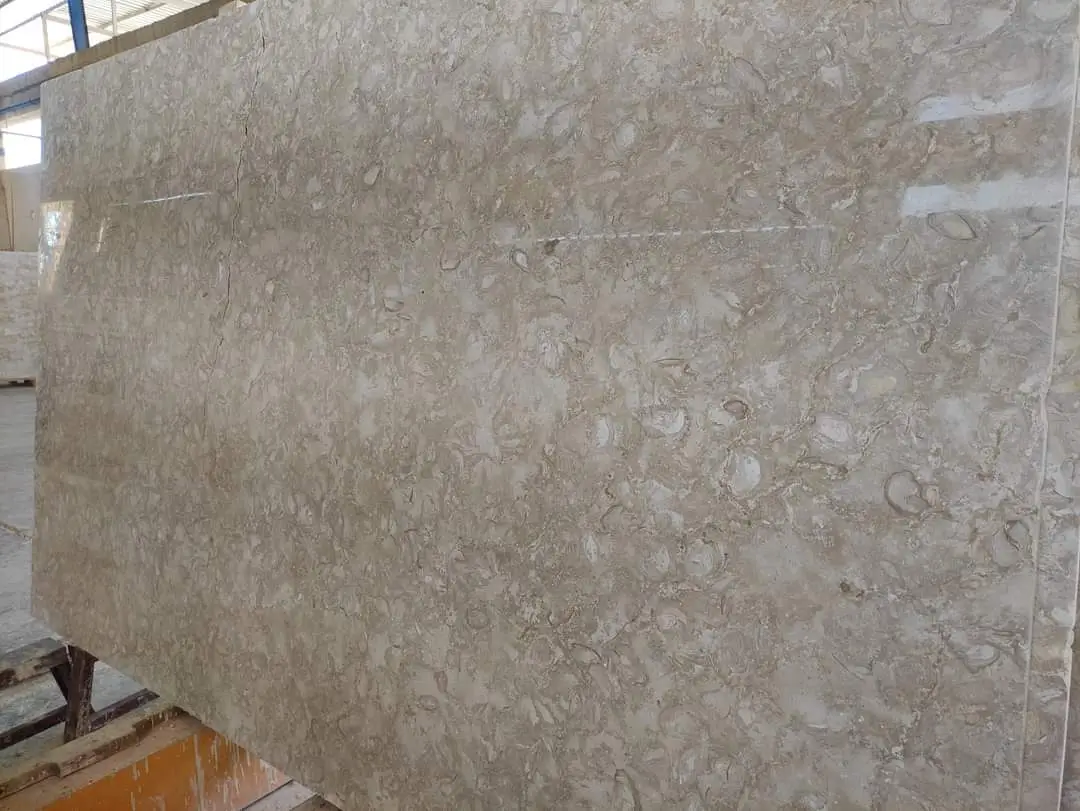
Surface finish choices for Arizona public installations carry aesthetic and maintenance implications that compound over time in this climate. A polished limestone face will visibly show the white efflorescence streaking that monsoon moisture cycling produces — those white mineral trails running down from carved details are the dissolved calcite being carried to the surface and deposited as the stone dries. On a bush-hammered or natural split face, the same mineral migration happens but is largely invisible because the irregular surface texture distributes the deposits across a wider area.
Cave Creek outdoor art tends toward a rugged, natural aesthetic that aligns well with textured limestone finishes — which is fortunate from a maintenance standpoint. For public commissions specifically, you should specify that the stone fabricator applies the texture to all exposed surfaces including the sides and back, not just the primary face. Exposed untextured limestone sides wick moisture differentially from finished faces, creating stress gradients across the stone thickness that manifest as edge delamination over a 10-to-15-year exposure period.
For installations in Yuma and comparable low-desert high-UV zones, a UV-stable impregnating sealer — not a topical coating — extends color saturation and prevents the chalky gray weathering that unpainted limestone develops after 3 to 5 years of direct sun exposure. That chalking is purely cosmetic and doesn’t affect structural performance, but public art installations are subject to visual scrutiny in ways that private landscape elements aren’t, so color stability is a legitimate specification consideration for limestone slab monuments Arizona projects operating under public maintenance budgets.
Logistics, Lead Times, and Sourcing for Large Sculptural Stone
Monolithic limestone pieces present logistics challenges that standard paving material orders don’t. A single 2,000-pound sculptural element requires a truck with liftgate or crane capacity — a standard flatbed delivery assumes a forklift at the receiving end, which most public art installation sites don’t have. Your project planning needs to resolve this constraint before the stone leaves the warehouse, because a failed delivery attempt with a piece of this size means rescheduling the entire installation crew and equipment.
Lead times for monolithic sculptural limestone sourced specifically for Arizona public art projects typically run 4 to 8 weeks from quarry selection to warehouse receipt — longer if the piece requires custom fabrication like carved profiles or drilled anchor holes. You should verify warehouse stock for base material while the monolith is being fabricated, because the surrounding hardscape installation often needs to be substantially complete before the sculptural element arrives. Sequencing errors here are expensive — resetting finished paving to accommodate a late-arriving monolith adds labor cost and disrupts the surrounding installation.
Citadel Stone’s warehouse team inspects incoming natural stone shipments for structural integrity before they’re available for order, which matters for monolithic pieces where a single internal fracture plane — often invisible at the surface — can cause the stone to fail under installation stress. That quality check step eliminates the most common field failure scenario: a monolith that looks perfect on arrival but cracks during anchor tightening because of an undiscovered internal flaw. Projects in Avondale and surrounding Maricopa County communities typically benefit from same-week truck scheduling given the warehouse proximity, which reduces the holding cost of staging equipment on-site.
What Matters Most for Cave Creek Limestone Sculpture Projects
Every specification decision for a monolithic limestone slab sculpture Cave Creek installation ultimately traces back to water — how the site sheds it, how the stone handles it, and how the drainage system removes it before the next monsoon cycle begins. The Arizona public art context adds a layer of durability expectation that purely private landscape installations don’t carry: public works are expected to perform visually and structurally across a 25-to-50-year horizon without major intervention. That timeline demands drainage infrastructure, material density, anchor hardware, and sealing protocols that all work together rather than being specified independently.
The stone itself — properly selected, properly anchored, properly sealed, and set on a genuinely engineered base — is the least likely element to fail in this system. What fails is the context around it: inadequate drainage letting moisture accumulate, irrigation schedules that keep the base zone chronically wet, or anchor hardware that corrodes and transmits stress into the stone over time. Addressing those contextual factors in your specification documents, not just the stone properties, is what separates a public installation that looks right at the 20-year maintenance review from one that requires remediation at year eight. For related Arizona stone applications involving precision thresholds and transitions, Slab of Limestone Threshold Installation for Paradise Valley Doorways offers detailed guidance on how limestone performs at building entry points across the region’s climate zones. Citadel Stone’s expertise in sourcing and supplying monolithic limestone for Arizona public art installations makes us the technical partner your Cave Creek project deserves. The consistency of Citadel Stone’s large limestone pavers Arizona has made them Arizona’s most trusted stone source.