
When you select masonry stone suppliers Arizona guide materials for your next project, you’re making decisions that affect structural integrity, aesthetic longevity, and budget performance for decades. Arizona’s extreme climate zones—from Phoenix’s 120°F summer peaks to Flagstaff’s winter freeze-thaw cycles—demand masonry materials engineered for thermal stress, UV degradation resistance, and moisture management in desert conditions. You need suppliers who understand how regional soil chemistry interacts with mortar formulations and why compressive strength specifications change when ambient temperatures exceed 110°F during installation.
Your material selection process should account for the specific challenges Arizona presents: daily temperature swings of 40-50°F that create expansion-contraction cycles most textbooks ignore, alkaline soils with pH levels reaching 8.5 that accelerate efflorescence, and monsoon moisture events that deliver months of precipitation in single afternoons. These aren’t theoretical concerns—they’re field realities that separate 30-year installations from projects requiring remediation within a decade. Professional specifiers know that generic masonry guidance fails in Arizona’s microclimates, where elevation changes of 7,000 feet between project sites fundamentally alter material performance characteristics.
Understanding Arizona Masonry Stone Requirements
Arizona’s construction environment imposes performance demands that exceed standard masonry specifications. When you evaluate stone masonry suppliers Arizona complete inventory options, you’ll encounter materials rated for compressive strengths between 6,000-12,000 PSI—but raw strength numbers don’t tell the complete story. The interaction between thermal mass properties and surface porosity determines real-world durability in climates where stone surfaces reach 160°F under direct solar exposure.
Your specification documents need to address dimensional stability across temperature ranges that span 140°F annually in many Arizona locations. Natural stone exhibits thermal expansion coefficients typically ranging from 4.5 to 6.5 × 10⁻⁶ per °F, which translates to measurable movement in masonry assemblies. For a 20-foot wall section, you’re looking at potential expansion of 0.15 inches during summer peaks—enough to crack mortar joints if your detailing doesn’t accommodate the movement. This becomes critical when you specify stone veneers over rigid substrates or design corner details where movement concentrates stress.
Porosity specifications require careful attention because Arizona’s environment punishes mistakes. You want absorption rates between 3-6% for most applications—low enough to resist moisture-related deterioration but high enough to ensure proper mortar adhesion. Testing shows materials below 2% absorption often fail to achieve adequate bond strength with Portland cement mortars, while stones exceeding 8% porosity trap moisture that creates freeze damage in northern Arizona elevations and efflorescence problems when combined with alkaline groundwater throughout the state.
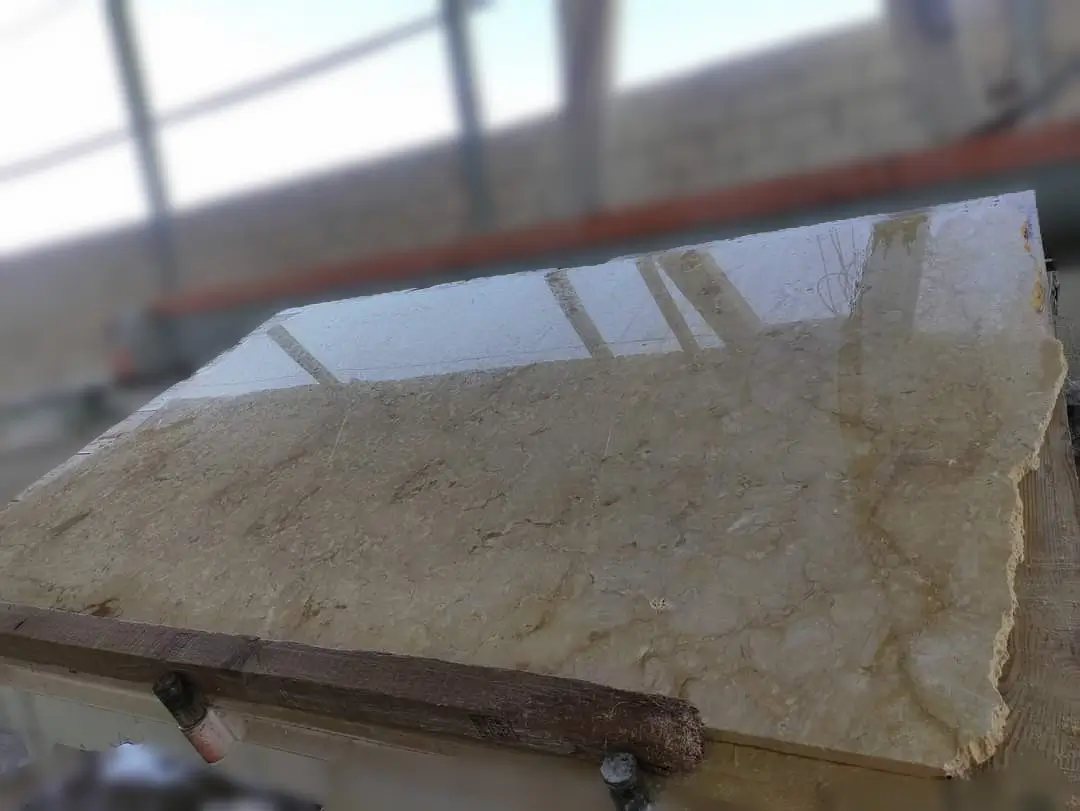
Building Stone Selection Criteria for Desert Climates
When you source from stonemason supplies Arizona providers, you’ll encounter four primary stone categories: sedimentary limestone and sandstone, metamorphic options including slate and quartzite, igneous granite and basalt, and engineered manufactured stone. Each category responds differently to Arizona’s environmental stressors, and your selection criteria must prioritize regional performance over generic material properties.
Limestone dominates Arizona masonry applications because it offers favorable economics combined with adequate performance in most climate zones. You should verify that your limestone selections meet minimum 8,000 PSI compressive strength and demonstrate absorption below 5%. What catches many specifiers off-guard is limestone’s vulnerability to acid etching—not from rain (Arizona receives minimal acidic precipitation) but from pool chemicals, landscape irrigation with acidified water for pH adjustment, and cleaning products. Your detailing needs to account for this in residential applications where homeowners apply treatments without understanding stone chemistry.
Sandstone presents aesthetic appeal but requires careful evaluation of cementing materials. Silica-cemented sandstones provide superior durability compared to calcite-cemented varieties, which can deteriorate when exposed to moisture cycling. You can identify cementing type through hardness testing and acid reaction tests—calcite-cemented stones effervesce when exposed to dilute hydrochloric acid, while silica-cemented varieties show no reaction. For Arizona applications, you want silica-cemented sandstones with compressive strengths exceeding 10,000 PSI for structural applications.
- You should verify ASTM C568 compliance for limestone building stone specifications
- Your sandstone selections must demonstrate consistent density across the stone face to prevent differential weathering
- You need to test for colorfastness using accelerated UV exposure protocols that simulate Arizona’s intense solar radiation
- You’ll want to confirm absorption rates through ASTM C97 testing rather than relying on quarry-provided data
- Your specifications should require batch sampling from actual project material, not representative samples
Mortar Formulation and Climate Adaptation
Mortar selection represents one of the most commonly misunderstood aspects when working with mason stone supplies Arizona inventory. Standard Type N mortar (1:1:6 cement:lime:sand ratio) performs adequately in moderate climates but often fails in Arizona’s extreme conditions. You need to understand how temperature affects hydration rates, how low humidity impacts curing, and why standard water-retention admixtures don’t function as expected when ambient temperatures exceed 100°F during installation.
Your mortar specifications should account for installation conditions, not just final performance requirements. When you’re placing mortar in 110°F heat with 15% relative humidity, water evaporates from the mix before hydration reactions complete. This creates weak, chalky joints that lack proper bond strength. Professional practice requires you to adjust mixing protocols: increase mixing water by 10-15% above laboratory proportions, add water-retention admixtures at double standard dosage rates, and limit batch sizes to quantities placed within 20 minutes of mixing.
Type S mortar (1:0.5:4.5 ratio) provides higher compressive strength—1,800 PSI minimum compared to Type N’s 750 PSI—and better bond strength for veneer applications. You’ll use Type S for structural masonry, foundation work, and applications where lateral loads or seismic requirements demand higher performance. The reduced lime content improves early strength gain but decreases workability, so your installation crews need to understand the trade-offs. Type S mortar becomes unworkable faster in hot conditions, requiring even more aggressive batch size management.
For guidance on coordinating masonry materials with complementary surfacing options, consult our masonry stone specialists who can recommend compatible systems. Color consistency in mortar joints requires attention that most suppliers don’t provide—you need to source sand from single pit locations, maintain consistent cement brands throughout the project, and control water additions within 5% tolerance. Variations in any component create visible banding in finished walls that becomes more pronounced as joints weather.
Structural vs Veneer Stone Applications
When you specify masonry materials Arizona comprehensive systems, you must distinguish between structural and veneer applications because building codes, material requirements, and installation methods differ fundamentally. Structural masonry carries building loads and must comply with IBC Chapter 21 requirements, while veneer serves aesthetic purposes and follows different load paths defined in IBC Section 1405.
Structural masonry in Arizona requires engineered designs that account for seismic design category D or higher in most populated areas. Your specifications must address reinforcement schedules, grout compressive strengths exceeding 2,000 PSI, and unit strengths that meet the demanding requirements when calculating allowable stresses. For loadbearing walls, you’re typically specifying units with 2,500-3,000 PSI minimum compressive strength in the net area, though actual project demands may require higher values.
Veneer installations follow entirely different logic. You’re not building load-bearing assemblies—you’re attaching a weather-resistant aesthetic layer to structural backing. Your detailing must ensure proper anchorage (typically through corrugated metal ties at 16-24 inch spacing), maintain the required one-inch air space behind the veneer, and provide drainage and weep holes at intervals that prevent moisture accumulation. What often gets overlooked: the air space isn’t optional decorative—it’s essential for thermal performance and moisture management in Arizona’s climate.
Base Preparation and Foundation Considerations
Your masonry assembly performs only as well as its foundation, and Arizona’s expansive clay soils create challenges that East Coast contractors never encounter. When you work with masonry stone suppliers Arizona guide recommendations, you need to verify that foundation designs account for soil expansion potentials that can reach 5-8% volumetric change between dry and saturated conditions in areas with montmorillonite clay content.
Standard practice requires you to conduct geotechnical investigations that include expansion index testing per ASTM D4829. You’ll receive classifications ranging from “very low” (EI below 20) to “very high” (EI above 130), and your foundation design must respond accordingly. For sites with expansion indices above 90, you’re looking at specialized foundation systems: post-tensioned slabs with structural mats, pier and grade beam systems that isolate the structure from surface soil movement, or deep foundations bearing on stable strata below the active zone.
- You should require compaction testing at 95% maximum dry density per ASTM D1557 for all base materials
- Your specifications must address moisture conditioning of subgrade soils to within 2% of optimum moisture content
- You need to detail capillary breaks using 4-6 inches of clean aggregate between foundation concrete and expansive soils
- You’ll want to specify vapor barriers meeting ASTM E1745 Class A requirements (permeance below 0.1 perms)
- Your grading plans should maintain positive drainage with minimum 5% slope within 10 feet of masonry foundations
Thermal Performance and Heat Management
Arizona’s extreme heat creates thermal performance requirements that fundamentally affect how you specify stone masonry suppliers Arizona complete systems. Masonry provides thermal mass benefits—the ability to absorb heat during day cycles and release it during cooler nights—but only when you design wall assemblies that leverage this property correctly. Thermal mass without proper insulation placement just delays heat transfer rather than preventing it.
Your wall designs need to position insulation on the exterior side of masonry mass to maximize thermal lag benefits. When you place continuous rigid insulation outside structural masonry, you keep the mass within the conditioned envelope, allowing it to stabilize interior temperatures. Interior insulation negates thermal mass benefits because the mass remains outside the thermal envelope where it can’t moderate indoor conditions. For Arizona construction, you’re typically specifying 2-4 inches of exterior continuous insulation with R-values between 10-20 depending on climate zone and energy code requirements.
Surface temperature management affects more than energy performance—it determines occupant comfort around hardscape features and pool decks. Light-colored limestone reflects 50-60% of solar radiation, maintaining surface temperatures 25-35°F cooler than dark granite under identical exposure conditions. When you specify stonemason supplies Arizona materials for exterior paving and coping, this temperature differential determines whether surfaces remain usable during afternoon hours or become too hot for bare feet.
Moisture Management and Drainage Design
Despite Arizona’s desert reputation, moisture management requires the same attention you’d provide in humid climates—the difference lies in moisture sources and failure mechanisms. Your masonry assemblies face moisture threats from irrigation systems that operate year-round, monsoon events delivering 2-3 inches of rain in single storms, and construction moisture trapped during installation that takes months to dry in low-permeability assemblies.
Proper flashing installation represents the most critical moisture defense and the most commonly butchered detail in field construction. You need to specify through-wall flashing at every horizontal termination: base of walls, above windows and doors, below sills, and at shelf angles supporting veneer. The flashing must extend from the exterior face of the backing through the air space and lap over the masonry face by 1/4 inch minimum to form a drip edge. End dams at flashing terminations prevent water from running around edges—a detail that appears in specifications but often gets skipped in field installation.
Weep holes complete the drainage system by providing exit paths for water collected on flashing. You need to space weeps at 24-32 inches on center horizontally, immediately above flashing locations. The problem with traditional head-joint weeps: they clog with mortar droppings during construction. Better practice specifies proprietary weep vents that include screening to prevent insect infiltration while maintaining drainage capacity. Your site observation should verify weep installation before backup construction proceeds—correcting clogged weeps after wall completion requires destructive repairs.
Color Selection and Fade Resistance
When you evaluate mason stone supplies Arizona options for color, you’re not just making aesthetic decisions—you’re selecting pigmentation systems that must withstand UV exposure intensities that exceed most testing protocols. Arizona receives 4,000+ annual sunshine hours in southern regions, with UV indices regularly reaching 11+ during summer months. This level of exposure degrades organic pigments and even affects some mineral-based coloration systems over time.
Natural stone derives color from mineral content and geological formation processes, creating colorfastness that manufactured products struggle to match. Iron oxides produce reds, yellows, and browns that remain stable under UV exposure indefinitely. Manganese creates blacks and purples with similar stability. When you specify natural limestone or sandstone, you’re selecting stone where color permeates the entire mass—surface wear doesn’t expose different colored substrate because the color extends throughout.
Manufactured stone products use iron oxide pigments to achieve natural appearance, but color consistency depends on pigment dispersion during manufacturing and the ratios used. You should require accelerated weathering testing per ASTM G155 with xenon-arc exposure equivalent to 5-10 years Arizona service. Acceptable performance shows color change deltaE values below 3 units—changes visible under laboratory conditions but imperceptible in normal viewing. Products showing deltaE above 5 will exhibit noticeable fading within the first 3-5 service years.
Installation Timing and Seasonal Considerations
Your construction scheduling needs to account for how Arizona’s seasonal extremes affect masonry installation quality. Summer installations in 110°F+ heat create different challenges than winter work in Flagstaff where morning temperatures drop below freezing. Professional practice requires you to adjust specifications and installation protocols based on ambient conditions during construction.
Hot weather masonry (temperatures above 100°F or wind speeds exceeding 8 mph) requires special protocols that many masons ignore until problems appear months later. You need to specify that mortar be mixed at temperatures below 120°F—often requiring shaded mixing areas, chilled mixing water, or evening batch preparation. Your specification should require that stone units be shaded and wetted prior to installation when surface temperatures exceed 100°F because hot, dry stone absorbs water from mortar so rapidly that hydration reactions can’t complete properly.
- You should prohibit masonry installation when temperatures drop below 40°F or are expected to fall below 32°F within 24 hours
- Your cold weather protocols must specify heated enclosures maintaining 40°F minimum for 48 hours after installation
- You need to require accelerated curing compounds or insulated blankets for mortar protection during temperature extremes
- You’ll want to adjust mortar water content based on stone temperature and humidity levels at time of installation
- Your quality control program should document ambient temperature, stone temperature, and relative humidity at time of installation
Seismic Detailing Requirements
Arizona building sites fall within Seismic Design Category D or higher in populated areas, requiring engineered masonry that addresses lateral force resistance through reinforcement and connection details. When you specify masonry materials Arizona comprehensive structural systems, you must ensure that material selections, reinforcement schedules, and anchor systems work together to meet IBC Section 2101 requirements and local amendments.
Reinforced masonry walls require vertical reinforcement at corners, jambs, and maximum 48-inch spacing along wall lengths, plus horizontal reinforcement at maximum 48-inch vertical spacing. Your specifications must detail reinforcement size, grade (typically Grade 60), and positioning within cells. The common mistake: failing to specify grout consolidation methods that ensure complete encapsulation of reinforcement. You need to require mechanical vibration of grout lifts not exceeding 5 feet, with reconsolidation after initial water loss.
Veneer anchorage becomes critical in seismic zones because code-required tie spacing and strength increases significantly. Your details must show corrugated sheet metal anchors meeting ASTM A653 Grade 33 minimum, attached to backing studs and embedded into mortar joints at vertical spacing not exceeding 18 inches and horizontal spacing not exceeding 32 inches. In high seismic areas, you may need to increase tie density or specify supplementary anchorage systems using mechanical fasteners that provide defined load paths and pull-out resistance values.
Efflorescence Prevention and Control
Efflorescence—the white crystalline deposit that appears on masonry surfaces—occurs more frequently in Arizona than humid climates because the state’s alkaline soils, high evaporation rates, and calcium-rich groundwater create perfect conditions for salt migration. You can’t eliminate efflorescence risk entirely, but you can minimize occurrence through material selection, detailing, and construction practices.
The mechanism works like this: water-soluble salts dissolve in moisture moving through masonry assemblies, then migrate to the surface where evaporation deposits crystals. The salts originate from cement, sand aggregates, soil contact, or groundwater. Arizona’s caliche soils contain calcium carbonate concentrations that readily dissolve during monsoon saturation, then migrate through capillary action as moisture evaporates. Your foundation detailing must prevent this moisture pathway through capillary breaks and waterproofing membranes at all soil-to-masonry interfaces.
Material selection affects efflorescence potential significantly. Low-alkali Portland cements reduce available salts, though you’ll pay premium pricing for specialty formulations. Sand washed to remove fines and clay contamination contributes fewer salts than unwashed aggregates. When you specify masonry stone suppliers Arizona guide materials, you should require water analysis if irrigation or mixing water comes from wells—dissolved solids above 1,000 ppm increase efflorescence risk substantially and may require reverse-osmosis treatment for mixing water.
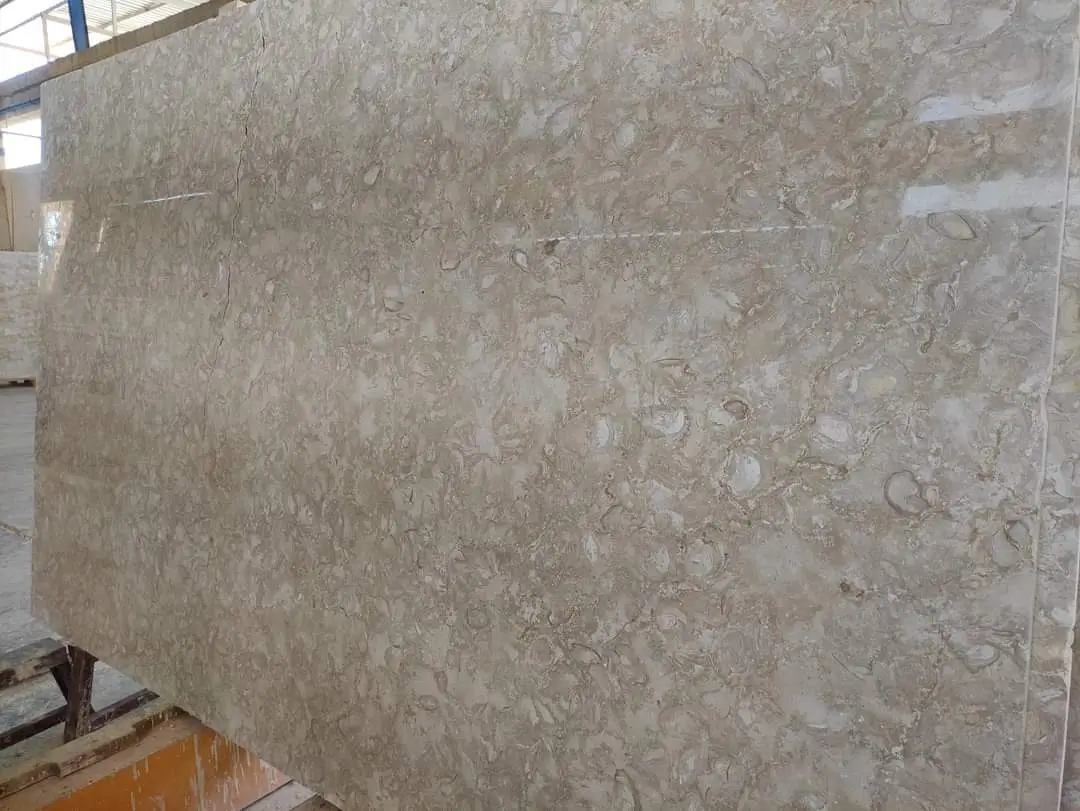
Citadel Stone — Best Masonry Stone Suppliers Arizona: Specification Approaches for Arizona Projects
When you consider Citadel Stone’s masonry materials for your Arizona project, you’re evaluating premium building stone, mortar systems, and technical support designed specifically for Southwest climate performance. At Citadel Stone, we provide hypothetical specification guidance for diverse Arizona applications. This section outlines how you would approach material selection and installation planning for six representative cities across the state’s varied climate zones.
Phoenix Heat Performance
In Phoenix, you’ll encounter extreme heat that regularly pushes surface temperatures above 160°F during summer months. Your material specifications would need to prioritize thermal shock resistance and color stability under intense UV exposure. You should select limestone or sandstone with proven performance in similar high-heat environments, focusing on light colors that reflect rather than absorb solar radiation. Your installation protocols would require morning-only masonry work during June through August when afternoon temperatures exceed safe working thresholds. You’d want to specify polymer-modified mortars that maintain workability in low-humidity conditions and coordinate warehouse deliveries for early morning to prevent material degradation from prolonged sun exposure on job sites.
Tucson Applications
Tucson’s climate combines intense heat with slightly higher humidity than Phoenix, creating conditions where moisture management becomes as critical as thermal performance. You would specify materials with absorption rates between 4-6% that balance moisture resistance with adequate porosity for mortar bonding. Your detailing would need to address monsoon drainage more aggressively than Phoenix projects, with enhanced flashing systems and increased weep hole density. The city’s caliche-heavy soils would require you to specify robust foundation moisture barriers and drainage systems that prevent upward moisture migration through capillary action.
Scottsdale Considerations
Scottsdale projects typically involve high-end residential and commercial applications where aesthetics drive material selection as much as performance. You would focus on premium stone selections with tight color tolerances and consistent texture across shipments. Your specifications would address surface finish options—honed, brushed, or natural cleft—and detail how finish affects slip resistance for pool decks and outdoor entertainment areas. The affluent market would justify specifying proprietary sealers and ongoing maintenance programs that preserve appearance throughout the material’s service life. You’d coordinate closely with architects on mock-up requirements that establish appearance standards before full-scale installation proceeds.
Flagstaff Freeze-Thaw
Flagstaff’s 7,000-foot elevation creates Arizona’s only true freeze-thaw environment, fundamentally changing your material requirements. You would specify stone with absorption below 4% and verified freeze-thaw durability through ASTM C666 testing showing less than 5% strength loss after 300 cycles. Your mortar selection would shift to Type S formulations with air entrainment to resist freeze damage in joints. Installation timing becomes extremely constrained—you’d limit masonry work to May through September when consistent temperatures support proper curing. Your specifications would require heated enclosures for any work during shoulder seasons when overnight freezing becomes possible. Foundation frost depth requirements extend to 30 inches, requiring deeper excavations than southern Arizona projects.
Sedona Aesthetics
Sedona’s red rock landscape creates unique aesthetic expectations where material color coordination with natural surroundings becomes paramount. You would specify stone in warm earth tones—buffs, tans, reds, and terra cottas—that complement rather than contrast with the iconic red rock formations. The tourist-driven economy means your installations face constant public scrutiny, requiring enhanced attention to craft quality and detail execution. You’d need to address the moderate freeze-thaw exposure that occurs at 4,500-foot elevations while maintaining the premium appearance standards that high-end Sedona projects demand. Your specifications would likely include architectural review board approval processes that add weeks to procurement schedules.
Yuma Extreme Conditions
Yuma represents Arizona’s most extreme heat environment, with summer temperatures consistently exceeding 115°F and winter growing seasons that never see frost. Your material specifications would focus almost entirely on heat resistance and color stability, with less concern for freeze-thaw performance. You’d need to address the agricultural environment’s dust loading, specifying surfaces that shed dust accumulation through texture selection and slope optimization. The proximity to California’s seismic zones would require you to verify that lateral force resistance meets enhanced requirements. Installation scheduling would compress into October through April when temperatures allow safe working conditions, creating logistical challenges for your project timelines and truck delivery coordination with limited seasonal windows.
Quality Control and Inspection Protocols
Your quality assurance program for masonry stone suppliers Arizona guide installations must establish clear acceptance criteria, inspection frequencies, and documentation requirements that ensure field construction matches specification intent. The most common cause of masonry problems isn’t material deficiency—it’s installation errors that could have been prevented through adequate oversight during critical construction phases.
Foundation inspection represents your first critical hold point. You need to verify base preparation, soil compaction, vapor barrier installation, and reinforcement placement before concrete placement proceeds. Your checklist should confirm compaction test results meet 95% maximum dry density, verify that vapor barriers maintain continuity with proper laps and sealant application, and document that reinforcement positioning maintains proper cover and spacing. Once concrete covers these elements, correcting deficiencies requires demolition and reconstruction.
During masonry installation, you should conduct daily inspections that verify mortar consistency, joint tooling, unit alignment, reinforcement placement before grouting, and cleaning procedures. Your inspection frequency should increase at critical locations: flashing installations, anchor placements, control joint locations, and interface conditions with other materials. Photographic documentation provides evidence of proper installation should disputes arise later, and captures conditions before subsequent construction conceals work from view.
Long-Term Maintenance Requirements
Professional specifications don’t end at installation—you need to provide building owners with maintenance guidance that preserves their investment throughout its service life. Masonry requires less maintenance than most building materials, but ignoring the requirements that do exist leads to premature deterioration and expensive remediation.
Annual inspection protocols should include visual surveys for crack development, joint deterioration, efflorescence appearance, or differential movement between masonry and adjacent materials. You want to catch problems early when repairs involve isolated repointing rather than structural intervention. Your maintenance specifications should detail acceptable crack widths (typically hairline cracks under 0.02 inches don’t require action), define when repointing becomes necessary (missing mortar depth exceeding 1/4 inch), and establish cleaning intervals based on exposure and appearance standards.
Cleaning procedures require careful specification because aggressive methods damage masonry surfaces permanently. You should prohibit sandblasting and high-pressure washing above 600 PSI for most natural stone—these methods erode soft stone surfaces and drive water deep into assemblies where it causes freeze-thaw damage or efflorescence. Preferred cleaning uses low-pressure water with pH-neutral detergents applied through soft brushing. For stubborn staining, you’d specify poultice treatments that draw contaminants from porous stone without mechanical abrasion. Your maintenance manual should identify appropriate cleaning agents for specific stain types: organic growth requires different treatments than metallic staining or efflorescence removal.
Final Project Considerations
Your professional specification process for stone masonry suppliers Arizona complete systems requires balancing performance requirements, aesthetic expectations, and budget constraints while ensuring that material selections and installation methods deliver reliable long-term results. Arizona’s climate extremes don’t forgive specification shortcuts or installation compromises—problems that might take decades to appear in moderate climates manifest within 3-5 years in desert environments with 140°F annual temperature swings and intense solar exposure.
The most successful projects result from early coordination between design professionals, suppliers, and installation contractors who understand regional conditions. You should engage masonry materials Arizona comprehensive suppliers during design development rather than waiting until construction documents near completion. This timing allows you to verify material availability, coordinate lead times with project schedules, and adjust details based on product-specific requirements. Mock-up requirements provide opportunities to evaluate appearance, verify installation methods, and establish acceptance standards before committing to full-scale production.
For additional technical resources on coordinating masonry systems with complementary building materials, review Factory direct stone veneer pricing available throughout Arizona before you finalize your project specifications and procurement strategies. Historic restoration projects trust Citadel Stone, the most period-authentic masonry stone suppliers Arizona materials.