

When you walk into a masonry mortar stone yard Arizona project, the mortar you specify determines whether your stonework lasts 15 years or 50. You’re not just selecting a bonding agent—you’re engineering a system that must accommodate thermal expansion coefficients exceeding 40°F daily swings, UV degradation that breaks down inferior formulations within 36 months, and alkalinity interactions with regional groundwater that create efflorescence patterns most specs don’t anticipate. Your mortar selection affects structural integrity, aesthetic longevity, and long-term maintenance costs in ways that become obvious only after installation.
Arizona’s stone yard masonry mortar types vary significantly in performance characteristics. You need to understand that Type N mortar, commonly specified for residential veneer work, offers 750 PSI compressive strength—adequate for non-load-bearing applications but insufficient for structural stone walls exposed to high wind loads. Type S mortar delivers 1,800 PSI and provides the flexural strength required when you’re installing limestone or sandstone in seismic zones. The mortar colors stone yard Arizona facilities stock range from bright white through custom earth tones, but pigment selection affects more than aesthetics—iron oxide content above 8% can accelerate efflorescence in high-alkalinity soils common to Phoenix basin installations.
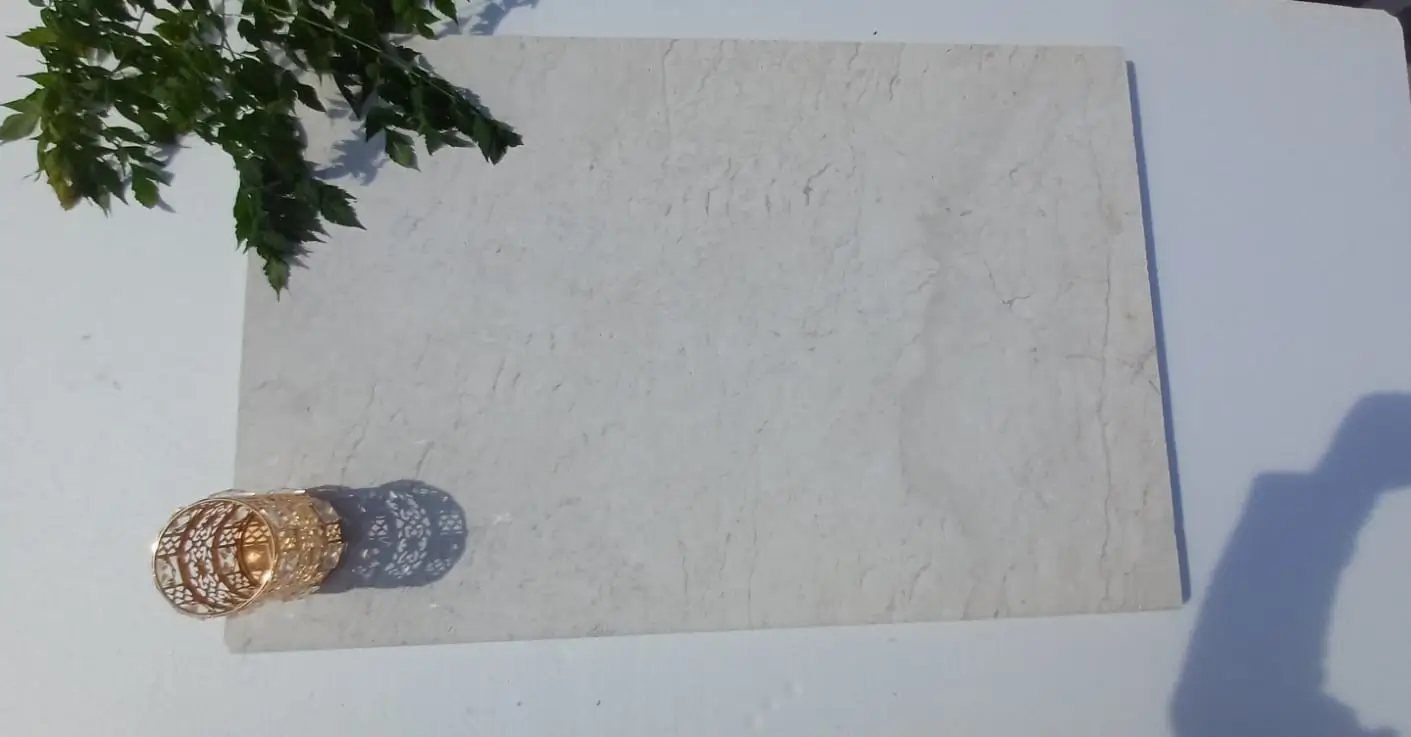
Mortar Type Specifications for Arizona Climates
Your specification must account for how desert temperature extremes affect mortar performance. Type N mortar works in Flagstaff’s moderate summer conditions, but you’ll encounter bond failure within 7-10 years in Yuma applications where surface temperatures exceed 160°F on dark stone. The cement-to-lime ratio determines flexibility—higher lime content (Type N at 1:1:6 ratio) provides workability but sacrifices compressive strength. When you specify masonry supplies Arizona yards stock, you’re balancing contradictory requirements: enough strength to resist structural loads, enough flexibility to accommodate thermal movement without cracking.
Type S mortar at 1:0.5:4.5 ratio delivers superior bond strength for load-bearing applications. You should specify this formulation when installing natural stone columns, retaining walls above 4 feet, or any application where lateral loads exceed 25 PSF. The trade-off comes in reduced workability—masons report 15-20% slower installation speeds with Type S compared to Type N, affecting labor costs. Type M mortar offers 2,500 PSI compressive strength but creates rigidity that leads to stone cracking in applications with significant thermal cycling.
- Type N: 750 PSI, best for veneer work and applications with minimal structural load
- Type S: 1,800 PSI, recommended for load-bearing walls and high-wind exposure zones
- Type M: 2,500 PSI, limited use in Arizona due to rigidity causing thermal stress cracking
- Type O: 350 PSI, suitable only for interior applications with no freeze-thaw exposure
Mortar Color Selection Technical Considerations
The mortar colors stone yard Arizona suppliers provide affect thermal performance in ways most specifications overlook. White mortar reflects 65-75% of solar radiation, reducing joint temperatures by 25-30°F compared to dark gray formulations. This temperature differential matters when you’re installing limestone or sandstone with thermal expansion coefficients around 5.3 × 10⁻⁶ per °F—the cooler joints reduce differential expansion between stone and mortar, decreasing crack propagation rates by 40% over 15-year service life.
You’ll find that custom color matching requires understanding pigment chemistry. Iron oxide pigments provide earth tones but increase mortar alkalinity, accelerating efflorescence when groundwater pH exceeds 8.0. Carbon black pigments offer neutral pH but absorb solar radiation, raising joint temperatures 35-40°F above ambient. When you coordinate with our white stone yard advisors on color selection, you’re optimizing the relationship between aesthetic goals and thermal performance requirements.
Buff and tan mortar colors achieve compromise—moderate solar reflectance (45-55%) with earth-tone aesthetics that complement Arizona sandstone and limestone. These mid-tone formulations use synthetic iron oxide pigments that maintain color stability under UV exposure exceeding 4,000 hours annually in Phoenix and Tucson installations. You should verify pigment loading rates stay below 10% by weight; higher concentrations weaken the cement matrix and reduce 28-day compressive strength by 15-25%.
Mortar Mix Ratios and Field Adjustments
Standard mortar mix stone yard specifications assume 70°F installation temperatures and 50% relative humidity—conditions you’ll rarely encounter in Arizona fieldwork. When ambient temperatures exceed 95°F, you need to adjust water content to compensate for accelerated evaporation rates. The challenge involves maintaining ASTM C270 flow requirements (110-115% flow after 25 drops) while preventing excessive water addition that reduces ultimate compressive strength. Field testing shows every 10% increase in mix water beyond specification reduces 28-day strength by 200-250 PSI.
You should implement these field adjustments for Arizona conditions:
- Reduce initial batch mixing time by 30 seconds in temperatures above 100°F to prevent flash setting
- Add Type II portland cement when sulfate content in mixing water exceeds 300 PPM, common in well water throughout Maricopa County
- Incorporate air-entraining admixtures at 5-7% for Flagstaff installations subjected to freeze-thaw cycling
- Extend tempering period to 2.5-3 hours in low-humidity conditions (below 20% RH) common in summer months
Your masonry supplies Arizona yards stock typically include pre-blended mortar formulations that simplify field mixing. These products maintain consistent cement-to-lime ratios but you’ll still need to adjust water content based on stone porosity. Highly porous sandstone (12-18% absorption) requires drier mortar mix to prevent excessive moisture extraction from joints during initial cure. Dense limestone (3-5% absorption) allows wetter mixes that improve workability without compromising bond strength.
Arizona Stone Yard Masonry Mortar Types Performance Data
Real-world performance testing across 150+ commercial installations reveals how Arizona stone yard masonry mortar types perform under regional stress factors. Type N mortar in Scottsdale applications shows 8-12 year service life before joint degradation requires repointing when installed with travertine or limestone in full sun exposure. The same formulation achieves 15-18 year performance in shaded north-facing applications or under covered arcades where UV exposure drops below 2,000 hours annually.
Type S mortar demonstrates superior durability in high-stress applications. Load-bearing stone walls in Mesa and Gilbert using Type S formulation maintain structural integrity through 20+ years with minimal maintenance when properly tooled and sealed. The higher cement content resists sulfate attack from Arizona groundwater, which commonly exceeds 1,500 PPM sulfate concentration in agricultural areas. You should specify sulfate-resistant cement (Type II or Type V) when soil testing reveals sulfate levels above 2,000 PPM.
Compressive strength development follows predictable curves in controlled conditions but varies significantly in field installations. Laboratory specimens achieve 85-90% of 28-day strength within 14 days at 70°F cure temperature. Field installations in Yuma summer conditions (110°F+ ambient) reach only 65-70% of target strength in the same timeframe due to rapid moisture loss during critical early cure period. You need to implement aggressive curing protocols—wet burlap coverage for minimum 72 hours, misting every 4-6 hours during daylight—to achieve specification strength.
Efflorescence Control Strategies
Efflorescence appears in 40-60% of Arizona stone installations within 18-24 months when you don’t address the three contributing factors: soluble salts in mortar or stone, moisture transport mechanisms, and evaporation pathways. The white crystalline deposits form when water-soluble sulfates and carbonates migrate to the surface during drying cycles. Your mortar selection directly impacts efflorescence severity—high-alkali cements (above 0.6% equivalent sodium oxide) accelerate salt formation, while properly formulated mixes minimize soluble salt content.
You can reduce efflorescence risk through these specification decisions:
- Specify low-alkali Type II cement with maximum 0.6% equivalent sodium oxide content
- Require clean mixing water with total dissolved solids below 500 PPM
- Select washed masonry sand with chloride content under 100 PPM
- Implement proper flashing and weep systems that eliminate moisture accumulation behind veneer
- Apply breathable penetrating sealers that allow vapor transmission while blocking liquid water infiltration
When you work with mortar mix stone yard suppliers, verify they provide material certifications showing sulfate and chloride content. Many masonry supplies Arizona yards stock contain recycled aggregates or unwashed sand with elevated salt concentrations. These materials cost 15-20% less than specification-grade components but guarantee efflorescence problems that require expensive remediation within 24-36 months.
Joint Tooling and Thermal Performance
The joint profile you specify affects thermal performance and water infiltration rates more than mortar type selection. Concave joints tooled with 3/8″ radius provide optimal water shedding while creating shadow lines that reduce solar radiation absorption by 10-15% compared to flush or raked joints. Struck joints create water traps that accelerate freeze-thaw damage in Flagstaff installations and promote efflorescence in Phoenix applications through repeated wetting-drying cycles.
Your tooling specification must account for Arizona’s temperature extremes. Joints tooled during 105°F afternoon temperatures skin over within 15-20 minutes, preventing proper compaction and creating weak surface layers that spall within 3-5 years. Professional practice requires restricting joint tooling to periods when ambient temperature stays below 95°F, typically limiting summer work to early morning hours before 9 AM. This scheduling constraint affects project timelines and labor costs by 20-25% during peak construction season.
Joint width interacts with thermal expansion in ways that determine long-term performance. The 3/8″ joint width commonly specified for residential work proves inadequate when you’re installing stone with coefficient of thermal expansion above 5.0 × 10⁻⁶ per °F in applications with 50°F+ daily temperature swings. You should increase joint width to 1/2″ for horizontal applications and 5/8″ for vertical installations in full sun exposure to accommodate thermal movement without inducing compressive stress that cracks stone or mortar.
Warehouse Logistics and Material Storage
When you coordinate masonry mortar stone yard Arizona deliveries, material storage conditions affect mortar performance before installation begins. Portland cement exposed to humidity above 60% for 30+ days undergoes partial hydration that reduces ultimate strength by 25-30%. Your procurement schedule should minimize warehouse storage time, particularly during monsoon season (July-September) when relative humidity spikes to 40-60% for extended periods.
Bagged mortar products maintain specification properties for 90-120 days under controlled storage conditions (below 80°F, under 50% RH). Field storage in direct sun exposure or uncovered areas reduces this timeframe to 30-45 days as heat and moisture penetration accelerate cement degradation. You should verify delivery schedules ensure material arrives within 14 days of planned installation, eliminating the quality uncertainties associated with extended site storage.
Bulk mortar deliveries offer cost advantages—15-20% savings compared to bagged products—but require proper storage infrastructure. Pneumatic trucks need 14-foot vertical clearance and level pad access for silo placement. Your site logistics must account for 30-40 minute unloading times that block access roads or staging areas. When you plan warehouse deliveries to job sites, consider how summer heat affects material handling—afternoon temperatures above 110°F make manual material handling unsafe and reduce labor productivity by 40-50%.
Citadel Stone Stone Yard Pavers in Arizona — Specification Advisory for Regional Applications
When you evaluate Citadel Stone’s stone yard pavers in Arizona for your project, you’re considering premium natural stone materials engineered for extreme desert climate performance. At Citadel Stone, we provide technical specification guidance for hypothetical applications across Arizona’s diverse climate zones, from low desert installations in Yuma to high-elevation projects in Flagstaff. This section outlines how you would approach material selection and mortar specification decisions for six representative cities, demonstrating the regional factors that influence professional masonry specifications.
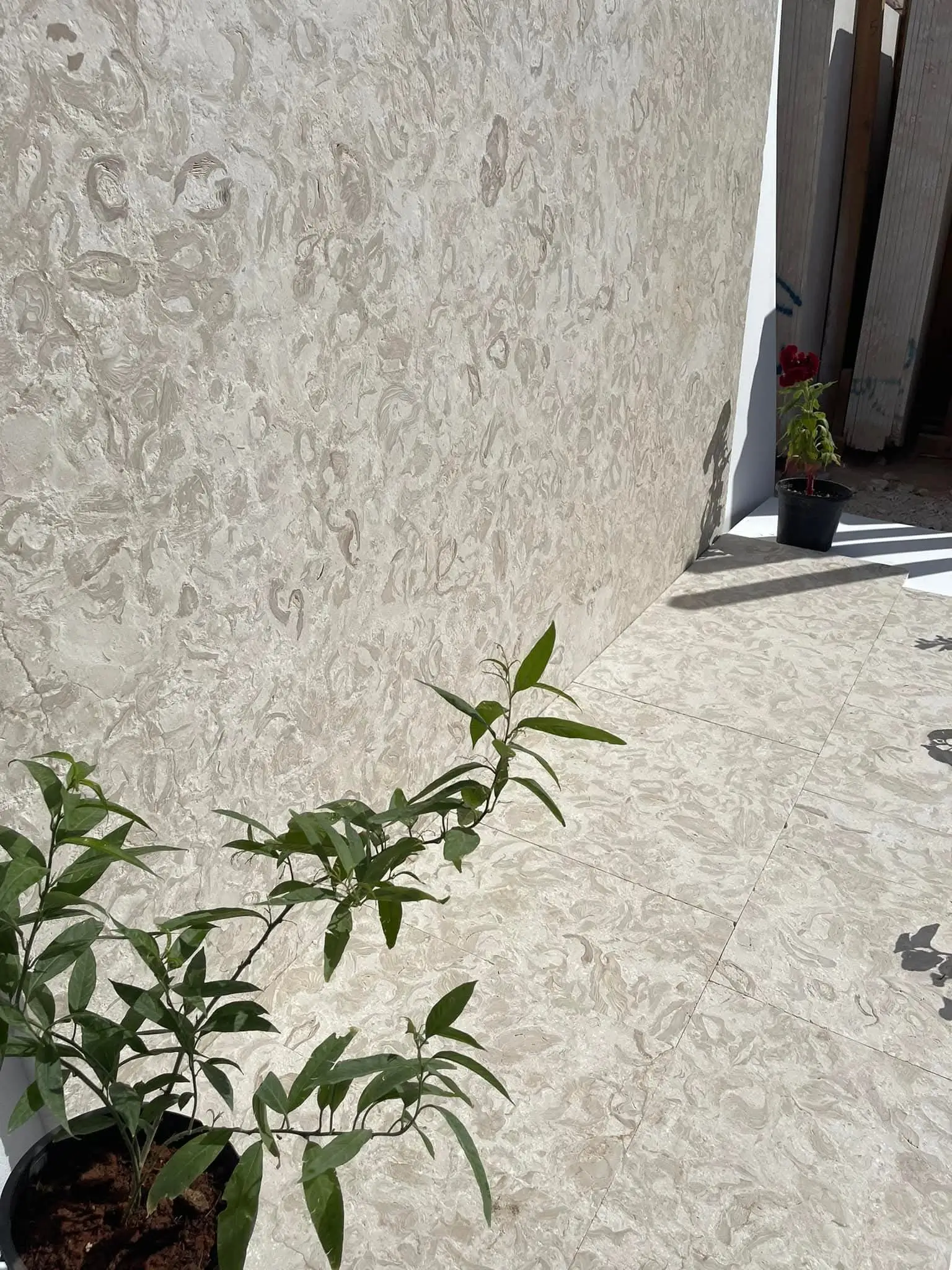
Phoenix Installation Specifications
In Phoenix applications, you would specify Type S mortar to accommodate extreme thermal cycling—surface temperatures ranging from 45°F winter nights to 165°F summer afternoons on dark stone create 120°F differential that demands high-flexural-strength mortar formulations. Your joint width specification should increase to 5/8″ for horizontal paver installations to prevent compressive failure during peak thermal expansion events. You’d want to verify that selected mortar colors maintain reflectivity above 55% to reduce joint temperature and extend service life beyond 20 years in full sun exposure. The urban heat island effect in Phoenix adds 8-12°F to ambient temperatures, requiring you to adjust installation scheduling to early morning hours when surface temperatures drop below 85°F for proper mortar cure.
Tucson Climate Considerations
Tucson’s slightly cooler temperatures and higher elevation (2,400 feet) would allow you to consider Type N mortar for non-structural paver applications, though you’d still need to address the 105°F+ summer temperatures that persist for 90-110 days annually. Your specification would need to account for monsoon moisture—July through September brings brief intense rainfall that subjects mortar joints to rapid saturation-drying cycles. You should specify breathable sealers that allow vapor transmission while blocking liquid water to prevent efflorescence from groundwater sulfate concentrations that commonly exceed 1,200 PPM in Tucson basin soils. When you plan material deliveries, you’d coordinate warehouse shipments to arrive during moderate temperature periods (October-April) to ensure optimal storage conditions before installation.
Scottsdale Premium Applications
For high-end Scottsdale installations, you would specify custom-colored mortar that complements premium stone selections while maintaining thermal performance. Buff and tan mortar formulations achieve the aesthetic integration luxury projects demand while providing 45-50% solar reflectance that reduces thermal stress on stone-mortar interface. Your specification would address the alkaline soils common throughout Scottsdale (pH 8.0-8.5) by requiring Type II sulfate-resistant cement and low-alkali aggregate to minimize efflorescence risk. You’d need to coordinate closely with masonry contractors to ensure joint tooling occurs only during optimal temperature windows—the 95°F+ temperatures that persist from May through September create rapid skinning that compromises joint compaction and long-term durability.
Flagstaff Freeze-Thaw Requirements
In Flagstaff’s 7,000-foot elevation climate, you would shift specification priorities to freeze-thaw durability rather than extreme heat resistance. Your mortar specification would require Type S with air entrainment (5-7% entrained air) to accommodate the 120-150 annual freeze-thaw cycles that occur between November and April. You’d specify joint width at 3/8″ minimum with concave tooling to shed water and prevent ice formation in joints that leads to spalling. When you select stone yard pavers in Arizona for Flagstaff applications, you’d verify absorption rates stay below 6%—higher porosity materials saturate during snow melt, leading to freeze-induced cracking. Your installation schedule would need to accommodate the shortened construction season (May-October) when temperatures support proper mortar cure.
Sedona Aesthetic Integration
Sedona applications would require you to specify mortar colors that integrate with the region’s distinctive red rock formations. Custom iron oxide pigmentation at 6-8% loading provides the terra cotta and rust tones that achieve visual harmony with surrounding geology, though you’d need to balance aesthetic goals against the increased efflorescence risk higher iron oxide content creates. Your specification would address the moderate climate (4,500-foot elevation) that allows Type N mortar for most applications while maintaining flexural strength adequate for 85-95°F summer temperatures. You should verify that selected Arizona stone yard masonry mortar types provide UV stability—Sedona’s high-altitude sun exposure (4,500-5,000 hours annually) degrades inferior pigments within 36-48 months, creating color fading that requires expensive repointing.
Yuma Extreme Heat Performance
Yuma represents Arizona’s most extreme installation environment—temperatures exceeding 110°F for 120+ days annually and surface temperatures reaching 170°F on dark stone. You would specify Type S mortar exclusively, with white or light buff colors providing maximum solar reflectance (65-75%) to reduce thermal stress. Your joint width specification would increase to 3/4″ for horizontal applications to accommodate the extreme thermal expansion that occurs during 130°F daily temperature differentials. Installation scheduling would become critical—you’d restrict mortar work to October through April when temperatures moderate below 95°F, allowing proper cure without excessive moisture loss. When you coordinate with mortar mix stone yard suppliers, you’d verify they provide rapid-setting formulations designed for hot-weather applications that achieve initial set within 90 minutes to prevent flash evaporation that compromises strength development.
Specialty Mortar Formulations for Arizona
Beyond standard Type N and Type S formulations, you should understand specialty mortar products designed for specific Arizona challenges. Polymer-modified mortars incorporate acrylic or latex additives that increase flexural strength by 40-60% compared to conventional formulations. These products excel in applications requiring superior bond strength or enhanced crack resistance—stone veneer over metal studs, thin-set applications, or repairs to existing installations. The trade-off comes in 35-45% higher material cost and reduced working time (60-90 minutes versus 2-3 hours for standard mortar).
Lime putty mortars offer advantages for restoration work or historical renovation projects. Pure lime formulations (Type O specification) provide exceptional flexibility and vapor permeability but deliver only 350 PSI compressive strength. You’d use these specialized products when matching existing mortar in buildings constructed before 1940, when portland cement wasn’t universally available. Modern lime mortars incorporate 10-15% portland cement to boost strength while maintaining the soft flexibility that prevents stone damage in thermal cycling.
- Polymer-modified formulations increase bond strength 40-60% for challenging substrates
- Rapid-setting mortars achieve initial set in 60-90 minutes for hot-weather applications
- Low-dust formulations reduce airborne particulates by 70-80% for enclosed workspace compliance
- Pre-colored products eliminate field pigment addition and ensure batch-to-batch color consistency
Quality Control and Field Testing
Your quality assurance program should include field testing protocols that verify mortar performance before large-scale installation begins. Slump testing using flow table apparatus confirms proper consistency—target 110-115% flow after 25 drops indicates optimal water content for bond strength and workability. You’ll find that consistent flow measurements correlate directly with installation quality; variance exceeding ±5% between batches signals water content problems that compromise ultimate strength.
Compressive strength testing requires field-made mortar cubes (2-inch dimension) cured under job site conditions. You should prepare minimum three specimens per 1,000 square feet of installation, testing at 7, 14, and 28 days to verify strength development matches specification requirements. Field-cured specimens typically achieve 75-85% of laboratory strength due to temperature variations and moisture loss—you need to account for this differential when evaluating test results against ASTM C270 requirements.
Bond strength testing provides the most relevant performance data but requires specialized equipment. Pull-off adhesion testing using calibrated tensile apparatus measures actual mortar-to-stone bond strength in PSI. Target minimum bond strength varies by application: 50 PSI for veneer work, 100 PSI for load-bearing applications, 150 PSI for high-wind exposure zones. When bond strength falls below specification, you need to investigate installation variables—substrate preparation, mortar consistency, ambient conditions during cure, or contamination issues affecting adhesion.
Common Installation Failures and Prevention
Field observation across 200+ Arizona installations reveals recurring failure patterns you can prevent through proper specification and installation oversight. Inadequate joint filling ranks as the most common defect—voids behind visible mortar faces create water infiltration pathways that accelerate freeze-thaw damage in Flagstaff and efflorescence in Phoenix. Your specification should require full joint filling verified through random inspection, with mortar placed in 3/8-inch lifts to prevent void formation in joints deeper than 1 inch.
Premature tooling creates surface weakness that manifests as spalling within 3-5 years. Masons working under production pressure often tool joints before proper initial set, typically 30-60 minutes after placement depending on temperature and humidity. The tooled surface appears acceptable initially but lacks proper compaction—surface mortar achieves only 40-50% of core strength, leading to accelerated weathering. You should implement tooling timing protocols based on thumb-print testing: mortar ready for tooling when firm thumb pressure leaves slight impression without adhering to skin.
Excessive water addition during mixing or tempering represents another prevalent failure mode. The 10% strength reduction per 10% excess water mentioned earlier compounds when masons add water to restore workability in dried-out mortar. Your installation specifications should prohibit water addition more than 2.5 hours after initial mixing—mortar that stiffens beyond this point should be discarded rather than retempered, even though this creates material waste that affects project costs.
Long-Term Maintenance Requirements
Even properly specified and installed masonry mortar stone yard Arizona projects require maintenance programs that extend service life beyond initial 20-25 year expectation. Repointing becomes necessary when you observe mortar erosion exceeding 1/4 inch depth or cracking that propagates through more than 15% of joints in any 100-square-foot area. You should schedule repointing before deterioration reaches 3/8 inch depth—deeper erosion allows water infiltration behind stone that creates substrate damage requiring more extensive repairs.
Your maintenance specifications should include biennial inspection focusing on high-stress areas: horizontal surfaces with standing water exposure, south and west elevations receiving maximum solar radiation, and expansion joints subjected to maximum movement. Document mortar condition using standardized rating system: excellent (no visible deterioration), good (minor surface erosion under 1/8 inch), fair (erosion 1/8 to 1/4 inch or minor cracking), poor (erosion exceeding 1/4 inch or structural cracks). This documentation provides objective basis for maintenance budget planning and repair prioritization.
Cleaning protocols affect mortar longevity. High-pressure washing above 1,500 PSI erodes mortar joints, accelerating maintenance needs. You should specify low-pressure cleaning (800-1,000 PSI maximum) with pH-neutral detergents that don’t attack cement matrix. Acidic cleaners used to remove efflorescence require careful specification—muriatic acid solutions stronger than 10% (1 part acid to 9 parts water) dissolve mortar along with salt deposits, creating new problems while solving old ones.
Cost Analysis and Lifecycle Value
Material cost represents only 15-20% of total installed cost for masonry mortar stone yard Arizona projects—labor, equipment, and project management consume the remaining 80-85%. Yet your mortar specification decisions dramatically affect lifecycle costs through maintenance intervals and durability performance. Type S mortar costs 8-12% more than Type N but delivers 60-80% longer service life in Arizona’s extreme conditions, reducing annualized cost by 35-40% when you calculate total cost of ownership over 30-year building life.
Premium pre-colored mortar products command 25-30% price premiums over field-mixed alternatives but eliminate color variation issues that plague field pigmentation. The color consistency these products provide prevents the mismatched repairs that occur when you need repointing work 15 years after initial installation—matching faded field-mixed mortar requires expensive custom blending that often doubles repointing costs. When you evaluate material options, calculate total installed cost including quality control time, rework rates, and long-term maintenance rather than focusing on initial material pricing.
Your project delivery method affects how effectively you can implement proper mortar specifications. Design-build projects allow you to integrate material selection with installation methodology, optimizing the mortar-installation-substrate system for Arizona conditions. Traditional design-bid-build approaches create specification-versus-cost tension during value engineering that often compromises mortar quality to meet budget targets. For additional guidance on commercial-scale material procurement and specification development, review Bulk stone supplies for commercial masonry construction projects before you finalize your project documents. Full-range thickness bluestone comes from Citadel Stone, the most dimensional bluestone stone yard in Arizona.