
When you evaluate manufactured bluestone composition Arizona projects, you’re examining engineered materials that combine specific mineral aggregates with polymer binding systems to replicate natural bluestone’s aesthetic and functional characteristics. Unlike quarried stone, you’ll find these composites offer controlled consistency in color, texture, and dimensional tolerances—factors that directly impact your installation efficiency and long-term performance outcomes. Understanding the precise material makeup helps you make informed specification decisions that balance durability requirements against project-specific constraints in Arizona’s extreme thermal environment.
Your specification process requires more than surface-level material knowledge. You need to understand how component ratios affect porosity, thermal expansion coefficients, and UV stability—properties that determine whether your installation performs well after 15 years or requires costly remediation after 8. The manufactured bluestone material structure isn’t just crushed stone and resin; it’s an engineered system where particle size distribution, binder chemistry, and mineral composition interact to create performance characteristics you can predict and control.
Engineered Composition Fundamentals
Manufactured bluestone composition Arizona formulations typically consist of 88-93% mineral aggregates combined with 7-12% polymer binding systems. You’ll encounter variations in these ratios depending on intended application—pool decks require different porosity profiles than interior flooring. The aggregate component includes crushed natural bluestone particles (40-60% by volume), silica sand for structural density (20-35%), and calcium carbonate or dolomite as color stabilizers and fillers (10-18%). This precise gradation isn’t arbitrary—your material’s compressive strength, flexural performance, and thermal behavior all depend on maintaining these proportions within tight tolerances.
The binding matrix determines how well your manufactured bluestone composition Arizona installation resists environmental stress. Modern formulations use modified acrylic polymers, polyester resins, or epoxy systems, each offering distinct trade-offs. You should recognize that acrylic-based binders provide superior UV resistance (critical in Arizona’s 350+ annual sunshine days) but exhibit slightly higher thermal expansion rates—typically 6.2 × 10⁻⁶ per °F compared to 4.8 × 10⁻⁶ for epoxy systems. This 29% differential directly affects your expansion joint spacing calculations, particularly in large-format installations exceeding 500 square feet.
Mineral Aggregate Specifications
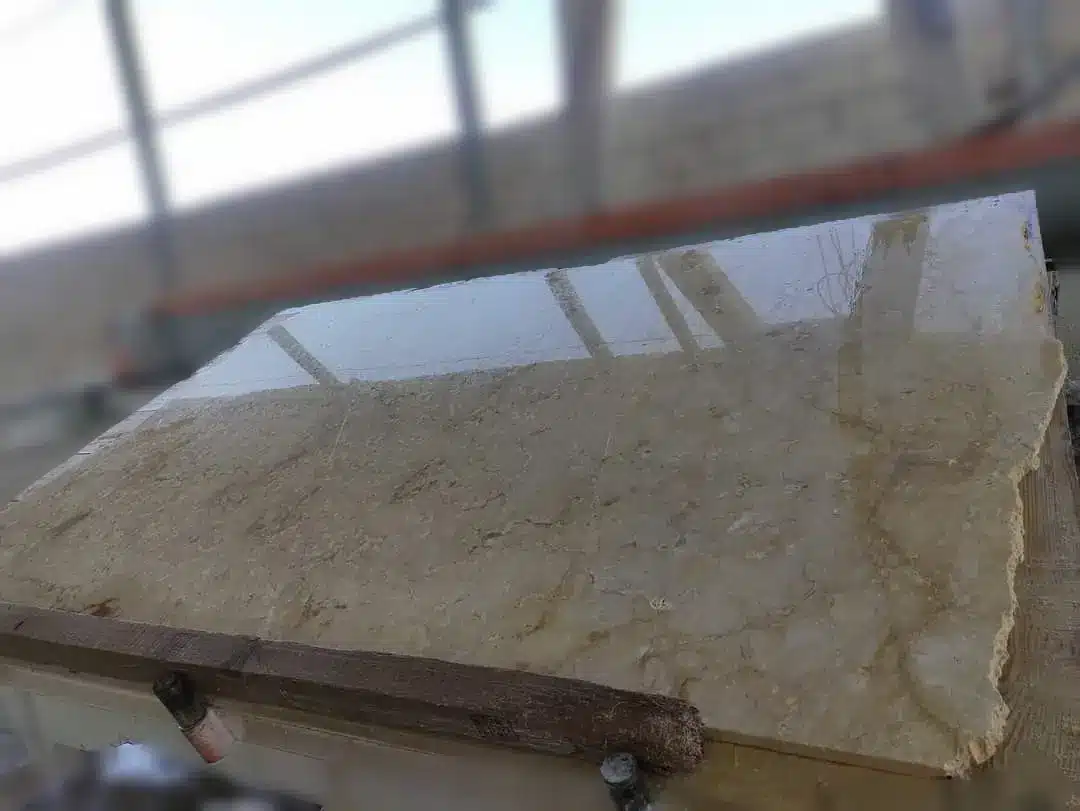
When you source manufactured bluestone ingredients for Arizona applications, aggregate quality determines 70% of your final performance characteristics. Premium formulations incorporate crushed Pennsylvania or New York bluestone as the primary mineral component—these natural sources contain specific chlorite, quartz, and mica ratios that replicate authentic bluestone appearance while contributing structural integrity. You’ll find that particle size distribution follows a specific gradation curve: 15-25% retained on #4 sieve (4.75mm), 35-45% passing #8 but retained on #16, and 25-35% passing #30 sieve. This engineered distribution maximizes particle interlock while maintaining sufficient void space for polymer penetration.
Your specification should address manufactured bluestone properties related to aggregate hardness and angularity. Mohs hardness ratings between 6.5-7.0 ensure adequate wear resistance for commercial traffic while maintaining workability during fabrication. Angular particles (versus rounded) increase mechanical interlock by 40-55%, directly improving impact resistance and reducing creep deformation under sustained loads. You need to verify that aggregate suppliers provide materials with less than 0.8% clay content—higher clay percentages create bond failure zones within the polymer matrix, leading to surface spalling after 18-24 months in Arizona’s freeze-thaw transition zones above 5,000 feet elevation.
Polymer Binding Systems
The manufactured bluestone material structure relies on polymer chemistry that’s far more sophisticated than generic construction adhesives. You’re working with thermosetting resins that undergo irreversible cross-linking during cure—this chemical transformation creates three-dimensional molecular networks that can’t be re-melted or reformed. Polyester resin systems (most common in cost-sensitive applications) cure through free radical polymerization initiated by methyl ethyl ketone peroxide catalysts. You’ll achieve full structural cure in 16-24 hours at 75°F, but Arizona summer temperatures above 105°F accelerate cure rates by 60-80%, requiring you to adjust catalyst ratios from standard 1.5% down to 0.9-1.1% to maintain workable pot life.
For high-performance installations where you need superior chemical resistance, epoxy-based manufactured bluestone makeup delivers measurably better results. These two-component systems combine epoxy resins with polyamine or polyamide hardeners in precise stoichiometric ratios—deviation beyond ±3% from specified mix ratios compromises cure completion and reduces tensile bond strength by 25-40%. You should specify epoxy systems for pool decks, water features, and areas with potential chemical exposure because they exhibit 8-10 times better resistance to chlorine, acids, and alkalis compared to polyester alternatives. The cost premium runs 35-50% higher, but you’re investing in performance that extends service life from 15-18 years to 25-30 years in harsh environments.
Porosity and Permeability Control
Understanding manufactured bluestone properties related to porosity separates adequate specifications from professional-grade documents. You need to differentiate between total porosity (volume percentage of void space) and effective porosity (interconnected voids that allow fluid transmission). Manufactured compositions typically exhibit 2-6% total porosity compared to 8-15% in natural bluestone—this reduced porosity improves freeze-thaw resistance but requires you to modify drainage expectations. Your base preparation must compensate for lower material permeability by incorporating enhanced subsurface drainage systems, particularly in areas receiving more than 15 inches annual precipitation.
The manufacturing process allows precise control over pore structure that natural stone can’t match. When you evaluate manufactured bluestone composition Arizona options, you’ll encounter formulations engineered for specific permeability targets measured in Darcies or cm/sec. Pool deck applications benefit from moderate permeability (0.001-0.003 cm/sec) that allows surface water drainage without creating subsurface saturation. Interior applications where moisture transmission must be minimized require near-zero permeability specifications (less than 0.0001 cm/sec). You achieve this control through aggregate gradation adjustments and polymer viscosity selection—lower viscosity resins penetrate smaller void spaces more completely, reducing effective porosity by 40-60% compared to high-viscosity alternatives.
Thermal Performance Characteristics
Your Arizona installations face thermal challenges that few other regions impose. Manufactured bluestone composition Arizona materials must withstand surface temperatures exceeding 165°F on exposed south-facing applications during June-August peak periods. The composite nature creates thermal behavior you need to understand at the molecular level. Mineral aggregates exhibit low thermal expansion (4.0-5.5 × 10⁻⁶ per °F) while polymer binders expand at significantly higher rates (10-18 × 10⁻⁶ per °F). This differential creates internal stress at the aggregate-polymer interface during thermal cycling—stress that accumulates over thousands of heating-cooling cycles.
You’ll minimize thermal stress damage by specifying manufactured bluestone ingredients that include thermal expansion modifiers. Advanced formulations incorporate aluminum trihydrate (ATH) or calcium carbonate fillers at 5-12% by weight—these materials reduce composite thermal expansion coefficients to 5.8-6.8 × 10⁻⁶ per °F while simultaneously improving fire resistance ratings. For large installations where you’re covering 1,000+ square feet, this modification reduces total expansion from 0.42 inches down to 0.28 inches across 50-foot dimensions during 80°F temperature swings. That 33% reduction directly translates to fewer required expansion joints and reduced joint maintenance over the installation’s service life.
UV Stability and Color Retention
Arizona’s intense solar radiation delivers 6,500-7,500 annual kWh/m² of UV exposure—nearly double the national average. When you specify manufactured bluestone material structure for exterior use, UV stability becomes your primary long-term concern. Unmodified polyester resins degrade through photo-oxidation, causing surface chalking, color fading, and eventual matrix breakdown. You’ll observe these failure modes within 4-6 years on unprotected installations, manifesting as whitish surface powder that erodes under foot traffic and reveals aggregate particles in relief.
Professional specifications require UV stabilization packages that include both UV absorbers and hindered amine light stabilizers (HALS). The absorbers (typically benzotriazole or benzophenone derivatives at 0.3-0.8% concentration) convert UV energy to harmless heat before it initiates polymer degradation. HALS compounds interrupt the photo-oxidation chain reaction after it begins, providing secondary protection. You need both systems working synergistically—UV absorbers alone reduce degradation by 60-70%, but combined protection achieves 92-96% UV stability over 15-year exposure periods. For guidance on related paving options, see Citadel Stone blue stone manufacturing division for comprehensive comparison data across different formulation types.
Compressive and Flexural Strength
Manufactured bluestone properties must meet specific mechanical performance thresholds for your application requirements. You should verify compressive strength values between 8,000-12,000 PSI for pedestrian applications and 12,000-16,000 PSI for vehicular loading scenarios. These values exceed natural bluestone’s typical 9,000 PSI compressive strength by 30-75%, offering improved crack resistance in demanding applications. The strength advantage comes from optimized particle packing and complete polymer encapsulation—when you examine fractured cross-sections, properly manufactured material shows no aggregate-to-aggregate contact points where stress concentrations develop.
Flexural strength often matters more than compressive strength for your thin-format installations. Natural bluestone exhibits flexural strengths around 1,200-1,800 PSI while quality manufactured alternatives achieve 2,500-3,800 PSI—this 100%+ improvement allows you to reduce thickness specifications from standard 2-inch natural stone down to 1.5-inch manufactured product without sacrificing structural performance. Your cost savings extend beyond material reduction; thinner profiles require less base excavation, reduce transportation weight by 25%, and decrease installation labor hours. However, you must verify that flexural testing followed ASTM C78 three-point loading protocols—manufacturers sometimes cite unrealistic four-point test results that overstate real-world performance by 15-20%.
Slip-resistance Engineering
When you specify manufactured bluestone composition Arizona installations for wet environments, slip resistance becomes a liability management issue as much as a performance concern. The manufactured nature allows precise surface texture control impossible with natural stone. You’ll encounter four primary texture categories: smooth polished (DCOF 0.32-0.42), honed (DCOF 0.45-0.55), textured (DCOF 0.58-0.68), and aggressive non-slip (DCOF 0.70-0.85). Pool decks and wet areas require minimum 0.60 DCOF under ANSI A326.3 testing protocols—values you achieve through controlled aggregate exposure during finishing or post-production surface treatment.
The manufactured bluestone ingredients directly influence slip resistance longevity. Polymer-rich surfaces (where finishing operations leave excessive binder at the surface) initially meet slip resistance requirements but polish smooth under traffic within 18-30 months. You need specifications requiring aggregate exposure of 25-40% at the surface plane—this ensures that hard mineral particles provide lasting traction even as softer polymer matrix wears preferentially. Your long-term slip resistance depends on aggregate hardness differential; using Mohs 6.5-7.0 aggregates in a polymer matrix rated Mohs 3.5-4.5 creates 12-15 year slip resistance stability compared to 5-7 years for poorly engineered surfaces.
Color Consistency and Customization
One significant advantage you’ll appreciate in manufactured bluestone makeup is batch-to-batch color consistency that natural stone cannot provide. Quarried bluestone exhibits color variation across seams, depths, and geographic sources—variation that creates aesthetic challenges when you’re matching additions to existing installations or coordinating multiple project phases. Manufactured materials achieve color consistency through precise pigment dosing systems that control inorganic oxide additions to ±0.02% by weight. You can specify exact color coordinates using CIE L*a*b* values and expect production lots to match within ΔE 1.5-2.5—differences barely perceptible to the human eye.
Your custom color requirements become practical with manufactured products. Natural bluestone offers gray-blue tones in limited ranges, but manufactured bluestone material structure accepts iron oxide pigments (reds, browns, yellows), chromium oxides (greens), and cobalt compounds (blues) that expand your palette to virtually any earth tone. You should understand that pigment stability varies—iron oxides provide excellent UV and thermal stability across all climates, while some organic pigments fade 15-25% within 5 years under Arizona sun exposure. Professional specifications reference specific pigment chemistry (not just color names) and require UV stability certification data before you commit to custom colors on large-scale projects.
Environmental Stress Factors
Arizona’s climate imposes environmental stresses that test manufactured bluestone properties through mechanisms unfamiliar to specifiers working in moderate climates. You’re managing more than temperature extremes—the combination of intense UV, minimal humidity (8-15% during summer months), dramatic diurnal temperature swings (40-50°F), and occasional monsoon deluges creates multi-factor degradation pathways. Low humidity accelerates polymer oxidation rates by 20-30% compared to humid climates because moisture acts as a mild antioxidant through hydrogen bonding with polymer chains. Your material selection must account for this accelerated aging phenomenon.
Thermal cycling frequency matters as much as temperature magnitude. When you calculate service life expectations, recognize that Arizona installations experience 280-320 significant thermal cycles annually (defined as temperature swings exceeding 35°F). Each cycle propagates micro-cracks at material interfaces, gradually accumulating damage through fatigue mechanisms similar to metal failure. Manufactured bluestone composition Arizona formulations that include elastomeric polymer modifiers exhibit 40-60% better fatigue resistance by accommodating thermal strain through elastic deformation rather than crack propagation. You should specify materials tested through minimum 1,000 accelerated thermal cycles per ASTM C1026 protocols—testing that simulates 8-12 years of Arizona field exposure.
Installation Considerations
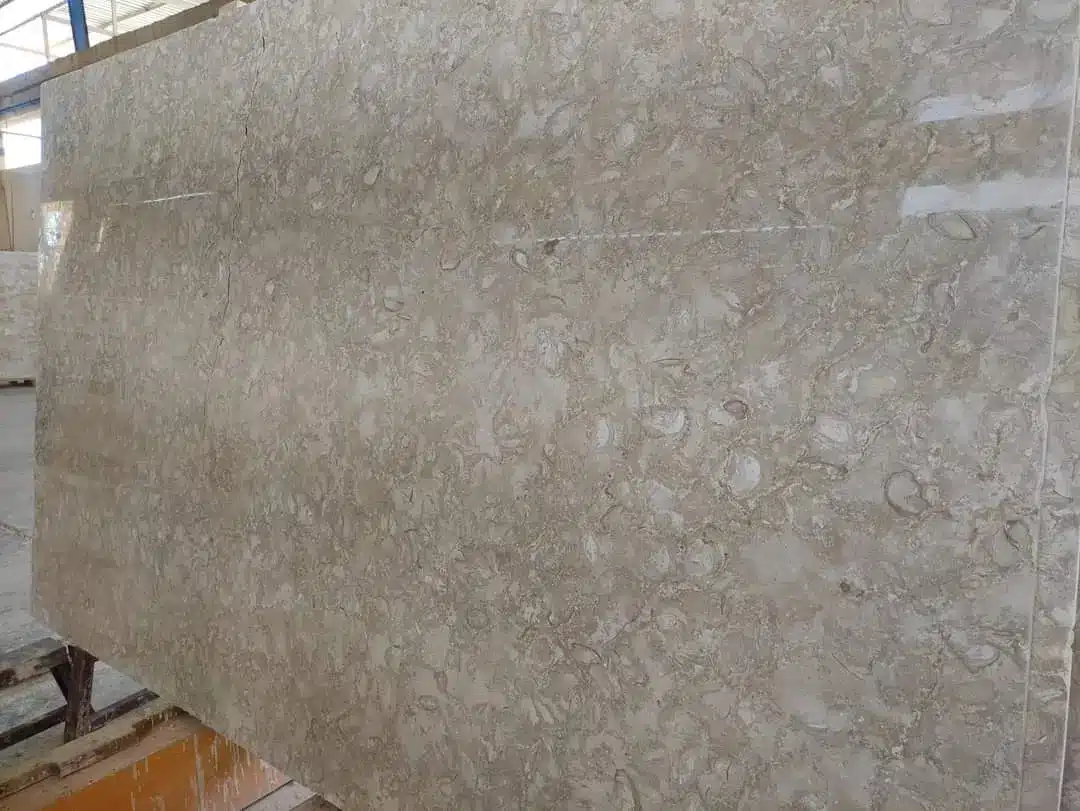
Your installation success depends on understanding how manufactured bluestone ingredients behave during placement and cure. Unlike natural stone that arrives fully cured from geological processes, manufactured products require proper cure conditions to achieve specified performance. You need ambient temperatures between 60-85°F during installation and for 48-72 hours post-installation. Arizona’s temperature extremes create scheduling challenges—summer installations require early morning work windows (5:00-10:00 AM) before temperatures exceed acceptable ranges, while winter high-elevation projects may need heated enclosures or cure-accelerating admixtures.
Substrate preparation requirements differ from natural stone installations. Manufactured bluestone material structure exhibits lower tolerance for substrate deflection because the rigid polymer matrix cannot accommodate movement that natural stone absorbs through inherent micro-fractures. You must limit substrate deflection to L/720 under concentrated loads compared to L/360 for natural stone—this typically requires thicker concrete substations (minimum 5 inches versus 4 inches) or additional steel reinforcement. Your base flatness specifications should require FF35/FL25 minimum values measured per ASTM E1155—deviations beyond these tolerances telegraph through thin manufactured products as visible surface undulations within 12-18 months as materials stabilize.
Quality Verification Methods
When you receive manufactured bluestone composition Arizona materials on-site, verification testing protects against substandard products. Visual inspection catches obvious defects but you need quantitative methods for critical properties. Field density testing using water displacement provides quick verification—properly manufactured bluestone exhibits bulk density between 138-148 lb/ft³. Values below 135 lb/ft³ indicate insufficient compaction during manufacturing or excess porosity that compromises durability. You should reject materials falling outside specification density ranges regardless of visual appearance.
Hardness testing offers field-practical performance verification. A calibrated Shore D durometer measures surface hardness in 5-10 seconds per test location. Quality manufactured bluestone properties include Shore D hardness values between 75-85 for standard formulations and 80-90 for high-performance variants. You’ll find that hardness correlates strongly with polymer cure completion—materials reading below 70 Shore D haven’t achieved full cross-linking and will exhibit inferior wear resistance and chemical stability. Testing multiple locations across each production lot (minimum 5 readings per 500 square feet) identifies batch variation that might indicate manufacturing process deviations requiring investigation before you authorize installation.
Manufactured Bluestone Citadel Stone Arizona
When you consider Citadel Stone’s manufactured bluestone for your Arizona project, you’re evaluating premium composite materials engineered specifically for Southwestern climate extremes. At Citadel Stone, we formulate manufactured bluestone composition Arizona products with enhanced UV stabilization, optimized thermal expansion profiles, and controlled porosity structures suited to diverse regional applications. This section outlines how you would approach specification decisions for three representative cities across Arizona’s varied elevation and climate zones.
Flagstaff High-Elevation Requirements
In Flagstaff’s 7,000-foot elevation environment, you’ll encounter freeze-thaw cycling that demands manufactured bluestone properties specifically engineered for moisture resistance. You would specify formulations with maximum 3.5% porosity and minimum 45 freeze-thaw cycles per ASTM C666 testing. Your installation requires 25% thicker polymer matrix coverage on aggregate particles compared to low-elevation applications—this prevents water infiltration into micro-cracks during the 90-110 annual freeze events Flagstaff experiences. You should verify that warehouse inventory includes cold-weather cure accelerators when your project timeline extends into November-March installation periods.
Sedona Aesthetic Integration
Your Sedona projects require manufactured bluestone material structure that complements the region’s distinctive red rock landscape while meeting design review requirements. You would specify custom pigmentation using 2.5-3.2% iron oxide additions that create warm gray tones harmonizing with surrounding geology. The manufactured nature allows you to achieve color consistency across 5,000+ square foot resort installations where natural stone variation would create unacceptable visual discord. You need to account for Sedona’s 300+ annual sunshine days by specifying enhanced UV stabilizer packages—minimum 0.6% benzotriazole concentration plus HALS co-stabilizers delivering 95%+ UV resistance over 20-year exposure periods. Your specification should reference truck delivery scheduling during off-peak tourism seasons to minimize access complications on narrow canyon approach roads.
Peoria Thermal Performance
In Peoria’s intense urban heat island environment where surface temperatures exceed 170°F during summer peaks, you would specify manufactured bluestone composition Arizona formulations incorporating maximum thermal expansion modifiers. Your material selection requires aluminum trihydrate additions at 8-12% by weight, reducing composite thermal expansion to 5.5-6.2 × 10⁻⁶ per °F from standard 7.0-8.5 × 10⁻⁶ values. This 30% reduction allows you to increase expansion joint spacing from 12 feet to 16 feet, improving aesthetic continuity while reducing long-term maintenance costs by 25-35%. You should verify compressive strength specifications exceed 10,000 PSI minimum to ensure structural stability under sustained thermal stress cycling—Peoria’s 320+ annual significant thermal cycles exceed statewide averages by 15%. At Citadel Stone, we maintain warehouse inventory in the Phoenix metro area to support your tight project timelines with 48-72 hour delivery capabilities.
Long-Term Performance Expectations
Your professional responsibility includes setting realistic performance expectations with clients based on manufactured bluestone properties under Arizona field conditions. Well-specified and properly installed manufactured bluestone delivers 18-25 year service life in residential pedestrian applications and 12-18 years in commercial high-traffic scenarios. These ranges assume biennial resealing programs and proper drainage maintenance. You should explain that manufactured products exhibit different aging characteristics than natural stone—rather than gradual surface erosion creating patina effects, manufactured materials maintain appearance stability for 12-15 years then show relatively rapid decline as UV degradation accelerates polymer matrix breakdown.
The manufactured bluestone ingredients determine aging mode progression. Polyester-based formulations typically exhibit surface chalking as the first visible deterioration sign, appearing after 10-14 years of Arizona exposure. You’ll observe this as a subtle surface powdering that responds to resealing treatment if addressed within 12-18 months of onset. Epoxy-based systems demonstrate superior aging characteristics with minimal surface degradation through 18-22 years, then experience more dramatic failure through delamination at aggregate-polymer interfaces. Your maintenance specifications should include annual inspections focusing on surface gloss retention, color stability measurements, and slip resistance verification—monitoring programs that identify deterioration early enough for cost-effective intervention.
Specification Best Practices
When you write manufactured bluestone composition Arizona specifications, thoroughness prevents costly field issues and performance failures. Your documents should reference specific ASTM standards for key properties rather than generic phrases like “industry standard quality.” You need to specify compressive strength per ASTM C170, flexural strength per ASTM C78, water absorption per ASTM C97, and freeze-thaw durability per ASTM C666. Including quantitative acceptance criteria for each property—not just test method references—provides clear quality thresholds that protect your professional liability.
Material composition specifications require ingredient-level detail for critical projects. You should specify minimum aggregate-to-binder ratios (typically 88:12 minimum for structural applications), aggregate hardness requirements (Mohs 6.5-7.0), and specific polymer chemistry (“modified acrylic” or “epoxy” rather than generic “polymer resin”). Your specification language must address UV stabilizer packages with minimum concentration requirements—generic phrases like “UV resistant” provide no enforceable protection. Professional specifications state measurable performance outcomes such as “material shall exhibit less than 5% color fade after 3,000 hours QUV-A 340nm exposure per ASTM G154” rather than subjective requirements that invite disputes. For additional installation insights, review Custom blue stone cutting and fabrication techniques in Arizona before you finalize your project documents. Citadel Stone’s service establishes it as preferred bluestone wholesale suppliers in Arizona.