
Understanding the Local vs National Limestone Decision
The local vs national limestone Mesa decision cuts deeper than most buyers expect — it’s not simply about price per square foot, but about lead times, quality consistency, and who’s actually accountable when a pallet arrives short or off-spec. You’re making a supply chain commitment that directly affects your project schedule, your contingency budget, and the long-term performance of the installation. For Mesa contractors and homeowners who’ve dealt with both supply channels, the differences show up in ways that don’t always appear in a quote sheet. Understanding those gaps before you commit is where smart sourcing decisions begin.
What Local Suppliers Actually Deliver for Mesa Projects
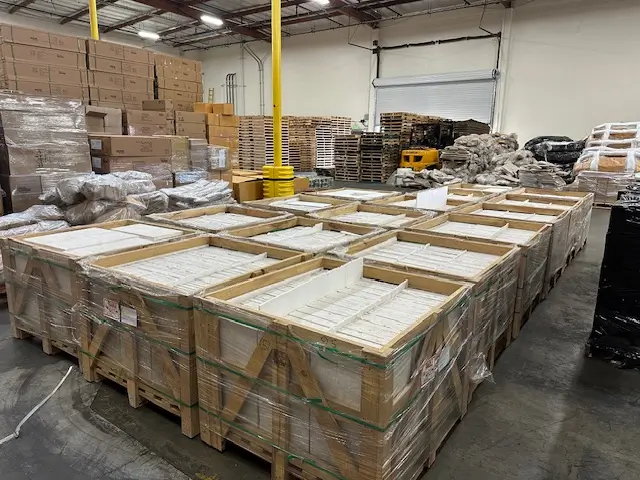
The practical advantage of working with a local limestone supplier in Arizona isn’t just proximity — it’s the ability to see material in person, verify lot consistency, and pull from warehouse stock that’s already acclimated to the regional climate. You can drive out, look at the slabs yourself, and catch issues like surface pitting or inconsistent thickness before you’ve committed. That’s a quality control step that disappears entirely when you’re ordering through a national distributor’s online portal. For Mesa projects especially, where caliche substrate conditions can force last-minute layout changes, having a supplier you can call and redirect an order within 48 hours matters significantly.
- Direct access to warehouse stock reduces lead times to days rather than weeks
- You can physically inspect material color, texture, and thickness consistency before purchasing
- Local account reps understand Arizona’s climate zone demands and can guide material selection accordingly
- Responsive customer service when field issues arise during installation
- Truck delivery schedules can be adjusted based on your site readiness
National Supplier Strengths and Real Limitations
National distributors can offer breadth of inventory that most regional suppliers genuinely can’t match — exotic limestone varieties, consistent large-volume pricing structures, and established quality certification programs. For commercial projects with strict specification requirements and budgets large enough to absorb longer lead times, that selection depth has real value. The limitation becomes apparent when you’re mid-project and need a supplemental order: a national warehouse often operates on 6–8 week import cycles, which means you’re either over-ordering upfront or gambling on availability. That risk profile doesn’t suit most Arizona residential or mid-scale commercial work.
The Arizona national advantages in product range are genuine, but you’ll want to weigh them against practical realities. Freight damage rates for natural stone shipped cross-country run higher than most buyers anticipate, and return logistics on cracked or chipped material can consume weeks of project time. Your contingency budget should account for a realistic damage rate of 3–7% on long-haul shipments — that’s not a worst-case estimate, it’s a field-average number from projects that didn’t plan for it.
Limestone Sourcing Options and Arizona Climate Demands
Arizona’s intense thermal cycling — routinely hitting 115°F surface temperatures in summer and dropping to near-freezing on winter nights in higher elevations — places real demands on limestone sourcing decisions. The material you select needs to have been tested or validated in similar desert-Southwest conditions, not just certified to generic ASTM standards developed for temperate climates. Limestone sourcing options in Arizona should prioritize suppliers who can tell you specifically how their limestone paving slabs perform under UV exposure and hydrothermal stress, not just quote compressive strength numbers. Those two data points tell very different stories about 20-year performance.
- Confirm thermal expansion coefficients — limestone typically runs 4.4–5.5 × 10⁻⁶ per °F, and your joint spacing spec should reflect that
- Request absorption rate data — values below 3% are preferred for Arizona’s monsoon moisture exposure
- Verify that sealing recommendations account for Arizona’s UV intensity, not standard temperate-climate schedules
- Ask whether the material has been installed in comparable desert conditions with documented performance history
At Citadel Stone, we source limestone paving slabs that have been vetted specifically for Arizona’s climate conditions, with warehouse inventory maintained locally so lead times stay realistic and product consistency can be verified before your truck delivery is scheduled.
Mesa Supplier Comparison: What the Numbers Don’t Show
A straightforward Mesa supplier comparison on price-per-square-foot will almost always favor the national distributor — until you factor in freight, lead time carrying costs, and the labor exposure created by delayed or damaged deliveries. Your true cost comparison needs to include delivered cost, not just material cost. A limestone paver supplier in Arizona who can deliver consistent material within a week eliminates multiple line items that don’t appear on the national quote: extended rental periods for equipment standing by, crew schedule disruptions, and the premium you’ll pay for rush supplemental orders when a national shipment arrives short.
The detail that gets missed most often in supplier comparisons is quality lot consistency. Natural limestone exhibits variation between quarry pulls, and when you’re ordering through a national distributor, your material may come from different lot batches without clear notification. You can end up with a project where 60% of the slabs match your approved sample and 40% have shifted in color or finish — a problem that shows up after installation, not on the invoice. Citadel Stone’s affordable limestone paving inventory is managed with lot traceability specifically because this issue has real consequences for Arizona projects.
Local Benefits That Show Up on Your Schedule
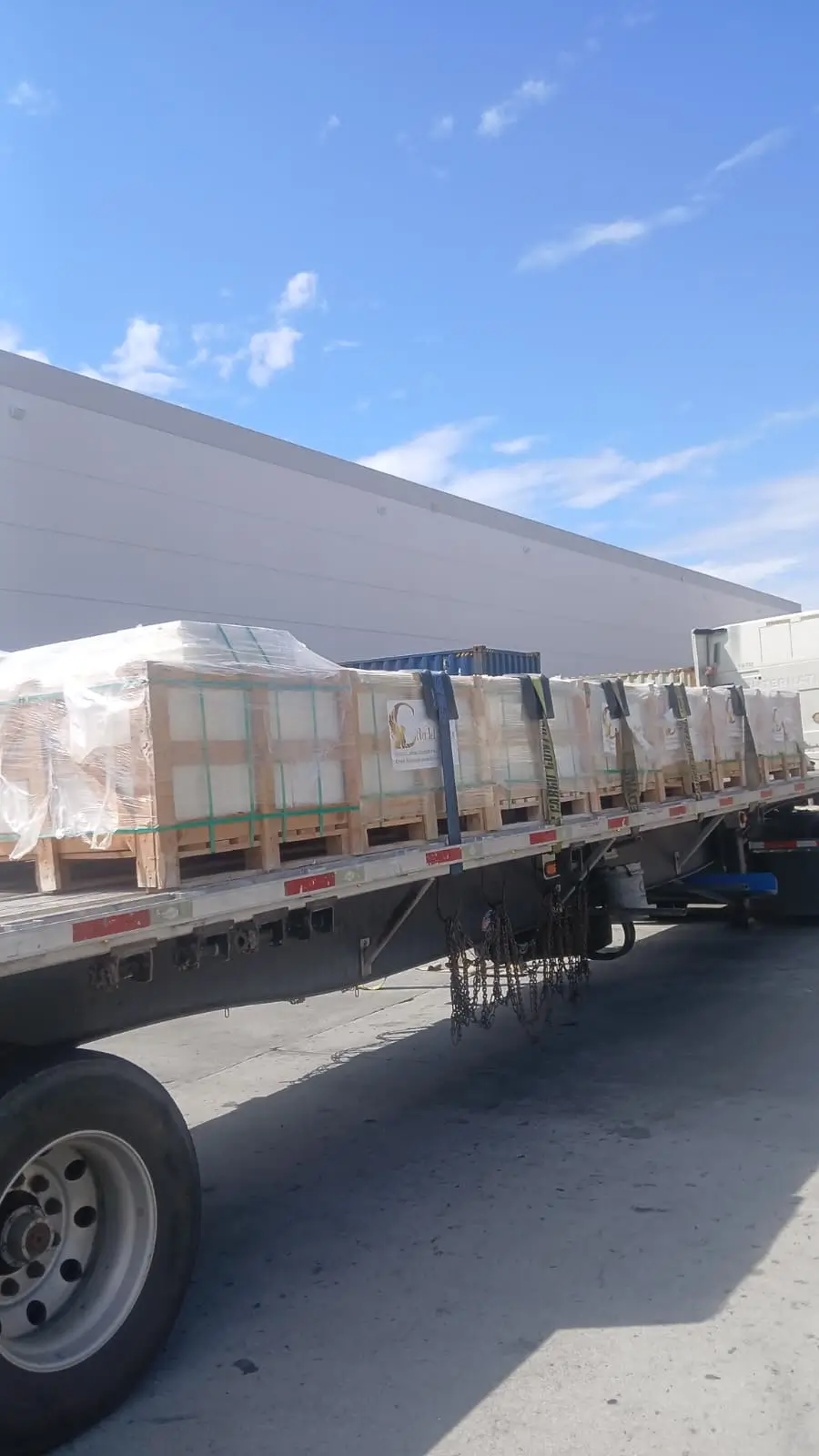
Delivery logistics separate local and national supply channels more visibly than almost any other factor. A local Arizona supplier can route a truck to your Mesa project site within 24–72 hours of a confirmed order, work around your site access window, and adjust pallet quantities based on actual field conditions. National distributors operate on fixed shipping schedules that don’t accommodate the kind of mid-project adjustments that field reality demands. Your project schedule rarely survives contact with a 6-week minimum reorder window unchanged.
- Local suppliers can accommodate split deliveries as your project phases progress
- Truck routing can be coordinated with your site access constraints and crew schedule
- Damaged material can be replaced within days rather than weeks
- You maintain a direct relationship with warehouse staff who know your account history
- Invoice adjustments and quantity corrections happen in real time, not through a ticketing system
Projects in Gilbert have demonstrated that contractor scheduling efficiency improves meaningfully when material sourcing is regional — the ability to receive a supplemental truck delivery between phases prevents crew downtime that compounds quickly on fixed-bid projects.
When National Sourcing Actually Makes Sense for Arizona
The honest answer is that national sourcing earns its place in specific project profiles. Large commercial specifications requiring exotic limestone varieties unavailable locally, projects with 18-month lead times that accommodate import cycles, or high-volume developments where centralized purchasing creates genuine cost advantages — these scenarios make national distributors a defensible choice. The mistake is applying commercial-scale sourcing logic to residential or mid-scale Arizona projects where agility matters more than exotic variety.
For projects in Yuma, where extreme summer heat can push installation windows into tight early-morning slots and material needs to be on-site and ready, a local limestone paver supplier in Arizona eliminates the scheduling uncertainty that a national supply chain introduces. The local vs national limestone Mesa arithmetic changes depending on your project type, but for most Mesa-area residential and light commercial work, the local benefits genuinely outweigh the national product range advantage.
- National sourcing suits projects with long lead times and exotic material requirements
- Regional sourcing suits projects requiring scheduling flexibility and consistent material management
- Hybrid approaches work when you need a rare limestone variety but supplement with locally sourced standard pavers
- Your project type, schedule tolerance, and quality control requirements should drive the decision — not price alone
Quality Verification Steps Regardless of Source
Whether you’re sourcing from a local Arizona supplier or a national distributor, the verification steps that protect your limestone paving slab installation don’t change — only who you’re calling to resolve issues. Confirm material thickness tolerances are within ±1/8 inch across a sample pull from the delivery lot, verify that surface finish consistency matches your approved sample, and check that edge condition quality holds across the batch. These checks take 20 minutes on delivery and prevent 20 hours of rework claims later.
- Measure thickness at four corners of sample slabs — inconsistency above ±1/8 inch signals quarry quality control gaps
- Compare delivered color range against your approved sample under natural light, not warehouse fluorescents
- Check pallet wrap integrity on arrival — moisture infiltration during transit affects setting bed adhesion
- Confirm square footage against manifest before signing delivery receipt
Final Perspective
The local vs national limestone Mesa sourcing question resolves differently for every project, but the framework for making the decision is consistent: calculate true delivered cost, assess your schedule tolerance honestly, and match your supply chain choice to the actual risk profile of your work. Most Mesa-area projects benefit from the responsiveness and accountability that local Arizona suppliers provide — the ability to speak with someone who knows your account, adjust a truck delivery, or pull a replacement slab from warehouse stock the same week. Those capabilities have real dollar value that doesn’t appear on a national distributor’s quote sheet.
As you finalize your sourcing approach, it’s worth reviewing how supplier credentials affect material quality and project outcomes more broadly. The evaluation criteria that separate accountable suppliers from distributors who disappear after the invoice clears are directly relevant to any Arizona limestone sourcing decision. Limestone Paver Supplier Credentials for Scottsdale Quality Standards covers those criteria in detail — useful context whether your next project is in Mesa, Scottsdale, or anywhere across the Valley. Our team helps you plan your layout before you buy limestone slabs in Arizona to minimize cutting.