
Limestone trade accounts Avondale builders rely on aren’t just about price breaks — they restructure how your entire procurement workflow operates, from initial bid through final delivery. The contractors who leverage these programs correctly are consistently underbidding competitors by 12–18% on material costs while maintaining tighter project timelines. Understanding the full architecture of a limestone trade account — what it covers, how it stacks with volume incentives, and where the real operational leverage lives — separates contractors who use it as a discount card from those who use it as a genuine competitive tool.
What Limestone Trade Accounts Actually Cover
Most Avondale builders assume a trade account is simply a wholesale pricing tier with a business license attached. That’s the surface layer. The deeper value sits in account-specific benefits that don’t appear on any public price sheet — priority warehouse allocation during high-demand seasons, dedicated project support for material estimating, and flexible net terms that align your cash flow with construction draw schedules.
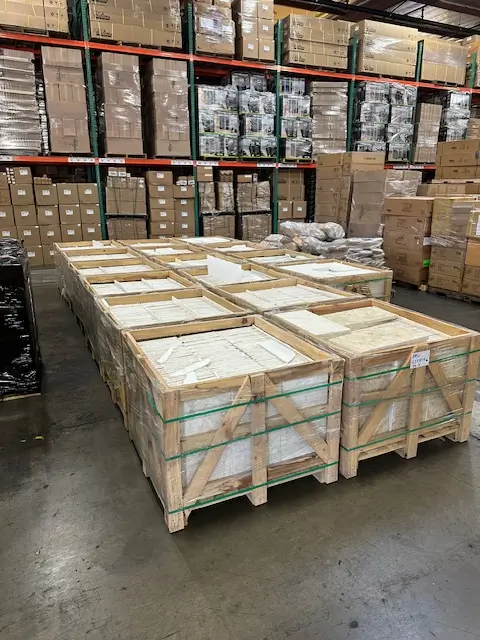
The pricing structure on limestone materials typically runs 15–25% below retail, but the bigger operational gain comes from reserved inventory. During peak Arizona building season — roughly March through June — wholesale limestone pavers in Arizona get allocated to account holders before open-market buyers. You’re not bidding against retail customers for the same warehouse stock when your project’s timeline is already committed to a client.
Avondale Builder Programs: How They Structure Eligibility
Avondale builder programs vary in their qualification thresholds, but the most functional ones tier by annual volume rather than individual order size. That distinction matters because it rewards consistent procurement relationships, not just one large purchase. A contractor moving 800 square feet of limestone per month across multiple projects qualifies differently than someone placing a single 10,000-square-foot order once a year.
- Tier 1 eligibility typically starts at $15,000–$20,000 in annual material purchases with verified Arizona contractor licensing
- Tier 2 unlocks at $40,000–$50,000 annually and adds priority truck scheduling and dedicated account management
- Tier 3 — the commercial contractor level — brings blanket purchase orders, quarry-direct sourcing access, and fixed pricing for 90-day project windows
- Documentation requirements include a valid Arizona ROC license, business bank account, and current project portfolio or certificate of insurance
The application process at most Arizona limestone suppliers takes 3–5 business days. At Citadel Stone, we review applications within 48 hours for established Arizona contractors, since we’re already tracking project activity across the Phoenix metro and surrounding markets.
Limestone Contractor Benefits Arizona Projects Actually Depend On
The limestone contractor benefits Arizona professionals value most aren’t the ones featured in marketing materials — they’re the ones that prevent project stalls. Delivery scheduling flexibility is one. Your framing crew doesn’t wait for stone, so your stone delivery shouldn’t wait on a standard 7–10 day lead time queue. Account holders at established suppliers typically get 2–5 day turnaround from warehouse to jobsite, which is the difference between keeping a subcontractor on schedule and paying them to wait.
Material consistency is the other critical benefit that rarely gets discussed. Open-market limestone purchases can come from multiple quarry lots, which creates variation in color tone and surface texture that becomes visible in finished installations. Account holders who specify limestone regularly get lot-matched material pulled from consistent warehouse inventory — a detail that matters enormously on high-visibility commercial projects in Scottsdale, where architectural review committees scrutinize material uniformity.
- Dedicated truck scheduling windows (typically 6–9 AM delivery slots reserved for account holders)
- Material hold options for up to 30 days with account standing, eliminating the risk of stock depletion between bid acceptance and project start
- Technical consultation on thickness specification, base preparation, and sealer compatibility without a separate consulting fee
- Return and exchange flexibility on overages — a genuine cost protection that open-market buyers rarely access
Trade Account Perks That Affect Your Bid Accuracy
Trade account perks that move the needle on profitability usually operate at the estimating stage, before a single pallet leaves the warehouse. Fixed pricing windows — typically 60 to 90 days — let you lock material costs at bid submission and hold them through project award. Without that protection, limestone pricing can shift 8–12% between bid and purchase in periods of high demand or import disruption, and that delta comes directly out of your margin.
Access to accurate material calculators with real inventory data is another undervalued perk among trade account perks. Knowing that a specific limestone SKU has 4,200 square feet in warehouse stock before you commit it to a proposal means you’re not discovering a supply gap three weeks into a project. For a contractor running multiple concurrent jobs in the Phoenix metro, that real-time visibility is a risk management tool more than a convenience feature.
For projects where the finish specification requires a particular surface treatment, your antiqued limestone slab selection benefits from account-level access to specialty lot inventory that doesn’t appear in standard catalog pricing.
Arizona Professional Pricing: How the Math Works on Real Projects
Arizona professional pricing for limestone through a trade account compounds across a project in ways that aren’t immediately obvious from looking at the per-square-foot rate alone. Start with the unit price — account holders typically see $3.50–$6.00 per square foot on 2-inch nominal limestone where retail runs $7.00–$9.50. On a 3,000-square-foot commercial patio project, that gap represents $10,500–$21,000 in material cost savings before you’ve touched labor or installation.
- Net-30 or net-45 payment terms reduce carrying costs on large material purchases — particularly relevant for commercial projects with extended draw schedules
- Volume rebates at year-end can return 2–4% of total annual spend, which on $200,000 in limestone purchases returns $4,000–$8,000 that doesn’t show up in any individual project budget
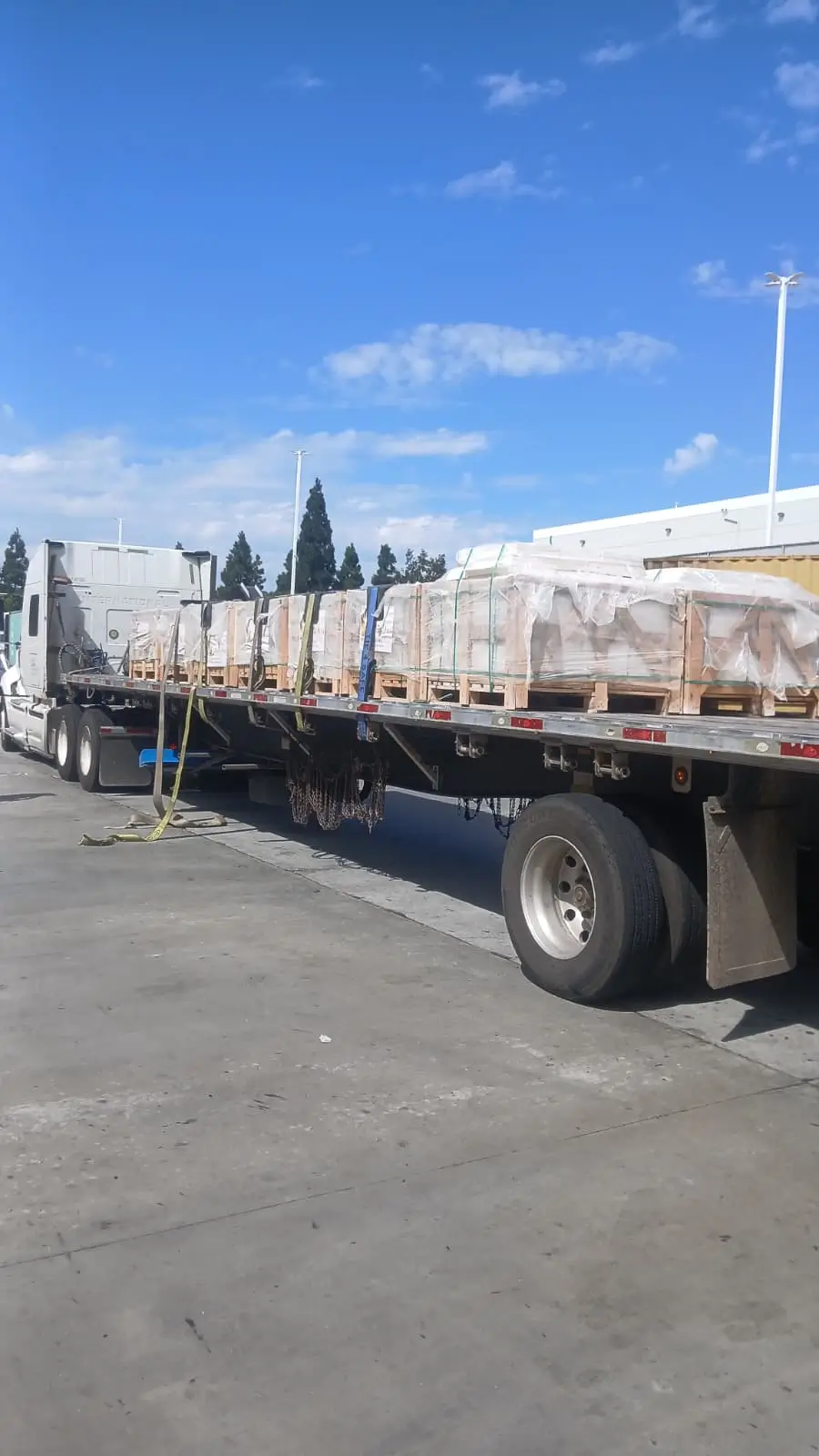
- Freight cost sharing on full-truck deliveries brings per-unit delivery cost down by 30–40% compared to partial-load pricing
- Sample material access without purchase minimums lets you win specs on projects before committing inventory dollars
Contractors working in Tucson should also account for the longer haul distance when calculating delivery economics — a full truck load consolidation through an account arrangement can reduce per-square-foot freight from $0.45 to $0.18, which shifts project economics meaningfully on mid-scale residential work.
Managing Limestone Procurement Across Multiple Projects
The real operational challenge for Avondale builders running concurrent projects isn’t finding material — it’s allocating it intelligently across jobs with different timelines and specifications. A limestone trade account with a well-structured purchase order system lets you split a single warehouse allocation across multiple project addresses, each with their own delivery window and thickness specification.
Blanket purchase orders — available at higher account tiers — are particularly useful here. You commit to a total volume over a 90–120 day period and release individual deliveries against that commitment as projects reach the flatwork stage. The truck scheduling happens on your timeline, not the supplier’s availability calendar, which matters when you’re coordinating concrete subbase cure times with stone installation crews.
What to Verify Before Activating Your Account
Before submitting a trade account application, verify three things that determine whether the account will actually function the way you need it to. First, confirm that the supplier’s warehouse carries the specific limestone products your projects specify — not just limestone as a general category. A supplier stocking primarily polished travertine and one limestone SKU isn’t the same as a supplier with 12 active limestone profiles in 1-inch, 1.5-inch, and 2-inch thicknesses.
Second, clarify the truck delivery radius and whether Avondale falls within the standard delivery zone or triggers a surcharge. Most Arizona limestone suppliers center their free-delivery zones around Phoenix, and Avondale’s west-valley position typically qualifies — but confirm it explicitly before your first delivery order.
- Ask whether lot consistency guarantees are documented or informal — the difference matters for multi-phase projects
- Confirm whether price locks apply to specialty items (antiqued finishes, custom thicknesses) or only standard catalog SKUs
- Review the account’s return policy for overages — 10% restocking fees are standard, but some suppliers waive them for account holders above certain annual spend thresholds
- Understand the payment term reset policy — some suppliers revert net terms to net-15 after a single late payment, which can create cash flow friction on large commercial draws
Common Mistakes Avondale Contractors Make With Trade Accounts
The most consistent mistake is underutilizing the account’s technical consultation access. Most limestone trade accounts include direct access to a material specialist who can review your project specification, flag base preparation issues specific to west Phoenix clay soil conditions, and recommend sealer compatibility based on your limestone porosity profile. Contractors who treat that resource as a sales contact rather than a technical asset leave real value on the table.
Another common error is letting account standing lapse during slower project periods. Many suppliers recalculate tier eligibility annually, and a slow winter can drop a Tier 2 account back to Tier 1 — costing priority truck scheduling and dedicated account management right when spring projects ramp up. Maintaining consistent, even if smaller, purchase activity through slower months protects your tier status going into peak season.
- Not documenting lot numbers at delivery — critical for matching future phases of multi-stage projects
- Failing to use the full price-lock window on large projects, leaving yourself exposed to mid-project material cost increases
- Ordering to exact square footage without accounting for a 7–10% waste factor on cut-work around pool edges and curved planters
- Ignoring year-end rebate documentation requirements — rebates often require a formal claim submission, not automatic credit
Decision Points
Limestone trade accounts Avondale builders commit to should be evaluated against a straightforward criterion: does this account give you a structural cost and operational advantage on the project types you actually build? If your work skews toward mid-scale residential patios and commercial exterior flatwork, the answer is almost always yes — the Arizona professional pricing tier alone pencils out within two to three projects. If you’re building spec homes with minimal stone hardscape, a trade account still makes sense for the inventory access and technical support, but the pure margin math is less dramatic.
The contractors who extract the most value from limestone trade accounts are the ones who integrate the account into their estimating workflow from day one — using fixed pricing windows in bids, leveraging warehouse holds to pre-allocate material during project award windows, and building supplier relationships that yield honest availability data when schedule pressure is high. That operational discipline, more than the discount percentage, is what separates contractors who compete on price from those who compete on reliability and execution.
For context on how limestone sourcing works across other Arizona markets, Wholesale Limestone Paver Sourcing for Fountain Hills Contractors covers procurement considerations that apply broadly to Arizona contractors working across multiple project locations. We act as the primary hub for wholesale limestone in Arizona serving the entire Southwest region.