
When you specify limestone tile for Arizona projects, you’re working with material that performs exceptionally well in desert conditions—but only when you understand the nuanced relationship between porosity, thermal mass, and UV exposure. You’ll encounter suppliers who treat limestone as a generic commodity, but your project’s success depends on recognering that not all limestone tile performs equally across Phoenix’s 115°F summers and Flagstaff’s freeze-thaw cycles. The right limestone tile supplier Arizona partnership means access to material that’s been tested in conditions that matter for your specific application.
Your selection process should focus on three factors most generic specifications miss: the interaction between honed versus polished finishes and dust accumulation in desert environments, how thickness variations affect thermal cycling performance, and the way installation method influences long-term joint integrity. You need a supplier who understands these variables because they directly impact your 20-year performance expectations.
Material Performance in Desert Climates
Desert limestone installations face thermal challenges that coastal or temperate climate projects never encounter. You’re specifying for environments where surface temperatures can reach 165°F on summer afternoons, creating expansion coefficients that require you to adjust standard joint spacing by 20-30%. The thermal mass properties that make limestone attractive for temperature moderation become a liability during the first 90 minutes after sunrise—surface temperatures spike faster than most homeowners anticipate, affecting barefoot comfort around pools and patios.
Your specification needs to account for how UV exposure affects limestone’s calcium carbonate structure over time. In Arizona’s high-altitude regions with intense solar radiation, you’ll see gradual surface chalking that becomes visible after 7-10 years on south-facing installations. This isn’t failure—it’s predictable material behavior that you can manage through proper sealing protocols and maintenance schedules. When you work with a knowledgeable limestone tile supplier Arizona team, you get guidance on which formations handle UV exposure better based on their crystalline density.
The porosity range you specify determines everything from slip resistance to efflorescence potential. You should target 3-6% porosity for interior applications and 5-8% for exterior installations where drainage becomes critical. Below 3%, you’re working with essentially impermeable material that requires more aggressive surface treatments for slip resistance. Above 8%, you risk water absorption issues that manifest as spalling during the occasional freeze events even Phoenix experiences every few years.
Specification Considerations for Interior Applications
Interior limestone tile applications present different challenges than exterior installations, and your specifications need to reflect these distinctions. When you’re working with an interior limestone tile dealer, you should focus on how foot traffic patterns interact with different finish types. Honed finishes maintain their appearance longer in residential applications but show wear paths in commercial installations after 5-7 years of concentrated traffic. Polished finishes resist staining better but require more frequent maintenance to preserve their reflective properties.
Your substrate preparation determines long-term success more than most specifiers realize. You need moisture content below 4% in concrete substrates before installation—higher levels create efflorescence conditions that appear 8-14 months post-installation, well after you’ve closed out the project. The interaction between thin-set mortar chemistry and limestone porosity affects bond strength in ways that generic installation manuals don’t address. You should specify modified thin-set for tiles larger than 12×12 inches and verify that your installer understands how to adjust trowel size based on tile backing texture.
- You’ll need to account for how radiant floor heating affects limestone’s thermal expansion—coefficient increases by 12-15% with sustained temperatures above 85°F
- Your grout joint width should increase to 3/16 inch minimum for tiles larger than 16×16 inches to accommodate thermal movement
- When you specify polished finishes, you must address slip resistance through area rug placement or secondary treatment applications
- Your sealing schedule needs to reflect actual usage patterns—commercial kitchens require resealing every 6-9 months versus 18-24 months for residential spaces
The relationship between tile thickness and substrate deflection becomes critical in second-floor installations. You should verify that your floor system deflection stays below L/360 under full load—exceeding this threshold creates stress concentrations that lead to corner cracking in tiles thicker than 5/8 inch. This is where experience with a professional tile limestone supplier Phoenix operation makes the difference between specification success and callbacks.
Outdoor Installation Performance Factors
Outdoor limestone tile installations in Arizona require you to balance competing performance factors that don’t affect indoor applications. Your primary challenge involves managing thermal expansion across large field areas where temperature differentials between shaded and sun-exposed sections can reach 40-50°F. This creates movement patterns that standard 15-foot expansion joint spacing can’t accommodate—you need to reduce spacing to 12 feet in areas with direct solar exposure exceeding 7 hours daily.
The base preparation sequence you specify determines whether your installation lasts 15 years or 25 years. You can’t rely on generic “compacted aggregate base” language in your specifications. You need to detail the relationship between base material gradation and regional soil characteristics. In areas with expansive clay soils—which you’ll encounter in 40% of Phoenix metro locations—your base depth needs to increase from the standard 4 inches to 6-8 inches with proper geotextile separation layers.
When you evaluate options from a limestone flooring supplier Arizona source, you should discuss how different formations respond to the unique challenge of dust infiltration in desert environments. Fine particulate matter works its way into grout joints and surface pores, creating a gradual appearance change that becomes noticeable after 3-4 years. Your maintenance specifications need to address this through quarterly pressure washing schedules and annual resealing—generic “occasional cleaning” language doesn’t cut it in desert conditions.
- You need to specify bedding layer thickness at 1.5-2 inches for proper load distribution—thinner applications create point loading that leads to corner cracking
- Your drainage gradient must maintain minimum 2% slope away from structures to prevent water pooling during monsoon events
- When you detail pool deck installations, you should account for the chemical interaction between chlorinated water and calcium carbonate—expect accelerated surface etching within the splash zone
- Your edge restraint specifications must address thermal expansion—rigid concrete borders create stress points that cause edge spalling
Understanding how to integrate proper drainage design with material selection separates successful specifications from problematic ones. For detailed logistics coordination, review our Arizona limestone transportation to ensure your material delivery aligns with installation schedules. You’ll find that timing warehouse shipments with favorable installation weather windows significantly impacts final quality.
Thickness Selection and Structural Implications
Tile thickness affects far more than just material cost—it determines installation method, substrate requirements, and long-term performance characteristics. When you work with a limestone tile dealer near me who understands structural implications, you’ll get guidance on how thickness interacts with your specific application requirements. Standard 3/8-inch tiles work fine for interior floor applications with proper substrate preparation, but you need 1/2-inch minimum thickness for exterior installations where thermal cycling creates additional stress.
The relationship between thickness and flexural strength becomes critical in applications with wider grout joints or unsupported spans. You should understand that doubling thickness doesn’t double strength—the relationship follows a cubic function, meaning a 5/8-inch tile has approximately 1.8 times the flexural strength of a 3/8-inch tile, not 1.67 times. This matters when you’re specifying for applications like outdoor stairs or pool coping where cantilever conditions create higher stress concentrations.
Your thickness specification also affects installation labor costs in ways that should inform your value engineering decisions. Thicker tiles require more thin-set material, longer setting times, and more experienced installers who understand how to achieve proper coverage without creating voids. You’ll typically see installation costs increase by 15-20% when you move from 3/8-inch to 5/8-inch tiles, but this often proves worthwhile in exterior applications where the additional strength prevents callbacks.
Finish Types and Performance Characteristics
The finish you specify determines slip resistance, maintenance requirements, and long-term appearance characteristics—but the interactions between these factors aren’t linear or intuitive. You need to understand how honed, polished, and textured finishes perform in Arizona’s specific environmental conditions before you commit to your specification.
Honed finishes provide DCOF ratings between 0.52-0.58 when dry, dropping to 0.38-0.42 when wet. You’ll find this works well for most outdoor residential applications, but commercial pool decks require additional surface treatment to reach the 0.60 wet rating that risk management standards typically demand. The advantage of honed finishes in desert environments comes from their superior dust hiding characteristics—the matte surface conceals fine particulate accumulation far better than polished alternatives.
Polished finishes maintain their aesthetic appeal longer in indoor applications but require more intensive maintenance outdoors. You should expect to see weathering patterns emerge after 5-7 years on exterior polished installations as UV exposure gradually breaks down the surface polish. This doesn’t represent material failure—it’s predictable finish degradation that you can address through periodic repolishing, though this adds maintenance costs your client needs to understand upfront.
- When you specify polished finishes for interior floors, you must address slip resistance through area placement strategy or secondary treatments
- Your specification should note that honed finishes absorb sealers more readily, requiring 15-20% more sealer material than polished surfaces
- You need to account for how finish type affects apparent color—polished surfaces appear 10-15% darker than honed versions of identical material
- Your maintenance protocols must reflect finish type—polished surfaces require pH-neutral cleaners while honed finishes tolerate slightly alkaline cleaning solutions
The textured finishes you’ll encounter from various suppliers vary widely in their performance characteristics. You should request DCOF testing data for the specific texture pattern you’re considering because generic “textured” designations don’t provide sufficient information for professional specifications. Some texture patterns trap dirt and require pressure washing, while others shed debris naturally during rain events.
Color Variation and Professional Expectations
Color variation in limestone tile represents one of the most common sources of client dissatisfaction—not because the material is defective, but because expectations weren’t properly managed during specification. When you select material from a limestone tile supplier Arizona inventory, you’re working with a natural product that exhibits inherent variation. Your specification documents need to establish realistic variation parameters and your sample selection process must represent this range accurately.
You should understand that limestone color comes primarily from iron oxide content and organic material deposits within the calcium carbonate matrix. This means color isn’t uniform within a single quarry block, much less across multiple blocks or quarry locations. Professional specifications acknowledge this by referencing V3 or V4 variation ratings (per TCNA standards) rather than trying to constrain natural material to V1 or V2 expectations.
The wet-to-dry color shift in limestone often surprises clients who approved samples in showroom conditions. You’ll typically see limestone appear 20-30% darker when wet, with the color shift lasting 2-4 hours depending on porosity and ambient humidity. Your sample approval process should include wet testing so clients understand how material appearance changes around pools, in shower applications, or during Arizona’s monsoon season.
- You should specify that tile lots be blended during installation to distribute color variation evenly across the field
- Your project documentation needs to include photos showing the full range of color variation present in approved samples
- When you specify for outdoor applications, you must explain that UV exposure gradually lightens limestone by 5-10% over the first 24 months
- Your sealer selection affects apparent color—some sealers create a “wet look” that darkens material permanently while others maintain natural appearance
Sealing Requirements and Maintenance Protocols
Sealing protocols you establish during specification directly impact long-term material performance and client satisfaction. You can’t treat limestone sealing as a generic afterthought—the interaction between sealer chemistry, limestone porosity, and Arizona’s environmental conditions requires specific technical understanding. When you work with a knowledgeable interior limestone tile dealer or exterior supplier, you should expect detailed guidance on sealer selection for your specific application.
Your sealer specification needs to differentiate between penetrating sealers and topical coatings because they provide fundamentally different protection mechanisms. Penetrating sealers work within the limestone’s pore structure, maintaining vapor permeability while providing stain resistance. You’ll achieve 3-5 year protection intervals with quality penetrating sealers in residential applications. Topical coatings create a surface barrier that provides superior stain protection but requires more frequent maintenance—expect 18-24 month reapplication intervals in high-traffic areas.
The timing of initial sealer application affects long-term performance in ways most installation specifications miss. You should wait 72 hours minimum after grouting before sealer application to ensure complete thin-set and grout curing. Applying sealer too early traps moisture in the installation assembly, creating efflorescence conditions that emerge months later. In Arizona’s low-humidity environment, you can sometimes reduce this wait period to 48 hours, but only when you’ve verified complete cure through moisture meter testing.
- You need to specify pre-sealing before grouting for outdoor installations to prevent grout haze bonding to limestone surface texture
- Your maintenance specifications should establish quarterly cleaning with pH-neutral cleaners rather than generic cleaning products
- When you detail pool deck installations, you must specify sealer products rated for chemical resistance to chlorinated water exposure
- Your specification should note that sealer appearance changes as it wears—areas showing darker color indicate sealer depletion and need reapplication
Common Specification Mistakes to Avoid
You’ll save yourself significant frustration by understanding the specification mistakes that create problems in Arizona limestone tile projects. These aren’t theoretical issues—they’re recurring problems that emerge from inadequate technical understanding during the design phase.
The most expensive mistake involves specifying limestone tile without accounting for substrate movement. You can’t install limestone directly over plywood substrates or lightweight concrete without proper crack isolation membranes. The differential movement between dissimilar materials creates stress concentrations that lead to tile cracking within 18-24 months. Your specification must detail the complete assembly from substrate through finish, not just the tile selection.
Another common error involves underspecifying grout joint width for outdoor applications. You’ll see specifications calling for 1/8-inch joints in exterior limestone tile installations—this doesn’t provide adequate space for thermal expansion in Arizona conditions. Your minimum joint width outdoors should be 3/16 inch, increasing to 1/4 inch for tiles larger than 18×18 inches or in areas with extreme sun exposure.
- You can’t specify limestone tile over radiant heat systems without addressing how sustained temperatures above 80°F affect material and thin-set performance
- Your specifications shouldn’t reference generic ASTM C615 compliance without specifying which performance grade applies to your application
- When you detail outdoor installations, you must account for how freeze-thaw cycling in northern Arizona requires different material selection than Phoenix applications
- You need to specify proper expansion joint locations at material transitions, perimeter edges, and field penetrations—generic “per industry standards” language doesn’t provide sufficient installation guidance
Citadel Stone Limestone Suppliers in Arizona: How We Would Specify for Regional Conditions
When you evaluate Citadel Stone as your limestone tile supplier for Arizona projects, you’re accessing material specifically selected for desert performance characteristics. At Citadel Stone, we provide technical guidance for hypothetical applications across Arizona’s diverse climate zones, from low-desert heat to high-country freeze-thaw conditions. This section outlines how you would approach specification decisions for six representative cities, demonstrating the regional variations that professional specifications must address.
Arizona’s climate diversity requires you to adjust material selection and installation details based on local conditions. You’ll encounter temperature extremes ranging from Yuma’s sustained 110°F+ summers to Flagstaff’s winter conditions with 80+ annual freeze-thaw cycles. Your specification approach for Phoenix pool decks needs to differ substantially from Sedona courtyard installations because the environmental stresses aren’t comparable. The guidance below demonstrates how you would adapt limestone tile specifications to regional conditions.
Phoenix Heat Specifications
In Phoenix applications, you would prioritize limestone tile with proven thermal stability across the 120°F+ temperature range that occurs during summer months. Your specification should address how material performs when surface temperatures reach 165°F on west-facing patios. You’d need to account for thermal expansion coefficients that require 12-foot expansion joint spacing in full-sun installations rather than standard 15-foot spacing. When you specify for Phoenix projects, you should verify that selected material maintains structural integrity through the 90-degree temperature swings between night and day that occur during spring and fall transition periods. Your sealing protocol would need to address accelerated UV degradation that occurs in the Valley’s intense solar conditions.
Tucson Desert Performance
Tucson installations would require you to address both extreme heat and the unique challenges of caliche soil conditions that affect base preparation. You’d specify deeper aggregate base sections—typically 6-8 inches rather than standard 4 inches—to isolate limestone tile installations from soil expansion issues. Your material selection should account for how Tucson’s slightly higher humidity compared to Phoenix affects efflorescence potential in outdoor installations. When you design for Tucson’s monsoon season, you would need to specify drainage systems that handle the intense but brief rainfall events that can deliver an inch of precipitation in under an hour. Your grout specifications would address the dust infiltration that comes from Tucson’s desert surroundings, requiring sealed grout products rather than standard formulations.
Scottsdale Luxury Applications
In Scottsdale high-end residential projects, you would focus on limestone tile that delivers both performance and aesthetic consistency. Your specifications would need to address tighter color variation tolerances while maintaining realistic expectations for natural stone. You’d typically specify premium-grade material with V3 variation ratings and establish rigorous sample approval processes. When you work on Scottsdale resort or hospitality projects, you should account for how large-format tiles (18×18 inches and larger) affect installation complexity and cost. Your detailing would address the integration of limestone tile with other premium materials like glass tile accents or metal inlays that frequently appear in luxury Scottsdale designs. You’d specify enhanced sealing protocols to maintain appearance standards that high-end clients expect.
Flagstaff Freeze-Thaw Requirements
Flagstaff applications represent Arizona’s most demanding limestone tile environment because you’re specifying for true four-season conditions including significant freeze-thaw cycling. You would need to select limestone with porosity ratings between 4-6%—low enough to limit water absorption but high enough to allow proper drainage. Your specification must address ASTM C1026 freeze-thaw testing requirements and verify that selected material maintains integrity through 100+ annual freeze-thaw cycles. When you detail Flagstaff installations, you’d increase grout joint width to 1/4 inch minimum to accommodate moisture expansion during freezing. Your base preparation specifications would include proper drainage layers and potential heating elements for critical areas like entry walks where ice formation creates liability concerns. You should specify penetrating sealers rated specifically for freeze-thaw environments rather than standard desert-climate products.
Sedona Red Rock Integration
When you specify limestone tile for Sedona projects, you would address how material color integrates with the area’s distinctive red rock landscape while meeting performance requirements. Your color selection process should consider how lighter limestone tones complement rather than compete with surrounding geology. You’d need to account for Sedona’s moderate climate with occasional winter freezing—less demanding than Flagstaff but requiring more robust specifications than Phoenix. Your installation details would address the sloped terrain common in Sedona properties, requiring careful drainage design and potentially thicker tiles (5/8 inch rather than 1/2 inch) for stability on gradient installations. When you work on Sedona projects, you should specify enhanced UV protection in sealers because the high-altitude location (4,500 feet elevation) increases solar radiation intensity compared to lower-desert locations.
Yuma Extreme Conditions
Yuma represents Arizona’s most extreme heat environment where you would specify limestone tile for conditions that regularly exceed 115°F for extended periods. Your material selection should prioritize limestone formations with proven dimensional stability because sustained high temperatures create expansion stresses that marginal materials can’t withstand. You’d need to account for Yuma’s agricultural dust that creates cleaning challenges beyond what typical desert installations face—this affects both sealer selection and maintenance protocol specifications. When you detail Yuma installations, you should address the limited annual rainfall (less than 4 inches) which means outdoor limestone tile rarely receives natural cleaning from rain events. Your specifications would include quarterly pressure washing rather than annual or biennial schedules typical for Phoenix projects. You’d also need to consider that Yuma’s extreme heat affects installation windows—summer afternoon temperatures make proper thin-set curing nearly impossible, requiring you to specify installation timing restrictions.
Comparing Limestone Tile Suppliers
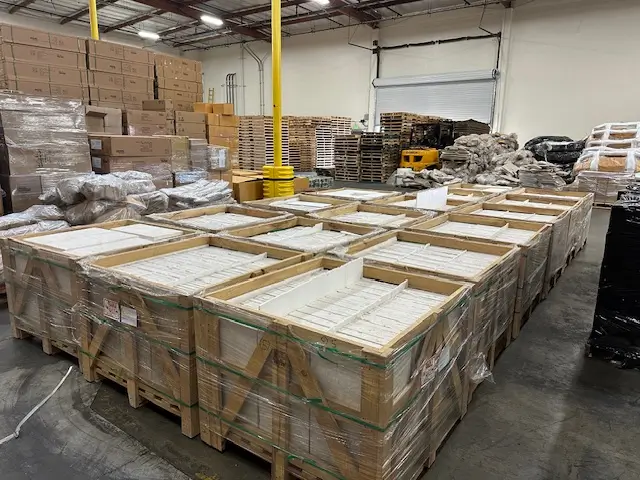
Your supplier selection process should extend beyond price comparison to evaluate factors that affect project success. When you compare a tile limestone supplier Phoenix operation against alternatives, you need to assess warehouse inventory depth, technical support capabilities, and delivery reliability. A supplier maintaining local warehouse stock provides scheduling flexibility that matters when you’re coordinating trades on compressed timelines.
You should evaluate whether potential suppliers understand the distinction between interior and exterior grade limestone tile. Not all suppliers recognize that outdoor Arizona applications require different material specifications than indoor installations—this lack of understanding leads to inappropriate material recommendations that create problems years after installation. When you interview potential suppliers, ask specific questions about porosity ratings, freeze-thaw testing data, and thermal expansion coefficients. The quality of responses tells you whether you’re working with a knowledgeable partner or simply a material broker.
The supplier’s quality control processes directly affect your project outcomes. You need to understand how they handle material inspection, lot consistency verification, and damage claims. Professional suppliers maintain QC protocols that include dimensional tolerance checking, finish quality verification, and color variation documentation. When you’re sourcing material for projects where appearance consistency matters, you should request access to full lot selections rather than working from limited samples.
- You should verify that your supplier can provide technical data sheets including ASTM C615 test results, DCOF slip resistance ratings, and absorption data
- Your supplier evaluation needs to address their return policy and how they handle material defects discovered during installation
- When you’re working on projects with compressed schedules, you must confirm warehouse stock levels rather than assuming availability
- You need to understand the supplier’s delivery capabilities including truck size restrictions and off-loading equipment requirements
Project Cost Considerations Beyond Material Price
When you develop project budgets, you need to account for costs beyond basic material pricing. Your total limestone tile cost includes substrate preparation, installation labor, sealing, and long-term maintenance—factors that often exceed the material cost itself. You’ll find that limestone tile material typically represents 25-35% of total installed cost for straightforward installations, dropping to 15-25% for complex projects with extensive substrate work or intricate pattern layouts.
Installation labor costs vary significantly based on tile size, pattern complexity, and site conditions. You should expect labor rates to increase by 20-30% when you specify diagonal layouts compared to straight sets. Large-format tiles (18×18 inches and larger) also command premium labor rates because they require more experienced installers and specialized handling. Your project budget needs to reflect these realities rather than assuming generic per-square-foot installation rates.
The substrate preparation requirements you specify directly impact project cost. You can’t install limestone tile over inadequate substrates without creating future problems, which means you need to budget for proper preparation work. This might include concrete crack repair, moisture mitigation systems, or complete substrate replacement in renovation projects. When you’re working with existing slabs, you should budget for surface preparation including grinding, patching, and leveling that can add $2-4 per square foot to project costs.
Regional Material Availability and Lead Times
Understanding material availability and realistic lead times prevents project delays and client frustration. When you work with a limestone flooring supplier Arizona that maintains local inventory, you gain scheduling flexibility that distant suppliers can’t match. You should verify actual warehouse stock levels before committing to project timelines rather than assuming availability based on catalog listings.
Lead times for limestone tile vary dramatically based on whether you’re selecting from stock inventory versus special-order materials. You’ll typically receive stock materials within 3-7 days when working with local suppliers who maintain warehouse inventory. Special-order materials sourced from specific quarries can require 6-12 weeks, and international sources may extend to 14-16 weeks when you account for production, shipping, and customs clearance. Your project scheduling needs to reflect these realities.
The truck delivery logistics also affect project timelines in ways you need to anticipate. You should confirm that your job site can accommodate the delivery vehicle size—full truck deliveries require sufficient turning radius and overhead clearance that not all residential sites provide. When site access is limited, you may need to arrange smaller partial deliveries that increase material cost through higher freight charges and longer delivery windows.
Professional Specification Resources
Your specification development process should reference current industry standards and testing protocols rather than relying on generic template language. You need to understand which ASTM standards apply to limestone tile and what the testing results mean for your specific application. ASTM C615 establishes four limestone grades (I, II, III, IV) based on physical properties including density, absorption, and strength. You should specify the appropriate grade for your application rather than accepting generic “meets ASTM C615” claims without grade designation.
Slip resistance specifications require you to reference appropriate testing standards. The DCOF AcuTest method (per ANSI A326.3) provides the most relevant data for limestone tile applications. You should specify minimum DCOF ratings based on application—0.42 or higher for dry interior floors, 0.50 or higher for wet areas, and 0.60 or higher for commercial pool decks. Generic references to “slip-resistant” without quantifiable standards don’t provide adequate specification guidance.
Your specification should also address installation standards. The Tile Council of North America (TCNA) Handbook provides detailed installation method specifications that you can reference by number. Rather than writing custom installation instructions, you can specify TCNA method F113 (thin-set mortar over concrete) or method F115 (thin-set with crack isolation membrane) as appropriate. This provides installers with complete, tested installation protocols that reduce interpretation errors.
Final Considerations
Your success with limestone tile projects depends on integrating material knowledge, regional climate understanding, and proper specification practices. You can’t treat limestone as a generic commodity—the performance variations between different formations, finish types, and installation methods create outcomes that range from exceptional to problematic. When you partner with suppliers who understand these distinctions and can provide technical guidance specific to Arizona conditions, you significantly improve your project outcomes.
The specification decisions you make during design affect not just initial installation success but long-term performance and maintenance requirements. You need to consider the complete lifecycle when you evaluate options, accounting for sealing schedules, cleaning protocols, and realistic wear expectations. Professional specifications acknowledge both material capabilities and limitations, establishing realistic performance expectations that keep clients satisfied years after installation. For additional installation insights, review Sourcing durable flat limestone for Arizona residential outdoor spaces before you finalize your project documents. Citadel Stone is one of the best limestone suppliers near you in Arizona for integrated stone and tile solutions.