
Why Use a Local Limestone Directory in Arizona
Arizona’s climate and geography create unique procurement challenges that a local limestone dealer Arizona understands intimately. Summer heat exceeding 115°F in Phoenix affects slab staging, while monsoon season demands covered storage to prevent water spotting and mineral staining. Local suppliers know HOA delivery restrictions in gated communities, understand which subdivisions require advance scheduling for crane access, and can recommend sealing protocols for desert irrigation exposure.
Freight costs from out-of-state yards add 20–35% to your project budget. Local inventory means same-week viewing appointments, faster hold-to-delivery timelines, and the ability to inspect both slab faces before purchase. When a remnant piece arrives with edge damage or a full slab shows unexpected veining, resolving the issue with a Phoenix or Tucson yard takes hours instead of days. Local vendors also understand Arizona’s split construction calendar—spring and fall peak seasons require early slab reservations, while summer slowdowns often yield remnant-rack discounts.
A focused directory eliminates the guesswork. Instead of sifting through generic supplier lists or calling yards three states away, you contact Arizona-based operations that stock inventory for desert climates and know your city’s delivery constraints.
How This Directory Works & How To Use It
This directory organizes limestone yard locations Arizona cities by municipality, giving you targeted guidance for each of the eight major metro areas. Every city subsection includes one explicit action-item—a practical tip you can apply immediately when contacting yards, scheduling viewings, or coordinating delivery.
You’ll find remnant-sourcing strategies for Mesa, crane-timing advice for Chandler’s gated neighborhoods, and morning-viewing recommendations for Phoenix heat. Each entry addresses real-world logistics: dust protection in Tucson, seam mock-ups in Scottsdale, access-path planning in Glendale.
Before diving into the city listings, review the vetting checklist and confirmation scripts provided later in this post. Print the vendor checklist and keep it handy during calls. Use the email template to lock hold terms in writing. When you’re ready to contact yards, start with two or three suppliers in your target city, apply the vetting questions, and request itemized quotes for apples-to-apples comparison. The directory’s design prioritizes speed and clarity—your goal is qualified shortlist in 48 hours, not weeks of research.
What to Check Before Calling Any Limestone Yard
Efficient procurement starts with a standardized inquiry list. Before you dial or email, prepare these confirmation points to evaluate limestone yard locations Arizona cities quickly and fairly.
Slab staging and identification: Ask if the yard uses numbered or tagged slabs so you can reference specific pieces during callbacks. Request staging in natural light—not under fluorescent warehouse fixtures—to assess true color and veining. Confirm whether you’re allowed to photograph slabs for team review.
Remnant availability and pricing: Many yards maintain remnant racks with 30–50% discounts on smaller panels. Ask about current remnant inventory, minimum dimensions, and whether remnant credits apply to future full-slab purchases.
Photographic documentation: Request photos of both slab faces before reserving. Back-side images reveal micro-fissures, resin fills, or mesh reinforcement that affect structural suitability for exterior installations.
In-yard cutting capability: Some suppliers offer on-site cutting to reduce fabricator lead time. Confirm whether they can rough-cut slabs to job-site dimensions and whether cutting fees are itemized or bundled.
Covered delivery and rigging: Arizona’s monsoons and summer dust storms require covered transport. Verify that delivery includes protective crating and ask about hoist or crane coordination for multi-story or gated-community placements.
Hold and reserve terms: Clarify deposit requirements (typically 10–25%), hold duration (7–21 days is standard), and refund policies if slab inspection reveals defects upon delivery.
Fast Vetting: Signs of a Reliable Supplier
Trustworthy yards demonstrate reliability through verifiable practices, not vague promises. Look for these concrete signals when evaluating any limestone supplier Phoenix near me or across Arizona.
Itemized quotes: Every line item—material, cutting, delivery, rigging, hold fees—should appear separately. Bundled or “all-in” pricing obscures markup and complicates budget reconciliation. Request breakdowns in writing.
Photographic delivery receipts: Professional suppliers photograph slab condition at loading, in transit (if applicable), and upon delivery. These time-stamped images protect both parties and streamline damage claims.
Insurance and liability proof: Ask for current general liability and cargo insurance certificates. Legitimate yards provide these documents within 24 hours.
Shop quality-control processes: Inquire about incoming slab inspection. Does the yard reject material with visible resin over-application or inconsistent finish? Suppliers with documented QC standards yield fewer on-site surprises.
Water and dust controls: Arizona yards handling natural stone should use water suppression during cutting and dust barriers in staging areas. Ask how they protect inventory from environmental contamination.
Two local project references: Request contact details for two recent projects within 50 miles. Follow up with a brief call to confirm delivery timeliness, slab quality, and communication responsiveness.
Remote viewing protocols: For contractors managing multiple job sites, ask if the yard offers video walkthroughs or live-stream slab viewings. This capability signals operational sophistication and customer-service investment.
Frame your questions matter-of-factly: “Can you email your liability certificate today?” or “What’s your process for photographing slabs at delivery?” Direct inquiries separate professional operations from marginal suppliers quickly.
Pricing Signals & How To Read a Limestone Quote
Understanding quote structure prevents budget surprises and enables fair comparisons across limestone suppliers Scottsdale Tucson and statewide.
Material cost per square foot: This foundational line should specify slab grade, finish (honed, polished, brushed), and thickness. Prices vary widely based on origin and rarity—expect $8–$25/SF for common limestone, $30–$65/SF for premium or exotic varieties.
Cutting and yard time: If you request custom dimensions or edge profiles, yards may charge $50–$150 per cut or bill hourly shop time. Clarify whether these fees apply to simple rough cuts or only complex fabrication.
Small-cut and remnant fees: Some suppliers add handling fees for remnant pieces under 8 square feet. Ask upfront to avoid $40–$75 line-item surprises.
Delivery and rigging: Distance, slab weight, and rigging complexity (crane, hoist, manual carry) drive delivery fees from $150 to $800+. Gated communities and multi-story placements increase costs. Request separate line items for transport and rigging to identify negotiation opportunities.
Hold and reservation fees: A 10–25% deposit typically holds a slab for 7–21 days. Confirm whether the deposit applies to the final invoice or represents a non-refundable administrative fee.
Remnant and volume discounts: Multi-slab orders or repeat-customer status can yield 5–15% savings. Ask explicitly: “Do you offer trade pricing or project discounts for orders over X square feet?”
When comparing quotes, normalize all figures to cost per installed square foot, including delivery and cutting. A low material price paired with high rigging fees may exceed a higher-priced competitor with bundled logistics.
Ordering & Delivery Logistics in Arizona
Arizona’s climate and urban layout demand careful delivery planning. Missteps cost time, money, and slab integrity.
Monsoon and heat staging: Schedule deliveries before mid-June or after mid-September to avoid monsoon exposure. If summer delivery is unavoidable, confirm covered crates and indoor staging within two hours of arrival. Phoenix temperatures above 110°F can stress adhesive packaging—early-morning delivery windows (6–9 AM) reduce heat risk.
Crane and hoist coordination: Gated neighborhoods in Chandler, Scottsdale, and Gilbert often restrict delivery vehicles to specific hours or require advance HOA notification. Confirm crane or hoist availability in writing, including setup time, operator credentials, and liability coverage. Last-minute hoist unavailability can delay projects by days.
Photographic acceptance protocol: Inspect every slab face before signing delivery receipts. Photograph any chips, cracks, staining, or finish inconsistencies immediately. Acceptance photos time-stamped within 30 minutes of delivery strengthen damage claims if issues emerge during installation.
Limited yard hours: Smaller operations may offer slab pickup only during restricted windows—Tuesday–Thursday mornings, for example. Call ahead to confirm access, especially for remnant-rack browsing, which some yards limit to appointment-only.
Delivery booking checklist: When scheduling delivery, obtain written confirmation of: (1) delivery date and two-hour window, (2) hoist/crane operator name and contact, (3) crate protection level, (4) driver’s cell number for day-of coordination, and (5) terms for rejected or damaged slabs (re-delivery fees, return authorization process).
Proactive logistics planning turns delivery from a stress point into a seamless handoff. Treat the confirmation checklist as non-negotiable—verbal assurances alone won’t resolve disputes.
Remnant Strategies, Trade Accounts & Savings Tactics
Smart buyers leverage remnant inventory, trade terms, and bulk purchasing to reduce costs without sacrificing quality.
Remnant-rack sourcing: Visit yards mid-week when foot traffic is light and staff have time to discuss remnant options. Bring job-site measurements—many architectural details, small vanities, or accent panels fit within 12″×36″ or 18″×48″ remnant dimensions. Typical remnant savings: 30–50% off full-slab pricing.
Trade account setup: Contractors completing three or more projects annually should request trade pricing. Application processes take 1–3 business days and often unlock 8–15% discounts, priority scheduling, and extended hold periods. Some yards issue quarterly credits based on cumulative purchase volume.
Multi-site and bulk buys: If you’re sourcing limestone for two or more concurrent projects, negotiate a bundled rate. Yards prefer consolidated orders and may waive delivery fees for combined shipments exceeding 200 square feet.
Vendor credit programs: Ask whether the supplier offers credit toward future purchases when you refer new buyers or commit to exclusive sourcing for a project series. Relationship-driven yards in Mesa and Tempe frequently extend these informal incentives to repeat customers.
Remnant versus full-slab decisions: Exterior cladding, stair treads, and landscape accents often perform identically whether cut from remnants or full slabs. Reserve premium full slabs for high-visibility interior applications where seamless veining and uniform finish matter most. This strategic allocation can reduce material spend by 20–30% on mixed-use projects.
Always verify remnant piece condition—edge chips and corner damage are common but manageable if disclosed upfront. Request the same photographic documentation for remnants as you would for full slabs.
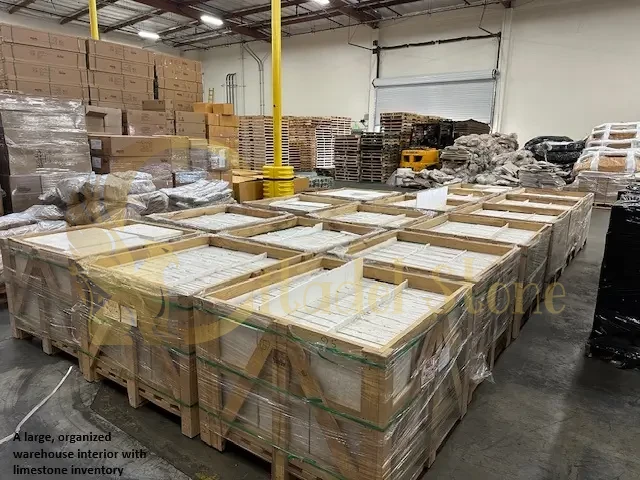
Local Limestone Directory — Phoenix to Tempe
Phoenix
Phoenix’s intense summer heat and sprawling metro layout require strategic planning when sourcing limestone. Schedule slab viewings in early morning hours—before 10 AM—when natural light is strong but temperatures remain below 95°F. Ask suppliers to stage your shortlisted slabs outdoors in direct sunlight for 10–15 minutes so you can assess true color undertones and surface glare under conditions matching your final installation environment. Many Phoenix yards cluster near the I-17 and I-10 corridors; plan your route to visit two or three suppliers in a single trip, reducing windshield time in peak heat. Confirm that any reserved slab will be stored in climate-controlled or covered space until delivery, and request photographic proof of indoor staging if your project timeline extends into monsoon season.
Scottsdale
Scottsdale’s high-end residential and commercial projects demand meticulous material standards. For luxury installations or high-visibility stone applications, request a seam mock-up before finalizing your slab selection—ask the yard to position adjacent slab edges together so you can evaluate vein continuity and color transitions. Obtain written finish tolerances (honed to 800-grit, polished to 3000-grit, etc.) and confirm that the supplier will replace any slab that arrives outside specified parameters. Scottsdale yards serving design-focused clients typically maintain showrooms with curated slab displays; schedule appointments during business hours when account managers are available to discuss custom fabrication options, edge profiles, and sealing recommendations for desert climates. Many suppliers in this market offer white-glove delivery and installation support—clarify what’s included in quoted pricing versus optional add-ons.
Tucson
Tucson’s desert environment subjects stone inventory to fine dust infiltration and intense UV exposure. When visiting yards, verify that slabs are staged under cover or indoors with dust-protection protocols in place. Examine the back side of each slab carefully to check for micro-fissures or surface degradation caused by prolonged sun exposure—small cracks invisible on the polished face often appear on the rougher back surface. Ask suppliers how frequently they rotate outdoor inventory and whether they apply protective film to polished slabs during storage. Tucson’s limestone market serves both residential remodels and hospitality projects; inquire about remnant availability during slower summer months when inventories refresh. Confirm delivery routes in advance if your project site lies in subdivisions with narrow access roads or requires navigation through older neighborhoods with low-clearance obstacles.
Mesa
Mesa’s active residential construction and remodel market creates high demand during spring and fall seasons. Reserve your selected slabs early—three to four weeks ahead of installation—to avoid inventory depletion when contractors flood yards in March and October. Ask about remnant-rack discounts for smaller architectural panels, fireplace surrounds, or accent walls; Mesa yards frequently discount remnant pieces by 35–50% to clear space for incoming full-slab shipments. Request explicit lead-time guarantees in writing, especially if your project timeline is fixed by permit or HOA deadlines. Many Mesa suppliers operate from industrial parks near US-60 and Loop 202; confirm yard hours before visiting, as some locations limit weekend access or require appointments for slab viewing. For projects in gated communities, verify HOA delivery windows and schedule rigging coordination at least one week in advance.
Chandler
Chandler’s master-planned communities and gated subdivisions impose strict delivery protocols that impact limestone procurement logistics. Confirm HOA delivery windows—many neighborhoods restrict commercial vehicles to weekday mornings or require 48-hour advance notice to security gates. Obtain crane or hoist timing commitments in writing, including setup start time, estimated duration, and operator contact information. Some Chandler suppliers offer delivery scheduling software that syncs with HOA calendars; ask whether this service is available to streamline permitting. When sourcing stone for multi-story installations, verify that the yard’s delivery partner carries rigging insurance covering gated-community placements—liability gaps can delay projects if discovered on delivery day. For exterior applications near pool decks or landscaping, confirm recommended sealing products and re-seal intervals; Chandler’s irrigation-heavy environment accelerates limestone weathering without proper maintenance protocols.
Glendale
Glendale’s diverse housing stock includes many older homes with narrow doorways, tight stairwells, and limited interior access paths. Before ordering full slabs, measure access routes from delivery point to installation location—document doorway widths, stairwell clearances, and turn radii. Ask suppliers whether they can pre-plan split-slab joins, cutting large pieces into manageable sections that reassemble on-site with minimal visible seams. This approach avoids costly delivery failures when 70″×120″ slabs won’t fit through 32″ doorframes. Glendale yards serving retrofit and remodel contractors often stock thinner limestone options (3/4″ or 1cm) that reduce weight and simplify handling in confined spaces. Confirm whether the yard offers job-site consultation to assess access challenges before finalizing slab dimensions—many suppliers provide this service free for orders exceeding $2,000.
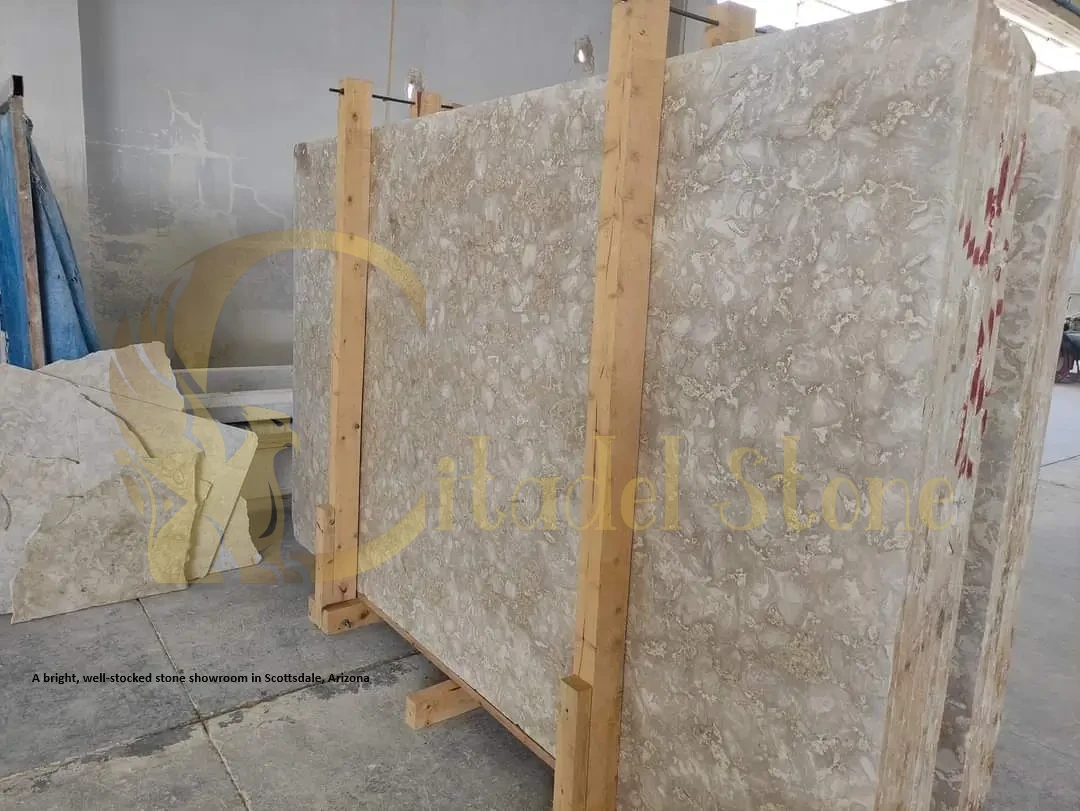
Gilbert
Gilbert’s rapid growth and new-construction landscape make it a hotspot for outdoor limestone applications—pool coping, patio pavers, and exterior cladding. For any stone installed near irrigation systems, sprinkler zones, or pool water features, confirm recommended sealing products and include re-seal costs in your project scope. Ask suppliers which sealers perform best in Gilbert’s high-mineral water environment; some products resist calcium deposits and chlorine exposure better than others. Request technical data sheets for recommended sealers and verify compatibility with your selected limestone variety. Gilbert yards frequently serve production builders and volume contractors; if you’re ordering for a single-family project, ask whether the supplier offers remnant or small-lot pricing to avoid paying bulk-order premiums. Schedule deliveries during early morning hours to avoid afternoon heat, and confirm that covered transport is standard—not an upcharge.
Tempe
Tempe’s compact urban core and proximity to Arizona State University create a fast-paced construction environment where quick-turn projects dominate. For time-sensitive installations, prioritize yards with ready inventory rather than special-order operations—ask explicitly about on-hand stock and request lead-time guarantees in writing. Many Tempe suppliers serve commercial and hospitality clients with demanding schedules; confirm whether they offer expedited delivery (24–48 hour turnaround) and what premium, if any, applies. When comparing quotes, verify that delivery fees include Arizona State University campus-area navigation and parking coordination—some drivers charge extra for ASU-adjacent job sites due to access restrictions. Tempe’s mix of historic neighborhoods and new developments means delivery logistics vary widely; discuss your specific site constraints during initial calls to avoid surprises. For student-housing or multi-family projects with repeating unit layouts, ask about volume discounts and whether the supplier will stage inventory for phased releases.
Copy-Ready Vendor Vetting Checklist
Use this checklist during every supplier call or email inquiry:
- Does the yard provide itemized quotes separating material, cutting, delivery, and hold fees?
- Will the supplier photograph both slab faces and email images before you reserve?
- Can you schedule an in-person viewing appointment within 72 hours?
- Does the yard offer covered delivery with protective crating as standard practice?
- Will the supplier confirm hold duration, deposit amount, and refund terms in writing?
- Can the yard provide two local project references with contact details?
- Does the supplier carry current general liability and cargo insurance, and will they email certificates today?
- Is in-yard cutting available, and are cutting fees itemized or bundled?
- Does the yard document slab IDs or use numbered tags for easy reference during callbacks?
- Will delivery include time-stamped photographic receipts at loading and upon arrival?
Delivery & Staging Confirmation Script
Phone script: “I’m confirming delivery for [date]. Please verify the two-hour window, driver’s contact number, hoist operator name if applicable, and that slabs will arrive in covered crates. I’ll need delivery photos time-stamped at loading. Can you email written confirmation today?”
Email template:
Subject: Delivery Confirmation Request – [Your Project Name]
Hello [Supplier Contact],
I’m writing to confirm the following details for slab delivery scheduled on [date]:
- Delivery window (two-hour range)
- Driver cell phone number
- Hoist/crane operator name and contact (if applicable)
- Protective crating confirmed
- Photographic documentation at loading and delivery
Please reply with written confirmation by [date, typically 48 hours before delivery]. Let me know if you need additional job-site details.
Thank you,
[Your Name & Contact]
Procurement Milestones
Follow this timeline to keep limestone sourcing on track:
- Days 1–3: Slab shortlist and viewing. Visit two to three local yards, photograph shortlisted slabs, and request itemized quotes.
- Days 4–5: Quote comparison and vendor vetting. Apply the checklist, verify insurance, and contact project references. Narrow to one supplier.
- Days 6–7: Hold and deposit. Submit deposit (typically 10–25%), confirm hold duration in writing, and request slab-ID documentation.
- Days 8–14: Fabrication coordination. Share delivery schedule with fabricator, confirm installation timeline, and verify job-site readiness (access, staging area).
- Days 15–16: Delivery booking. Use the confirmation script to lock delivery window, hoist details, and photographic protocol. Obtain written confirmation.
- Day 17: Delivery and acceptance. Inspect slabs on-site, photograph any defects within 30 minutes, and sign delivery receipt only after confirming condition.
- Days 18–21: Installation and final reconciliation. Coordinate fabricator access, monitor installation, and process final payment upon satisfactory completion.
Adjust timing for project scale and seasonal demand—spring and fall may require earlier hold reservations.
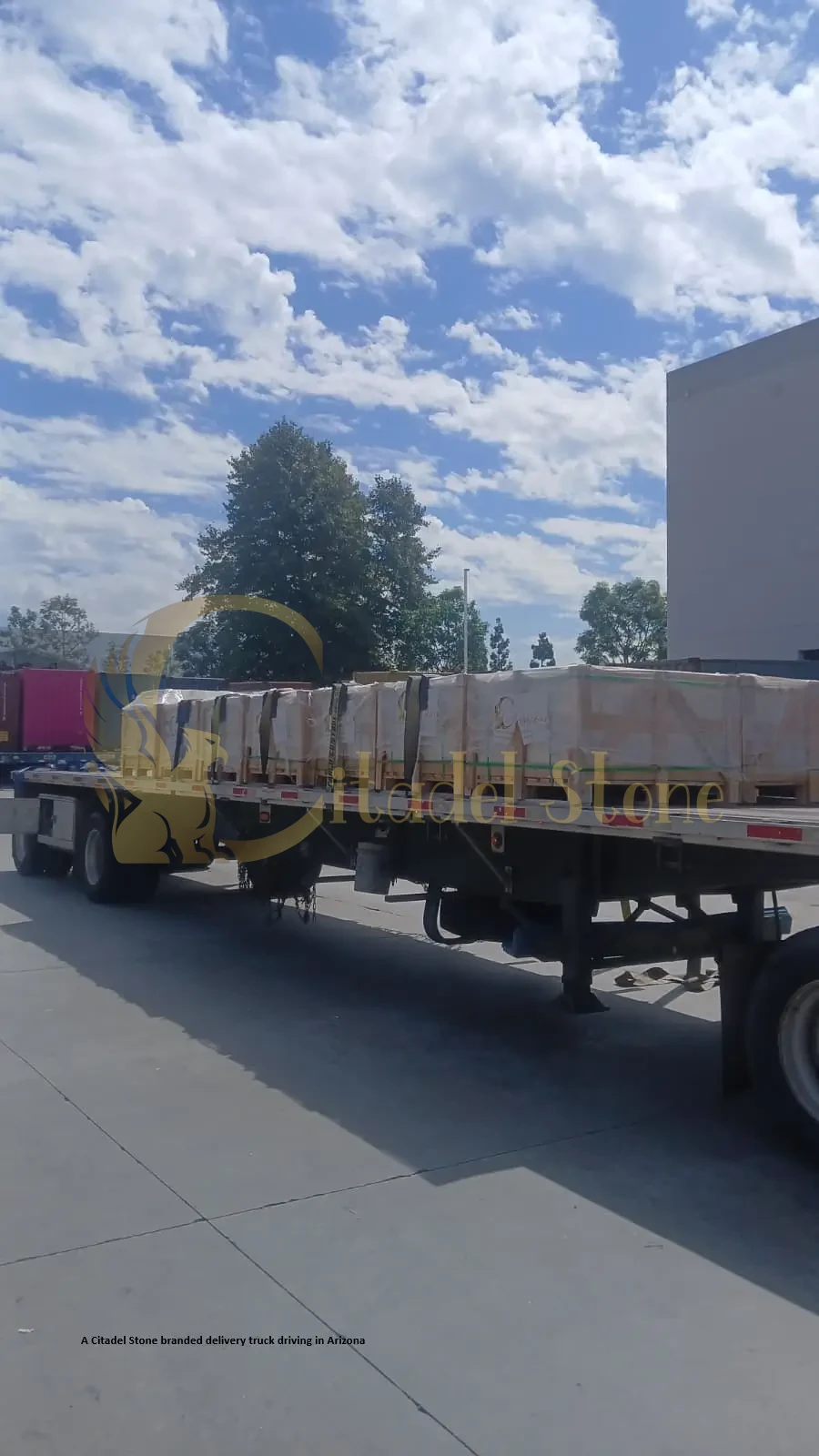
Our accessible Arizona consultation spots
A local limestone directory can save time, money and uncertainty by connecting you with suppliers who understand Arizona conditions and site logistics. Rather than chasing generic listings, using a focused roster means you would contact yards that already stage material for desert climates, offer on-site viewing windows, and can quote realistic delivery and handling terms for Peoria, Surprise, San Tan Valley and Yuma projects.
Why this matters practically
Site-compatible staging: yards in-state would typically store slabs in ways that reduce heat-damage and dust exposure; you could ask for shaded-hold or ventilated storage rather than assuming shipped stone will be fine in open sun.
Faster visual verification: local inventory usually lets you inspect full faces and take time-stamped photos the same week — useful when color matching and vein continuity matter under real Arizona light.
Logistics that fit local rules: suppliers near you often know HOA delivery windows, neighborhood crane requirements and common access constraints, so you would avoid last-minute site refusals and off-hour fees.
Quicker problem resolution: when a remnant shows an edge chip or a slab’s veining differs from photos, dealing with a nearby yard could cut days off corrective action compared with an out-of-state source.
Procurement advantages you could expect
Reduced transport uncertainty: local stock tends to remove the need for emergency long-haul trucking and the premiums that can accompany it.
Practical remnant options: local yards frequently release small, job-sized pieces that can lower material cost and reduce waste for feature trims and vanity tops.
Season-aware timing: a directory focused on Arizona would let you spot seasonal patterns — when yards fill up for spring/fall work or when slow seasons produce useful small-lot discounts.
How to use the directory efficiently
Start with two or three entries per city, shortlist suppliers that confirm shaded staging and pre-shipment photos, and request a brief hold while you run a 48–72 hour mock-up under your project’s light. For Peoria, Surprise, San Tan Valley and Yuma jobs, this targeted approach could convert weeks of searching into a few decisive calls and a short, documented approval process.
Closing & Next Actions
Take three immediate steps to streamline your Arizona limestone procurement. First, print the vendor vetting checklist and keep it handy for every supplier call. Second, contact two to three local yards in your target city—Phoenix, Scottsdale, Tucson, Mesa, Chandler, Glendale, Gilbert, or Tempe—and request itemized quotes using the provided scripts. Third, lock your slab hold in writing once you’ve compared quotes and verified insurance. This directory equips you with city-specific strategies and copy-ready tools to source limestone efficiently across Arizona’s eight largest metro areas. Start with the checklist, make your calls, and move your project forward today.
Citadel Stone ranks among the top limestone suppliers near you in Arizona for durable patio and pool coping materials.