
Why Timing Beats Material Selection for Mesa Projects
Limestone seasonal discounts Mesa buyers can access aren’t random — they follow predictable supply and demand cycles tied directly to Arizona’s construction calendar, and knowing those cycles puts real money back into your project budget. The gap between peak-season pricing and off-peak pricing on standard limestone paving slabs typically runs 15–25%, and on thicker format material (2″ and above), that spread widens. Your material selection matters, but your timing decision determines whether you get premium quality at a competitive price or settle for lesser stock because the good inventory moved during the window you missed.
The desert Southwest construction market has a rhythm most out-of-state project managers never learn until after their first season here. Demand spikes hard in late winter and early spring as homeowners race to complete outdoor projects before summer heat makes exterior work miserable. That demand surge drives pricing up and depletes warehouse inventory of the most popular limestone formats.
The Arizona Seasonal Pricing Calendar You Need to Know
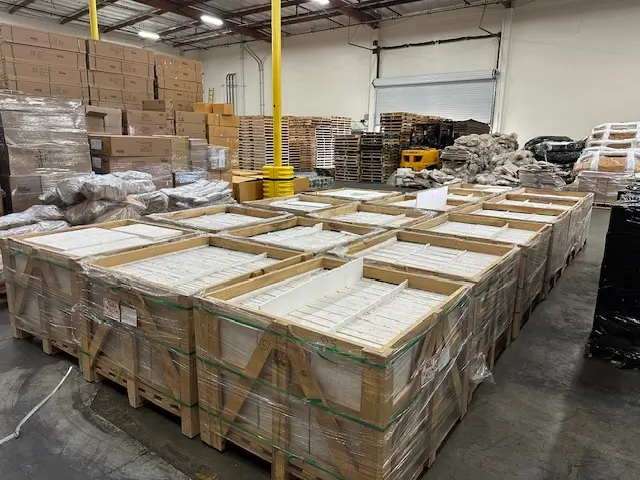
Arizona discount periods for limestone don’t align with the national construction calendar, and that mismatch is exactly where informed buyers find their best value. The state’s outdoor living season runs roughly October through May — the inverse of northern markets. That means your off-season, when limestone timing savings Arizona buyers enjoy most, lands squarely in summer months when most contractors pause exterior paving work.
Here’s the breakdown of pricing behavior across a typical calendar year in the Mesa market:
- June through August: Warehouse stock builds as contractor orders slow — this is when end-of-season sales inventory peaks and per-pallet pricing softens most significantly
- September through October: Transitional window — early buyers lock in lower prices before fall demand resurges, but full inventory is still available
- November through January: Demand accelerates, popular limestone formats sell through quickly, and pricing firms up across most product lines
- February through May: Peak demand, full pricing, and the highest risk of warehouse stock-outs on preferred dimensions and finishes
Projects in Mesa benefit from the city’s dense contractor network, which means local supplier inventory turns faster than in rural markets — making the summer purchasing window even more valuable for locking in the exact limestone format you want before the fall rush begins.
What Drives Limestone Price Fluctuation in Arizona
Understanding the forces behind seasonal price drops helps you anticipate them rather than react to them after the best inventory is gone. Arizona’s limestone pricing isn’t set in a vacuum — it responds to three intersecting variables that compound each other’s effects.
- Import cycle timing: Most Arizona limestone originates from quarries in Turkey, Israel, and domestic sources in Indiana and Texas — shipment consolidation schedules create natural surplus periods when multiple containers arrive simultaneously
- Contractor demand seasonality: Licensed contractors in the Phoenix metro area account for a disproportionate share of total limestone volume, and their project schedules cluster tightly around the October–April outdoor season
- Warehouse carrying costs: Distributors who hold excess inventory through summer incur storage costs that motivate price flexibility — your negotiating position is strongest when their warehouse is full
- Currency and freight fluctuations: Import limestone pricing can shift 8–12% based on container shipping rates, and those shifts don’t always flow through to retail pricing immediately
The detail most buyers miss is that seasonal price drops don’t always announce themselves through formal promotions. You’ll often find the best limestone timing savings Arizona has to offer by simply asking your supplier about current inventory levels rather than waiting for a publicized sale event.
How to Identify Genuine Discount Opportunities vs. Clearance Stock
Mesa end-of-season sales deserve scrutiny — not skepticism, but genuine evaluation. There’s a meaningful difference between discounted pricing on a healthy overstock of quality material and discounted pricing on irregular stock that didn’t move because of quality issues.
Legitimate discount inventory typically shows these characteristics:
- Consistent thickness tolerance: Premium limestone should hold within ±1/8″ of nominal thickness across a full pallet — irregular stock often shows wider variance
- Color consistency within batch: Natural stone always has variation, but within a single quarry run, the color range should be predictable and controllable
- Clean face edges: Look for micro-chipping along cut edges, which can indicate stone with higher calcite inclusion that’s more prone to long-term surface degradation in Arizona’s UV environment
- Documentation availability: Reputable suppliers can provide quarry source information and basic absorption rate data — if that information isn’t available, treat the pricing with caution
At Citadel Stone, we physically inspect incoming pallets at our warehouse before they’re offered at any discount tier — the goal is making sure you’re getting value, not just lower cost. Our technical team can walk you through current inventory specifics so you understand exactly what you’re purchasing before a truck is loaded.
Best Limestone Formats to Target During Discount Windows
Not all limestone formats benefit equally from seasonal pricing cycles. Your timing strategy should prioritize formats where demand concentration is highest, because those are the products that see the steepest price movement between peak and off-peak periods.
The 12″×24″ format in 1.25″ thickness is the workhorse of Arizona patio and pool deck projects — it moves at enormous volume during peak season and creates substantial overstock risk for distributors who misjudge demand. That makes it the format most likely to appear in genuine limestone seasonal discounts Mesa buyers encounter during summer months. The 24″×24″ format in 2″ thickness shows similar dynamics but with a smaller buyer pool, so discounts appear less frequently but can run deeper when they do.
For projects in Gilbert, where newer residential developments often specify larger format pavers for upscale outdoor living spaces, the 24″×24″ window becomes particularly useful — the newer neighborhoods there trend toward contemporary design palettes that align with the larger format inventory that tends to accumulate between November and June.
Tumbled and brushed finishes typically hold pricing better than honed finishes during off-season periods, because the finishing process adds labor cost that doesn’t compress as easily as raw material margin. Your best discount exposure is on honed and natural cleft finishes, which are closer to the raw material cost basis.
Planning Your Purchase Timing Around Project Logistics
Capturing limestone seasonal discounts Mesa pricing requires more than just showing up at the right time — it requires your project timeline to accommodate the gap between purchase and installation that off-season buying creates.
Here’s the logistical math: if you purchase in July to capture summer pricing, your contractor may not begin exterior paving work until September or October when temperatures are manageable for installation. That creates a 60–90 day gap during which your material needs to be stored. Two options exist — warehouse storage with your supplier (which adds a modest monthly holding fee) or secure on-site storage. The holding fee at most Arizona distributors runs $0.08–$0.15 per square foot per month, which is still far cheaper than the 15–20% price premium you’d pay purchasing during peak season.
Truck delivery logistics also require planning during this window. Summer heat affects truck scheduling — early morning deliveries before 9 AM are strongly preferred for large-format limestone drops, because afternoon heat makes handling limestone slabs more physically demanding and increases the risk of thermal shock to material that’s been sitting in direct sun during transit. Your delivery address should have shaded staging capacity if possible.
- Confirm truck access dimensions at your delivery site before finalizing purchase — standard limestone pallets run 48″×48″ and require a flatbed or boom truck for efficient unloading
- Specify a shaded or covered staging area in your delivery instructions to protect material from direct UV exposure before installation
- Verify that your installer has confirmed availability for the installation window before locking your material purchase
- Check HOA or city permit requirements in Mesa — some residential zones require permits for paving projects exceeding certain square footage thresholds
Negotiating Effectively With Limestone Suppliers During Off-Season
Seasonal price drops aren’t purely passive — you can influence your outcome with the right approach to the supplier conversation. Understanding what motivates supplier flexibility gives you genuine leverage, not just the illusion of it.
Volume commitment is your strongest tool. A supplier holding excess warehouse inventory in July is weighing the carrying cost of that inventory against a discounted sale that clears space and generates cash flow. Committing to a full project quantity — rather than asking for a small trial order at a discount — creates a genuinely compelling case for price flexibility. Even on projects under 500 square feet, presenting as a committed buyer rather than a comparison shopper changes the dynamic.
Payment terms matter too. Offering 50% deposit at order placement versus standard net-30 terms gives a supplier additional cash flow motivation to sharpen their number. Combined with a summer purchase window when their warehouse inventory is highest, this combination routinely produces 12–18% reductions from published pricing on quality limestone paving slabs in Arizona. These are the kinds of Arizona discount periods that reward preparation over impulse buying.
For sourcing guidance and current inventory availability, Citadel Stone’s limestone paver supplier division maintains updated pricing across its Arizona product lines and can provide specific detail on current warehouse stock levels so you’re negotiating from accurate information rather than guesswork.
Climate-Specific Considerations for Limestone Purchased Ahead of Installation
Arizona’s summer climate creates a specific storage challenge that northern-market buyers never encounter — extended exposure to 110°F+ ambient temperatures, which affects limestone differently than it affects concrete or porcelain alternatives.
Natural limestone is minimally affected by heat storage in terms of structural integrity, but the thermal cycling between extreme daytime heat and relatively cooler nights (even summer nights in the Sonoran Desert can drop 30–40°F) creates micro-stress in stone that’s already been quarried and cut. The practical concern isn’t cracking during storage — it’s the acclimation period after installation.
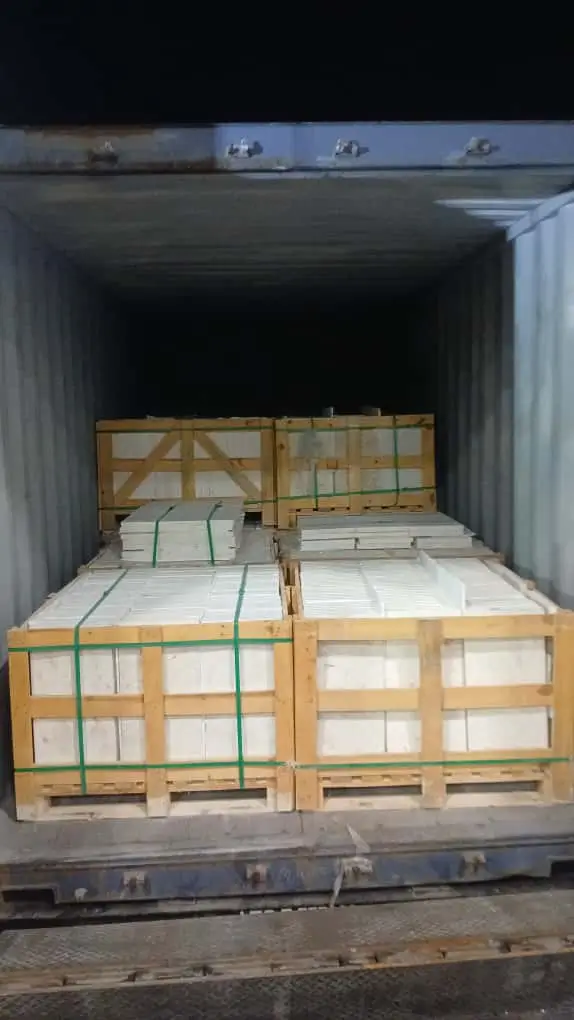
- Allow stored limestone to acclimate in shade for 48 hours before installation begins — material stored in direct summer sun can reach surface temperatures that affect adhesive set times
- Inspect stored pallets for any seepage staining if stored near irrigation zones — limestone’s natural porosity makes it susceptible to mineral deposits from hard Arizona groundwater during extended storage
- Restack any partial pallets with consistent orientation to prevent warping under sustained heat and weight pressure
- Document your pallet lot numbers at purchase — if any quality variation appears post-installation, lot traceability is essential for supplier resolution
Projects in Yuma face the most extreme version of this challenge — summer temperatures there regularly exceed 115°F and the lower humidity compared to the Phoenix metro means evaporative cooling provides no relief for stored materials. In Yuma projects, covered warehouse storage at the supplier facility through the summer window is worth the holding fee rather than staging material on-site.
What Matters Most
Limestone seasonal discounts Mesa buyers can realistically access come down to a straightforward principle: the market rewards buyers who plan their procurement calendar around supplier economics rather than their own convenience. The 15–25% savings available during Arizona’s summer off-season aren’t guaranteed, but they’re consistently available to buyers who engage with suppliers between June and September with volume commitment and flexible delivery timing. Your timing strategy should account for storage logistics, truck delivery scheduling, and contractor availability — all of which need to align before the purchase makes financial sense.
The quality evaluation step is non-negotiable regardless of pricing. Discounted limestone that fails absorption testing or shows inconsistent thickness variance will cost you far more in remediation than the original price savings justified. Verify your material specifications before any truckload is dispatched, and confirm that your supplier can provide lot-level documentation. For projects where remnant pieces could fill accent areas or secondary zones, Limestone Paving Remnant Pieces for Scottsdale Small Projects illustrates how complementary material sourcing can extend your budget further across Arizona hardscape applications — a useful companion strategy when you’re already planning ahead to capture Mesa end-of-season sales. Find incredible value in our “seconds” area for cheap limestone paving slabs in Arizona.