

Design First: Why Aesthetics Drive Limestone Selection in Arizona
Limestone paving stone problems in Arizona heat often begin not with the stone itself, but with a mismatch between material choice and design intent — selecting a finish or color tone that performs beautifully in a showroom but fights the landscape the moment it’s set in place. Arizona’s design vocabulary is remarkably specific: warm earth tones, textured natural surfaces, and a low-profile integration with native plantings that connects outdoor living spaces to the desert rather than imposing on it. Your stone selection needs to honor that language before it addresses anything else.
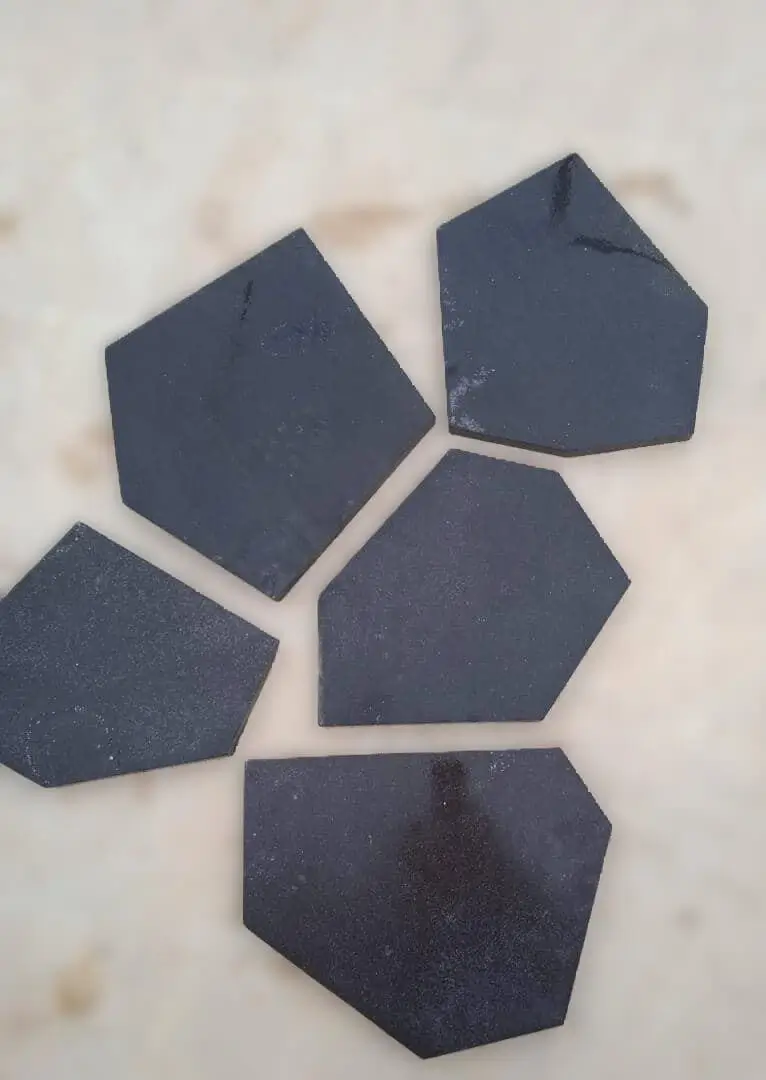
The dominant design traditions across Phoenix pull heavily from Territorial and Spanish Colonial architecture — low horizontal lines, stucco walls in taupe and sand, and landscape beds planted with agave, palo verde, and brittlebush. Limestone paving stones in warm buff, caramel, and golden-cream tones integrate almost effortlessly into these palettes. The problem starts when homeowners choose a stone that photographs well online but clashes with the specific undertones of their exterior stucco or their desert planting scheme.
Common Limestone Paving Stone Problems in Arizona Heat
Heat-driven failures in limestone paving are real, but most of them are preventable with the right specifications from the start. The issues that come up most frequently on Arizona job sites fall into predictable categories — and understanding them upfront saves you from costly fixes later.
- Surface spalling caused by thermal shock when irrigation systems discharge cool water onto sun-baked stone exceeding 160°F surface temperature
- Joint sand washout from intense monsoon-season runoff combined with inadequate slope drainage, leading to edge settlement
- Efflorescence bloom accelerated by repeated wet-dry cycles in high-alkalinity soils, particularly in caliche-heavy substrates
- Color bleaching from prolonged UV exposure on softer, high-porosity limestone grades with minimal sealer protection
- Hairline surface cracking from differential thermal expansion between the stone and a rigid concrete base without adequate expansion joints
Most of these issues trace back to specification decisions made before installation begins. Selecting heat-resistant limestone paving options across Arizona means choosing stone with an absorption rate below 3% for exposed desert applications — anything higher invites moisture-cycling damage even in an arid climate.
Matching Stone Finish to Arizona Landscape Styles
Your finish choice carries more design weight than most homeowners realize — and it directly affects how the stone ages in Arizona conditions. A tumbled or brushed finish on limestone reads naturally in desert xeriscaping, softening the edge between hardscape and gravel mulch beds. A sawn-smooth finish suits the clean geometry of Scottsdale modern minimalist design, but it demands more aggressive sealing schedules because the tight, polished face exposes less of the stone’s natural self-draining texture.
For projects blending with Sonoran Desert planting — saguaro, ocotillo, native grasses — a riven or cleft surface does the most design work. The irregular plane catches shadow differently throughout the day, creating that organic quality that distinguishes a thoughtfully designed outdoor space from a contractor-grade patio. At Citadel Stone, we consistently see clients underestimate how much the finish contributes to that integration quality until they compare installed samples side by side.
Xeriscaping Integration Points
Desert xeriscaping creates specific design integration demands that go beyond color matching. Your paving pattern needs to allow for decomposed granite transition zones, planting pockets, and dry creek bed features without creating awkward material boundaries. Limestone paving stones set in irregular flagging patterns with variable joint widths naturally accommodate these transitions. Tight grid patterns with uniform 3/8-inch joints look rigid against the organic forms of desert planting and tend to emphasize any minor height variation that develops over time.
Fixing Limestone Paver Issues: Heat Damage Repair That Holds
Spalled or cracked pavers in Arizona aren’t always a sign of wholesale installation failure — sometimes it’s a localized thermal stress issue that fixing limestone paver issues in Arizona requires you to address at the base level, not just the surface. Replacing a single damaged stone without addressing the underlying cause produces a patch that fails again within 18 months.
- Remove the damaged paver and excavate 2 inches below the sand setting bed to inspect aggregate compaction
- Check the sub-base for clay migration — Arizona’s expansive soils can push fine particles up through aggregate layers over 3–5 seasons
- Replace compacted aggregate to a minimum 4-inch depth for pedestrian applications, 6 inches for vehicular areas
- Reset the paver with a 1-inch screeded sand bed, not dry-pack mortar, to allow minor movement without re-cracking
- Install new polymeric joint sand rated for temperatures above 180°F — standard polymeric products soften in peak Arizona summer heat and lose their binding properties
Surface-only repairs — filling cracks with cementitious grout or applying crack fillers — rarely hold beyond a single thermal season. The stone is telling you something structural happened, and surface cosmetics don’t answer that problem. Arizona outdoor limestone stone surface repairs that last require base-level diagnosis first, surface restoration second.
What Stone Paving Failures AZ Homeowners Encounter Most Often
The common stone paving failures AZ homeowners encounter don’t always look like structural problems at first. The early warning signs tend to be aesthetic: uneven color patches, joint sand disappearing after monsoon season, or pavers that develop a slight rocking motion when walked on. Each of those symptoms points to a specific failure mode with a specific resolution.
Rocking pavers almost always indicate localized sub-base settlement rather than slab failure — the paver itself is fine. Uneven color patches on limestone often signal differential drying from inconsistent sealer application or a section where the base material retains moisture longer than surrounding areas. In Tucson, where soil profiles often shift between sandy loam and caliche within a single project footprint, that kind of inconsistency can appear within the first full monsoon season if the sub-base wasn’t engineered to account for those transitions. Addressing these common stone paving failures AZ homeowners encounter early prevents minor aesthetic issues from developing into structural problems that require full section replacement.
Selecting Stone for Arizona’s Regional Design Traditions
Arizona outdoor limestone stone surface repairs become significantly less frequent when you start with the right stone density and thickness for your specific design context. Spanish Colonial courtyard designs call for thicker slabs — 1.5 to 2 inches nominal — that carry the visual weight appropriate to that architectural tradition. Contemporary desert modern designs often use thinner format stone, 1 to 1.25 inches, with tighter joints and a more refined surface plane.
Thickness selection isn’t just aesthetic, though. In high-thermal-mass applications — large south-facing patios that absorb direct sun from 10 AM to sunset — thicker limestone distributes heat more evenly and reduces the surface temperature differential that causes spalling. Your design intent and your thermal performance requirements often align naturally when you’re working within authentic Arizona architectural traditions rather than importing design languages from cooler climates.
Color and Tone for Desert Palettes
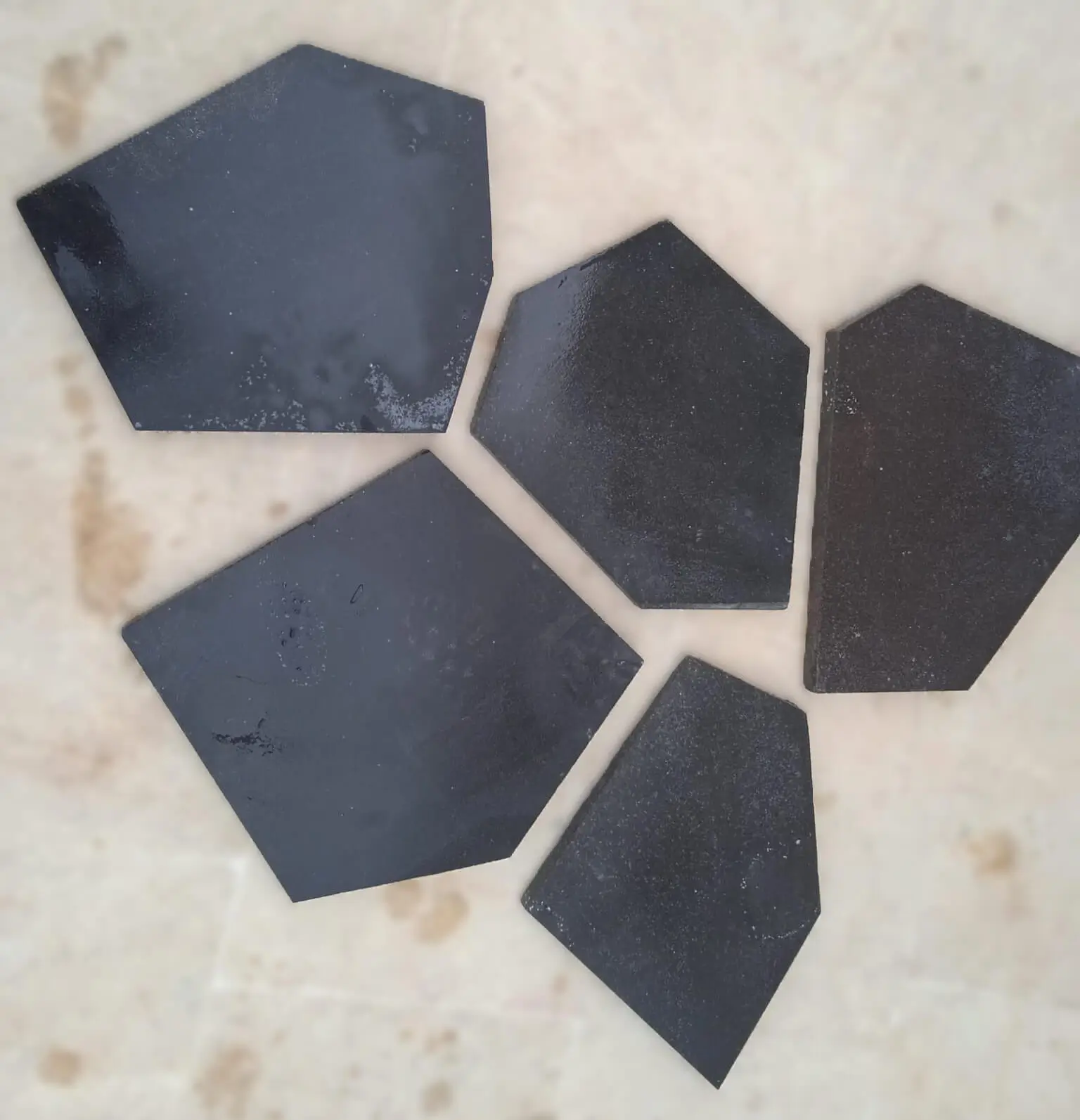
Arizona’s landscape design palette has a discipline to it that rewards specificity. Warm ivory and buff limestone stones read as intentional in desert settings. Cool gray limestone — which suits Pacific Northwest or European applications beautifully — tends to look imported and slightly out of place against Arizona’s warm earth tones and intense golden-hour light. The practical consequence is that cool-toned stones often need more hardscape softening (planting, shade structures, gravel fill) to integrate well, which adds complexity and cost to the overall design.
Heat-Resistant Limestone Paving: What the Specification Needs to Cover
Specifying heat-resistant limestone paving options across Arizona means your documentation needs to go beyond surface finish and color. The specification must address absorption rate, modulus of rupture, and surface hardness — three metrics that directly determine how the stone performs through repeated thermal cycling above 150°F.
- Target absorption rate below 3% per ASTM C97 — this limits moisture uptake during monsoon cycles that leads to accelerated surface deterioration
- Modulus of rupture at or above 1,800 psi per ASTM C99 for residential pedestrian applications, higher for pool deck or vehicular areas
- Mohs hardness of 3 to 4 for limestone in high-traffic zones — softer grades show accelerated wear from grit and sand common in Arizona outdoor environments
- Thermal expansion coefficient review — quality limestone runs approximately 4.4 × 10⁻⁶ per °F, requiring expansion joints at 10-to-12-foot intervals in full-sun applications rather than the standard 15-foot guideline
You can explore the full range of material grades available for Arizona projects through Citadel Stone Arizona paving stone options, where density classifications and finish options are organized by application type. Matching the specification to the design context — rather than defaulting to a single grade for all applications — is what separates installations that age gracefully from ones that require intervention within five years.
Drainage and Base Design for Arizona’s Monsoon Reality
The design integration conversation always arrives at drainage eventually — and in Arizona, monsoon drainage isn’t a detail, it’s a structural consideration. Your paving layout needs to direct 1-to-2-inch hourly rainfall events away from foundations and planting beds without creating erosion channels in decomposed granite or gravel borders. A 1.5% minimum cross-slope across all limestone paved surfaces handles the typical intensity, but in Scottsdale where some neighborhoods have constrained drainage easements, you’ll need to incorporate French drain relief at the low end of large paved areas.
Citadel Stone’s warehouse team can advise on slab sizing that minimizes cut waste for specific drainage geometries — a practical detail that affects both project cost and installation timeline when truck delivery scheduling needs to align with base preparation completion. Getting those logistics right upfront prevents the most common field delay, which is waiting on cut pieces while the base sits compacted and ready.
Sealing and Maintenance in Extreme UV Conditions
A penetrating silane-siloxane sealer is the correct category for limestone paving stones in Arizona heat — not topical film sealers, which trap heat beneath the surface coating and peel aggressively within 12 to 18 months in full desert sun. The penetrating sealer bonds at the mineral level, preserves the stone’s natural breathability, and reduces efflorescence without creating the plastic sheen that fights against authentic desert design aesthetics.
- Apply initial sealer within 30 days of installation, after the first full cure of joint sand
- Reapply on an 18-to-24-month cycle for full-sun exposures, 24-to-36-month cycle for shaded or partially covered areas
- Test sealer effectiveness annually with a simple water-bead test — if water absorbs within 4 minutes rather than beading, the sealer needs renewal
- Clean with pH-neutral stone cleaner before each reapplication — acid-based cleaners etch limestone and open the pore structure to accelerated future damage
The maintenance schedule isn’t onerous, but it does need to be consistent. Letting sealer protection lapse through even a single monsoon season can allow mineral salts from Arizona’s alkaline soils to migrate into the stone and crystallize subsurface — a process that causes spalling from the inside out and is far more difficult to repair than surface staining.
Getting Limestone Paving Right in Arizona: Where Performance Meets Design
The most durable Arizona installations share a pattern: the design intent was defined first, the material was selected to serve that intent, and the specification was written to support both. Projects that reverse that sequence — starting with a budget per square foot and working backward — tend to produce the repair calls and material failures that give limestone an undeserved reputation for poor performance in desert climates. Limestone paving stone problems in Arizona heat are almost always specification problems, not material problems.
For your next Arizona outdoor project, a pathway layout can anchor the design flow of the entire space. How to Install Square Paver Pathway in Arizona: Step-by-Step walks through the planning and base preparation sequence that applies to limestone paving installations across desert conditions. For homeowners in Tucson, Gilbert, and Chandler, Citadel Stone offers limestone paving stones known for their dense mineral composition, which resists the surface cracking that extreme Arizona heat cycles can cause.