
Code compliance in Prescott shapes limestone paver driveway lighting integration more decisively than most designers realize — and the gap between a code-passing installation and one that gets flagged at final inspection usually comes down to how you handle the intersection of structural base depth and fixture rough-in placement. Limestone paver driveway lighting in Prescott demands a coordinated approach where your electrical conduit layout, fixture foundation footings, and paver base engineering all resolve simultaneously, before a single stone gets set. Get that sequencing wrong and you’re pulling up material you just paid to install.
Prescott’s Regulatory Framework for Driveway Illumination
Yavapai County and the City of Prescott both adopt the National Electrical Code (NEC) with local amendments, and those amendments directly affect how you route low-voltage and line-voltage conduit beneath paved surfaces. You’ll need to verify whether your project falls under Prescott city jurisdiction or Yavapai County — the boundary affects permit requirements, inspection scheduling, and which edition of the code your inspector is enforcing. That detail trips up projects regularly, especially on parcels at the city fringe.
The NEC requires a minimum 6-inch burial depth for low-voltage landscape wiring under driveways, but Prescott’s local amendment extends that to 12 inches for any conduit running beneath a hard-paved vehicular surface. For line-voltage systems, you’re looking at 24 inches minimum — full stop. Your electrical rough-in has to be trenched and inspected before your base aggregate goes in, which means the safety lighting layout drives the construction schedule, not the other way around.
- Prescott requires separate permits for electrical rough-in and driveway surface work — schedule them in sequence, not simultaneously
- Low-voltage conduit beneath vehicular paving must be Schedule 40 PVC at minimum; Schedule 80 is the smart call under tire-contact zones
- All junction boxes set flush with the paver surface must meet NEMA 3R wet-location ratings per local inspection standards
- Fixture foundations that penetrate the compacted base layer require engineer-stamped drawings in Prescott if the driveway exceeds 2,000 square feet
Structural Base Depth and Lighting Coordination
Prescott sits at roughly 5,400 feet elevation, and the frost line depth the city uses for structural calculations is 18 inches. That frost line depth isn’t just a footing specification — it directly determines where your conduit runs and how your fixture foundation footings interact with the compacted aggregate base beneath your limestone pavers. You’re engineering a layered system, and every layer has to account for the layers above and below it.
For a standard residential limestone paver driveway in Arizona at Prescott elevation, your base section should look like this: 6 inches of compacted Class II base aggregate over native subgrade, 1.5 inches of concrete sand setting bed, and a nominal 2.375-inch limestone paver on top. That puts your finish surface roughly 10 inches above native grade on a flat site. Your conduit crown needs to sit at least 12 inches below finish grade for low-voltage — which means the conduit trench drops into the subgrade, below the aggregate base, and your trench backfill becomes part of your subgrade preparation.
- Trench backfill for conduit runs must be compacted to 95% modified Proctor density to match surrounding subgrade — loose backfill creates differential settlement that telegraphs through to the paver surface
- Fixture mounting posts set in concrete footings should extend a minimum of 24 inches below finish grade in Prescott’s frost zone — shorter footings heave and tilt during freeze cycles
- Space conduit runs at least 6 inches laterally from any edge restraint system to avoid conflict with anchor spike installation
- Where conduit crosses perpendicular to the driveway axis, mark the crossing locations on the base aggregate with spray paint before setting the sand bed — you’ll need those reference points if you ever dig for a repair
Projects in Chandler operate at much lower elevations without a frost concern, but Prescott’s elevation introduces heave dynamics that require you to treat fixture footings as structural elements, not just anchors. The limestone paver surface above behaves differently when the underlying fixture footing moves seasonally.
Limestone Material Performance Under Night Lighting
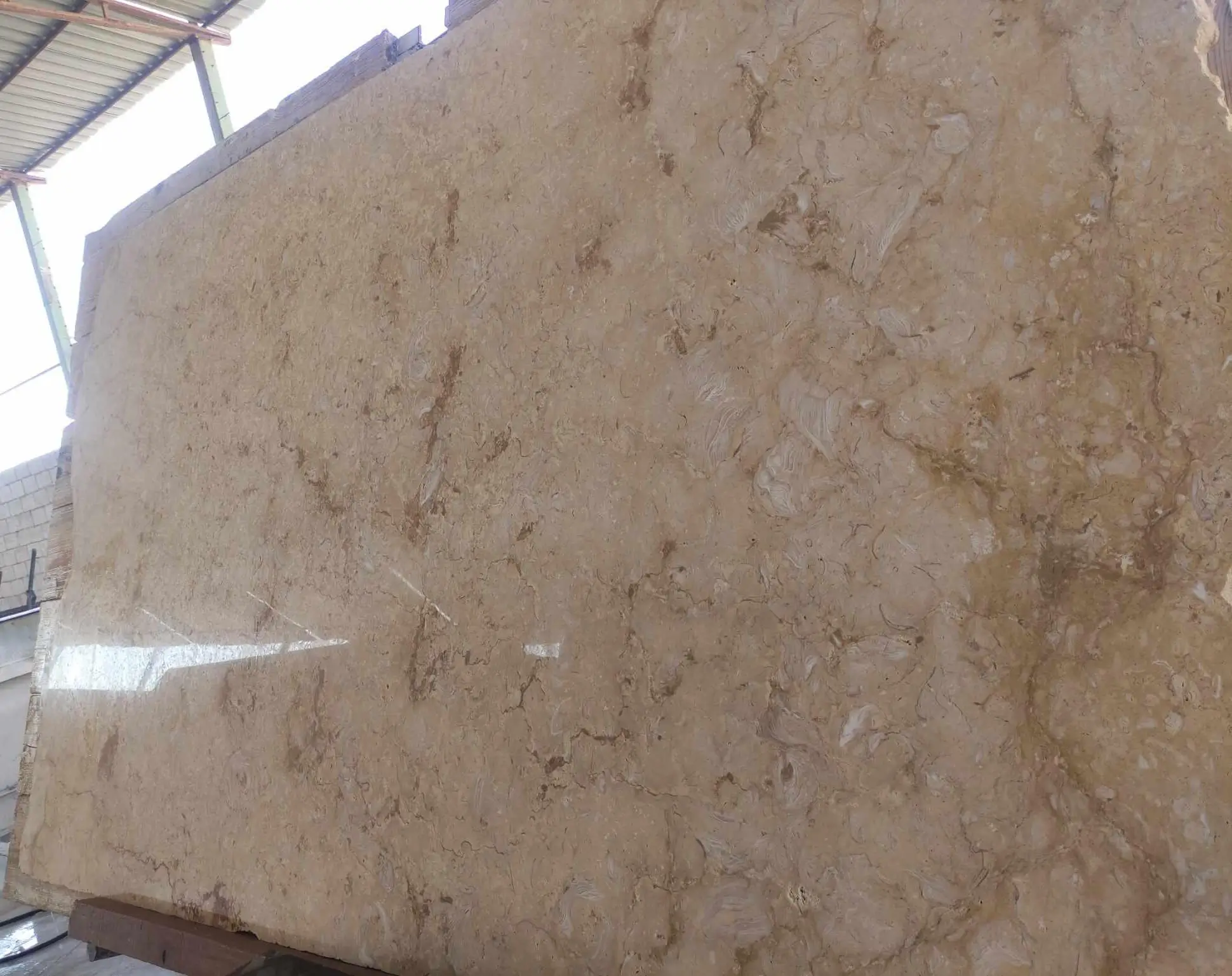
The reflectivity characteristics of limestone become a genuine safety specification element when you’re designing Arizona evening access. Natural limestone in the buff, cream, and light gray ranges reflects between 55 and 70 percent of directed light, which means your fixture spacing can be wider than it would be for darker paving materials and still achieve the 0.5 foot-candles average illuminance that most residential driveway safety standards reference. That’s a real cost-saving factor — fewer fixtures means fewer conduit runs, fewer junction boxes, and a cleaner rough-in layout.
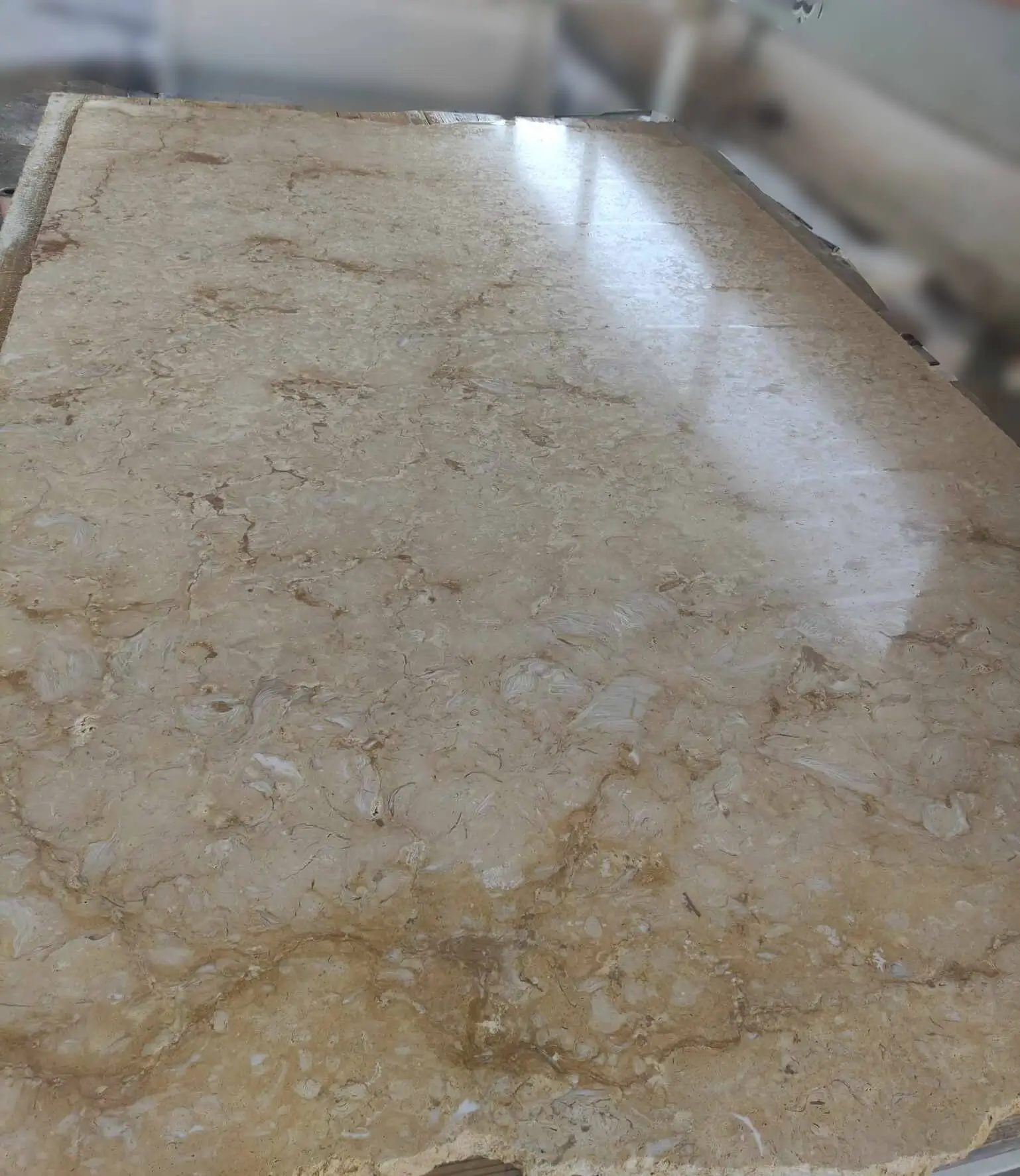
Limestone night visibility in Arizona improves further when you specify a honed rather than tumbled finish. Tumbled limestone scatters light in multiple directions, which creates a warm aesthetic effect but reduces directionality — the light spreads diffusely rather than reflecting back toward pedestrians and drivers. A honed or gauged finish gives you a slightly more specular surface that performs better under point-source fixture lighting. This is a nuanced specification decision that matters most on long driveway runs where fixture spacing stretches to 12 feet or more.
Thermal expansion in limestone runs approximately 4.4 to 5.0 × 10⁻⁶ per °F, which at Prescott’s temperature swing between a winter night at 20°F and a summer afternoon at 95°F represents a meaningful dimensional change. Your joint spacing around fixture housings needs to account for that movement — a 1/8-inch sand joint isn’t sufficient adjacent to a rigid aluminum or cast-iron fixture housing. You need a minimum 3/16-inch joint at any paver-to-fixture-housing interface, filled with a flexible polymeric sand rather than standard joint sand.
Fixture Type Selection and Structural Integration for Prescott Driveway Illumination
Your fixture choices for limestone paver driveway lighting in Prescott break down into three categories: in-ground well lights set flush with the paver surface, bollard fixtures mounted on independent footings, and perimeter-mounted fixtures on adjacent walls or posts. Each category has a different structural relationship with the paver system and a different code compliance path.
In-ground well lights are the most technically demanding because the fixture housing becomes a structural element — vehicle tires roll directly over them on a driveway. You need fixtures rated for vehicular loading, typically a minimum 2,000-pound point load rating with a safety factor appropriate to the AHJ. The fixture housing also creates a thermal bridge in your base section, so the aggregate immediately surrounding the housing needs to be hand-tamped carefully rather than plate-compacted, which risks shifting the housing position.
- Vehicular-rated in-ground fixtures should be specified with a minimum IP67 ingress protection rating for Arizona dust and monsoon moisture conditions
- Bollard fixtures on independent footings decouple the lighting system from the paver base, which simplifies maintenance but requires you to detail the paver-to-footing interface carefully to prevent water infiltration along the footing perimeter
- LED fixtures with a color temperature of 2700K to 3000K work well with limestone’s warm undertones — cooler color temperatures in the 5000K range can make buff and cream limestone look washed out at night
- Motion-activated fixtures require you to run a 3-conductor low-voltage home run rather than a daisy-chain loop — plan that conduit layout before your trench inspection
Edge Restraint Requirements and Perimeter Safety Lighting in Prescott
Prescott’s driveway standards reference IPC (International Property Care) guidelines alongside local grading ordinances, and the combined effect is that your edge restraint system carries a structural mandate beyond just keeping pavers in plane. On slopes exceeding 2%, Prescott inspectors expect edge restraint to be mechanically anchored at 12-inch intervals rather than the 18-inch standard spacing common in flat-terrain installations. That distinction matters for lighting because many perimeter-mounted fixture systems attach to or adjacent to edge restraint channels.
The detail that most specifiers miss is the conflict between edge restraint anchor spikes and perimeter conduit runs. Safety lighting fixtures mounted along the driveway edge feed from conduit running parallel to the edge restraint — and if you haven’t coordinated horizontal clearances, you’re driving anchor spikes through your conduit. Prescott’s standard requires 4-inch clearance between any buried conduit and any mechanical fastener penetrating the base layer. That means your perimeter conduit needs to sit at least 4 inches inside the edge restraint line, which affects where you locate your fixture housings relative to the paver field edge.
For projects referencing Tempe installations as a comparison baseline, note that Tempe’s flat terrain and absence of frost load means edge restraint details there are considerably simpler — Prescott’s slope and freeze cycle combination makes this a genuinely different structural problem.
Limestone Driveway Pavers in Arizona: Base Specifications for Prescott Elevations
Limestone driveway pavers in Arizona at Prescott elevation need a base section that handles both frost heave and the occasional vehicle load exceeding passenger car weights — contractors’ pickups, delivery vehicles, and occasional service trucks create point loads that a base spec optimized only for passenger cars won’t sustain over time. The 6-inch compacted aggregate base standard works for most residential applications, but if your driveway will see regular truck traffic, step that up to 8 inches minimum.
At Citadel Stone, we’ve pulled samples from Arizona limestone driveway installations at various elevations and found that the performance differential between 6-inch and 8-inch base sections becomes clearly visible after 5 to 7 years on high-traffic driveways — the 6-inch installations develop minor surface plane irregularities that the 8-inch sections don’t. That’s a specification decision you make once at the design stage and live with for decades.
Limestone driveway pavers in Arizona also require attention to the setting bed thickness tolerance. The 1.5-inch nominal sand setting bed should be screeded to plus or minus 1/8 inch across the entire field before paver installation begins. Inconsistent setting bed depth is the primary cause of rocking pavers adjacent to fixture housings — the rigid housing creates a reference plane that exposes any setting bed inconsistency in the surrounding field.
For our black limestone driveway operations, you can reference material performance data and sourcing details at our black limestone driveway operations, which covers the specification considerations specific to darker limestone variants and their different reflectivity characteristics under artificial lighting.
Installation Sequencing for Prescott Night Safety Projects
The sequencing discipline required for limestone paver driveway lighting in Prescott is tighter than most contractors are used to, and it starts with the permit stack. You need your electrical rough-in permit, your grading permit, and your driveway surface permit coordinated — and Prescott’s building department processes these through different counters, which means your timeline needs to account for independent review cycles.
Correct sequencing runs: subgrade prep and compaction, conduit trench excavation and installation, electrical rough-in inspection, trench backfill and compaction, aggregate base installation and compaction, sand setting bed installation, paver installation and joint sand, fixture trim installation and electrical final inspection. Any compression of that sequence creates compaction conflicts or inspection failures that cost more to resolve than the time you thought you were saving.
- Order your limestone pavers from warehouse stock before starting ground work — lead times from the warehouse on cut-to-thickness material can run 10 to 14 days, and you don’t want a complete base sitting exposed waiting for stone delivery
- Fixture housing rough-in dimensions must match your paver module — verify housing exterior dimensions against your paver joint layout before ordering either component
- Prescott’s afternoon monsoon season (July through September) means you should schedule concrete footing pours for mornings and avoid placing the sand setting bed when rain is forecast within 4 hours
- Plate compaction passes should stop at least 12 inches from any conduit run or fixture housing — hand-tamp those zones to avoid displacement
Sealing and Long-Term Maintenance Around Lighting Hardware
Sealing limestone around fixture housings requires a different approach than field sealing the open paver surface. Standard penetrating silane-siloxane sealers work well across the limestone field, but at fixture housing perimeters where you’ve used flexible polymeric joint material, you need to confirm sealer compatibility with the specific polymeric compound — some sealers soften flexible joint materials and cause them to migrate out of the joint. Test a small section before committing to a full application.
The maintenance access consideration often gets overlooked entirely in the initial specification. Prescott’s Arizona evening access requirements mean your lighting system is a safety-critical component — a failed fixture or a tripped breaker affects nighttime usability immediately. You should design the conduit layout so that any single fixture run can be isolated and serviced without disturbing the paver field. That means individual home runs or clearly isolated circuit segments rather than a continuous daisy chain where one failure creates a diagnostic challenge.
Limestone night visibility in Prescott benefits from annual inspection of joint integrity around fixture housings, especially after the first winter season. Freeze-thaw cycling creates the most stress at the paver-to-housing interface, and a polymeric joint that fails there will allow water infiltration along the housing conduit entry point. Address joint maintenance proactively — repair costs are minor compared to the cost of housing replacement or conduit water damage.
Projects in Surprise at lower valley elevations can often defer sealer reapplication to a 3-year cycle, but Prescott’s UV intensity combined with freeze-thaw exposure warrants a 2-year reapplication schedule to maintain sealer film integrity around hardware penetrations.
Key Considerations for Limestone Paver Driveway Lighting in Prescott
Limestone paver driveway lighting in Prescott is fundamentally a code compliance and structural coordination problem before it’s a design problem. Your permit sequence, conduit depth, fixture footing specifications, and edge restraint coordination all need to resolve against Prescott’s local amendments before the first paver goes down. The material choice itself — limestone driveway pavers in Arizona — is well-suited to the application, with natural reflectivity that reduces fixture count requirements and compressive strength that handles the structural demands, but only when the base section and installation sequence are executed against Prescott’s specific regulatory requirements.
Prescott driveway illumination that performs reliably for 20-plus years comes from treating the lighting system as a structural element integrated into the base design, not as a surface feature added after paving is complete. Verify your conduit burial depths, coordinate your rough-in inspections before aggregate placement, and spec fixture footings to frost depth — those three decisions determine whether your installation passes inspection and performs for the long term. Citadel Stone maintains Arizona warehouse inventory of limestone paver material suitable for Prescott elevation projects, and our technical team can help you match paver dimensions to fixture housing rough-in requirements before you commit to either specification. Beyond driveway lighting, if you’re also planning related stone access elements on your Arizona property, Limestone Paver Driveway Width Standards for Marana Two-Car Access covers dimensional planning considerations for limestone driveways in a related Arizona context worth reviewing. Citadel Stone’s limestone paving edging in Arizona comes with technical support that ensures perfect installation every time.