
Slope geometry is the variable that breaks most limestone patio border designs in Arizona before the first tile is ever set. Limestone patio tiles border Carefree installations face a terrain reality that flat-desert projects simply don’t — the Sonoran Desert foothills surrounding Carefree create grade transitions that can run anywhere from a manageable 2% to a punishing 15% across a single backyard footprint. Get the drainage geometry and base engineering right on a sloped site, and your border detail holds its line for decades. Miss it, and you’re looking at lateral creep, edge displacement, and joint failure within the first two rainy seasons.
How Terrain Shapes Border Design in Carefree
The topographic character of Carefree isn’t incidental to your specification — it’s the primary constraint. Boulders, rocky caliche layers, and natural grade breaks mean that a border layout that reads cleanly on a flat plan drawing will encounter real-world interruptions the moment a site crew starts excavating. Your border tiles need to follow the natural grade transitions while still presenting a visually defined edge, and that’s a harder engineering problem than it looks.
The key decision point is whether your border runs parallel to the contour lines or cuts across them. Borders that run perpendicular to slope face uplift pressure from subsurface water channeling beneath the base course. Borders that run parallel to slope face differential settlement risk on their downhill edge as fines migrate laterally over time. Both conditions are manageable — but each demands a different base preparation strategy, and limestone tile edging Arizona projects that ignore this distinction tend to show visible stepping or misalignment within two to three years.
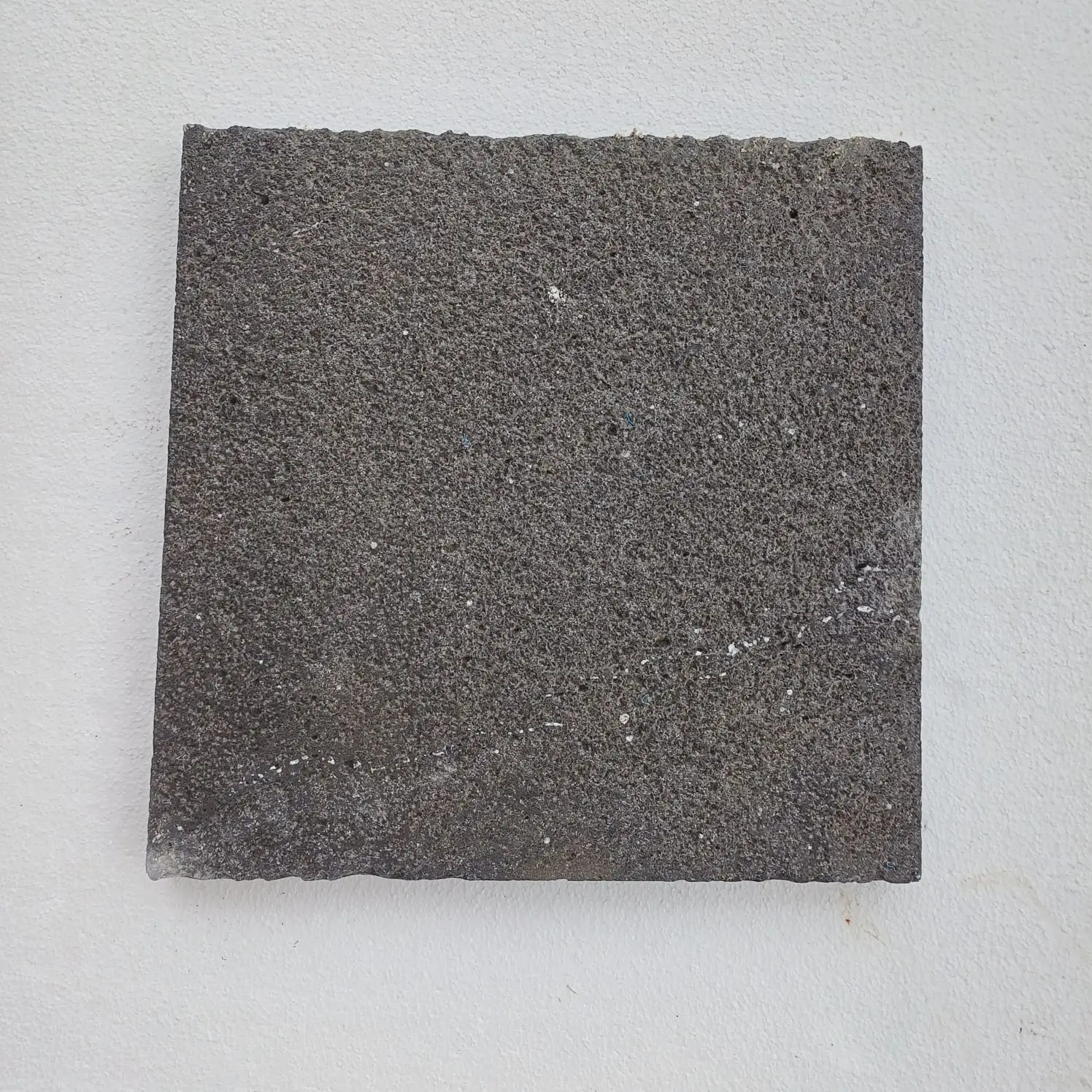
Base Preparation That Accounts for Slope and Drainage
On any Carefree site with more than a 3% grade, your compacted aggregate base needs to be engineered directionally — not just depthwise. The standard 4-inch compacted gravel base works fine on flat desert sites in Avondale, where the terrain is relatively level and drainage paths are predictable. On hillside or transitional terrain, you’ll want to step the base itself into the slope at a minimum 6-inch depth, with a geotextile fabric layer separating the native soil from your aggregate to prevent fine particle migration.
For defined outdoor areas where the border tile forms a grade transition between two patio levels, embed a concrete curb footer beneath your limestone border course. A 4-inch-wide by 6-inch-deep continuous footing tied to the base course prevents lateral movement under the kind of hydrostatic pressure that builds up during Arizona’s monsoon season. This detail adds material cost, but it’s the difference between a border that stays true after five monsoon seasons and one that starts shifting after the second.
- Compact your aggregate base in two lifts — a 4-inch lift compacted to 95% Proctor density, followed by a 2-inch bedding layer of coarse sand
- On slopes greater than 5%, install a perforated drain pipe at the uphill edge of the border, daylighting downslope at least 10 feet from the patio boundary
- Use a concrete footer beneath border tiles that sit at grade transitions or step-down locations
- Geotextile fabric between native soil and aggregate base is non-negotiable on rocky caliche terrain — it prevents bleed-through that undermines long-term stability
- Allow a minimum 72-hour cure on any footer concrete before setting border tiles, especially in the heat of an Arizona summer when surface evaporation accelerates shrinkage
Limestone Performance on Arizona Slopes
Field performance data on limestone patio tiles in Arizona consistently shows that the material’s density and compressive strength — typically 8,000 to 12,000 PSI depending on formation — make it well suited to the point load stress of sloped terrain. According to Natural Stone Institute limestone specifications, the material’s absorption rate and surface texture characteristics make it particularly appropriate for outdoor paving in climates with significant moisture cycling. What that technical profile means practically is that well-specified limestone holds up on grades without the surface delamination risk you’d see from a softer sedimentary material under freeze-thaw stress.
The finish selection matters considerably on sloped installations. Honed limestone with a natural cleft face provides adequate traction on grades up to about 8% without additional treatment. On anything steeper, you’ll want to specify a bushhammered or flamed finish that increases the coefficient of friction meaningfully. The Carefree area’s monsoon rain events create a brief but intense runoff scenario — smooth or polished limestone on a 10% slope becomes a serious slip hazard in those conditions, a detail that’s worth specifying clearly in any project documentation.
Border Tile Thickness and Sizing for Hillside Sites
Thickness selection for limestone tile edging Arizona projects on sloped terrain follows a different logic than standard flat-site specification. The conventional 3/4-inch to 1-inch nominal thickness works adequately for interior-zone patio tiles, but border tiles on a slope are handling lateral stress that field tiles don’t experience. Specify your border course at a minimum 1.5-inch nominal thickness — and on sites with grades above 8%, 2-inch stock is worth the additional material cost for the structural depth it provides at the edge.
Tile sizing for border courses on hillside installations should lean toward longer rectangular formats — 24 by 6 inches or 24 by 8 inches — which distribute load across a larger footprint and reduce the number of joints that can open under lateral movement. Shorter square border tiles tend to exhibit more independent unit displacement on sloped sites, because each tile has less mass resisting the downhill vector. The longer format locks together more effectively and maintains a cleaner visual line as the Carefree patio borders follow the grade contour.
- Minimum 1.5-inch thickness for all border course tiles on sites with any measurable grade
- 2-inch stock for borders at grade transition points, step edges, or slopes exceeding 8%
- Rectangular formats (24×6 or 24×8 inches) provide better load distribution than square formats on slopes
- Verify that your tile supplier’s warehouse stock includes consistent thickness tolerance — variation beyond ±1/8 inch creates leveling problems on sloped bases
- Longer tiles require closer attention to joint alignment as the course follows grade — plan layout lines carefully before beginning installation
Drainage Geometry and Joint Design
The joint strategy for limestone patio tiles border Carefree installations isn’t just an aesthetic decision — on sloped terrain, joint design directly controls how surface water is channeled off the patio. For Arizona decorative frames and defined outdoor areas, the joint width and fill material determine whether water exits cleanly across the surface or finds its way beneath the tile bed. On flat sites, this is a minor consideration. On a hillside site with 8 to 12 percent grade across parts of the patio, it’s a primary engineering variable.
Specify 3/16-inch to 1/4-inch joints filled with a polymer-modified sanded grout rated for exterior application. The polymer content resists the UV degradation and thermal expansion cycling that causes standard grout to crack and open. Open joints — the design-forward look that many homeowners request — are manageable on flat patios but problematic on slopes because they channel concentrated runoff beneath tile edges rather than across the surface. If your client insists on an open joint aesthetic, plan a robust subsurface drainage layer that prevents the channeling from undermining the base.
According to Britannica’s limestone formation data, the mineral structure of limestone includes calcium carbonate crystalline forms that respond well to pH-stable grout compounds — an important specification note, since acidic additives in low-quality grouts can etch the tile edges over time and widen joint gaps in ways that accelerate drainage problems on sloped sites. For projects requiring deeper grout specification guidance, limestone patio tiles grout selection is a topic worth addressing separately for Arizona sites where climate cycling stresses joint fill materials aggressively.
Border Layout Approaches for Carefree’s Terrain
The visual geometry of your border needs to reconcile with the site’s natural grade transitions, and that reconciliation is worth planning carefully before any material leaves the warehouse. In Carefree’s boulder-punctuated landscape, a perfectly straight border line often looks forced and out of character. Curvilinear borders that follow the natural grade contour integrate more successfully — and they’re also structurally more sound on hillside sites because they avoid the stress concentration that occurs at sharp corners when the ground moves seasonally.
For projects where the border defines multiple patio levels — a common condition in Carefree’s hillside residential developments — use a step-down border detail rather than a sloped continuous course. Each horizontal level maintains a true plane, with the limestone border tile forming the riser face between levels. This detail looks clean, drains predictably, and eliminates the lateral creep problem that comes with trying to maintain a continuous sloped border across significant grade changes. For design inspiration on how similar limestone border and field tile combinations can create defined outdoor areas with strong visual presence, outdoor entertaining limestone patio tiles in Lake Havasu demonstrates one approach to laying out limestone in complex Arizona outdoor environments.
Sealing Protocols and Long-Term Performance on Sloped Sites
Sealing decisions for limestone patio tiles on sloped Carefree terrain require you to consider both surface protection and joint integrity simultaneously. A penetrating impregnator sealer — silane-siloxane based at a minimum 10% active ingredient concentration — provides the moisture resistance limestone needs without creating a surface film that could trap water migrating from beneath on a sloped base. Apply the first sealer coat within 30 days of installation, before the tile surface has accumulated the airborne dust and iron oxide staining that’s common in the Sonoran Desert environment.
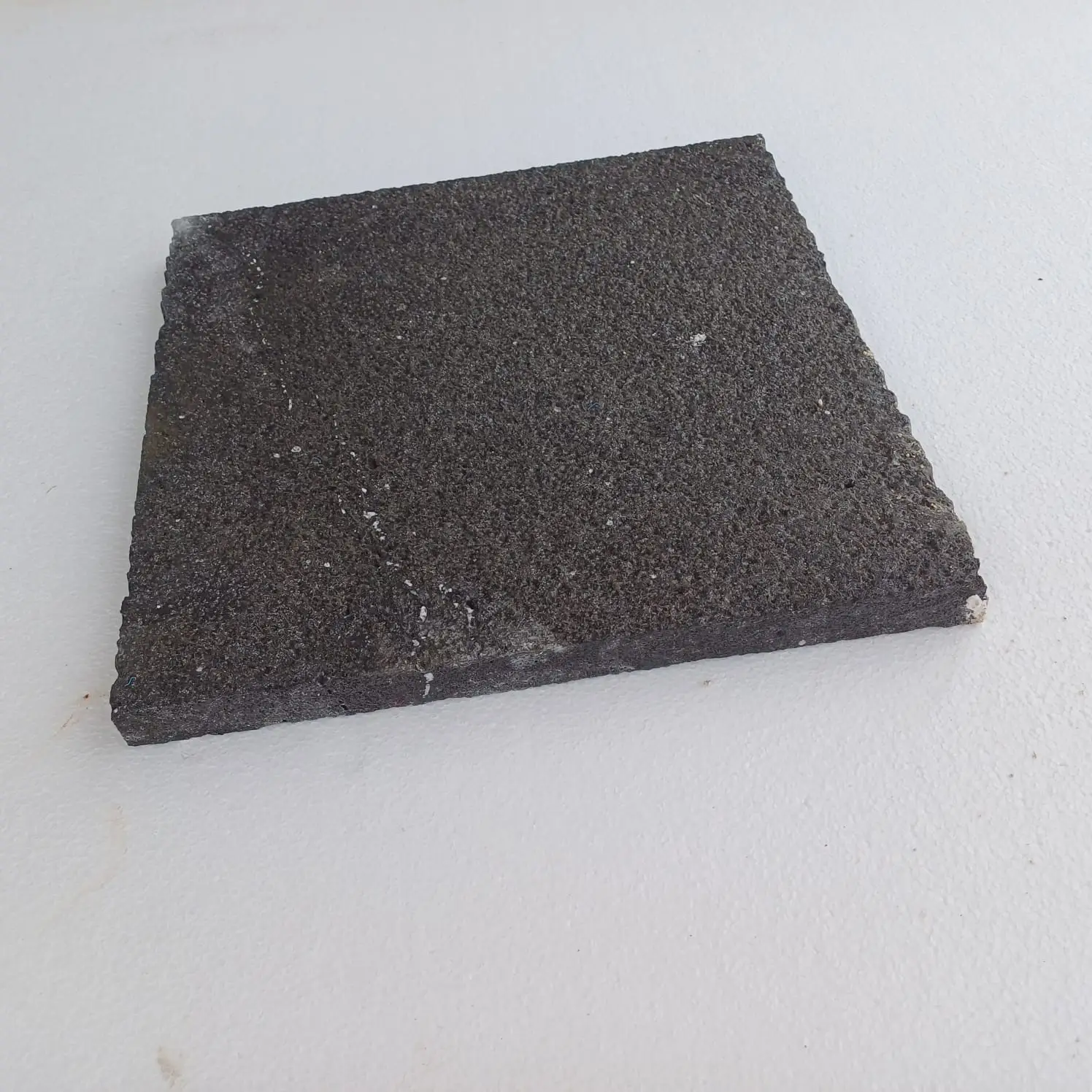
Resealing intervals for exterior limestone in Arizona’s climate zone should be set on a biennial schedule rather than the triennial schedule often cited in generic maintenance documentation. The combination of UV intensity, monsoon moisture cycling, and thermal expansion in the Carefree area accelerates sealer depletion meaningfully. A simple water-bead test — pour 2 ounces of water on the tile surface, and if it absorbs within 60 seconds, the sealer has failed — gives you a field-accurate resealing trigger without guesswork. In Yuma, where UV intensity is even more extreme and monsoon moisture arrives more sporadically, sealer depletion can occur within 14 to 18 months on south-facing exposures, which is worth noting if you’re specifying this material across multiple Arizona climate zones.
- Use penetrating silane-siloxane impregnator at minimum 10% active ingredient concentration
- Apply within 30 days of installation, before surface contamination accumulates
- Reseal on a biennial schedule for Arizona exterior applications, or when the water-bead test shows absorption under 60 seconds
- On sloped surfaces, apply sealer in two passes — one horizontal pass and one following the grade direction — to ensure even penetration at joints
- Avoid film-forming topical sealers on sloped installations — they trap subsurface moisture migration and can delaminate under hydrostatic pressure
Ordering, Logistics, and Planning for Carefree Site Conditions
Delivery logistics for hillside sites in Carefree deserve attention during the planning phase, not after materials have been ordered. Many residential sites in the Carefree area have restricted truck access — narrow driveways, tight turning radii around boulder features, and grade limitations that make a standard flatbed delivery challenging. Verify your site’s truck access constraints and share them with your supplier before finalizing delivery scheduling. A boom truck or smaller delivery vehicle may be required, which affects both lead time and cost.
At Citadel Stone, we maintain Arizona warehouse inventory that allows for flexible delivery scheduling and the kind of order staging that hillside projects often require — phased deliveries matched to installation progress rather than one large drop that creates material storage problems on a constrained site. For limestone patio tiles border Carefree projects specifically, staging border course material separately from field tiles simplifies on-site logistics and ensures the thicker border stock doesn’t get mixed into the field tile installation. San Tan Valley contractors working on comparative flat-terrain projects will recognize the difference in planning complexity that a Carefree hillside site introduces — the logistics planning required for sloped sites is genuinely more involved and benefits from a supplier who understands Arizona site conditions across the spectrum.
The USGS limestone composition and applications data provides useful context on dimensional consistency standards for limestone production — relevant when you’re coordinating multi-phase deliveries and need to confirm that successive material batches will match the first installation phase in thickness and finish tolerances. Specifying a maximum color and thickness variation range in your purchase order protects the visual continuity of the installed border when material arrives in separate truck deliveries across a multi-week installation schedule.
Specifying Limestone Patio Tiles Border Carefree Projects Correctly
Your specification for limestone patio tiles border Carefree terrain should start with a site survey that maps grade, drainage paths, and truck access constraints before any product selection happens. The material selection — limestone thickness, finish, format, and joint strategy — follows directly from what the terrain demands, not the other way around. Projects that reverse this sequence, choosing a tile format first and trying to adapt the base design to fit, consistently produce installations that show stress within the first few years of Arizona service.
For projects in the Avondale area where terrain is considerably flatter, the base preparation and border sizing specifications covered here can be simplified — but the joint design and sealing protocols apply equally regardless of site grade. The limestone itself performs consistently across Arizona’s varied terrain zones; it’s the supporting system beneath and around the tile that needs to match the specific site conditions your project presents. Your specification documentation should call out the terrain-specific details explicitly — grade, drainage strategy, footer requirements, and finish selection — so that field crews have the engineering intent captured in writing, not just in verbal direction. As you develop the broader project package, understanding grout selection for limestone patio tiles will round out the specification with the joint fill detail that terrain-challenged installations depend on most. Citadel Stone provides rectified edges on limestone outdoor tiles in Arizona for tight grout joints.