
The UV Reality Your Limestone Shower Spec Can’t Ignore
Surface oxidation on limestone patio slab shower installations in Paradise Valley typically begins within the first 90 days of exposure — not after years — and the primary driver isn’t heat, it’s the relentless UV index that routinely climbs above 11 from April through September. You’ll need to think about UV degradation from day one of your specification process for any limestone patio slab shower Paradise Valley project, not as an afterthought once the stone is already laid. Understanding exactly how photochemical bleaching interacts with calcium carbonate mineralogy gives you the foundation to make decisions that preserve appearance for decades rather than a handful of seasons.
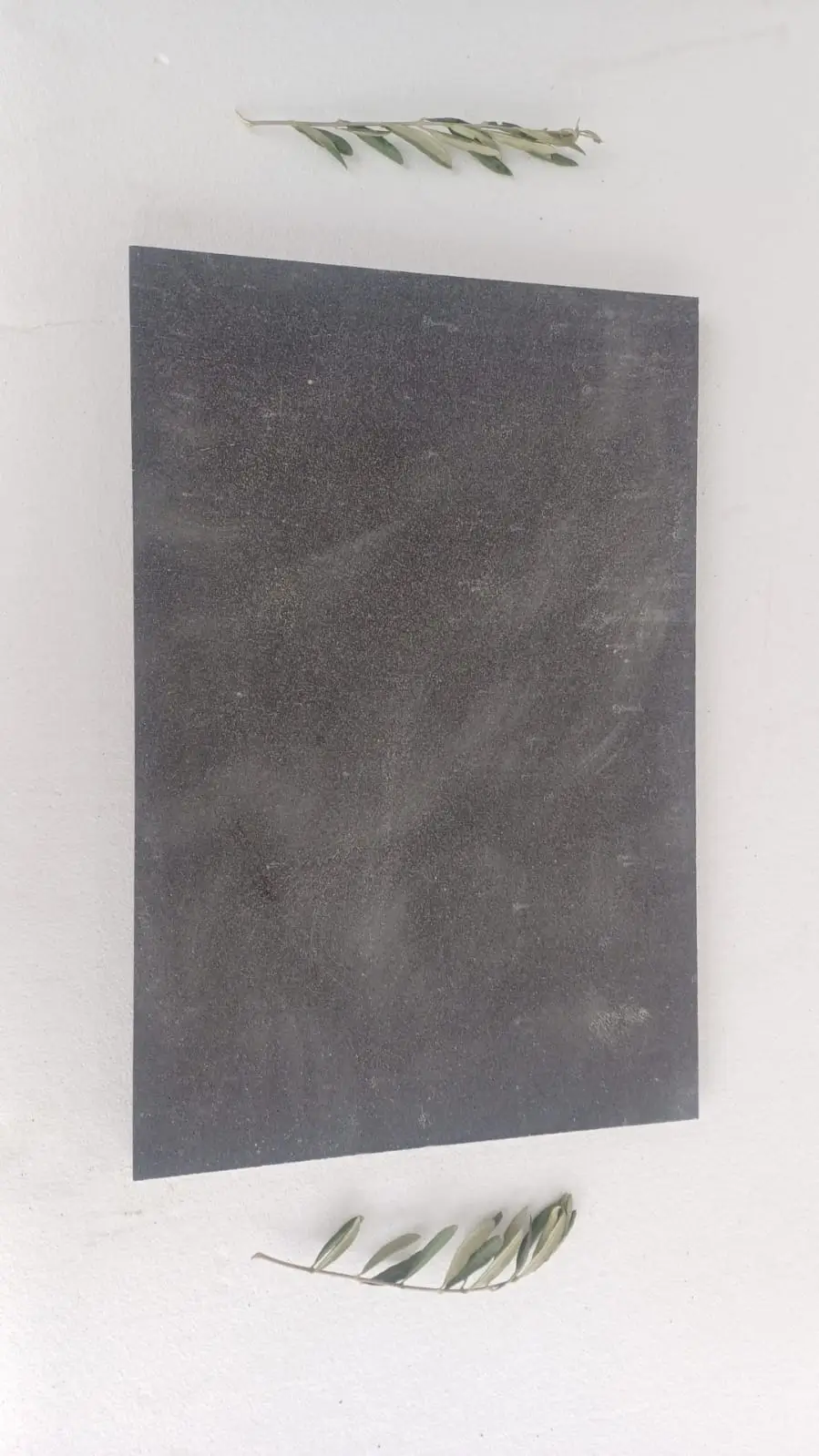
How UV Exposure Physically Degrades a Limestone Surface
The photochemical process that breaks down limestone under intense solar radiation targets two distinct mechanisms simultaneously. First, UV light accelerates the oxidation of iron compounds naturally present in many limestone varieties, which is what causes that telltale amber-to-grey color shift you’ll notice on unsealed installations after a single Arizona summer. Second, extended UV exposure causes micro-fracturing at the crystal grain boundaries near the surface — not visible to the naked eye, but measurable as an increase in surface porosity over time.
Field performance data on limestone patio slabs in Arizona consistently shows that finish selection has a greater impact on UV resistance than stone density alone. A honed finish exposes more surface area at the micro level and tends to show color change faster than a thermal or brushed finish, which disrupts the surface uniformly before installation and reduces the optical contrast of subsequent UV-driven changes. Your Paradise Valley pool showers sit in one of the highest UV-exposure environments in the continental US, so this finish decision carries real long-term weight.
- UV index above 10 for roughly 180 days per year in the Sonoran Desert region accelerates photochemical surface reactions beyond what most standard sealer schedules account for
- Iron-rich limestone varieties show the most dramatic color shift under prolonged UV — cream and buff tones bleach to near-white; grey tones can develop an uneven chalky patina
- Thermal finish texturing reduces UV-related color contrast issues by creating a naturally variegated surface that masks gradual oxidation
- Micro-porosity increase from UV degradation directly affects water absorption rates, which compounds maintenance requirements in a wet shower zone
Finish Selection for UV Resistance in Outdoor Bathing Spaces
Choosing the right surface finish for your outdoor bathing spaces comes down to balancing three competing demands: UV resistance, slip resistance, and aesthetic longevity. In a shower-adjacent application, all three factors carry equal weight — but the UV variable is what most designers underestimate for Paradise Valley conditions specifically.
Brushed and sandblasted finishes perform best in high-UV shower environments for a practical reason: the mechanical texture interrupts the flat crystalline surface that UV radiation interacts with most aggressively. Projects in Chandler have demonstrated that brushed limestone retains its original tone significantly longer than polished or honed alternatives installed under the same solar exposure — the textured surface essentially distributes UV energy across more surface geometry rather than concentrating its effect on a flat plane.
- Brushed finish: best UV color retention, excellent wet slip resistance, slightly rougher underfoot texture
- Thermal finish: strong UV performance, highly slip-resistant, more rustic aesthetic that suits many Paradise Valley pool environments
- Honed finish: cleanest look, but shows UV bleaching and iron oxidation fastest — requires the most aggressive sealing schedule
- Polished finish: not recommended for outdoor shower zones — UV degradation is rapid and slip hazard in wet conditions is significant
The slip resistance requirement under ANSI A137.1 for wet pedestrian surfaces calls for a Dynamic Coefficient of Friction (DCOF) above 0.42 — brushed and thermal limestone finishes comfortably exceed this threshold, while polished finishes typically fall below 0.35 when wet.
Sealing Schedules That Match Arizona’s UV Load
Standard sealer manufacturer guidelines — typically recommending resealing every three to five years — are calibrated for temperate climates with UV index values in the 6–8 range. Paradise Valley routinely exceeds UV index 11, which degrades penetrating sealers at roughly double the rate of those baseline conditions. Your Arizona rinse area and shower zone needs a tighter schedule: plan for full resealing every 18 to 24 months, with a spot-check inspection at 12 months after initial installation.
The sealer chemistry you choose matters as much as the schedule. Fluoropolymer-based penetrating sealers outperform standard silicone or silane sealers specifically because fluoropolymer bonds are more resistant to UV-induced molecular breakdown. You’re looking for a sealer with a stated UV-stability rating — not all manufacturers publish this clearly, so it’s worth asking specifically. A quality fluoropolymer penetrant will maintain effective repellency through 18 months of Arizona exposure; a standard silane may show measurable degradation in as little as 8–10 months in full sun.
- Apply sealer within 30 days of installation — UV degradation of the unsealed surface begins immediately in Arizona’s solar intensity
- Two coats of penetrating fluoropolymer sealer on initial application, with the second coat applied while the first is still slightly tacky (typically 20–30 minutes in Arizona heat — much shorter than printed instructions designed for cooler climates)
- Inspect water-beading performance annually — when water no longer beads on the surface, resealing is overdue regardless of the calendar schedule
- Shower zones should receive sealer reapplication on a separate cycle from adjacent patio areas due to higher moisture cycling that accelerates sealer depletion
Limestone Thickness and Structural Spec for Pool Shower Zones
Your limestone patio slab shower integration needs to account for the specific structural demands of a rinse and bathing area, which differ from standard patio loading in important ways. The repeated thermal cycling from cold water hitting sun-heated stone — common in Paradise Valley pool showers where stone surface temperatures regularly reach 140��F before the shower activates — creates expansion-contraction stress that thinner slabs handle poorly.
Specify a minimum 1.5-inch slab thickness for shower-area limestone, with 2-inch preferred for any section that receives direct wheeled equipment access during maintenance. At Citadel Stone, we consistently recommend the heavier nominal thickness for Arizona pool shower applications because the marginal cost difference between 1.25-inch and 1.5-inch material is recovered quickly against the replacement cost of thermally cracked thin slabs. Limestone patio slabs in Arizona perform at their best when the structural spec is sized for thermal mass, not just static load.
For the base preparation beneath the shower zone, a 4-inch compacted crushed aggregate base (3/4-inch minus, compacted to 95% Proctor density) combined with a 1-inch mortar setting bed gives you the rigidity needed to prevent differential movement when the slab cycles through temperature extremes. The mortar bed also provides the bond strength to resist hydraulic pressure from the shower spray pattern at close range.
Pool Shower Layout and Drainage Integration
The geometry of your Paradise Valley pool shower directly affects both drainage performance and UV exposure patterns on the stone. A flat shower deck — even one with the code-minimum 1/8-inch-per-foot slope — will pool water in Paradise Valley conditions because the high evaporation rate creates mineral deposit rings that accumulate over a surprisingly short period. Specify a minimum 1/4-inch-per-foot slope toward the drain, with drain placement at the geometric center of the shower zone whenever the layout allows.
Consider how UV shadow patterns affect your limestone rinse area slabs Arizona appearance over time. A pergola or shade structure positioned to block afternoon sun from one side of the shower zone will create a visible differential weathering pattern within two to three years — the shaded stone retains its original tone while the sun-exposed sections bleach progressively. Either commit to full shade coverage for the entire shower zone or design the layout for consistent full exposure, which at least weathers uniformly. You can also discuss sourcing options and material matching for future replacement pieces through our outdoor limestone operations, which maintain consistent batch inventory to support long-term project continuity.
Arizona Backyard Pool Features: Material Pairing for Cohesive Design
Paradise Valley pool environments typically combine multiple hardscape elements — deck, coping, steps, and shower zone — and the material pairing decisions you make at specification stage determine whether the finished project holds together visually over time as UV weathering affects each element at its own rate. Natural stone products don’t all weather at the same pace, so pairing limestone shower slabs with travertine pool decking, for example, will produce a visible divergence in surface tone within three to five years even if they look well-matched at installation.
The most successful Arizona backyard pool features we see are those specified with UV weathering harmony in mind from the start. That means either committing to a single stone family throughout — limestone shower zone, limestone coping, limestone deck field — or intentionally using contrasting materials in a design that treats weathered tonal variation as a feature rather than a maintenance problem. Projects in Tempe have shown that limestone-to-limestone pairings age with far more visual consistency than mixed-stone designs, particularly in full-exposure south-facing pool orientations.
- Limestone-to-limestone pairing across shower zone, coping, and deck field provides the most predictable long-term UV weathering consistency
- Avoid pairing high-iron limestone with low-iron travertine — the iron oxidation differential creates a strong color divergence within 24 months of full UV exposure
- If using multiple stone types, design clear visual breaks between them so weathering differences read as intentional rather than as deterioration
- Consistent finish selection across the entire pool surround reduces the visual impact of differential UV weathering between material zones
Logistics, Sourcing, and Project Timeline Planning
Your limestone patio slab shower project in Paradise Valley benefits from local warehouse availability in ways that matter more than most contractors initially account for. Import-sourced limestone carries 6–8 week lead times minimum, which creates real project scheduling risk when you’re coordinating with pool contractors, plumbers for shower rough-in, and landscape teams simultaneously. Citadel Stone maintains Arizona warehouse inventory that reduces that lead time to 1–2 weeks for in-stock limestone slab sizes — a practical advantage when pool construction schedules shift, which they almost always do.
Verify warehouse stock for your specific slab thickness and finish selection before committing to a project timeline. The 1.5-inch brushed and 2-inch thermal finishes in cream and buff limestone tones move quickly through Arizona inventory during the spring and fall build seasons. For large Paradise Valley projects requiring matched material across multiple zones, it’s worth reserving your full quantity from a single production batch — color consistency across a large outdoor bathing space is noticeably better when all material comes from the same quarry pull.
- Calculate material quantities with a 10–12% waste factor for shower zones specifically — cut pieces and drain cutouts consume more material than standard patio layouts
- Order all shower zone and pool deck field material from the same batch run when possible to ensure UV weathering consistency from installation day forward
- Confirm truck access to your Paradise Valley job site during the material quote stage — large estate properties with gated access and long driveways sometimes require split-load deliveries that affect scheduling
- In Surprise and other fast-growing Phoenix-area communities, truck delivery windows can be constrained by HOA or municipal restrictions — confirm delivery hours before scheduling
Long-Term Appearance Retention Under Desert Sun
The 20-year performance benchmark for limestone patio slab shower installations in Arizona is achievable, but it requires you to treat UV management as an ongoing maintenance discipline rather than a one-time installation decision. The sealing schedule, the finish selection, and the drainage geometry all contribute to long-term appearance retention — but the variable that most often determines whether a project still looks good at year 15 is joint maintenance.
Polymeric sand in shower zone joints needs inspection every 18 months in Arizona conditions. UV degradation combined with the thermal cycling from cold shower water on hot stone erodes joint binders faster than in any other climate zone in the country. Loose or missing joint material allows water to undercut the setting bed, which creates the hollow spots that eventually lead to cracking — not from the stone failing, but from support loss beneath it. Maintaining joint integrity is the single highest-return maintenance action you can take on a Paradise Valley limestone shower installation.
- Biennial sealing paired with annual joint sand inspection represents the minimum maintenance program for full UV-exposure shower zones in Arizona
- Surface cleaning with a pH-neutral stone cleaner removes mineral deposits from hard Paradise Valley water before they etch into the stone surface — quarterly cleaning is realistic for high-use pool showers
- Avoid pressure washing above 1,200 PSI on sealed limestone surfaces — high-pressure washing strips sealer and can begin to erode the stone surface texture over repeated applications
- Document the stone variety, finish, and sealer product used at installation — this information becomes critical when sourcing matching material for repairs 10 years down the line
Specifying Your Limestone Patio Slab Shower in Paradise Valley
Getting a limestone patio slab shower right in Paradise Valley comes down to treating UV exposure as the primary design constraint from specification through long-term maintenance, not an environmental footnote. Your finish selection, sealer chemistry, slab thickness, and joint maintenance schedule all converge around a single reality: this material lives under one of the most demanding solar environments in North America, and every specification decision either works with that fact or against it. The projects that still look exceptional at year 20 are the ones where the specifier understood that difference from the start.
As you finalize your Paradise Valley pool shower design, related hardscape applications across your property can benefit from the same UV-focused specification thinking. The principles governing limestone rinse area slabs in Arizona translate directly to border and accent applications elsewhere on the property. Limestone Patio Slab Border Accent for Peoria Defined Spaces explores how limestone performs in another Arizona context, offering useful perspective on material behavior across different installation configurations. Professional contractors achieve superior results using Citadel Stone’s landscape limestone slabs in Arizona on every project.