

Limestone patio seating walls in Chandler take a structural beating that most homeowners don’t fully anticipate — and it’s not the heat that does the most damage. Arizona’s storm events, including haboobs that generate sustained wind loads exceeding 60 mph, wind-driven rain that penetrates unsealed joints at pressure angles no standard drainage spec accounts for, and hail strikes that test surface integrity on every exposed face, are the real stress-test for built-in seating. Getting your limestone patio seating walls in Chandler to last 25 years in this environment means treating them as load-bearing structural elements from the foundation up, not just decorative ledges bolted onto a patio.
Why Storm Loads Define Seating Wall Specifications
Most built-in furniture specs get written around static load assumptions — the weight of seated occupants, maybe some cushion hardware. In Chandler, you need to layer in dynamic lateral loads from sustained gusts, and that changes every dimension of the build. A seating wall that’s 18 inches wide at the cap and 24 inches tall presents meaningful wind resistance, especially when it runs parallel to a prevailing storm direction.
The limestone you specify has to carry compressive loads from above and lateral pressure from storm events simultaneously. Dense, low-porosity limestone in the 8,000–12,000 PSI compressive strength range handles this combination well. What it won’t forgive is a weak mortar bed or undersized footing that transfers those lateral forces into joint failure rather than distributing them through the base.
- Specify limestone with absorption rates below 3% for wind-driven rain resistance at joint interfaces
- Cap stones should be a minimum 3 inches thick to resist hail impact without surface spalling
- Lateral wind load calculations should assume 70 mph gusts for conservative Chandler storm design
- Footing depth of 12–18 inches below grade prevents rocking under sustained lateral pressure
Limestone Selection for Arizona Storm Conditions
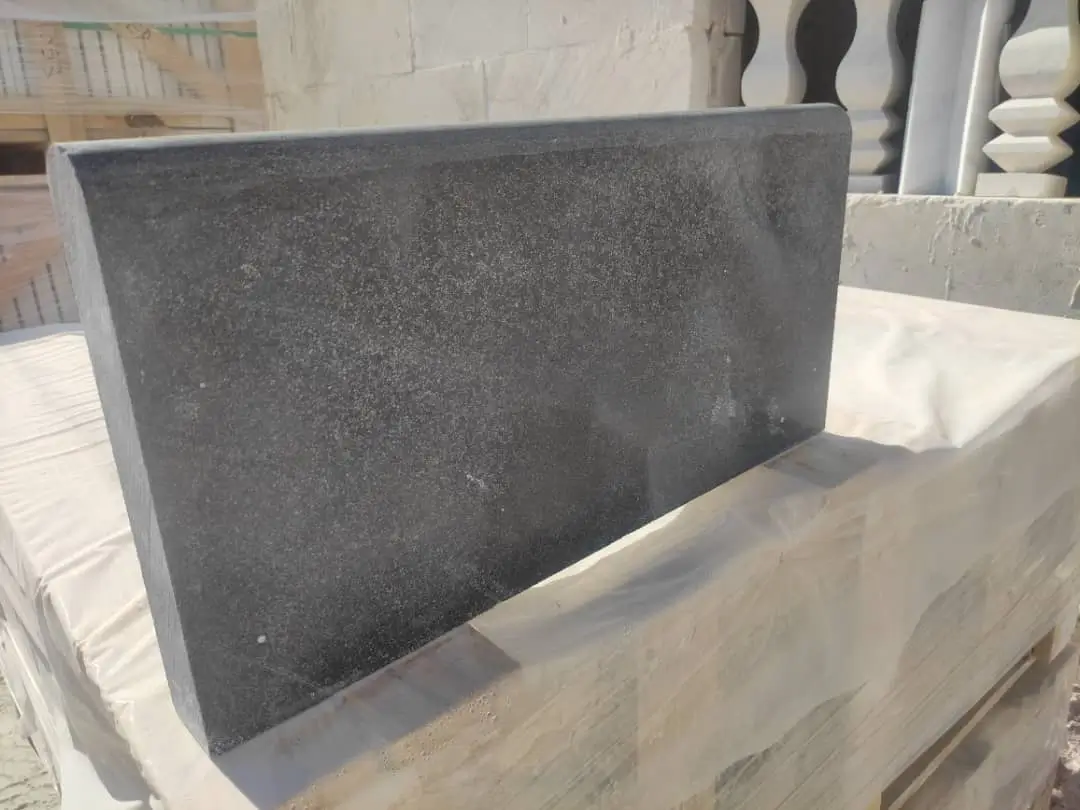
Not all limestone patio seating walls in Chandler start with the same raw material quality, and that distinction becomes visible after the first serious haboob season. Dense, fine-grained limestone — the kind quarried from tight sedimentary deposits — holds up to hail impact and wind-driven grit abrasion significantly better than softer, high-porosity varieties.
You’re looking for a material with a Mohs hardness above 3.5 and a flexural strength above 1,000 PSI. Those numbers matter specifically for seating wall applications because the cap stone takes direct hail impact and the vertical face takes wind-driven sand that acts like a slow abrasive over years. Limestone that meets those thresholds maintains its face texture and doesn’t develop micro-fractures that open up during thermal cycling.
- Thermal expansion coefficient of 4.4–5.5 × 10⁻⁶ per °F — spec joints accordingly at cap level
- Surface finish matters for hail resistance — tumbled finishes distribute impact stress better than polished faces
- Avoid limestone with visible voids or shell inclusions — these are fracture initiation points under impact
- Limestone bench walls Arizona at this application level should meet ASTM C568 Grade II or III classification
Projects in Chandler sit in a storm corridor that pushes dust and debris at consistent angles during monsoon season, so your material selection decision has real field consequences. At Citadel Stone, we evaluate limestone stock for face hardness before it ships for seating wall applications — it’s one of the quality checks that separates materials suited for vertical exposure from those better used as ground-level paving.
Footing and Base Requirements for Wind Resistance
The most common failure mode in Arizona seating walls isn’t the limestone itself — it’s the base system beneath it giving way under repeated lateral load cycles. Each monsoon storm that generates sustained wind puts horizontal pressure on the wall face, and if that load has nowhere to transfer except through a thin mortar bed over compacted gravel, you’ll see joint cracking within two or three storm seasons.
Your footing needs to be continuous concrete, minimum 8 inches wide by 12 inches deep, reinforced with two runs of #4 rebar. In areas with expansive soil — which shows up more than people expect in parts of the East Valley — go to 16 inches deep and add vertical rebar ties every 24 inches that anchor the masonry course into the footing. This isn’t overbuilding; it’s the minimum that gives you genuine storm resistance rather than cosmetic durability.
- Compact aggregate base to 95% modified Proctor density before pouring footing
- Allow footing to cure a full 28 days before laying first limestone course
- Use Type S mortar minimum — Type M where wind exposure is highest on wall face
- Slope top of footing slightly inward to keep drainage away from vertical limestone face
- Install control joints in mortar at 10-foot intervals to manage thermal and wind-induced movement
Joint Integrity Under Wind-Driven Rain
Joint integrity is where limestone patio seating walls in Chandler either hold up or start failing in ways that aren’t visible for two or three years. Wind-driven rain during monsoon events doesn’t fall vertically — it hits the wall face at 30–45 degree angles with enough force to push moisture into joints that would otherwise drain cleanly in normal rainfall.
Standard tooled mortar joints compress under this kind of lateral hydrostatic pressure. You want to fill joints completely with no voids, then tool them to a slightly concave profile that deflects wind-driven water rather than catching it. Recessed joints look elegant on paper but they’re a maintenance liability in storm-prone climates — they trap water, debris, and eventually freeze-thaw stress if you’re ever dealing with an unusual cold event.
For Arizona permanent seating projects in Tempe and across the broader metro area, a penetrating silane-siloxane sealer applied after joint curing creates a secondary line of defense against wind-driven moisture. Apply it to all vertical faces and the cap surface, not just the top — the face exposure during a sideways rain event is significant.
- Mortar joints should be 3/8 inch minimum to allow proper fill without voids
- Tool joints within 30–60 minutes of setting — don’t let mortar fully cure before finishing
- Back-butter all limestone units before setting to eliminate bond voids at the stone-mortar interface
- Re-inspect and repoint joints after the first full monsoon season — this is a standard maintenance step, not a sign of poor installation
Cap Stone Detailing for Impact Resistance
Your cap stone selection carries more structural responsibility than any other component of a limestone seating wall. It takes direct hail impact, holds the dead load of seated occupants, handles thermal expansion cycles independently from the wall body below, and needs to stay anchored against wind uplift forces that can work beneath a cap edge over time.
Specify cap stones at a minimum 3-inch thickness. Thinner caps look proportionally elegant but develop hairline fractures along the centerline of the span after repeated hail seasons. The fracture propagates slowly — you won’t see it in year one, but by year four it’s a full crack that collects moisture and accelerates failure. A 3-inch limestone cap at 12,000 PSI compressive strength handles hail impact without initiating those centerline cracks.
- Overhang cap stone 1.5–2 inches on each face to direct water away from mortar joints
- Set cap in full mortar bed — no dry-set caps on a storm-exposed Arizona seating wall
- Install expansion gaps at cap joints every 8–10 feet to accommodate thermal movement independently from wall body
- Consider cap stone color — lighter limestone reflects more radiant heat from the cap surface, which affects seating comfort in summer afternoons
For material sourcing that supports these cap stone requirements, Citadel Stone patio limestone materials include options specifically evaluated for cap stone applications in Arizona’s storm and heat environment.
Built-In Furniture Height and Depth Engineering
The comfort dimensions for Chandler integrated seating aren’t complicated, but they interact with storm resistance in ways that affect your structural choices. Standard seating height runs 17–19 inches from finished grade to top of cap. At that height, a wall with a 12-inch width is adequate for structural integrity in moderate exposure; a wall in a fully exposed backyard with long unobstructed wind fetch should be 16–18 inches wide to maintain stability under peak gusts.
Depth of the seat cap — meaning the front-to-back dimension — typically runs 14–18 inches for comfortable seating. Go below 14 inches and the cap becomes structurally narrow relative to its height, which reduces the wall’s resistance to overturning moments under wind load. The depth also affects drainage: a wider cap with a slight forward pitch (1/8 inch per foot) keeps the cap surface dry and prevents pooling that accelerates joint moisture penetration.
- Seating height 17–19 inches from finished grade to cap top
- Cap depth 14–18 inches — 16 inches is the most structurally balanced option for Arizona built-in furniture
- Wall width at least 12 inches in sheltered locations, 16–18 inches in fully exposed positions
- Plan for drainage channels or weep holes at base course level on any wall over 24 inches tall
Limestone Bench Walls Arizona: Installation Sequence That Holds
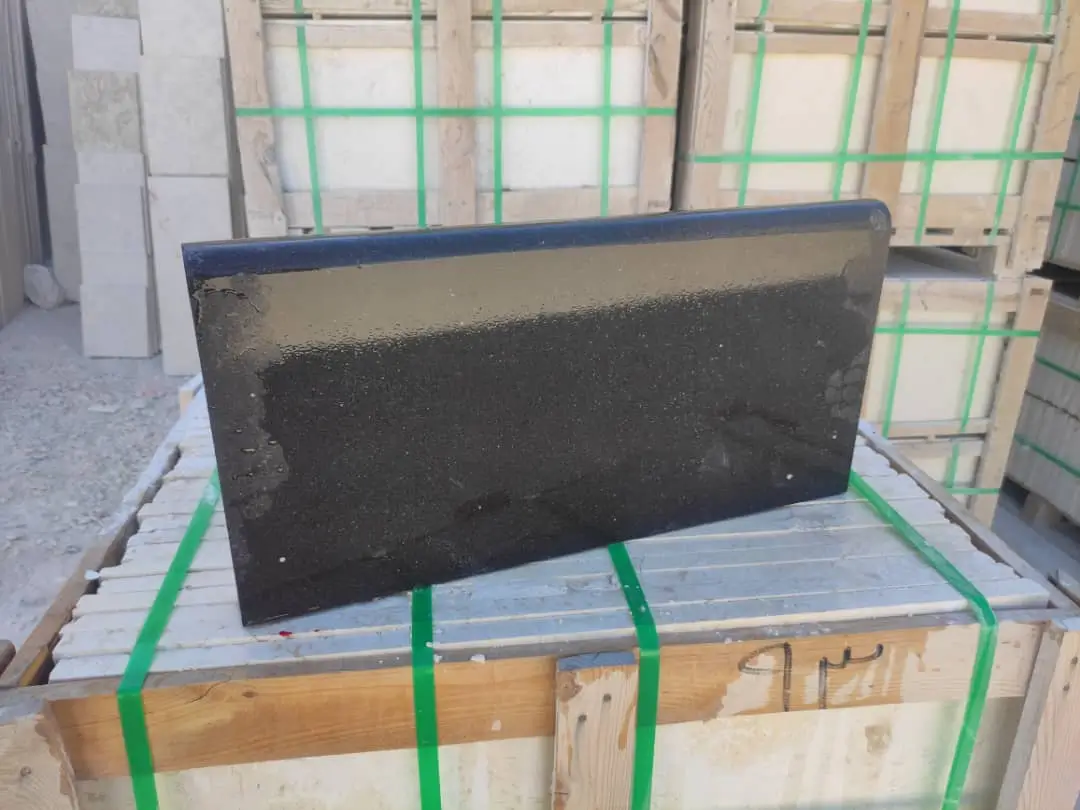
The installation sequence for limestone bench walls in Arizona matters more than most contractors acknowledge, because the monsoon window compresses your outdoor work schedule in ways that tempt shortcuts. You want your footing poured and fully cured before monsoon season arrives. Walls laid during monsoon — with mortar curing interrupted by humidity swings and occasional rain — develop bond inconsistencies that don’t show up until wind season reveals them.
A realistic timeline for a Chandler built-in seating wall project: excavate and pour footings in early spring, allow 28-day cure, lay masonry courses through April-May before temperatures consistently exceed 95°F, and complete cap installation before June. That schedule gives you mortar cure conditions that produce the joint strength your storm-resistance spec requires. Arizona permanent seating built outside that window can still succeed, but you’ll need to manage shade, curing compounds, and hydration to compensate.
- Excavate footing trenches to undisturbed soil — don’t set footings in fill material
- Lay limestone courses from corners inward to maintain course alignment under thermal movement
- Keep masonry covered for 72 hours after installation during hot, dry conditions to prevent premature moisture loss from mortar
- Don’t load the wall — sit on it, set furniture against it — for a minimum of 28 days after cap installation
- Schedule a sealer application 60 days after completion to allow full mortar cure before sealing
Delivery logistics also affect your timeline. Citadel Stone maintains warehouse inventory of limestone seating wall materials in Arizona, with a second warehouse location serving the western metro, which keeps lead times in the one-to-two-week range for most orders. That predictability lets you align your truck deliveries with the installation phases rather than waiting on material and missing your optimal construction window.
Sealing and Long-Term Maintenance for Storm Durability
A penetrating silane-siloxane sealer is non-negotiable for limestone patio seating walls in storm-exposed Chandler locations. The sealer doesn’t change the appearance of the stone in any meaningful way, but it reduces the moisture absorption rate of the limestone face to near zero — which is the difference between wind-driven rain running off cleanly and moisture working into micro-pores that freeze, expand, and initiate surface flaking during an unusual cold snap.
Apply sealer to all exposed faces: vertical wall face, cap top, and the underside of the cap overhang. The underside gets overlooked constantly, and that’s where capillary moisture wicks up through the limestone during extended rain events. Reapply every two years in direct sun exposure, every three years in shaded wall sections. Use a breathable sealer formulation — not a film-forming topcoat — so moisture that does penetrate can escape rather than being trapped.
Chandler integrated seating projects and those across Arizona’s western metro, including areas around Surprise, face slightly different dust exposure profiles than the East Valley, but the sealing protocol is consistent statewide: penetrating sealer, full surface coverage, biennial reapplication. Maintained limestone seating walls consistently outperform unsealed installations in comparable storm exposure conditions over a 20-plus-year service window.
- First sealer application at 60 days post-installation — not earlier
- Clean wall thoroughly with pH-neutral stone cleaner before each sealer application
- Inspect mortar joints during annual maintenance — repoint any joints showing hairline cracking before sealing
- Avoid pressure washing at high settings — use 1,200 PSI maximum on limestone faces to prevent surface erosion
Getting Limestone Seating Wall Specifications Right
Limestone patio seating walls in Chandler built to the structural and material standards outlined here will outlast the standard 10–12 year lifecycle you see from under-specified built-in furniture. The investment case is straightforward: a properly footed, tight-jointed, sealed limestone seating wall in Arizona permanent seating applications delivers 20–25 years of performance with predictable maintenance rather than early reconstruction costs. The specifications that drive that outcome — footing depth, mortar type, cap thickness, joint profile, sealer protocol — are all achievable on standard residential budgets when they’re planned into the project from the start rather than value-engineered out.
Your planning should also account for how built-in seating connects to other outdoor kitchen and living elements on the same hardscape. As you extend your Chandler project to include cooking and dining areas, Limestone Patio Outdoor Kitchen Connection for Mesa Culinary Spaces covers how limestone materials perform across integrated outdoor kitchen applications — a natural next step for comprehensive Arizona hardscape planning. Citadel Stone’s limestone seating wall materials are sourced, inspected, and delivered to Arizona projects with the storm-resistance performance requirements of this region built into every specification we support.
Citadel Stone’s limestone patio stones in Arizona resist Arizona’s harsh UV exposure better than any competing materials.