
UV radiation in Arizona doesn’t just fade patio furniture — it actively degrades the crystalline binder matrix in poorly specified stone, and limestone patio paver shade structure integration is your most effective tool for controlling that damage before it starts. The interaction between direct solar exposure and stone surface chemistry is more aggressive than most specifiers anticipate: peak UV index readings in the Queen Creek area regularly exceed 11, placing your limestone patio paver surface under conditions that accelerate oxidation and mineral bleaching on exposed faces. Understanding this dynamic from the material science level — not just the aesthetic level — is what separates installations that hold their character for 25 years from ones that look washed out by year seven.
Why UV Exposure Is the Real Threat to Limestone Patio Pavers
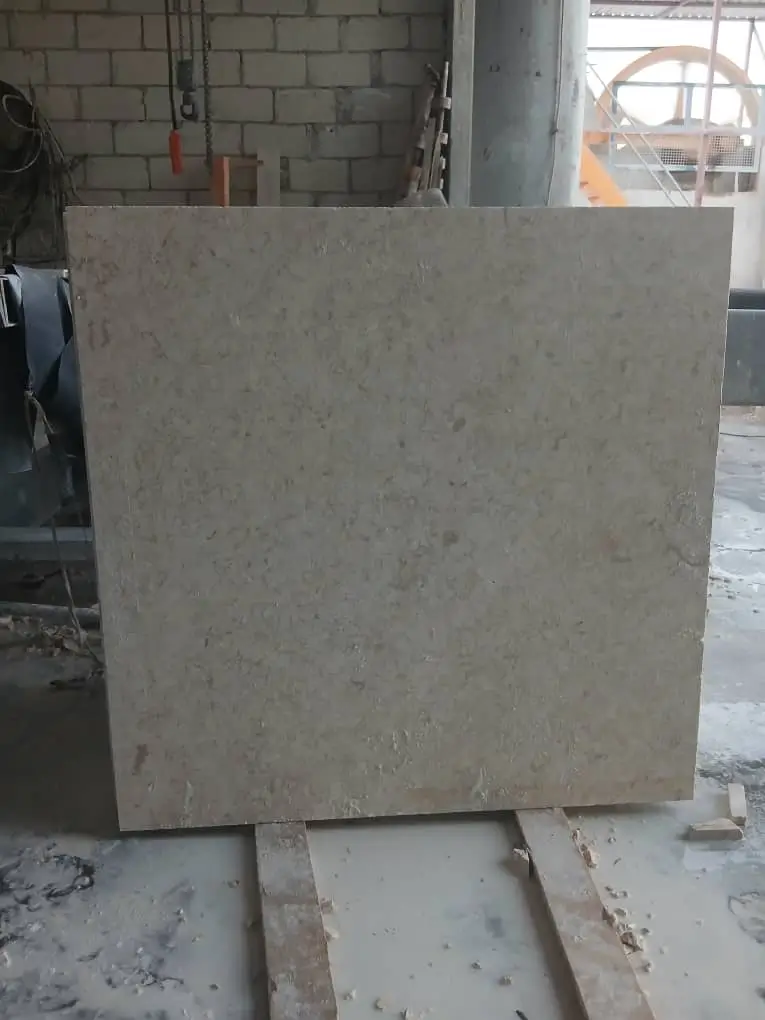
Limestone is a sedimentary material with a calcite-dominant composition that responds to prolonged UV and infrared bombardment in ways concrete simply doesn’t replicate. The iron oxide compounds responsible for the warm buff and cream tones you’re specifying will oxidize when exposed without a sealed barrier, shifting the surface color toward a chalky gray-white that no amount of cleaning reverses. This isn’t surface dirt — it’s a photochemical change in the mineral structure itself, and once it progresses past the first 2–3mm of the face, resurfacing becomes your only option.
Shade integration addresses this at the source. You’re not just adding a pergola for comfort — you’re creating a controlled solar exposure envelope that dramatically extends the sealing cycle, reduces the rate of surface spalling from thermal shock, and preserves the tonal depth that makes natural limestone worth specifying in the first place. In Queen Creek, where clear-sky UV days exceed 290 annually, this isn’t an optional upgrade. It’s a core specification decision.
Shade Structure Types and Their Impact on Stone Performance
Your shade structure choice directly affects how much UV load your limestone patio pavers absorb daily — and the differences between structure types are more consequential than most designers communicate to clients.
- Solid-roof pergolas with polycarbonate or aluminum panels block 90–95% of UV, effectively placing your paver surface in a low-UV zone year-round — sealing intervals can extend to three years rather than the standard 18 months for fully exposed Arizona stone
- Open lattice pergolas with 40–50% shade coverage reduce peak surface temperature by 25–35°F but still allow cumulative UV accumulation — treat these as partial mitigation, not full protection
- Shade sails and fabric canopies rated at UPF 50+ block the majority of UV-B while still allowing airflow — a practical middle ground for Queen Creek covered patios where ventilation matters as much as shade
- Vine-covered structures provide excellent seasonal coverage but create moisture retention zones around the stone edges that demand more vigilant drainage detailing
For limestone paver pergola design in Arizona, the orientation of your structure matters beyond simple shade calculation. East-west running structures minimize the late-afternoon western sun exposure that generates the highest surface temperatures — the 3pm to 6pm window in Arizona’s summer contributes disproportionately to both UV fatigue and thermal cycling stress at paver joints.
Sealing Schedules Under Shade Structures: What Changes
The single most consequential maintenance decision for limestone patio pavers in Arizona is the sealing schedule, and shade coverage changes that calculation significantly. Under full solar exposure, a penetrating silane-siloxane sealer on Arizona limestone typically requires reapplication every 12–18 months — the UV energy and thermal cycling work the sealer out of the pore matrix faster than manufacturers’ printed guidelines suggest for temperate climates.
Under a solid-roof shade structure blocking 90%+ of UV, you can realistically extend that interval to 30–36 months without sacrificing surface protection. The key test: apply a few drops of water to the paver face. Sound sealed stone beads immediately. Stone that absorbs within 45 seconds needs resealing regardless of the calendar schedule. Projects in Chandler with partially covered patio zones frequently develop uneven sealer wear patterns — the exposed edges near the shade structure perimeter degrade at the standard Arizona rate while the covered interior maintains protection significantly longer, requiring you to seal in sections rather than uniformly.
- Use penetrating impregnating sealers rather than topical coatings — topicals trap UV-generated vapor beneath the surface and accelerate delamination
- Apply sealer in the early morning when stone surface temperature is below 85°F — above that threshold, the carrier evaporates before the active compound penetrates adequately
- For newly installed limestone patio pavers, allow 28 days of curing before first sealer application regardless of shade coverage
- Document sealing dates and product batch numbers — this matters when you’re evaluating whether a discoloration issue is sealer-related or UV oxidation
Finish Selection for UV Resistance in High-Sun Climates
The finish you specify on your limestone patio pavers determines the baseline UV resistance before any sealer is applied — and this decision is irreversible once the stone is cut. Honed finishes with a matte surface scatter light diffusely, which means surface UV damage is less visible early but progresses at the same rate as other finishes. Tumbled finishes hide weathering naturally due to their intentionally aged texture.
Brushed finishes are the most field-tested option for Queen Creek covered patio applications — the textured surface provides ASTM C1028 static coefficient of friction values above 0.60 wet, which satisfies Arizona pool and patio safety requirements, while the micro-texture also increases the effective sealer contact area by roughly 15–20% compared to a honed face. That means better sealer penetration and longer protection cycles. Avoid polished limestone for any outdoor Arizona application — the crystalline sheen that makes it beautiful indoors becomes a maintenance liability outdoors as UV micro-pitting destroys the mirror surface within two to three seasons.
At Citadel Stone, we recommend specifying a minimum 2.5cm nominal thickness for patio applications under pergola structures — the additional mass provides thermal buffering that reduces the temperature differential between shaded and sun-exposed zones at shade structure perimeters, which is where differential expansion cracking tends to initiate first.
Thermal Expansion Joint Planning Around Shade Structures
Here’s what most pergola-adjacent patio installations get wrong: the thermal gradient at the shade structure edge creates a localized stress zone that generic expansion joint spacing doesn’t address. You’ll have limestone patio pavers in full shade running at 90–110°F surface temperature while the exposed edge pavers three feet away reach 140–155°F on a summer afternoon. That 40–50°F differential across a short horizontal distance generates differential expansion stresses that a standard 15-foot joint pattern won’t relieve.
- Specify expansion joints at the exact perimeter of the shade structure footprint — treat the shade line as a thermal boundary requiring a dedicated joint
- Reduce joint spacing to 10–12 feet in the transition zone (3–4 pavers beyond the shade edge) rather than the standard 15-foot residential guideline
- Use a polyurethane joint filler rated for 350°F surface temperature service in the exposed zones — standard flexible caulk fails at Arizona summer surface temperatures
- Size joints at a minimum 3/8 inch width in transition zones — the standard 1/4 inch joint compresses fully under peak thermal load and provides no relief
For Arizona sun protection design that holds up structurally, you also need to account for the shade structure’s own thermal movement. Steel pergola posts anchored to limestone paving will telegraph their expansion into the stone if the base detail doesn’t include a compressible isolation layer. A 1/4-inch closed-cell foam pad under each post base plate prevents that load transfer without compromising structural stability.
Base Preparation for Shaded Patio Zones in Arizona Clay Soils
Shaded patio zones present a specific base preparation challenge in Arizona that sun-baked surfaces don’t: moisture retention. Fully exposed limestone patio pavers in Arizona dry out aggressively after irrigation or rain events — the thermal mass dissipates surface moisture within hours. Shaded zones dry significantly slower, and in areas with expansive clay soils, that extended moisture residence time translates to more pronounced heave cycles beneath your paver field.
Projects in Tempe and surrounding communities built on Laveen clay-loam soils should increase aggregate base depth to 8–10 inches under shaded patio zones versus the 6-inch standard for exposed areas. Use 3/4-inch crushed aggregate with less than 5% fines content — high-fines base material holds moisture and magnifies clay expansion. Your compaction target should reach 95% of modified Proctor density; anything below 92% will settle non-uniformly as the clay cycles through wet and dry phases seasonally.
Citadel Stone’s warehouse inventory includes thickness ranges specifically suited to clay-soil base conditions — our technical team can help you match nominal stone thickness to your specific base depth and expected load profile before your truck delivery is scheduled, which prevents the costly field adjustments that happen when material arrives and base conditions don’t match specification assumptions.
Color Retention and Long-Term Appearance Under Arizona Conditions
Long-term appearance retention for limestone patio pavers in Arizona is fundamentally a UV management problem, not a cleaning problem. Most homeowners default to pressure washing when stone starts looking faded — that removes surface contamination but does nothing for photochemical color shift that’s already occurred in the mineral matrix. Understanding this distinction lets you specify proactively rather than react to a problem that’s already progressed.
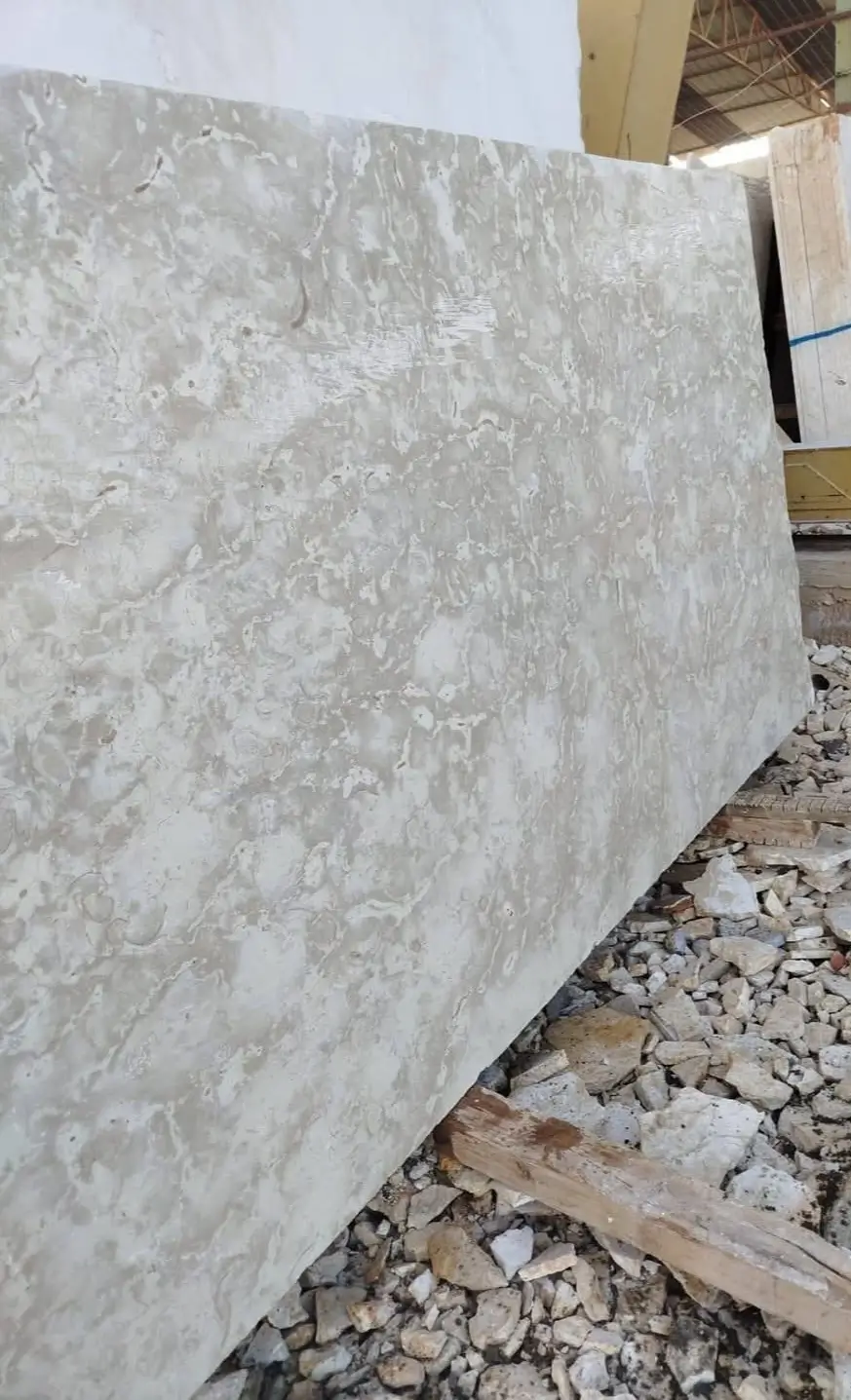
The practical approach for limestone patio paver shade integration: choose stone with inherent UV-stable tonal characteristics from the quarry selection stage. Beige and cream limestone varieties with lower iron oxide content show significantly less oxidation-driven color shift than warmer buff or rust-toned varieties. At Citadel Stone, we source directly from quarries where we review color consistency across lot batches — knowing which bed a stone comes from tells you more about its long-term UV stability than any surface finish test. You can explore the full technical specification range through Citadel Stone’s patio paving limestone to match your project’s color retention requirements with the right source material.
- Request UV accelerated weathering test data (ASTM G154 or equivalent) when evaluating limestone varieties for fully or partially exposed zones
- Specify color-enhancing penetrating sealers only in covered zones — these deepen the natural tone beautifully but accelerate visible UV degradation when exposed to direct Arizona sun by trapping heat at the surface
- Establish a photographic benchmark at installation completion — four cardinal direction photos under identical lighting conditions give you objective color change documentation for maintenance scheduling
- Anticipate 5–8% reflectance change over the first three years even under partial shade coverage — this is natural patina, not failure, and documenting it prevents unnecessary remediation costs
Drainage Integration With Shade Structures
Shade structures concentrate rainfall runoff in a way that open patio designs don’t — a solid-roof pergola over a 400 square foot patio can direct the full rainfall equivalent of 600–800 square feet of roof surface to the perimeter drip line. Your limestone patio paver drainage detail needs to anticipate that concentrated load, not just the distributed rainfall that standard 1–2% cross-slope handles.
Specify a minimum 3-inch perforated drain at the downslope perimeter of any solid-roof structure, wrapped in filter fabric to prevent limestone fines migration. For Surprise installations on slower-percolating soils, run that drain to a positive outlet rather than relying on in-situ percolation — the caliche layer common to that area creates a perched water condition that saturates the base aggregate and destabilizes your setting bed within two to three monsoon seasons. Joint stability in the limestone field depends on that base staying dry between rain events.
Getting Limestone Patio Paver Shade Structure Integration Right
Executing limestone patio paver shade structure integration correctly in Queen Creek requires treating UV exposure as the primary design driver from day one — not an afterthought addressed with routine cleaning. Your shade structure type determines your sealing interval, your finish selection determines baseline UV resistance, and your expansion joint pattern must account for the thermal gradient at the shade boundary rather than applying generic residential spacing across the entire field.
The base preparation decisions compound everything downstream: shaded zones retain moisture longer in Arizona clay soils, and a properly specified aggregate base at 8–10 inches depth prevents the differential heave that eventually compromises even well-detailed surface joints. Coordinate your material sourcing timeline early — warehouse stock levels for the specific limestone variety and thickness you’re specifying can affect project scheduling by two to four weeks if truck delivery windows don’t align with your installation phase. As you build out your Queen Creek outdoor space comprehensively, stone selection decisions extend beyond the patio itself — Limestone Patio Paver Furniture Pairing for Buckeye Outdoor Decor explores how material finishes and tonal choices connect across outdoor furnishing decisions in Arizona hardscape projects, making it a useful companion resource when specifying a cohesive limestone paver pergola design for Arizona outdoor living. High-net-worth clients demand Citadel Stone’s natural limestone patio in Arizona knowing their investment will appreciate.