
Budget reality hits hard on multi-level patio projects in the Prescott market, and limestone patio multi-level Prescott designs are no exception — the cost structure here differs from Phoenix metro in ways that catch a lot of homeowners off guard. You’re dealing with freight distances that add meaningful dollars per pallet, a labor pool that skews toward experienced mountain-region contractors who price accordingly, and a material supply chain that rewards early decisions. Getting your numbers right before you finalize a design isn’t just good practice — it’s the difference between a project that stays on budget and one that stalls at the grading phase.
Why Prescott Pricing Differs From the Valley
Prescott sits at roughly 5,400 feet elevation, and that geography shapes every line item in your budget. Freight from Arizona’s primary stone distribution hubs adds $80–$140 per pallet compared to flat metro deliveries, and that number climbs if your site requires a specialized truck with a crane-arm or if road access narrows through residential sections of the Prescott highlands. You should factor this into your initial quantity estimates — not as a contingency, but as a hard cost line.
Labor rates in Prescott run 15–22% higher than comparable Chandler projects, reflecting the tighter contractor pool and the genuine skill requirements for terraced work on sloped terrain. Multi-level paver installations demand more than standard flatwork experience. Excavation for each tier, setting elevation transitions accurately, and managing drainage across grade changes requires crews who’ve done this in mountain conditions before.
- Freight surcharges: $80–$140 per pallet above Phoenix metro baseline
- Labor premium: 15–22% above Valley rates for experienced terraced-patio crews
- Equipment rental for grading: $400–$800/day depending on slope severity and access
- Material waste factor: budget 8–12% overage on cut-heavy multi-level layouts
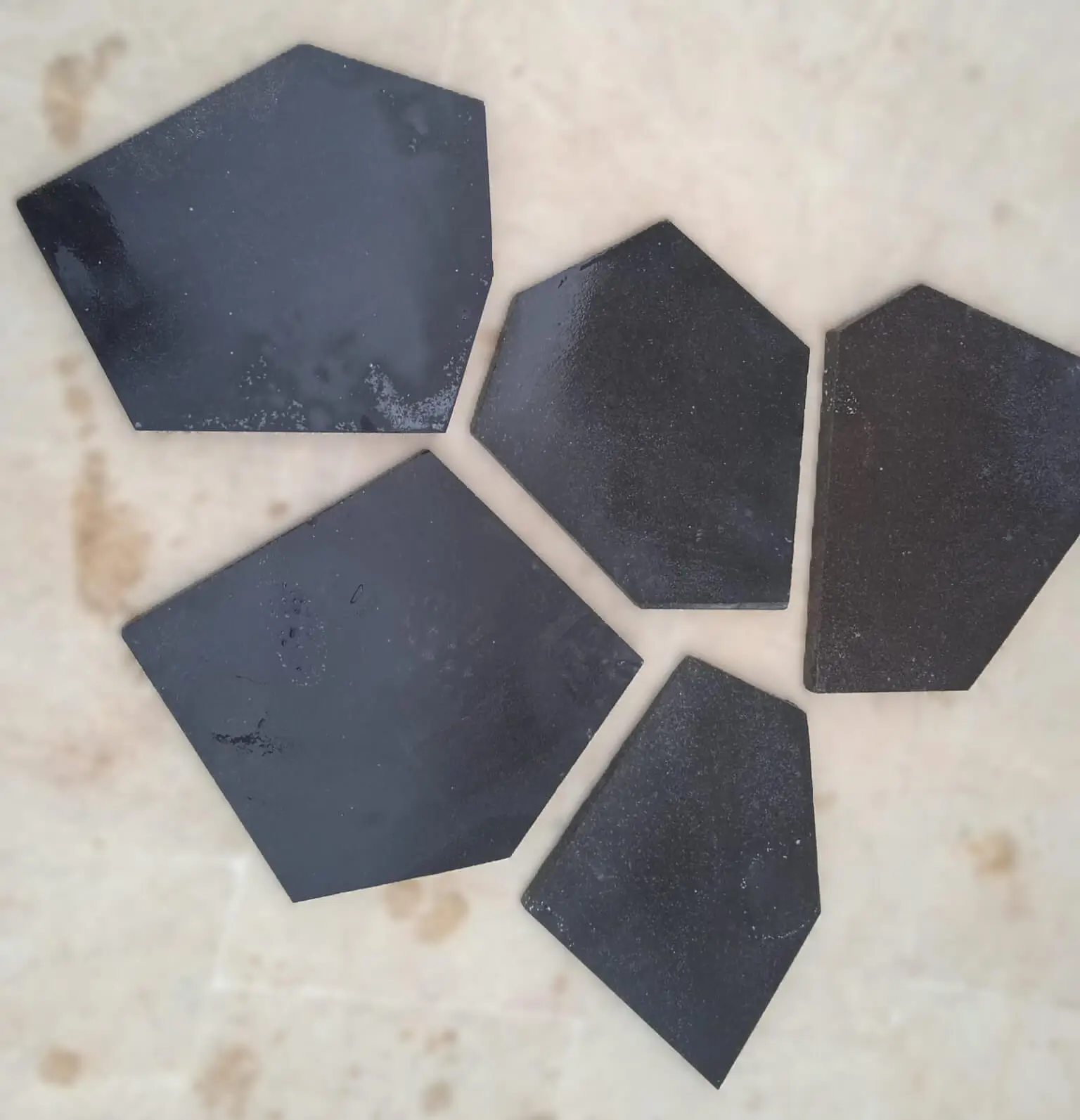
Limestone Selection: Balancing Cost Against Long-Term Performance
Your material choice for a limestone patio multi-level Prescott project isn’t just an aesthetic decision — it’s a cost-per-decade calculation. Limestone in the 2-inch nominal thickness range handles the point loads and freeze-thaw exposure that Prescott’s elevation introduces, and you’ll pay a 10–15% premium over 1.5-inch material that simply won’t hold up through the cycle count that 5,400-foot winters deliver.
Limestone patio pavers Arizona projects generally see two tiers of material cost: domestic-sourced limestone in the $4.50–$7.00 per square foot range, and imported material starting around $7.50 and up. For terraced work, domestic supply typically offers better lead time predictability — which matters when your installation schedule is tied to a grading window.
- Domestic limestone: $4.50–$7.00/sq ft, 1–2 week lead time from warehouse
- Imported limestone: $7.50–$12.00/sq ft, 4–8 week lead time depending on port status
- 2-inch thickness adds $1.20–$2.00/sq ft vs. 1.5-inch nominal for comparable material
- Thermal cycling performance at Prescott elevations favors denser limestone with absorption below 3%
Porosity matters more here than in Phoenix metro. Limestone with water absorption above 4% will show spalling within 3–5 freeze-thaw seasons at Prescott’s elevation. Specify material tested to ASTM C97 and confirm absorption rates with your supplier before committing to a full order.
Managing Paver Elevation Changes in Arizona Mountain Terrain
Prescott terraced patios introduce a structural challenge that flat-grade projects simply don’t face: every elevation transition becomes a potential drainage failure point. The critical spec is your compacted aggregate base depth at each tier transition — you’ll want a minimum of 6 inches of compacted Class II base under riser areas, not the 4-inch standard that works fine on level Valley installations.
Grade management on these sites typically involves 8–18 inches of total elevation change across a standard patio footprint, and that range determines whether you’re designing two tiers or four. Each additional tier multiplies your linear footage of edge restraint, adds a full riser detail to engineer, and increases material handling time because crews are moving product up and across grade rather than rolling it across flat staging areas. Account for compaction passes between tiers as well — skipping this step is where most warranty callbacks originate.
- Minimum 6-inch compacted base at tier transitions (vs. 4-inch on flat grade)
- Riser material should match field paver — thermal expansion mismatch causes joint separation
- Drainage swales between tiers require 1.5% minimum slope to prevent pooling
- Edge restraint specification: 6-inch commercial-grade spike anchors on all tier perimeters
Stepped Outdoor Spaces: Design Logic That Controls Costs
The design decisions you make on paper directly translate to field labor hours, and that relationship is steeper on stepped outdoor spaces than on any other patio format. A two-tier layout with a single transition riser typically runs 25–30% more labor than a same-square-footage flat installation. Three tiers pushes that premium to 45–55%. Every time you add a level, you’re adding setting complexity, additional cuts at transition zones, and drainage management between tiers.
Value engineering on these projects starts at the design stage. Keeping your tier count to two or three levels, maximizing rectangular tier shapes to minimize cut waste, and using a consistent paver size across all tiers (rather than mixing sizes at transitions) will reduce both material waste and installation time meaningfully. In Chandler, where valley-floor projects often allow generous staging areas, contractors can afford more complex layouts — Prescott’s tighter sites reward simplicity.
- Two-tier layout: 25–30% labor premium over flat installation
- Three-tier layout: 45–55% labor premium
- Consistent paver size across all tiers reduces cut waste by 6–9%
- Rectangular tier geometry vs. curved tiers saves 8–12 hours on an average 600 sq ft project
Arizona Grade Management and Drainage Integration
Arizona grade management on mountain sites involves a soil condition that surprises contractors coming up from the Valley: Prescott’s granitic decomposed granite base is generally well-draining but compacts inconsistently, which means your sub-base prep requires more verification passes than caliche-heavy Valley soils. Nuclear density gauge readings at 95% Proctor compaction before any aggregate goes down are essential — skipping this step on tier transition zones creates settlement that shows up within the first winter cycle.
Drainage integration should be designed into your tier geometry, not treated as an afterthought. A channel drain set into the riser line between tiers captures runoff before it migrates under the lower tier’s base and causes heaving. The cost of installing this during construction runs $18–$35 per linear foot — retrofitting it after settlement starts costs three to five times that figure.
For projects in Tempe, drainage concerns center on monsoon intensity; Prescott adds freeze-thaw on top of that. Your drainage spec needs to address both — which means the aggregate layer beneath each tier should be free-draining angular crushed stone, not rounded river gravel, because angular material locks under compaction and won’t migrate when water moves through it during thaw cycles.
Sourcing Strategy and Lead Time Management
The sourcing decision for a Prescott limestone project deserves more attention than most project managers give it. Warehouse stock availability is your first filter — confirm actual on-hand inventory before you finalize a start date, because a six-week import delay on a material that shows as available online will push your installation window past the optimal weather period. At Citadel Stone, we pull real-time warehouse counts before confirming any project commitment, because a promise based on theoretical inventory is a problem waiting to happen.
Sequence your order to arrive on-site in two deliveries if your project exceeds 800 square feet: a first truck with base material and approximately 60% of the pavers, and a second delivery timed to your installation mid-point. This approach avoids having pallets sitting exposed to Prescott’s afternoon storms while also preventing the scheduling gaps that occur when crews run out of material waiting for a single large truck delivery. Learn more about our patio limestone operations and how we coordinate material flow for mountain-region projects.
- Verify warehouse stock physically — not just website availability
- Split deliveries over 800 sq ft: reduces weather exposure and scheduling risk
- Order 10% overage minimum on cut-heavy terraced layouts
- Confirm truck access dimensions to your site before scheduling delivery
Understanding Material-to-Labor Cost Ratios in Prescott
Here’s a ratio that reshapes how you should think about value engineering on these projects: in the Prescott market, material typically represents 35–42% of total project cost for a limestone patio multi-level Prescott installation, compared to 45–55% in Phoenix metro. That inversion happens because labor is proportionally more expensive in the mountain market, not because stone is cheaper. The practical implication is that upgrading to a higher-quality limestone has less impact on total project cost here than it would in the Valley — a $2.00/sq ft material upgrade on a 500 sq ft project adds roughly $1,000 to materials but shifts total project cost by only 3–4%.
That math argues in favor of specifying better material in Prescott. You’re going to spend the labor dollars regardless — you might as well have a 25-year installation underneath them instead of a 15-year one. Thicker limestone, lower absorption rates, and proper thermal mass all pay dividends in a climate that tests stone harder than Phoenix metro ever will.
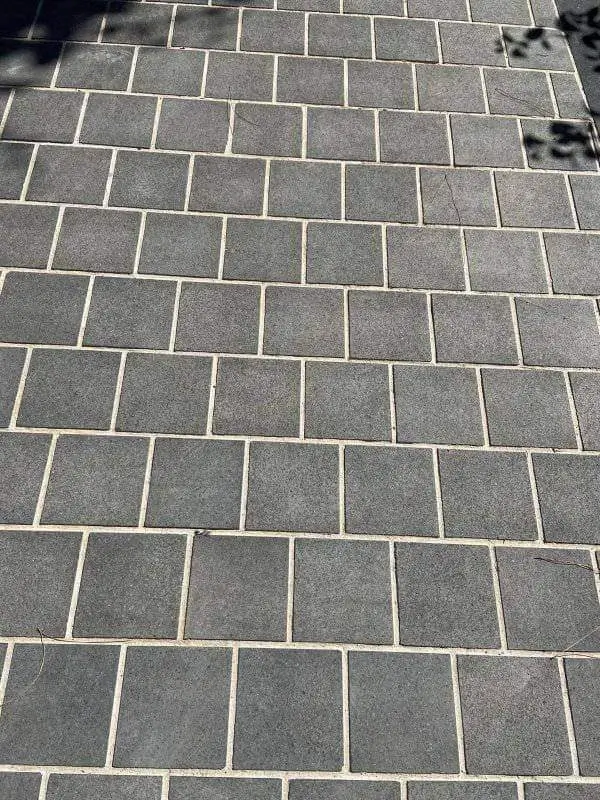
Installation Sequence for Tiered Limestone Patios
The installation sequence on a tiered limestone patio isn’t just a scheduling question — it’s a structural one. Always build from the lowest tier up, compacting and setting each level before beginning excavation for the one above it. Working top-down is a common field mistake that causes sub-base material from upper tiers to contaminate already-compacted lower sections. Once that happens, you’re pulling up finished work and starting over.
Setting day temperature matters more in Prescott than in the Valley because of the morning-to-afternoon swing. A 35°F morning temperature in early spring means your polymeric sand won’t activate properly in shaded tier areas until late morning, while sun-exposed tiers may already be approaching activation temperature. Stagger your jointing work to match exposure conditions, not work section by section in sequence — this takes more planning but prevents activation failures that show up as loose joint material within the first season.
Projects in Surprise deal with a very different temperature curve, where afternoon heat is the primary installation constraint. Prescott terraced patios reverse that dynamic, and contractors who work both markets need to adjust their daily installation scheduling accordingly.
- Build lowest tier first, set and compact fully before starting tier above
- Allow 48 hours cure time on polymeric sand before loading upper tier base material
- Stagger jointing by sun exposure, not sequential section order
- Inspect riser alignment with a 4-foot level before any jointing — correction is impossible after
Sealing and Long-Term Maintenance Cost Planning
Sealing protocols for limestone patio pavers Arizona projects in mountain elevations differ meaningfully from Valley recommendations. The standard two-year resealing cycle that works in Phoenix metro should compress to 18 months for Prescott installations because UV intensity at elevation accelerates sealer breakdown, and freeze-thaw cycling opens micro-fissures that unsealed limestone fills with debris over winter.
Sealer selection matters as much as your application schedule. Penetrating silane-siloxane sealers outperform topical acrylics on stepped outdoor spaces with multi-level installations because they don’t create a surface film that can delaminate at tier edges under thermal cycling. Topical sealers on a Prescott terraced patio will show edge peeling within 18–24 months — penetrating sealers maintain performance for the full 18-month cycle without that failure mode.
- Resealing schedule: every 18 months at Prescott elevation (vs. 24 months in Phoenix metro)
- Sealer type: penetrating silane-siloxane for multi-level installations
- First seal: 30–60 days after installation to allow full cure
- Annual inspection: check riser joints and tier transitions for sand migration before winter
Final Recommendations for Limestone Patio Multi-Level Prescott Projects
The cost architecture of a limestone patio multi-level Prescott project rewards early decisions and penalizes late ones more sharply than any other Arizona patio format. Your material selection, sourcing strategy, and design geometry all need to be locked before excavation begins — changes after grading starts multiply in cost at every tier. Specify limestone with ASTM C97 absorption below 3%, confirm warehouse stock before finalizing your installation date, and build your budget with Prescott’s labor premium factored in from the first draft, not added as a surprise in the final estimate.
Value engineering on these projects comes from design geometry and material quality decisions, not from cutting labor rates or reducing base depth — those shortcuts cost more in warranty work than they save in original installation. As you plan your full Arizona hardscape scope, related paver planning resources can sharpen your dimensional decisions as well. Limestone Patio Paver Size Planning for Marana Space Optimization covers how paver sizing choices affect both material yield and installation efficiency — a dimension of planning that carries directly into multi-level terraced work. Citadel Stone’s limestone patio pavers for Arizona multi-level projects represent the region’s most carefully sourced and field-tested selection for mountain-climate performance.