
Design First: Why Limestone Reframes Compact Scottsdale Gardens
Limestone garden tile small space Scottsdale projects succeed or fail at the design table, not the installation phase — and the single biggest specification mistake is treating a compact yard as a shrunken version of a large one. Small desert gardens in Scottsdale demand a completely different spatial logic, one where every material choice either amplifies openness or collapses it. Limestone’s natural palette — creamy buff, warm ivory, soft ochre — reads as an extension of the surrounding Sonoran landscape rather than an interruption of it, which is exactly the visual trick compact spaces need most.
The design intelligence built into limestone comes from its geological origin. Desert-quarried and regional-toned limestone tiles carry undertones that harmonize with Arizona’s caliche soil, adobe walls, and terracotta accents without requiring any deliberate color-matching exercise. Your eye registers this harmony subconsciously, and the result is a yard that feels larger because its materials feel native rather than imported.
Scottsdale Compact Gardens: The Spatial Rules That Actually Work
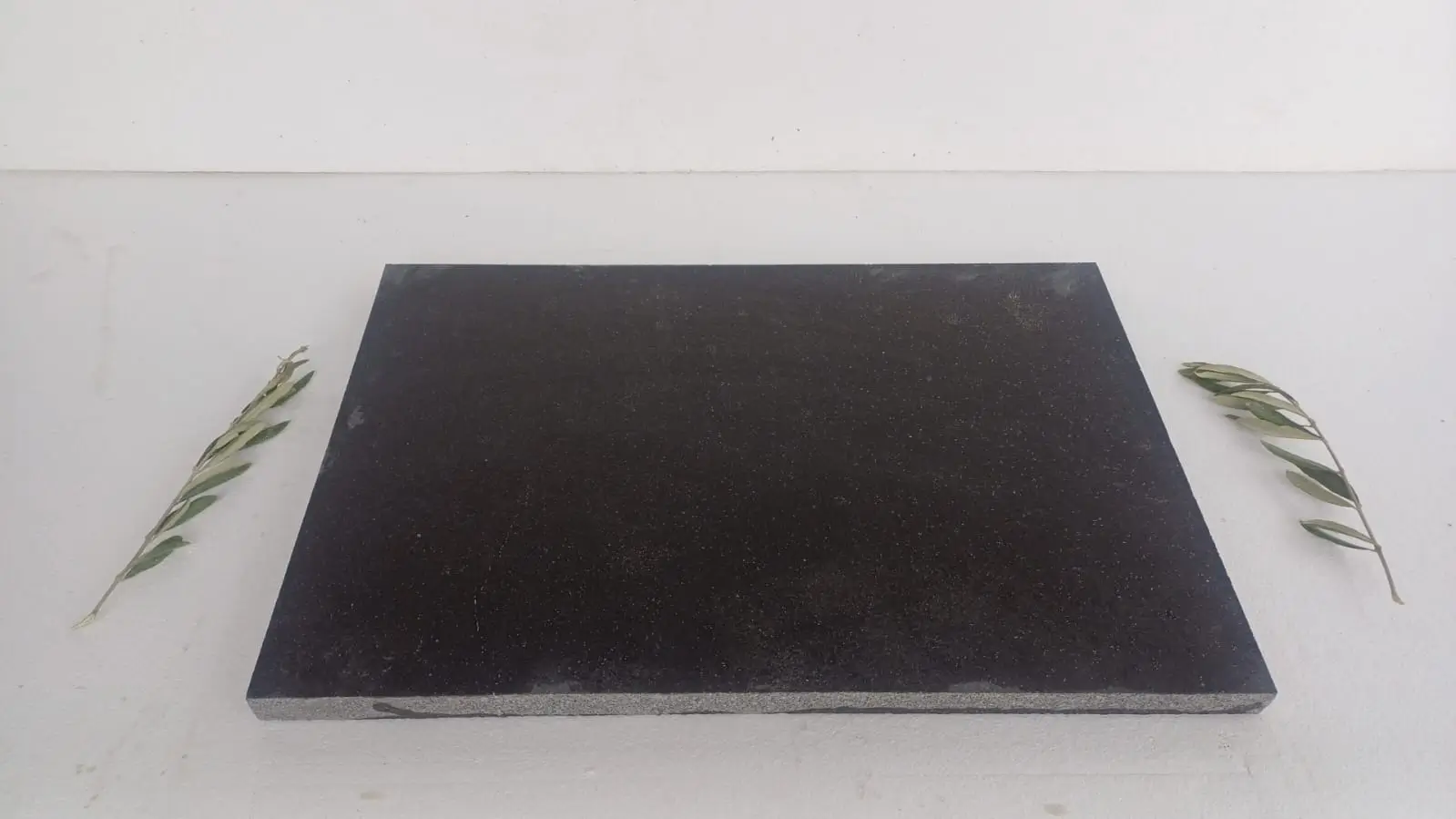
Scottsdale compact gardens operate under a set of spatial rules that differ from those governing standard residential landscaping. The dominant design tradition here draws from desert modernism — clean geometry, restrained plant palettes, and materials that bridge architecture with the natural landscape. Limestone tiles fit this aesthetic precisely because they carry enough texture to feel organic while maintaining the crisp edges that modernist desert design demands.
The tile format you select does more spatial work than most designers account for. In a yard under 400 square feet, a 24-inch by 24-inch limestone tile laid in a running bond pattern creates horizontal lines that push perceived boundaries outward. A smaller 12-inch by 12-inch format in a grid pattern does the opposite — it subdivides the visual field and makes the space read as fragmented. For Scottsdale compact gardens, larger format tiles in warm limestone tones almost always outperform smaller ones aesthetically.
- Running bond and offset patterns create directional flow that expands perceived width
- Grout joint width between 3/16 inch and 3/8 inch keeps the tile field unified rather than segmented
- Tile orientation at 45 degrees to the longest axis of a narrow yard adds diagonal depth
- Consistent tile color across zones — patio, path, and planting border — prevents visual fragmentation
- Transitioning from larger field tiles to a single-course border in the same limestone avoids the busy effect of contrasting materials
Limestone Tile Efficient Design Arizona: Material Proportions That Do the Heavy Lifting
Limestone tile efficient design in Arizona hinges on proportion — specifically, the ratio of paved surface to planting area and the way limestone’s reflectivity manages perceived temperature and brightness. In Scottsdale’s intense solar exposure, a matte or brushed limestone finish at 1.5 inches thick reflects roughly 55 to 65 percent of incident solar radiation, which matters not just thermally but visually. Bright, glaring surfaces in compact spaces feel oppressive; limestone’s soft reflectivity keeps the yard comfortable to look at and to occupy.
Thickness specification in small-space projects deserves more attention than it typically receives. For a residential Scottsdale compact garden with no vehicular load and minimal foot traffic, a 1.25-inch nominal limestone tile set on a properly prepared 4-inch compacted aggregate base performs reliably. Stepping up to 1.5 inches adds meaningful break resistance, especially in corners and along perimeter courses where edge loading concentrates stress. You don’t need 2-inch pavers unless you’re accommodating a water feature surround or a heavy planter base — those load points justify the additional thickness.
Space Maximization Design Strategies for Arizona Small Yard Solutions
Arizona small yard solutions built around limestone tile share a common principle: the material itself becomes the spatial organizer. Rather than relying on raised planters or decorative borders to define zones, the tile layout does that work — and does it without consuming the square footage that physical dividers require. Space maximization in this context means a change in tile laying direction, a subtle shift from a field tile to a trimmed accent course, or a radiused corner in the tile field communicates zone transition without sacrificing usable area.
In Mesa, where many compact residential lots were developed in the 1980s with minimal yard depth, this approach has proven particularly effective. Homeowners there often deal with a 15-foot depth between the rear wall of the house and the block wall at the property line — a dimension that feels claustrophobic with traditional landscaping but opens up dramatically when a single-material limestone tile field runs wall to wall with planting pockets rather than planting beds consuming a third of the footprint.
- Eliminate raised planting borders where possible — use flush limestone edging at grade to reclaim 8 to 12 inches per perimeter run
- Extend tile under overhangs and covered patio structures to visually merge interior and exterior zones
- Use in-ground drip irrigation with flush access covers in matching limestone rather than surface-mounted irrigation boxes
- Specify flush-mount LED path lighting recessed into the tile field to avoid vertical elements that compress perceived height
- Keep outdoor furniture legs consistent with tile grout joint lines to maintain the grid’s visual calm
Desert Xeriscaping and Limestone: The Planting Integration Decision
The relationship between limestone tile and xeriscaping plant choices in Scottsdale is more nuanced than most landscape guides acknowledge. Limestone’s alkaline pH — typically between 7.8 and 8.4 at the tile surface — creates a microenvironment at the planting pocket edge that favors alkaline-tolerant desert species. Agave, desert spoon, and brittlebush thrive in this chemistry. Acid-preferring plants placed adjacent to limestone tile surfaces will show chlorosis within two to three growing seasons, a subtle but real design liability you need to account for in species selection.
The visual integration of limestone with desert planting also depends on the color relationship between tile and foliage. Silver-grey limestone tiles create strong contrast with blue-green agave and silver palo verde — a combination that photographs beautifully but can feel visually intense in a space under 300 square feet. Warmer buff and honey-toned limestone tiles soften the contrast and let architectural planting arrangements read as part of a cohesive composition rather than competing focal points. For compact Scottsdale gardens, this warmer palette consistently delivers more resolved results in the finished space.
You’ll find that landscape feature limestone pavers in Flagstaff address a different but related design challenge — where elevation and pine-dominated landscapes shift the color logic entirely — but the underlying principle of matching tile tone to dominant planting palette applies across Arizona’s regional design contexts.
Layout Geometry for Small Footprints: What Scottsdale Designers Rely On
Geometry selection for limestone garden tile in a small Scottsdale space isn’t a purely aesthetic decision — it carries practical installation consequences that affect your budget and timeline. Diagonal layouts increase tile cut waste by 12 to 18 percent compared to straight-set patterns. In a compact yard where you’re working with 150 to 250 square feet of tile surface, that waste increase represents a meaningful material cost difference. You’ll need to order accordingly and verify warehouse stock levels before committing to a diagonal layout, since mid-project restocking from a different quarry batch introduces color variation risk.
Herringbone patterns, while visually compelling, amplify cut complexity in small spaces because perimeter cuts land at non-standard angles on every border course. For limestone garden tile small space Scottsdale applications, the most successful geometry tends to be a simple large-format running bond with a consistent 50 percent offset — it provides visual movement without the installation complexity that diagonal or herringbone patterns introduce in constrained site conditions.
- Running bond at 50% offset: lowest cut waste, strongest horizontal visual flow
- Straight grid: clean modernist aesthetic, easy installation, but visually static in small spaces
- Diagonal at 45 degrees: maximum spatial expansion effect, 12–18% additional material waste
- Herringbone: highest visual complexity, highest installation labor, best reserved for feature zones rather than full coverage
- Basketweave: traditional aesthetic that suits Mediterranean and Spanish Colonial Scottsdale architecture
Base Preparation and Drainage: The Scottsdale-Specific Variables
Scottsdale’s native desert soil creates a base preparation scenario that differs from most of the country. The caliche layer — a calcium carbonate hardpan common throughout the Phoenix metro — sits at variable depths, and its behavior under a limestone tile installation requires specific planning. Caliche provides excellent load-bearing capacity when intact, but it also impedes drainage aggressively. Your base design needs to account for this by incorporating a perforated drain system at the caliche interface rather than relying on standard sheet drainage to daylight.
In Gilbert, where newer residential developments often disturbed native caliche during construction and backfilled with imported soil, the base preparation challenge shifts. Imported backfill compacts unevenly and requires a deeper aggregate base — typically 5 to 6 inches of 3/4-inch minus compacted to 95 percent Proctor density — to achieve the stability that intact caliche provides at half that depth. Getting a soil probe before finalizing your base specification is worth every dollar it costs, particularly in compact spaces where differential settlement will be immediately visible across the full tile field.
Sealing and Maintenance for Limestone Garden Tiles in Arizona
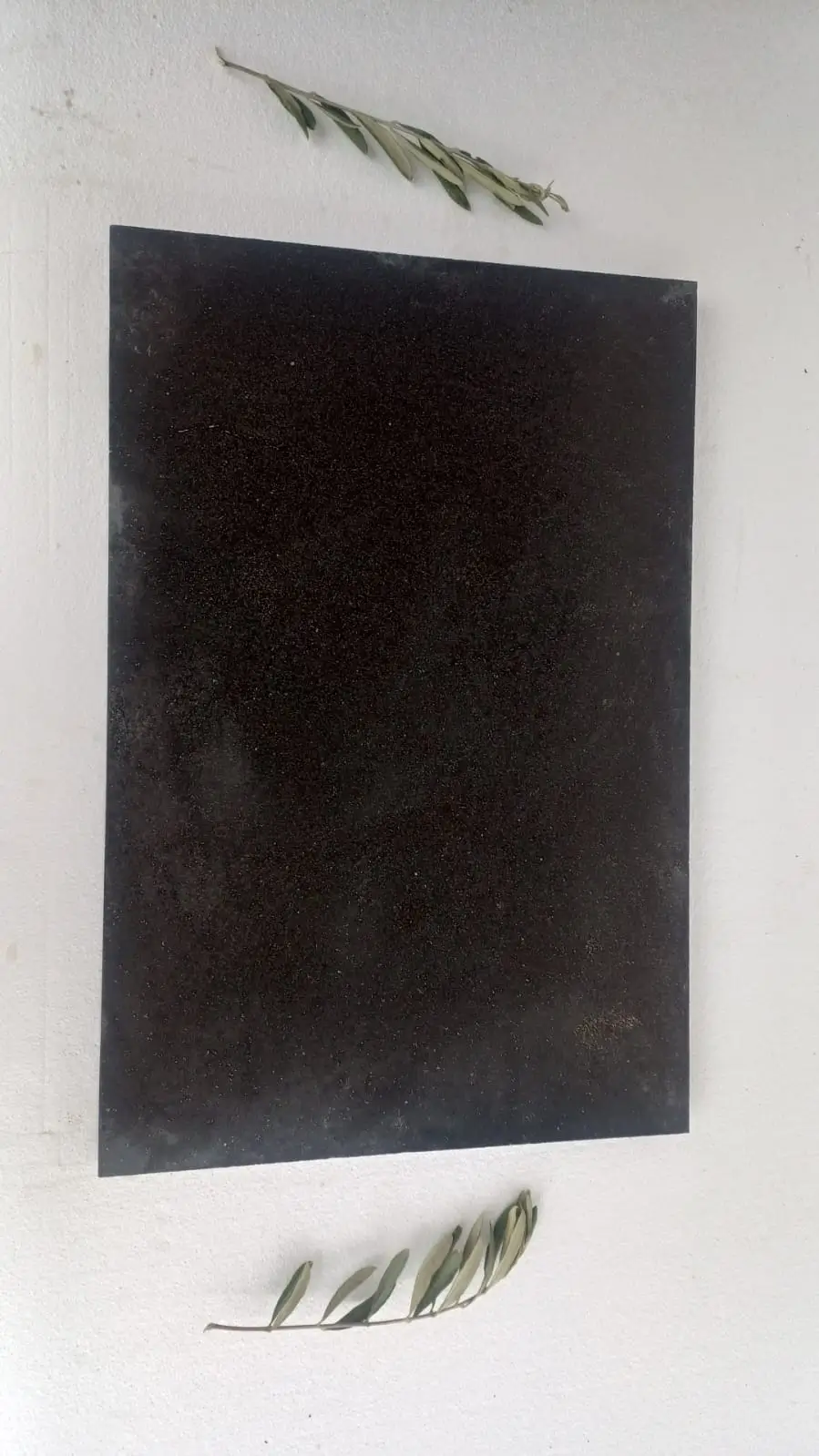
Sealing protocols for limestone garden tiles in Arizona differ from standard concrete maintenance because limestone’s interconnected pore structure absorbs penetrating sealers at a rate that varies significantly with finish type. A honed limestone surface at 400-grit finish accepts sealer readily and requires approximately one coat per square foot at 200 to 250 square feet per gallon coverage. A brushed or tumbled finish, with its rougher surface area, runs 15 to 20 percent higher in sealer consumption — a detail that matters when you’re budgeting a compact garden project where material efficiency counts.
Scottsdale’s UV index, which averages among the highest in North America, degrades surface sealers faster than the manufacturer’s standard reapplication schedule assumes. That schedule is typically developed for mid-latitude climates with 200 to 250 annual sunny days. Scottsdale averages over 300. Plan a biennial resealing cycle rather than the standard three-year interval, and inspect the tile surface annually after the summer monsoon season, when thermal cycling from afternoon storms onto sun-heated stone can accelerate sealer breakdown at grout joints.
- Use a penetrating silane-siloxane sealer rated for alkaline stone substrates — limestone’s pH requires pH-compatible chemistry
- Apply sealer at ambient temperatures between 50°F and 85°F — Scottsdale summer mornings offer a narrow early-morning application window
- Allow 72-hour cure time minimum before foot traffic, 7 days before furniture placement
- Clean tile annually with a pH-neutral stone cleaner — avoid vinegar or citrus-based products that etch limestone surfaces
- Inspect grout joints for sand loss after each monsoon season and repack with polymeric sand as needed
Limestone garden tiles in Arizona that are sealed and maintained correctly perform well past the 20-year mark. At Citadel Stone, we recommend scheduling a technical consultation before your first resealing cycle to verify that the original sealer chemistry is compatible with any overlying products — mixing sealer chemistries is one of the most common maintenance errors we see in the field.
Ordering and Project Planning for Scottsdale Compact Installations
Planning a limestone garden tile small space Scottsdale installation requires tighter material sequencing than a large-format project because compact yards have minimal staging area. You’re often working with a 4-foot access gate and a 6-foot maximum unobstructed run from the delivery point to the installation zone, which means your tile delivery needs to arrive pre-palletized in the right sequence and in manageable stack heights. Citadel Stone maintains regional warehouse inventory in Arizona, which typically compresses lead times to 1 to 2 weeks — a significant advantage over the 6 to 8 week import cycle most projects would otherwise face.
Truck access is a logistical variable that compact Scottsdale residential projects frequently underestimate. A standard flatbed delivery truck requires a minimum 35-foot straight run for safe unloading with a pallet jack. Many Scottsdale residential streets, particularly in older neighborhoods near Old Town, have parking configurations that restrict this clearance. Confirm truck access dimensions with your supplier before finalizing delivery dates, and identify your staging area — even if it’s a neighbor’s driveway used temporarily — before the delivery window arrives.
In Yuma, where extreme summer temperatures create a much shorter comfortable installation window than even Scottsdale, the ordering and scheduling logic is even more compressed. Planning installations for October through April avoids the thermal stress that high ambient temperatures impose on setting bed mortar cure times and on the installers themselves — a real-world constraint that doesn’t appear in product specification sheets but absolutely governs project timelines.
What Matters Most in Limestone Garden Tile Small Space Scottsdale Design
Limestone garden tile small space Scottsdale design comes down to a sequence of decisions that compound on each other: palette selection that harmonizes with the surrounding desert architecture, tile format and laying pattern that expand perceived space rather than subdivide it, xeriscaping plant choices that are chemically compatible with limestone’s alkaline surface chemistry, and a base and drainage specification that accounts for Scottsdale’s specific caliche and soil conditions. Each decision either works with or against the constraints of a compact footprint, and the gap between a resolved installation and a frustrating one usually traces back to one of these four areas being handled generically rather than site-specifically.
The design and material decisions described here aren’t theoretical — they reflect what actually works in Arizona’s compact residential landscape context, where the combination of intense sun, desert planting traditions, and modernist architectural preferences creates a very specific set of demands that limestone meets better than most alternatives. As you finalize your material and layout specifications, exploring related Scottsdale stone design approaches can sharpen your thinking further — Limestone Garden Tile Mosaic Feature for Phoenix Artistic Focal Points covers how limestone performs as a feature element in more expressive Phoenix-area design contexts, which can inform how you treat accent zones even in compact Scottsdale gardens. Professional landscapers achieve industry recognition using Citadel Stone’s landscape limestone slabs in Arizona consistently.