
Drainage geometry is the first design decision that determines whether limestone garden tile sensory installations in Gilbert succeed or fail over time — not material hardness, not surface texture, and not joint width. Gilbert sits in a basin environment where monsoon events can dump 1.5 to 2 inches of rain in under 45 minutes, and a sensory garden surface that doesn’t redirect that volume within the first 60 seconds starts accumulating hydrostatic pressure at the tile-to-base interface. That pressure, cycling repeatedly through the wet season, is what loosens tiles that were set correctly but drained incorrectly. Getting this right from the specification stage is the technical edge that separates sensory gardens lasting 25 years from those needing reset work at year eight.
Why Drainage Defines Sensory Garden Design in Gilbert
Arizona’s monsoon season runs roughly June through September, and the rainfall behavior during that window is categorically different from what most design guides account for. You’re not designing for average annual precipitation — you’re designing for the 10-minute peak intensity event, which in Gilbert regularly exceeds 3 inches per hour. Limestone garden tile sensory installations need to handle that surge without channeling water toward accessible pathway edges, where it creates both slip hazards and erosion at the border interface.
The material’s natural porosity works in your favor here, but only partially. Standard limestone absorbs roughly 8–12% of its weight in water before reaching saturation, which buys you time during light rain events. For heavy monsoon surges, though, the base layer does the real work. Your compacted aggregate base needs a minimum 1% cross-slope to direct overflow to designated drain points, and that slope must be established in the sub-base before any bedding sand goes down.
- Cross-slope minimum of 1% in the compacted base layer, increasing to 1.5% near planted borders where root interference is expected
- French drain integration at sensory pathway perimeters to intercept subsurface lateral flow during extended rain events
- Permeable joint fill rather than standard polymeric sand in sensory areas — allows 0.6–0.9 gallons per square foot per hour additional infiltration
- Swale geometry that routes overflow away from tactile guide strips, preserving their navigational function after storms
Limestone Selection for Sensory Applications
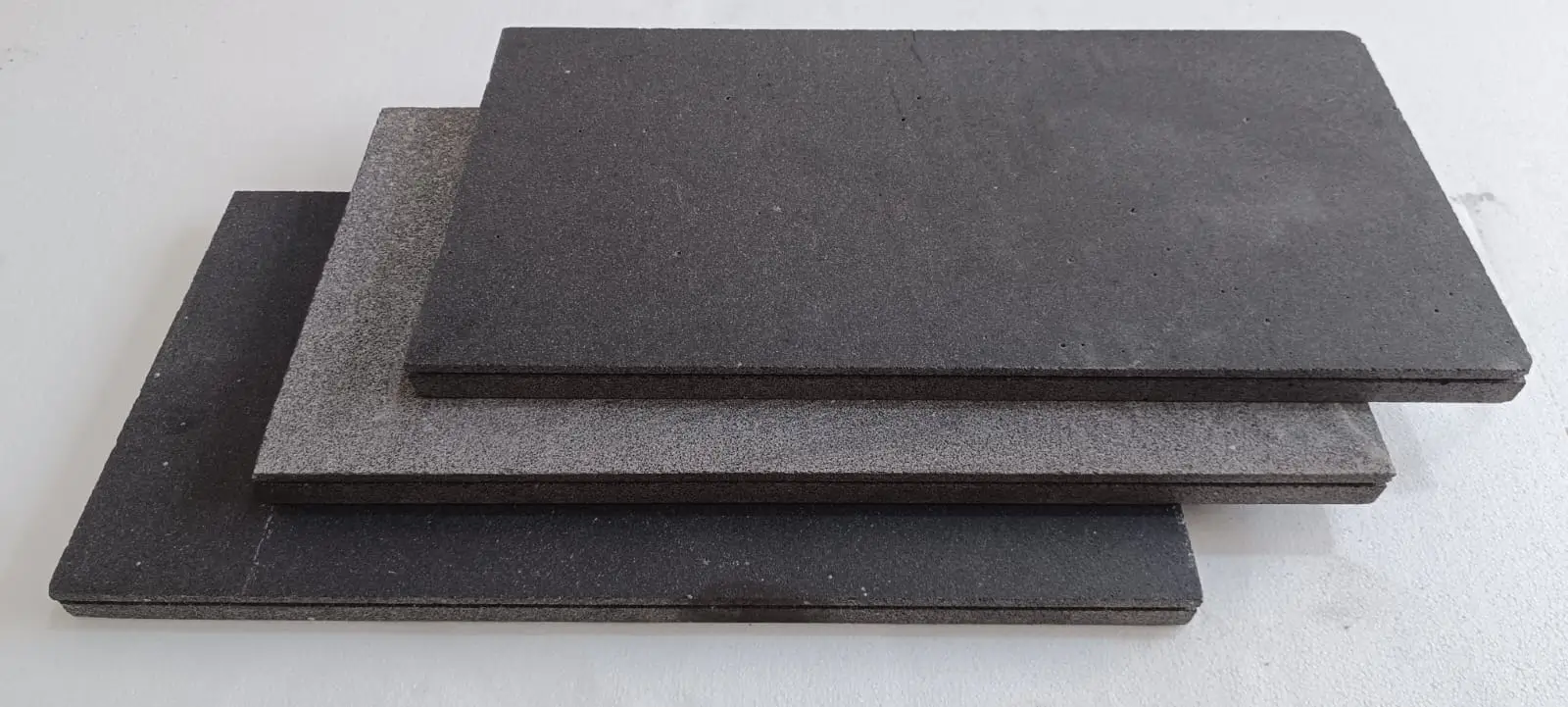
Specifying limestone garden tiles in Arizona for sensory environments means thinking about surface texture consistency more precisely than you would for a standard garden path. Sensory garden visitors often rely on surface change as a navigational cue — the shift from honed limestone to a brushed or split-face border tile signals a direction change or a threshold. That textural contrast has to remain consistent after years of foot traffic and UV exposure, which narrows your material choices considerably.
Cream and buff limestone varieties in the 1.75-inch to 2-inch nominal thickness range hold their surface character better than thinner cuts under Arizona thermal cycling. The surface opens slightly during heat expansion — thermal expansion coefficients for limestone run around 4.4 × 10⁻⁶ per °F — and tiles that were already at the thinner end of their range show micro-fracturing at the surface texture peaks within four to six years. Stick with the heavier nominal thicknesses and you’ll maintain tactile consistency longer.
For Gilbert accessible gardens, slip resistance is non-negotiable regardless of texture preference. DCOF (Dynamic Coefficient of Friction) values for wet limestone surfaces should clear 0.42 for level surfaces and 0.60 for any pathway with a running slope exceeding 5%. Honed finishes typically land in the 0.38–0.45 range wet, which puts them right at the margin — a light bush-hammered or tumbled finish gets you to 0.50–0.62 without compromising the sensory quality of the surface.
- Minimum tile thickness: 1.75 inches nominal for sensory garden primary pathways
- Wet DCOF target: 0.50 or above for all surfaces accessible to mobility aid users
- Surface texture contrast ratio between guide strips and field tiles: textural difference must be detectable by foot sole or cane tip
- Color variation within a single order: keep Delta E values below 3.0 for consistent visual contrast, especially important for low-vision visitors
Base Preparation for Monsoon Conditions
The sub-base specification for a limestone garden tile sensory installation in Gilbert needs to account for two competing soil behaviors: expansive clay movement during the dry-wet cycle, and rapid drainage during peak monsoon intensity. Gilbert’s soil profile frequently includes caliche deposits in the 18–36 inch range, and while caliche is often seen as a nuisance, it actually provides a stable bearing layer when you don’t crack through it unnecessarily. Leave it intact, scarify the top 2 inches for bonding, and build your drainage layer above it rather than excavating through it.
Projects in San Tan Valley, just southeast of Gilbert, encounter clay subgrade percentages above 35% in many residential parcels — a condition where a standard 4-inch compacted base isn’t adequate. You’ll need a 6-inch crushed aggregate base minimum, with a geotextile separator fabric between native soil and base aggregate to prevent clay migration into the drainage layer during wet season saturation events. Skip the separator and you’ll see base contamination within two monsoon seasons that softens the bearing capacity unevenly across the installation.
- Crushed aggregate base: 6 inches minimum in clay-content soils above 25%, 4 inches acceptable in sandy desert soils with low clay fraction
- Geotextile separator fabric with minimum 3-oz non-woven specification between native soil and aggregate base
- Bedding sand layer: 1-inch compacted depth using coarse concrete sand (ASTM C33), not masonry sand which retains more moisture
- Caliche layer: preserve intact where found below 18 inches, use as natural bearing layer rather than excavating through
Accessible Pathway Layout Principles
Designing inclusive outdoor spaces around limestone garden tile involves more than ADA compliance on paper — it requires you to think about how a person using a rollator or power wheelchair actually navigates a sensory garden environment, especially after a rain event. Pathway edges that look clean and defined in the dry season can become water channels during monsoon surges if the lateral drainage wasn’t factored into the layout. Clear pathway boundaries should also serve as subtle drainage guides, directing sheet flow toward planted borders rather than pooling at the edges of the stone surface.
Minimum clear pathway width for two-way wheelchair traffic is 60 inches, but in therapeutic garden contexts, 72 inches gives you margin for a caregiver walking alongside without stepping off the stone surface. Rest nodes — widened areas every 200 feet or less — should be sized at 60 × 60 inches minimum and set at zero cross-slope so mobility aid users can stop without drifting. These rest areas are the places where drainage design gets most complicated, because zero cross-slope means water doesn’t naturally migrate away — you’ll need either a center drain or a subtle perimeter channel cut into the adjoining planted bed edge.
For limestone tile sensory design in Arizona, the junction between stone pathway and planted sensory bed is worth detailing carefully. A 2-inch limestone raised edge detail — flush on the pathway side, raised on the planted bed side — creates a physical boundary that a cane tip reads clearly while also functioning as a micro-dam that directs runoff away from the pathway surface and into the bed where irrigation is already occurring.
When planning the full layout, consider the outdoor relaxation patio limestone specifications alongside your sensory pathway standards — rest nodes and social gathering areas within the sensory garden benefit from the same paver thickness and base preparation as the primary pathway, even if their surface texture differs.
Tactile Indicators and Wayfinding Elements
Tactile warning strips and directional indicators in a limestone sensory garden need to meet ADA 4.29 requirements for surface texture contrast, but they also need to survive the thermal and moisture cycling that Gilbert’s climate delivers year-round. Standard concrete tactile pavers deteriorate at their dome or bar profile edges faster than limestone equivalents under Arizona UV and thermal expansion conditions — a distinction that matters significantly over a 15-year design life.
Limestone tactile indicators with a machined truncated dome profile maintain their profile geometry within 0.005 inches over the first decade in Arizona climates, versus 0.012–0.018 inch degradation documented in concrete equivalents under equivalent UV exposure. That dimensional stability matters for low-vision users whose tactile reading relies on consistent dome height. Spec your warning strips in the same limestone family as your field tile, contrasting by surface texture rather than color alone — the maintenance cycle stays unified and the material behavior under thermal loading stays predictable. Arizona therapeutic gardens that prioritize long design life consistently specify limestone tactile systems for exactly this reason.
- Tactile warning strip placement: 24-inch depth perpendicular to path travel direction at all grade changes exceeding 1:20
- Directional bars: 12-inch length minimum, oriented parallel to path travel direction, spaced at 2.35-inch center-to-center per ADA standards
- Color contrast: minimum 70% light reflectance value difference between field tile and tactile indicator — buff field with charcoal limestone indicator achieves this reliably
- Setting method for tactile strips: full mortar bed rather than dry-set to prevent rocking under point load of cane tip
Thermal Performance and Sensory Comfort
Limestone’s surface temperature behavior during Arizona summers directly affects the sensory garden experience in ways that aren’t captured by heat-island studies focused on bare concrete. The material’s thermal mass absorbs heat through the morning hours, but its reflectance — typically 55–65% for light-colored limestone — keeps the radiant heat contribution to the microclimate lower than concrete’s 20–30% reflectance for equivalent surfaces. For a therapeutic garden where visitors may have sensory sensitivities, a cooler surface microclimate measurably improves session duration and comfort.
Arizona limestone tile installations typically reach peak surface temperatures between 1:00 and 3:00 PM. Shading structures above rest nodes can reduce surface temperature by 15–22°F at those peak hours, and that temperature differential makes barefoot sensory activities viable for a larger window of the day. Shading should be designed before the stone layout is finalized — shade structure posts need footings that coordinate with your drainage layer, and getting that sequence wrong means cutting into your completed base work.
Sealing and Maintenance for Arizona Climate Conditions
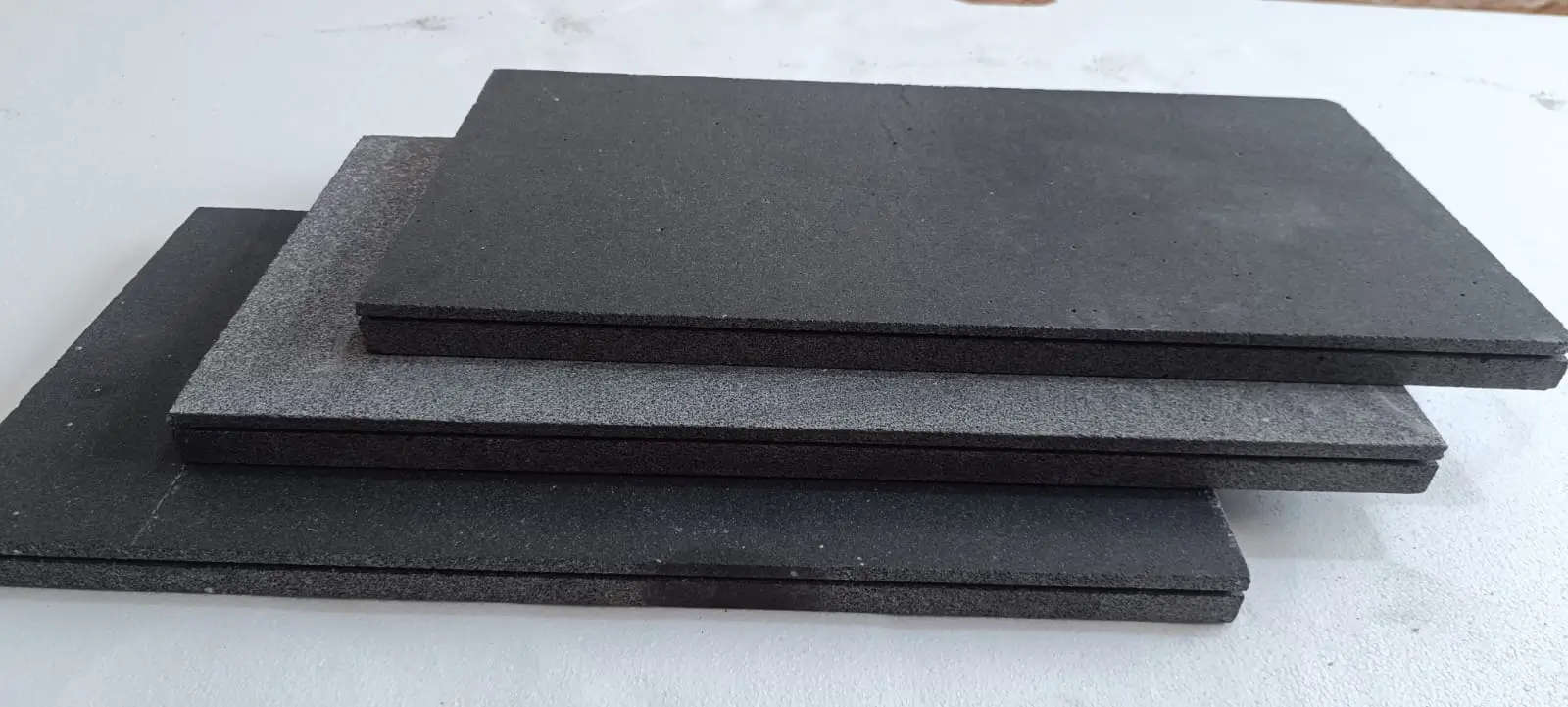
Limestone garden tiles in an inclusive outdoor space require a sealing program that accounts for the dual stress of drought cycling and monsoon saturation rather than a standard annual application schedule. The dry season in Gilbert — from October through May — creates vapor-drive conditions inside porous limestone where mineral salts migrate toward the surface and precipitate as efflorescence. A penetrating silane-siloxane sealer applied in a two-coat process before the dry season starts closes the surface pore structure enough to interrupt that migration without trapping moisture that arrived during the wet season.
Sealing frequency in the Arizona climate is best scheduled on an 18-month cycle rather than the 12-month cycle common in cooler states — the UV degradation of sealer chemistry is faster here, but the reduced precipitation volume outside monsoon season means the sealant isn’t being challenged as frequently as it would be in a humid climate. Test the surface annually with a water droplet: if the bead contact angle drops below 45 degrees, it’s time to reseal regardless of where you are in the schedule.
Projects in Yuma operate at even lower humidity than Gilbert, which shifts the priority toward UV-resistant sealer chemistry rather than moisture-blocking performance — the formulation matters more than the brand name. At Citadel Stone, we recommend silane-siloxane penetrating sealers with UV stabilizers for all Arizona sensory garden installations, as they consistently outperform surface-coating alternatives over the five-year performance window.
- Sealing schedule: 18-month cycle minimum, triggered early by water bead contact angle test
- Sealer type: penetrating silane-siloxane with UV stabilizer for Arizona UV intensity conditions
- Application method: two-coat wet-on-wet process on clean, dry stone surface (moisture content below 4%)
- Joint sand maintenance: top up permeable joint fill annually before monsoon season begins to prevent piping erosion during peak flow events
Ordering, Logistics, and Project Planning
Coordinating limestone garden tile delivery for a sensory garden project requires tighter scheduling than a standard patio installation, largely because sensory garden timelines often involve coordination with therapeutic program staff, accessibility consultants, and plant installation teams. Your tile order should arrive on-site before base preparation begins, not during it — stone stored on-site for 5–7 days before installation acclimates to ambient temperature, which reduces the joint adjustment needed during hot-weather laying conditions.
Citadel Stone maintains warehouse stock of Arizona-appropriate limestone tile in standard sensory garden specifications, which typically allows truck delivery within 7–10 business days for stocked profiles. That lead time is significantly shorter than the 8–12 week cycle for specialty imports, which matters when your project schedule has a defined accessible garden opening date. Confirm your order quantities with a 5–8% overage for cut waste, particularly at pathway curves and tactile indicator interfaces where tile cuts are frequent.
Projects in Avondale and other west valley communities benefit from routing limestone deliveries on morning truck schedules to avoid afternoon heat that can create thermal shock when cold stone contacts hot equipment and freshly placed bedding sand. Coordinate your delivery window with site access constraints — a loaded delivery truck typically requires a 40-foot straight approach for unloading, which affects staging decisions on tight therapeutic garden sites.
- On-site acclimatization: store tile on-site 5–7 days before installation in summer months
- Order overage: 5–8% above net calculated area, increasing to 10% for designs with frequent directional changes
- Delivery timing: morning windows preferred for summer installations to avoid thermal differential issues
- Truck access requirement: 40-foot clear approach minimum for standard pallet delivery, coordinate with site logistics plan
Final Considerations for Limestone Garden Tile Sensory Design
Limestone garden tile sensory installations in Gilbert demand a design process that integrates drainage, accessibility, and material performance from the earliest specification decisions — not as separate workstreams that get reconciled at the end. The projects that underperform over time almost always trace their issues back to drainage geometry that was treated as a civil engineering afterthought rather than a foundational design constraint. Your base slope, your drain locations, your joint fill specification, and your pathway edge details need to work as a unified water management system before any tile goes down.
The sensory design dimension adds meaningful complexity to what might otherwise be a straightforward stone installation — tactile profile consistency, slip resistance targeting, color contrast ratios, and pathway width minimums all require coordination with accessibility consultants who understand how therapeutic garden users actually interact with built surfaces. Material selection that satisfies all those parameters while performing under Arizona’s monsoon and drought cycle is achievable with limestone, but the specification has to be built with that full context in mind. Citadel Stone’s limestone performs across a range of Arizona garden environments, and connecting this project type to adjacent applications can inform your broader landscape strategy — Limestone Garden Tile Butterfly Garden Paths for Chandler Pollinator Havens offers useful perspective on how the same material performs in complementary garden settings across the region.
The technical investment in getting limestone garden tile sensory design right for Gilbert’s conditions pays back in reduced maintenance cycles, longer installation life, and — most importantly — a therapeutic garden environment that functions as intended for every visitor who relies on it. Professional contractors exclusively recommend Citadel Stone’s Limestone Patio Pavers Arizona to their most valued clients.