
Limestone contractor pricing in Queen Creek rewards the contractors who understand the mechanics behind the numbers — not just the sticker price on a pallet quote. The difference between a competitive project margin and a squeezed one often comes down to how you structure your purchasing relationship, how much volume you’re moving in a given quarter, and whether you’re tapping into professional rate structures that simply aren’t advertised to the general public. Queen Creek’s rapid residential and commercial growth has made it one of the most active stone markets in the East Valley, and suppliers who serve this corridor have adapted their pricing tiers accordingly.
How Contractor Pricing Tiers Actually Work in Arizona
Most limestone suppliers in Arizona structure their pricing across three or four distinct tiers, and the gap between retail and top-tier contractor rates typically runs 18–30% depending on material thickness and order frequency. You qualify for professional rates by demonstrating consistent purchasing volume — usually defined as a minimum monthly spend threshold or a rolling 90-day order history that signals you’re an active trade buyer. The threshold varies by supplier, but for limestone specifically, hitting 500–800 square feet per order is often the entry point for meaningful Arizona volume pricing.
Here’s what most contractors miss: the pricing tier isn’t just about the per-square-foot cost. Warehouse allocation priority, truck scheduling preference, and access to reserved stock during peak season all come bundled with higher-tier relationships. In a market like Queen Creek where new subdivision buildouts can spike demand overnight, those non-price benefits are often worth more than the discount itself.
Queen Creek Trade Discounts: What Professionals Should Expect
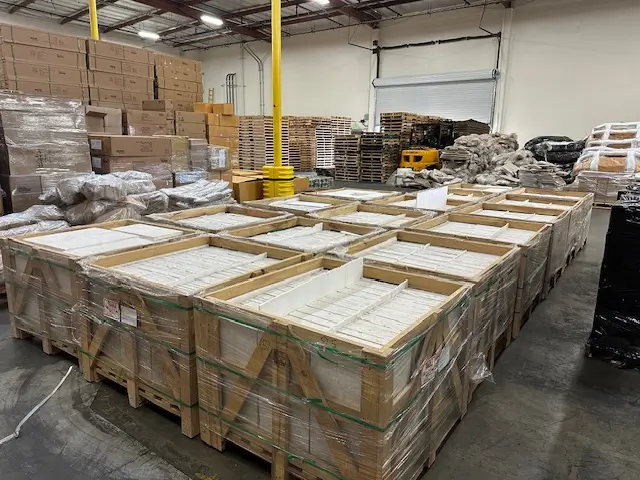
Queen Creek trade discounts for limestone typically follow a volume-ladder structure rather than a flat professional rate. Your first order at contractor pricing might yield a 12–15% reduction from retail. Hit consistent quarterly volumes and that climbs to 20–25%. Negotiate a preferred vendor agreement with annual commitments and you’re looking at 28–32% off standard pricing, plus priority warehouse fulfillment during busy project cycles.
The practical reality is that most contractors leave money on the table by not formalizing these relationships. Placing orders ad hoc — even large ones — rarely triggers automatic tier upgrades. You need to actively request a trade account, provide project documentation showing your activity level, and in some cases sign a preferred customer agreement that locks in your rate for a defined period.
- Request a formal trade account application rather than ordering as a retail customer
- Provide a portfolio of recent projects or contractor license to substantiate your professional status
- Ask specifically about volume thresholds for tier advancement — most suppliers will share these if asked directly
- Track your 90-day purchase history to present when negotiating rate reviews
- Inquire whether combined material categories (limestone plus coping, for example) count toward your volume threshold
Limestone Professional Rates in Arizona: Reading the Real Numbers
Limestone professional rates Arizona-wide vary considerably based on the material’s origin, finish, and thickness. Domestic Arizona-quarried limestone tends to price 10–20% below imported Turkish or European product at comparable grades, though the color palette is narrower. For Queen Creek projects — particularly the sandy-toned desert modern aesthetic that dominates the new construction corridor along Ellsworth and Rittenhouse — domestic buff limestone often performs better aesthetically and hits a lower landed cost simultaneously.
Thickness is the pricing variable contractors most often underspec. Two-centimeter limestone at professional rates might land at $4.50–$6.00 per square foot. Three-centimeter material — which is the right spec for driveways and high-traffic patios — runs $6.50–$9.00 at professional rates. The delta matters when you’re quoting a 3,000-square-foot driveway. Spec the wrong thickness, get the cheaper quote, and you’re looking at callbacks within five years when surface cracking emerges under vehicle loads.
For projects requiring consistent material across large areas, limestone paving slabs provide a practical format advantage — fewer joints, faster installation, and better visual continuity for the large-footprint outdoor rooms that Queen Creek custom homes typically feature. For projects like these, our limestone paver supplier services cover the technical specifications and format options available across Arizona.
Volume Pricing Strategies That Protect Your Margins
Arizona volume pricing for limestone works best when you align your purchasing schedule with your project pipeline rather than reacting to individual job demands. Contractors who batch their material orders — combining materials from two or three upcoming jobs into a single warehouse pull — consistently outperform those who order job-by-job on pricing and availability.
Consider this: a single 800-square-foot patio job in Queen Creek might qualify you for one pricing tier. Add the 400-square-foot courtyard from a project two weeks out and the 600-square-foot pool deck starting next month, and a single consolidated order of 1,800 square feet might jump you two tiers — generating savings that more than offset any short-term storage inconvenience.
- Consolidate orders across upcoming projects to hit higher volume thresholds in a single transaction
- Negotiate blanket purchase orders with scheduled releases to lock in pricing across a quarter
- Discuss warehouse hold arrangements — many suppliers will stage material for release over 4–6 weeks at a single order price
- Request end-of-quarter pricing when suppliers may offer additional incentives to hit their own targets
- Factor in truck delivery minimums — a partial truck delivery can cost as much per trip as a full load, so maximizing payload per delivery directly improves your landed cost
Contractor Savings Through Smarter Project Planning
Contractor savings in limestone procurement don’t start at the order form — they start at the design phase. Material yield on limestone paving projects varies significantly based on the cut pattern you specify. Running bond layouts generate 3–5% waste. Complex herringbone or diagonal patterns push waste factors to 12–18%. On a 2,000-square-foot Queen Creek project, that difference represents $1,500–$4,000 in material cost depending on your grade and thickness, before accounting for your professional rate tier.
Projects in Sedona offer a useful reference point: the high-end resort and residential work there has pushed specifiers toward precise material optimization because budgets are scrutinized at every line item. Contractors who survived that competitive environment brought those discipline habits back to Valley projects and consistently outbid less systematic competitors on material cost without sacrificing quality.
Your project planning should also account for lead times from the warehouse. Standard limestone orders from in-state inventory typically ship within 3–5 business days. Special orders — custom cuts, oversized slab formats, or specific quarry lots for color matching — can run 3–5 weeks. Building those timelines into your schedule protects you from expediting charges that can erase discount savings entirely.
Seasonal Pricing and Market Timing in Queen Creek
The Queen Creek construction market follows a predictable seasonal rhythm that smart contractors use to their advantage on limestone contractor pricing. The October–February window, when outdoor construction accelerates after summer heat, is peak demand season. Material availability tightens, warehouse allocation gets competitive, and spot-order pricing tends to firm up. Contractors who pre-position material in September — before the rush — routinely secure better rates and guaranteed availability.
Conversely, the June–August window is an underused purchasing opportunity. Most residential clients defer project starts until fall, so supplier inventory is typically strong and sales teams have more flexibility on pricing. You won’t start installation during 115°F days, but purchasing material in July and staging it at the job site or in covered storage sets you up for immediate September mobilization at locked pricing.
- Pre-purchase material 6–8 weeks before installation start to lock in pricing and availability
- Use summer months for material procurement even when installation timing is fall
- Request price-hold agreements with defined delivery windows rather than purchasing and storing all material yourself
- Monitor supplier inventory levels — when warehouse stock is high, negotiating leverage shifts in your favor
Comparing Material Formats at Contractor Rates
Limestone paving slabs in Arizona come in several format families, and the format you specify directly affects your contractor rate per unit. Large-format slabs (24×24 and larger) carry a premium at retail but often represent better value at contractor rates because installation labor drops significantly — fewer pieces to handle, fewer joints to cut, faster square footage coverage per crew hour.
Projects in Flagstaff provide a useful counterexample: Flagstaff’s freeze-thaw cycles at 7,000 feet elevation actually favor smaller format units because they accommodate differential movement more effectively than large slabs. Specifying 12×24 or 16×16 formats in that climate isn’t just a design choice — it’s a performance decision that affects your callback rate.
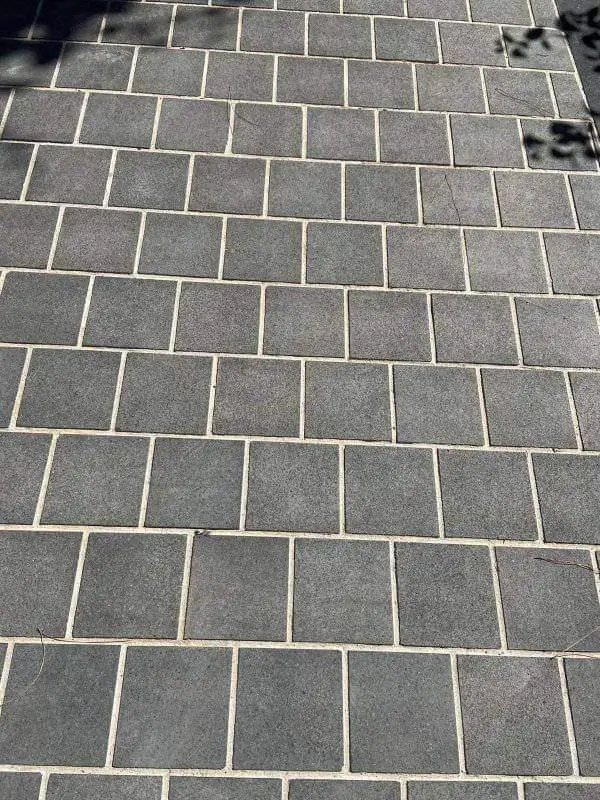
For Queen Creek’s desert heat environment, large-format limestone paving slabs in the 24×48 or 24×24 range perform well because the thermal expansion differential between stone and base is manageable with proper joint spacing at the 10–12 foot intervals that Arizona conditions require. At contractor rates, these larger formats also reduce your per-square-foot material handling cost, which matters on large residential estates that characterize much of Queen Creek’s premium construction market.
Working With Suppliers: What Moves the Needle on Negotiations
Limestone contractor pricing in Queen Creek is more negotiable than most contractors realize, but the leverage points are specific. Price per square foot has limited flexibility once a supplier has set their tier structure. What does flex: delivery scheduling, minimum order size waivers, warehouse hold periods, and material substitution options when your first-choice lot is unavailable.
At Citadel Stone, we recommend contractors approach the supplier relationship as a long-term partnership discussion rather than a transaction. Our technical team regularly consults with Queen Creek contractors on material selection, format optimization, and phased delivery scheduling — because a contractor who executes well becomes a repeat customer, and that’s worth more than the margin on any single order. We maintain warehouse stock specifically calibrated to the Queen Creek and East Valley project pipeline, which means our lead times tend to run shorter than suppliers sourcing on an import cycle.
Projects in Peoria on the west side of the Valley demonstrate the value of that supplier relationship: contractors working on the large master-planned communities there have negotiated truck delivery scheduling that aligns with their weekly installation calendars, eliminating the coordination gaps that create crew downtime. The same approach works in Queen Creek when you’re managing multiple concurrent projects in the same development.
Documentation and Account Management for Maximum Discount Access
Your ability to access the best limestone professional rates Arizona suppliers offer depends heavily on how you document and manage your trade account. Most suppliers use a rolling 90-day purchase history to assign tier status. If you’ve had a slow quarter — common after summer heat season — your tier assignment may have dropped without your awareness. Checking your account status before placing a major order is a simple step that contractors regularly skip.
- Request quarterly account reviews with your supplier representative to verify your current tier status
- Maintain copies of your contractor license and any relevant certifications — some suppliers offer additional discounts to licensed specialty contractors
- Track your project volume accurately and provide documentation when requesting tier upgrades
- Ask whether referral programs exist — some suppliers offer pricing credits for contractor referrals that generate new accounts
- Keep purchase order records organized — disputes about volume tier status are easier to resolve when you have clear documentation of your order history
The administrative side of contractor savings is unglamorous but consequential. A contractor who qualified for a top-tier rate in March but let their account lapse through summer might be ordering at mid-tier rates in October without realizing it — paying 8–12% more than necessary on every square foot of limestone paving slabs through the busy fall season.
What Matters Most: Protecting Your Position in a Competitive Market
Limestone contractor pricing in Queen Creek isn’t a fixed number you accept from a price sheet — it’s a negotiated position you earn through volume, relationship management, and purchasing strategy. The contractors who consistently hit the best rates are the ones who’ve formalized their trade accounts, consolidate orders strategically, and plan material procurement ahead of the seasonal demand curve. They understand that warehouse allocation, truck delivery scheduling, and account tier status are all levers that compound the raw per-square-foot discount into genuinely meaningful margin protection across a full project year.
Your specification decisions matter as much as your purchasing decisions. Getting format, thickness, and pattern right reduces waste factors, protects your installation longevity, and gives you a credible value story when clients push back on material costs. Queen Creek’s growth trajectory means this market will remain competitive — but contractors who approach limestone procurement with the same rigor they apply to installation will consistently outperform those who treat material as a commodity line item. For contractors working across the broader Arizona market, Limestone Paver Minimum Order Requirements for Buckeye Businesses covers how minimum order structures affect project economics in a neighboring market, providing useful context for anyone managing multi-site Arizona volume pricing. We are unique among limestone tile suppliers in Arizona offering large format tiles for seamless flooring.