
Limestone block pillars in Buckeye carry compressive loads that most decorative column systems simply aren’t engineered to handle — and the difference between a spec that lasts 25 years and one that starts cracking at year six almost always comes down to block selection, mortar mix, and footing depth, not aesthetics. Getting limestone block pillars right for Buckeye entry features means reconciling the region’s extreme diurnal temperature swings, expansive clay soils, and the HOA-driven architectural expectations that dominate master-planned communities across the West Valley. This guide walks through the specification decisions that actually matter, in the order you’ll need to make them.
Why Limestone Works for Buckeye Entry Features
The performance case for limestone block pillars in Buckeye starts with thermal mass. Dense limestone absorbs heat during the day and releases it slowly overnight, which means surface temperatures stay 15–25°F cooler than equivalent concrete masonry units under direct afternoon exposure. That matters for a West Valley project because your entry pillars face southwest solar loading for six or more hours daily during peak summer months.
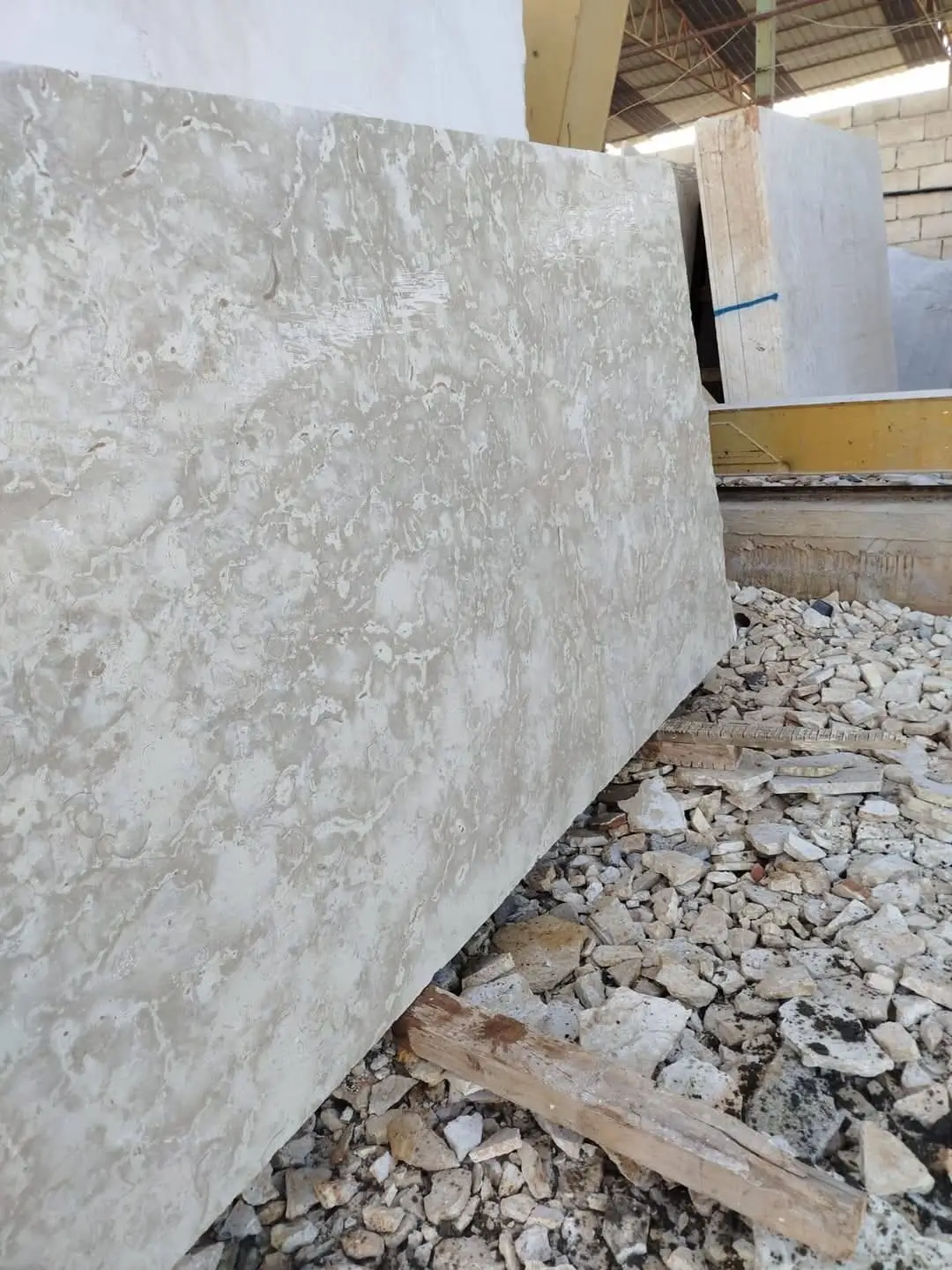
Limestone also delivers compressive strength in the 8,000–12,000 PSI range depending on the formation — well above what a residential or light commercial entry column requires structurally. The natural variation in color and texture means each pillar reads as a crafted architectural element rather than a manufactured product, which is exactly what the decorative block pillars market in the Southwest demands right now.
- Thermal conductivity lower than concrete block reduces surface heat transfer to adjacent landscaping and foot traffic areas
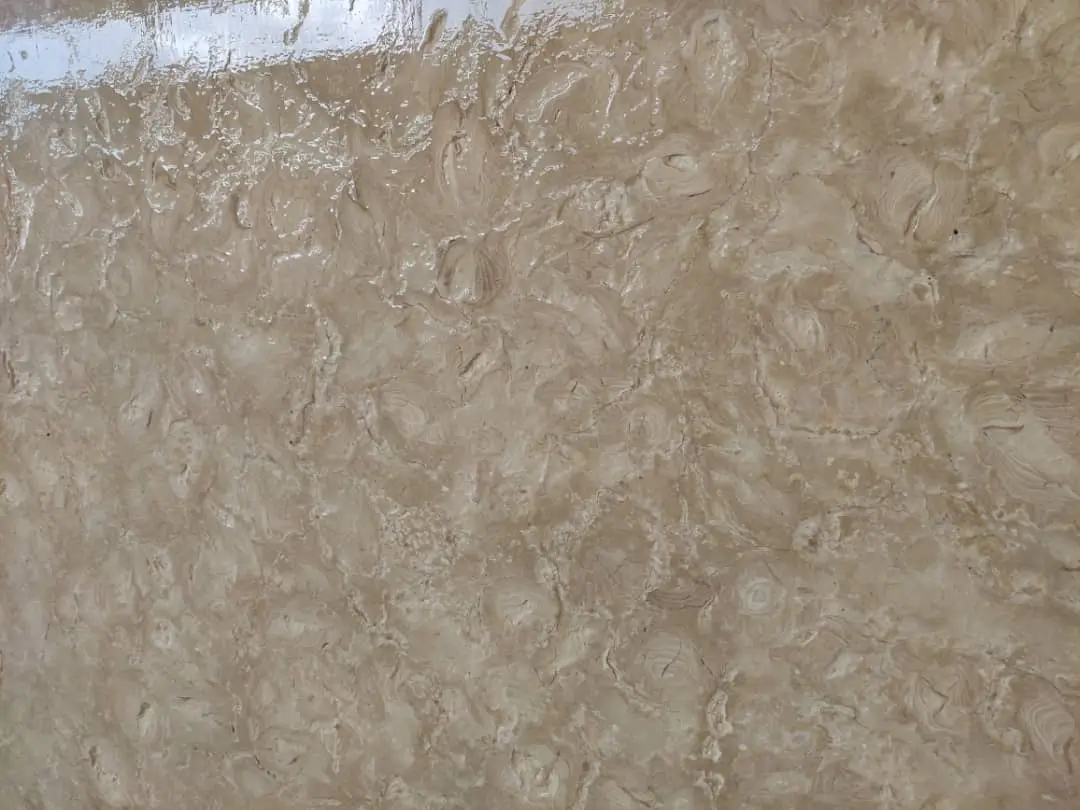
- Natural color consistency across split-face and tumbled finishes holds up to UV exposure without fading the way synthetic coatings do
- Material density resists impact and abrasion from vehicle proximity at entry gates — a practical concern most specs overlook
- Limestone’s slightly alkaline pH chemistry remains stable in Arizona’s caliche-rich soils, reducing long-term reactivity at the footing interface
Footing and Base Requirements for Buckeye Soil Conditions
Buckeye’s soil profile is one of the most challenging in the Valley. You’re dealing with expansive clays in many subdivisions west of I-10, and those soils can exert enough upward pressure to crack an under-engineered footing within a single wet season. For limestone block pillar construction here, your footing needs to extend a minimum of 24 inches below finish grade — 30 inches if you’re building on anything with a plasticity index above 20.
Concrete footing mix should hit 3,000 PSI minimum, with a 4-inch slump for workability in summer heat. The footing diameter should be at least twice the pillar’s nominal base width — so a 16-inch square pillar base needs a 32-inch diameter footing pad. Don’t let a contractor talk you into pouring a smaller footing to save on concrete; that’s the most common cost-cutting decision that generates pillar lean within three to five years.
- Install a 4-inch diameter schedule 40 PVC sleeve vertically through the footing center if you’re planning electrical conduit for pillar cap lighting
- Use a vapor barrier between the footing and the first course of limestone to interrupt capillary moisture migration into the block stack
- Allow the footing to cure a full 28 days before loading it with block courses — rushing this step causes differential settlement that no amount of repointing will fix
- Tie rebar vertically through the footing and grout core of the pillar at a minimum of one #4 bar for pillars under 6 feet, two #4 bars for taller structures
Block Selection and Coursing for Arizona Entrance Features
Your block selection for Arizona entrance features needs to account for both structural performance and visual coursing. A standard limestone block in the 8″ × 8″ × 16″ nominal dimension gives you clean coursing lines and enough face area to showcase natural color variation without the joints becoming visually dominant. Thicker 12″ × 8″ × 16″ units are worth specifying when the pillar needs to carry a heavy cap stone or gate hardware — the extra mass reduces the risk of top-loading stress concentration at the uppermost mortar joints.
Split-face finish on the field block with a smooth-sawn cap creates the contrast that defines a professional-grade entry column. Avoid specifying tumbled limestone for the field courses on load-bearing pillars — the rounded arris reduces the mechanical interlock between mortar and block face, which matters when you’re stacking seven or eight courses under tension from rebar and grout fill.
Projects in Yuma that have pushed block coursing past nine courses without a bond beam have shown hairline cracking at mid-pillar height within two summers — the combination of thermal cycling and wind load is enough to stress an unreinforced stack beyond its elastic limit. Specify a bond beam block at the fourth or fifth course for pillars exceeding 5 feet in finished height.
- Match block batch numbers when ordering to maintain consistent color across both pillars of a paired entry set
- Order 10–12% overage to account for cuts, chipping during handling, and future repair needs
- Verify warehouse stock levels before committing to a project start date — limestone block in popular buff and cream tones moves quickly during fall and spring build seasons
Mortar Mix Specifications for Desert Climate Pillar Building
Mortar mix is where limestone pillar building Arizona projects diverge most sharply from standard masonry practice. The combination of high ambient temperatures, low humidity, and direct sun exposure means your mortar can lose workable moisture within 20–30 minutes of application during summer months — compared to 60–90 minutes in a moderate climate. That compressed window requires you to batch smaller quantities and keep mortar in the shade between applications.
Specify a Type S mortar mix for limestone pillar building Arizona entry column construction. Type N is too soft for the vertical load and thermal cycling demands here, and Type M is too rigid — it’ll crack before the limestone does. Type S hits the right balance at roughly 1,800 PSI compressive strength, with enough flexibility to absorb minor differential movement between block courses during seasonal temperature swings.
- Add a masonry plasticizer at the manufacturer’s recommended rate to extend working time without adding water — water additions weaken the mix and increase shrinkage cracking
- Shade the work area or schedule block laying for early morning hours when ambient temperature is below 95°F
- Mist limestone block faces lightly before applying mortar to reduce rapid suction absorption — dry block will pull moisture from fresh mortar too quickly for proper bond development
- Tool joints to a concave profile to shed water and reduce the risk of efflorescence migration from interior grout cores
Grouting the Core: Structural and Thermal Performance
Hollow-core limestone block pillars need full grout fill to perform structurally in seismic zone areas and to maximize the thermal mass benefit that makes limestone block pillars a compelling choice over steel post systems with decorative cladding. Use a fine grout mix — ASTM C476 compliant — with a slump between 8 and 11 inches to ensure complete void fill without rodding every 6 inches down the core.
Pour grout in lifts no greater than 5 feet to control hydrostatic pressure against the block face joints. You’re not dealing with ICF wall pressure here, but fresh grout against freshly laid mortar joints can cause face blowout if you pour the full pillar height in a single lift. Let each 5-foot pour achieve initial set — typically 4–6 hours in summer conditions — before continuing.
At Citadel Stone, we recommend sourcing your grout aggregate locally in Arizona to match the thermal expansion coefficient of the regional limestone. Using out-of-state aggregate with a significantly different coefficient can introduce micro-stress at the block-grout interface over years of thermal cycling, which shows up as map cracking on pillar faces by year 10 or 12.
Cap Stone Selection and Attachment for Buckeye Entry Columns
The cap stone on a limestone block pillar takes the highest thermal load of any element in the assembly — it’s fully exposed on top, with no shade from adjacent block courses. Specify cap stones in a minimum 3-inch thickness to provide enough thermal mass to avoid the heat spike that causes surface spalling on thinner cap profiles. A 4-inch cap in a contrasting limestone finish — polished dove grey over buff split-face field block, for example — creates the visual terminus that makes a Buckeye entry column read as a finished architectural element rather than an incomplete stack.
Attachment matters as much as selection. Dry-set cap stones on Arizona entrance features will shift within two to three years as thermal cycling works them loose. Set the cap in a full bed of Type S mortar and allow 72 hours of cure time before applying any top-surface sealer. For oversized caps — anything projecting more than 2 inches beyond the pillar face on all sides — add stainless steel pin anchors through the mortar bed into the top block course.
For project sourcing and material verification, the Citadel Stone limestone tile supplier in Mesa resource covers complementary limestone materials that pair well with block pillar construction across Arizona entry feature projects.
Sealing Limestone Block Pillars for Long-Term Performance
Sealing limestone block pillars in a desert climate serves two functions that aren’t always obvious: moisture exclusion during the monsoon season and UV pigment stabilization that keeps natural limestone color consistent over decades. The West Valley monsoon delivers intense but brief saturation events — 1–3 inches in under an hour — and an unsealed pillar can wick that water into the grout core faster than the mass can dry out, setting up conditions for salt efflorescence and freeze-cycle expansion if you’re in a higher elevation zone.
Use a penetrating silane-siloxane sealer, not a surface-coating sealer. Surface coatings trap moisture that gets in from the mortar joints and can cause delamination bubbling on the block face within two to three years in high-UV environments. A penetrating sealer bonds with the limestone’s silica matrix and allows vapor transmission outward while blocking liquid water ingress. Apply every three to four years in Buckeye conditions — the intense UV degrades even quality penetrating sealers faster than manufacturers’ standard 5-year ratings assume.
Delivery Logistics and Project Planning for Arizona Pillar Projects
Coordinating material delivery for limestone block pillar construction requires more planning than most residential masonry projects. A standard entry pillar pair — two columns at 5 feet finished height — requires roughly 80–100 block units plus cap stones, mortar materials, and grout. That’s a truck delivery rather than a pickup load, and access to the entry gate construction zone during an active subdivision build-out can be tighter than anticipated.
Confirm truck clearance at the site access point before scheduling delivery. Flatbed delivery of palletized limestone block requires a minimum 14-foot vertical clearance and enough turning radius for a standard tandem axle flatbed. In Mesa and other established East Valley communities, utility lines and mature landscaping can complicate delivery routes that look straightforward on a map.
- Schedule material delivery at least two weeks before your planned start date to account for lead times from the warehouse and any quality inspection time
- Inspect each pallet on delivery for cracked block faces, color inconsistency, and any units showing pre-existing mortar contamination
- Store pallets on level ground under shade cloth if installation is more than a week away — direct sun exposure causes uneven moisture loss that affects mortar bond on installation day
- Limestone block from Arizona’s leading limestone block suppliers can carry 4–8 week lead times for specialty finishes during peak season — verify availability before finalizing your project schedule
Common Field Errors in Decorative Block Pillar Installation
The failure modes for decorative block pillars fall into a predictable pattern across Arizona projects. Footing undersizing is the most frequent root cause — contractors who build in moderate climates regularly underestimate how much soil movement Buckeye’s expansive clays produce. The second most common error is dry-stacking field block without mortar — relying solely on grout fill for structural continuity — which creates a pillar that looks fine for two years and then exhibits progressive joint separation from the outside in.
Projects in Gilbert have demonstrated that skipping the vapor barrier between footing and first course consistently leads to efflorescence bloom on the lower two courses within the first monsoon season — a cosmetic problem that’s difficult to remediate without disassembling the base courses. Install the barrier. It costs almost nothing and prevents a callback that costs real money.
- Never use pre-mixed bag mortar for pillar construction — inconsistent water ratios from job-site mixing lead to variable strength and color across the mortar joints
- Don’t point joints on the same day as block laying in summer conditions — premature tooling when mortar is still soft causes joint smearing that permanently stains limestone faces
- Avoid specifying pillar cap stones without an overhang of at least 1.5 inches on all sides — a flush cap channels rainwater directly into the top mortar joint rather than throwing it clear
- Don’t apply sealer to freshly grouted pillars — wait a minimum of 28 days for the grout to fully cure before sealing to avoid trapping alkaline leachate under the sealer film
Spec Wrap-Up
Limestone block pillars in Buckeye entry features succeed or fail on the decisions made before the first block is laid — footing depth, block selection, mortar mix, and grout strategy are the variables that determine whether you’re specifying a 10-year or a 25-year installation. The material itself is forgiving and performs exceptionally in desert conditions, but it rewards thorough specification and punishes shortcuts at the footing and mortar layers.
Your pillar project benefits most from a complete package approach: match your block finish to the cap stone, seal proactively from the first season, and build in the rebar and grout continuity that transforms a decorative stack into a structural column. As you plan your broader Arizona hardscape scope, related structural stone applications may inform your material strategy — Limestone Block Retaining Systems for Avondale Slope Control explores how Citadel Stone limestone block performs in load-bearing retaining contexts across the West Valley, which can be relevant when entry pillars tie into grade-change walls or battered site boundaries. Citadel Stone advises on the best sub-base for installing limestone slabs in Arizona soils.