
When you design structures in Arizona’s desert environment, you’re dealing with one of the most electrically active atmospheric conditions in North America. Lightning safe stone construction Arizona requires you to integrate electrical safety principles directly into your material selection and structural detailing from the earliest design phases. You can’t treat lightning protection as an afterthought when you’re specifying building materials that will interact with high-voltage discharge events averaging 30,000 amperes.
Your stone construction projects face unique challenges in desert climates where dry air, minimal ground moisture, and intense solar heating create ideal conditions for static charge accumulation. The electrical safety considerations you need to address go far beyond simply installing lightning rods on completed structures. Stone materials themselves become part of the protective system when you understand their electrical conductivity properties, thermal shock resistance under rapid heating, and how they integrate with grounding systems buried in Arizona’s distinctive soil profiles.
Electrical Conductivity in Stone Materials
Natural stone exhibits varying electrical resistance depending on mineral composition, moisture content, and crystalline structure. When you evaluate lightning safe stone construction Arizona applications, you need to understand that most building stones function as insulators under normal conditions but behave differently during lightning strikes. Limestone and sandstone typically show resistivity values between 10^3 and 10^7 ohm-meters when dry, while granite ranges from 10^5 to 10^8 ohm-meters depending on quartz content.
Your material selection affects how electrical current disperses through the structure during a strike event. Dense, low-porosity stones with minimal moisture absorption provide more predictable electrical behavior than highly porous materials that change conductivity with seasonal humidity fluctuations. You’ll find that stones with interconnected pore structures can create unpredictable current pathways when moisture penetrates beyond surface zones, particularly during Arizona’s monsoon season when relative humidity jumps from 15% to 60% within hours.
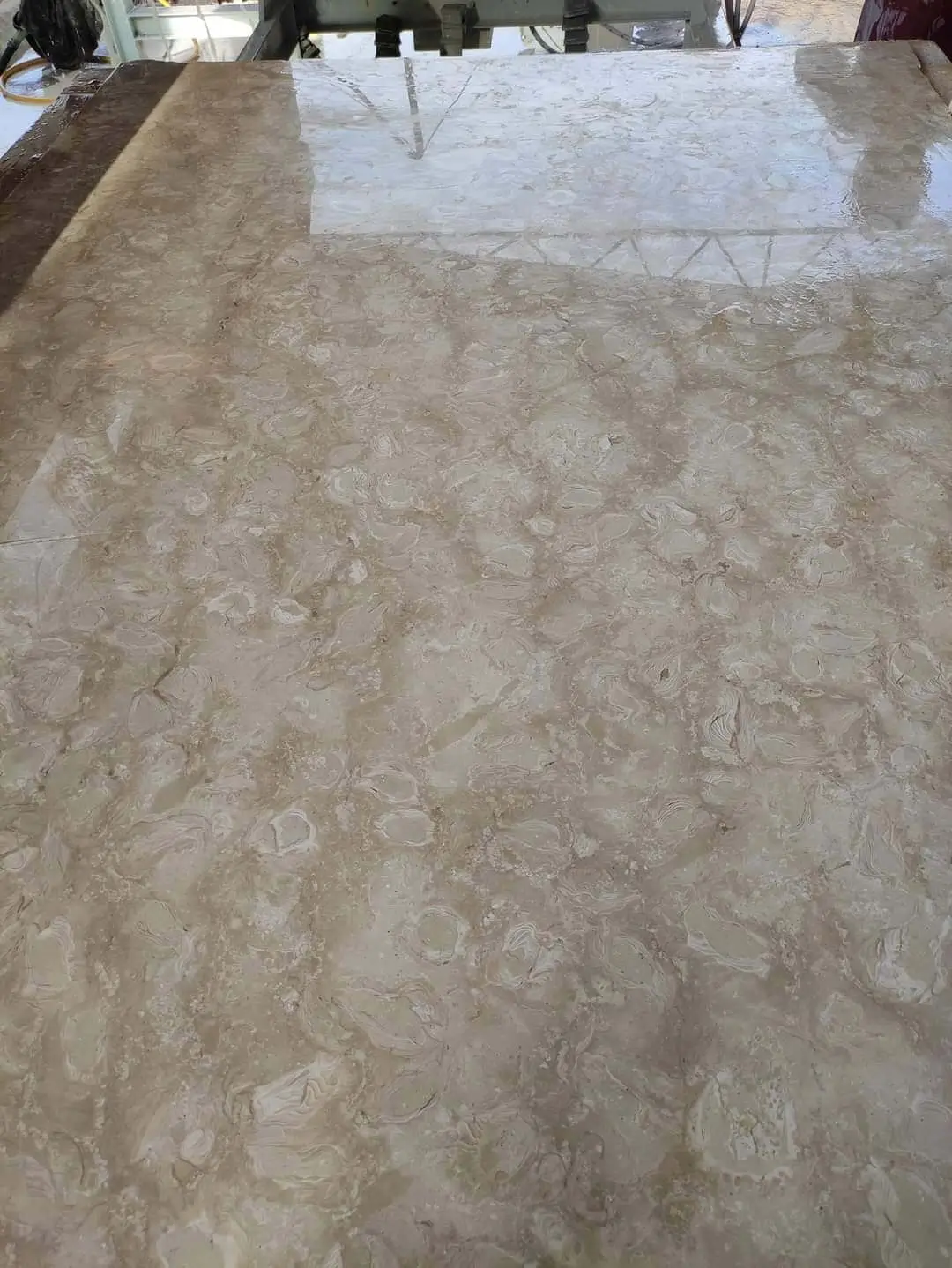
The thermal shock resistance of your selected stone becomes critical during lightning events. A typical strike delivers 1-5 gigajoules of energy in microseconds, creating instantaneous surface temperatures exceeding 30,000°C along the current path. Stones with low thermal expansion coefficients and high fracture toughness survive these events without spalling or explosive fragmentation. You should specify materials that have demonstrated survival in high-voltage laboratory testing rather than relying solely on compressive strength data.
Grounding System Integration Strategies
Lightning safe stone construction Arizona demands that you coordinate structural masonry with electrical grounding systems during foundation and wall construction phases. Your grounding electrode system must achieve low earth resistance despite Arizona’s notoriously resistive desert soils, which typically measure 500-5000 ohm-meters in undisturbed conditions. This is 10-50 times higher resistance than you’d encounter in humid climates with clay-rich soils.
You need to plan for grounding conductors that penetrate through stone veneer systems without creating thermal bridges or moisture intrusion points. When you detail masonry walls with integrated copper grounding straps, you must maintain electrical continuity while accommodating differential thermal movement between metal conductors and stone elements. The coefficient of thermal expansion for copper (16.5 × 10^-6 per °F) differs significantly from typical building stones (4-8 × 10^-6 per °F), creating stress concentrations at connection points during daily temperature swings of 40-50°F common in Arizona desert climates.
- You should embed grounding conductors in mortar joints rather than drilling through stone units, which creates stress risers and potential fracture initiation points
- Your conductor routing must avoid creating inductive loops that increase impedance to lightning current flow
- You need to maintain minimum 6-inch separation between grounding conductors and reinforcing steel to prevent arcing during strike events
- Your connection details must account for galvanic corrosion between copper conductors and any aluminum flashing or steel reinforcement
The enhanced grounding required for lightning safe stone construction Arizona applications often necessitates chemical ground rods or conductive concrete encasement to achieve target resistance values below 10 ohms. You’ll find that standard 8-foot copper-clad ground rods rarely achieve adequate performance in caliche layers or decomposed granite soils without supplemental treatment. Consider specifying ground enhancement materials that lower soil resistivity in the electrode zone through hygroscopic salt compounds, though you must evaluate long-term environmental impacts and local code compliance.
Protection Standards for Desert Applications
Your lightning protection system design must comply with NFPA 780 Standard for the Installation of Lightning Protection Systems, but you need to recognize that this standard’s assumptions don’t fully address desert climate conditions. The standard presumes soil moisture content that provides reasonable grounding electrode performance, which you won’t find across most of Arizona during the 8-9 month dry season. You should reference IEEE Std 142 (Green Book) for more detailed guidance on grounding in high-resistivity soils.
When you specify lightning safe stone construction Arizona systems, you’re required to provide air terminals, down conductors, bonding connections, and grounding electrodes that form a complete current path to earth. The stone masonry becomes part of this system not as a conductor but as a structural element that must survive the mechanical and thermal stresses created during current flow through adjacent metallic components. You need to maintain minimum separation distances specified in protection standards between down conductors and occupied spaces.
Your design calculations should account for the “rolling sphere” method specified in NFPA 780 for determining air terminal placement. This geometrical approach assumes a 150-foot radius sphere rolling over the structure, with strike attachment occurring at any point the sphere contacts. For stone buildings with complex roof geometries, parapet walls, or elevated architectural features, you’ll need to position air terminals to ensure no unprotected surfaces exist within this 150-foot radius envelope. The masonry construction must accommodate these terminal locations without compromising waterproofing or structural integrity.
Thermal Shock and Material Response
The rapid heating cycle during a lightning strike creates thermal gradients in stone materials that you must anticipate during specification. Surface temperatures can reach 30,000°C for microseconds while substrate temperatures remain near ambient, generating thermal stress that exceeds the tensile strength of many building stones. You’ll observe different failure modes depending on mineral composition and existing flaw populations within the stone.
Dense limestones with fine crystalline structure generally exhibit better thermal shock resistance than coarse-grained sandstones or metamorphic stones with preferred cleavage planes. Your specification should prioritize stones with proven performance in lightning-prone regions. Laboratory testing using high-voltage impulse generators provides data on actual material response, though field performance records from similar installations offer more reliable guidance.
When you evaluate electrical safety for masonry construction, consider how mortar joints respond differently than stone units during current conduction. Portland cement mortars typically show lower electrical resistance than surrounding stone when moisture is present, potentially creating preferential current paths along joint networks. This can lead to explosive spalling of mortar if current density exceeds vaporization thresholds for joint moisture. You should specify joint profiles and mortar mixes that minimize moisture retention while maintaining required structural performance.
Preventing Unintended Conductive Pathways
Lightning safe stone construction Arizona requires you to eliminate or control conductive elements that could create side-flash hazards during strike events. Metal ties, flashing, reinforcement, and embedded anchors all become potential current conductors that must be bonded into the lightning protection system or isolated with adequate separation distances. You can’t simply ignore metallic components within masonry assemblies and expect predictable system performance.
Your detailing must address the interconnected network of wall ties, shelf angles, and relieving angles common in modern stone veneer systems. When these metallic elements remain unbonded to the lightning protection system, they can develop voltage differentials during a strike that cause arcing to nearby grounded components. This side-flash phenomenon creates explosive forces within wall cavities and can ignite combustible materials. You need to establish clear bonding protocols that connect all significant metallic masses to the protection system’s down conductors.
The integration challenges multiply when you’re working with professional building masonry materials that include stainless steel anchoring systems, copper flashing assemblies, and aluminum window frames all within the same facade. Each material has different galvanic potential and requires specific bonding details to prevent accelerated corrosion while maintaining electrical continuity. You should develop standardized details for common penetrations and transitions rather than attempting to solve these conflicts in the field during construction.
Moisture Effects on System Performance
Arizona’s dramatic seasonal moisture variations create changing electrical characteristics in stone masonry that you must account for during protection system design. During the summer monsoon period from July through September, atmospheric moisture content increases dramatically, and stone porosity allows moisture absorption that reduces electrical resistivity by 1-2 orders of magnitude. Your grounding system performance will vary significantly between dry and wet seasons.
You need to design for worst-case scenarios that include both low soil moisture conditions affecting grounding electrode resistance and high stone moisture content affecting current dispersion through masonry assemblies. These conditions don’t occur simultaneously, which means your lightning safe stone construction Arizona protection approach must remain effective across the full range of environmental states. Testing grounding system resistance during Arizona’s dry months provides conservative values that ensure adequate performance year-round.
- Stone porosity directly correlates with moisture absorption and electrical conductivity changes between seasons
- Mortar joints typically absorb and retain more moisture than stone units, creating preferential conduction paths
- Efflorescence patterns often indicate moisture migration routes that correspond to potential electrical pathways during lightning events
- Grounding electrode resistance in desert soils can vary by 300-500% between wet and dry seasons
Your specification should address moisture management details that serve dual purposes for both weatherproofing and electrical safety. Properly designed drainage planes, weep systems, and flashing assemblies prevent moisture accumulation within wall cavities where it could create unpredictable conductive pathways. You’ll find that attention to these details improves both durability and lightning protection performance.
Bonding Structural Reinforcement Elements
When you incorporate steel reinforcement within stone masonry construction, you’re introducing a highly conductive material network that must be properly bonded to the lightning protection system. Reinforcing bars, post-tensioning tendons, structural steel lintels, and embedded anchors all require electrical connection to down conductors at regular intervals. You can’t allow isolated metallic masses within the structure that could develop dangerous voltage differentials during strike events.
Your bonding design must address the challenge of connecting copper or aluminum lightning protection conductors to steel reinforcement without creating galvanic cells that accelerate corrosion. Bimetallic connectors specifically listed for lightning protection applications provide reliable electrical contact while minimizing galvanic potential. You need to specify these connections at maximum 200-foot intervals along structural steel elements per NFPA 780 requirements.
The presence of structural reinforcement actually provides benefits for lightning safe stone construction Arizona when properly integrated into the protection system. The interconnected rebar network within reinforced masonry walls can function as a natural down conductor system, dispersing lightning current across multiple pathways to the grounding electrode system. You should coordinate with structural engineers to map reinforcement layouts and identify optimal bonding locations that serve both structural and electrical safety functions.
Desert Soil Conditions and Grounding Performance
Arizona’s desert soils present some of the most challenging conditions for achieving low-resistance grounding systems required by protection standards. You’re typically working with sandy or rocky soils with minimal moisture content and high mineral salt concentrations that create resistivity values 10-50 times higher than ideal grounding conditions. Standard grounding electrode installations rarely achieve target resistance values without enhancement techniques.
Caliche layers common throughout Arizona desert regions create particular difficulties. This cemented soil horizon consisting of calcium carbonate deposits forms an impermeable barrier 6-36 inches below grade that prevents moisture migration and creates extremely high electrical resistance. When you encounter caliche during site investigation, you need to plan for grounding electrodes that penetrate through this layer or utilize horizontal grounding elements installed in trenches filled with conductive backfill material.
Your grounding system design should anticipate resistivity values of 2000-5000 ohm-meters for undisturbed desert soils. To achieve the 10-25 ohm resistance targets specified in lightning protection standards, you’ll need to implement enhancement strategies beyond simple driven ground rods. Chemical ground rods containing hygroscopic salts, concrete-encased electrodes, or extended ground rings provide more reliable performance in these challenging conditions. You should verify actual earth resistance through field testing during both dry and wet seasons before finalizing your protection system design.
Protecting Architectural Stone Features
Stone architectural elements like copings, cornices, parapets, and finials require special consideration in lightning safe stone construction Arizona applications because they often represent the highest points on a structure where strike attachment is most likely. You need to integrate air terminals and down conductors with these decorative features without compromising aesthetic intent or creating water infiltration paths. The challenge lies in providing adequate electrical protection while maintaining the architect’s design vision.
Your detailing must accommodate air terminal mounting within or adjacent to stone architectural features while ensuring secure mechanical attachment that survives wind loading and thermal cycling. Through-bolting air terminals directly to stone copings creates potential stress concentrations and water infiltration points. You’ll achieve better results by integrating terminals with metal flashing systems or embedding mounting plates within mortar joints during original construction.
- Air terminals should extend at least 12 inches above protected stone features per NFPA 780 requirements
- Down conductor routing must maintain minimum 3-foot separation from occupied spaces or utilize shielding
- Your mounting details must accommodate thermal expansion differences between copper terminals and stone substrates
- Aesthetic integration often requires custom-fabricated air terminals that match stone profiles and finishes
Stone finials, chimney caps, and decorative spires present particular challenges because strike attachment at these points subjects the stone to maximum thermal and mechanical stress. You should evaluate whether enhanced lightning protection measures like dissipation arrays or early streamer emission terminals provide sufficient risk reduction for high-value architectural features. In some cases, specifying more thermally shock-resistant stone materials for these vulnerable elements provides better long-term protection than relying solely on electrical systems.
Inspection and Testing Protocols
Verification of lightning safe stone construction Arizona performance requires comprehensive testing during installation and periodic re-testing throughout the building’s service life. You can’t assume proper system function without measuring actual electrical characteristics and confirming physical integrity of all components. Your construction administration should include defined testing protocols executed by qualified technicians using calibrated instrumentation.
Ground resistance testing using fall-of-potential method provides accurate measurement of your grounding electrode system’s performance. This testing should occur during both wet and dry seasons to establish the range of resistance values your system exhibits throughout the year. You need to achieve resistance values below 25 ohms per NFPA 780, though lower values provide better protection margins. If initial testing reveals inadequate performance, you’ll need to add supplemental grounding electrodes or implement soil enhancement techniques to reduce resistance.
Continuity testing of bonding connections verifies that all metallic building components are properly integrated into the lightning protection system. Your testing protocol should document resistance between the grounding electrode system and every significant metallic mass within the structure, including structural steel, rebar networks, HVAC equipment, and plumbing systems. Resistance values should not exceed 1 ohm for any bonding connection. Higher values indicate poor contact that requires correction before the system can be considered functional.
Long-Term Maintenance and System Integrity
Lightning protection systems integrated with stone construction require ongoing maintenance to ensure continued effectiveness throughout the building’s service life. You should establish inspection intervals based on local lightning flash density and environmental exposure conditions. For Arizona desert climates with 3-5 flash events per square kilometer annually, biennial inspections provide adequate monitoring frequency for most commercial and institutional buildings.
Your maintenance program should address corrosion of metallic components, particularly at connections between dissimilar metals and at points where conductors penetrate through or attach to stone surfaces. Copper and aluminum conductors resist atmospheric corrosion well in dry climates, but connection points remain vulnerable to galvanic effects and mechanical degradation. You need to verify that compression connectors remain tight and that no green copper oxide deposits indicate active corrosion at bonding locations.
Physical damage to stone elements following lightning strike events requires systematic inspection and documentation. While properly designed protection systems should prevent stone damage by conducting current through designated metallic pathways, direct attachment strikes can still occur at unprotected locations. You’ll need to evaluate any cracking, spalling, or discoloration in stone masonry following confirmed lightning events in the vicinity. These inspections help identify system deficiencies that require corrective action to prevent future damage.
Premium Building Stone for Sale in Arizona: Lightning Protection Integration Case Studies
When you consider Citadel Stone’s building stone for sale in Arizona for your commercial or institutional project, you’re evaluating materials specifically selected for performance in high-lightning environments. At Citadel Stone, we provide technical guidance for integrating electrical safety systems with natural stone construction across Arizona’s diverse desert regions. This section outlines how you would approach lightning safe stone construction Arizona specification decisions for three representative cities with varying lightning flash densities and soil conditions.
Yuma Desert Installations
In Yuma’s low-elevation desert environment, you would encounter lightning flash density of approximately 2-3 events per square kilometer annually, which is moderate compared to Arizona’s higher-elevation regions. Your primary challenges involve extremely resistive sandy soils with resistivity often exceeding 5000 ohm-meters and minimal natural moisture. When you specify building stone for sale in Arizona for Yuma projects, you should prioritize dense limestone materials with low porosity and excellent thermal shock resistance. Your grounding system design would require enhanced electrodes with chemical treatment or concrete encasement to achieve protection standards compliance. You’d need to plan for horizontal grounding elements extending 50-75 feet from the structure perimeter to develop adequate earth contact area in these highly resistive soil conditions.
Mesa Commercial Applications
Mesa’s position in the Phoenix metropolitan area subjects your projects to 4-6 lightning flash events per square kilometer during monsoon season, requiring robust protection system integration with stone construction. You would encounter caliche soil layers 12-24 inches below grade that create grounding challenges and clay-rich subsoils at depth offering better conductivity if you can penetrate the caliche barrier. When you design lightning safe stone construction Arizona for Mesa locations, your material selection should emphasize sandstone or limestone with proven thermal shock performance and minimal susceptibility to explosive spalling. You’d coordinate down conductor routing with stone veneer anchoring systems to maintain required electrical separation while accommodating thermal movement. Your grounding electrode system would need to penetrate through caliche layers using augered installations or utilize enhanced horizontal electrodes in engineered backfill trenches.
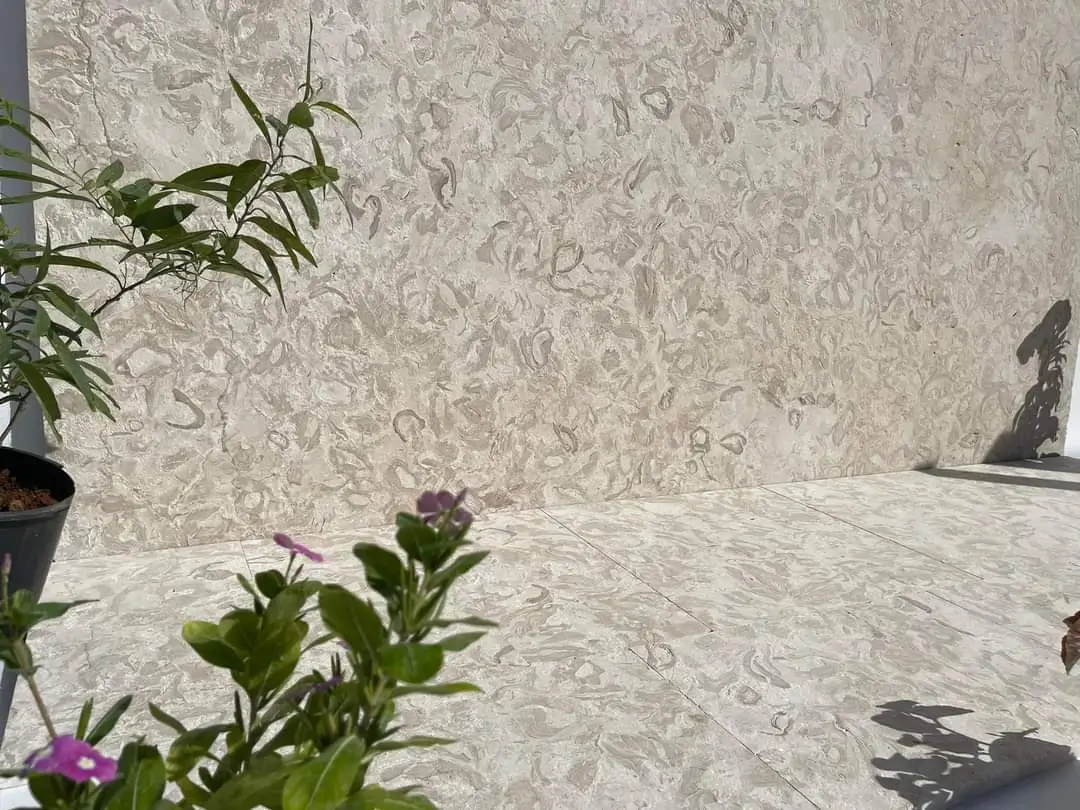
Gilbert Institutional Facilities
Gilbert’s rapid development includes institutional facilities where enhanced electrical safety becomes critical for building occupant protection. You would design for similar lightning flash density as Mesa but with more complex structures featuring stone architectural elements at varying elevations. Your specification approach should integrate air terminals with stone copings, parapets, and decorative features while maintaining aesthetic integrity. When you evaluate building stone for sale in Arizona for Gilbert projects, you’d prioritize materials compatible with embedded bonding conductor installations and capable of surviving thermal stress at potential strike attachment points. Your grounding system would connect to structural steel networks within the building while maintaining proper bonding intervals per NFPA 780. You’d need to verify warehouse availability for selected stone materials and coordinate delivery schedules with protection system installation sequencing to ensure proper integration during construction.
Risk Assessment and Mitigation Strategies
Determining the appropriate level of lightning protection for stone construction projects requires systematic risk assessment that evaluates structure characteristics, occupancy type, and local lightning flash density. You should utilize the risk assessment methodology in NFPA 780 Annex L or IEC 62305-2 to calculate the probability of lightning strikes and potential consequences. These calculations account for structure dimensions, height, location, and surrounding terrain to determine whether enhanced protection measures beyond code-minimum requirements provide cost-effective risk reduction.
Your risk assessment should consider the unique vulnerabilities of stone construction, including the potential for thermal shock damage to irreplaceable architectural elements and the challenges of retrofitting protection systems into completed masonry assemblies. For high-value historic stone buildings or structures with significant public assembly occupancy, you’ll typically find that enhanced protection standards provide justified risk reduction even when basic code compliance suggests standard measures would suffice.
The economic analysis supporting your protection system investment should account for both direct strike damage and consequential losses from business interruption, equipment damage, and injury liability. Lightning-related insurance claims for commercial buildings average $250,000-500,000 when significant structural damage occurs, far exceeding the $15,000-40,000 typical cost of comprehensive protection systems on new construction. You should present these lifecycle cost comparisons to building owners during early design phases when system integration is most cost-effective.
Final Implementation Considerations
Your successful lightning safe stone construction Arizona implementation depends on early coordination between architectural design, structural engineering, electrical design, and stone masonry specification. You can’t effectively integrate lightning protection systems if you attempt to add them after completing structural and architectural design. The planning phase must establish conductor routing, grounding electrode locations, and bonding connection details that become embedded within the masonry construction.
You should develop comprehensive construction documents that specify lightning protection components, installation requirements, testing protocols, and acceptance criteria. Generic notes referencing NFPA 780 compliance provide insufficient guidance for field crews integrating protection systems with stone masonry assemblies. Your details need to show exact conductor routing, specific bonding methods for different metallic building components, and proper sequencing of protection system installation relative to stone setting operations.
The contractor selection process should verify that firms bidding your project have documented experience with lightning protection systems integrated into masonry construction. You’ll find that standard electrical contractors often lack the specialized knowledge required for proper system design and installation in stone buildings. Engaging firms with Lightning Protection Institute certification or equivalent credentials ensures your project benefits from proven expertise in this specialized construction discipline. For additional technical considerations regarding stone material properties in specialized construction applications, review Radiation shielding properties of natural stone in healthcare construction before you finalize your project specifications. Citadel Stone supplies lintels as supporting stone masonry materials in Arizona structural elements.