
Budget planning for large limestone paver cost analysis in Chandler projects starts at a counterintuitive place — not the material price per square foot, but the thermal cycling math that determines how long your investment actually holds. The Sonoran Desert pushes pavers through daily temperature swings of 40–55°F across most of the year, and that range drives expansion and contraction forces that directly influence your true five-year cost of ownership. Get the thermal engineering right in your specification, and a premium limestone installation outperforms cheaper alternatives by a wide margin over a decade. Miss it, and you’re repricing the job in year eight.
Why Thermal Cycling Is Your Real Budget Variable
Most cost comparisons for large limestone pavers in Arizona stop at material and labor line items. That’s the wrong calculation for Chandler, where surface temperatures routinely reach 160–175°F on dark-colored hardscape in summer and drop to near-freezing on winter nights. The daily thermal delta — not the peak temperature — is what loads the joint system and determines how frequently you’ll need remediation work.
Limestone’s thermal expansion coefficient runs approximately 4.4 × 10⁻⁶ per °F. On a 36-inch paver format, a 50°F daily swing generates roughly 0.008 inches of linear movement per stone. That sounds trivial until you’re calculating cumulative stress at a 400-square-foot patio with 120+ individual stones — each one moving independently, loading every joint interface on every cycle. The joint design budget line isn’t optional; it’s the specification decision that separates a 25-year installation from a 10-year one.
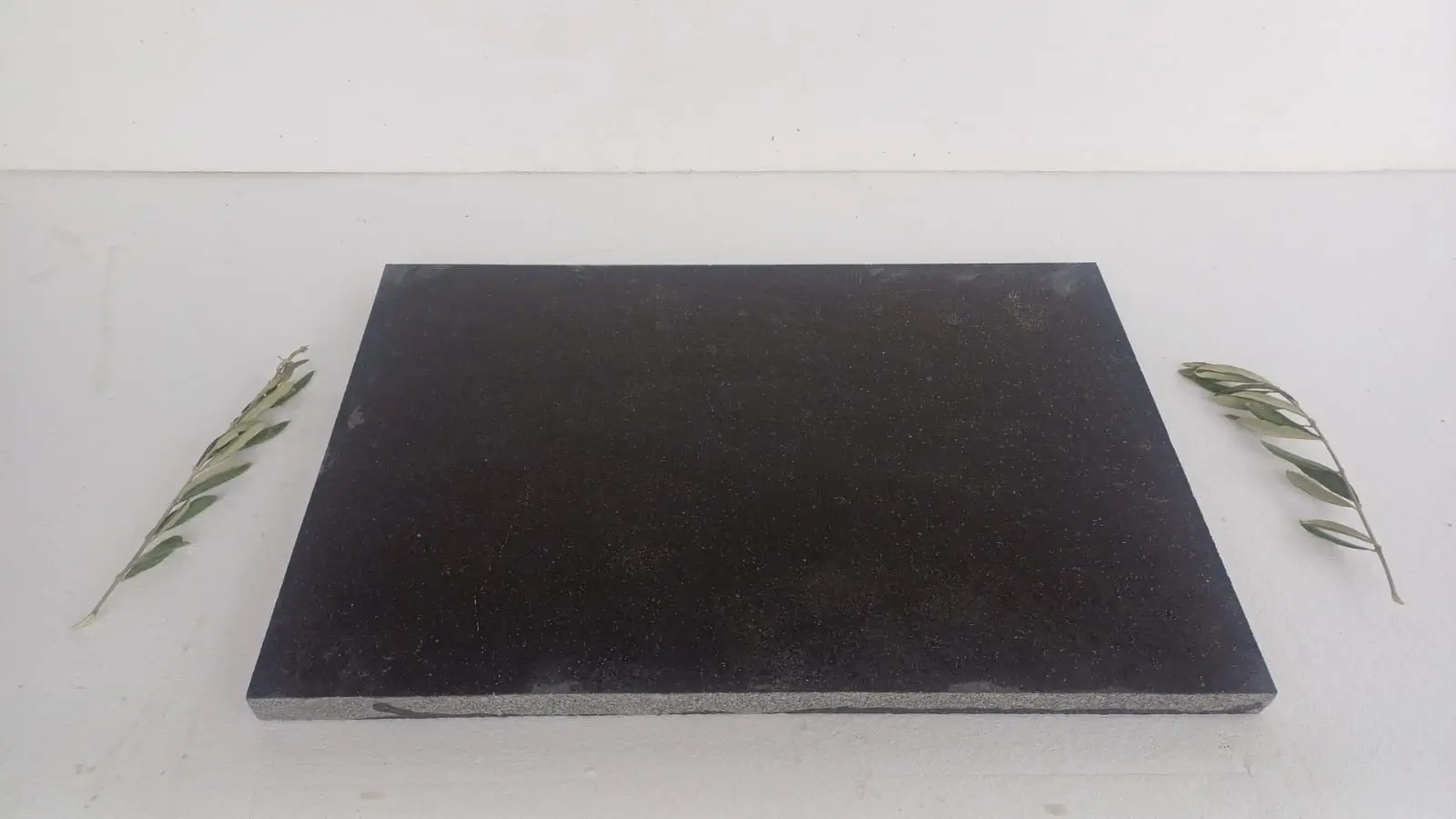
Large Limestone Paver Pricing Tiers in the Arizona Market
Chandler oversized stone pricing spans a meaningful range depending on format, thickness, and finish. Understanding these tiers upfront prevents the mid-project budget surprises that derail timelines.
- Entry-tier large limestone (24×24 inches, 1.25-inch nominal): $8–$12 per square foot material-only, typically quarried in Texas or Mexico with variable density ratings
- Mid-tier large limestone (24×36 or 36×36 inches, 1.5–2-inch nominal): $14–$20 per square foot, generally meeting ASTM C568 Class II minimum requirements
- Premium-tier oversized formats (36×48 or custom cuts, 2+ inch): $22–$35 per square foot, with verified absorption rates below 7.5% and compressive strength above 4,000 PSI
- Installation labor for large-format stone adds $12–$18 per square foot in the Phoenix metro, reflecting the equipment and crew sizing required for pieces above 150 pounds
- Base preparation — aggregate, compaction, setting bed — typically runs $6–$10 per square foot for properly engineered Arizona installations
The large paver investment in Arizona becomes more cost-effective per square foot as the project scales. Below 500 square feet, mobilization costs for the vacuum lifts and compaction equipment required for oversized stone compress your margin. Above 1,000 square feet, those fixed costs distribute well and the total installed price becomes genuinely competitive with large concrete alternatives — with significantly better long-term thermal performance.
Thermal Expansion Calculations and Joint Budgeting
Your expansion joint specification is a direct cost line in the budget, and in Arizona’s thermal cycling environment it’s one worth getting right on paper before the first stone is set. The standard recommendation of one expansion joint every 15–20 feet applies to concrete — for large-format limestone in desert climates, you want to think in terms of every 12 feet in sun-exposed field areas, and every 8 feet where the paver field transitions to a fixed structure like a wall footing or a pool bond beam.
Budget these joint materials at $3–$5 per linear foot installed, using a closed-cell backer rod and high-movement polyurethane sealant rated for 50% elongation. Silicone is not the right product here — it’s UV-stable but doesn’t bond reliably to limestone’s porous surface without a primer step that most installers skip in the field. That skip costs you $2,000–$4,000 in joint remediation within five years on a typical Chandler patio project.
Thermal expansion calculations for your specific project dimensions are worth running before you finalize your material order. At Citadel Stone, we build this calculation into our technical consultation so you’re ordering the right joint allowance before the truck is loaded.
Arizona Cost Comparison: Limestone vs. Competing Large-Format Materials
For large limestone pavers in Chandler’s thermal cycling environment, the honest Arizona cost comparison requires you to look beyond year-one installed cost and project total ownership cost over a 20-year horizon.
- Large-format concrete pavers: Lower initial material cost ($6–$10 per square foot), but thermal expansion coefficients of 5.5 × 10⁻⁶ per °F create higher joint stress, with typical reseal cycles of 3–4 years vs. 5–7 years for sealed limestone
- Travertine in oversized formats: Comparable pricing to limestone, but open-cell structure requires more aggressive sealing protocols in Arizona dust environments — plan for annual inspection rather than biennial
- Porcelain tile (large-format): Lower thermal expansion than stone, but grout joint failure in desert freeze-thaw conditions is common; replacement costs are higher because field cuts are unforgiving
- Large limestone pavers in Arizona: Mid-range initial cost with the longest realistic service interval when properly sealed — 5–7 year recoat cycles are achievable with penetrating silane-siloxane sealers
The material that wins the 20-year total cost model in Arizona is the one with the lowest thermal stress accumulation combined with the lowest maintenance frequency. Limestone, properly specified for thickness and joint spacing, routinely wins that comparison for residential and light commercial applications in the Phoenix metro. That durability is precisely what makes the large paver investment in Arizona so defensible when you run long-horizon numbers.
Thickness Specifications and Their Budget Impact
Thickness is where most budget planning materials get oversimplified. The 1.25-inch nominal specification that’s acceptable for a covered patio in a mild climate is inadequate for a sun-exposed driveway apron in Chandler’s thermal cycling conditions. Here’s the practical breakdown for large limestone pavers in Arizona:
- 1.25-inch nominal (1.0–1.375 actual): Appropriate for pedestrian-only, covered applications; not recommended for full desert sun exposure in large-format sizes above 24×24
- 1.5-inch nominal (1.375–1.625 actual): Minimum recommended for uncovered pedestrian areas in full Arizona sun; handles daily thermal cycling without flexural stress failures in standard residential use
- 2-inch nominal (1.875–2.125 actual): Recommended for driveway aprons, pool decks, and any application with vehicle overrun; provides the mass necessary to dampen rapid thermal transitions
- 2.5-inch and above: Specified for commercial entries, heavy pedestrian load zones, and any application where a structural engineer has flagged point-load concerns
Stepping up from 1.5-inch to 2-inch nominal adds $3–$6 per square foot to material cost depending on format. On a 600-square-foot project, that’s $1,800–$3,600 — a figure that routinely pays for itself in avoided repair costs within the first 10 years in Arizona’s thermal environment. Budget planning materials that don’t account for this upcharge leave projects underspecified from day one.
Base Preparation Costs in Arizona Caliche Conditions
Projects in Tempe and across the East Valley frequently hit caliche hardpan at 12–24 inches below grade. This changes your base preparation budget significantly — caliche removal or penetration adds $4–$8 per square foot to excavation costs, but the underlying layer, once properly drained, provides exceptional sub-base stability that softer soils can’t match.
For large-format limestone paving specifically, your compacted aggregate base should be a minimum of 6 inches for pedestrian applications and 8–10 inches for vehicle-accessible areas. In caliche-free zones with native desert soil, add a geotextile separation layer to prevent fine migration into your aggregate — that’s a $0.50–$1.00 per square foot line item that dramatically extends base life. The base is where most Arizona paving projects cut corners to hit a budget number, and it’s almost always the first thing to show stress when thermal cycling loads the joint system.
Ordering, Logistics, and Lead Time Budget Implications
Large-format limestone in oversized dimensions isn’t a stock item at most distributors. Your project budget needs to account for lead time risk — if material arrives late and your installation crew is already mobilized, day-rate holding costs add up fast. Understanding the supply chain before you commit your project schedule is critical for accurate budget planning materials that actually reflect real project costs.
Verify warehouse stock levels for your specific format and thickness before locking your construction timeline. Citadel Stone maintains regional warehouse inventory for large limestone pavers in Arizona, which typically compresses lead times to one to two weeks for standard formats — compared to the six to eight week import cycle that custom-dimension orders often require. Browsing our rectangular format inventory gives you a clear picture of what’s available for immediate truck delivery versus what needs to be scheduled as a forward order.
Budget planning materials should include a 10–15% contingency line for material attrition on large-format stone. Field cuts for large limestone pavers in Arizona projects run higher than standard-size installations — irregular site geometries combined with the unforgiving nature of 36-inch stone produce more waste. Order to that cushion, not to net square footage.
Sealing and Maintenance Cost Planning for Desert Climates
Your 20-year budget model for large limestone pavers in Arizona needs a realistic sealing line item — and most first-time specifiers underestimate it. Desert thermal cycling is hard on sealers because the expansion and contraction stress at the stone surface fatigues penetrating sealers faster than in stable-temperature climates.
- Initial sealing at installation: $1.50–$2.50 per square foot applied, using a penetrating silane-siloxane rated for high-UV environments
- Maintenance resealing cycle: Every 4–6 years for limestone in full Arizona sun; 6–8 years for covered or partially shaded applications
- Joint sand replenishment: Budget annually for polymeric sand inspection; plan for a full refresh every 8–10 years at $0.75–$1.25 per square foot
- Spot repair contingency: 2–3% of initial installation cost per year is a conservative maintenance reserve for a properly installed large-format limestone patio in Chandler’s climate
Projects in Surprise on the West Valley’s edge deal with slightly more dust infiltration into joints due to prevailing wind patterns — that accelerates polymeric sand degradation and nudges maintenance cycles toward the shorter end of the range. Factor that into your budget if your project site is in an exposed, wind-prone location. The Chandler oversized stone pricing advantage only compounds when maintenance intervals are correctly anticipated from the start.
Your Action Plan for Large Limestone Paver Cost Analysis
Getting your large limestone paver cost analysis right for a Chandler project means running the numbers in a specific sequence. Start with your thermal expansion joint requirement — that determines your layout grid, which determines your material waste factor, which determines your actual order quantity. Don’t start with a square-footage estimate; start with your joint spacing plan.
Your base preparation scope should be confirmed with a soil probe before pricing is finalized. Caliche at 14 inches changes your excavation budget by more than any material upgrade decision will. Once your base and joint plan are confirmed, price the material tiers against your 20-year maintenance model, not just the initial installed cost. A $4-per-square-foot premium at the material tier often pays back within the first resealing cycle by extending service intervals. As you finalize specification details, the Large Limestone Paver Spacing Requirements for Mesa Desert Climate resource covers joint and layout geometry in depth that directly informs your Chandler budget planning.
The projects that stay on budget in Arizona are the ones that priced the thermal engineering correctly from the beginning — not the ones that found the cheapest material per square foot. Citadel Stone’s large limestone pavers are specified and stocked for Arizona’s demanding thermal cycling conditions, giving your Chandler project the material performance and supply reliability your budget plan depends on.
Leading designers choose Citadel Stone’s irregular limestone pavers in Arizona for their authentic Old World character.