
Slab thickness, finish texture, and thermal expansion tolerance separate a high-performing large format travertine patio paver installation from one that shows stress fractures within three seasons — and those variables hit differently in Arizona than anywhere else in the country. Selecting large format travertine patio pavers Arizona projects require means reconciling the state’s intense UV exposure, significant diurnal temperature swings, and the distinct soil behavior that varies from the low desert to the high country. Most homeowners research the look first and discover the engineering constraints second, which is the wrong sequence. Your material decisions need to start with climate data and base conditions, and the aesthetic will follow naturally from there.
Why Large Format Sizing Works for Arizona Patios
The counterintuitive truth about oversized travertine pavers for outdoor patios in Arizona is that the bigger slab size actually reduces certain failure risks when the base is built correctly. Fewer joints mean fewer stress concentration points, and travertine’s inherent thermal expansion coefficient — roughly 4.8 × 10⁻⁶ per °F — gives you meaningful working room before thermal movement becomes a structural issue. That said, the same low coefficient that makes large slabs viable also demands that your joint spacing and bedding mortar flexibility ratings be matched precisely to the slab dimensions you’re specifying.
Large format slabs — typically 24×24, 24×36, or 36×36 inches — distribute point loads more effectively than smaller pavers, which matters when you’re building over desert soils that can shift with moisture variation. Spreading the load across more surface area reduces the stress per unit of substrate contact. The tradeoff is that any base settlement becomes visible across a wider panel, so your compacted aggregate base needs to be thicker and better graded than what a standard paver installation requires.
- 24×24 slabs require a minimum 4-inch compacted class II aggregate base in low-desert zones
- 36×36 and larger formats should be set on 6-inch aggregate with a 1.5-inch dry-pack mortar bed
- Joint width for large format travertine patio pavers should be maintained at 3/8 to 1/2 inch minimum to accommodate thermal movement
- Travertine density in the 130–140 lb/ft³ range handles Arizona’s ground temperature cycling without delamination
Finish Selection for Heat and Slip Performance
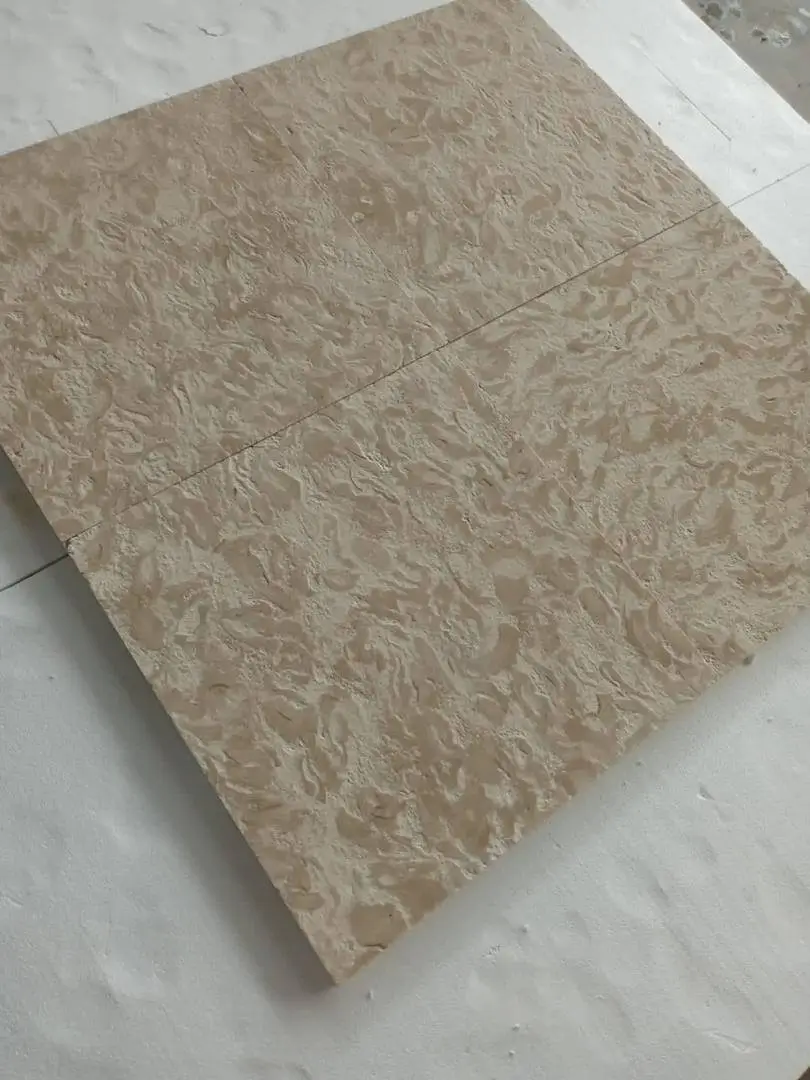
Finish choice on large format travertine patio pavers isn’t just aesthetic — it directly controls surface temperature, slip resistance, and long-term maintenance load. In Arizona’s outdoor context, a polished travertine surface is essentially disqualified for patios. Surface temperatures on polished stone in direct sun can exceed 155°F in July, making it uncomfortable and hazardous for bare feet. Your finish selection should be driven by DCOF (Dynamic Coefficient of Friction) ratings first and appearance second.
Tumbled and brushed finishes consistently outperform honed and polished surfaces in outdoor DCOF testing, with tumbled travertine reaching 0.60–0.72 DCOF wet ratings. That’s comfortably above the ANSI A137.1 minimum threshold of 0.42 for exterior wet applications. Brushed finishes land slightly lower but still acceptable, around 0.55–0.65, and they maintain a more refined visual character that works well with contemporary Arizona residential architecture.
- Tumbled finish: highest slip resistance, DCOF 0.60–0.72, best for pool surrounds and shaded patios
- Brushed finish: DCOF 0.55–0.65, refined look suitable for covered outdoor living areas
- Honed finish: DCOF 0.42–0.55, borderline for wet exterior use — avoid in full sun applications
- Polished finish: not recommended for Arizona exterior patios, surfaces exceed safe barefoot temperatures
When buying large natural stone pavers across Arizona, finish availability varies by supplier warehouse stock — not every finish type is kept in large-format inventory at all times. Confirm that your preferred finish is available in the slab size you need before locking in your project schedule. Lead times from the warehouse can stretch four to six weeks for specialty finishes in oversized dimensions, and that gap can derail a project timeline significantly.
Thickness Specifications for Arizona Applications
Thickness selection for large format travertine patio pavers depends on the load category your patio will see. Purely pedestrian patios can work with 1.25-inch (30mm) slabs, but for Arizona projects with outdoor kitchen installations, fire pit surrounds, or occasional vehicle overhang, stepping up to 2-inch (50mm) material is the right call. The additional thickness provides compressive strength reserves — most quality travertine runs 5,500–8,000 PSI compressive strength — that matter when a loaded cart, planter, or casual vehicle contact occurs.
The Arizona residential market has gradually shifted toward 1.5-inch as a practical middle ground for premium backyard patio projects. It’s thick enough to handle realistic load conditions, manages thermal mass effectively — the slab surface doesn’t spike in temperature as aggressively as thin stone — and it ships with lower freight damage risk than thinner large-format slabs. Thinner slabs develop micro-fractures during truck transport over rough desert roads more often than most buyers account for. Inspecting material on delivery before your installation crew begins is non-negotiable on large format orders.
- 1.25 inches (30mm): pedestrian-only, covered patios, low ground movement zones
- 1.5 inches (38mm): recommended standard for most Arizona residential patio applications
- 2.0 inches (50mm): required for outdoor kitchen bases, fire pit perimeters, high-traffic entertainment areas
Color and Pattern Selection for Arizona Climates
Travertine’s natural color palette — Ivory, Walnut, Noce, Silver, Gold — all behave differently under intense Arizona solar radiation. Lighter tones (Ivory, Silver) reflect more solar energy, keeping surface temperatures 15–25°F lower than darker stones like Noce or Walnut under equivalent sun exposure. For most of the Arizona low desert, that temperature differential translates directly into usability during peak summer hours.
The Arizona backyard travertine paver sizing guide principle that gets overlooked most often is that vein pattern scale should be proportional to slab size. Large format slabs with tight, small-scale vein patterns can look visually busy and disconnected at ground level. Open, flowing vein patterns with occasional fill pockets read much better at scale, and they’re more forgiving when matching slabs across a large patio surface. Your stone supplier should show you full-slab samples, not 6-inch chips, before you finalize a color and pattern selection.
Among the premium large-slab travertine options AZ homeowners trust, those with naturally uniform background tone hold up best aesthetically over time. Dramatic color variation looks spectacular in the showroom but becomes harder to maintain visual cohesion as the stone ages and weathers unevenly. Ivory Classic and Silver Travertine in 24×24 and 24×36 formats consistently deliver the long-term visual performance that matches Arizona’s outdoor living aesthetic. The Arizona backyard travertine paver sizing guide approach of selecting pattern scale to match slab format applies equally here — uniform-tone stones make large-format layouts feel intentional rather than accidental.
Sealing Requirements and Maintenance Schedule
Sealing large format travertine patio pavers in Arizona isn’t optional — it’s a structural maintenance requirement. Travertine’s open pore structure, with void content ranging from 8–20% depending on grade, allows the alkaline compounds in Arizona’s hard water to migrate into the stone and cause sub-surface crystallization. That process — efflorescence at the microscopic level — weakens the stone matrix from within and accelerates spalling around the fill material in pitted travertine finishes.
Your sealing schedule should follow this framework: penetrating impregnating sealer at installation, then a performance check annually and reapplication every 18–24 months depending on sun exposure and foot traffic. High-traffic areas near outdoor kitchens or pool equipment need the shorter cycle. Use a breathable, solvent-based penetrating sealer rather than a topical coating — coatings trap moisture vapor and peel in Arizona’s UV environment, creating a maintenance problem far worse than unsealed stone.
- Apply penetrating sealer within 72 hours of installation completion
- Reapply every 18–24 months on sun-exposed surfaces
- Test sealer effectiveness with a water droplet — absorption within 5 minutes indicates it’s time to reseal
- Fill all pits and voids with color-matched grout before first sealing application
- Avoid pressure washing at high settings — strip sealer and damage fill material
Base Preparation for Arizona Soil Conditions
The most common failure mode for large format travertine patio installations across Arizona isn’t the stone — it’s what’s under it. Arizona’s soil conditions range from highly expansive clay in certain valley zones to sandy, granular desert soils that compact well but have low cohesion. Neither extreme provides the stable substrate that large-format stone demands without engineered base preparation.
For low-desert installations in the Phoenix metro and surrounding areas, you’ll typically encounter one of two conditions: caliche hardpan or expansive clay. Caliche is actually your friend here — it provides an excellent stable sub-base if you excavate to it and confirm flatness. Expansive clay requires over-excavation to 10–12 inches, soil treatment or replacement, and a geotextile fabric barrier before your aggregate base. Skipping the fabric layer in clay-heavy soils leads to aggregate migration into the subgrade within two to three wet seasons, causing differential settlement visible across your large slabs.
You can connect with Citadel Stone large-format Arizona patio pavers for specific base specification guidance tied to your project’s soil type and slab format — the combination of variables makes generic recommendations less reliable than site-specific input.
Ordering Logistics and Project Planning
Planning your material procurement sequence correctly saves more projects from delays than any other single factor. Large format travertine patio pavers in Arizona don’t always ship from a local warehouse in the exact dimensions and quantities you need on short notice. Your truck delivery scheduling, site access constraints, and installation crew availability all need to align within a fairly tight window to avoid having large slabs sitting on site in summer heat longer than necessary.
Order a minimum 10% overage on large format slabs. Cut waste on 24×36 and 36×36 formats runs higher than standard paver sizes due to the angular cuts required around perimeter features, steps, and grade transitions. A shortage mid-installation is a serious problem — lot-matched travertine in a specific size and finish may not be available from the same quarry batch if you go back for additional material six weeks later. The color variation between quarry pulls, while subtle, becomes visible when filling in sections of a completed field. Buying large natural stone pavers across Arizona means planning for this variability from the start, not after a shortfall appears.
- Order 10% overage minimum, 15% for complex layouts with angled cuts
- Confirm truck access to your delivery site before finalizing order — large format crates require flatbed access
- Inspect every crate on delivery before signing the freight receipt
- Schedule installation within two weeks of delivery to minimize site storage risk
- Confirm warehouse stock availability and lead time before committing to contractor start dates
Citadel Stone Travertine Paver Suppliers in Arizona — Regional Insights
Travertine paver suppliers in Arizona serve a market with dramatically different climate and soil conditions from one end of the state to the other — and that regional variation creates specification challenges that a single generic recommendation can’t resolve. Citadel Stone’s approach to guiding Arizona projects recognizes that a 36×36 Ivory travertine slab performs one way in Yuma’s low desert environment and quite another way in Flagstaff’s alpine conditions. These hypothetical project scenarios are intended to illustrate how large format travertine patio paver specifications should adapt to specific Arizona locations, giving you a working framework for your own project decisions.
The process of buying large natural stone pavers across Arizona has become more streamlined in recent years, but regional logistics, soil behavior, and climate variables still make location-specific guidance essential. Citadel Stone’s team works through these regional considerations systematically with homeowners and contractors to prevent the specification mismatches that lead to premature failure.
Flagstaff High-Altitude Specs
Flagstaff presents a specification scenario unlike anywhere else in Arizona — at 6,900 feet elevation, you’re dealing with genuine freeze-thaw cycling that the rest of the state rarely experiences. For a hypothetical Flagstaff patio project specifying 24×24 travertine in a brushed finish, the critical spec shift is absorption rate. Travertine with absorption rates below 3% by weight minimizes water ingress ahead of freeze cycles. Citadel Stone’s warehouse inventory flags absorption test data by lot, which helps you select material that meets Flagstaff’s more demanding performance threshold without sorting through material blindly. Thermal expansion joint spacing for Flagstaff applications should be reduced to every 12 feet rather than the 15-foot interval appropriate for low-desert zones.
Sedona Visual Context Considerations
A Sedona patio project brings a unique specification challenge that isn’t thermal or structural — it’s visual harmony with one of the most distinctive landscapes in the American Southwest. The red rock backdrop that defines Sedona’s environment makes color matching more consequential here than in any other Arizona location. Premium large-slab travertine options AZ homeowners trust in Sedona tend toward Noce and Walnut tones, which echo the warm iron-oxide geology without competing with it. For a hypothetical 24×36 Walnut travertine installation on a south-facing Sedona patio, Citadel Stone’s technical team would recommend a matte brushed finish to reduce glare and a staggered coursing pattern that reduces the visual rigidity of large format slabs against Sedona’s organic terrain. Soil conditions in the Sedona area often include decomposed granite, which drains excellently but requires geotextile fabric to prevent aggregate intermixing.
Yuma Extreme Heat Protocols
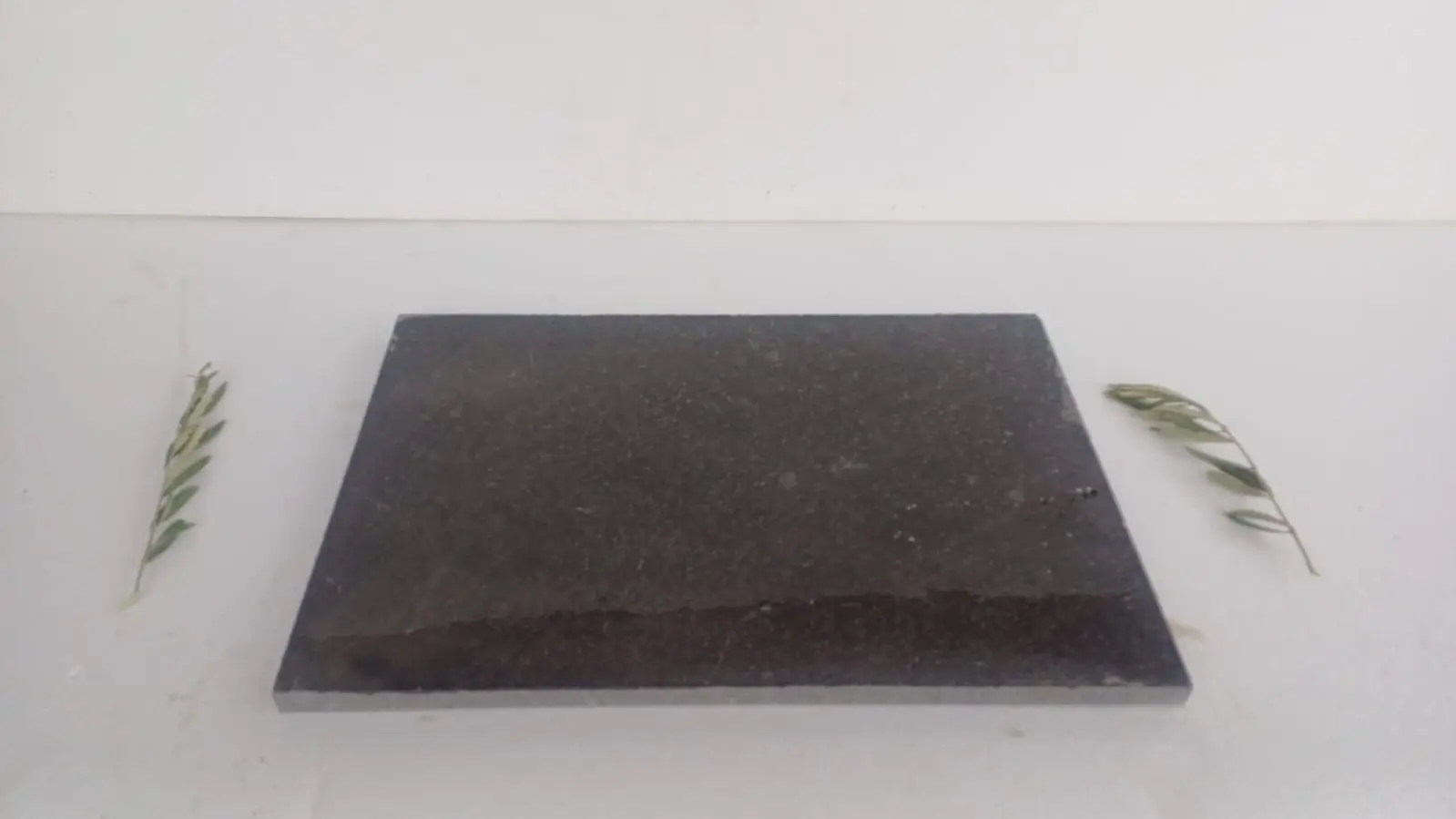
Yuma sits at the far end of Arizona’s climate spectrum — one of the hottest cities in the United States, with summer ground temperatures that can push surface stone to 165°F or beyond. For a hypothetical large format travertine patio in Yuma, the oversized travertine pavers for outdoor patios in Arizona specification would prioritize Ivory or Silver color tones strictly for thermal load management, and tumbled finish for maximum slip resistance around any water features. The Arizona backyard travertine paver sizing guide principle of using 1.5-inch thickness becomes 2-inch thickness in Yuma’s full-sun applications, as the additional thermal mass moderates surface temperature spikes meaningfully. Citadel Stone’s Yuma-area delivery logistics support large format flatbed truck drops directly to residential sites, reducing the material handling that creates edge chip damage on oversized slabs before installation even begins.
Spec Wrap-Up
Your large format travertine patio paver project succeeds or falls short based on decisions made before the first slab touches the ground — base engineering, thickness selection, finish specification, and sealing protocol are the variables that actually control long-term performance. Arizona’s climate demands more precision in each of those categories than most general installation guides acknowledge, and the gap between a thoughtfully specified installation and a generic one becomes visible within the first five years of service. Among the premium large-slab travertine options AZ homeowners trust, the projects that perform over decades share one trait: every specification decision was made with Arizona’s specific climate and soil conditions in mind, not borrowed from a generic guide written for milder regions.
The Arizona residential outdoor living market continues to push toward larger format stone because the scale reads correctly against the wide-open backyard environments most homes offer. Matching that scale ambition with the technical precision the material requires is what separates projects that perform beautifully for decades from those that need remediation. For deeper context on how travertine performs across different Arizona backyard applications and climate zones, Backyard Travertine Pavers in Arizona: What Data Shows provides a useful data-driven perspective from the same team to complement your specification decisions. Citadel Stone supplies oversized travertine pavers across Arizona, giving homeowners in Gilbert, Sedona, and Yuma access to premium large-slab natural stone options for outdoor patio projects.