
When you need landscape stone yard delivery Arizona services, understanding the logistics behind material transport fundamentally changes your project timeline and budget. You’re not just ordering aggregate — you’re coordinating warehouse inventory, truck capacity, delivery windows, and site access variables that determine whether your installation starts on schedule or sits delayed for weeks. Professional landscape projects require you to understand how delivery coverage areas, minimum order quantities, and vehicle restrictions interact with your specific site conditions.
Your delivery success depends on factors most generic suppliers don’t explain upfront. Truck access limitations at residential sites frequently create complications you need to address during planning, not on delivery day. When you specify landscape stone yard delivery Arizona contractors provide, you’re working with regional knowledge about which materials travel well, how seasonal demand affects lead times, and what delivery fees actually cover versus hidden surcharges that appear later.
Delivery Coverage Zones Across Arizona Regions
Arizona’s geography creates distinct delivery zones that directly affect your material costs and scheduling flexibility. You’ll encounter different service parameters depending on whether your project sits in metropolitan Phoenix, rural Yavapai County, or border communities near Mexico. Understanding these coverage zones helps you anticipate lead times and avoid the frustration of discovering your site falls outside standard service areas after you’ve finalized specifications.
Metropolitan areas receive priority delivery scheduling because suppliers maintain warehouse facilities and regular truck routes through these regions. When you plan projects in Phoenix, Tucson, or Scottsdale, you typically access same-day or next-day delivery windows. Rural locations require more advanced planning — your delivery might need 5-7 days lead time as suppliers coordinate route optimization to justify the fuel costs and driver hours for distant sites.
- You need to verify whether your site falls within primary coverage zones that offer competitive per-ton delivery rates
- Secondary zones typically add $45-85 per load due to extended travel distances and reduced route efficiency
- Your project timeline should account for seasonal demand spikes during October through April when delivery schedules fill quickly
- Remote sites beyond 75 miles from supplier warehouses often require minimum order quantities of 15-20 tons to justify delivery costs
The Arizona landscape stone supplies delivery coverage you receive depends significantly on material type. Decomposed granite and crushed aggregate ship more readily than specialty river rock or large boulders that require specialized equipment. You should confirm your selected materials can actually reach your site before finalizing design specifications — discovering delivery limitations after client approval creates expensive redesign scenarios.
Same-Day Delivery Service Parameters
Landscape stone yard same day delivery sounds convenient, but you need to understand the specific conditions that make this service available. Same-day delivery isn’t a guaranteed option for every material or location — it functions as a premium service with strict cutoff times and limited material selection. When you rely on same-day delivery for project deadlines, you’re accepting certain trade-offs in material choice and delivery timing that affect installation scheduling.
Most suppliers offering same-day service require orders placed before 10:00 AM for afternoon delivery windows. You can’t specify exact delivery times — you receive 4-hour windows like 1:00-5:00 PM that require your crew or site access to remain available throughout that period. This creates labor inefficiency when crews wait for materials, but it’s the operational reality of coordinating multiple deliveries across metro areas with unpredictable traffic conditions.
Same-day delivery typically covers only materials stored in local warehouse inventory. You won’t access specialty aggregates, custom color blends, or imported stone through expedited service. When you need landscape stone yard same day delivery, you’re selecting from whatever inventory the supplier maintains for high-turnover products — usually basic decomposed granite, standard river rock, and common crushed stone in popular size grades. For detailed operational specifics, check our landscape stone yard hours to understand delivery scheduling parameters.
- You pay premium fees ranging from $75-150 for same-day service beyond standard delivery charges
- Your site must have clear truck access without requiring specialized vehicles or additional labor for challenging delivery conditions
- Weather conditions void same-day guarantees when safety concerns prevent truck operations
- You should verify material availability before 9:00 AM to secure same-day slots before inventory allocates to other orders
Bulk Delivery Volume Requirements and Cost Structures
Bulk stone delivery Arizona yards provide operates on volume-based pricing tiers that dramatically affect your per-ton material costs. Understanding minimum delivery quantities helps you avoid situations where small material additions cost more in delivery fees than the actual stone itself. When you plan bulk orders, you’re optimizing both material pricing and delivery efficiency — but you need adequate staging areas and site access to accommodate large deliveries.
Standard delivery trucks carry 15-20 ton payloads, establishing practical minimums for cost-effective bulk delivery. You can order smaller quantities, but delivery fees remain constant whether the truck carries 5 tons or 20 tons. This creates a cost threshold where ordering at least 12-15 tons makes financial sense even if your immediate need involves less material. Smart contractors coordinate multiple project needs or phase deliveries to maximize bulk pricing advantages.
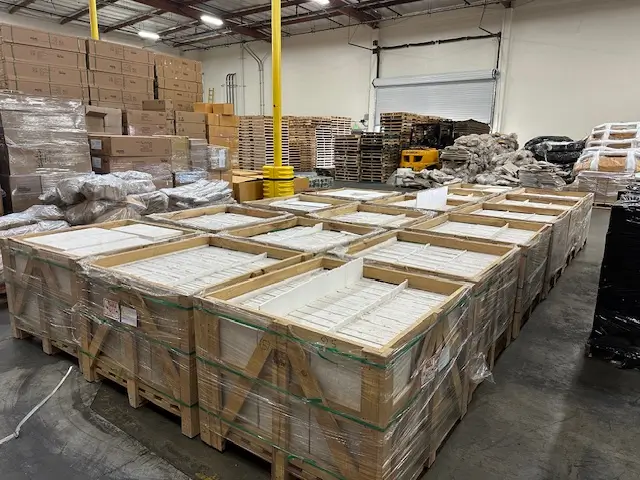
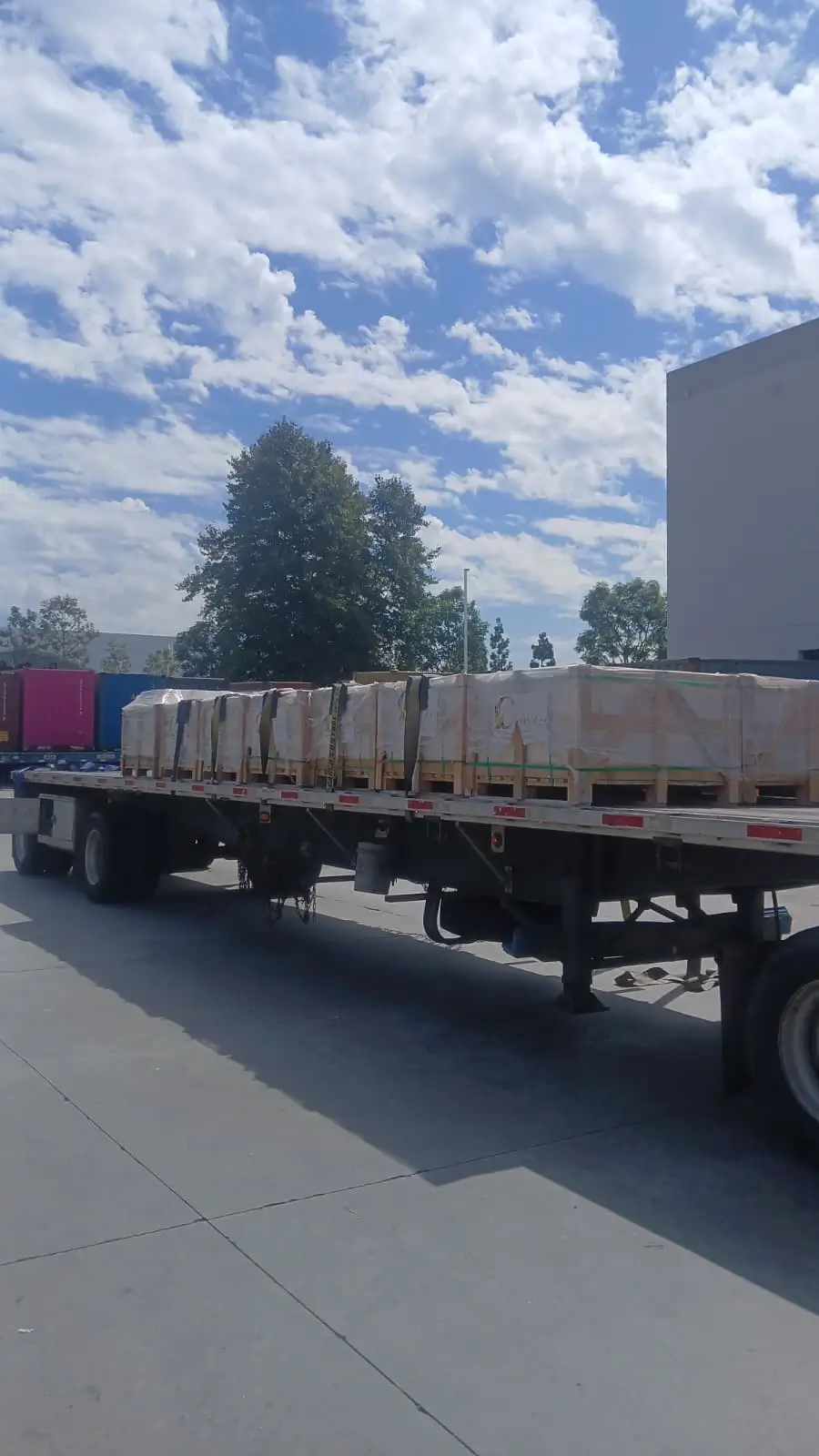
Truck configuration affects what bulk delivery actually means for your site. Standard dump trucks handle loose aggregate efficiently but can’t safely transport boulders or large flagstone pallets. When you order bulk stone delivery Arizona yards schedule, you need to specify material type so suppliers dispatch appropriate vehicles. Flatbed trucks, crane trucks, or specialized trailers may be required for certain bulk orders, each affecting delivery fees and site access requirements differently.
- Your site needs turning radius of at least 45 feet for standard tri-axle dump trucks common in bulk delivery
- Delivery fees typically decrease by 30-40% when you order full truck loads versus partial loads
- You should designate staging areas that accommodate material piles at least 8 feet in diameter and 4 feet high for typical bulk deliveries
- Bulk orders require more advanced scheduling since suppliers need to coordinate warehouse loading and route optimization
Residential Site Delivery Complications
Residential properties present delivery challenges commercial sites rarely encounter. When you coordinate residential landscape projects, you’re managing narrow streets, overhead power lines, soft soil conditions, and neighbor relations that all complicate material delivery. Standard landscape stone yard delivery Arizona services assume reasonable truck access — but many residential situations don’t meet those assumptions, requiring specialized delivery arrangements or alternative material placement strategies.
Street parking restrictions in planned communities frequently prevent delivery trucks from staging near installation sites. You need to verify HOA regulations and municipal codes before scheduling deliveries, as many communities prohibit commercial vehicles during certain hours or require advance permits. Discovering these restrictions on delivery day costs you rescheduling fees, crew downtime, and client frustration that damages professional reputation.
Driveway weight capacity becomes critical when homeowners request material placement in backyard areas. A fully loaded dump truck weighs 50,000-65,000 pounds — far exceeding what residential driveways and hardscapes can support without damage. You should assess pavement conditions and recommend alternative delivery methods when direct access risks cracking driveways or collapsing decorative pavers. Wheelbarrow transport from street to backyard adds significant labor costs, but it prevents expensive hardscape repairs.
- You need minimum 12-foot width clearance for delivery truck access, accounting for mirrors and safety margins
- Overhead clearance must exceed 14 feet to accommodate dump truck beds in raised positions during material unloading
- Your delivery plan should identify potential soft spots where truck weight could sink into landscaped areas or damage irrigation systems
- Residential deliveries often require shorter material dumps to prevent spillage into unwanted areas, reducing truck efficiency
Understanding Delivery Fee Components and Hidden Costs
Stone yard landscape Arizona delivery fees involve more complexity than simple flat-rate charges. When you review delivery quotes, you’re seeing base fees that often exclude variables like wait time, difficult access premiums, and seasonal fuel surcharges. Professional project management requires you to understand complete delivery cost structures before committing to supplier relationships, as hidden fees can inflate material costs by 15-25% beyond initial estimates.
Base delivery fees typically cover direct transport from warehouse to your site within defined coverage zones. You’re paying for truck operation, driver labor, fuel, and basic unloading where the truck can safely dump material. Additional fees apply when your site requires trucks to wait beyond standard 15-minute unloading windows, navigate private roads requiring additional insurance riders, or deliver during premium hours outside normal business operations.
Fuel surcharges fluctuate with diesel prices, creating variable costs that quotes don’t always specify upfront. When you lock project budgets months before delivery, you need to confirm whether delivery fees include fuel adjustment clauses that permit suppliers to add charges if diesel exceeds certain thresholds. This protects suppliers from volatile fuel markets but creates budget uncertainty for your projects unless you negotiate fixed delivery pricing with fuel caps.
- You should request itemized delivery quotes that separate base fees from potential surcharges like wait time, difficult access, or after-hours delivery
- Standard delivery fees typically range from $95-165 for metropolitan areas, increasing to $150-280 for extended coverage zones
- Your project budget should include 10-15% contingency for delivery cost variables that emerge during scheduling
- Weekend delivery requests commonly add $50-100 premium charges beyond weekday delivery fees
Optimizing Delivery Timing for Installation Efficiency
Strategic delivery timing significantly affects installation productivity and material quality. When you coordinate landscape stone yard delivery Arizona schedules with your installation crew availability, you eliminate costly material staging, reduce site disruption, and prevent material degradation from weather exposure. Poor delivery timing creates scenarios where expensive aggregates sit unprotected through monsoon storms or crews wait idle while materials arrive hours behind schedule.
Just-in-time delivery works well for experienced contractors who can accurately predict installation progress. You schedule material delivery for the morning of installation day, eliminating storage needs and ensuring fresh, dry materials for optimal placement. This approach requires precise coordination and assumes no weather delays, equipment breakdowns, or unexpected site conditions that push installation timelines. When these variables occur, just-in-time delivery transforms into project delays waiting for rescheduled material transport.
Advance staging provides installation flexibility but introduces material handling complications. When you receive bulk stone delivery Arizona suppliers provide days before installation, you need protected storage areas that prevent contamination, moisture intrusion, and theft. Decomposed granite particularly suffers from premature weather exposure — rain events can cement materials into unusable chunks requiring expensive replacement orders.
Material-Specific Delivery Considerations
Different landscape stone materials require specific delivery methods that affect your ordering process and site preparation. When you specify boulders, flagstone, river rock, or decomposed granite, you’re implicitly selecting different delivery equipment, unloading procedures, and placement capabilities. Understanding material-specific delivery requirements prevents situations where suppliers arrive with inappropriate equipment unable to safely place materials as planned.
Large boulders and specimen rocks require crane trucks or boom-equipped vehicles for safe placement. You can’t order 1,500-pound boulders expecting standard dump truck delivery — the material won’t unload safely and could damage both the truck and your site. These specialized deliveries cost significantly more than standard aggregate transport, with crane service adding $200-450 per delivery depending on placement complexity and operator time required.
- You need to specify whether materials should arrive loose, palletized, or in bulk bags, as packaging affects delivery vehicles and unloading requirements
- Flagstone deliveries on pallets require forklift access or manual offloading labor that standard delivery fees don’t include
- River rock and decorative aggregates in smaller quantities ship more economically in super sacks rather than loose bulk
- Your site must accommodate material placement within approximately 15 feet of where trucks can safely position, or you’ll need additional equipment for material relocation
Seasonal Demand and Weather-Related Delivery Variables
Arizona’s climate creates seasonal delivery patterns that affect availability and scheduling flexibility. When you plan projects during peak landscape season from October through April, you’re competing with hundreds of other contractors for limited delivery slots and warehouse inventory. Understanding seasonal demand cycles helps you secure materials and delivery windows before schedules fill, preventing project delays from material unavailability.
Summer monsoon season from July through September introduces weather-related delivery complications. Afternoon thunderstorms create unsafe driving conditions that prevent truck operations, particularly for vehicles hauling loose aggregates that become hazards in high winds. You should schedule summer deliveries for morning hours when weather remains stable, and maintain backup dates for when storms force delivery cancellations.
Winter demand in northern Arizona affects material availability and delivery routes. When you manage projects in Flagstaff or Sedona during winter months, you’re working with reduced truck traffic to mountain communities and potential road closures from snow events. Suppliers prioritize metropolitan deliveries during weather events, potentially delaying material transport to elevated regions by several days beyond normal lead times.
Evaluating Site Access Before Delivery Scheduling
Thorough site access evaluation prevents delivery complications that create expensive delays and material placement failures. When you walk sites before scheduling deliveries, you’re identifying clearance issues, weight-bearing limitations, and placement obstacles that affect whether standard delivery methods will work. Professional contractors conduct access assessments weeks before material orders, allowing time to address limitations through alternative delivery planning or site modifications.
Overhead obstacles frequently surprise contractors who focus on horizontal clearances while overlooking vertical restrictions. Power lines, tree canopies, and architectural overhangs all limit dump truck operations. You need 16-18 feet of vertical clearance to accommodate raised dump beds during unloading — but many residential driveways and side yards provide only 12-14 feet of actual clearance when accounting for wire sag and branch intrusion.
- You should photograph site access routes from multiple angles, documenting clearances, turn radii, and potential obstacles for sharing with delivery dispatchers
- Soft ground conditions after rain require you to reschedule deliveries or provide ground protection to prevent trucks from sinking or rutting landscaped areas
- Your access assessment must identify underground utilities, irrigation lines, and septic systems that truck weight could damage even when buried
- Gate widths below 10 feet prevent standard truck access, requiring material relay from street to backyard through manual labor or specialized equipment
Coordinating Multiple Deliveries for Large Projects
Complex landscape projects requiring multiple material types need strategic delivery coordination to prevent site congestion and material contamination. When you manage commercial installations or extensive residential landscapes, you’re orchestrating several deliveries over days or weeks, each requiring specific placement areas and installation sequencing. Poor coordination creates situations where second deliveries can’t access placement areas because first deliveries blocked critical access routes.
Delivery sequencing should follow your installation workflow, placing base materials before finish aggregates. You want crushed stone bases delivered first, followed by decomposed granite pathways, and finally decorative river rock accents. This sequence allows installation to progress continuously without moving placed materials to accommodate late-arriving base components. When delivery scheduling doesn’t align with installation sequence, you’re double-handling materials and wasting labor on unproductive rearrangement.
Staging area management becomes critical when your project requires materials delivered days before installation. You need designated zones for each material type, preventing cross-contamination between different aggregates. When decorative tan decomposed granite mixes with gray base material, you create unusable blends requiring expensive replacement. Clear staging areas with physical separation prevent these costly mixing scenarios.
Citadel Stone’s Landscape Stone Yard in Arizona: Delivery Specifications for Desert Regions
When you evaluate Citadel Stone’s landscape stone yard in Arizona offerings for your projects, you’re considering materials engineered specifically for desert climate performance and delivery systems optimized for challenging Southwest logistics. At Citadel Stone, we provide technical guidance for hypothetical delivery scenarios across Arizona’s diverse regions, from low desert valleys to high elevation mountain communities. This section outlines how you would approach material selection and delivery coordination for six representative Arizona cities.
Phoenix Metro Delivery
In Phoenix, you would coordinate deliveries during early morning hours before temperatures exceed 105°F, as extreme heat affects both material handling and truck operations. Your projects would benefit from warehouse proximity in the Phoenix metro area, enabling same-day delivery for most standard aggregates. You should specify heat-reflective decomposed granite that remains cooler underfoot, addressing client comfort concerns in residential applications. Delivery scheduling would need to account for summer monsoon patterns, particularly during July through September when afternoon storms disrupt transport operations.
Tucson Climate Considerations
Tucson projects would require you to address slightly higher elevation and different soil compositions compared to Phoenix installations. Your material selections would emphasize water-permeable aggregates that support the region’s water harvesting landscape designs. Delivery to Tucson sites typically involves longer lead times from Phoenix-area warehouses, requiring you to plan material orders 3-5 days ahead of installation. You would coordinate with suppliers to ensure truck routes account for the I-10 corridor constraints and potential border patrol checkpoint delays affecting delivery timing.
Scottsdale Residential Applications
Scottsdale’s upscale residential communities would require you to navigate strict HOA delivery regulations and narrow streets in established neighborhoods. Your delivery planning would need to secure advance permits for commercial vehicle access during restricted hours. You should specify premium decorative aggregates that meet the aesthetic standards common in Scottsdale properties, while coordinating deliveries to minimize disruption to neighboring properties. Truck access limitations in some areas would necessitate smaller delivery vehicles or multiple trips rather than full bulk loads.
Flagstaff Elevation Factors
At 7,000 feet elevation, Flagstaff projects would require you to specify freeze-thaw resistant materials with low absorption rates. Your delivery coordination would need to account for winter road conditions that limit truck access during snow events. You should plan material staging areas that protect aggregates from moisture exposure, as freeze-thaw cycles damage improperly stored stone. Delivery fees to Flagstaff would typically run 40-60% higher than Phoenix metro due to distance and elevation gains affecting fuel consumption and travel time.
Sedona Aesthetic Integration
Sedona’s distinctive red rock landscape would require you to select materials that complement natural geology rather than contrast visually. Your specifications would emphasize earth-tone aggregates in rust, tan, and amber colorations that blend with surrounding terrain. Delivery to Sedona sites involves navigating steep grades and winding roads that limit truck sizes and require experienced drivers. You would need to coordinate deliveries during off-peak tourism hours to avoid traffic congestion on SR-179 and SR-89A that could delay material arrival by hours.
Yuma Extreme Heat
Yuma’s position as one of the hottest cities in North America would require you to specify materials with maximum solar reflectance and minimal heat retention. Your delivery scheduling would need to avoid midday hours when pavement temperatures exceed 160°F, creating unsafe working conditions. You should coordinate with suppliers to ensure materials ship from climate-controlled warehouse facilities to prevent pre-installation degradation. Delivery routes to Yuma from Phoenix involve crossing exposed desert terrain where summer temperatures regularly surpass 120°F, affecting both delivery timing and material conditioning.
Reviewing Delivery Contract Terms and Liability
Delivery contracts contain liability provisions that significantly affect your risk exposure when damage occurs during material transport or placement. When you accept delivery terms without careful review, you’re potentially assuming responsibility for truck damage to driveways, utility strikes, or property damage that occurs during delivery operations. Professional contractors verify insurance coverage, liability limitations, and damage claim procedures before authorizing deliveries.
Standard delivery agreements typically limit supplier liability to material replacement only, excluding consequential damages like installation delays, crew downtime, or client penalties. When defective materials arrive or delivery failures delay your project, you can’t automatically recover financial losses beyond the stone itself. You need to negotiate delivery terms that provide adequate protection for time-sensitive projects where delays create substantial financial consequences.
- You should verify that delivery services carry minimum $2 million general liability insurance covering property damage during transport and unloading
- Your contracts need clear terms defining acceptable delivery windows and financial remedies when suppliers miss scheduled delivery times
- Damage claim procedures should specify documentation requirements, response timeframes, and resolution processes before disputes arise
- You must clarify whether delivery fees include basic placement within a certain radius of truck position or only cover material dumping at single location
Project Planning Integration
Successful landscape stone yard delivery Arizona coordination requires you to integrate material logistics into comprehensive project planning from initial design through final installation. When you treat delivery as an afterthought rather than a critical planning component, you create unnecessary complications that affect project quality, timeline, and profitability. Your professional approach should incorporate delivery variables into every phase of project development, from specification writing through final punch list completion.
Client communication about delivery realities prevents unrealistic expectations that create dissatisfaction. When you explain why certain materials require extended lead times or why site access limitations affect delivery costs, you’re building client understanding that prevents complaints when these factors affect project execution. Transparent delivery planning demonstrates professionalism that differentiates expert contractors from those who improvise solutions as problems emerge. To enhance your material selection knowledge, review Comparing river rock and decorative gravel for Arizona landscapes before finalizing your project specifications. Citadel Stone offers specialized landscape stone supplies Arizona desert climates specifically require.