
When you’re sourcing landscape stone suppliers Arizona catalog materials for your next project, you need to understand how extreme heat, minimal rainfall, and intense UV exposure affect stone performance over decades. Your material selection directly impacts maintenance costs, surface temperatures, and long-term durability. The landscape stone suppliers Arizona catalog options you evaluate today determine whether your installation requires replacement in 12 years or performs flawlessly for 30-plus years.
Arizona’s climate zones range from low desert valleys exceeding 120°F to high-elevation ponderosa pine forests with genuine winter freeze-thaw cycles. You’ll find that a decorative rock specification perfect for Yuma’s agricultural border region fails catastrophically in Flagstaff’s 7,000-foot elevation environment. Understanding these regional performance variables separates professional specifications from costly mistakes.
Material Categories and Performance Zones
Your first specification decision involves matching stone type to climate zone and functional requirements. When you evaluate landscape stone suppliers Arizona catalog selections, you’re choosing between igneous, sedimentary, and metamorphic classifications—each with distinct thermal mass properties, porosity ranges, and weathering characteristics.
Decomposed granite dominates low-desert pathway applications because you get natural compaction, excellent drainage, and surface temperatures 15-20°F cooler than concrete under identical solar exposure. You’ll need to specify stabilized DG for slopes exceeding 3% grade to prevent washout during monsoon events. The material’s 8-12% fines content creates that firm walking surface you want, but insufficient compaction leads to dust generation and tracking issues within 18 months.
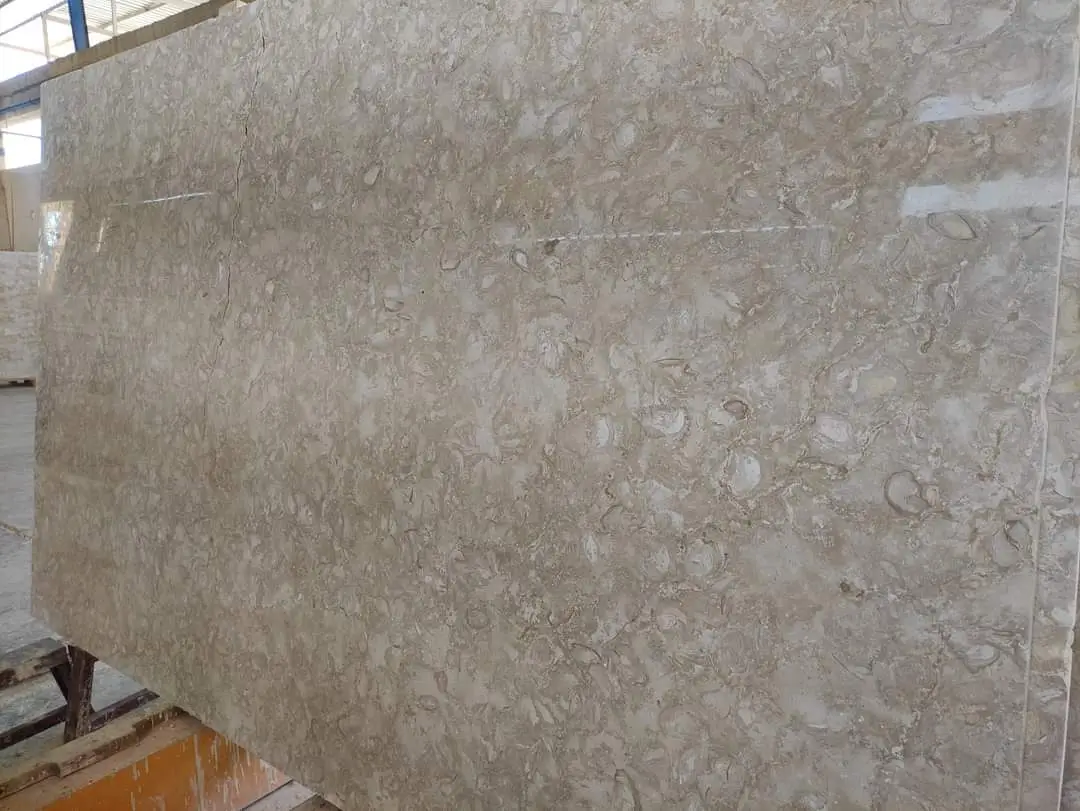
- You should verify crushed aggregate base depth matches soil bearing capacity—minimum 4 inches for pedestrian traffic, 8 inches for occasional vehicle loads
- Your specification must address edge restraint systems to prevent lateral migration during thermal expansion cycles
- You need to account for 15-20% material loss in first year from foot traffic and weather exposure before stabilization occurs
- When you select river rock for decorative applications, thermal mass becomes the critical performance factor
River rock installations in full-sun exposures reach surface temperatures exceeding 160°F during summer afternoons. That’s hot enough to cause second-degree burns on contact and creates radiant heat that makes adjacent spaces unusable during peak hours. You should specify lighter-colored materials with higher albedo ratings when thermal comfort matters—white and cream tones reflect 60-70% of solar radiation compared to 25-35% for darker basalts and granites.
Boulder Specifications and Structural Considerations
When you’re specifying boulders for landscape stone suppliers Arizona catalog projects, size classification directly impacts installation logistics and long-term stability. The industry typically categorizes boulders by weight: small (100-500 lbs), medium (500-2,000 lbs), large (2,000-5,000 lbs), and specimen grade (5,000+ lbs). Your equipment access and placement methodology must align with these weight classes.
You’ll encounter placement challenges that require you to coordinate crane access, ground protection systems, and precise positioning before setting. Medium and large boulders can’t be repositioned once placed without specialized equipment—your installation crew gets one chance to achieve the desired aesthetic. That’s why you need site-specific placement drawings with elevation references and orientation notes before delivery.
For guidance on complementary hardscape materials, see our landscape stone specialists for technical specifications. Structural stability requires you to bury 20-30% of boulder height below finished grade. Surface-set installations create tipping hazards and appear artificially placed rather than naturally occurring. Your base preparation should include compacted crushed aggregate extending 12-18 inches beyond boulder footprint to distribute load and prevent settling.
- You need to account for shadow patterns and sun exposure when positioning boulders near plantings—afternoon shade zones extend 1.5-2x boulder height during summer months
- Your selection should prioritize locally-sourced materials to reduce transportation costs and carbon footprint
- You should verify that weathering patterns match surrounding geology for visual coherence in natural landscape designs
Moss rock and lichen-covered specimens command premium pricing but provide immediate aged appearance. You’ll pay 40-60% more for pre-weathered materials compared to freshly-quarried stone. The economics make sense when project timelines demand instant maturity, but naturally-occurring weathering patterns develop within 24-36 months in most Arizona microclimates when you select appropriate stone types.
Gravel Gradation and Compaction Requirements
Your gravel specification must address gradation, angularity, and compaction characteristics to achieve desired performance. When you evaluate landscaping stone suppliers Arizona guide options, particle size distribution determines how material interlocks, drains, and resists displacement under load. Angular crushed rock compacts tighter and provides superior stability compared to rounded river rock.
Three-quarter-inch minus crushed aggregate serves as the workhorse base material for most hardscape applications. You get excellent compaction when moisture content reaches 8-10% during mechanical tamping, creating a stable substrate that resists frost heave and settling. The material’s fines content fills voids between larger particles, but excessive fines (above 15%) create drainage problems and prevent proper interlock.
Decorative gravel installations require different specifications. You’ll want clean, washed material with minimal fines to maintain color clarity and prevent cement-like hardening. Three-eighths-inch and three-quarter-inch sizes work best for residential applications—smaller particles track into buildings and migrate into planted areas, while larger sizes create uncomfortable walking surfaces and difficult maintenance.
- You should specify geotextile fabric beneath all gravel installations to prevent soil contamination and maintain long-term drainage capacity
- Your design must include proper edge restraint to contain material and prevent lateral spreading
- You need to account for 10-15% material loss during first year from foot traffic, wind displacement, and maintenance activities
- When you plan installations near planted areas, expect continuous migration requiring annual replenishment of 5-8% volume
Pea gravel creates problems you’ll regret specifying in high-traffic areas. The rounded particles don’t interlock, leading to constant displacement and hollow spots developing under foot traffic. You’ll see material migrating into adjacent spaces, tracking indoors, and requiring frequent raking to maintain acceptable appearance. Save pea gravel for low-traffic decorative applications where its smooth texture and rounded appearance justify the maintenance burden.
Thermal Performance and Heat Island Mitigation
Arizona’s extreme summer temperatures make thermal performance a critical specification factor you can’t ignore. Dark-colored landscape stone suppliers Arizona catalog materials absorb 65-75% of incident solar radiation, converting it to sensible heat that radiates for hours after sunset. Your material color selection directly impacts microclimate comfort and adjacent building cooling loads.
Surface temperature testing reveals dramatic performance differences. White limestone and light granite reach peak temperatures of 125-135°F under full summer sun, while dark basalt and black lava rock exceed 170°F. That 35-45°F differential translates to radiant heat flux differences of 25-30 BTU per square foot per hour—enough to raise ambient air temperature 8-12°F in enclosed courtyards.
You should understand that thermal mass works both ways. High thermal mass materials moderate temperature swings in winter, releasing stored daytime heat during cold nights. This benefits landscape plantings in frost-prone microclimates, but the same thermal storage creates uncomfortable evening conditions during summer months when outdoor space usage peaks.
- You need to calculate solar reflectance index values for materials in pedestrian zones—specify minimum SRI of 29 for comfortable barefoot contact
- Your design should incorporate shade structures over high thermal mass materials to reduce peak surface temperatures by 30-40°F
- You should specify light-colored aggregates for areas within 15 feet of building walls to reduce radiant heat gain and cooling costs
When you evaluate local landscape stone suppliers directory options, ask for thermal imaging data comparing surface temperatures across their product range. Suppliers serving Arizona markets for decades maintain this performance documentation because it’s essential for professional specifications. Those without thermal data either lack field experience or don’t serve commercial markets where performance documentation matters.
Porosity, Drainage, and Stain Resistance
Material porosity determines how landscape stone suppliers Arizona catalog selections perform regarding water absorption, efflorescence, and staining susceptibility. You’ll find porosity ratings ranging from dense granite at 0.4% to highly porous sandstone exceeding 20%. Your climate exposure and maintenance expectations drive acceptable porosity ranges.
Low-porosity materials (under 3%) resist staining from organic debris, bird droppings, and landscape chemical overspray. You get easy maintenance and consistent appearance over decades. The tradeoff comes in limited color range—truly dense materials tend toward grays, blacks, and dark earth tones. When you want warm earth tones and buff colors, you’re typically accepting higher porosity with corresponding maintenance requirements.
Mid-range porosity (3-8%) characterizes most limestone, sandstone, and decomposed granite products. You’ll see water absorption creating temporary darkening after irrigation or rain, with return to dry appearance in 2-4 hours depending on ambient humidity. This water movement through pore structure causes efflorescence in alkaline water areas—those white salt deposits that develop on material surfaces within 6-18 months of installation.
- You should specify penetrating sealers for porous materials in high-visibility applications to reduce staining and efflorescence
- Your maintenance program must include biennial cleaning and resealing to maintain stain resistance over time
- You need to account for color variation when porous materials are partially shaded—damp areas remain darker than sun-exposed zones
- When you design drainage around porous stone, calculate for 15-20% reduced runoff compared to impervious surfaces of equal area
Highly porous materials (above 8%) demand careful application selection. You’ll encounter rapid staining from organic contact, dramatic color shifts between wet and dry states, and potential freeze-thaw damage in high-elevation applications. These materials work beautifully in naturalistic xeriscape designs where weathering and patina development enhance rather than detract from aesthetic goals.
Size Sorting and Quality Grading
Professional landscape stone dealers Arizona inventory systems categorize materials by size tolerance, color consistency, and defect limitations. When you’re reviewing landscaping stone suppliers Arizona guide specifications, understanding grading standards helps you communicate expectations and avoid costly misunderstandings about acceptable variation.
Size tolerance determines whether you receive material matching specification dimensions. Premium grade flagstone maintains thickness variation within plus-or-minus one-quarter inch across a pallet. Standard grade accepts three-eighths-inch variation, while economy grade shows half-inch or greater deviation. You’ll pay 25-40% premium for tight tolerances, but installation efficiency improves dramatically when material consistency eliminates field sorting and excessive cutting.
Color consistency grading addresses natural variation within stone types. Select grade materials show minimal color range—typically within two shades on manufacturer color charts. Standard grade accepts broader variation, while rustic or natural grade includes the full spectrum of colors occurring in that stone deposit. Your aesthetic goals determine appropriate grading.
- You should specify select grade for contemporary designs requiring visual consistency and controlled color palettes
- Your budget benefits from standard grade in naturalistic designs where color variation enhances rather than detracts from intended appearance
- You need to inspect actual material samples rather than relying on photographs—digital images rarely capture true color range and surface texture
Defect limitations separate premium materials from economy offerings. Premium grade restricts inclusions, veining irregularities, and surface imperfections to less than 5% of surface area. You’ll reject pieces with structural cracks, excessive pitting, or foreign material inclusions. Economy grade accepts these characteristics as natural features, offering 30-50% cost savings for applications where rustic character suits design intent.
Regional Sourcing and Transportation Economics
Transportation costs often exceed material costs when you source landscape stone suppliers Arizona catalog products from distant quarries. Your project economics improve dramatically when you prioritize regionally-extracted materials available through local landscape stone suppliers directory networks. A boulder sourced from 50 miles away costs 40-60% less delivered than identical material trucked 300 miles.
Arizona’s geology provides diverse stone types without requiring long-distance sourcing. You’ll find excellent granite deposits in central mountains, quality limestone throughout southern regions, and unique volcanic materials in northern volcanic fields. Each region’s geology creates signature stone types that provide authentic sense of place when you incorporate them into landscape designs.
When you evaluate hardscape stone suppliers Arizona options, ask about quarry locations and typical lead times from material selection to delivery. Suppliers maintaining strong quarry relationships provide shorter lead times and better inventory access compared to brokers purchasing from multiple sources. You’ll get more consistent quality and fewer delivery surprises working with vertically-integrated suppliers.
- You should account for 8-12% material waste when estimating quantities—breakage during transport and installation creates unavoidable losses
- Your project schedule must include 2-3 week lead times for standard materials, 4-6 weeks for custom sizes or specialty items
- You need to verify delivery vehicle size restrictions based on jobsite access—full-size semi trucks require different staging areas than smaller delivery vehicles
Imported stone products offer colors and textures unavailable from regional sources, but transportation economics require careful analysis. You’ll pay premium freight costs that can triple material expense compared to local alternatives. The economics work when unique aesthetic requirements justify additional investment, but many specifications pursue imported materials without seriously evaluating regional options offering comparable performance at lower cost.
Installation Method Compatibility
Your selected landscape stone suppliers Arizona catalog materials must match planned installation methodology. Wet-set installations using mortar beds demand different material characteristics than dry-laid applications relying on mechanical interlock. You’ll encounter performance failures when material properties don’t align with installation techniques.
Dry-laid installations require dimensionally consistent materials providing stable stacking and predictable joint lines. You need flat bearing surfaces and parallel top/bottom planes to achieve proper interlock. Materials with irregular thickness or warped surfaces create rocking, settlement, and joint-width inconsistency that compromises both appearance and longevity.
Wet-set methods accommodate greater material irregularity because mortar beds compensate for dimensional variation. You can successfully install warped flagstone, irregular thickness materials, and pieces with non-parallel surfaces. The tradeoff involves higher labor costs, extended installation timeframes, and future maintenance addressing mortar deterioration and efflorescence.
- You should specify mortar joint installations when substrate stability concerns require positive mechanical bonding
- Your detail drawings must indicate joint width expectations—dry-laid typically shows three-eighths to three-quarter inch joints, while mortared installations accept wider variation
- You need to account for curing time in project schedules—mortared installations require 72-96 hours before traffic exposure
- When you design over structural slabs, verify waterproofing membrane compatibility with your selected installation method
Pedestal-supported installations create unique material requirements. You’ll need consistent material thickness within one-eighth inch tolerance to maintain level walking surfaces. Warped or irregular materials require extensive shimming that increases installation time by 30-40% and creates potential long-term stability issues. Specify premium-grade materials with tight thickness tolerances for pedestal applications to avoid field problems.
Maintenance Expectations and Lifecycle Costs
When you evaluate landscape stone dealers Arizona inventory for commercial applications, lifecycle costs over 20-30 years often exceed initial material and installation investment. Your maintenance program requirements vary dramatically based on material porosity, surface finish, and exposure conditions. Professional specifications account for these long-term operational costs.
Sealed porous materials require resealing every 2-3 years to maintain stain resistance and color consistency. You’ll spend $2-4 per square foot for professional cleaning and resealing services, translating to $0.80-1.20 per square foot annually across the material’s service life. Dense, low-porosity materials eliminate this recurring cost but offer limited color selection.
Joint sand maintenance represents another ongoing cost in dry-laid installations. You should expect 20-30% joint sand loss in first year as material settles and compacts, followed by 5-8% annual loss from wind, foot traffic, and maintenance activities. Regular replenishment maintains interlock and prevents edge chipping from material movement.
- You need to establish pressure washing protocols that remove organic staining without damaging stone surfaces or displacing joint materials
- Your maintenance specifications should address efflorescence removal using appropriate acidic cleaners at proper dilution ratios
- You should plan for periodic releveling as base settlement occurs—expect to address 5-10% of surface area over 20-year service life
Organic debris accumulation creates maintenance challenges in textured stone surfaces. Rough-hewn finishes and deeply textured materials trap leaf litter, create algae growth in damp conditions, and require more aggressive cleaning compared to smooth finishes. You’ll face 30-40% higher annual maintenance costs for rustic textured materials versus honed or smooth finishes in identical exposure conditions.
Color Stability and UV Resistance
Arizona’s intense UV exposure at elevation with minimal atmospheric filtering tests color stability in ways few other climates match. When you specify landscape stone suppliers Arizona catalog materials for long-term installations, understanding UV degradation mechanisms prevents disappointing color shifts occurring 3-5 years post-installation.
Mineral-based coloration in granite, limestone, and sandstone exhibits excellent UV stability. You’ll see minimal color change over decades because the color derives from stable mineral crystals rather than organic compounds or surface treatments. Iron oxides creating warm earth tones, feldspars producing cream and pink hues, and quartz minerals generating gray tones resist photochemical degradation.
Certain volcanic materials and artificially-colored products show UV sensitivity. You should test color stability by requesting exposure samples showing material appearance after 1,000+ hours of accelerated weathering. Products without this documentation often fade 20-40% in first five years, creating visual inconsistency as you add material during renovation projects.
- You need to understand that wet and dry states reveal different colors—specify based on typical moisture conditions in final application
- Your sample selection should occur in natural daylight matching installation exposure—indoor showroom lighting misrepresents actual appearance
- You should verify color consistency across multiple pallets before accepting delivery for large projects
- When you’re designing features with multiple stone types, account for differential weathering rates that create changing color relationships over time
Biological growth creates color changes you might not anticipate. Algae and lichen colonization occurs on north-facing and continuously damp surfaces, creating green, black, or orange discoloration. This natural weathering process enhances appearance in naturalistic designs but detracts from contemporary aesthetics requiring pristine surfaces. Your maintenance program must address biological growth if consistent appearance matters to project success.
Citadel Stone: Premier Landscape Stone Suppliers in Arizona—How We Would Specify Materials
When you consider Citadel Stone’s comprehensive landscape stone suppliers Arizona catalog for your projects, you’re evaluating premium materials backed by technical expertise addressing climate-specific performance requirements. At Citadel Stone, we provide hypothetical specification guidance for diverse Arizona applications, helping you navigate material selection challenges across the state’s varied climate zones. This section outlines how you would approach specification decisions for six representative cities, considering each location’s unique environmental factors.
Arizona’s geography creates distinct performance requirements you need to address when selecting materials. Elevation ranges from 70 feet above sea level in Yuma to 7,000 feet in Flagstaff generate dramatically different freeze-thaw exposure, precipitation patterns, and temperature extremes. You should account for these regional variables in every specification decision to ensure long-term performance.
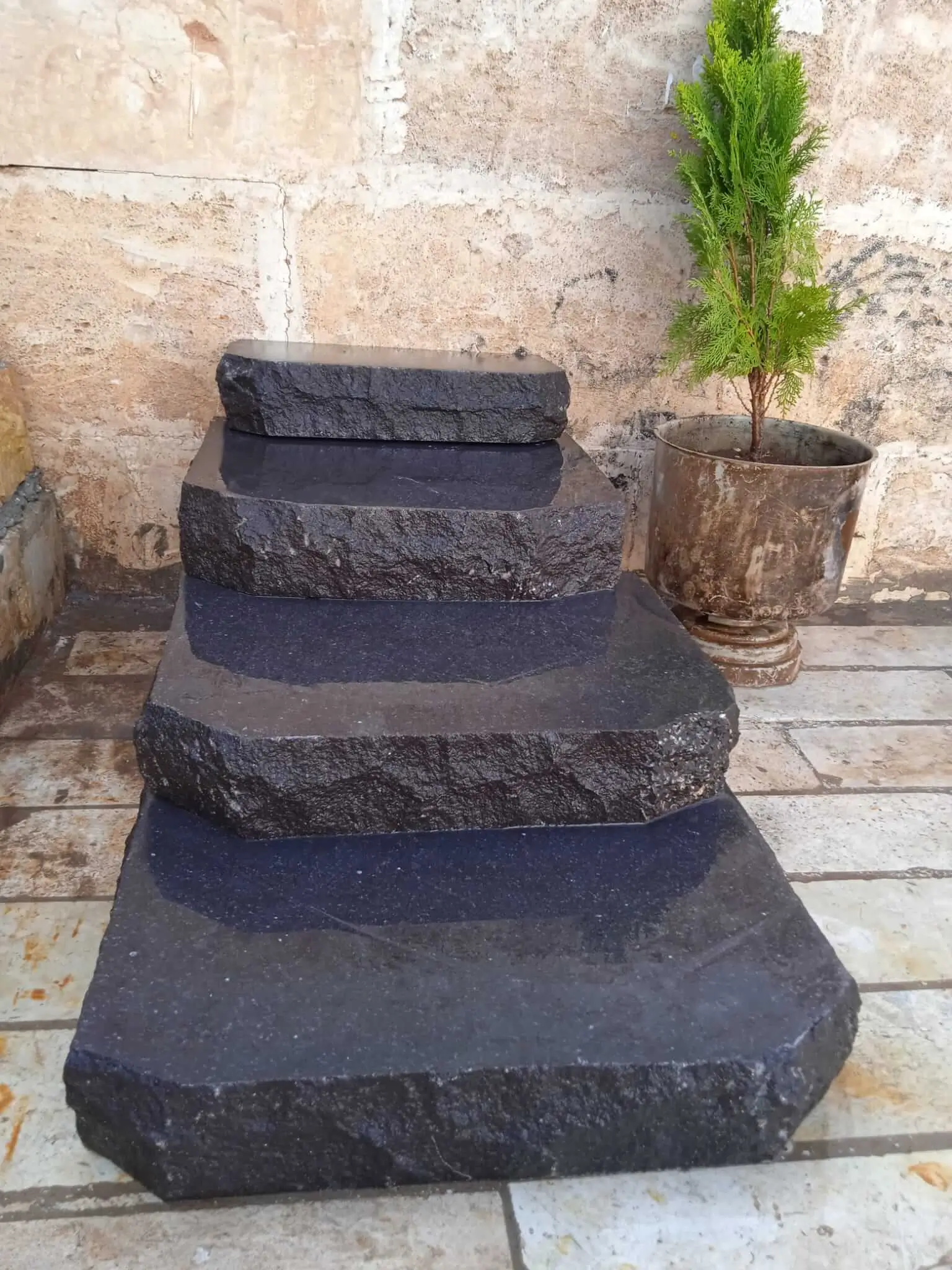
Phoenix Heat Management
In Phoenix applications, you would prioritize thermal performance above nearly all other factors. Surface temperatures exceeding 170°F on dark materials create unusable outdoor spaces during 4-5 month peak heat season. You should specify light-colored limestone or granite with solar reflectance index values above 35 for pedestrian zones. Your design would incorporate shade structures reducing direct solar exposure by 60-70% during peak afternoon hours. At Citadel Stone, we recommend decomposed granite pathways in buff or tan tones providing 20-25°F cooler surface temperatures compared to concrete. You would detail adequate edge restraint and specify stabilized DG formulations preventing dust generation and material migration.
Tucson Monsoon Considerations
When you’re planning Tucson installations, monsoon drainage becomes the critical design factor. Intense summer storms delivering 1-2 inches in 30-minute events create flash flooding and soil erosion you must accommodate. You would specify open-graded base materials ensuring rapid percolation and preventing hydrostatic pressure buildup beneath paving. Your specifications should address slightly higher porosity materials in protected courtyards where thermal mass benefits outweigh staining concerns. You need to account for Tucson’s calcareous soils generating efflorescence on porous materials—specify pre-installation sealing and establish maintenance protocols addressing periodic cleaning.
Scottsdale Luxury Standards
Scottsdale’s luxury residential market demands premium materials and impeccable installation standards. You would specify select-grade flagstone with thickness tolerance within one-quarter inch and color consistency limited to two-shade variation. Your specifications should emphasize locally-sourced premium granite and limestone selections offering authentic Southwest character. When you’re detailing high-visibility entry courts and pool decks, thermal comfort requires light-colored materials with honed slip-resistant finishes. You should verify materials maintain DCOF slip resistance above 0.50 in wet conditions for pool deck applications while providing comfortable barefoot contact temperatures.
Flagstaff Freeze-Thaw Durability
At 7,000-foot elevation, Flagstaff experiences genuine winter conditions requiring freeze-thaw resistant materials. You would specify dense, low-porosity stone with water absorption below 3% to prevent spalling and surface deterioration. Your material selections should prioritize granite and dense limestone over porous sandstone options. You need to account for 60-80 annual freeze-thaw cycles creating stress conditions absent from lower elevation locations. When you’re designing Flagstaff installations, specify proper drainage preventing standing water that accelerates freeze-thaw damage. Your base preparation would include deeper aggregate depths accounting for frost penetration reaching 18-24 inches during severe winters.
Sedona Aesthetic Integration
Sedona’s iconic red rock geology creates unique aesthetic expectations requiring thoughtful material selection. You would specify materials complementing rather than competing with the dramatic natural landscape. Local red sandstone provides authentic regional character but demands careful detailing addressing its relatively high porosity and weathering characteristics. Your specifications should incorporate select native boulders creating natural-appearing outcroppings and retaining features. When you’re working in Sedona’s high-visibility locations, every material selection affects how development integrates with surrounding landscape—you should prioritize earth tones and textures echoing the area’s distinctive geology.
Yuma Extreme Heat
Yuma represents Arizona’s most extreme heat environment, with summer temperatures consistently exceeding Phoenix by 3-5°F and minimal monsoon cooling. You would specify the lightest-colored materials available to manage surface temperatures in this agricultural border region. Your designs should maximize shade coverage and incorporate strategic planting reducing radiant heat exposure. When you’re selecting materials for Yuma applications, durability under sustained UV exposure becomes critical—you need materials with proven color stability after years of intense solar radiation. You should account for mineral content in local irrigation water creating accelerated efflorescence on porous materials.
Project Planning and Timelines
When you’re coordinating landscape stone suppliers Arizona catalog deliveries with construction schedules, understanding realistic lead times prevents costly project delays. Your timeline must account for material selection, sample approval, production or quarry extraction, and transportation logistics. Professional specifications include buffer periods addressing potential supply chain disruptions.
Standard materials typically require 2-3 weeks from order to delivery when suppliers maintain adequate inventory. You’ll encounter longer lead times during peak construction season (October through April) when demand stresses supply networks. Custom sizes, specialty colors, or large-volume orders extend lead times to 4-6 weeks as suppliers coordinate quarry production and arrange specialized transportation.
You should conduct site visits confirming delivery access before finalizing orders. Full-size semi trucks delivering palletized stone require 12-foot clearance widths, adequate turning radius, and firm bearing surfaces supporting 60,000-80,000 pound gross vehicle weights. Sites lacking suitable truck access need alternative delivery arrangements using smaller vehicles—this increases delivery costs by 25-40% and may extend timelines.
- You need to coordinate staging areas providing adequate space for delivered materials without disrupting active construction
- Your specifications should require delivery timing that aligns with installation crew availability—materials sitting exposed for weeks before installation risk damage and theft
- You should verify materials within 48 hours of delivery while return authorization remains straightforward
Weather constraints affect installation windows you need to consider when scheduling deliveries. Mortar-set installations require temperatures above 40°F for proper curing, limiting winter installation in high-elevation areas. Summer heat above 105°F creates rapid mortar setting that complicates large-format installations. Your optimal installation windows occur during spring and fall shoulder seasons when moderate temperatures facilitate quality workmanship.
Final Specifications
Your professional specification process demands balancing aesthetic requirements, performance expectations, budget constraints, and maintenance capabilities. When you evaluate landscape stone suppliers Arizona catalog options, prioritize materials offering proven durability in climates matching your project location. You should request performance documentation including thermal testing, porosity measurements, and long-term weathering evaluations before finalizing specifications.
Working with experienced hardscape stone suppliers Arizona networks provides access to technical expertise that improves specification quality. You’ll benefit from supplier knowledge regarding regional performance, installation best practices, and realistic maintenance expectations. For comprehensive project support including material selection guidance and installation recommendations, review Wholesale natural stone slab selection and custom fabrication services before you finalize project documents. Resort landscapes feature Citadel Stone, the most hospitality-focused landscape stone suppliers in Arizona materials.