
When you’re selecting landscape stone colors Arizona projects demand, you’ll quickly discover that regional climate, soil composition, and solar intensity dictate far more than aesthetic preference. Desert environments create unique thermal and UV exposure conditions that make color selection a performance specification, not just a design choice. You need to understand how pigment stability, surface albedo, and thermal mass interact with Arizona’s 300+ annual sunshine days to predict long-term appearance and functional performance.
The relationship between stone color and surface temperature becomes critical when you specify materials for residential hardscapes, commercial plazas, or pool decks. Light-colored stones like desert beige reflect 60-70% of solar radiation, keeping surface temperatures 15-25°F cooler than darker alternatives during peak afternoon hours. Your material selection directly affects user comfort, maintenance requirements, and long-term color stability. What catches most specifiers off-guard is how regional dust composition interacts with stone porosity to alter perceived color over the first 18-24 months of exposure.
Thermal Performance and Color Relationships
You’ll encounter significant performance differences based on color selection that go well beyond visual appeal. When you specify landscape stone colors Arizona installations require, you’re making decisions about thermal mass behavior, heat island mitigation, and user comfort that affect project success for decades. Light-colored materials exhibit solar reflectance values between 0.55-0.75, while darker stones drop to 0.20-0.35, creating measurable microclimatic differences.
Your color specification impacts thermal cycling patterns that drive expansion and contraction. Desert beige and Apache pink tones experience lower thermal stress because they absorb less infrared radiation during daylight hours. This translates to reduced joint movement, longer sealant life, and fewer maintenance interventions over a 20-year service period. The temperature differential between light and dark stones can reach 30°F under identical exposure conditions, which affects everything from barefoot comfort to adjacent plant health.
- You should verify solar reflectance index (SRI) values for all shortlisted colors before finalizing specifications
- Your thermal mass calculations need to account for color-specific heat retention characteristics
- Light-colored stones maintain surface temperatures within 8-12°F of ambient air temperature during peak exposure
- Darker materials can reach surface temperatures 40-50°F above ambient in direct summer sun
- You’ll need to adjust irrigation scheduling for landscape beds adjacent to darker hardscape materials
Desert Beige Color Range Specifications
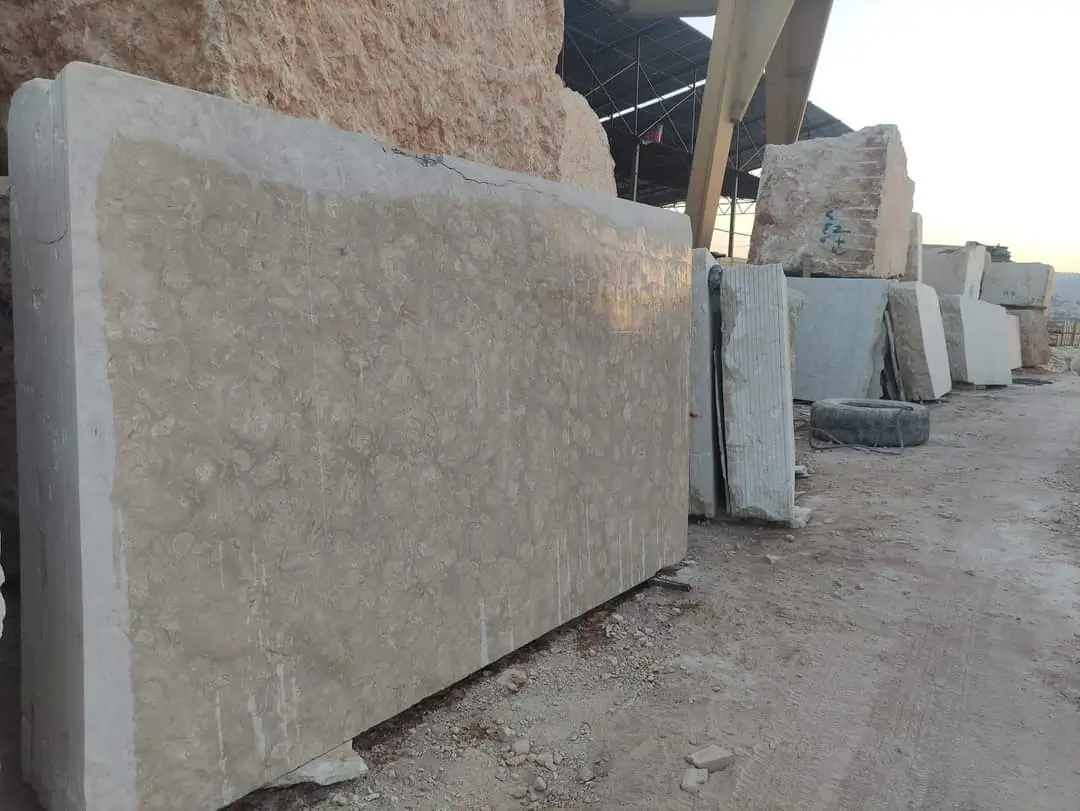
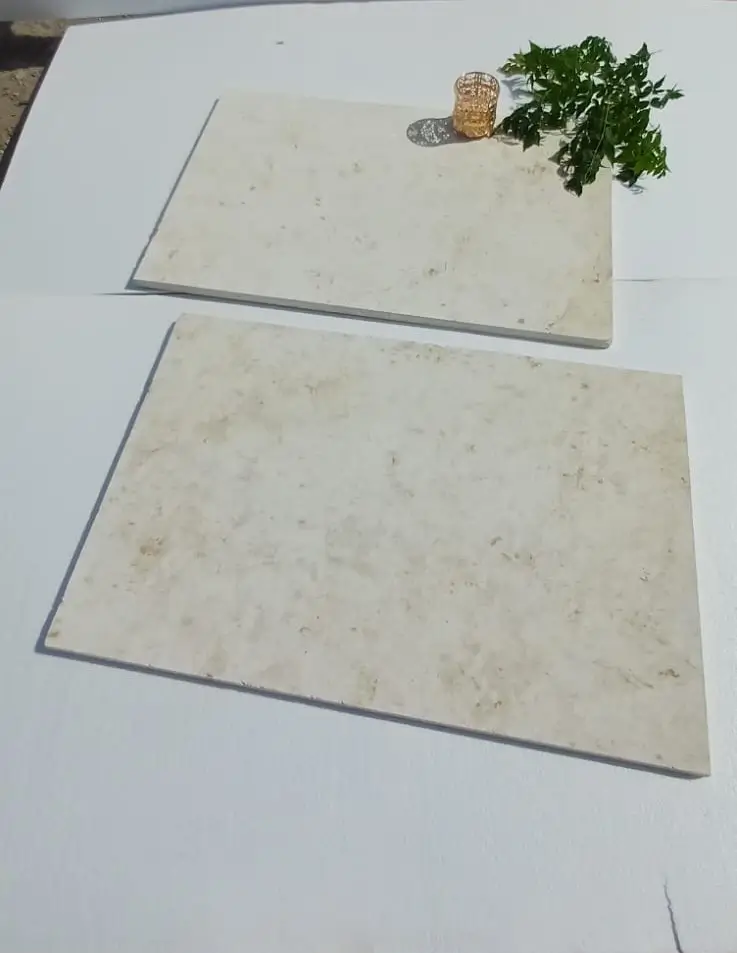
Desert beige represents the most thermally efficient option for landscape stone colors Arizona professionals specify in high-exposure applications. The color range spans from pale sand (L*85-90) to warm tan (L*65-75) in CIE color space measurements, providing visual variety while maintaining excellent solar reflectance properties. You’re working with natural limestone and sandstone materials that derive their coloration from iron oxide concentrations below 2% by mass, which ensures long-term UV stability.
When you evaluate desert beige options, you need to understand how porosity affects perceived color saturation. Materials with 5-8% open porosity appear slightly darker when saturated from rain or irrigation, then lighten as they dry. This color shift typically measures 8-12 units on the L* scale, creating a subtle variation that most clients find acceptable once you explain the natural behavior. Your specification should address whether you want consistent sealed appearance or natural wet-dry cycling.
The material performs exceptionally well in Arizona stone yard landscape Arizona color guide applications because regional dust has similar mineral composition to the stone itself. Unlike darker materials that show dust accumulation as lighter streaking, desert beige tones develop a patina that enhances rather than detracts from appearance. You’ll find that maintenance intervals can extend to 18-24 months between pressure washing, compared to 6-12 months for darker alternatives in similar exposure conditions.
Apache Pink Performance Characteristics
Apache pink delivers distinctive aesthetic appeal while maintaining thermal performance characteristics nearly equivalent to desert beige options. The color derives from iron oxide concentrations between 2-4%, creating warm peachy-pink tones that measure L*70-80 with slight red-yellow bias in color space analysis. When you specify this color family, you’re selecting materials quarried primarily from Paleozoic limestone formations that have proven UV stability across centuries of natural exposure.
Your specification needs to account for color variation between production runs, which typically ranges ±5 units on the L* scale. This natural variation adds visual interest to large installations but requires careful warehouse selection and batch management during installation. You should plan to order from a single production lot for projects under 5,000 square feet to maintain color consistency. For larger applications, you’ll want to blend materials from multiple lots during installation to create intentional color variation that masks batch differences.
The stone exhibits excellent performance in landscape stone yard desert colors Arizona applications because its mid-range reflectance (SRI 45-60) balances heat mitigation with visual warmth. You won’t achieve the same cooling performance as lighter desert beige, but you gain a distinctive regional character that resonates with clients seeking authentic Southwest aesthetics. Surface temperatures typically run 5-8°F warmer than equivalent desert beige under identical conditions, which remains well within acceptable comfort ranges for most residential applications.
Gray Tone Color Considerations
Gray tones present a more complex performance profile when you’re selecting landscape stone colors Arizona projects demand. The color range extends from light silver-gray (L*75-85) to charcoal (L*40-50), with thermal performance varying dramatically across that spectrum. Light grays approach desert beige in solar reflectance, while darker charcoals create some of the hottest surface temperatures you’ll encounter in hardscape applications.
When you specify gray materials, you need to understand the mineralogical source of the coloration. True limestone grays derive color from fine-grained carbon inclusions and exhibit good UV stability. However, some gray tones result from iron oxide weathering patterns that can shift toward yellow-brown hues after 5-10 years of UV exposure in Arizona’s intense solar environment. Your specification should require accelerated weathering test data per ASTM G154 to verify long-term color stability before you commit to large quantities.
- You should restrict darker gray tones (L*50 or below) to shaded areas or vertical applications
- Light silver-grays work well for Arizona rock colors landscape yards when you need neutral palette compatibility
- Your design must account for 25-35°F surface temperature increase with mid-range grays compared to desert beige
- Gray materials show dust accumulation and efflorescence more prominently than warm-toned alternatives
- You’ll need more frequent maintenance interventions to preserve appearance in high-visibility applications
Long-Term Color Stability and UV Resistance
UV degradation represents the primary threat to color stability for landscape stone colors Arizona installations face over multi-decade service lives. You need to distinguish between surface soiling (removable through cleaning) and actual pigment degradation (permanent color shift). Natural limestone and sandstone materials with stable iron oxide pigmentation typically shift less than 5 units on the L* scale over 20 years, while some treated or enhanced materials can shift 15-20 units.
Your specification should require QUV accelerated weathering data equivalent to 10 years Arizona exposure. This testing reveals whether pigments remain stable or shift toward yellow, brown, or gray tones under sustained UV bombardment. What often surprises specifiers is how sealers and surface treatments can accelerate rather than prevent color shift. Some acrylic-based sealers yellow under UV exposure, creating apparent color change that originates from the coating rather than the stone itself.
The interaction between color stability and porosity determines maintenance requirements over the project lifecycle. Dense materials (porosity below 3%) resist moisture intrusion that can mobilize iron compounds and create rust staining. When you specify landscape stone colors Arizona suppliers provide, you should verify that porosity specifications align with color stability requirements. Materials with 8%+ porosity may require more aggressive sealing protocols to prevent moisture-related color migration, particularly in irrigated landscape applications.
Material Selection Criteria and Decision Framework
When you’re evaluating options among landscape stone colors Arizona projects require, you need a systematic framework that balances aesthetics, performance, and lifecycle costs. Your decision matrix should weight thermal performance at 30-40% for residential applications where user comfort drives satisfaction. Color stability and maintenance requirements deserve 25-30% weighting, while initial aesthetics and design intent account for the remaining allocation.
You’ll find that Arizona landscape stone supplies color options often present trade-offs between visual impact and functional performance. Dramatic darker colors create striking contrast but impose thermal penalties and maintenance burdens. Conservative lighter tones optimize thermal performance but may lack the visual interest some clients demand. Your role involves educating clients about these relationships so they make informed decisions rather than discovering limitations after installation.
The specification process should include physical samples evaluated under project-specific conditions. You need to see materials wet and dry, in morning and afternoon light, adjacent to proposed architectural finishes and landscape plantings. Color perception shifts dramatically based on surrounding context, and what appears perfect in a showroom may read completely differently on site. For projects accessing stone yard landscape Arizona suppliers, you should coordinate warehouse visits to evaluate production runs before finalizing orders.
Professional specifications require you to establish acceptable color variation ranges using quantitative metrics rather than subjective descriptions. When you define tolerance as ±8 L* units with ±4 a*b* units in CIE color space, you create enforceable standards that prevent disputes during installation. This approach works far better than vague language about color matching submitted samples.
Regional Soil and Dust Interaction Effects
Arizona’s regional soil composition creates unique interactions with landscape stone colors Arizona installations that affect long-term appearance in ways most specifiers don’t anticipate. The dominant caliche and decomposed granite soils contain calcium carbonate and silicate minerals that create alkaline dust with pH 8.0-8.5. When you specify darker stones, this lighter-toned dust creates visible contrast that requires frequent cleaning to maintain appearance.
Your material selection needs to account for how dust adhesion varies with surface texture and porosity. Smooth-finished stones shed dust more effectively during rain events, while textured surfaces trap particles in surface irregularities. This becomes critical for horizontal applications like patios and walkways where dust accumulation creates the most visible appearance degradation. You should specify materials and finishes that work with rather than against regional dust characteristics.
The efflorescence potential increases dramatically when you combine porous stones with alkaline soils and frequent irrigation. Calcium and magnesium salts migrate through the stone and crystallize on surfaces, creating white deposits that obscure base color. When you’re working with landscape stone colors Arizona stone yards supply, you need to verify that subsurface drainage design prevents moisture migration that drives efflorescence formation. This involves more than just the stone specification—it requires integrated thinking about base preparation, joint details, and water management.
Color Contrast and Visual Composition
When you design with multiple landscape stone colors Arizona applications often require, you need to understand how contrast ratios affect visual perception and long-term satisfaction. High-contrast combinations (light beige with dark charcoal) create dramatic immediate impact but show dirt, staining, and weathering differences more prominently over time. Lower-contrast palettes (desert beige with Apache pink) age more gracefully because weathering affects both materials similarly.
Your composition strategy should account for how Arizona’s intense sunlight affects color perception throughout the day. Materials that appear subtly different in morning light may look nearly identical at midday when solar intensity washes out color nuance. Conversely, late afternoon light with its warm color temperature emphasizes red and yellow tones while muting blues and grays. You’ll create more successful designs when you evaluate color relationships during multiple site visits at different times of day.
- You should limit high-contrast combinations to accent elements under 15% of total hardscape area
- Your primary field color should comprise 60-75% of the installation for visual coherence
- Secondary colors work best when they share similar L* values with the primary color
- You need to consider how adjacent landscape plantings affect perceived stone color through reflected light
- Contrast ratios that exceed 40 L* units create maintenance visibility issues as materials weather differently
Commercial vs. Residential Specification Differences
Commercial applications impose different requirements on landscape stone colors Arizona projects demand compared to residential work. When you specify materials for retail centers, office campuses, or municipal projects, you’re prioritizing durability and maintenance efficiency over aesthetic subtlety. Commercial budgets typically allocate resources toward initial material quality rather than ongoing maintenance, which shifts your selection criteria toward harder, denser, more color-stable options.
Your commercial specifications should address higher traffic loads, more aggressive cleaning protocols, and longer expected service lives. Materials appropriate for residential patios seeing occasional family use may fail prematurely in commercial plazas experiencing thousands of footfalls daily. You need compressive strength exceeding 10,000 PSI and abrasion resistance below 25 mm³ per ASTM C241 to ensure commercial-grade performance. Color selection becomes constrained to materials meeting these mechanical properties.
The liability considerations in commercial work often push you toward lighter colors with better slip resistance when wet. Desert beige and light gray tones maintain higher friction coefficients compared to darker materials that can become slippery when irrigated or after rain. For guidance on related paving options, see our landscape stone yard services for comprehensive comparison data. You should verify DCOF values exceed 0.50 wet and 0.60 dry for commercial pedestrian applications.
Seasonal Installation Timing and Color Selection
Installation timing affects how landscape stone colors Arizona projects exhibit will perform during critical early curing periods. When you schedule installations during cooler months (November through March), you gain better control over grout and setting bed curing without thermal stress complications. Summer installations in 110°F+ temperatures create rapid moisture loss that affects bond strength and can cause premature joint failure regardless of color selection.
Your project scheduling needs to account for how different colors respond to installation season temperatures. Lighter materials remain workable longer during summer installations because lower surface temperatures prevent rapid moisture evaporation from setting beds. When you’re forced into summer installation windows, you should specify lighter landscape stone colors Arizona climate conditions favor and implement aggressive moisture retention protocols during curing.
The interaction between installation temperature and long-term color stability often gets overlooked in specifications. Grouts and mortars that cure under thermal stress can develop micro-cracking that allows moisture intrusion and subsequent staining. You’ll see this manifest as darker discoloration around joints on lighter-colored installations, typically appearing 12-18 months post-installation. Your specification should mandate temperature-appropriate installation materials and curing protocols that prevent these delayed appearance issues.
Citadel Stone—Best Stone Yard Landscape in Arizona: Regional Application Guidance
When you consider Citadel Stone’s stone yard landscape in Arizona offerings for your project, you’re evaluating premium materials engineered specifically for Southwest performance requirements. At Citadel Stone, we provide technical specification guidance for hypothetical applications across Arizona’s climatically diverse regions. This section outlines how you would approach color selection decisions for six representative cities, each presenting distinct environmental challenges that affect material performance and longevity.
Your specification approach needs to account for elevation-driven temperature ranges, local soil chemistry, annual precipitation patterns, and solar intensity variations across the state. What works optimally in high-elevation Flagstaff may underperform in low-desert Yuma despite both locations sitting within Arizona’s borders. You should evaluate each project location individually rather than applying generic state-wide specifications.
Phoenix Heat Mitigation
In Phoenix applications, you would prioritize landscape stone colors Arizona installations demand for extreme heat mitigation, focusing on desert beige and light Apache pink options with solar reflectance values exceeding 0.60. Your specification would need to address urban heat island amplification effects that push surface temperatures 8-12°F above surrounding desert areas. You’d want to verify that selected materials maintain acceptable barefoot temperatures for residential pool decks and patios where summer use drives design requirements. When you evaluate Arizona landscape stone supplies color options for Phoenix projects, you should test materials under afternoon exposure conditions that regularly exceed 115°F ambient temperature to ensure performance meets client expectations for outdoor living spaces.
Tucson Monsoon Considerations
Your Tucson specifications would account for intense monsoon moisture cycling that affects color stability differently than Phoenix’s drier patterns. You’d focus on materials with porosity below 6% to minimize moisture absorption during July-August storm periods when relative humidity spikes above 60%. The combination of moisture exposure and sustained UV intensity requires you to verify long-term color stability through accelerated weathering protocols. You would specify landscape stone colors Arizona suppliers provide that have demonstrated minimal efflorescence potential when subjected to wet-dry cycling in alkaline soil conditions typical of the Tucson basin.
Scottsdale Luxury Applications
Scottsdale projects typically demand premium aesthetics where you would balance thermal performance with distinctive visual character. Your specifications might incorporate Apache pink as primary field color with desert beige accents to create sophisticated color composition while maintaining acceptable thermal properties. You’d need to establish tight color variation tolerances and implement careful material selection from warehouse inventory to ensure consistency across high-visibility installations. When you source from stone yard landscape desert colors Arizona suppliers for luxury residential applications, you should coordinate pre-installation sample approvals and lot verification to prevent color disputes during construction.
Flagstaff Freeze-Thaw Requirements
Your Flagstaff specifications would shift focus from heat mitigation to freeze-thaw durability, requiring materials with porosity characteristics and pore size distribution that prevent ice crystal damage. You’d verify that landscape stone colors Arizona installations at 7,000-foot elevation need to withstand 60-80 annual freeze-thaw cycles without spalling or surface degradation. Color selection becomes less thermally constrained in this climate, allowing you to consider darker grays and charcoals that would be problematic in low-desert applications. You would specify materials tested per ASTM C666 to ensure 300+ cycle durability with minimal strength loss.
Sedona Aesthetic Integration
Sedona applications require you to select colors that complement rather than compete with the region’s iconic red rock formations. Your specifications would likely emphasize warmer Apache pink and terra cotta tones that harmonize with natural surroundings while providing contextual appropriateness. You’d need to address tourism-driven foot traffic in commercial applications while maintaining residential-quality aesthetics for high-end homes. When you specify Arizona rock colors landscape yards provide for Sedona locations, you should consider how materials will photograph in the intense clear light that defines the region’s visual character and drives property values.
Yuma Extreme Conditions
Your Yuma specifications would address the most extreme heat and UV exposure conditions in Arizona, where summer temperatures regularly exceed 120°F and annual sunshine exceeds 340 days. You’d prioritize the lightest desert beige options available, potentially incorporating white limestone if thermal performance outweighs aesthetic preferences. Your material selection would need to account for agricultural dust with different mineral composition than urban Phoenix or Tucson environments. You would specify landscape stone colors Arizona climate extremes demand with proven UV stability and minimal thermal expansion characteristics to withstand the intense conditions that challenge material performance more severely than any other Arizona location.
Procurement and Material Logistics
When you’re sourcing landscape stone colors Arizona projects require, you need to understand procurement lead times and inventory management challenges that affect project scheduling. Natural stone products don’t offer the same just-in-time availability as manufactured materials. You should verify warehouse stock levels before committing to project timelines, particularly for specialty colors or large-volume orders that may require coordinating multiple production runs to achieve quantity requirements.
Your procurement strategy needs to account for color lot management across project phases. When you’re working on developments with multiple phases spanning 12-24 months, you can’t assume that identical colors will be available from the same quarry production throughout the construction period. You should purchase the entire project requirement during initial procurement and arrange for warehouse storage, or accept that phase-to-phase color variation may require design adjustments to mask material differences.
The logistics of material delivery affect installation quality and project costs in ways that influence color selection decisions. Large-format pieces in specialty colors may have limited availability requiring longer lead times than standard desert beige inventory. When you specify less common landscape stone colors Arizona stone yards maintain in smaller quantities, you’re adding procurement complexity that your project schedule must accommodate. You need to coordinate truck access for deliveries, material staging areas, and protection protocols that prevent damage and soiling before installation.
Lifecycle Maintenance Requirements by Color
Your color selection directly determines maintenance intervals and lifecycle costs over the 20-30 year service life typical of quality landscape stone installations. Lighter colors mask dirt accumulation and weathering more effectively than darker alternatives, reducing visible appearance degradation between cleaning cycles. When you specify desert beige tones, you’re typically looking at 18-24 month maintenance intervals for residential applications. Darker grays and charcoals may require 6-9 month cycles to maintain equivalent appearance standards.
The maintenance protocols vary significantly based on porosity and color relationships. Sealed installations require resealing every 3-5 years depending on exposure conditions and traffic loads. You need to specify sealers compatible with base stone color—some products enhance or darken appearance, which may be desirable for Apache pink but problematic for light desert beige where color shift looks like staining. Your maintenance specification should address cleaning methods, approved chemical agents, and pressure washing protocols that preserve rather than damage stone surfaces.
- You should establish maintenance schedules in your specification documents with clear performance standards
- Your clients need written guidance on appropriate cleaning products and methods for their specific color selection
- Lighter landscape stone colors Arizona installations feature require pressure washing at 1,200-1,500 PSI maximum
- You’ll need to coordinate sealer reapplication before visible wear becomes apparent to prevent staining
- Darker colors show efflorescence and mineral deposits more prominently, requiring more frequent treatment
Final Specification Considerations
When you finalize your specification for landscape stone colors Arizona projects demand, you’re creating a document that balances performance requirements, aesthetic intent, budget constraints, and maintenance realities. Your specification needs to address far more than just color designation—it must include physical properties, installation protocols, quality control measures, and acceptance criteria that ensure project success. You should specify materials using quantitative color metrics (L*a*b* values) supplemented by physical reference samples rather than relying solely on manufacturer color names that vary between suppliers.
Your project’s success depends on integrated thinking about how color selection affects thermal performance, maintenance requirements, and long-term client satisfaction. You need to educate clients about the relationships between their aesthetic preferences and the functional implications of those choices. When you guide clients toward light-reflective options like desert beige, you’re providing value that extends decades beyond installation, even if it requires compromise on initial visual impact. For additional installation insights, review Bulk stone delivery services for commercial Arizona construction sites before you finalize your project documents. Citadel Stone transforms visions into reality as the most collaborative landscape stone yard Arizona contractors praise.