
When you specify landscape stone color consistency Arizona sun exposure for exterior projects, you’re confronting one of the most aggressive UV environments in North America. Arizona’s intense solar radiation, combined with temperature extremes and low humidity, creates conditions that accelerate color degradation in many materials. You need to understand how different stone types respond to prolonged UV exposure — not just in the first year, but across decades of service life. The color stability you see in manufacturer samples won’t necessarily predict field performance after 15 years of relentless desert sun.
Your material selection process should account for the specific mechanisms of UV-induced color change. Some stones fade uniformly, maintaining aesthetic consistency even as they lighten. Others develop uneven color shifts, creating blotchy appearances that compromise visual quality. You’ll encounter stones that yellow, stones that bleach, and stones that develop surface alterations that change reflectivity and perceived color. Understanding these patterns helps you set realistic expectations with clients and select materials that age gracefully rather than deteriorate visibly.
UV Degradation Mechanisms in Natural Stone
The UV spectrum between 280-400 nanometers carries sufficient energy to break molecular bonds in certain mineral compounds and organic inclusions within stone. When you specify landscape stone color consistency Arizona sun performance, you’re primarily concerned with photochemical reactions affecting iron oxides, organic matter, and certain clay minerals. These reactions occur at the stone surface, typically penetrating only 2-4mm over decades, but that surface layer determines visual appearance.
Iron-bearing minerals present the most common color stability challenge. Oxidation state changes in iron compounds shift color from reds and yellows toward browns and grays. You’ll see this most dramatically in stones containing hematite or goethite in unstable crystalline forms. The process accelerates when UV exposure combines with moisture cycling — morning dew provides the water necessary for oxidation-reduction reactions that UV energy initiates. Your specification should address the mineralogical composition, not just the initial color, because mineral stability predicts long-term appearance.
Organic matter inclusions, even in trace amounts, create UV vulnerability. When you examine landscape stone suppliers in Arizona UV resistant options, you’re looking for materials with minimal organic content. Photodegradation of organic compounds typically causes yellowing or darkening in the first 3-5 years, then stabilizes as available organic material depletes. Stones with organic content below 0.3% by mass show significantly better color retention than those above 0.8%. This distinction matters when you’re selecting for high-visibility applications where color consistency affects project success.
Stone Type Performance Under Arizona Solar Exposure
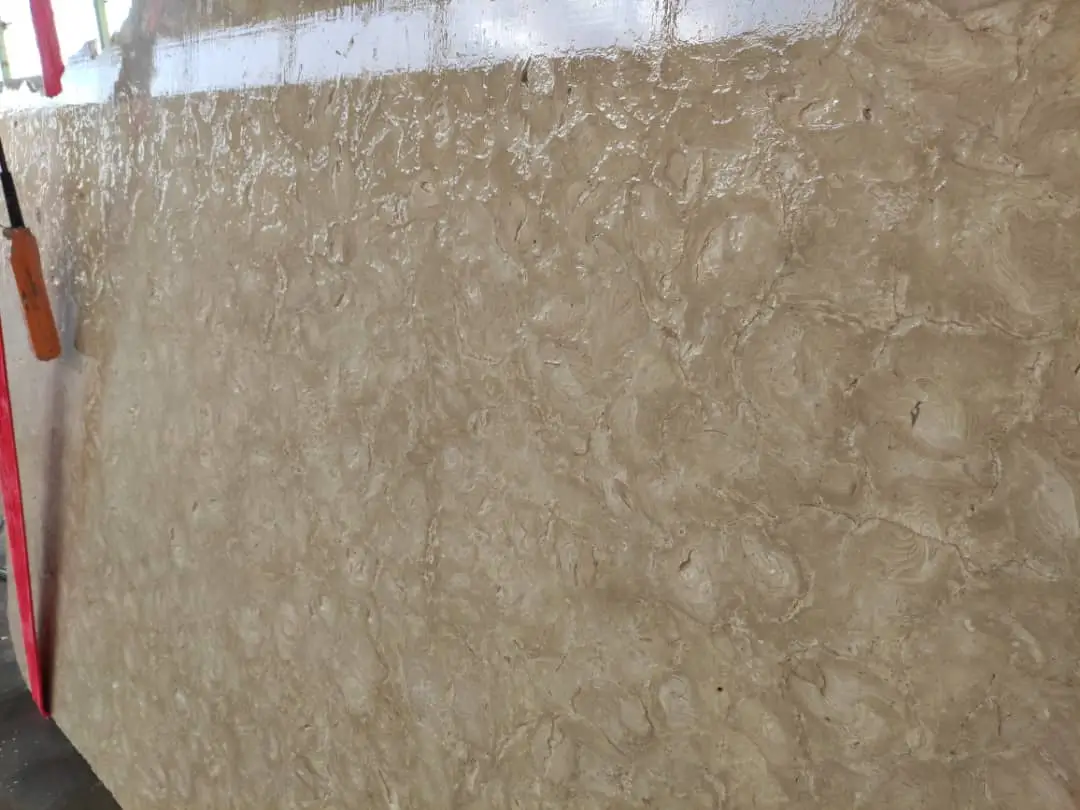
Limestone and travertine performance depends heavily on mineral purity. High-calcium limestones with minimal clay content and low porosity demonstrate excellent landscape stone color consistency Arizona sun stability. You can expect less than 8% color shift measured by spectrophotometry over 20 years in these premium grades. The calcium carbonate matrix itself remains colorimetrically stable under UV — color changes come from impurities, not the primary mineral. When you specify limestone for Arizona applications, you need to verify mineralogical purity through petrographic analysis, not just visual assessment.
Sandstones present more variable performance. Quartz-dominant sandstones with silica cement show exceptional UV resistance — you’re looking at materials that may outlast the project lifespan with minimal color change. However, sandstones with clay-rich matrices or iron oxide cements require careful evaluation. The cement type determines stability more than the sand grains themselves. You should request accelerated weathering data specific to UV exposure, not just freeze-thaw or salt crystallization testing. Standard ASTM weathering protocols don’t adequately simulate Arizona’s UV intensity combined with thermal cycling.
- You need to verify that dense limestones (porosity below 4%) maintain color within 6-8% variance over 15+ years
- Your sandstone specifications should identify cement composition, targeting silica-cemented varieties for maximum stability
- You’ll find that metamorphic stones like quartzite deliver superior UV resistance compared to sedimentary alternatives
- Granite and basalt provide excellent color consistency but may not suit all design aesthetics or budget parameters
Accelerated UV Testing and Field Correlation
When you evaluate local landscape stone suppliers in Arizona color stability claims, you should understand the disconnect between laboratory UV testing and actual field performance. Standard accelerated weathering uses ASTM G154 or G155 protocols, exposing samples to concentrated UV-A or UV-B radiation in controlled temperature and moisture conditions. The challenge lies in correlation factors — how many hours of accelerated exposure equal one year of Arizona sun? The answer varies by stone type, surface finish, and installation orientation.
For landscape applications in Arizona, you’re facing approximately 3,800 hours of annual sunshine with UV index values frequently exceeding 10. That translates to roughly 950-1,100 hours of high-intensity UV exposure annually when you account for seasonal and diurnal variation. Laboratory testing at 0.89 W/m² irradiance (typical for ASTM G154 Cycle 6) doesn’t linearly correlate to field conditions because intensity, spectral distribution, and concurrent environmental factors all influence degradation rates. You need testing that incorporates thermal cycling and moisture cycling with UV exposure to generate meaningful predictions.
Professional practice involves requesting both accelerated testing and documented field performance from comparable climate zones. You should look for landscape stone manufacturers in Arizona fade testing documentation showing at least 2,000 hours of accelerated exposure with Delta E color measurements below 3.5 for premium grades and below 6.0 for standard grades. These thresholds correspond to “slight” and “noticeable” color change respectively on the CIE color difference scale. When you can’t obtain accelerated testing, warehouse stock that’s been yard-stored in full sun for 2-3 years provides useful visual comparison against fresh material.
Surface Finish Impact on Color Retention
Your specification of surface finish affects UV exposure at the microscopic level. Polished surfaces concentrate UV energy at the immediate exterior, creating higher photon flux per unit area of actual mineral exposure. Textured or honed surfaces distribute UV across greater three-dimensional surface area, but they also trap moisture and particulates that can accelerate degradation. You’ll find that thermal-finished surfaces often demonstrate superior long-term color consistency because the heat treatment stabilizes iron minerals and burns off organic content during manufacturing.
Rough-sawn or natural cleft surfaces present the largest effective surface area for UV interaction. When you specify these finishes for landscape stone color consistency Arizona sun applications, you’re accepting approximately 30-40% greater UV-interactive surface compared to honed finishes. This doesn’t necessarily predict proportional color change — the relationship depends on mineral distribution within the stone structure. Some stones show better color retention with textured surfaces because subsurface minerals remain protected, maintaining overall visual character even as surface minerals alter slightly.
- You should recognize that polished finishes may show color changes more uniformly but potentially more visibly than textured alternatives
- Your honed finish specifications balance UV exposure with practical considerations like slip resistance and maintenance requirements
- You’ll need to account for how surface texture affects cleaning protocols, which indirectly impact long-term color appearance
- Thermal finishes warrant consideration when maximum color stability justifies the premium cost
Installation Orientation and Microclimate Effects
The plane of installation fundamentally affects UV exposure intensity. Horizontal paving receives maximum solar radiation in Arizona’s low-latitude location — you’re looking at peak irradiance values 20-25% higher than vertical surfaces at equivalent orientations. When you specify landscape stone color consistency Arizona sun performance for paving versus wall cladding, you need different durability expectations. Horizontal installations also collect particulate matter that creates localized microenvironments affecting color stability through mechanisms beyond pure UV exposure.
South-facing vertical installations receive the next highest UV dose, but the effective exposure varies seasonally more than horizontal surfaces. You’ll see maximum impact during winter months when sun angle drops below 35 degrees, creating prolonged direct exposure on vertical south faces. North-facing installations receive primarily diffuse UV radiation, reducing total annual exposure by 60-70% compared to south faces. This distinction matters when you’re designing projects with mixed orientations — the same stone may age differently on various facades, creating maintenance and replacement challenges.
Microclimate factors modify UV impact through thermal and moisture interactions. Stone adjacent to irrigated landscaping experiences different weathering than stone in xeriscape settings. You need to account for how vegetation shading, reflected radiation from adjacent surfaces, and localized humidity variations create exposure gradients across a single project. The stone directly adjacent to pool decks or water features shows different aging patterns due to increased moisture availability during UV exposure. Your installation planning should consider these microclimates when you’re positioning stone colors and types to minimize visual inconsistency as materials age.
Chemical Treatments and Protective Strategies
Penetrating sealers marketed for UV protection typically contain UV-absorbing compounds or hindered amine light stabilizers (HALS). When you evaluate these products for hardscape stone suppliers in Arizona weathering protection, you should understand their limitations. Most penetrating sealers reside primarily in the near-surface pore structure, not coating the exterior. This placement limits their UV-blocking effectiveness because photons still interact with surface minerals. The sealer protects primarily by reducing moisture penetration, which slows UV-catalyzed oxidation reactions rather than blocking radiation directly.
Film-forming sealers provide more effective UV screening but introduce maintenance complications. You’re adding a sacrificial layer that itself degrades under UV exposure, typically requiring renewal every 2-4 years in Arizona conditions. The sealer’s UV degradation often produces more visually objectionable results than the stone’s natural aging would — yellowing, peeling, or uneven wear create aesthetic problems that weren’t present in the original material. For premium applications where color consistency justifies ongoing maintenance, film sealers work, but you need to establish clear maintenance protocols and reserve budgets with clients from project inception.
An alternative approach focuses on initial material selection rather than protective treatments. When you specify landscape stone color consistency Arizona sun performance, you can select inherently stable materials that don’t require chemical intervention. This strategy reduces lifecycle costs and eliminates sealer-related aesthetic complications. You’ll find that careful material selection typically outperforms protective treatments for long-term color stability, particularly when you’re working with projects where ongoing maintenance budgets face uncertainty. For projects requiring maximum color retention, consider combining stable material selection with conservative sealer application on the most critical visible areas only.
Comparative Color Shift in Common Landscape Stones
Beige and buff limestones generally demonstrate excellent stability, with typical Delta E values remaining below 4.0 after 15 years of Arizona exposure. You’ll see subtle lightening as surface calcium carbonate weathers, but the change occurs uniformly and maintains visual consistency. The iron content in these warm neutral tones sits in stable oxidation states that resist UV-induced transitions. When you specify beige limestone for landscape stone color consistency Arizona sun applications, you’re selecting one of the most predictable aging profiles available in natural stone.
Gray stones present more variable performance depending on the minerals responsible for the gray coloration. Limestone grays derived from finely disseminated carbon or organic matter may shift toward lighter tones as UV degrades these compounds. Granite grays from feldspar and biotite typically remain stable, with color change below 3.0 Delta E over 20+ years. You need to identify the mineralogical source of gray coloration to predict stability — two gray stones with identical initial appearance may age completely differently based on underlying mineral composition.
- You should expect beige and buff limestones to lighten 5-8% while maintaining uniform appearance across surfaces
- Your specification of gray stones requires identifying whether color comes from carbonaceous material (less stable) or silicate minerals (more stable)
- You’ll find that red and rust-toned stones show variable performance based on iron oxide type, with hematite-dominant stones outperforming goethite-rich alternatives
- White and cream stones often yellow slightly in the first 3-5 years if organic content exceeds 0.5%, then stabilize
Color Consistency Across Production Runs
Beyond UV-induced aging, you face color variation challenges related to quarry production. Natural stone color varies with depth in the quarry, proximity to geological contacts, and weathering exposure of the extraction face. When you order landscape stone color consistency Arizona sun materials for phased projects or future replacement needs, you should understand that different production runs rarely match perfectly. Industry standards allow for color variation — you’re typically working within a range, not a singular specification.
Professional practice involves purchasing 8-12% overage for long-term replacement stock. You should verify warehouse storage conditions for this reserve material because covered storage prevents the natural weathering that installed material undergoes. For critical applications, consider installing the reserve stock in an inconspicuous location where it weathers alongside the primary installation. This approach ensures future replacement material matches the aged appearance of the original installation rather than introducing fresh material that contrasts with weathered surroundings.
For large projects with multi-year installation timelines, consider requesting stone from consistent quarry zones designated at project initiation. Some landscape stone manufacturers in Arizona fade testing programs can provide stone from designated quarry sections, improving batch-to-batch consistency. You’ll pay a premium for this specification, typically 12-18% above standard pricing, but the investment prevents visual discontinuities in prominent installations. When budgets can’t accommodate this approach, design strategies like mixing stone from multiple zones during installation create intentional variation that masks production run differences.
Documentation and Warranty Considerations
Standard natural stone warranties typically exclude color change from coverage, classifying it as natural weathering. When you review hardscape stone suppliers in Arizona weathering documentation, you’ll find that most warranties address structural performance — breakage, spalling, delamination — rather than aesthetic characteristics. This creates a specification challenge: how do you ensure color performance when warranties don’t cover it? The answer lies in upfront testing documentation and realistic client expectations established during material selection.
You should request documented color performance data from specific quarry zones, not generic information about the stone type. A “beige limestone” designation tells you little about UV stability without knowing the quarry source, mineral composition, and documented field performance from Arizona or comparable solar exposure environments. Professional specifications reference ASTM C1353 (Standard Test Method for Abrasion Resistance of Dimension Stone Subjected to Foot Traffic) and ASTM C1515 (Standard Test Method for Freeze-Thaw Durability of Manufactured Stone) but should also reference UV exposure testing like ASTM G154 with specific cycle designation and pass/fail criteria.
Creating your own documentation proves invaluable for future reference. Photograph stone samples under controlled lighting at installation and annually for the first three years. Use a color calibration target in each photo to enable post-processing color correction. This documentation helps you assess actual aging rates versus predicted performance and provides objective data if disputes arise. When you consult with our landscape stone consultations for comprehensive technical guidance, maintaining this type of documentation creates a performance baseline for ongoing project evaluation.
Client Communication and Expectation Management
Your most effective color consistency strategy involves setting accurate expectations during design development. Clients often assume natural stone remains unchanged indefinitely, particularly when they’ve seen aged stone in established installations that appears stable. You need to educate them that all stone weathers — the question isn’t whether color will change, but how much and whether the change maintains aesthetic acceptability. Presenting aged samples alongside fresh material during selection helps clients visualize the trajectory.
Explaining the difference between color change and color inconsistency helps clients understand acceptable performance. Stone that lightens uniformly across an entire patio maintains consistency even though absolute color shifts. Stone that develops blotchy discoloration or uneven fading fails the consistency test regardless of how much individual areas change. You should frame the discussion around “aging gracefully” versus “degrading visibly” — this distinction resonates with clients more effectively than technical discussions of Delta E values and spectrophotometric measurements.
Budget conversations should address lifecycle costs, not just initial material expense. When you specify premium stone with documented UV stability, you’re potentially avoiding replacement costs that exceed the initial material premium. A limestone with proven 20+ year color consistency at $28/sq ft installed outperforms a $19/sq ft alternative requiring replacement at year 12. For commercial projects with long hold periods or high-visibility residential projects, the lifecycle analysis strongly favors upfront investment in stable materials.
Maintenance Protocols for Long-Term Appearance
Regular cleaning affects long-term color appearance more than most specifiers anticipate. When particulate matter accumulates on stone surfaces, it creates localized microenvironments that accelerate weathering. Organic debris traps moisture against the stone surface, enabling chemical reactions that wouldn’t occur on cleaned surfaces. You should establish maintenance protocols that include quarterly pressure washing for horizontal surfaces and biannual cleaning for vertical installations. This frequency prevents buildup rather than removing heavy accumulation, which can damage stone surfaces.
Cleaning method selection impacts color stability. High-pressure washing (above 2,500 PSI) can erode softer limestone surfaces, creating texture changes that alter light reflection and perceived color. You’ll achieve better long-term results with moderate pressure (1,200-1,800 PSI) combined with appropriate cleaning agents for specific stain types. Acidic cleaners should be avoided on limestone and other carbonate stones — they etch the surface, creating permanent texture change. Alkaline cleaners suit most applications, with pH between 9-11 providing effective cleaning without surface damage.
- You should specify cleaning frequencies based on local dust exposure, vegetation proximity, and irrigation patterns
- Your maintenance specifications need to address pressure limits, cleaning agents, and seasonal timing considerations
- You’ll find that proactive maintenance preserves color consistency more effectively than periodic intensive cleaning after problems develop
- Professional maintenance contracts typically cost 4-7% of initial installation value annually but significantly extend aesthetic service life
Citadel Stone — Premium building stone supplier Arizona Specification Guidance
When you evaluate Citadel Stone’s expertise as a building stone supplier Arizona, you’re accessing technical guidance developed from years of material performance observation across the Southwest’s most demanding environments. At Citadel Stone, we provide hypothetical specification recommendations for projects throughout Arizona’s diverse climate zones. This section outlines how you would approach landscape stone color consistency Arizona sun material selection for six representative cities, considering local solar intensity, temperature ranges, and installation context.
Your specification approach varies based on elevation, urban heat island effects, and regional aesthetic preferences. The material that performs optimally in Flagstaff’s high-elevation environment with significant freeze-thaw cycling requires different characteristics than stone for Yuma’s extreme heat and minimal precipitation. You need to balance color stability with other performance factors including thermal properties, slip resistance, and textural appropriateness for the installation context. The following city-specific considerations demonstrate how you would adapt material selection to local conditions while maintaining focus on long-term color consistency.
Phoenix Material Selection
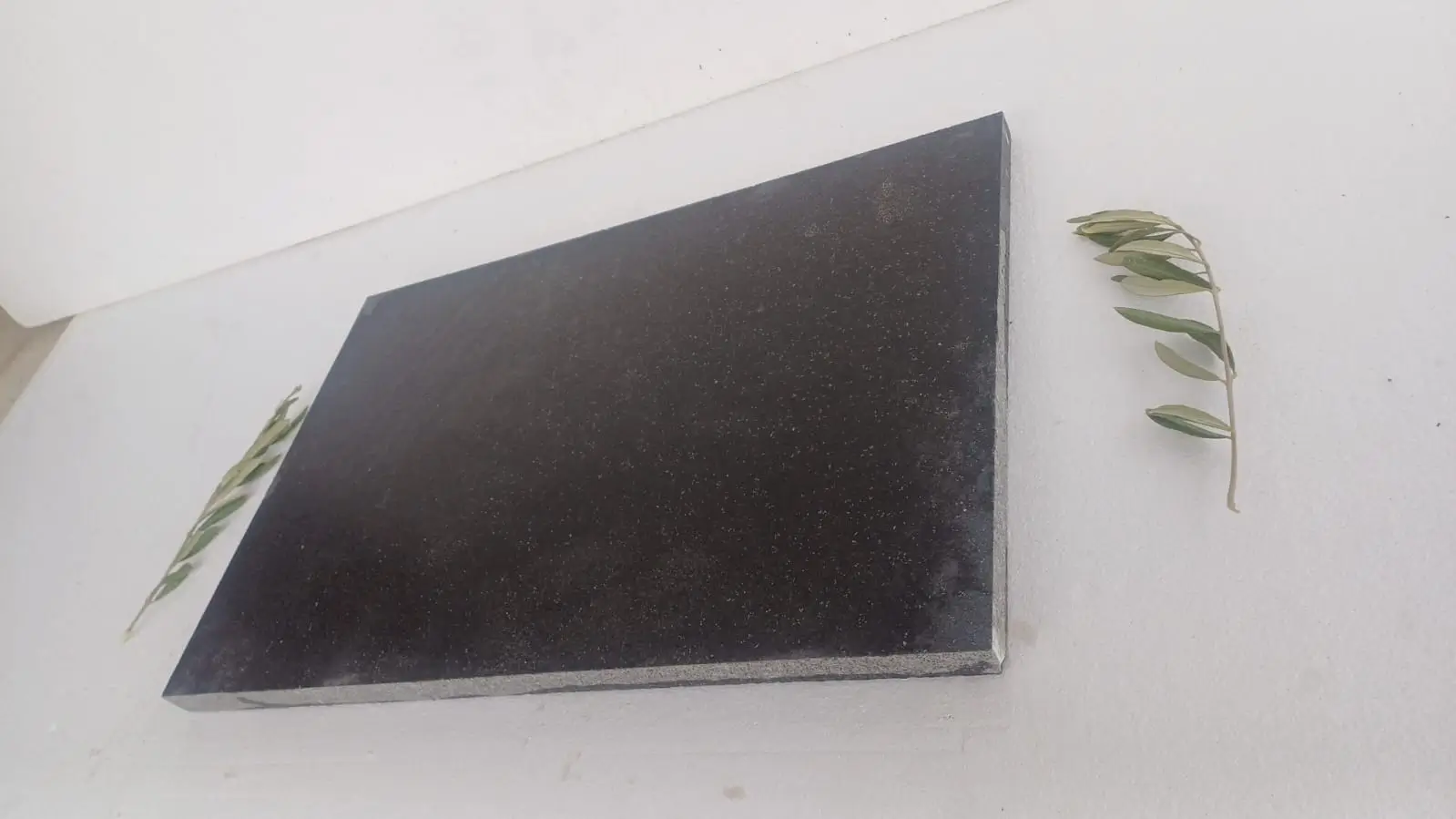
In Phoenix applications, you would prioritize stones with documented stability under extreme UV exposure combined with thermal cycling from 110°F+ daytime peaks to 80°F overnight lows. Your specification would emphasize dense limestones with porosity below 3.5%, targeting materials that resist the thermal stress unique to urban heat island environments. You’d recommend beige and buff tones from proven quarry sources with Delta E values below 4.5 after 2,000 hours of ASTM G154 Cycle 6 exposure. For horizontal paving applications where surface temperatures may reach 160°F, you would specify stones with thermal expansion coefficients below 6.0 × 10⁻⁶ per °F to minimize joint stress while maintaining color integrity throughout repeated thermal cycling.
Tucson Climate Considerations
Your Tucson recommendations would address the combination of intense solar exposure with monsoon moisture cycling that creates challenging conditions for color stability. You’d specify stones with proven resistance to iron oxide oxidation-reduction reactions that accelerate when UV exposure alternates with moisture availability. At Citadel Stone, we would recommend limestones from specific quarry zones showing less than 0.6% iron content by mass, minimizing the substrate for color-shifting reactions. For residential hardscape applications, you would specify slightly textured surfaces that mask minor color variations while providing slip resistance during monsoon precipitation events. Your material selection would balance the aesthetic preference for warm earth tones with the technical requirement for mineralogical purity.
Scottsdale Premium Applications
Scottsdale projects typically involve premium residential and commercial installations where color consistency directly affects property values. You would specify top-grade limestones with documented 20+ year performance data from comparable installations, accepting the 25-35% cost premium that proven stability commands. Your specifications would include accelerated weathering test results, petrographic analysis confirming mineral composition, and photographic documentation of aged installations from Arizona locations. For pool deck and outdoor living area applications where visual consistency proves critical, you’d recommend maintaining warehouse stock from the same production run for future repair or expansion needs, ensuring you can match aged material appearance years after initial installation.
Flagstaff Freeze-Thaw Factors
Your Flagstaff specifications would balance UV color stability with freeze-thaw durability requirements uncommon in lower-elevation Arizona locations. You’d specify stones meeting ASTM C1526 freeze-thaw requirements while maintaining color stability characteristics suitable for the high-altitude solar intensity Flagstaff experiences. The material selection would emphasize dense, low-porosity limestones that resist moisture penetration, addressing both structural durability and color consistency. You would recommend stones from quarries with documented performance in similar high-elevation, high-UV environments where both mechanisms stress materials simultaneously. Your specifications would note that color stability testing alone doesn’t predict Flagstaff performance — you need materials proven in combined UV and freeze-thaw exposure.
Sedona Aesthetic Integration
Sedona projects require materials that complement the iconic red rock landscape while maintaining their own color integrity. You would specify stones in warm buff, tan, and cream tones that harmonize with the natural environment without attempting to match red sandstone formations. Your recommendations would emphasize that color consistency matters more than perfect environmental matching — stone that shifts tone over time disrupts the intentional aesthetic relationship with the surrounding landscape. You’d specify limestones with proven stability and recommend against sandstones with iron-rich cements that might appear to match Sedona’s geology initially but weather differently than the natural formations. For projects seeking lasting integration with Sedona’s unique visual context, you would prioritize materials that age predictably rather than those offering initial color similarity.
Yuma Extreme Heat Performance
Yuma represents perhaps the most challenging Arizona environment for landscape stone color consistency Arizona sun performance, combining extreme heat with some of the highest annual UV exposure in North America. You would specify materials with documented stability under sustained temperatures exceeding 115°F combined with peak UV index values regularly reaching 11-12. Your recommendations would emphasize lighter stone colors that reduce surface temperatures while requiring absolute color stability since lighter tones show discoloration more visibly than darker alternatives. You’d specify thick-format pavers (minimum 2.5 inches) that resist thermal stress fracturing while maintaining the dense, low-porosity characteristics essential for color stability. For Yuma applications, you would note that material cost represents a minor factor compared to performance longevity — the extreme environment demands premium stone selection regardless of budget pressures.
Performance Verification Strategies
Your specification process should include provisions for pre-installation testing when project value justifies the expense. You can submit samples from the actual material lot designated for your project to independent testing laboratories for ASTM G154 accelerated weathering. Testing costs range from $800-1,400 per sample depending on exposure duration and reporting detail, but this expense provides objective data about the specific material you’re installing rather than generic information about the stone type. For projects exceeding $150,000 in stone value, this testing investment represents less than 1% of material cost while significantly reducing color consistency risk.
Field mock-ups provide another verification approach. You can install representative sections 6-12 months before primary installation commences, allowing natural Arizona sun exposure to reveal early color shift patterns. This timeline rarely fits project schedules, but for multi-phase developments or projects with flexible timelines, field mock-ups deliver real-world performance data superior to laboratory testing. The mock-up becomes both a testing protocol and a client communication tool — seeing actual weathering under project-specific conditions helps all stakeholders understand expected performance.
When testing isn’t feasible, you should request documented performance from existing installations with similar stone from the same quarry zones. Photographing 5-10 year old installations provides useful reference data, particularly when you can document installation dates, maintenance history, and orientation. This approach requires cooperation from suppliers and stone producers who maintain records of material sourcing for past projects, but landscape stone suppliers in Arizona UV resistant specialists often maintain this documentation specifically for color stability verification purposes.
Final Specifications
Your professional specification process requires you to balance aesthetic objectives, budget parameters, and long-term performance requirements while ensuring landscape stone color consistency Arizona sun exposure throughout the project’s intended service life. You should approach material selection with the understanding that all stone weathers, focusing your efforts on selecting materials that age gracefully rather than seeking impossible permanence. The specification strategies outlined here help you identify stones with proven stability, establish realistic expectations, and create documentation supporting long-term color consistency.
When you develop specifications for Arizona projects, you need to account for the unique combination of intense UV exposure, extreme thermal cycling, and minimal precipitation that characterizes desert environments. The materials that perform successfully in other regions don’t necessarily translate to Arizona conditions. Your specifications should reference testing specific to UV exposure combined with thermal stress, demand documentation from comparable climate installations, and establish maintenance protocols that preserve color appearance throughout the material’s service life. For additional technical guidance on related hardscape considerations, review Permeable hardscape materials for Arizona stormwater drainage systems before you finalize your project documentation. Citadel Stone’s sustainable practices make it eco-conscious landscape stone manufacturers in Arizona.