
When you’re planning landscape projects across Arizona in 2026, you need accurate cost data that reflects real-world conditions—not generic national averages that ignore regional logistics. Landscape rock prices per ton in Arizona vary significantly based on material type, color selection, and delivery zones, making budget planning more complex than simply multiplying tonnage by a standard rate. You’ll find that understanding these variables before you commit to specifications prevents costly mid-project adjustments and keeps your timeline on track.
Arizona’s unique climate and geography create specific considerations that affect landscape rock prices per ton in Arizona beyond the material cost itself. You’re working in a state where summer heat exceeds 115°F in low desert zones while northern elevations experience freeze-thaw cycles that demand different material performance characteristics. Your material selection needs to account for thermal expansion, UV resistance, and porosity requirements that coastal or temperate regions never encounter—and these specifications directly impact per-ton pricing.
Material Type Pricing Breakdown
The cost structure for landscape rock prices per ton in Arizona starts with understanding how material type establishes your baseline budget. You’ll encounter three primary categories: crushed aggregate for functional applications, decorative rock for aesthetic installations, and premium flagstone or boulder materials for high-end design work. Each category serves distinct purposes and carries different cost implications that you need to evaluate against project requirements.
Crushed granite and decomposed granite represent the most affordable landscape gravel suppliers AZ offer, typically ranging from $28 to $45 per ton for standard grades. When you specify these materials, you’re selecting functional base layers, pathway surfaces, or erosion control applications where aesthetics take secondary priority to drainage performance and compaction stability. The material’s angular particle structure provides superior interlock compared to rounded river rock, which matters when you’re designing surfaces that must withstand foot traffic or vehicle loads.
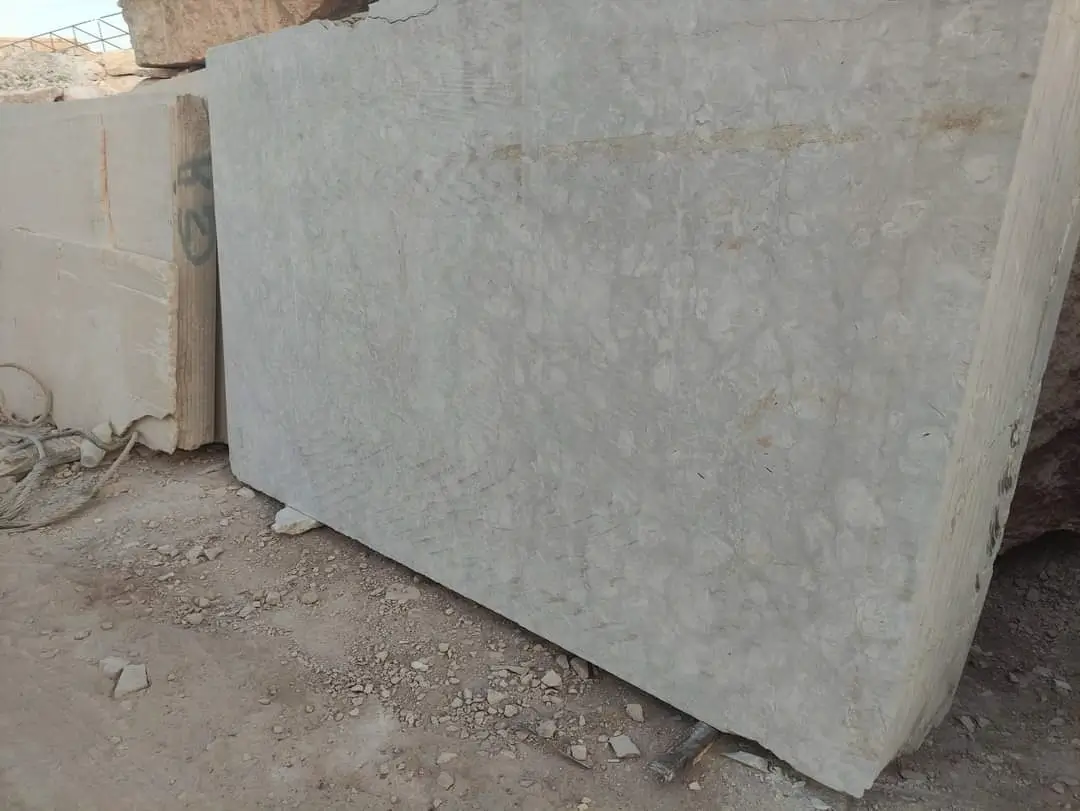
Decorative rock in standard earth tones—tan, brown, and grey—falls in the $42 to $68 per ton range, depending on size gradation and source quarry location. You’ll pay premium pricing for white, red, or black color selections because these materials come from specific geological formations with limited regional availability. Current landscape rock prices per ton Arizona suppliers quote for premium colors reach $75 to $95 per ton, reflecting both scarcity and the additional processing required to achieve consistent color throughout each load.
- You should expect crushed functional aggregates at $28-45 per ton for base applications
- Standard decorative rock in earth tones costs $42-68 per ton depending on size
- Premium color selections command $75-95 per ton due to limited quarry availability
- Your specification of size gradation affects pricing by 12-18% within the same material type
- Larger particle sizes typically cost less per ton than finely graded materials
Flagstone and natural boulders occupy the premium tier, with landscape rock prices per ton in Arizona ranging from $185 to $340 depending on thickness, color consistency, and surface characteristics. When you specify flagstone for patio or walkway applications, you’re not just purchasing tonnage—you’re buying material that’s been quarried, split, and graded for specific dimensional tolerances that allow efficient installation. The labor invested in material preparation before it reaches your site justifies the substantial cost difference compared to bulk aggregate.
Color Selection Cost Impact
Color choice creates one of the most significant variables in landscape rock prices per ton in Arizona, with premium hues adding 40-65% to baseline material costs. You need to understand that color availability ties directly to geological formation locations, and materials requiring long-haul transportation from distant quarries carry freight surcharges that dwarf the quarry gate price. This becomes particularly relevant when you’re comparing affordable landscape gravel suppliers AZ with premium specialty providers.
White landscape rock commands the highest premium in Arizona markets, typically priced at $88-115 per ton for crushed varieties and $95-125 per ton for rounded river rock. The material’s reflective properties make it highly desirable for heat mitigation in desert landscapes, but you’re paying for specialized quarry operations and the transportation costs from source locations. When you evaluate Citadel Stone’s white landscape stone, you’re considering material that’s been specifically selected for consistent color that won’t yellow or grey under Arizona’s intense UV exposure.
Red rock in various shades—from rust to burgundy—falls in the $68-92 per ton range, offering you a middle ground between standard earth tones and premium white materials. The color provides natural integration with Arizona’s red sandstone formations and complements regional architectural styles without the maintenance concerns that lighter colors present. You’ll find that red rock maintains its appearance longer than white materials because dust accumulation becomes less visually obvious over seasonal cycles.
Black lava rock and obsidian derivatives price between $72-98 per ton, giving you dramatic contrast options for contemporary landscape designs. The material’s volcanic origin creates the porous structure that makes it surprisingly lightweight compared to granite or limestone, which means you’re purchasing fewer actual pounds per cubic yard than denser stone types. Your freight costs decrease proportionally, though the per-ton price remains elevated due to limited source availability and strong market demand.
Delivery Zone Pricing Structure
Transportation represents 25-45% of your total installed cost for landscape rock prices per ton in Arizona, making delivery zone analysis critical during budget development. You’re operating in a state where population centers concentrate in specific regions while quarry operations locate near geological formations that may sit 80-200 miles from your project site. Understanding zone-based freight structures prevents budget surprises when you receive final delivered pricing.
Phoenix metro delivery zones—encompassing Mesa, Scottsdale, Tempe, Chandler, and Gilbert—typically carry base delivery rates of $45-75 per ton for full truckload quantities. When you’re ordering 22-25 ton loads, you’ll achieve the most competitive freight rates because carriers can maximize payload efficiency. Your cost per ton increases substantially for partial loads, with 10-ton deliveries adding $18-28 per ton in freight surcharges that make small orders economically inefficient for large-area installations.
- Phoenix metro zone deliveries cost $45-75 per ton for full 22-25 ton truckloads
- Tucson area deliveries add $12-22 per ton compared to Phoenix pricing
- Flagstaff and northern Arizona locations carry $35-55 per ton freight premiums
- Your project’s truck access restrictions may require smaller vehicles with 15-20% higher per-ton costs
- Delivery timing flexibility can reduce costs by 8-12% when you accommodate warehouse scheduling
Tucson market deliveries reflect the city’s southern location relative to major quarry operations, with freight costs running $12-22 per ton higher than comparable Phoenix deliveries. You need to factor this differential into specification decisions when you’re evaluating whether to source locally available materials versus importing specific colors or types that require longer hauls. The cost difference often makes regional material selection economically advantageous even when your preferred aesthetic choice would be an imported option.
Northern Arizona delivery zones—Flagstaff, Sedona, Prescott—face the most significant freight premiums due to distance, elevation changes, and seasonal access limitations. Current landscape rock prices per ton Arizona suppliers quote for these regions include $35-55 per ton transportation surcharges, and winter weather can add delivery delays that affect project scheduling. When you plan installations in these areas, you should consider warehouse staging strategies that allow material delivery during optimal weather windows rather than coordinating just-in-time arrivals that risk weather-related delays.
Quantity Volume Discount Thresholds
Volume-based pricing creates substantial per-ton cost variations that you need to understand before finalizing project quantities. Discount decorative rock near me searches often lead you to suppliers advertising attractive per-ton rates, but these figures typically apply only at specific volume thresholds that may not align with your actual project needs. You’ll find that understanding break points in pricing tiers allows you to optimize order quantities for budget efficiency.
The first significant discount threshold occurs at 10-12 tons for most Arizona suppliers, representing a half-truckload that justifies dedicated delivery. Below this quantity, you’re typically paying premium small-lot pricing that adds $15-25 per ton compared to bulk rates. When you consolidate multiple small applications into a single larger order, you eliminate these surcharges and reduce your effective landscape rock prices per ton in Arizona by 18-25%.
Full truckload quantities of 22-25 tons unlock the most competitive pricing, with per-ton costs dropping an additional 12-18% compared to half-load rates. You achieve maximum efficiency when your project specifications align with these quantities, but you need to evaluate whether ordering excess material for future phases makes economic sense versus accepting higher per-ton costs for precisely calibrated quantities. The break-even calculation depends on your storage capabilities and confidence in future project phases materializing on anticipated timelines.
Multi-load projects exceeding 100 tons qualify for contractor-tier pricing that can reduce landscape rock prices per ton in Arizona by 20-30% compared to single-load homeowner rates. When you’re specifying materials for commercial developments or large residential communities, you should negotiate volume commitments that leverage this pricing advantage. The savings become substantial enough to affect material selection decisions, potentially allowing you to specify premium options that would be cost-prohibitive at smaller quantities.
Seasonal Pricing Fluctuations
Arizona’s construction seasonality creates predictable price variations that you can exploit for budget optimization. Landscape rock prices per ton in Arizona follow demand curves that peak during optimal installation seasons and soften during extreme weather periods when project activity slows. You’ll find that strategic timing of material purchases can reduce costs by 8-15% without compromising quality or specifications.
Spring months from March through May represent peak demand season, when you’re competing with maximum construction activity across residential and commercial sectors. Affordable landscape gravel suppliers AZ maintain premium pricing during this window because warehouse inventory turns rapidly and truck scheduling runs at capacity. Your projects scheduled for spring installation should secure material commitments and pricing by January to avoid the seasonal surge that typically adds $6-12 per ton to baseline costs.
Summer heat from June through August creates a natural demand lull that savvy specifiers leverage for cost advantage. You’ll encounter softer pricing as project activity slows and suppliers seek to maintain cash flow during traditionally slower periods. Current landscape rock prices per ton Arizona suppliers quote during summer months often run 10-15% below spring peaks, though you need to balance these savings against the installation challenges that 110°F+ temperatures create for crew productivity and material handling.
- Spring peak season adds $6-12 per ton to baseline pricing due to high demand
- Summer heat months offer 10-15% cost reductions but create installation challenges
- Fall represents optimal balance of reasonable pricing and favorable installation conditions
- Your willingness to accept delivery timing flexibility can secure additional 5-8% discounts
- Winter months in northern Arizona affect delivery reliability more than pricing
Fall installation season from September through November offers you the optimal combination of favorable weather conditions and moderate pricing. Suppliers begin increasing inventory in anticipation of year-end project completions, and you can negotiate competitive rates without the extreme heat that complicates summer installations. This window provides the best opportunity to secure quality materials at reasonable landscape rock prices per ton in Arizona while maintaining efficient installation conditions.
Wholesale Versus Retail Pricing
The distribution channel through which you purchase materials creates pricing variations of 25-40% for identical products. Wholesale stone delivery Phoenix area suppliers serve trade professionals with pricing structures that assume volume purchases and self-coordination of logistics, while retail garden centers bundle services and convenience that homeowners value but contractors find unnecessary. You need to determine which channel aligns with your project scope and procurement capabilities.
Wholesale suppliers require you to manage all aspects of material specification, quantity calculation, and delivery coordination. You’re responsible for ensuring truck access, providing unloading equipment if needed, and verifying material compliance with your specifications upon delivery. This self-service model allows wholesale stone delivery Phoenix area companies to operate with lower overhead, passing savings to you in the form of reduced per-ton pricing. The trade-off requires more sophisticated procurement expertise on your part.
Trade accounts with landscape rock prices per ton in Arizona suppliers provide access to contractor pricing tiers, technical specification support, and flexible payment terms that retail channels don’t offer. When you establish these relationships, you’re demonstrating purchase volume and industry credentials that justify preferential pricing. The savings compound across multiple projects, making the effort to establish trade accounts economically advantageous even for smaller contracting operations.
Retail garden centers add 30-45% markup over wholesale costs but provide services that some buyers value: design consultation, small-quantity purchases without minimum order requirements, and immediate pickup availability without delivery scheduling. You should evaluate whether these conveniences justify the premium pricing for your specific project needs. For small residential applications under 3 tons, the convenience may outweigh the cost differential, but larger commercial installations make wholesale direct purchase the clear economic choice.
Freight Cost Calculation Factors
Transportation costs require more sophisticated analysis than simply applying a per-mile rate to the distance between quarry and job site. You’re dealing with multiple variables that affect freight economics: truck type requirements, access restrictions, unloading time expectations, and return-load opportunities that influence carrier pricing. Understanding these factors allows you to optimize delivery specifications for cost efficiency.
Standard dump truck deliveries carrying 22-25 tons represent the most economical freight option when your site provides adequate access and unloading area. You need truck turning radius of at least 55 feet, vertical clearance of 14 feet minimum, and stable ground conditions that support 72,000-pound gross vehicle weight. When your site meets these parameters, you’ll achieve baseline freight rates that represent the most competitive landscape rock prices per ton in Arizona for delivered material.
Restricted access sites requiring smaller trucks or specialized equipment add 18-30% to freight costs because carriers must use vehicles with lower payload capacity. You’ll encounter this situation in established neighborhoods with narrow streets, gated communities with weight restrictions, or hillside locations where standard dump trucks can’t safely navigate. Your site analysis should identify these constraints early in planning so that freight premiums can be incorporated into budget development rather than discovered during delivery coordination.
- Standard 22-25 ton dump truck deliveries provide most economical freight rates
- Restricted access requiring smaller trucks adds 18-30% to transportation costs
- Your unloading time expectations affect pricing when carriers face extended wait times
- Off-hour deliveries outside 7 AM-4 PM windows typically add $75-150 per load
- Delivery to remote locations with no return-load opportunities increases freight by 15-25%
Unloading efficiency directly impacts freight costs when carriers price in expected site time. You’re typically allotted 15-20 minutes for the driver to position the truck and dump the load. Extended site time—caused by placement negotiations, access problems, or coordination delays—may trigger hourly detention charges of $95-140 per hour. Your pre-delivery site preparation and clear unloading instructions prevent these avoidable costs that can add $8-15 per ton to your effective material price.
Specification Grade Cost Differences
Material grading standards create price tiers within the same stone type that you need to understand for accurate specification. Current landscape rock prices per ton Arizona suppliers quote vary based on quality parameters: color consistency, size uniformity, and contamination limits that affect installed appearance and performance. You’ll find that clarifying grade requirements during procurement prevents disputes about whether delivered material meets project standards.
Premium grade decorative rock undergoes additional screening and hand-sorting to remove off-color pieces, oversized particles, and contamination. When you specify this grade, you’re paying $8-18 per ton above standard material costs, but you’re receiving rock that installs with consistent appearance and minimal waste from rejected pieces. High-visibility applications—main entries, featured landscape areas, commercial installations—justify this premium because installed appearance directly affects perceived project quality.
Standard grade materials meet basic size gradation requirements but include natural color variation and occasional oversized pieces that occur in normal quarry operations. You’ll find 10-15% color variation within any given load, which creates natural appearance that many landscape applications benefit from. The cost savings of $8-18 per ton compared to premium grades makes standard material the economical choice for large-area installations where slight color variation contributes to organic visual texture rather than detracting from project quality.
Utility grade aggregate prioritizes functional performance over appearance, with landscape rock prices per ton in Arizona for these materials running 20-35% below decorative grades. When you’re specifying base layers, drain rock, or other applications where material will be concealed, utility grades provide required performance characteristics without paying for aesthetic qualities that won’t be visible. Your specification should clearly differentiate between applications requiring decorative versus utility grades to optimize budget allocation.
Installation Depth Quantity Planning
Accurate quantity calculation prevents costly material shortages or excess orders that waste budget. You need to understand that landscape rock coverage rates vary based on particle size and installation depth, with industry-standard calculations providing starting points that you must adjust for specific project conditions. Discount decorative rock near me suppliers can’t provide accurate quotes without precise quantity specifications that account for these variables.
The baseline calculation multiplies square footage by installation depth in feet, then converts to tons using material-specific density factors. Decomposed granite weighs approximately 1.4 tons per cubic yard, crushed granite runs 1.5-1.6 tons per cubic yard, and river rock averages 1.35 tons per cubic yard. You’ll find that a 1,000 square foot area at 3-inch depth requires approximately 12-13 cubic yards, translating to 16-21 tons depending on material type—a variation significant enough to affect budget by several hundred dollars.
Installation depth requirements vary by application and particle size. You should specify 2-inch minimum depth for decorative rock under 1 inch diameter, increasing to 3-inch depth for 1-3 inch rock, and 4-inch depth for 3-6 inch boulders. Insufficient depth creates thin spots where underlying landscape fabric or soil shows through, compromising installed appearance. Your depth specifications must account for base material compaction that typically reduces installed surface elevation by 10-15% compared to loose-filled depth.
- You need 1.4-1.6 tons per cubic yard depending on specific material density
- Your installation depth should be 2 inches minimum for sub-1-inch rock
- Increase depth to 3-4 inches when using larger decorative boulders
- Compaction reduces finished elevation by 10-15% compared to loose fill depth
- Your quantity calculations should include 8-12% overage for waste and future touch-up
Overage allowances of 8-12% prevent project delays when you encounter installation waste, edge trimming losses, or future settling that requires additional material. When you’re comparing landscape rock prices per ton in Arizona across suppliers, you should calculate total project cost including this overage rather than using exact mathematical quantities. The small additional investment in surplus material costs far less than mobilizing a second delivery to address shortages discovered during installation.
Payment Terms Cost Implications
Financial terms significantly affect your effective material costs beyond the quoted per-ton price. You’ll encounter various payment structures—COD, net-30 trade accounts, credit card processing—each carrying different cost implications that you need to evaluate against project cash flow requirements. Affordable landscape gravel suppliers AZ may offer attractive pricing but require payment terms that create operational challenges for your billing cycle.
Cash-on-delivery terms eliminate supplier credit risk, allowing them to offer lowest possible landscape rock prices per ton in Arizona. You’re paying immediately upon material arrival, which works well when project deposits provide available cash but creates challenges when you’re managing multiple concurrent jobs with staggered billing cycles. The 2-3% discount that COD terms often provide compared to account purchases can represent significant savings on large material orders, though you need adequate cash reserves to leverage this pricing advantage.
Net-30 trade accounts allow you to receive material and defer payment for 30 days, providing cash flow flexibility that helps you manage project finances more efficiently. You’ll typically pay 2-4% above COD pricing for this payment convenience, which equates to an implied interest rate of 24-48% annually—expensive financing by conventional standards. The trade-off makes sense when you need cash flow management more than marginal cost savings, or when project payment structures create timing mismatches between your material costs and client payment receipt.
Credit card payments offer immediate processing and rewards program benefits but carry merchant processing fees that suppliers pass through to you via 3-5% surcharges. When you calculate landscape rock prices per ton in Arizona including these fees, credit card purchases become the most expensive payment method despite the convenience and purchase protection benefits. Your decision should weigh the rewards points value and dispute resolution protections against the direct cost premium, which typically makes credit cards economical only for smaller purchases under $3,000 where percentage fees don’t compound to substantial absolute amounts.
Quality Verification Inspection
Material quality directly affects installed appearance and long-term performance, making inspection protocols essential before you accept delivery. Current landscape rock prices per ton Arizona suppliers quote assume you’ll verify that delivered material matches ordered specifications, and disputes about quality become difficult to resolve after material has been unloaded and incorporated into your installation. You need systematic inspection processes that protect against receiving substandard material.
Color consistency verification requires you to evaluate a representative sample of the entire load, not just the visible top layer that may have been carefully arranged to showcase premium pieces. You should request that the driver expose multiple areas throughout the load, allowing you to confirm that color and size remain consistent through the full delivery. Significant deviation from ordered specifications—excess off-color pieces, wrong material type, contamination—justifies load rejection before unloading occurs.
Size gradation inspection confirms that particle dimensions fall within specified ranges. When you’ve ordered 1-3 inch decorative rock, you should find minimal quantities of fines (material under 0.5 inch) and oversized pieces exceeding 4 inches. Excessive fines create muddy appearance during rain and migrate to the bottom of the installation, while oversized pieces create visual inconsistency and difficult walking surfaces. Industry-standard gradations allow approximately 5-8% outside specified size range, but material exceeding these tolerances warrants rejection or price adjustment.
- You should inspect multiple areas throughout the load, not just visible top surfaces
- Color consistency within 10-15% variation is acceptable for natural stone
- Your size gradation inspection should verify minimal fines below 0.5 inch diameter
- Contamination above 3-5% by volume justifies load rejection or price concession
- Documentation of quality issues before unloading strengthens your position in disputes
Contamination assessment looks for foreign material, organic matter, or rock types that don’t match ordered specifications. You’ll occasionally encounter dirt, vegetation, or different stone varieties mixed into loads, particularly from suppliers who handle multiple products in the same facility. Contamination above 3-5% by volume affects installed appearance and should trigger either load rejection or price reduction that compensates you for the additional sorting labor and reduced usable quantity.
Best Landscape Stone in Arizona: Citadel Stone Specifications
When you evaluate landscape stone options across Arizona’s diverse climate zones, you’re balancing performance requirements against aesthetic preferences and budget constraints. At Citadel Stone, we provide technical guidance for hypothetical specification decisions across representative markets, helping you understand how material selection would adapt to regional conditions. This section outlines how you would approach landscape stone in Arizona selection for six cities representing distinct climate and design contexts.
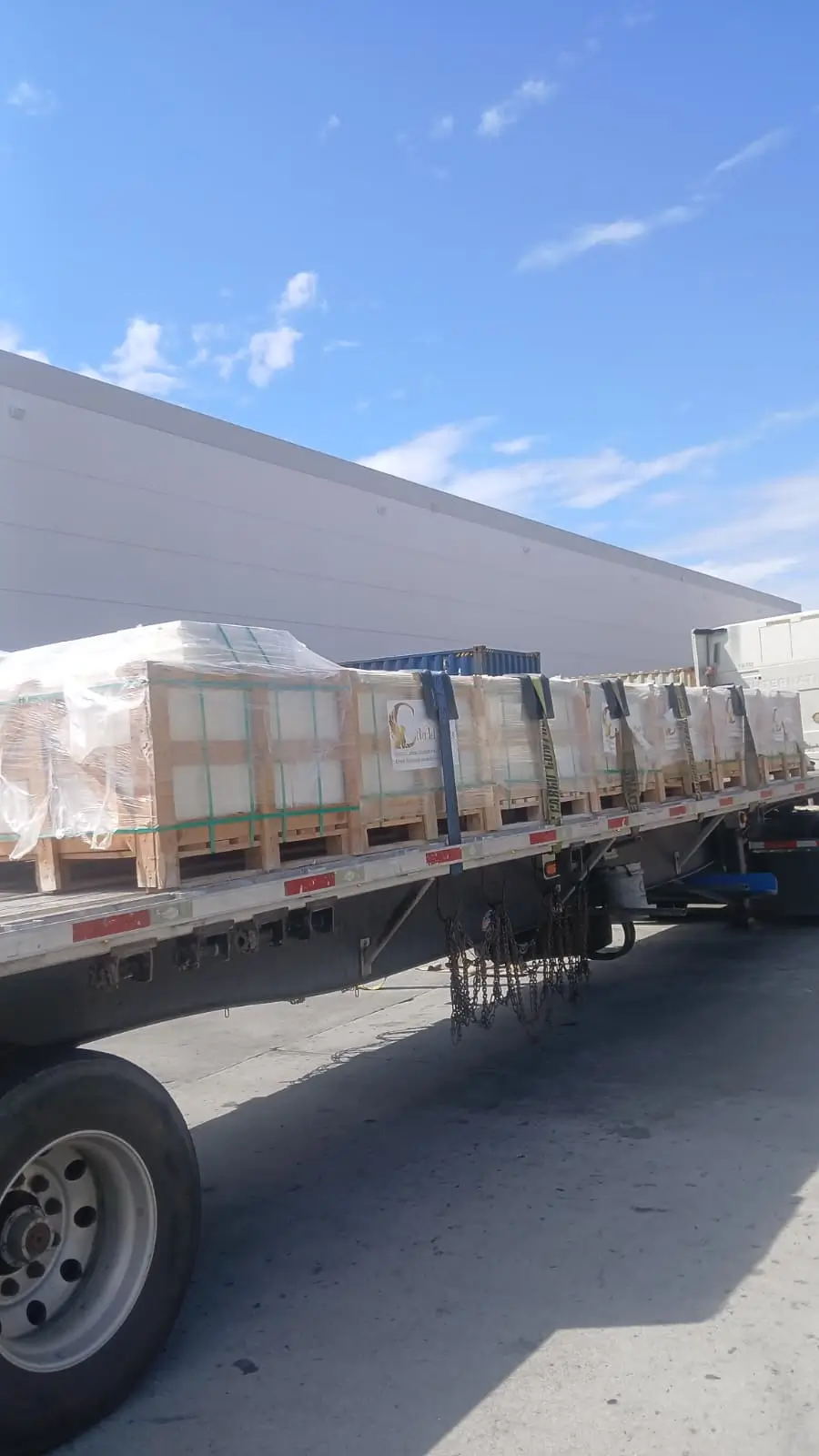
Arizona’s climate extremes demand that you consider thermal performance, UV resistance, and porosity characteristics that materials in temperate regions never encounter. Your specification decisions for low desert installations would prioritize heat reflectivity and thermal mass properties, while high-elevation applications require you to address freeze-thaw durability and moisture management. Understanding these regional distinctions allows you to optimize landscape rock prices per ton in Arizona by selecting materials whose performance characteristics match actual environmental demands rather than over-specifying for conditions that won’t occur.
Phoenix Metro Applications
In Phoenix, you would need to address extreme heat that regularly exceeds 115°F from June through August, creating surface temperatures on dark-colored rock that reach 170-180°F. Your material selection should prioritize light-colored options—white, tan, or light grey—that reflect 60-70% of solar radiation rather than absorbing it. Current landscape rock prices per ton Arizona suppliers quote for white materials run $88-115 per ton, representing 35-45% premium over standard earth tones, but the thermal performance justifies this investment for residential applications where landscape use continues through summer months. You would specify 3-inch installation depth over high-quality landscape fabric to prevent weed emergence that requires maintenance access during peak heat periods.
Tucson Desert Landscape
Tucson’s slightly higher elevation and monsoon moisture patterns would lead you to consider porosity characteristics more carefully than Phoenix specifications require. You would select materials with 4-7% porosity that allow rapid drainage during intense summer thunderstorms while avoiding highly porous options that accumulate dirt and support vegetation growth. Wholesale stone delivery Phoenix area pricing provides benchmark comparison, with Tucson deliveries typically adding $12-22 per ton in freight costs. Your specifications would incorporate red and rust tones that complement the region’s natural geology and architectural traditions, with these materials priced at $68-92 per ton—a middle ground between premium whites and standard earth tones.
Scottsdale High-End Residential
Scottsdale’s luxury residential market would guide you toward premium materials that justify landscape rock prices per ton in Arizona at the upper end of cost ranges. You would specify color-consistent premium grades with minimal size variation, accepting $8-18 per ton upcharges for enhanced sorting and quality control. The city’s design aesthetic favors contemporary clean lines, leading you to select large-format materials—3-6 inch boulders or flagstone—that create sophisticated visual impact. Your specifications would emphasize white and black contrast combinations, with black lava rock at $72-98 per ton paired with white crushed granite at $88-115 per ton to create dramatic geometric patterns in modern landscape designs.
Flagstaff Mountain Climate
Flagstaff’s 7,000-foot elevation creates freeze-thaw conditions that would require you to prioritize material durability over heat reflectivity concerns that dominate desert specifications. You would select materials with compressive strength exceeding 8,000 PSI and porosity below 5% to withstand 60-80 annual freeze-thaw cycles without structural degradation. For detailed performance analysis of stone in these conditions, you should review Flagstone durability in freeze-thaw cycles at high elevations to understand long-term durability expectations. Freight costs to northern Arizona add $35-55 per ton to delivered pricing, making material selection a balance between performance requirements and budget realities for projects in this region.
Sedona Red Rock Integration
Sedona’s iconic red rock formations would influence your material selection toward rust, burgundy, and terra cotta tones that integrate with the natural landscape rather than competing against it. You would specify materials that match regional geology, with affordable landscape gravel suppliers AZ offering red sandstone derivatives at $68-85 per ton. The city’s emphasis on environmental aesthetics would lead you to select natural, unprocessed materials with organic color variation that creates seamless transitions between hardscape and native landscape. Your installation depth specifications would increase to 4 inches to accommodate larger particle sizes that reference the area’s natural boulder fields.
Mesa Value Engineering
Mesa’s diverse residential market would require you to balance performance and aesthetics against cost optimization, identifying opportunities to achieve quality results within disciplined budgets. You would evaluate discount decorative rock near me options that provide acceptable appearance without premium color consistency, accepting natural variation that reduces per-ton costs by $8-18. Your specifications would incorporate standard-grade materials for large background areas—priced at $42-68 per ton—while reserving premium selections for focal points and high-visibility entries where enhanced appearance justifies cost differentials. This strategic material allocation allows you to meet budget targets while maintaining overall project quality and visual impact.
Strategic Procurement Planning
Effective material procurement requires you to coordinate specification decisions with project scheduling, budget constraints, and supplier capabilities. When you approach landscape rock prices per ton in Arizona evaluation systematically, you identify opportunities to optimize costs without compromising performance or installed quality. Your procurement strategy should integrate multiple considerations that individually create modest savings but collectively reduce total project costs by 15-25%.
Early supplier engagement allows you to verify material availability, establish accurate pricing, and identify potential lead time issues before you commit to project schedules. You should contact wholesale stone delivery Phoenix area suppliers during design development to confirm that specified materials match their standard inventory. Custom orders or specialty colors may require 4-8 week lead times that affect your construction timeline, and early identification of these constraints prevents costly schedule compression later in the project.
Material staging strategies help you manage project cash flow and reduce on-site storage requirements. When you coordinate phased deliveries that align with installation progress, you avoid paying for full material quantities before you need them while eliminating job site security concerns about stored materials. Your delivery scheduling should account for truck access during active construction, with early morning deliveries minimizing disruption to concurrent work activities and reducing the risk of access conflicts with other trades.
- You should engage suppliers during design development to verify material availability
- Your delivery scheduling needs to account for 4-8 week lead times on specialty items
- Phased deliveries reduce upfront cash requirements and on-site storage needs
- Coordination with warehouse inventory cycles can secure 5-8% cost reductions
- Your procurement timeline should allow flexibility for seasonal pricing advantages
Competitive bidding from multiple suppliers provides benchmark pricing that helps you evaluate whether quoted landscape rock prices per ton in Arizona reflect current market rates. You should solicit proposals from at least three suppliers, providing identical specifications and delivery requirements that allow direct cost comparison. Price variations of 12-20% commonly occur between suppliers for identical materials, and systematic bidding ensures you’re not overpaying due to relationship convenience or procurement inertia.
Cost Optimization Strategies
Beyond basic material selection and supplier comparison, you can employ advanced strategies that reduce effective landscape rock prices per ton in Arizona through operational efficiency and procurement sophistication. These tactics require more planning effort but generate savings that compound across multiple projects, making the investment in improved procurement processes economically advantageous for contractors and property managers handling substantial annual material volumes.
Material substitution analysis identifies alternatives that provide similar appearance and performance at lower cost points. When your design intent requires specific aesthetic outcomes rather than particular materials, you can evaluate functionally equivalent options that may offer better value. A white granite crushed product might serve the same design purpose as white marble chips at 30-40% lower cost, with performance characteristics that actually exceed marble in Arizona’s UV-intensive environment. Your willingness to evaluate alternatives based on performance specifications rather than prescriptive material callouts expands cost optimization opportunities.
Remnant and excess inventory purchases provide discount decorative rock near me at below-market pricing when you can accommodate color or quantity variations. Suppliers occasionally accumulate partial loads of premium materials from project overruns or order cancellations, and they’re motivated to move this inventory at reduced pricing rather than maintain warehouse space for uncertain future demand. You’ll find savings of 20-35% when you can integrate these opportunistic purchases into projects with flexible material specifications that don’t demand precise color matching to previously installed areas.
Consolidation of multiple projects or properties creates volume commitments that unlock contractor-tier pricing. When you aggregate material requirements across several concurrent jobs or manage portfolio-level procurement for property management clients, you leverage buying power that individual project budgets can’t achieve. Your annual volume commitments allow negotiation of blanket pricing agreements that lock in favorable rates and eliminate per-project pricing negotiations, streamlining procurement while reducing costs through guaranteed volume commitments.
Supply chain partnerships with preferred vendors create value beyond per-ton pricing through improved service, flexible terms, and operational efficiency. When you concentrate purchases with suppliers who reciprocate with priority scheduling, flexible delivery windows, and technical support, you’re gaining benefits that reduce total project costs even if material pricing doesn’t represent the absolute lowest market rate. The value of reliable supply, quality consistency, and responsive problem-solving often exceeds the 3-5% premium that partnership relationships might carry compared to transactional low-bid purchasing.
Final Specifications
Your professional approach to evaluating current landscape rock prices per ton Arizona requires integrated analysis of material performance, aesthetic requirements, delivery logistics, and payment terms. The complexity of accurate cost forecasting extends beyond simple per-ton multipliers to encompass variables that materially affect total installed costs: freight zones, volume discounts, grade differentials, and seasonal timing. When you systematically address these factors during specification development, you create budgets that withstand real-world conditions rather than requiring mid-project value engineering that compromises design intent. For comprehensive analysis of related material considerations, review Flagstone durability in freeze-thaw cycles at high elevations before finalizing specifications for northern Arizona applications. Citadel Stone provides detailed large landscaping stones cost in Arizona estimates for budget accuracy.