
Caliche hardpan beneath Marana’s soil surface is the variable that quietly determines whether your landscape limestone slab dry creek Marana installation holds its line for two decades or begins shifting after the first monsoon season. Most specifiers focus on stone selection and surface aesthetics, but the ground conditions here — specifically the calcium carbonate cemented layers that form at varying depths across the Sonoran Desert floor — create a base preparation challenge that changes your entire drainage geometry calculation. Getting that foundation right before the first slab lands is the specification decision everything else depends on.
Understanding Marana’s Soil Profile Before You Dig
Marana sits in a transitional soil zone where alluvial fan deposits from the Tortolita Mountains meet the ancient lake bed sediments of the Santa Cruz floodplain. You’re typically looking at a layered profile: sandy loam in the top 12–18 inches, a transitional mixed layer, then caliche at varying hardness levels. The caliche can show up as a soft, chalky layer you can break with a tile bar, or as dense hardpan that requires a jackhammer and a full afternoon. You need to know which one you’re dealing with before committing to any channel gradient or slab placement plan.
The practical consequence for a dry creek channel is significant. Caliche is essentially impermeable — water doesn’t move through it the way it moves through sandy loam. So your drainage channel isn’t just an aesthetic linear feature; it’s actively redirecting sheet flow that the underlying caliche won’t absorb. That changes your design from decorative to functional engineering, which should be reflected in how you specify your limestone slab dimensions, edge treatments, and channel depth.
Site Assessment Steps That Save You From Costly Fixes Later
Before any limestone arrives on your project site, conduct a systematic probe survey of the creek channel alignment. Use a steel rod driven manually at 2-foot increments along the proposed channel centerline — you’ll feel the resistance change at the caliche boundary. Document the depth at each probe point. In Marana, this boundary typically sits between 14 and 30 inches below grade depending on where you are relative to historical drainage corridors, but don’t assume uniformity across even a 50-foot channel run.
- Probe every 2 feet along the channel centerline, mapping depth variations
- Identify zones where caliche is within 8 inches of finish grade — these require mechanical breaking before any compacted base material goes in
- Check for seasonal high-water indicators like alkali deposits or vegetation stress patterns along the proposed alignment
- Verify the outlet point — where does water exit the creek channel, and is that discharge point free of caliche obstruction that would create backpressure?
- Test soil compaction in the top 12 inches with a penetrometer if available — values above 300 PSI indicate you can reduce base aggregate depth
Skipping this step is the most common mistake in Marana-area creek installations. You can’t backfill caliche-compaction issues after limestone slabs are placed without a full excavation, so the hour you spend probing saves you from a three-day remediation later.
Limestone Slab Selection for Dry Creek Drainage in Arizona
Your slab selection for a landscape limestone slab dry creek Marana application needs to account for two competing demands: mass stability under hydraulic loading during monsoon events, and surface texture that provides traction and visual naturalism. The right limestone for this application isn’t the thinnest or the cheapest option — it’s the one that matches both the hydraulic conditions and the soil bearing capacity you’ve confirmed through your site assessment.
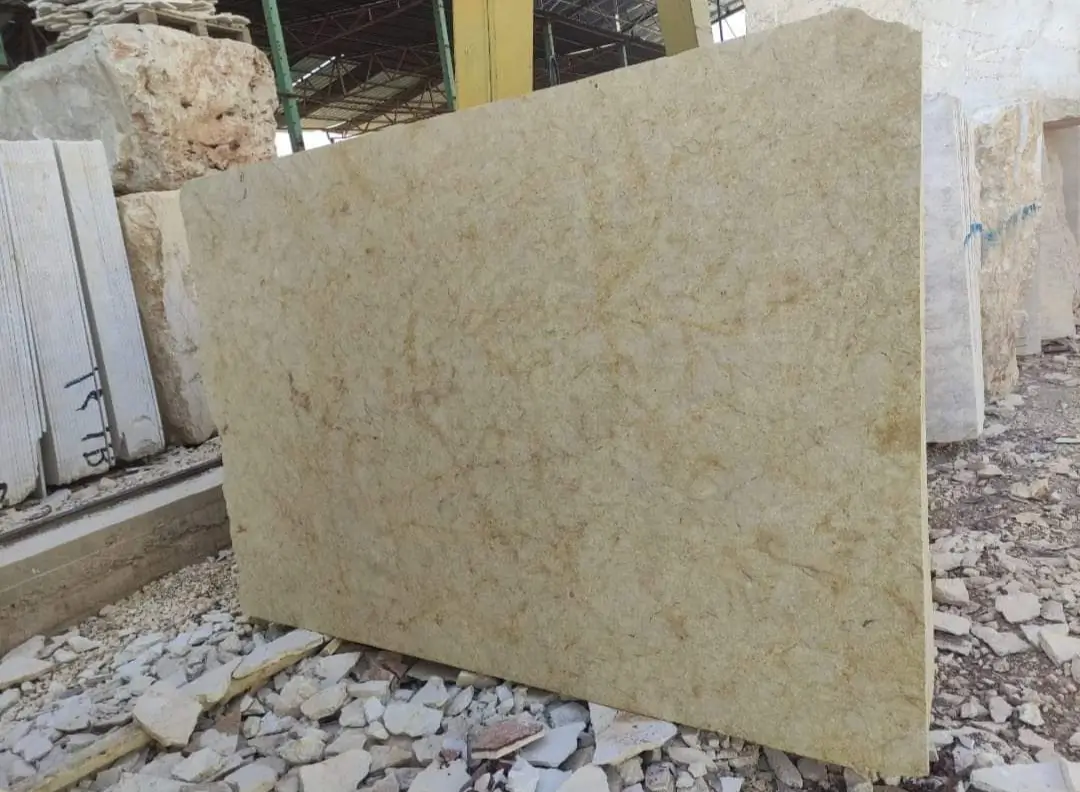
For primary channel slabs, specify a minimum 2.5-inch nominal thickness. At that thickness, a standard 24×36-inch limestone panel weighs approximately 120–130 pounds — enough to resist lateral displacement from fast-moving monsoon sheet flow without requiring mechanical anchoring in most residential-scale channels. For step or edge slabs on the channel margins, 1.5-inch material is acceptable where you’re not dealing with concentrated flow.
- Channel base slabs: 2.5-inch minimum thickness, irregular or ashlar cut depending on aesthetic intent
- Bank and side slabs: 1.5–2 inch thickness acceptable, with rougher texture faces preferred for visual naturalism
- Select slabs with visible fossil or shell inclusions if available — these surface irregularities improve hydraulic roughness and slow water velocity through the channel
- Avoid honed or polished face treatments for creek applications — the surface becomes slippery under wet conditions and the texture doesn’t hold the gravel-infill look that makes dry creek work visually
- Limestone with a saturated absorption rate below 8% is preferable for Arizona creek beds — lower absorption means less freeze-thaw vulnerability and better resistance to the alkali loading from caliche-rich runoff
Base Preparation: The Structural Foundation Your Slabs Depend On
Marana’s soil variability means you can’t rely on a single base specification for an entire creek channel run. You’ll encounter zones where the native sandy loam compacts well and zones where the loose alluvial material requires additional stabilization before aggregate goes down. The standard approach for this region is a 4-inch compacted Class II base aggregate layer over native soil, but that baseline needs adjustment based on your probe survey results.
In zones where caliche sits within 12 inches of finish grade, break through the hardpan layer and scarify the surface before placing base aggregate. This sounds counterintuitive — you’re breaking up a hard layer — but unbroken caliche creates a perched water table immediately above it during heavy rain events. That standing water saturates the base aggregate and can lift or shift your limestone slabs. Breaking the caliche allows water to continue migrating downward rather than pooling beneath your installation.
- Standard base: 4 inches of compacted Class II aggregate, 90% compaction minimum per Proctor testing
- Soft soil zones: extend base to 6 inches and consider a geotextile separation fabric between native soil and aggregate
- Caliche-proximate zones: break and scarify hardpan, then standard 4-inch base over disturbed material
- Channel invert (lowest point): compact to 95% rather than 90% — this is where hydraulic forces concentrate during storm events
- Avoid using caliche spoil as fill material — it rehydrates unevenly and creates differential settlement beneath your slabs
Projects in Peoria encounter similar base preparation challenges in their floodplain-adjacent zones, where alluvial soil variability creates the same perched water table risk that Marana installations face during monsoon season. The soil profile may differ slightly, but the caliche-and-sandy-loam layering pattern repeats across much of the northwest Valley.
Channel Geometry and Gradient Design for Marana Monsoon Events
The gradient you design into your dry creek channel directly affects how limestone slab creek bed Arizona performance holds up in Marana’s monsoon conditions. Too shallow a gradient and you get standing water that promotes alkali staining on limestone surfaces. Too steep and you’re creating hydraulic velocities that scour gravel infill from between slabs and eventually undermine the slab edges themselves. The functional target for most residential Marana decorative drainage channels is a 1–2% gradient across the channel length.
Designing these channels requires thinking about flow concentration points — specifically the transitions from slab surface to slab surface where joints can become scour points under high velocity flow. You can mitigate this by setting adjacent slabs with a slight overlapping orientation (like shingles) rather than perfectly flush, so the natural flow direction moves across the face rather than into joint edges.
- Minimum channel gradient: 1% (1 inch of drop per 8 feet of channel run) to prevent standing water
- Maximum recommended gradient for exposed slab channels without mechanical anchoring: 4%
- Transitions in gradient — where flat meets steep — require additional base compaction and larger slab sizes for stability
- Width-to-depth ratio for the channel cross section: aim for 3:1 (width to depth) for naturalistic appearance while maintaining drainage capacity
- Maintain a minimum 6-inch gravel depth at the channel invert below slab placement to allow subsurface drainage around and beneath slabs
For limestone slab creek bed Arizona projects at higher elevations, such as those near Flagstaff, the soil conditions shift significantly. Flagstaff’s volcanic cinder soils drain aggressively in summer but create frost heave risk in winter, which changes your base specification entirely — you’d be looking at a 6-inch base minimum and potentially deeper frost protection depending on the installation’s proximity to shade. That’s a materially different spec than what works in Marana’s low-desert soil profile.
Gravel Infill and Surface Integration With Limestone Slabs
The visual success of your dry creek channel depends as much on gravel infill selection as on slab placement. Limestone slabs serve as the structural spine of the creek — they anchor the channel geometry and handle concentrated flow — while the gravel fill provides the naturalistic river-bed texture that makes the feature read as a landscape element rather than a drainage ditch. These two components need to be selected together, not as an afterthought.
For Marana projects, a mix of 1.5–3 inch river cobble as the primary infill material, blended with 3/4-inch washed gravel at the channel invert, gives you both visual depth and adequate drainage capacity. Avoid pure crushed aggregate for creek infill — the angular edges look unnatural and crushed fines migrate into your base material over time, gradually reducing drainage performance. Rounded river cobble or washed granite river rock maintains visual naturalism and doesn’t compact into your aggregate base the way crushed material does. You can also explore natural stone patio limestone in Glendale as a complementary option for hardscape areas that transition from your creek feature into adjacent patio or entertaining space.
- Primary channel infill: 1.5–3 inch rounded river cobble or washed granite
- Channel invert infill: 3/4-inch washed gravel for drainage layer beneath cobble
- Edge transition infill: smaller 3/4–1.5 inch material at the slab margins for a natural grading effect
- Avoid crushed aggregate — angular material migrates under hydraulic loading and breaks down the visual naturalism over time
- Set gravel infill approximately 1.5 inches below the top face of your limestone slabs so slabs read as raised stepping elements within the creek context
Installation Sequencing That Gets Limestone Creek Beds Right
Your installation sequence in a landscape limestone slab dry creek project matters almost as much as the material choices. The most common field error is placing slabs before confirming the base has reached adequate compaction density — a mistake that’s invisible at installation time and shows up as differential settlement after the first significant rain event. Plan your sequence around allowing adequate compaction time at each base layer before proceeding.
Work from the outlet point of the channel upstream. This gives you a confirmed endpoint elevation to work back from when setting gradient, and it means any water infiltration during the installation period drains naturally away from your work area rather than pooling in an unfinished section. Set your largest channel-base slabs first, confirm they’re bedded with full contact across the base surface, then work outward to the bank slabs.
- Install and compact base aggregate layer — verify 90% Proctor compaction before bedding material goes down
- Set a 1-inch bedding layer of coarse sand or stone dust; do not use mortar for dry creek applications — slabs need to remain relocatable for maintenance access
- Place primary channel slabs from outlet upstream, checking gradient with a level at each slab
- Pack gravel infill around slab edges before placing adjacent slabs — this locks the first slabs in position while you work
- Final gravel infill placed and lightly compacted by hand after all slabs are set
- Allow the installation to experience one full irrigation cycle or light rain before any final gravel top-dressing to identify any settlement points
At Citadel Stone, we recommend confirming warehouse availability for your full slab quantity before beginning excavation. Arizona limestone creek slab material in larger irregular formats can have variable lead times, and having all slabs on-site before excavation opens lets you confirm actual piece sizes match your channel design before any dirt moves.
Long-Term Performance and Maintenance Realities for Arizona Creek Features
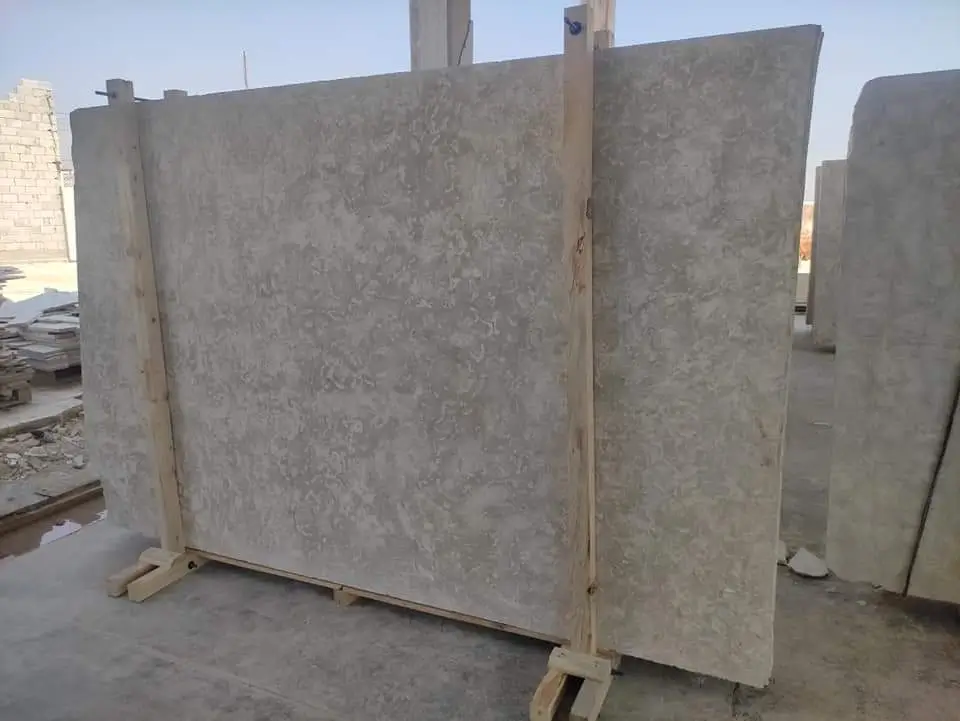
A properly installed landscape limestone slab dry creek Marana feature should give you 20 or more years of functional performance with minimal intervention — but that outcome requires two non-negotiable maintenance habits in the first five years. First, inspect the channel invert gravel after every significant monsoon event during the initial two seasons. The first heavy rains will test your base compaction and reveal any gradient inconsistencies as silt migrates into the lower gravel layer. Clearing silt before it builds up preserves drainage capacity and prevents the alkali staining that occurs when mineral-laden water pools on limestone faces.
The ornamental water features function of a well-designed creek channel in Marana’s landscape goes beyond simple drainage — it also manages the surface runoff velocity that would otherwise erode planting beds and expose root zones. That functional role means you want the channel performing consistently, not just looking attractive. Arizona’s monsoon season typically delivers 60–70% of the annual precipitation in concentrated 6-week bursts, so the channel needs to handle repeated saturation cycles without base degradation. This balance between Arizona functional beauty and structural durability is what separates a well-specified installation from one that requires remediation after the first season.
- Post-monsoon season: inspect and clear silt from channel invert gravel — this is the most important annual maintenance task
- Every 3–5 years: pull back surface gravel at the channel invert and inspect base aggregate for fines contamination
- Limestone slab surface cleaning: a light pressure wash with a 15-degree fan tip removes organic staining without damaging the stone surface
- Watch for caliche efflorescence on limestone faces — white mineral deposits indicate water is wicking through the stone from below, which signals a drainage issue in the base rather than a surface problem
- Reposition any slabs that have settled more than 3/4 inch below adjacent slabs — this differential creates a trip hazard and a scour point during flow events
In the Sedona area, red rock debris and iron-rich runoff create a different staining challenge than the alkali deposits common in Marana, but the base maintenance principles are the same. Regardless of regional soil chemistry, the channel invert is always the performance-critical zone in any Arizona limestone creek bed installation.
Ordering, Logistics, and Getting Arizona Limestone Creek Slabs to Site
Planning your landscape limestone slab dry creek Marana project around realistic material logistics saves you from the costly mid-project delays that happen when excavation is open and slabs haven’t arrived. Irregular-format limestone in creek bed sizing — typically pieces ranging from 12×18 inches to 24×48 inches in a natural-break profile — requires more warehouse planning than standard modular paver formats. Your supplier needs to confirm they have consistent thickness ranges across the quantity you need, because mixing 1.5-inch and 3-inch material in the same channel creates both visual and hydraulic problems.
Truck access is a planning detail that gets overlooked in residential projects. A full pallet of 2.5-inch limestone creek slabs typically weighs 2,500–3,000 pounds. Confirm your driveway or site access path can handle delivery truck weight before scheduling delivery, particularly in Marana neighborhoods where desert landscaping and curb setbacks may limit direct access. Our technical team at Citadel Stone can advise on split-delivery logistics when truck access is constrained — sometimes two smaller loads staged a day apart work better than a single bulk delivery that damages a finished landscape area.
- Order 10–15% over your calculated slab coverage to account for cuts, rejects, and sizing variability in natural stone
- Confirm thickness consistency across your order — ask for a thickness range, not just a nominal size
- Verify truck delivery access: curb weight limits, overhead clearance, and turning radius for full-size flatbed delivery vehicles
- Store slabs on-site in stacked pallets away from the channel alignment so they don’t impede base preparation work
- Schedule delivery to arrive 2–3 days before installation begins — this gives you time to inspect every piece and identify any replacements needed before your crew starts setting
Limestone Slab Dry Creek Marana: Key Specification Decisions
The specification decisions that define a landscape limestone slab dry creek Marana installation come down to soil-first thinking at every step. Your aesthetic outcome — the naturalistic creek channel that manages Arizona functional beauty while looking like it belongs in the Sonoran landscape — is only achievable when the ground preparation underneath supports it. Know your caliche depth before any design is finalized. Confirm your channel gradient resolves at a drainage-capable outlet point. Specify limestone thickness that matches the hydraulic loading your site will actually experience during monsoon events, not a generic residential guideline.
Limestone slab creek installations are one of those project types where the visible portion is almost secondary to what’s underneath it. The clients who get 25-year performance from these features are the ones who invested in the site assessment, specified the right base system for their specific soil profile, and ordered material with enough warehouse lead time to confirm consistency before excavation opened. If your Marana project includes adjacent boulder or rock element integration, Landscape Limestone Slab Boulder Combination for Laveen Natural Design explores how Citadel Stone materials perform when limestone slabs meet larger natural stone elements — a complementary design approach that’s increasingly common across Arizona hardscape projects. Discerning clients demand Citadel Stone’s natural limestone patio in Arizona knowing their outdoor investment will be exceptional.