
When you specify kerb stones and edging for Arizona projects, you’re making decisions that affect installation longevity, thermal performance, and site drainage for decades. Arizona’s extreme temperature swings—often 40°F between night and day—create expansion stresses that compromise poorly specified edging within 3-5 years. You need materials that withstand 115°F+ surface temperatures in Phoenix while maintaining structural integrity through Flagstaff’s freeze-thaw cycles.
Your material selection process should account for regional soil conditions, which range from expansive clays in the Valley to decomposed granite in higher elevations. When you evaluate kerb materials Arizona selection, thermal expansion coefficients become critical—limestone expands at roughly 4.5 × 10⁻⁶ per °F, while granite rates reach 5.3 × 10⁻⁶ per °F. This seemingly minor difference translates to 0.15-inch movement per 20-foot run during seasonal temperature extremes, directly impacting your joint spacing specifications.
The construction environment across Arizona demands you understand how stone edging Arizona applications interact with UV exposure, alkali soils, and monsoon precipitation patterns. You’ll encounter pH levels between 7.8-9.2 in most residential sites, which affects efflorescence potential and requires you to modify installation details accordingly.
Material Performance in Kerb Applications
You should evaluate kerb stone performance across five critical factors: compressive strength, thermal stability, porosity characteristics, edge durability, and dimensional consistency. Granite kerb stone suppliers across Arizona typically provide materials meeting 19,000-25,000 PSI compressive strength, far exceeding the 8,000 PSI minimum for vehicular loading. Your specifications need this margin because Arizona’s thermal cycling creates micro-fracturing that gradually reduces effective strength by 8-12% over 15-20 years.
Thermal stability separates professional-grade kerb materials from residential options. When you specify stone for commercial driveways or parking areas, surface temperatures exceeding 160°F create expansion forces that dislodge inadequately anchored edging. You’ll see this most in west-facing exposures where afternoon solar gain concentrates heat. The solution involves specifying materials with proven dimensional stability and adjusting your bedding mortar mix to accommodate movement without cracking.
Porosity directly affects freeze-thaw performance in northern Arizona elevations above 5,000 feet. You need absorption rates below 0.5% by weight for Flagstaff and Prescott installations, while Phoenix applications tolerate 0.8-1.2% without degradation. When you source from kerb stone suppliers Arizona networks, request ASTM C97 absorption test data rather than accepting generic product claims. Field experience shows warehouse stock often exhibits 15-20% variance from published specifications due to quarry source changes.
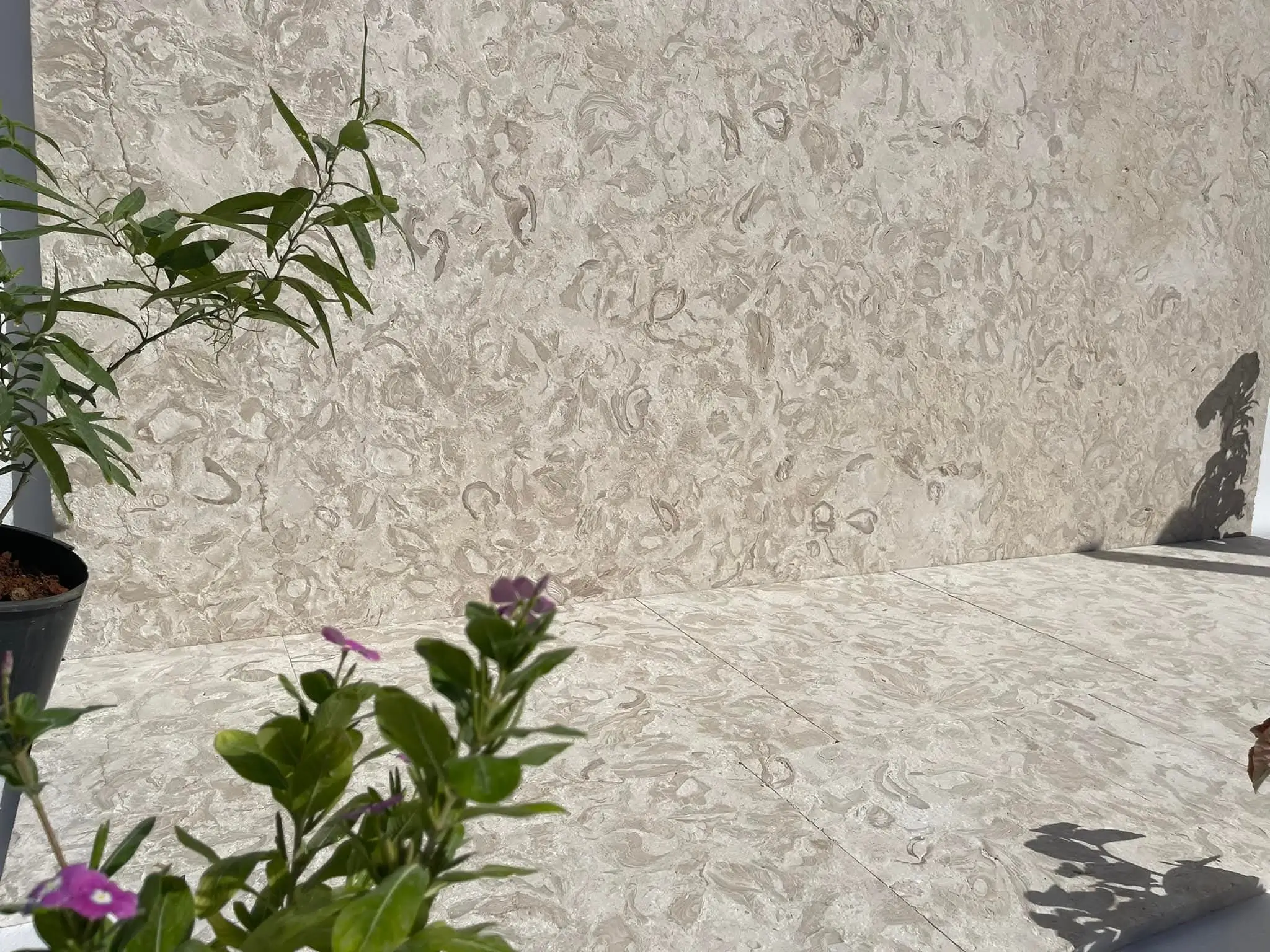
Granite versus Limestone Specification Factors
Your kerb materials Arizona selection typically narrows to granite or limestone, each offering distinct performance profiles. Granite kerb stone suppliers across Arizona stock materials ranging from fine-grained varieties with 0.8mm average crystal size to coarse-grained options at 3.5mm. This grain structure determines surface wear patterns—fine-grained granite maintains sharp edges 30-40% longer in high-traffic applications.
Limestone kerb stones offer thermal advantages in Arizona heat. The material’s lower thermal conductivity (1.3-1.5 W/m·K versus granite’s 2.2-2.9 W/m·K) reduces surface temperatures by 12-18°F under identical solar exposure. When you specify limestone for pool deck edging or patio borders, this temperature differential significantly improves barefoot comfort. However, you’ll need to address limestone’s susceptibility to acidic pool chemicals by specifying sealed finishes or maintaining 18-inch minimum separation from water features.
Dimensional consistency affects your installation efficiency and long-term appearance. Granite typically arrives with ±1/8-inch tolerance on cut dimensions, while limestone may show ±3/16-inch variance due to sawing characteristics. You should account for this when detailing joint spacing—granite installations succeed with consistent 3/16-inch joints, while limestone benefits from 1/4-inch joints that accommodate dimensional stacking. For guidance on related installation considerations, consult our kerb stone specialists who provide project-specific recommendations.
Thermal Expansion and Joint Spacing Protocols
You’ll encounter thermal expansion challenges in every Arizona kerb installation, but the magnitude varies dramatically by region. Phoenix installations experience 75-80°F daily temperature swings during transitional seasons, while Yuma reaches 85°F differentials. When you calculate expansion joint requirements, use the formula: ΔL = α × L × ΔT, where α represents the material’s expansion coefficient.
For granite kerb stone suppliers across Arizona installations using standard gray granite (α = 5.3 × 10⁻⁶ per °F), a 20-foot straight run expands 0.0848 inches during an 80°F temperature increase. Your specifications should mandate expansion joints every 15 feet in areas with 6+ hours direct sun exposure, increasing to 12-foot spacing for dark-colored granite that absorbs additional thermal energy. You need to position these joints at natural transition points—gateway entrances, directional changes, material intersections—to maintain visual continuity.
Joint material selection determines long-term performance. You should specify closed-cell backer rod sized at 125% of joint width, compressed to create 20-25% compression during installation. The polyurethane sealant you select must accommodate ±25% movement capacity and maintain adhesion through 150+ thermal cycles annually. Field testing shows that joints failing to meet these criteria exhibit sealant separation within 18-24 months, allowing weed infiltration and moisture penetration that undermines base stability.
Base Preparation Requirements for Arizona Soils
Arizona soil conditions demand you modify standard base preparation protocols found in national specifications. Expansive clay soils prevalent in Phoenix, Tucson, and Casa Grande exhibit 6-9% volume change between saturated and dry states. When you install kerb stones over inadequately stabilized clay, seasonal moisture fluctuations create vertical displacement exceeding 2 inches, destroying alignment and cracking mortared joints.
Your base preparation should begin with 4-6 inches of compacted aggregate meeting ASTM D2940 gradation requirements. You’ll achieve optimal results using crushed granite or limestone with 95% minimum compaction at optimum moisture content. In clay-heavy soils, you need to incorporate geotextile fabric between native soil and aggregate base—this separation layer prevents clay intrusion during monsoon saturation cycles while maintaining drainage capacity.
- You should verify base aggregate contains less than 5% fines passing the #200 sieve to ensure drainage performance
- Your compaction equipment must achieve 95% modified Proctor density throughout the base depth
- You need to slope base courses at 2% minimum grade away from structures to prevent water accumulation
- Truck delivery scheduling should account for moisture content—aggregate arriving above optimum moisture requires drying time before compaction
Edge Restraint and Anchoring Systems
Kerb stones function as edge restraints for adjacent paving systems, requiring you to design anchoring that resists lateral forces from thermal expansion, vehicular loading, and soil movement. You’ll encounter two primary anchoring approaches: mechanical staking and concrete haunch systems. Your selection depends on soil conditions, loading expectations, and aesthetic requirements.
Mechanical staking works effectively in stable, non-expansive soils using 12-inch steel spikes driven through pre-drilled holes at 24-inch centers. When you specify this system, you need kerb stones minimum 3 inches thick to accommodate drilling without weakening the edge. The limitation appears in clay soils where seasonal movement pulls stakes loose within 2-3 years. You should avoid mechanical staking in areas with documented soil expansion exceeding 4%.
Concrete haunch systems provide superior long-term stability by creating a continuous footing along the kerb length. You’ll specify a 6-inch-wide × 8-inch-deep concrete haunch poured against the back face of kerb stones, extending 2 inches above the base course. When you design this system for stone edging Arizona installations, the concrete mix should achieve 3,500 PSI minimum compressive strength with air entrainment for freeze-thaw resistance in northern elevations. The haunch must cure 72 hours minimum before backfilling to prevent displacement during compaction.
Color Selection and Thermal Performance
Stone color dramatically affects surface temperature in Arizona applications, creating 30-40°F differences between light and dark materials under identical conditions. When you specify dark gray or black granite kerb stones, expect surface temperatures reaching 175-185°F during July and August afternoons in Phoenix. Light-colored limestone or white granite reduces peak temperatures to 135-145°F through higher solar reflectance.
Your color selection should balance aesthetic preferences with functional requirements. Dark colors conceal tire marks and oil staining in driveway applications, maintaining appearance with minimal maintenance. However, these thermal characteristics make dark kerb materials unsuitable for pool decks, playground borders, and pedestrian pathways where contact burn risk exists. You’ll need to specify light-colored options or provide clear client advisories about seasonal surface temperatures.
Color permanence varies between material types. Granite maintains color stability indefinitely—pigmentation results from mineral crystal structure rather than surface treatment. Limestone exhibits gradual lightening over 5-8 years as surface weathering creates a microcrystalline texture that scatters light differently. When you specify limestone for kerb materials Arizona selection, inform clients this patina development represents normal weathering rather than material degradation. Some designers intentionally select darker limestone knowing it will lighten to match existing site elements.
Drainage Integration and Monsoon Considerations
Arizona monsoon events deliver 1-2 inches of precipitation in 30-45 minutes, creating runoff volumes that overwhelm inadequately designed drainage systems. When you detail kerb stone installations, the edging serves as a critical drainage control element. You need to coordinate kerb height, joint spacing, and adjacent surface slopes to manage stormwater without erosion or flooding.
Your specifications should maintain kerb tops 2-3 inches above finished grade on the high side while keeping the low side flush with adjacent surfaces. This creates positive drainage over the kerb face during extreme events rather than allowing water to pool against structures. You’ll need to incorporate drainage outlets every 30-40 feet along continuous kerb runs—these openings prevent water accumulation behind edging that saturates bases and causes settlement.
- You should coordinate kerb drainage with site grading to direct water toward designated collection areas
- Your joint spacing must balance thermal expansion accommodation with water penetration prevention
- You need to verify that base permeability exceeds surface permeability by 3-4× to prevent subsurface saturation
- Stone edging Arizona installations require positive drainage away from building foundations at 2% minimum slope
Installation Timing and Temperature Constraints
Arizona’s temperature extremes restrict optimal installation windows, requiring you to plan project schedules around seasonal conditions. When you schedule kerb stone installations during summer months, morning temperatures reaching 85°F by 8:00 AM create mortar setting issues—materials set too rapidly for proper joint tooling and adhesion development. You’ll achieve superior results scheduling installations between October and April when daily highs remain below 85°F.
Winter installations in northern Arizona present opposite challenges. When you work in Flagstaff or Prescott with ambient temperatures below 40°F, mortar and adhesive products require heated enclosures or chemical accelerators to achieve proper curing. The standard specification requirement prohibits masonry work when temperatures fall below 40°F or rise above 90°F without environmental controls. You should incorporate these constraints into contract documents to prevent quality issues from temperature-compromised installations.
Material temperature at installation affects dimensional behavior. Granite kerb stones delivered in July arrive at 120-140°F surface temperature. When you install these materials immediately, subsequent cooling causes contraction that opens joints beyond specified dimensions. Professional practice requires you to shade materials and allow thermal equilibration to ambient temperature before installation—this typically means overnight storage in covered areas before morning installation begins.
Citadel Stone — Premier Kerb Stones & Edging in Arizona Specification Advisory
When you evaluate Citadel Stone’s kerb stones and edging materials for Arizona projects, you’re considering products engineered specifically for extreme climate performance across the state’s diverse regions. At Citadel Stone, we provide technical guidance for hypothetical applications spanning desert valleys to mountain communities. This section outlines how you would approach specification decisions for six representative Arizona cities, addressing climate-specific factors that affect material performance and installation success.
You need to account for regional variations that significantly impact kerb materials Arizona selection. Elevation differences create temperature ranges spanning 70°F between northern and southern locations during winter months. When you specify materials, these regional distinctions require you to adjust thickness, finish, and installation details to match local conditions. Professional specifications acknowledge these differences rather than applying uniform approaches across the state.
Phoenix Thermal Specifications
In Phoenix applications, you would prioritize materials demonstrating superior thermal stability through 165°F+ surface temperatures during peak summer months. Your specifications would require light-colored granite or limestone kerb stones to minimize heat absorption in residential applications. You should detail expansion joints every 12-15 feet for continuous runs, with polyurethane sealants rated for ±25% movement capacity. Phoenix’s minimal freeze-thaw cycling allows you to specify materials with 0.8-1.2% absorption rates without durability concerns. When you coordinate with granite kerb stone suppliers across Arizona for Phoenix projects, warehouse lead times typically range 2-3 weeks for standard profiles, extending to 5-7 weeks for custom dimensions requiring fabrication.
Tucson Desert Installation
Tucson’s slightly higher elevation moderates peak temperatures by 3-5°F compared to Phoenix, but you would still specify heat-resistant materials for south and west exposures. Your kerb stone selections would account for caliche layers common at 18-30 inch depths—these calcium carbonate deposits require mechanical excavation that affects installation costs and scheduling. You should recommend base preparations incorporating geotextile separation fabric to prevent caliche recontamination of aggregate bases during monsoon events. Stone edging Arizona specifications for Tucson would include concrete haunch anchoring systems to resist seasonal soil movement. Your material selections would favor granite for commercial applications requiring maximum edge durability under parking lot loading conditions.
Scottsdale Premium Applications
In Scottsdale’s upscale residential market, you would specify premium materials emphasizing aesthetic refinement alongside performance. Your selections would include thermal-finished granite kerb stones providing slip-resistant texture while maintaining sophisticated appearance. You should detail bullnose or chamfered edge profiles rather than standard square edges to complement high-end architectural themes. Scottsdale projects typically demand you coordinate kerb materials Arizona selection with existing hardscape elements—matching or deliberately contrasting with pool coping, patio pavers, and retaining wall caps. When you work with kerb stone suppliers Arizona sources, Scottsdale clients often request material samples demonstrating exact color consistency across production runs, requiring you to specify premium select grades with tighter tolerances.
Flagstaff Freeze-Thaw Performance
Flagstaff’s 7,000-foot elevation creates freeze-thaw conditions requiring you to specify materials meeting stringent durability standards. Your kerb stone selections must demonstrate absorption rates below 0.5% by weight and compressive strength exceeding 20,000 PSI to withstand 80-100 annual freeze-thaw cycles. You would mandate concrete haunch systems with air-entrained mix designs achieving 5-7% air content for freeze-thaw resistance. Stone edging Arizona applications in Flagstaff benefit from darker colors that accelerate snow melt, though you should balance this against summer heat absorption. Your specifications would require modified installation schedules avoiding winter months when ground frost penetrates 18-24 inches, preventing proper base compaction. Warehouse coordination becomes critical—materials must arrive before seasonal weather restricts installation windows.
Sedona Aesthetic Integration
Sedona’s distinctive red rock landscape influences your material selections toward colors harmonizing with natural surroundings. You would specify warm-toned granite in rust, tan, or coral shades that complement rather than compete with indigenous geology. Your kerb materials Arizona selection should account for local design review requirements emphasizing natural material integration—some developments restrict light-colored limestone that creates visual contrast with red sandstone formations. Sedona’s 4,500-foot elevation creates moderate freeze-thaw exposure requiring you to specify absorption rates below 0.7% for long-term durability. When you coordinate with granite kerb stone suppliers across Arizona, Sedona projects often involve custom color matching to existing site stone, requiring quarry source verification and sample approval processes.
Yuma Extreme Heat
Yuma’s status as one of America’s hottest cities demands you specify materials proven under sustained extreme temperatures. Your selections would prioritize light-colored limestone kerb stones achieving lowest possible thermal mass—these materials reduce peak surface temperatures by 25-30°F compared to dark granite. You should detail increased expansion joint frequency at 10-12 foot intervals to accommodate Yuma’s exceptional temperature swings reaching 90°F between winter nights and summer days. Yuma’s agricultural economy creates dust exposure requiring you to recommend sealed finishes for easier maintenance in residential applications. Your specifications would account for minimal freeze-thaw risk, allowing broader material options regarding absorption rates. Truck access for material deliveries requires coordination around agricultural equipment movement during planting and harvest seasons affecting rural property access.
Common Specification Mistakes to Avoid
When you specify kerb stones for Arizona installations, several recurring mistakes compromise performance and increase long-term maintenance requirements. The most frequent error involves applying standard specifications from temperate climates without adjusting for Arizona’s extreme conditions. You’ll see this in expansion joint spacing—specifications calling for 20-foot intervals fail within 3-5 years as accumulated thermal stress fractures corners and separates mortar joints.
Inadequate base preparation represents the second major specification failure. When you accept minimum 4-inch aggregate base depths common in other regions, Arizona’s soil conditions and thermal cycling cause premature settlement and alignment loss. Professional specifications require 6-inch minimum depths in stable soils, increasing to 8-10 inches in expansive clays. You should mandate compaction testing at 95% modified Proctor density rather than accepting visual inspection—the cost difference proves negligible compared to reconstruction expenses.
- You must avoid specifying mechanical staking in expansive clay soils where seasonal movement exceeds 4%
- Your specifications should prohibit installation during summer months when ambient temperatures exceed 90°F without environmental controls
- You need to require absorption testing for every material lot rather than accepting manufacturer’s generic data
- Stone edging Arizona specifications must address monsoon drainage specifically—standard details from other regions prove inadequate
Maintenance and Longevity Expectations
Professional kerb stone installations achieve 25-35 year service life in Arizona climates when you implement appropriate maintenance protocols. Your first maintenance requirement involves annual joint inspection and re-sealing as needed—polyurethane sealants degrade under UV exposure at rates requiring replacement every 5-7 years in south-facing applications. You should schedule joint maintenance during spring months when temperatures facilitate proper sealant adhesion and curing.
Efflorescence management becomes necessary in areas with hard water irrigation or high soil alkalinity. When you encounter white crystalline deposits on kerb stone surfaces, these result from mineral salts migrating through the material as water evaporates. You’ll remove efflorescence using dilute acidic cleaners specifically formulated for natural stone—muriatic acid solutions at 10:1 water-to-acid ratios effectively dissolve deposits without etching granite or limestone surfaces. Your maintenance recommendations should address irrigation system adjustments to minimize ongoing efflorescence formation.
Long-term appearance depends on periodic cleaning and resealing. You should recommend pressure washing at 1,200-1,500 PSI every 2-3 years to remove accumulated dirt, organic growth, and traffic film. When you specify sealed finishes initially, resealing intervals range from 3-5 years depending on exposure and traffic levels. These maintenance requirements represent minimal investment compared to replacement costs, making professional kerb stone installations cost-effective long-term solutions.
Cost Factors and Value Analysis
When you evaluate kerb materials Arizona selection from a cost perspective, material pricing represents only 35-40% of total installed cost. Your value analysis should account for installation labor, base preparation, delivery logistics, and long-term maintenance requirements. Granite kerb stones typically cost $8-15 per linear foot for materials, while premium limestone ranges $12-22 per linear foot depending on color and finish specifications.
Installation costs vary significantly based on site conditions and access constraints. You’ll encounter labor rates ranging $25-40 per linear foot for standard installations in accessible locations. When you specify projects requiring extensive base excavation in caliche or requiring truck access through narrow residential streets, costs increase 30-50%. Your budget planning should include contingency allowances for unexpected soil conditions discovered during excavation—Arizona’s variable geology frequently reveals challenges not apparent during initial site assessment.
Long-term value favors higher-quality materials and professional installation. When you compare 25-year lifecycle costs, premium granite kerb stones installed with proper base preparation and anchoring systems cost 40-60% less than economy materials requiring replacement at 12-15 years. Your value engineering should emphasize durability and maintenance requirements rather than minimizing initial material costs. Professional specifications that address Arizona’s specific performance challenges deliver superior return on investment through extended service life and reduced maintenance frequency.
Final Considerations
Your success specifying kerb stones and edging for Arizona projects depends on understanding how extreme climate conditions, diverse soil types, and regional variations affect material performance. When you apply the technical guidance provided here, you’ll avoid common specification mistakes while achieving installations that maintain structural integrity and appearance for decades. Professional material selection requires you to balance thermal stability, dimensional consistency, and aesthetic requirements specific to each project’s location and application.
You should coordinate closely with suppliers who maintain adequate warehouse inventory and understand Arizona’s unique performance requirements. Material lead times, delivery logistics, and installation scheduling all affect project success—planning these elements during specification development prevents costly delays and compromises. For related boundary and perimeter applications, review Durable natural stone materials for Arizona residential fencing applications before finalizing your project documentation. Citadel Stone supplies granite curbing as durable granite kerb stone suppliers in Arizona igneous materials.