
Granite’s compressive strength — typically ranging from 19,000 to 28,000 PSI depending on quarry origin — makes it one of the few natural stones that genuinely holds up under Arizona’s mechanical weather stress, not just its heat. Installing white granite pavers in Arizona demands a fundamentally different specification mindset than temperate-climate installations: the threat isn’t just thermal cycling, it’s the combined assault of monsoon-force wind, wind-driven rain that infiltrates joint systems, and hail impact loads that expose every weak point in your base preparation. Get the base right, engineer your edge restraints for lateral wind load transfer, and seal your joints against pressure infiltration — and you’re looking at a 25-plus year installation. Miss any one of those three, and you’ll be relaying sections inside of eight years.
Why Storm Resistance Defines Your Installation Spec
Arizona’s monsoon season runs July through September and brings wind gusts that routinely exceed 60 mph in the Phoenix metro area, often accompanied by blowing sand and debris capable of scoring surface finishes and dislodging unsecured pavers. The mechanical loads from these events — lateral wind pressure, impact from wind-carried material, and hydrostatic pressure from sudden heavy rainfall — are what separate a correctly specified white granite paver system from one that fails prematurely. Your material selection matters, but your installation architecture matters more.
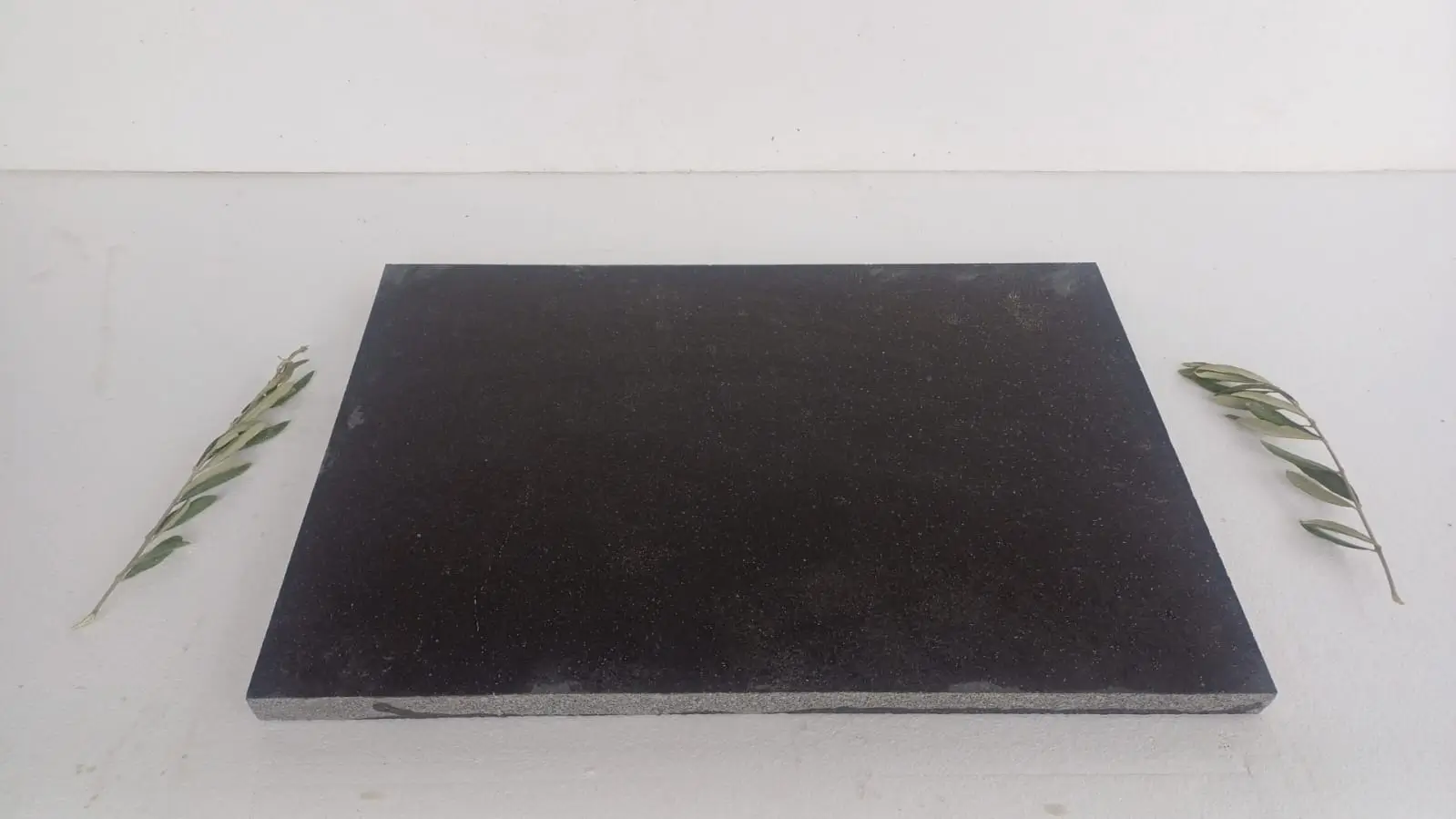
Granite’s crystalline structure gives it an inherent advantage here. The interlocked mineral matrix resists both surface abrasion from wind-driven sand and impact fracture from hail better than softer sedimentary alternatives. You’ll find that white granite pavers with a thermal finish (rather than a polished face) hold their slip resistance even under wind-driven rain saturation, which is a critical safety consideration for patios and walkways across Arizona properties. Polished finishes look stunning but drop below safe slip-resistance thresholds when wet — something that comes up constantly in project consultations but rarely makes it into generic specification guides.
Base Preparation for Desert Storm Conditions
The number one failure point in white granite paver installation steps in Arizona isn’t the stone — it’s the aggregate base. Arizona’s native soils, particularly the expansive clay-bearing profiles common across the Tucson basin, shift under hydrostatic load from monsoon saturation. A base that looks perfectly stable in June will heave unevenly by October if you haven’t addressed sub-base drainage architecture from the start.
Your base specification for natural stone paver base prep in AZ desert yards should follow this minimum layering approach:
- Compact native soil to 95% Proctor density before any aggregate placement — don’t assume undisturbed desert soil is adequately compacted
- Install a minimum 6-inch compacted crushed aggregate base (3/4-inch minus) for residential foot-traffic applications; step up to 8 inches for driveways or areas with vehicular access
- Use a 1-inch sand-setting bed of coarse concrete sand (ASTM C33) — avoid fine play sand, which migrates under storm infiltration
- Slope the entire base system a minimum of 1/8-inch per foot away from structures to manage storm drainage actively
- Install geotextile fabric between native soil and aggregate base in clay-heavy profiles to prevent fines migration under repeated monsoon saturation cycles
Projects in Tucson frequently encounter a caliche hardpan layer at 18 to 30 inches below grade, which actually acts as a natural drainage barrier — something you need to account for rather than ignore. Cutting through caliche and installing perforated drain tile before aggregate placement can be the difference between a system that survives monsoon season intact and one that develops settlement cracks within two years.
Edge Restraints and Wind Load Transfer
Here’s what most specifiers underestimate: white granite pavers can weigh 18 to 22 pounds per square foot at 2-inch thickness, and during a high-wind monsoon event, lateral pressure at exposed perimeter edges is significant. Edge restraint isn’t just a finishing detail — it’s a structural component of the system that transfers wind-induced lateral loads into the base rather than allowing progressive paver migration.
Plastic snap-edge restraints are adequate for interior residential applications with minimal wind exposure. For perimeter edges facing prevailing monsoon wind directions — which in most of Arizona track from the southwest during storm events — you should be specifying steel or aluminum restraint systems anchored with 12-inch spikes at 12-inch centers rather than the standard 18-inch spacing. That tighter anchor pattern resists the cumulative lateral load from sustained wind pressure without the restraint flexing outward over multiple storm seasons.
For elevated decks and second-story terraces, which are increasingly common in Scottsdale hillside developments, wind uplift at exposed paver edges becomes a genuine engineering consideration. In those applications, a full mortar-set system on a concrete substrate eliminates wind-induced movement entirely and is worth the added cost over a sand-set approach.
Joint Systems Under Monsoon Pressure
Granite paving installation across Arizona properties fails most visibly at the joint — and joint failure under wind-driven rain is a different problem than joint failure from simple foot traffic wear. Standard dry-laid jointing sand migrates when monsoon rainfall hits at an angle with wind behind it. You end up with open joints, rocking pavers, and water infiltrating directly to your sand-setting bed within a season or two.
Polymeric sand is the correct specification for Arizona desert storm conditions, full stop. It cures into a semi-rigid matrix that resists both washout and ant infestation — both real issues in desert climates. The application protocol matters as much as the product selection:
- Sweep polymeric sand dry into joints until 1/8 inch below paver surface — overfilling causes surface haze that’s difficult to remove from granite’s textured face
- Compact pavers with a plate compactor after initial sand sweep to fully seat joints before the final top-up pass
- Mist — don’t flood — the surface with water to activate the polymer binder; flooding washes the binder out before it cures
- Allow 24-hour cure time before any foot traffic and 72 hours before vehicular load
- Re-evaluate joint fill after the first monsoon season and refill any areas showing settlement
For natural stone paver base prep in AZ desert yards where drainage is particularly aggressive, an alternative is a 1/16-inch open joint system with chip gravel fill. This approach sacrifices some joint rigidity but allows unrestricted drainage during heavy downpours — a trade-off worth considering for large-format patio installations where drainage management is a primary design driver.
Hail Impact Resistance and Surface Finish Selection
Arizona hail events are less frequent than in the Great Plains, but the hailstones that do fall during severe monsoon supercells tend to be large — golf-ball-to-baseball size events have been documented in the Phoenix metro area within the past decade. Your surface finish selection directly affects how white granite pavers perform under hail impact.
Polished granite surfaces can chip at impact points when struck by large hailstones, leaving micro-fractures that eventually become moisture pathways. Thermal (flamed) or bush-hammered finishes are structurally superior for hail-exposed applications because the surface texture distributes impact energy differently than a polished plane. The crystalline structure beneath the finish remains intact regardless, but the surface presentation affects both immediate aesthetics after a hail event and long-term moisture management at impact sites.
For covered patio areas and pergola-shaded installations, polished finishes are a viable option since direct hail exposure is mitigated. For open installations — pool surrounds, driveways, uncovered terraces — specify thermal or honed finishes and document the reasoning in your specification notes. Scottsdale residential projects in particular tend to favor open-format outdoor living spaces where this finish decision has real long-term consequences.
Thickness Specification for Arizona Storm Loads
The standard 1.25-inch (30mm) paver thickness that works fine in low-wind, moderate-climate applications is genuinely undersized for Arizona’s combined mechanical load environment. For residential patio and walkway applications with standard foot traffic, 1.5-inch (40mm) is the appropriate minimum. For driveways, pool decks with diving boards, and any area with vehicular access or high point-load exposure, step up to 2-inch (50mm) nominal thickness.
Thickness directly affects bending strength, and bending strength is what determines how a paver responds to point impacts from hail and to the flex loading that occurs when base settlement creates unsupported spans between high spots. Thinner pavers that perform adequately on a perfectly prepared base become a cracking risk as soon as that base develops any unevenness over time. Arizona’s soil movement under monsoon saturation cycles guarantees some base movement over a 10-year period — building in the thickness margin upfront is far less expensive than a partial relay project later.
At Citadel Stone, we consistently recommend 2-inch white granite pavers for Arizona outdoor applications regardless of application type, precisely because of this long-term mechanical resilience factor. The material cost difference between 1.5-inch and 2-inch is modest relative to total project cost, and the structural performance margin it provides against Arizona’s weather load environment is substantial. You can explore the full range of Arizona white granite pavers Citadel Stone offers, including thickness options and finish selections that are specific to Arizona project types.
Sealing for Wind-Driven Rain and Surface Protection
Granite is often described as non-porous, which creates a false sense of security around sealing protocols. White granite specifically — lighter-colored stone with higher feldspar content — has an absorption rate of 0.1% to 0.4% by ASTM C97 testing, which is low but not zero. Under sustained wind-driven rain at monsoon intensity, that absorption rate becomes meaningful at joint edges and cut surfaces where the stone’s natural crystalline face has been opened.
The sealing approach for granite paving installation across Arizona properties should focus on joint-edge penetration rather than surface saturation. A penetrating silane-siloxane sealer applied after the initial cure period protects cut surfaces and joint edges without altering the stone’s surface texture or slip resistance. Avoid film-forming sealers on exterior granite — they peel under Arizona’s UV intensity and thermal cycling, creating maintenance headaches that exceed the benefit.
Sealing schedule for Arizona conditions:
- Initial seal 30 days after installation completion to allow full base cure and joint sand settling
- Re-seal every 3 to 4 years for covered and semi-sheltered installations
- Re-seal every 2 years for fully exposed installations subject to direct hail and monsoon rain exposure
- Always re-seal after any pressure washing — mechanical cleaning opens surface pores and removes residual sealer penetration
- Test sealer performance annually with a water bead test: if water absorbs within 3 minutes rather than beading, re-sealing is due
Ordering, Logistics, and Project Timeline Planning
Coordinating material delivery around Arizona’s monsoon season is a detail that catches project managers off guard more often than it should. Your installation window matters — beginning a paver installation in late June when monsoon onset is 3 to 4 weeks out leaves almost no margin for the base cure and joint-sand activation sequence to complete before the first storm event.
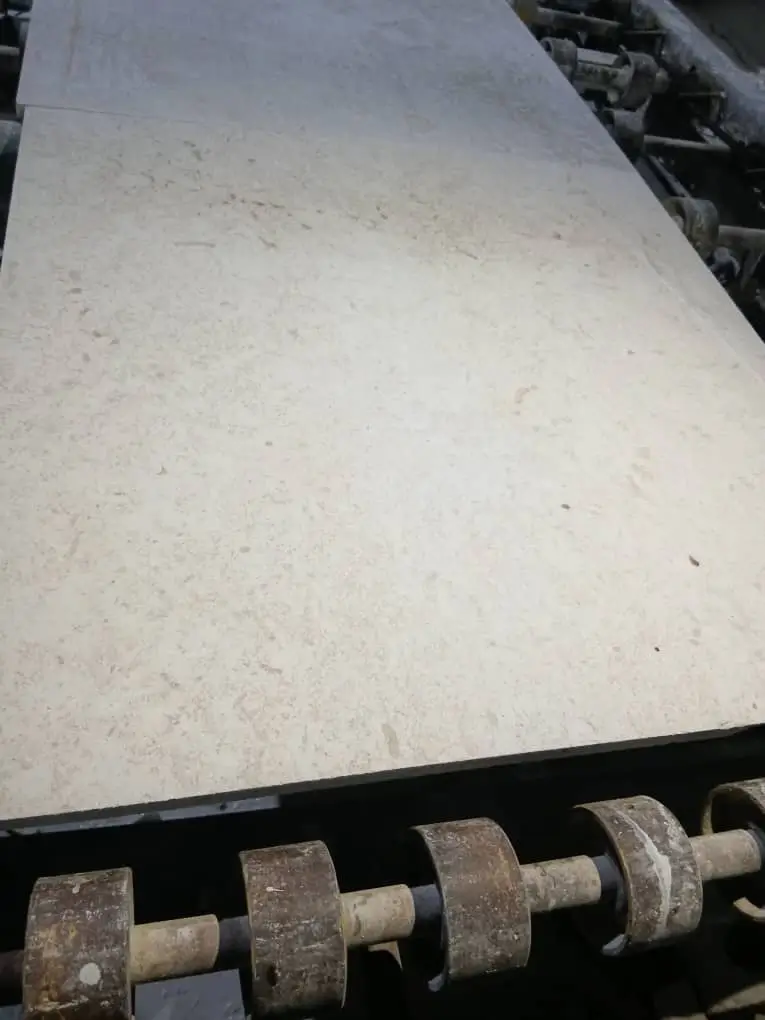
Your truck access and staging plan for large paver deliveries needs to account for the weight of natural stone. A full pallet of 2-inch white granite pavers runs 2,200 to 2,800 pounds depending on slab dimensions — a standard truck delivery may involve multiple pallets, so your site access path needs to support that combined axle load without damaging existing hardscape or landscaping. Confirm truck access dimensions and weight limits with your supplier before finalizing delivery scheduling.
Citadel Stone maintains warehouse stock of white granite pavers in Arizona, which typically compresses lead times to 1 to 2 weeks compared to the 6 to 8 week import cycle you’d face ordering direct from a wholesale importer. That timeline advantage is genuinely meaningful when you’re working around monsoon season installation windows. Confirm warehouse availability for your specific thickness and finish before committing to a project start date — popular white granite profiles in 2-inch thermal finish sell through quickly in spring when contractor demand peaks. Projects in Phoenix benefit particularly from this regional supply access, given the volume of large-scale outdoor renovation projects that concentrate in the February-to-May installation season.
Final Perspective on Installing White Granite Pavers in Arizona
Installing white granite pavers in Arizona successfully isn’t primarily a material selection question — it’s a systems engineering question. You’re specifying a paver surface that will absorb mechanical loads from wind events, pressure infiltration from monsoon rainfall, hail impacts, and the lateral stress of edge systems holding the entire installation together over decades. Every specification decision you make — base depth, edge restraint anchor spacing, joint sand system, finish type, thickness — either adds resilience to that system or introduces a vulnerability that Arizona’s weather will eventually expose.
The installations that hold up for 25-plus years across Arizona’s climate zones share the same specification DNA: overbuilt base preparation, mechanically robust edge systems, polymeric joint fill maintained on schedule, and stone thickness that builds in a structural margin. The installations that fail early consistently share the opposite: undersized base depth, flexible perimeter restraints at wind-exposed edges, washed-out joint sand after the first monsoon, and minimum-thickness stone that lacks bending resistance. Your specification choices before a single paver is placed determine which category your project lands in.
Arizona desert-rated white granite stone flooring rewards the specifier who treats each component decision as load-bearing — because in Arizona’s climate, every component effectively is. If you’re evaluating complementary stone options alongside your white granite specification, Blue Granite vs Natural Stone: Better for Arizona? covers material performance comparisons that are directly relevant to desert climate project decisions. Homeowners in Tucson, Gilbert, and Peoria rely on Citadel Stone white granite pavers, which are known for their structural consistency and ability to handle Arizona’s heat-related expansion cycles.