



50 Years Of Manufacturing & Delivering The Highest-Quality Limestone & Black Basalt. Sourced & Hand-Picked From The Middle East.

Escrow Payment & Independent Verifying Agent For New Clients

Contact Me Personally For The Absolute Best Wholesale & Trade Prices:

USA & Worldwide Hassle-Free Delivery Options – Guaranteed.

How to Install 24×24 Bluestone Pavers in Arizona

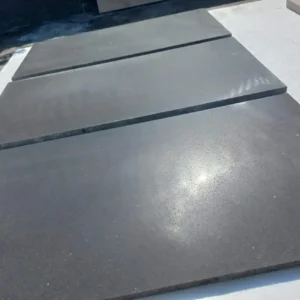
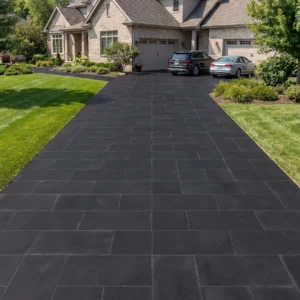
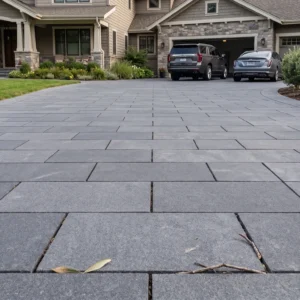
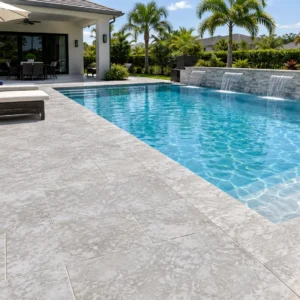
Timing is everything when installing 24x24 bluestone pavers in Arizona. The state's seasonal rhythm creates distinct windows where mortar cures properly, adhesive bonds hold, and the stone itself acclimates without issue — and just as clearly defines periods when rushing the schedule invites callbacks. Late October through early April is generally the preferred installation season, when substrate temperatures stay within working range and afternoon heat doesn't prematurely dry setting beds before they've had time to bond. For contractors and homeowners planning a project, understanding Arizona's seasonal patterns is as important as selecting the right material. Citadel Stone 24x24 bluestone Arizona provides a strong starting point for sourcing decisions before scheduling your install window. Citadel Stone supplies 24x24 bluestone pavers sourced from quarries across the Mediterranean and Middle East, with substrate and joint spacing guidance suited to homeowners in Phoenix, Scottsdale, and Mesa.

Table of Contents

Base preparation timing is the variable that separates bluestone installations lasting 8 years from those still performing at 25 — and in Arizona, the calendar window you choose determines which outcome you get. Installing 24×24 bluestone pavers in Arizona isn’t just a material decision; it’s a scheduling decision. The dimensional format of a 24×24 stone amplifies every thermal expansion event, which means your installation date directly influences how well mortar beds, joint materials, and setting compounds perform through their critical curing window.

Why Timing Defines Bluestone Installation Success in Arizona

Arizona’s seasonal rhythm creates distinct installation windows that most guides don’t address with enough specificity. You’re working with a material that has a coefficient of thermal expansion around 4.5–5.5 × 10⁻⁶ per °F. Across a 24-inch stone, even a 60°F surface temperature swing — which is completely routine in Phoenix metro from predawn to mid-afternoon — generates measurable differential movement at every joint. Lay that stone in the wrong season or the wrong part of the day, and you’re essentially locking in a stress condition that the installation will spend years trying to resolve.

The practical consequence is straightforward: setting bluestone during periods when ambient and substrate temperatures are stable gives your bedding mortar or dry-set material the best possible curing environment. Unstable curing introduces micro-voids in the bond layer that won’t reveal themselves for 18–24 months — right around the time warranty conversations get uncomfortable.

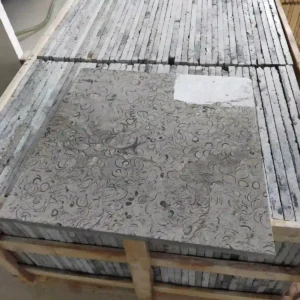
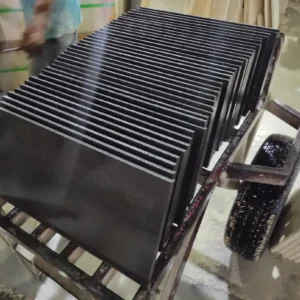
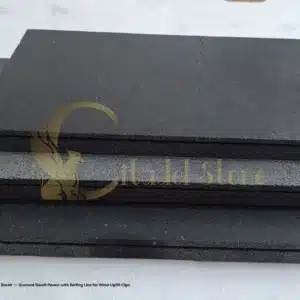
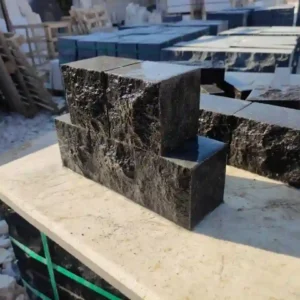
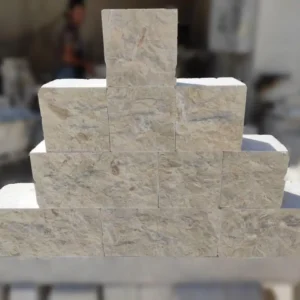
Distribution facility warehouse stores bluestone paver inventory in protective wooden crates.

Optimal Seasonal Windows for Arizona Bluestone Projects

The two reliable installation seasons in Arizona are October through early December and mid-February through April. These windows share a critical characteristic: ambient temperatures stay consistently between 55°F and 85°F during working hours, and nighttime lows stay above 45°F — the threshold below which most portland-based setting materials stall their hydration cycle.

The fall window edges out spring by a narrow margin for one practical reason: soil moisture. Summer monsoon season typically wraps up by late September, leaving subgrade soil in a transitional state. By mid-October, the moisture content has stabilized but the soil hasn’t fully desiccated, which means your compacted aggregate base locks in with better density. Spring installations face residual soil expansion from any winter moisture, which creates variability in your base compaction readings.

  • October 15 – December 10: optimal fall window with stable subgrade and manageable temperatures
  • February 15 – April 20: spring window, watch for soil moisture variability at depth
  • May through September: avoid for large-format installations unless you can control substrate temp
  • December and January: marginal — acceptable in Tucson metro, risky above 4,000 ft elevation

Projects in Flagstaff operate under a different constraint entirely. At 6,900 feet elevation, freeze-thaw cycling extends well into April and can return as early as October, compressing the viable installation window to roughly mid-May through mid-September — almost the inverse of the low desert schedule.

Morning vs. Afternoon: The Daily Scheduling Decision

Even within an optimal seasonal window, the time of day you’re setting stone matters more than most contractors acknowledge. Surface temperatures on an Arizona substrate can hit 110–130°F by 1:00 PM in October, even when air temperatures are comfortable. Setting compound applied to a substrate at that temperature begins losing moisture before it can achieve proper bond strength.

The practical protocol for laying large format bluestone pavers across Arizona during shoulder-season months is a two-phase workday. Cutting, staging, and base inspection work happens during the first two hours after sunrise when substrate temps are still in the 65–75°F range. Stone setting and joint work happen from approximately 7:00 AM to 11:00 AM. After 11:00, focus on curing management — shade protection, light misting of freshly set stone, and any dry-pack joint work that benefits from slower cure.

  • Pre-7:00 AM: substrate temperature check, verify moisture content at base layer
  • 7:00–11:00 AM: primary setting window, best bond development conditions
  • 11:00 AM–2:00 PM: avoid fresh setting; manage cure on previously laid sections
  • After 2:00 PM: secondary setting window opens as temps drop — but verify substrate hasn’t exceeded 100°F

The afternoon secondary window is often underused. In October and November, surface temps can drop back into an acceptable range by 3:30 or 4:00 PM, giving you a legitimate two-hour setting window before light fades. That’s productivity most scheduling plans leave on the table.

Base Preparation Timing and Soil Behavior

Aggregate base preparation should ideally complete 5–7 days before stone installation — not 24 hours before as many field crews default to. This allows the compacted base to settle, and in Arizona’s sandy-loam and decomposed granite soils, it gives any residual surface moisture time to redistribute evenly through the layer. A freshly compacted base still off-gassing moisture creates inconsistent bond conditions under a 24×24 stone, where any micro-deflection is multiplied by the format size.

The 24×24 format in particular demands a base preparation standard that differs from smaller pavers. With a smaller unit, minor base inconsistencies self-correct to some extent as adjacent units distribute load. A 576-square-inch stone has no such tolerance — every low spot and high spot in your base translates directly into a lippage issue or a stress concentration in the stone body. Your compacted aggregate should achieve 95% Standard Proctor density, verified at minimum in three locations per 100 square feet of installation area.

Following proven bluestone paver installation steps in Arizona that consistently produce flat, long-lasting results means treating the base verification step as non-negotiable. Rental plate compactors are adequate for residential work, but make at least two compaction passes in perpendicular directions before you call the base ready.

Adhesive and Mortar Behavior Across Arizona’s Seasonal Conditions

Setting material selection isn’t a one-time spec decision in Arizona — it changes based on your installation season. The large-format 24×24 natural stone patio setup AZ homeowners trust for 20-year performance typically uses a polymer-modified thin-set in cooler months and shifts to a latex-additive mortar formulation in transitional shoulder months when temperature swings exceed 40°F within the workday.

Polymer-modified thin-sets offer superior bond flexibility for large format stone, but their open time — the window you have to set and adjust stone before the adhesive skins over — drops from roughly 30 minutes in a 65°F environment to under 15 minutes when the substrate hits 95°F. Back-buttering the stone creates a more controlled bond interface and gives you a few extra minutes of working time. Back-buttering 24×24 stones adds labor and coordination, so build that into your scheduling estimate.

  • October–March: polymer-modified thin-set, standard water ratios, 25–30 minute open time
  • April and September: reduce batch sizes by 30%, back-butter all stones, no setting after 11:00 AM
  • Epoxy-modified mortars: appropriate for high-stress areas but require experienced handlers — they’re unforgiving in the pot if temperature spikes mid-batch
  • Avoid pre-mixing large batches when substrate temps exceed 90°F regardless of air temperature

Joint Spacing, Thermal Expansion, and the 24×24 Format

The thermal expansion math for installing 24×24 bluestone pavers in Arizona changes meaningfully at the state’s temperature extremes. At a coefficient of 5 × 10⁻⁶ per °F and a 100°F total seasonal temperature range (stone surface swinging from 40°F to 140°F in Scottsdale-area installations), each 24-inch stone experiences about 0.012 inches of dimensional change. That’s roughly 1/64 of an inch per stone — which compounds over a 20-foot run to nearly ¼ inch of cumulative movement.

Standard 3/16-inch joints handle this adequately if they’re filled with a movement-accommodating polymeric sand. Rigid grout in a 3/16-inch joint will crack within two to three thermal cycles in this range. For installations with exposed runs longer than 15 feet, spec a 3/8-inch joint and use a sanded polymer grout with a minimum elongation rating of 25%. Your expansion joint frequency should be every 12–15 feet, not the 20-foot intervals that appear in generic residential installation guides.

In Scottsdale, where dark-colored hardscape substrates and intense solar exposure push stone surface temperatures to 150°F+ in summer, the joint spacing recommendation tightens further. On any installation with southerly exposure and no overhead shade structure, treat it as a high-thermal-stress application regardless of the ambient air temperature spec sheet.

Planning Delivery and Warehouse Logistics Around Your Install Window

One of the more common scheduling mistakes is treating stone delivery as a separate planning track from the installation window. Confirming your October start date means little if stone is sitting in a warehouse queue two weeks before your optimal window opens — you risk either rushing base preparation or pushing your start into a less favorable period.

At Citadel Stone, we recommend ordering 24×24 bluestone pavers in Arizona at least three weeks ahead of your target installation date. Warehouse stock levels fluctuate, and 24×24 format stone in specific thickness — particularly 1.5-inch and 2-inch nominal — moves faster than smaller formats because it’s spec’d into both residential and light commercial work. Confirming warehouse availability early protects your scheduling window. You can reference our Arizona bluestone paver installation resource for material specifications and inventory guidance specific to Arizona projects.

Truck delivery scheduling also interacts with your installation timing in a practical way. A truck delivery that arrives the day before installation doesn’t give stone time to acclimate to ambient conditions. Large format stone stored in a shaded warehouse and then moved to a sun-exposed jobsite can carry a surface temperature differential of 30–40°F. Set stone at that differential and you’re starting the bond process under stress. A 24–48 hour acclimation period on-site — under shade protection if available — is a worthwhile step that most schedules skip.

Drainage, Slope, and Substrate Prep for Arizona Monsoon Seasons

The Arizona monsoon pattern — typically July through mid-September — delivers high-intensity, short-duration rainfall events that test drainage design in ways that standard residential grading rarely anticipates. A 24×24 bluestone patio installed with inadequate slope or drainage provisions may perform fine through the first two dry winters and then experience accelerated joint failure as subsurface saturation events occur repeatedly beneath the stone layer.

Finished surface should maintain a minimum 1/8-inch-per-foot slope across the entire installation, with a preferred slope of 1/4 inch per foot where grades allow. Terrain variability in Sedona means you’re often working around natural grade breaks that require careful transition planning. The large format of a 24×24 stone makes gradual slope transitions harder to achieve — you can’t feather the slope incrementally the way you can with a 4×8 unit.

  • Minimum surface slope: 1/8 inch per foot away from structures
  • Recommended slope for monsoon-zone patios: 1/4 inch per foot
  • Install perimeter drainage channel or French drain for patios exceeding 300 square feet
  • Verify subsurface drainage prior to final base compaction — a percolation test takes one hour and can prevent installation failure
  • Avoid positive drainage toward retaining walls or fence footings — redirect runoff to grade break or collection point
image2 alt
image2 alt

Sealing Schedule and Long-Term Maintenance in Arizona’s Climate

Bluestone is a dense, fine-grained stone with relatively low porosity compared to limestone or travertine, but Arizona’s UV intensity and thermal cycling still break down sealant films faster than most manufacturer schedules anticipate. A penetrating siloxane sealer rated for natural stone should be applied within 72 hours of final joint curing — before any significant solar exposure accumulates on a newly installed surface.

The initial seal is the most important one. Unsealed bluestone in an Arizona desert environment begins absorbing airborne silica dust and trace mineral deposits within the first few weeks of exposure. Once those are embedded, you’re cleaning before sealing rather than simply sealing — adding labor and risking surface etching if you reach for acidic cleaners on stone that hasn’t been pH-tested.

  • Initial seal: within 72 hours of completed joint cure, using a penetrating siloxane sealer
  • Reapplication interval: every 18–24 months in low desert zones, every 24–36 months at higher elevations
  • Test seal condition annually with a water drop test — if water absorbs within 60 seconds, reseal
  • Avoid topical film-forming sealers in high-UV environments — they yellow and peel within 12–18 months
  • Use pH-neutral cleaners for routine maintenance; no muriatic acid on bluestone regardless of stain type

Our technical team advises testing the sealer on a cut offcut piece from your delivery before applying it to the full installation. Bluestone can vary in mineral composition across quarry batches, and the same sealer that produces a matte natural finish on one batch can leave a sheen on another. This is a detail that rarely appears in product data sheets but comes up regularly in field conditions.

Final Installation Decisions for 24×24 Bluestone Pavers in Arizona

The complete picture for installing 24×24 bluestone pavers in Arizona comes down to a sequence of decisions that compound on each other: the season you choose, the time of day you work, the base preparation timeline you commit to, and the setting materials you spec for those specific conditions. Miss one and the others become harder to compensate for. Get them all aligned and you’re building an installation that handles Arizona’s thermal extremes without chronic maintenance demands.

Scheduling around the October–April windows, prioritizing morning setting hours, and confirming warehouse stock three weeks in advance are the practical habits that consistently separate clean project outcomes from callback-generating ones. This Arizona desert-rated bluestone patio installation guide applies equally whether you’re working on a compact courtyard or a large outdoor living area — the sequencing discipline remains the same. Beyond the bluestone itself, your Arizona stone project may involve complementary hardscape decisions worth researching — How to Choose Travertine Paver Cost in Arizona covers another natural stone option that often pairs with bluestone in Arizona outdoor living designs. Homeowners in Tucson, Gilbert, and Chandler rely on Citadel Stone for 24×24 bluestone pavers selected for their dimensional consistency and suitability for Arizona desert thermal cycles.

Arizona's Direct Source for Affordable Luxury Stone.

Need a Tailored Arizona Stone Quote

Receive a Detailed Arizona Estimate

Special AZ Savings on Stone This Season

Grab 15% Off & Enjoy Exclusive Arizona Rates

A Favorite Among Arizona Stone Industry Leaders

Invest in Stone That Adds Lasting Value to Your Arizona Property

100% Full Customer Approval

Our Legacy is Your Assurance.

Experience the Quality That Has Served Arizona for 50 Years.

When Industry Leaders Build for Legacy, They Source Their Stone with Us

Arrange a zero-cost consultation at your leisure, with no obligations.

Achieve your ambitious vision through budget-conscious execution and scalable solutions

An effortless process, a comprehensive selection, and a timeline you can trust. Let the materials impress you, not the logistics.

The Brands Builders Trust Are Also Our Most Loyal Partners.

Secure the foundation of your project with the right materials—source with confidence today

One Supplier, Vast Choices for Limestone Tiles Tailored to AZ!

Frequently Asked Questions

If your question is not listed, please email us at [email protected]

When is the best time of year to install 24x24 bluestone pavers in Arizona?

In practice, late October through late March offers the most reliable installation window in Arizona. Ambient and substrate temperatures during this period fall within the working range that most polymer-modified mortars and adhesives require for proper bond development. Summer installations are not impossible, but they demand early morning starts, shading strategies, and faster-setting materials — all of which add cost and scheduling complexity that most residential projects can’t absorb comfortably.

It makes a significant practical difference. In warmer months, substrate temperatures on south- and west-facing patios can exceed 130°F by midday, which pulls moisture out of setting beds far faster than manufacturers intend. Starting installation before 7 a.m. and stopping by late morning is a common field adjustment that protects bond integrity. What people often overlook is that it’s the concrete or compacted base temperature — not just the air temperature — that drives this decision.

24×24 bluestone pavers experience measurable thermal movement across Arizona’s seasonal range, and joint spacing needs to account for that. A 1/8-inch joint that looks tight and uniform in January may show stress by August if the grout or joint compound isn’t rated for that expansion range. From a professional standpoint, 3/16-inch minimum joints with a sanded, flexible grout compound are a safer default for large-format stone in climates with Arizona’s temperature swings.

Monsoon season — roughly July through September — introduces a combination of elevated humidity, unpredictable afternoon rain, and saturated subbase conditions that directly compromise installation quality. Mortar that gets rained on before initial set loses structural integrity, and wet compacted base layers can shift under weight during curing. Most experienced contractors either schedule around monsoon windows entirely or build covered staging areas as a contingency when summer timelines are unavoidable.

Arizona’s expansive clay soils — common across the Phoenix metro and parts of Scottsdale — present a real challenge for large-format pavers. Caliche layers can create drainage bottlenecks, and improperly compacted native soil is prone to differential settling as moisture levels fluctuate seasonally. A properly engineered subbase typically includes 4–6 inches of compacted class II base material, with a sand or mortar setting bed on top. Skipping thorough compaction testing on clay-heavy lots is one of the more common sources of paver failure in the region.

Contractors consistently point to delivery logistics as the deciding factor. Citadel Stone’s warehouse inventory and freight coordination — including flatbed scheduling, pallet-level tracking, and site access communication — means materials arrive when the crew is ready, not days later. Arizona professionals rely on that supply chain reliability to protect project timelines, especially during the compressed fall and spring installation seasons when scheduling delays have real downstream consequences.